
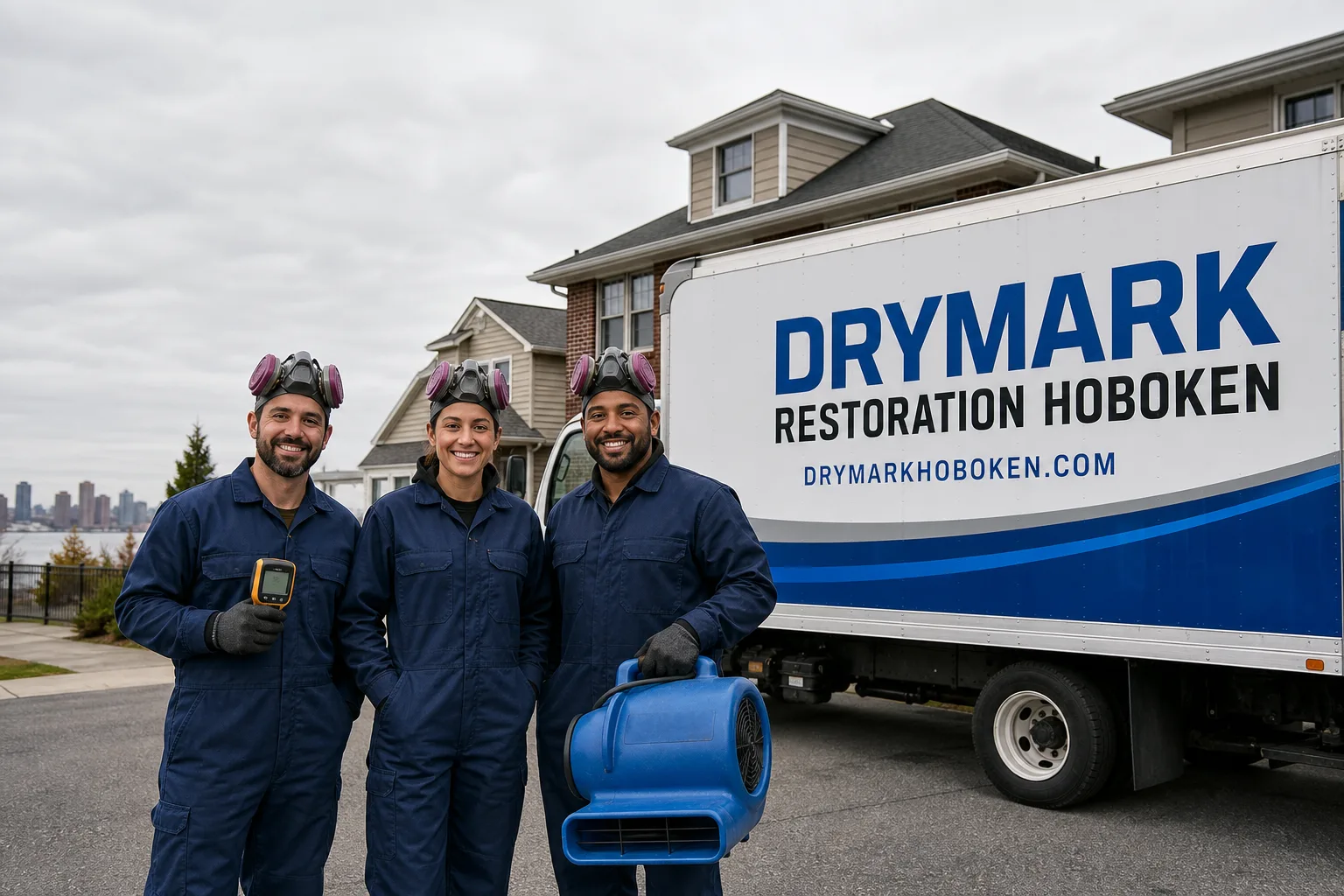
Free visual inspection and a written scope of work before any mitigation begins - photos, moisture readings, and drying logs go in your claim file
The scope we write is the scope we bill. Anything new gets shown to you, in writing, before we touch it.
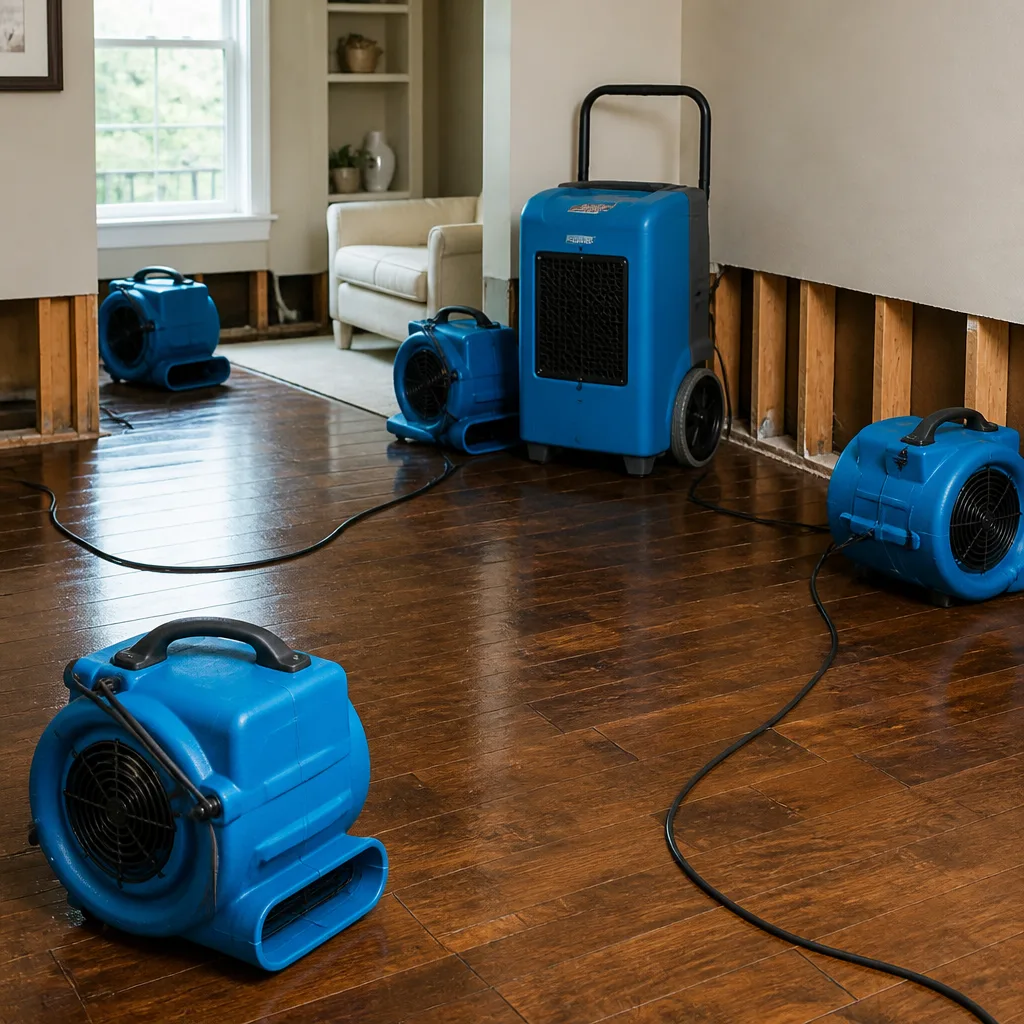
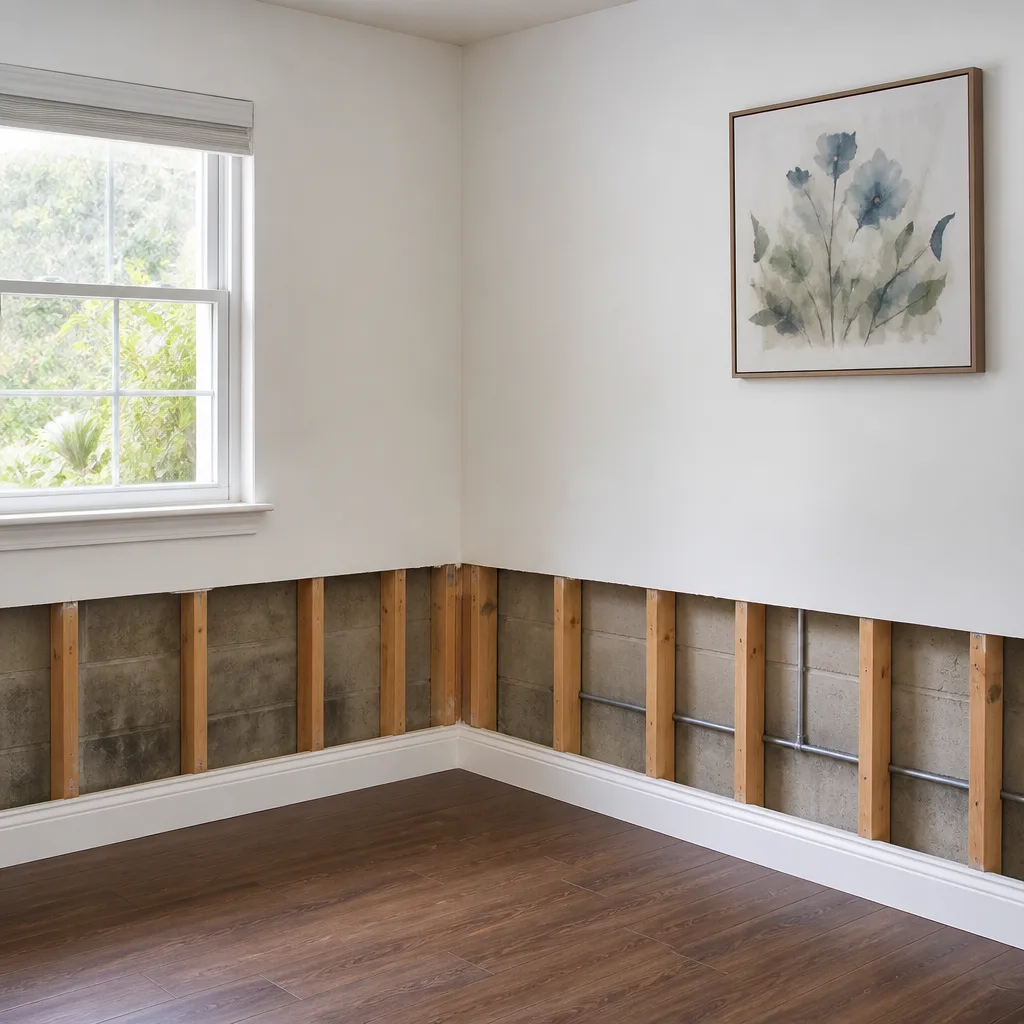
 Before
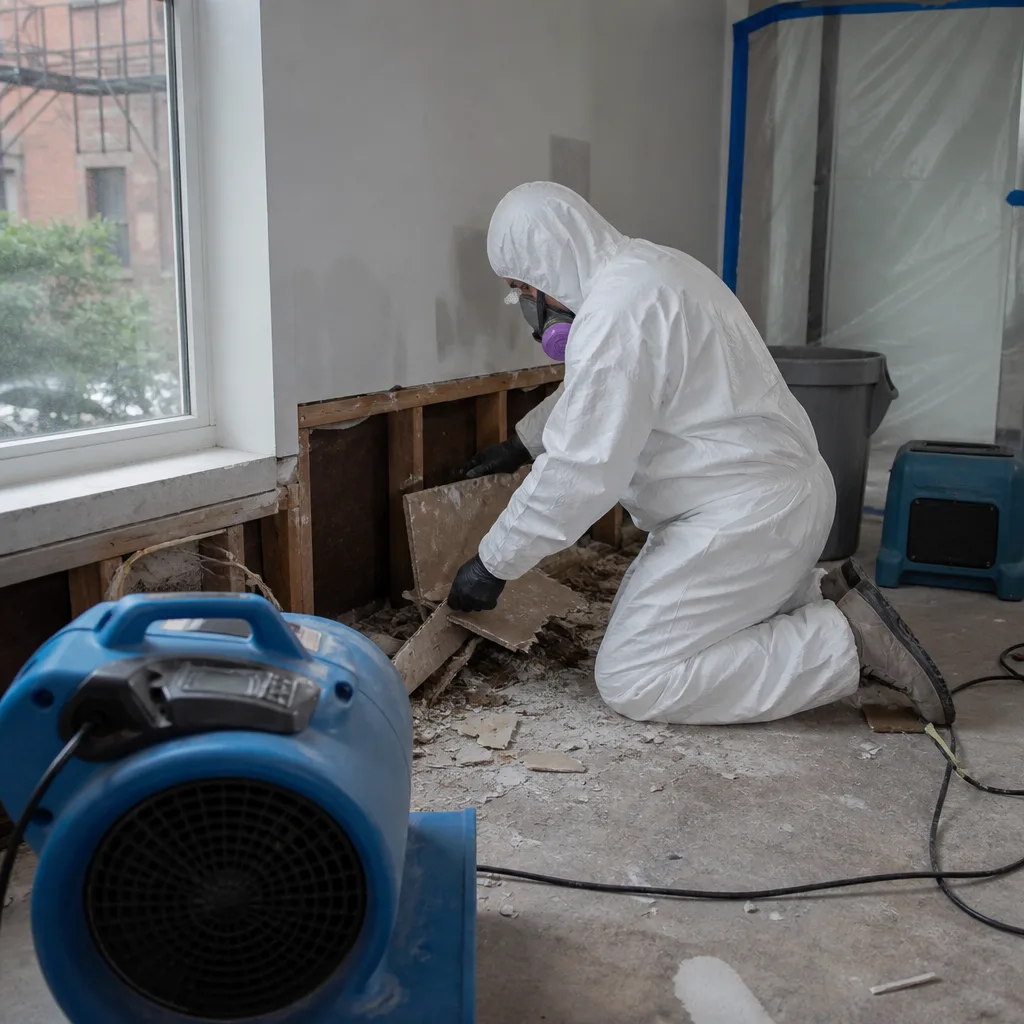 After
After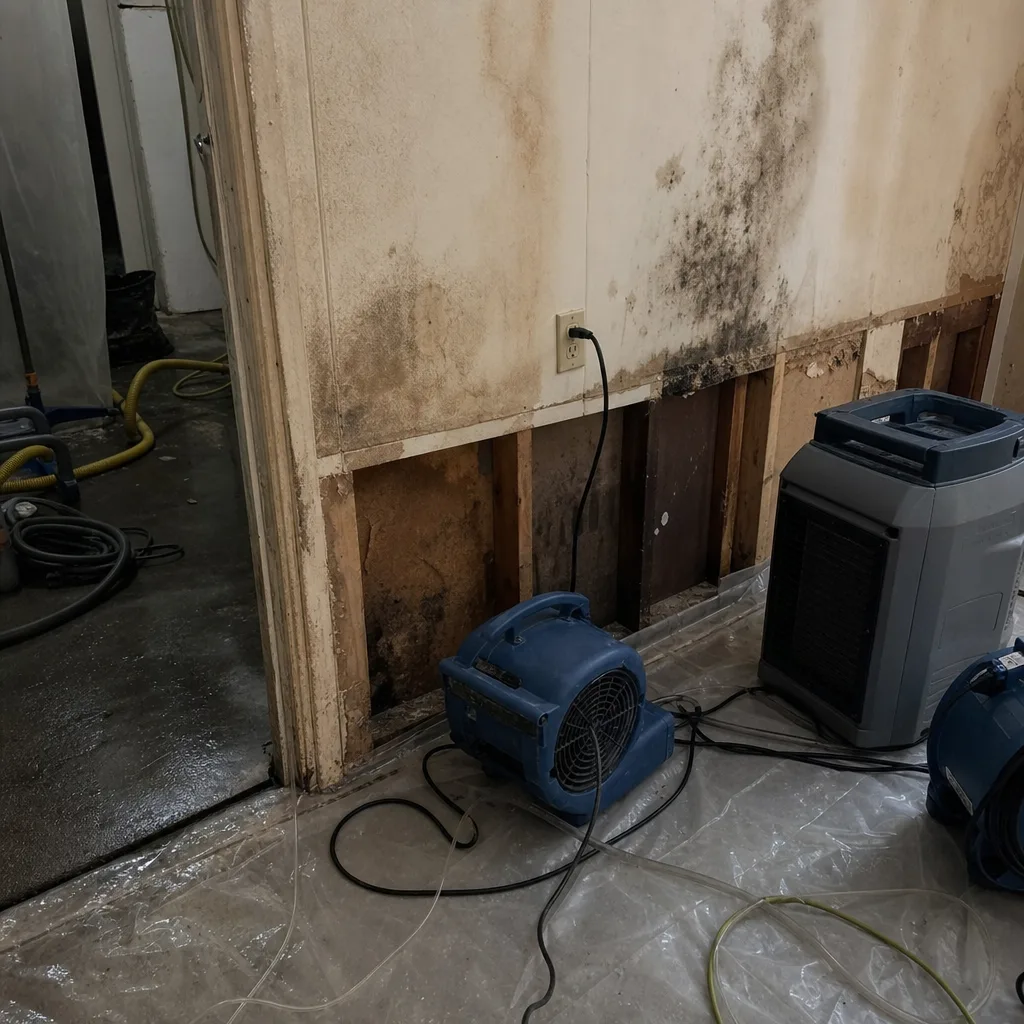 Before
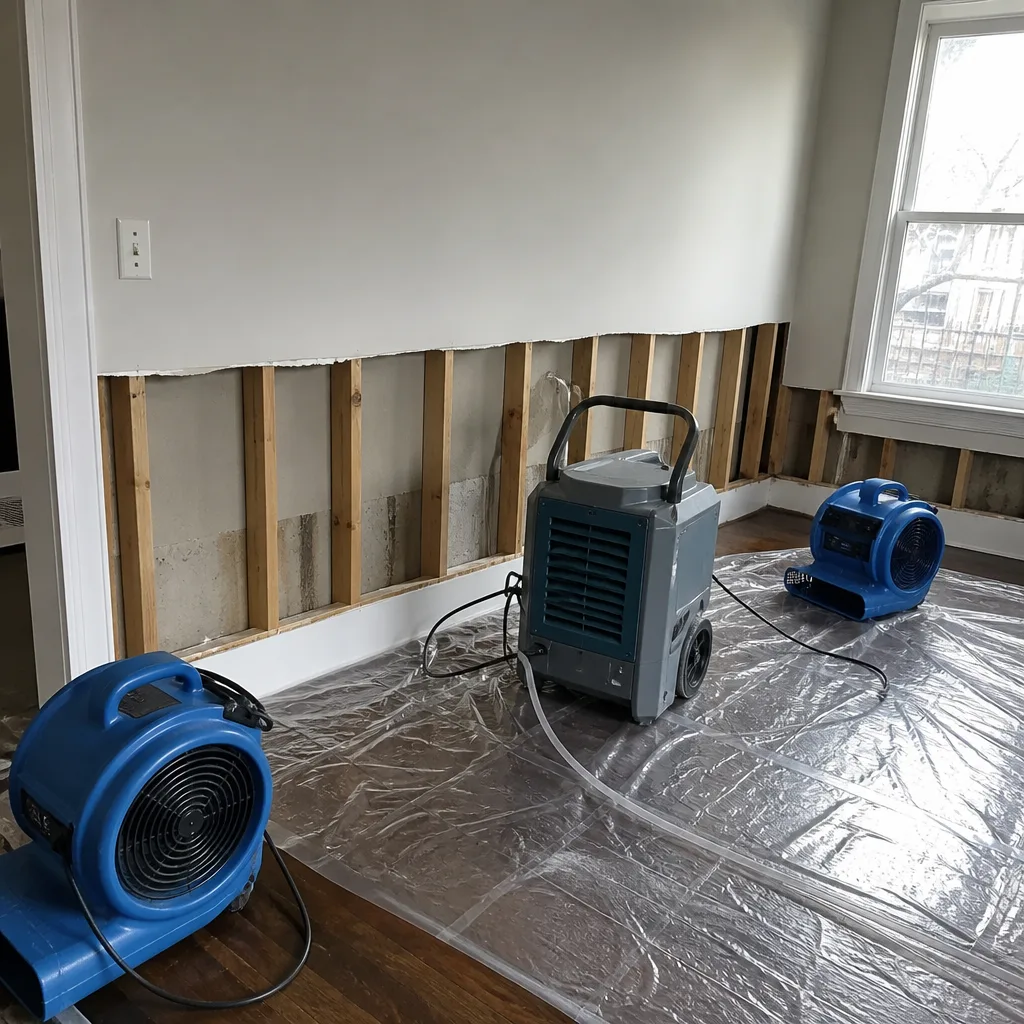 After
After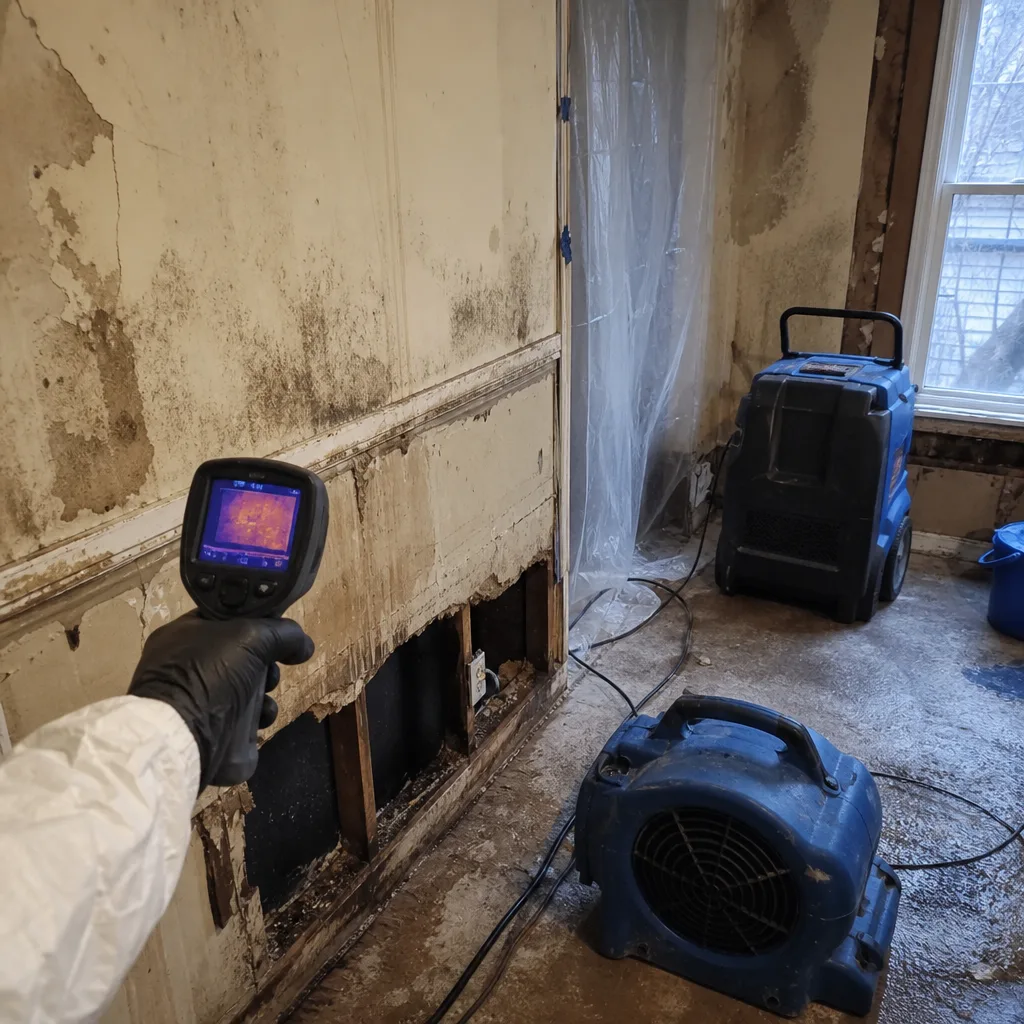 Before
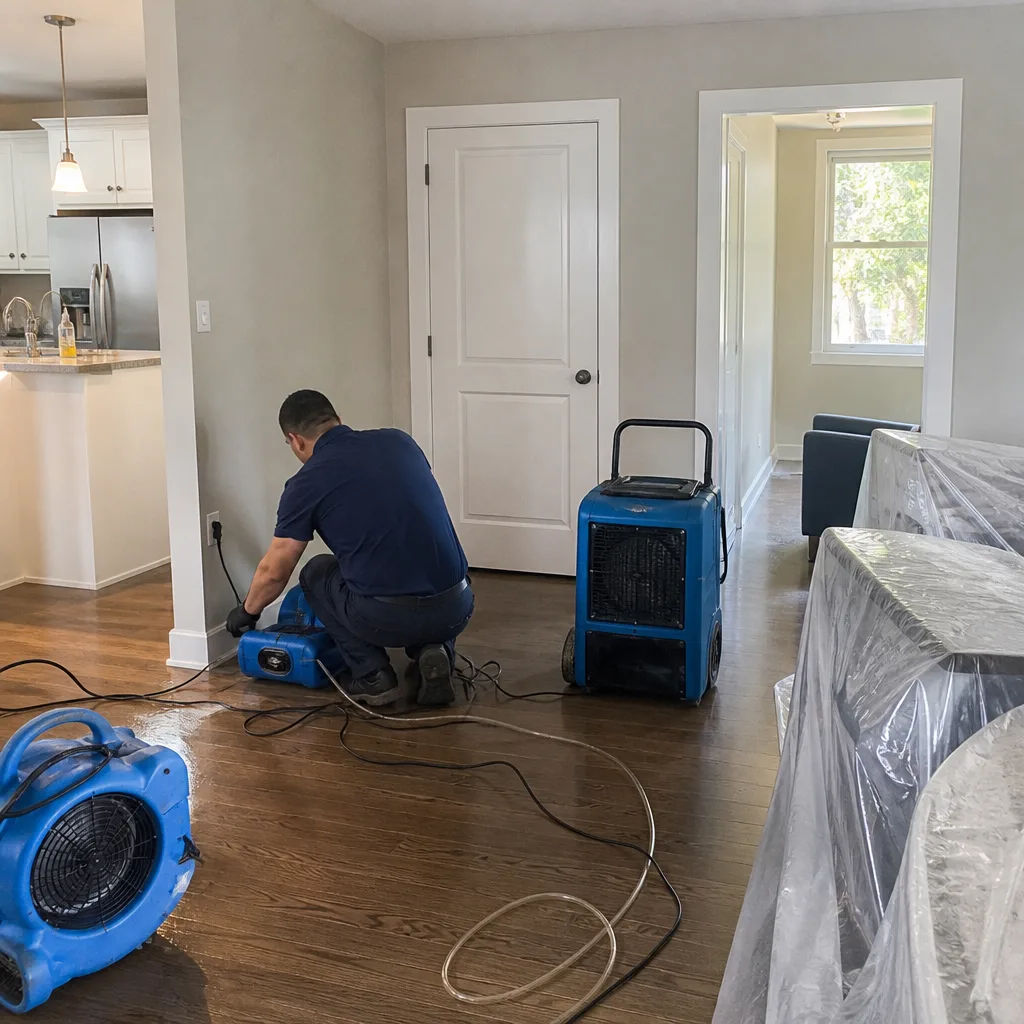 After
AfterFast, Reliable Water Damage Restoration Across Long Island City
Water damage restoration in Long Island City typically costs $2,800-$7,500 for residential jobs, with emergency extraction starting at $1,200-$2,400 and full structural drying running $1,600-$5,100 depending on square footage and material classification. Most emergency calls in Long Island City receive a crew on-site within 60-90 minutes, though high-rise access through building management can add 15-30 minutes to arrival. Call (551) 212-1580 for a written estimate before any work begins.
We know Long Island City’s buildings because we dry them weekly. Our crews coordinate dispatch from our New York City office and serve Long Island City directly, carrying the access codes, loading dock protocols, and property manager contact patterns we’ve built across Hunters Point, Dutch Kills, and the Queensbridge corridor. Whether you’re in a converted warehouse loft with original cast-iron drain stacks or a glass-curtain tower with a 24-hour concierge desk, we arrive with equipment that fits your access constraints and documentation that satisfies your insurer.
Why DryMark Restoration Hoboken Is Long Island City’s Preferred Water Damage Restoration Company
Our reputation in Long Island City rests on a single measurable habit: we write the price before we start the pump. Haven Standard, Clause 1. No exceptions. That practice, maintained across 12,000+ homes since 2011, matters especially here, where a single pipe failure can cascade through multiple units and scope disputes are common.
Long Island City customers find us through three-star reviews as often as five-star ones, and we answer both. The critical reviews teach us where our documentation failed to anticipate an adjuster’s question; the positive ones cite the photo record and drying logs that made their claim payable. Alicia Brennan founded Back to Dry Restoration in 2011 after working as a claims adjuster who watched homeowners lose coverage over missing paperwork. That origin shapes every Long Island City job we take.
Response time to Long Island City averages under 90 minutes for emergency calls, though we tell every caller the truth: waterfront high-rises with freight elevator restrictions or converted lofts with alley-only access require coordination that standard residential timelines don’t capture. We build that coordination into our dispatch, not around it.
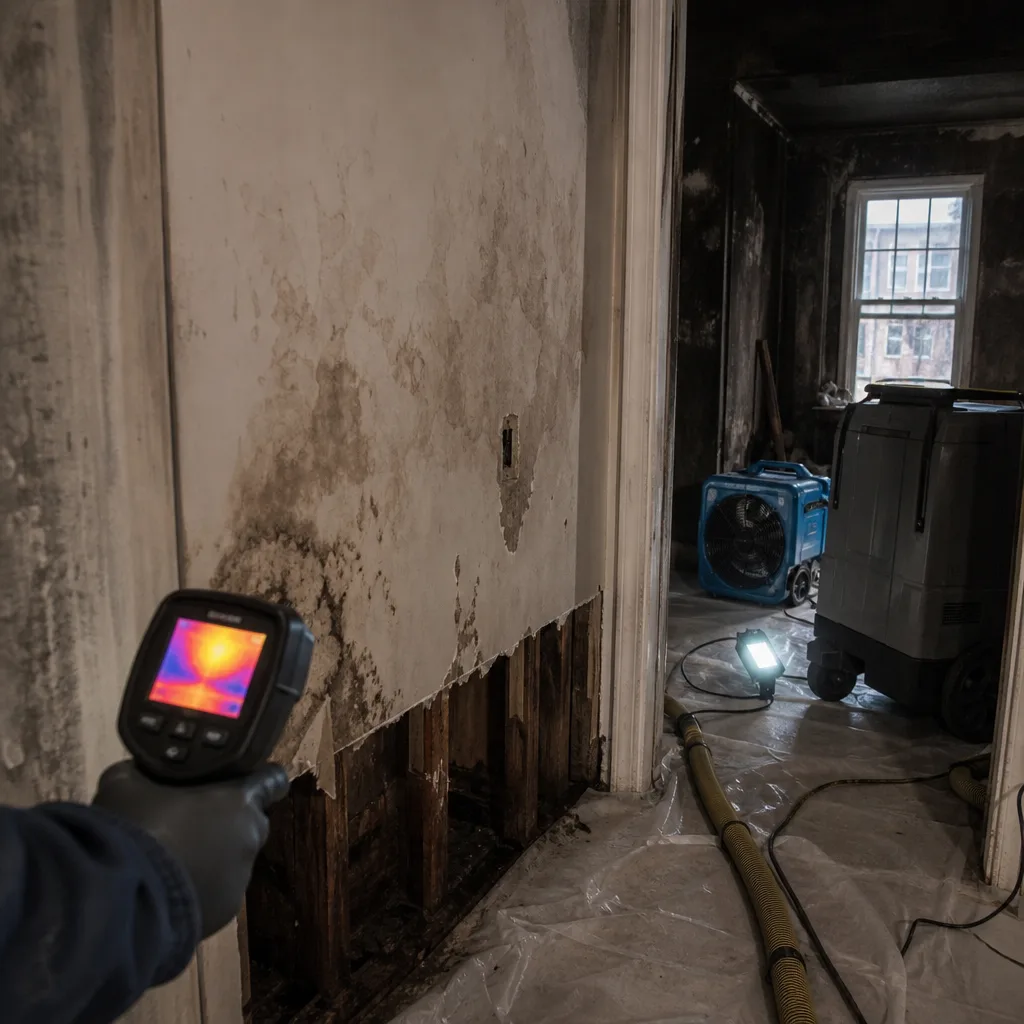
Local knowledge that saves Long Island City claims: we know which Hunters Point buildings still run original concrete slabs without vapor barriers, where moisture wicks laterally for weeks after the visible water is gone. We map that wicking edge with thermal imaging and document it before mold makes the scope undeniable and the insurance fight expensive.
Our Water Damage Restoration Services in Long Island City
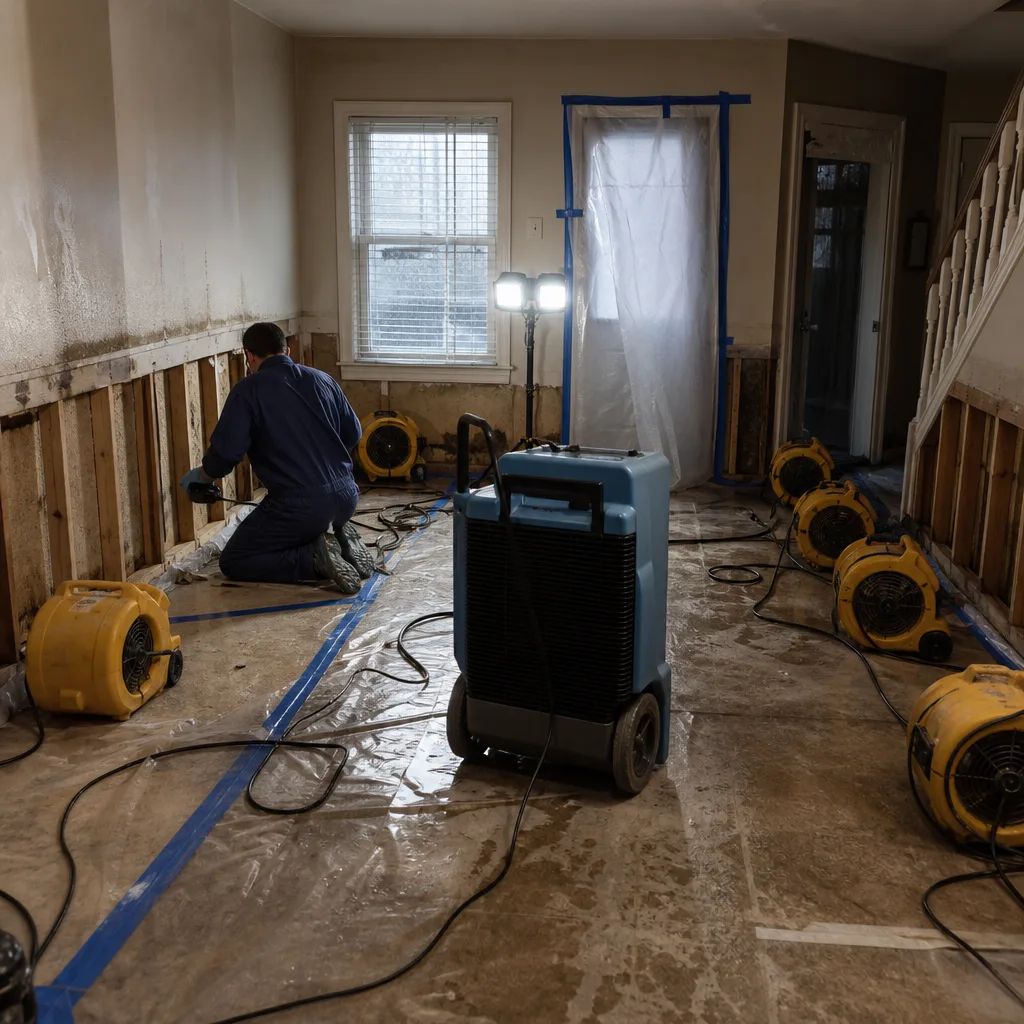
Emergency Water Extraction
Emergency water extraction in Long Island City runs $1,200-$2,400 for most residential units, with commercial and multi-unit jobs scaling from $3,500. We deploy truck-mounted extraction units and portable XPOWER and B-Air submersible pumps sized to your access constraints - alley-loading lofts in Dutch Kills get different equipment than tower freight elevators on Center Boulevard. Every extraction is documented with pre-loss photos, moisture readings, and a written scope before we pull the first gallon. In Long Island City’s FEMA AE flood zones, especially near Hunters Point South, we coordinate with building management to stage equipment while water is still rising, not after it recedes.
Structural Drying & Dehumidification
Structural drying in Long Island City costs $1,600-$5,100 depending on affected square footage, material class, and vapor barrier condition. Our crews use Dri-Eaz and Phoenix LGR dehumidifiers with Injectidry panel drying systems for hardwood and concrete slab applications, documented to IICRC S500 standards. This matters critically in Long Island City’s converted industrial buildings, where unlined concrete slabs wick moisture laterally beneath flooring finishes for weeks. We produce daily psychrometric logs - temperature, relative humidity, and vapor pressure differential readings - that trace the drying curve and prove completion to your adjuster. Without this documentation, insurers routinely deny the secondary damage that appears 30-60 days post-event.
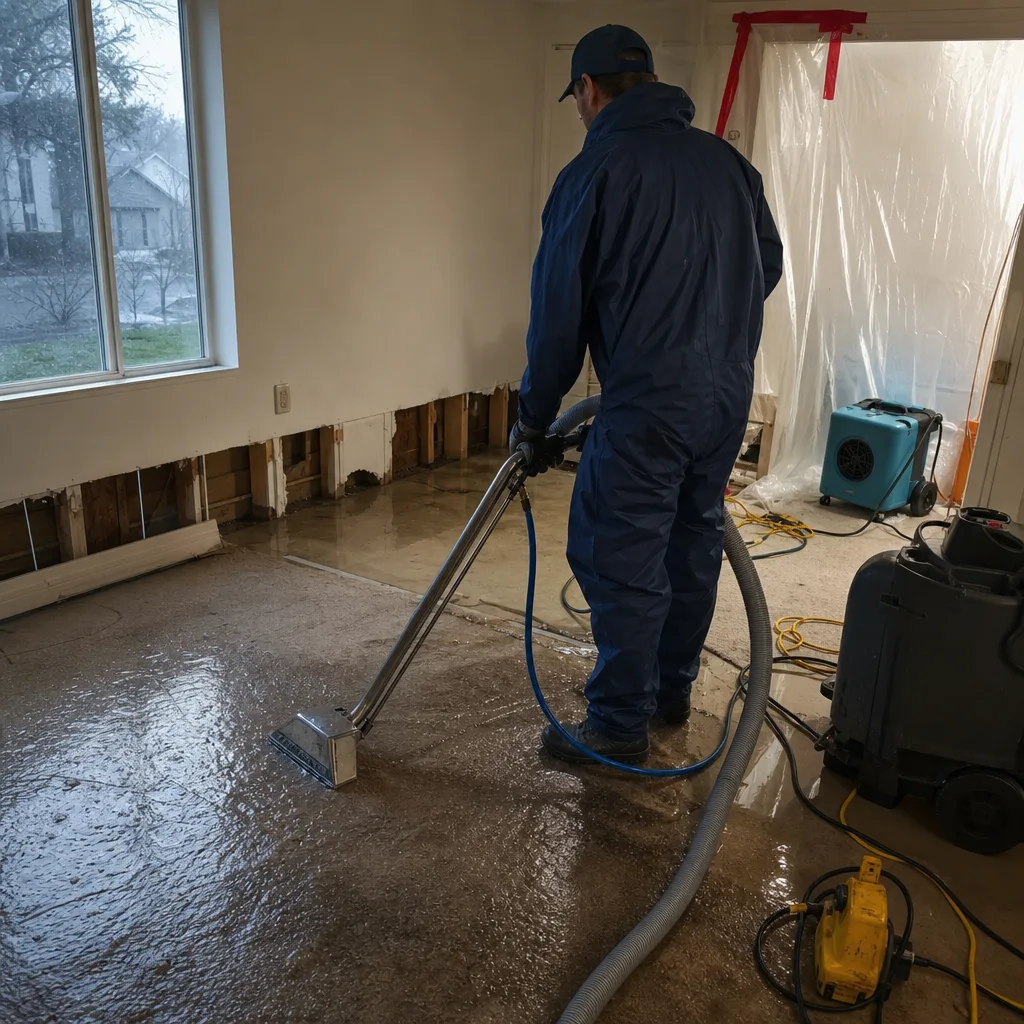
Flood Cleanup
Flood cleanup in Long Island City carries distinct urgency and distinct cost: Category 2 gray water jobs run $3,200-$6,800, while Category 3 black water events, including Newtown Creek surge flooding, start at $5,500 and scale with contamination level and affected volume. Long Island City’s position at the confluence of the East River and Newtown Creek - a federal Superfund site - places large areas in high-risk flood zones where storm surge is a primary damage category, not an incidental one. Hurricane Sandy’s 2012 inundation of Hunters Point South established the baseline: ground-floor and basement flooding that neighboring inland Queens neighborhoods simply don’t face. Our flood cleanup includes contamination assessment, EPA-compliant disposal documentation, and the photo record that distinguishes a payable Category 3 claim from a denied one.
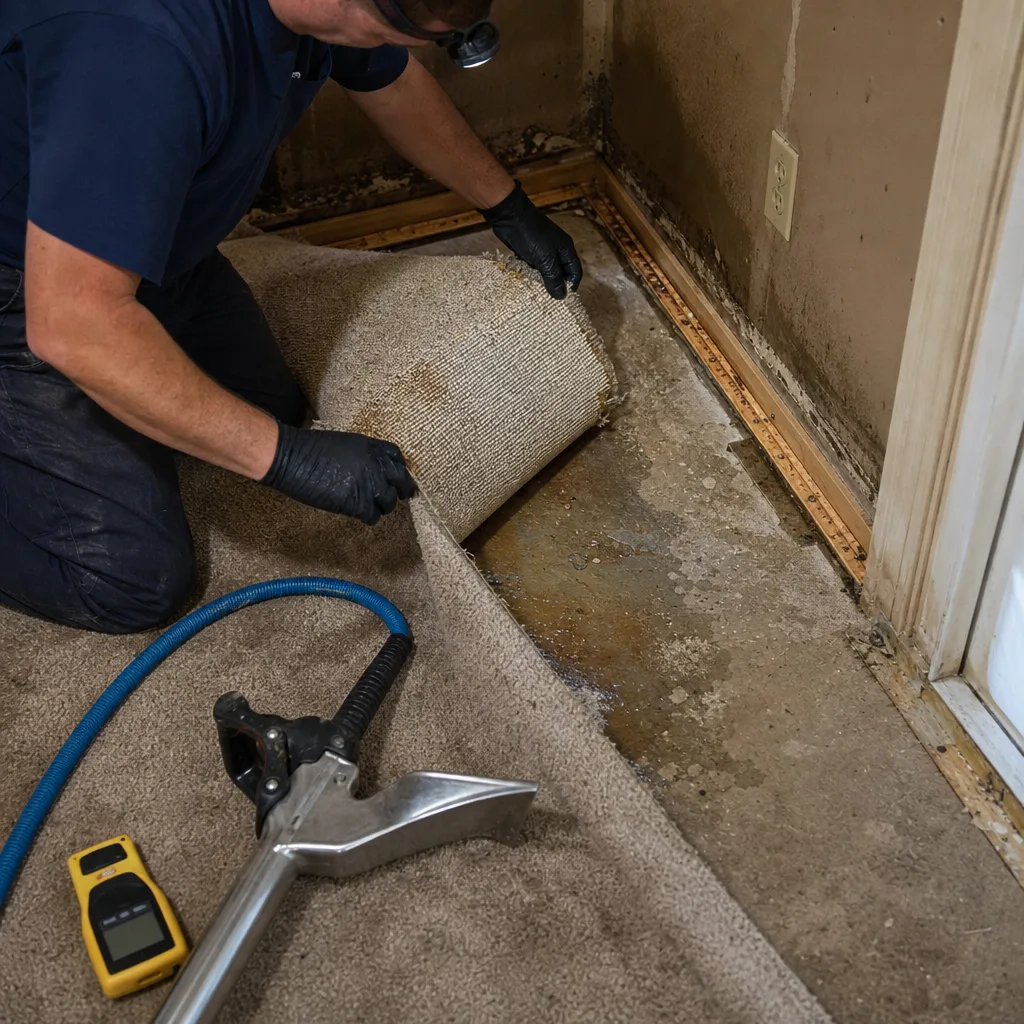
Burst Pipe Restoration
Burst pipe restoration in Long Island City ranges $2,400-$5,800 for typical residential units, with high-rise multi-unit cascades scaling significantly higher. We were called to a converted loft on 47th Avenue in Hunters Point where a neighbor’s supply line had leaked through an original cast-iron drain stack overnight; the tenant’s rolling-code building entrance meant we had to coordinate access through the property manager before we could even stage equipment in the alley. Our techs used Dri-Eaz and Phoenix air movers with Injectidry panel drying on the slab, moisture mapped every square foot, and documented pre-loss condition with drying logs showing the wicking edge extended two rooms past the visible water line - a scope issue that would have derailed the insurance claim if we hadn’t caught it. That cast-iron stack, original to the 1920s building, was the recurring source, not the supply line itself. We noted it in our written scope so the plumber’s repair would address the actual failure mode.
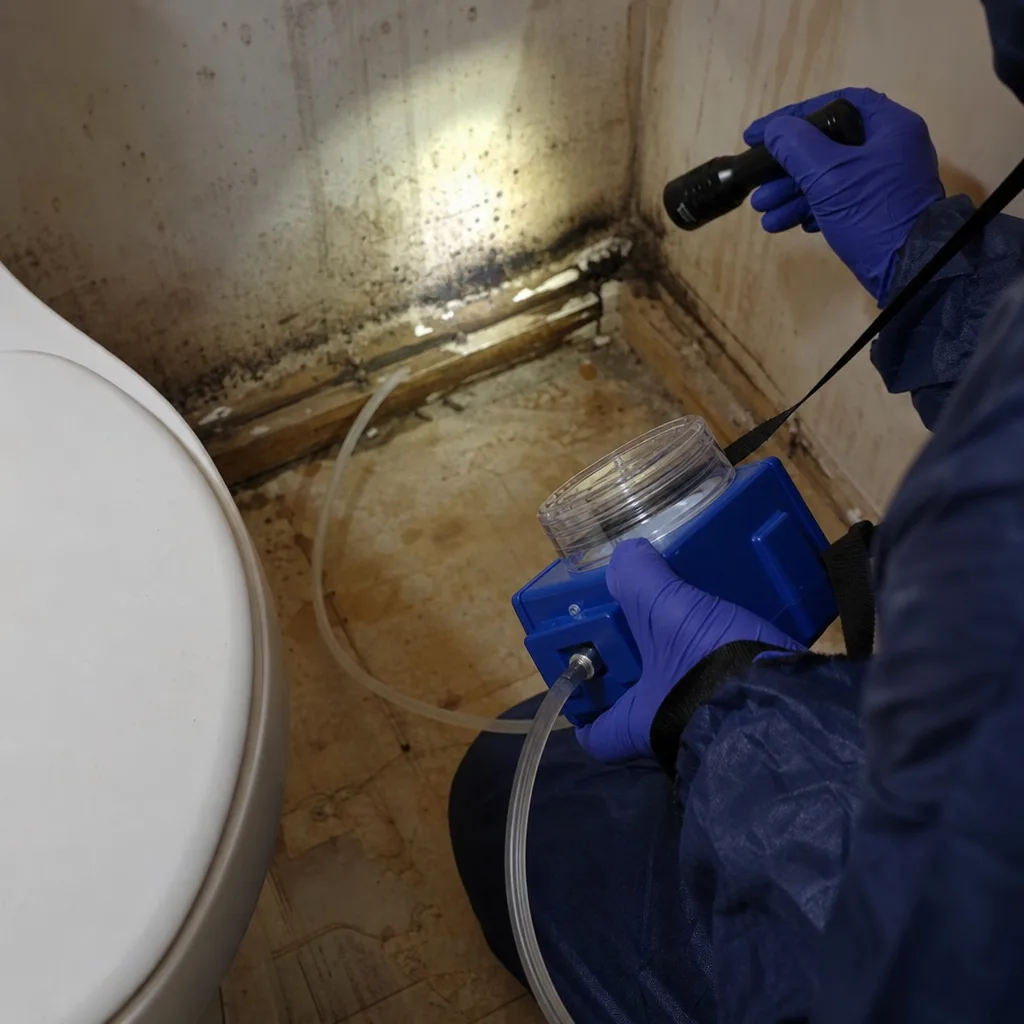
Basement Water Removal
Basement water removal in Long Island City starts at $1,800 for straightforward extraction, though Hunters Point and Dutch Kills basements in converted industrial buildings often reveal the lateral wicking pattern that pushes full restoration toward $4,200-$6,500. Original concrete slabs without vapor barriers, combined with masonry façades that absorb water aggressively, mean basement jobs here routinely require extended drying phases and detailed moisture mapping. We document the slab condition in our initial assessment so your insurer understands why the drying log runs 10 days instead of 5.
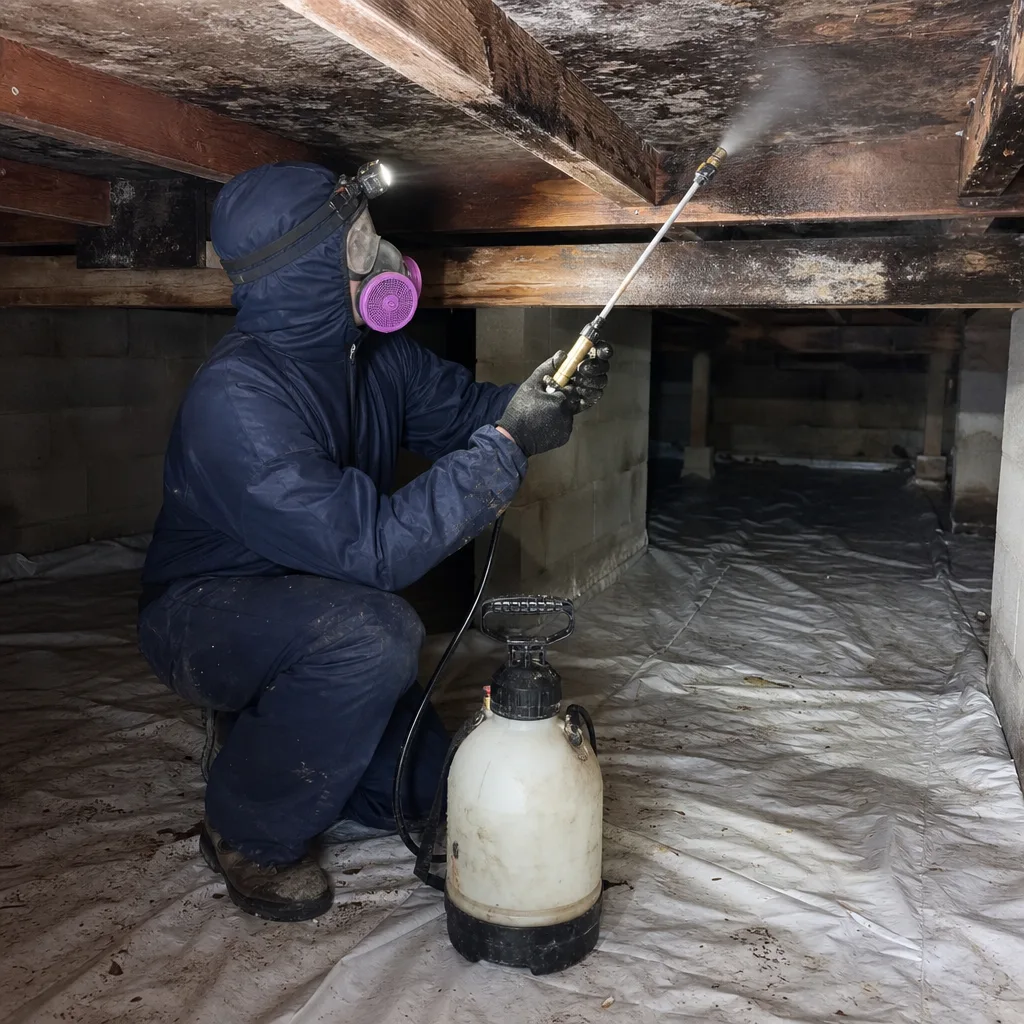
Ceiling & Roof Leak Water Damage
Ceiling and roof leak damage in Long Island City’s post-2005 glass high-rises presents a specific pattern: one HVAC condensate line failure can send water through 10-20 stacked units before a doorman fields the first call. Extraction for a single affected unit runs $1,400-$2,800, but building-wide coordination with multiple carriers and management companies is where our documentation-first approach proves its value. We produce individual unit scopes with photo records, then aggregate them into a master drying log that building management can present to their master policy carrier. Without this structure, stacked-unit events in Long Island City devolve into scope disputes that delay restoration by weeks.
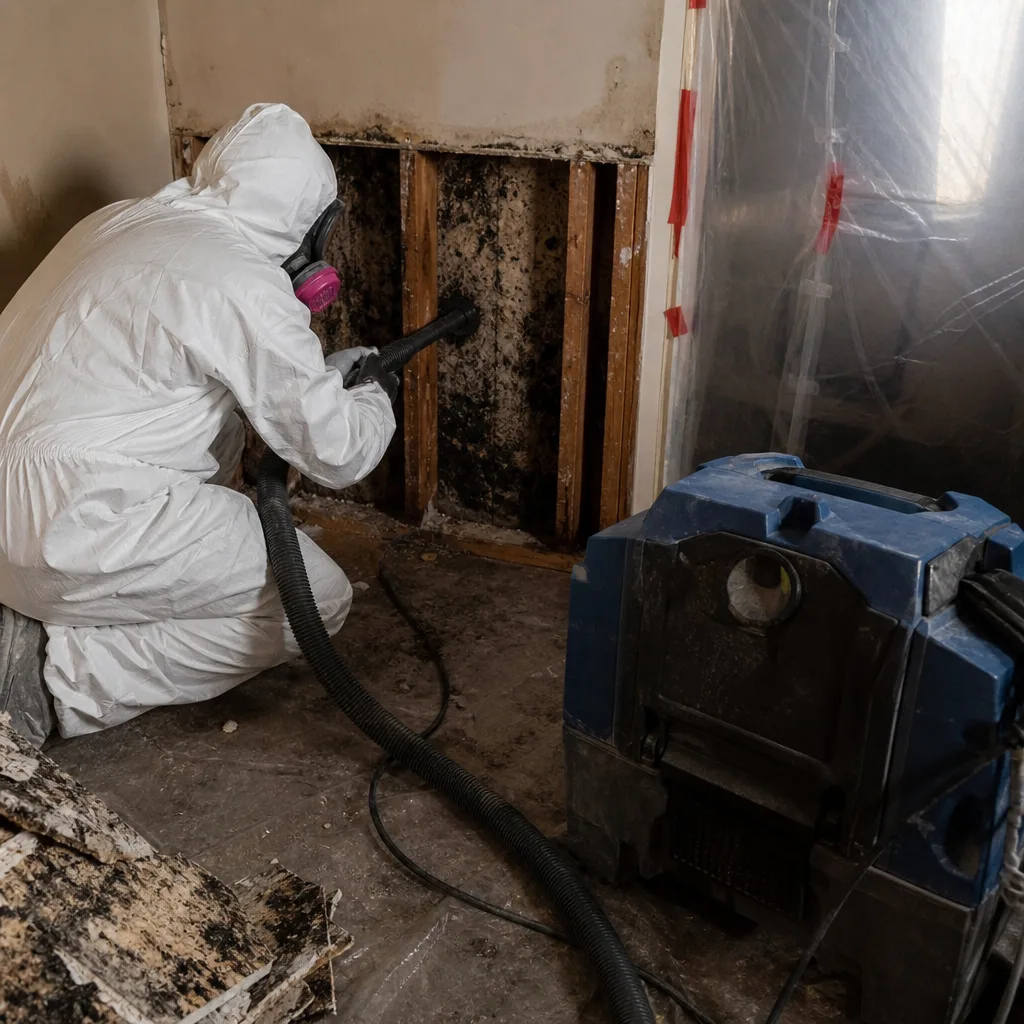
What happens when you call
- 1
A real person answersNo phone trees - you reach a local pro.
- 2
You get an upfront price rangeHonest numbers before anyone is dispatched.
- 3
A background-checked tech heads outLicensed & insured, dispatched right away.
- 4
You approve before work beginsNothing starts until you say go.
BeforeAfterTrusted Brands We Service in Long Island City
We deploy professional-grade drying systems from Dri-Eaz, Phoenix, and Injectidry on every Long Island City job, with B-Air and XPOWER portable units for tight-access applications in converted loft buildings where freight elevators don’t exist and alley loading limits equipment size. These aren’t brand names we mention for credibility; they’re the actual machines producing the daily moisture logs that turn restoration invoices into payable insurance claims. We stock replacement desiccant wheels, HEPA filters, and panel drying attachments locally so equipment downtime doesn’t extend your drying schedule. Every unit is calibrated to IICRC standards and logged with serial number and calibration date for adjuster review.
Common Water Damage Restoration Problems We See in Long Island City Homes
- Visible water underestimating true scope in Hunters Point and Dutch Kills lofts. Original concrete slabs laid without vapor barriers wick moisture laterally for weeks, so mold appears far beyond the stain and scope-of-work disputes follow. Our moisture mapping catches the wicking edge before the estimate is written, not after the mold test comes back positive.
- Standard residential access timelines failing in tower lobbies with rolling-code remotes and security desks. Crews stall at the door while Category 2/3 water keeps migrating through the stack. We pre-coordinate with property managers and carry building-specific access protocols for every Long Island City high-rise on our active roster.
- Cast-iron drain stack age in early-1900s converted industrial buildings. Treating a Category 1 supply-line leak as simple extraction when the stack itself is the recurring source means repeat claims and denied secondary damage. We inspect the full drainage path and note stack condition in our written scope.
- Newtown Creek surge flooding in FEMA AE zones. Long Island City’s low-lying waterfront land faces recurring coastal flood events that generate simultaneous multi-unit remediation jobs across dozens of apartment stacks, requiring coordination with building management companies and multiple insurance carriers at once. Our documentation system is built for this complexity.
Pricing for Water Damage Restoration in Long Island City, NY
| Service | Typical Range in Long Island City |
|---|---|
| Emergency Water Extraction | $1,200 - $2,400 (residential); $3,500+ (commercial/multi-unit) |
| Structural Drying & Dehumidification | $1,600 - $5,100 |
| Flood Cleanup (Category 2) | $3,200 - $6,800 |
| Flood Cleanup (Category 3 / black water) | $5,500 - $12,000+ |
| Burst Pipe Restoration | $2,400 - $5,800 (single unit); higher for multi-unit cascade |
| Basement Water Removal | $1,800 - $6,500 |
| Ceiling & Roof Leak Damage | $1,400 - $2,800 (single unit extraction) |
What moves a Long Island City job within these ranges: affected square footage, material classification (Category 1, 2, or 3), vapor barrier presence or absence in concrete slabs, high-rise access complexity, and whether the job requires coordination with multiple units or carriers. We deliver a written price before any work starts, every time, with no scope-creep additions once the crew is inside. Haven Standard, Clause 1. Bring a competitor’s written estimate and we’ll review it at no charge - our Free Second Opinion. Call (551) 212-1580 for an exact quote; estimates are free.
We Also Serve Cities Near Long Island City
Our crews work throughout western Queens and across the river, including Water Damage Restoration in Long Island City and surrounding neighborhoods. We also respond to Water Damage Restoration calls in Astoria, where pre-war brick construction presents different drying challenges, and Manhattan, where high-rise protocols and co-op board documentation requirements add layers we navigate daily. Dispatch and scheduling are coordinated from our New York City office; crews serve each city locally with equipment and access protocols matched to that market.
Serving Long Island City, NY - Our Local Coverage Area
We’re based in the Long Island City area and know this community well. Use the map below to see our service coverage - if you’re nearby, we can almost certainly help.
FAQs - Water Damage Restoration in Long Island City
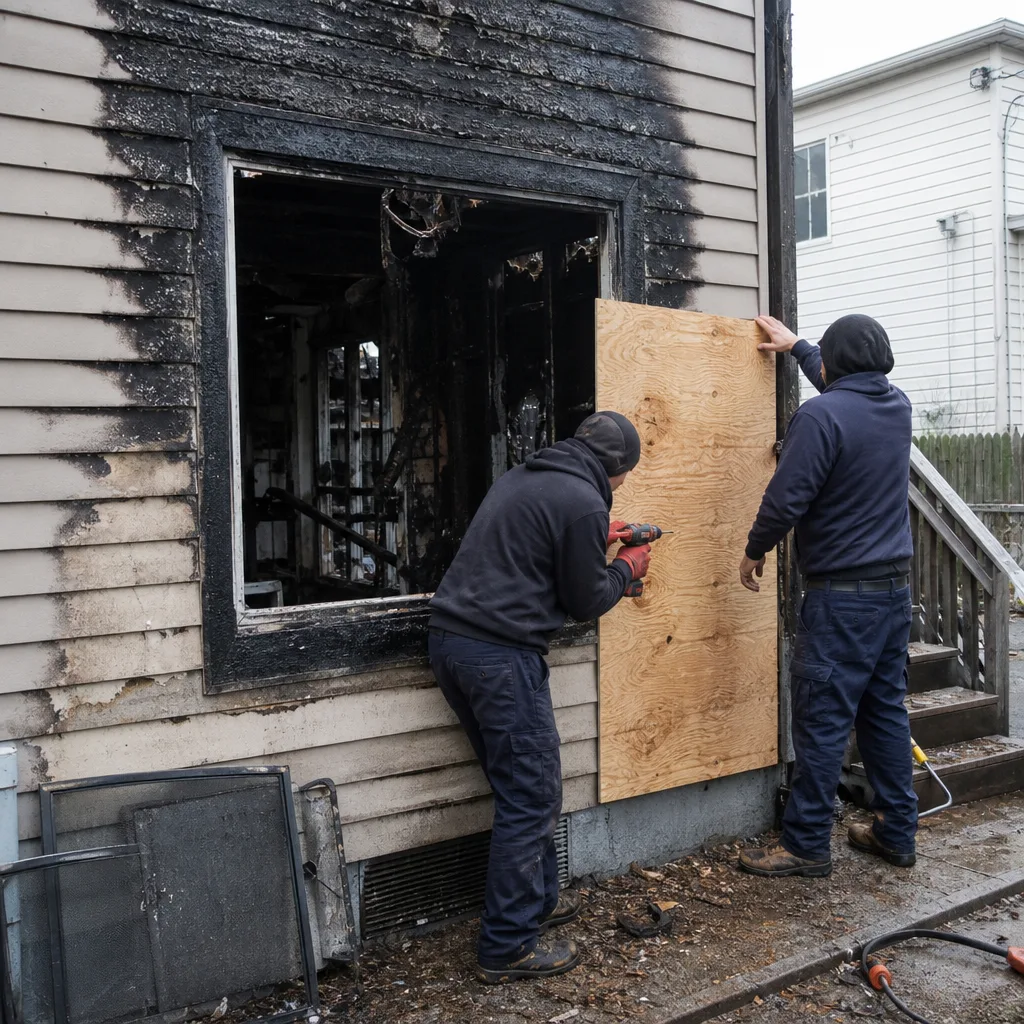
Original concrete slabs in Hunters Point and Dutch Kills converted warehouses were laid without residential-grade vapor barriers, so moisture wicks laterally beneath flooring finishes for weeks after the visible water is extracted. Our moisture mapping routinely finds active saturation two rooms beyond the stain line, requiring expanded drying scope and extended equipment runtime. The alternative is mold growth at 30-60 days and a denied secondary damage claim. Call (551) 212-1580 for an exact quote - estimates are free.
Our emergency line reaches a live person 24 hours a day, 7 days a week, with no voicemail, and crews average 60-90 minutes to Long Island City. High-rise entry adds 15-30 minutes for property manager coordination, rolling-code access, and freight elevator reservation. We maintain active contact protocols for buildings on our roster and pre-stage equipment at loading docks while access is being cleared. Speed matters, but documented access matters more - a crew that forces entry without proper coordination creates liability that insurers won’t cover.
No. Category 1 - clean water from a supply line - requires extraction and drying but no antimicrobial treatment if addressed within 24-48 hours. Category 2 gray water and Category 3 black water require contamination protocols, specialized disposal documentation, and often removal of porous materials. In Long Island City’s aging converted industrial buildings, however, a Category 1 leak through a corroded cast-iron drain stack can become Category 2 by contact with biofilm inside the pipe. We test and document the actual water classification at extraction, not assume it from the source.
Newtown Creek is a federal Superfund site, and Long Island City’s low-lying position at its confluence with the East River places extensive areas in FEMA AE high-risk flood zones. Storm surge - not overflow - is the primary mechanism, meaning floodwater carries sediment, industrial contaminants, and petroleum products that classify the event as Category 3 black water. Hurricane Sandy proved this vulnerability catastrophically in 2012, and subsequent development has only increased the density of units at risk. Every Newtown Creek surge event generates simultaneous multi-unit jobs requiring EPA-compliant disposal documentation and carrier coordination we build into our response.
Worried enough to demand moisture mapping that extends beyond the visible damage, especially in pre-war converted buildings with unlined concrete slabs. Mold colonization begins 24-72 hours after water intrusion in untreated materials, and in Long Island City’s loft buildings, the wicking edge routinely hides in adjacent units or beneath flooring two rooms from the apparent source. Our drying logs document moisture content below 16% in wood and 4% in concrete before equipment removal, with photo records at each reading. The 365-Day Done Right Promise under The Haven Standard covers any mold recurrence from incomplete drying on our scope. Call (551) 212-1580 to schedule assessment - estimates are free.
Water damage in Long Island City doesn’t behave like water damage in suburban Queens. The building stock, access constraints, and flood risk profile create failure modes that generic restoration misses - and insurers deny. We document the difference. Call (551) 212-1580 for a written estimate before any work begins, or bring a competitor’s quote for our Free Second Opinion. Live person, every call, every hour.
Written by Alicia Brennan, Owner at Back to Dry Restoration, serving Long Island City since 2011.