
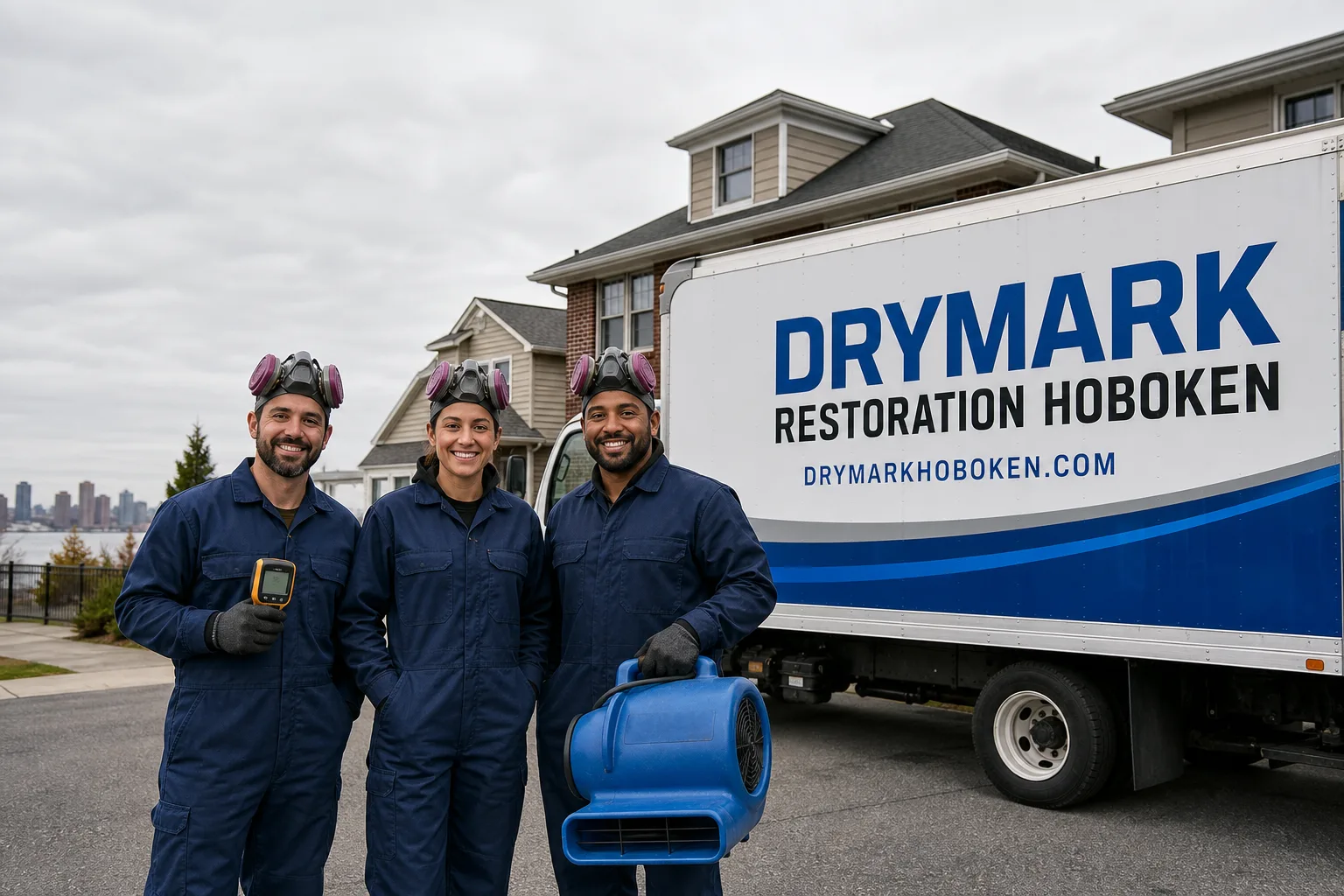
Free visual inspection and a written scope of work before any mitigation begins - photos, moisture readings, and drying logs go in your claim file
The scope we write is the scope we bill. Anything new gets shown to you, in writing, before we touch it.
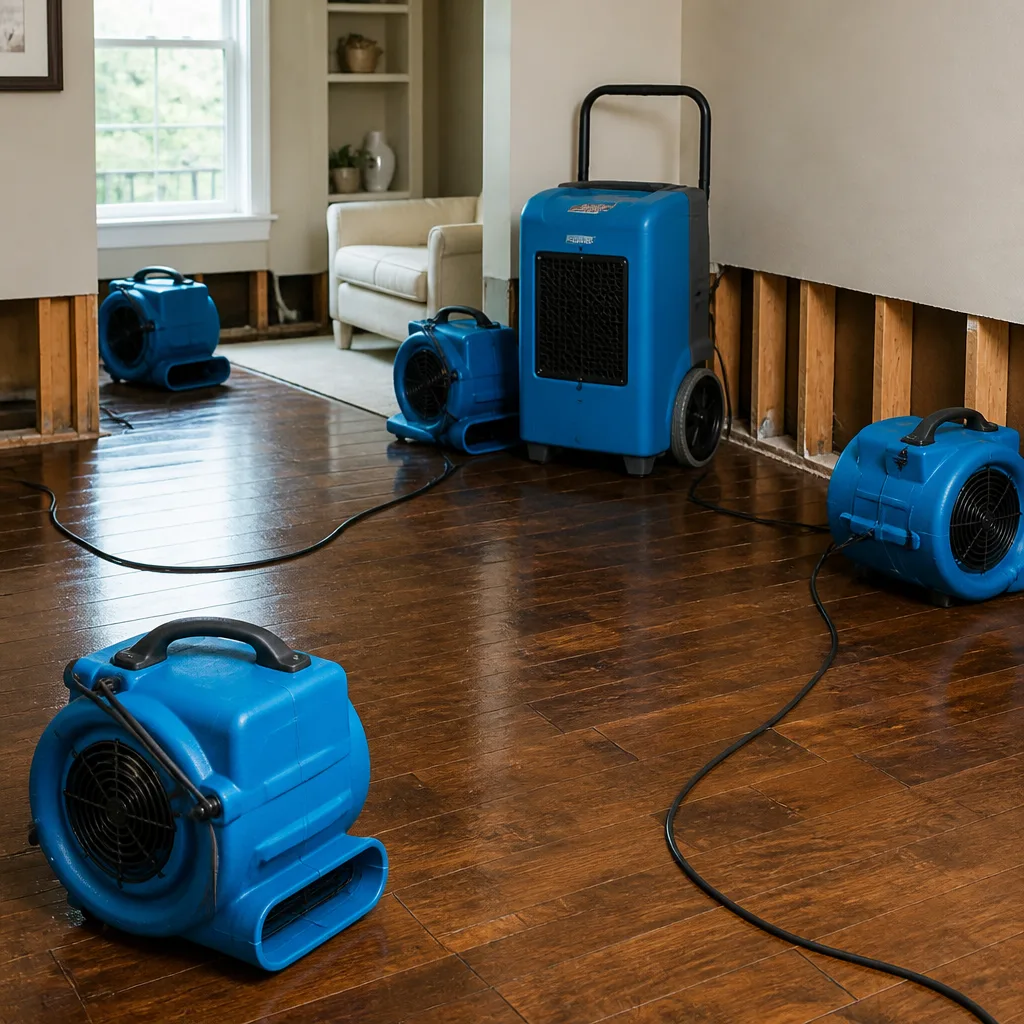
 Before
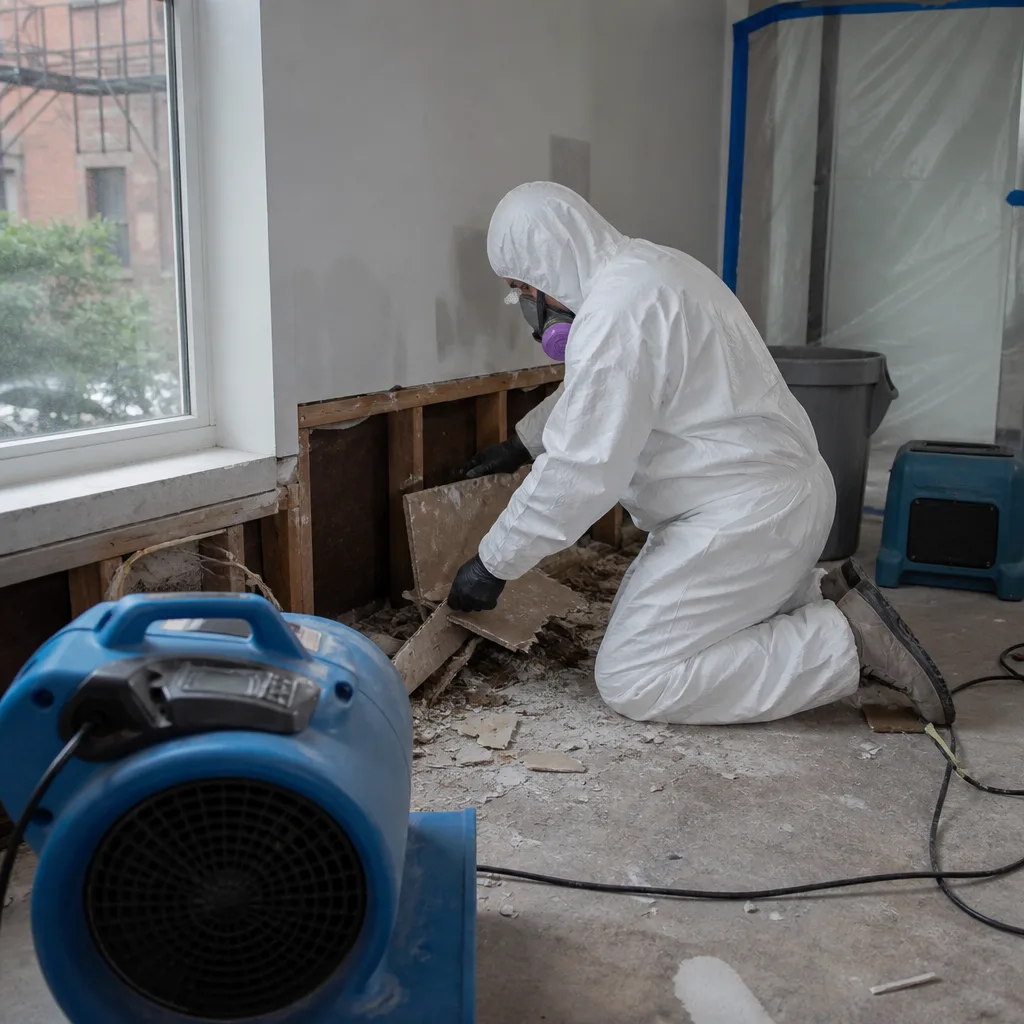 After
After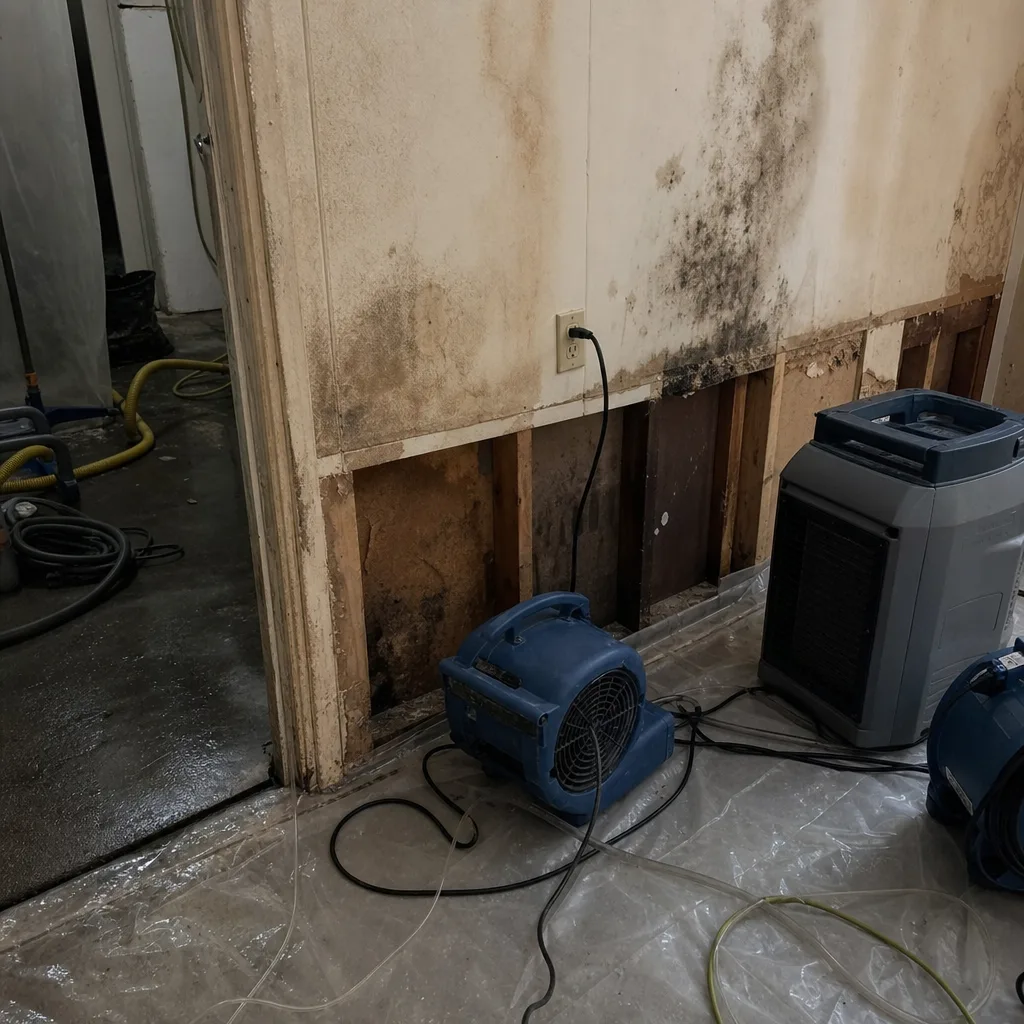 Before
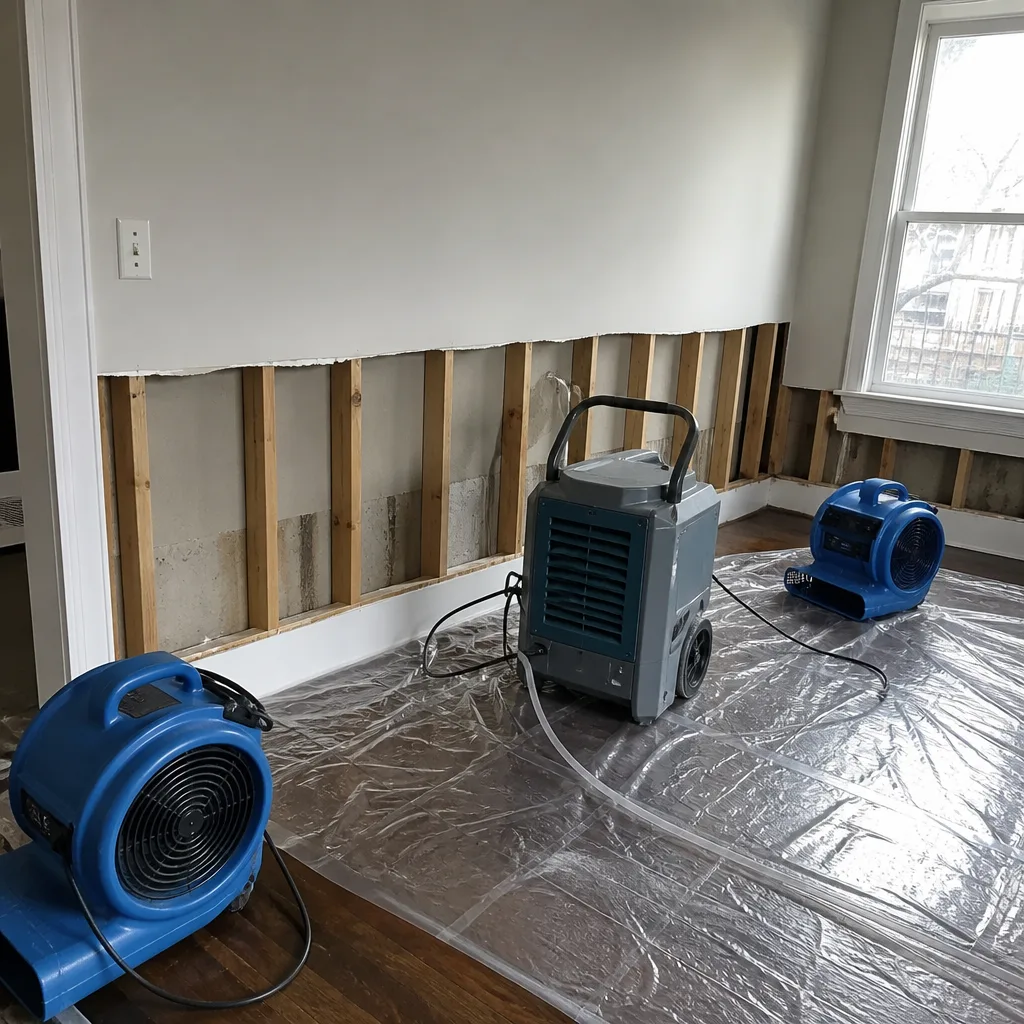 After
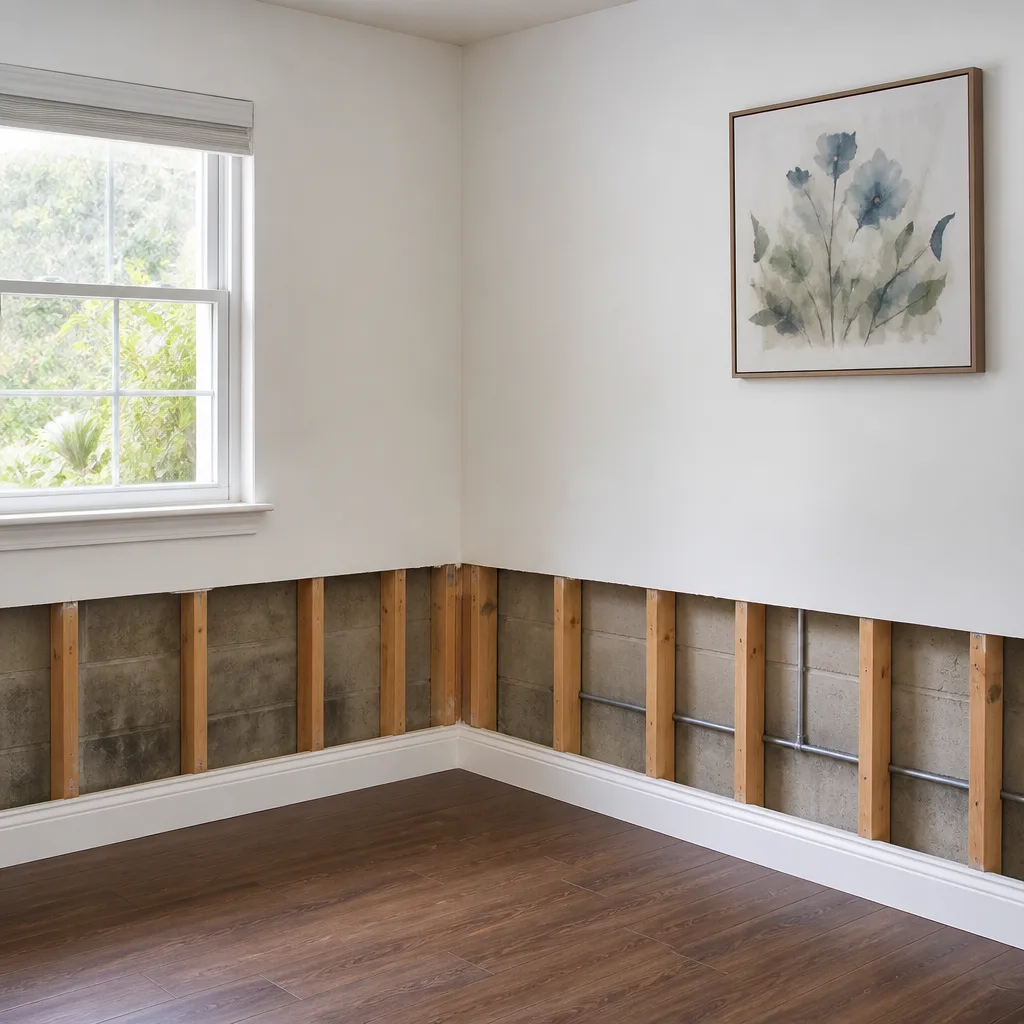
After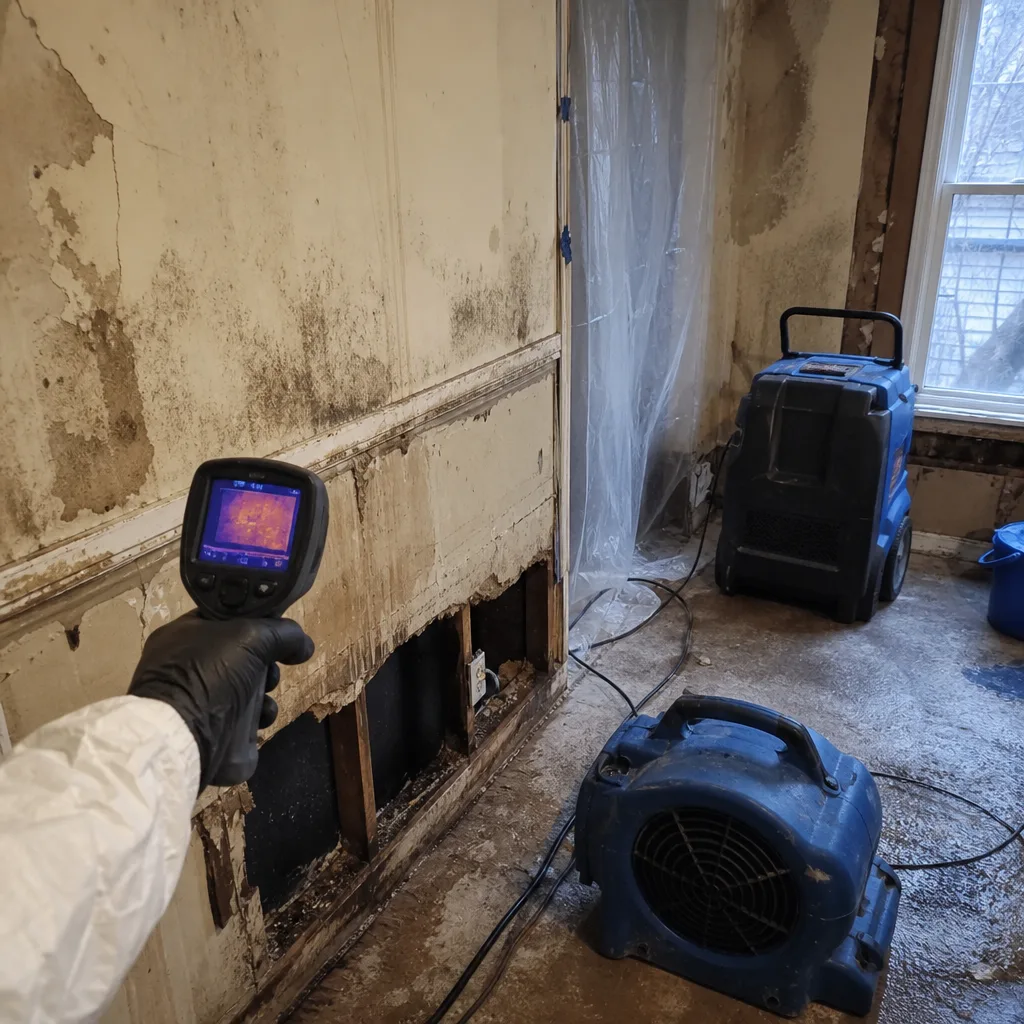 Before
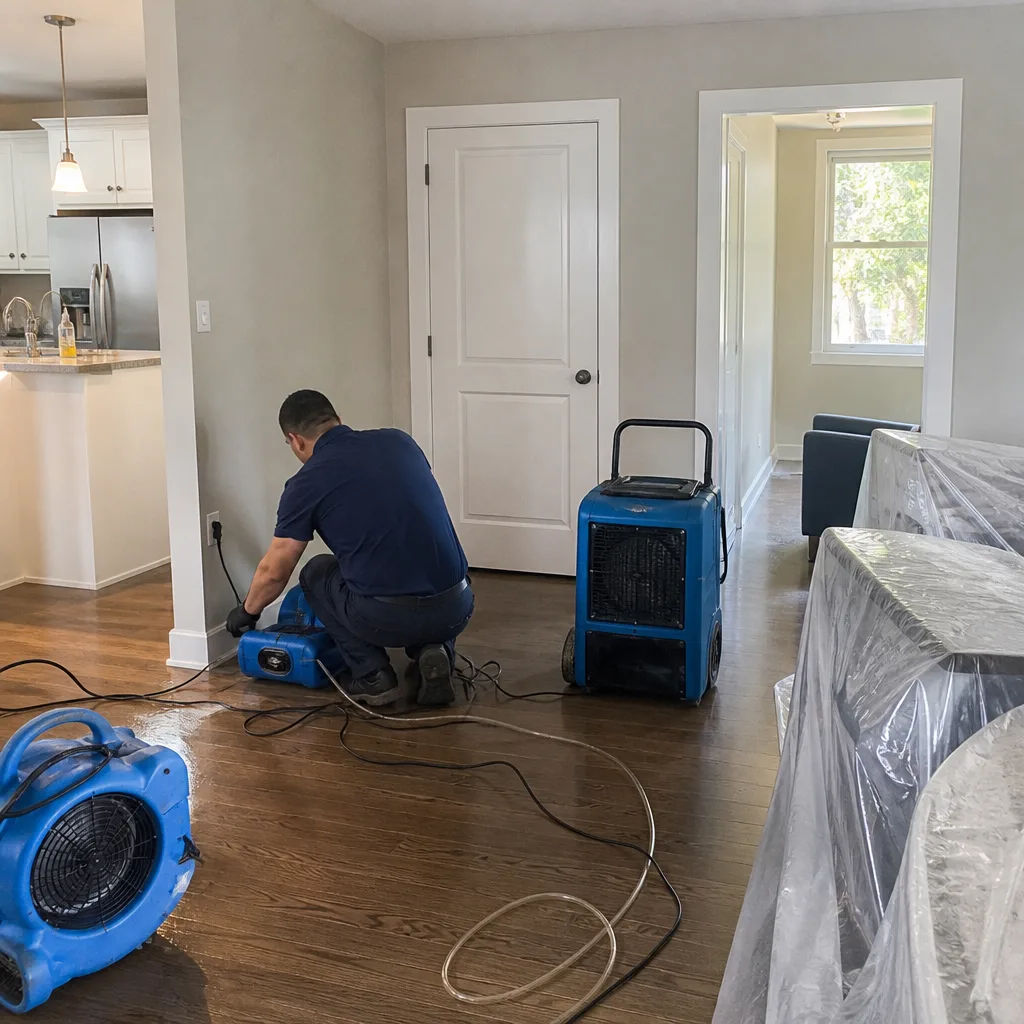 After
AfterFast, Reliable Water Damage Restoration Across Manhattan
Water damage restoration in Manhattan typically runs $2,800-$7,500 for residential mitigation, with emergency extraction starting at $1,200-$2,400 and full structural drying adding $1,600-$5,100 depending on affected square footage and material type. Our crews dispatch from our New York City office and can usually reach Manhattan addresses within 45-90 minutes during business hours, with live phone coverage 24 hours a day, 7 days a week. We know the difference between drying a 1920s pre-war co-op on the Upper West Side and a post-war condo in Battery Park City, and that knowledge shows up in our moisture logs.
Manhattan’s vertical housing stock, aging infrastructure, and co-op board governance create water damage scenarios that don’t exist in suburban markets. A single failed cast-iron supply riser can saturate 10-15 floors simultaneously. A steam trap failure in a two-pipe heating system pools condensate behind plaster walls for days before anyone sees a stain. Our Water Damage Restoration team documents every reading, every photo, every drying phase, because we’ve seen what sloppy documentation costs a homeowner when the adjuster asks for proof.
Call (551) 212-1580 now. A live person answers. We’ll give you a written price before anyone starts work, guaranteed under Haven Standard, Clause 1.
Why DryMark Restoration Hoboken Is Manhattan’s Preferred Water Damage Restoration Company
We’ve restored water damage in Manhattan since 2011, completing over 12,000 jobs with a written price before work started on every one. Our founder built this company as a former claims adjuster who watched homeowners lose legitimate payouts over missing documentation. That origin still drives how we work: daily moisture logs, photo records on every visit, and drying data formatted for direct adjuster submission.
Manhattan customers find us because we speak their building’s language. We know that co-op boards on Central Park West require Certificate of Insurance filings 48 hours before elevator access. We know that pre-war plaster-over-lath walls in Morningside Heights hold moisture in lath cavities long after surface readings look dry. We don’t learn this on your job. We arrive with it.
Our response time to Manhattan averages under 75 minutes for emergency calls during peak hours. Live dispatch coordinates crew routing from our New York City office. No voicemail trees. No “we’ll call you back tomorrow” while water continues wicking through original oak flooring.
Alicia Brennan, who leads Back to Dry Restoration under The Haven Standard, personally reviews any Manhattan job involving multi-unit saturation or master-policy/HO-6 coordination. That level of oversight matters when three adjusters are asking questions.
Our Water Damage Restoration Services in Manhattan
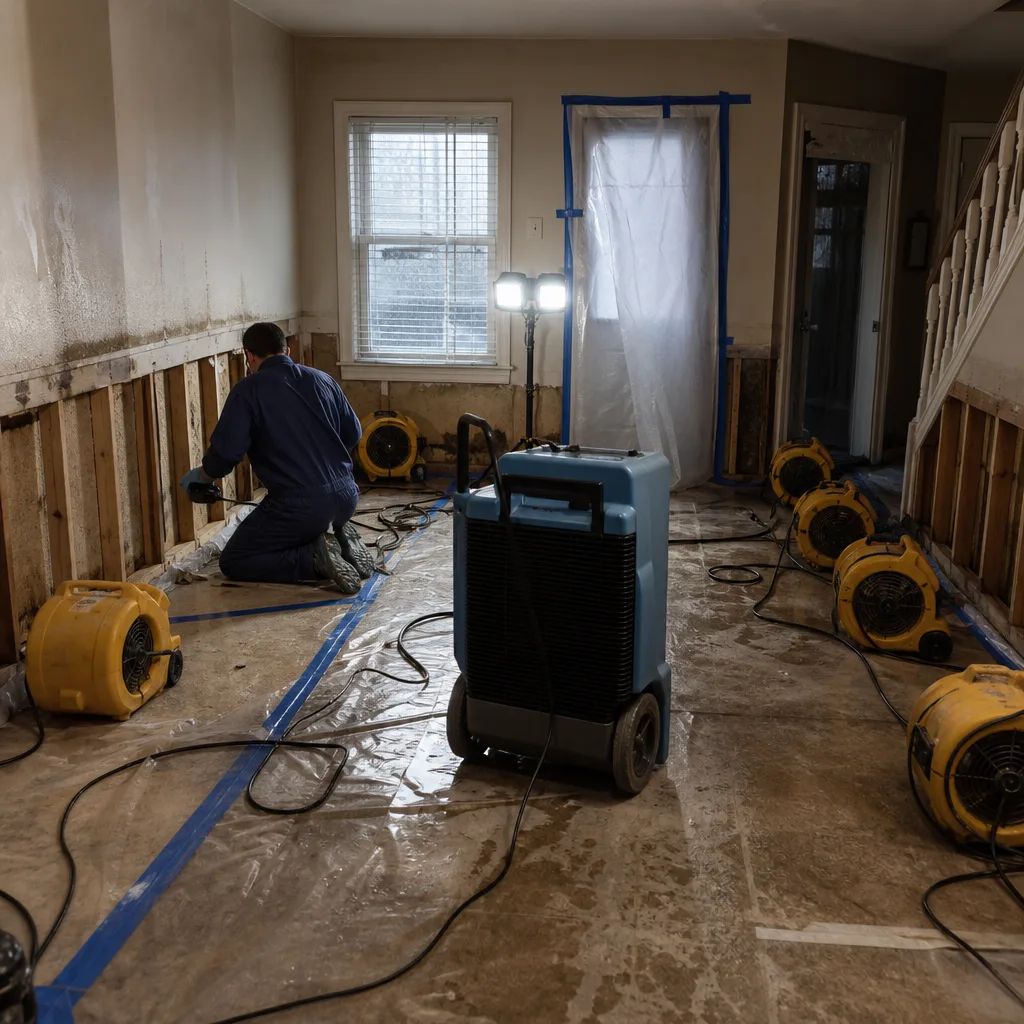
Emergency Water Extraction
Water moves fast in Manhattan’s vertical buildings. A burst galvanized supply line in a Washington Heights pre-war can flood four units before the super locates the shutoff. Our emergency extraction crews carry portable flood pumpers and truck-mounted extraction units from Phoenix and XPOWER, sized for both single-unit overflows and full-floor events. We log starting moisture readings within 30 minutes of arrival, photograph every affected surface, and establish a written extraction scope before the first gallon pumps out. Haven Standard, Clause 1: written price before work begins. Every time.
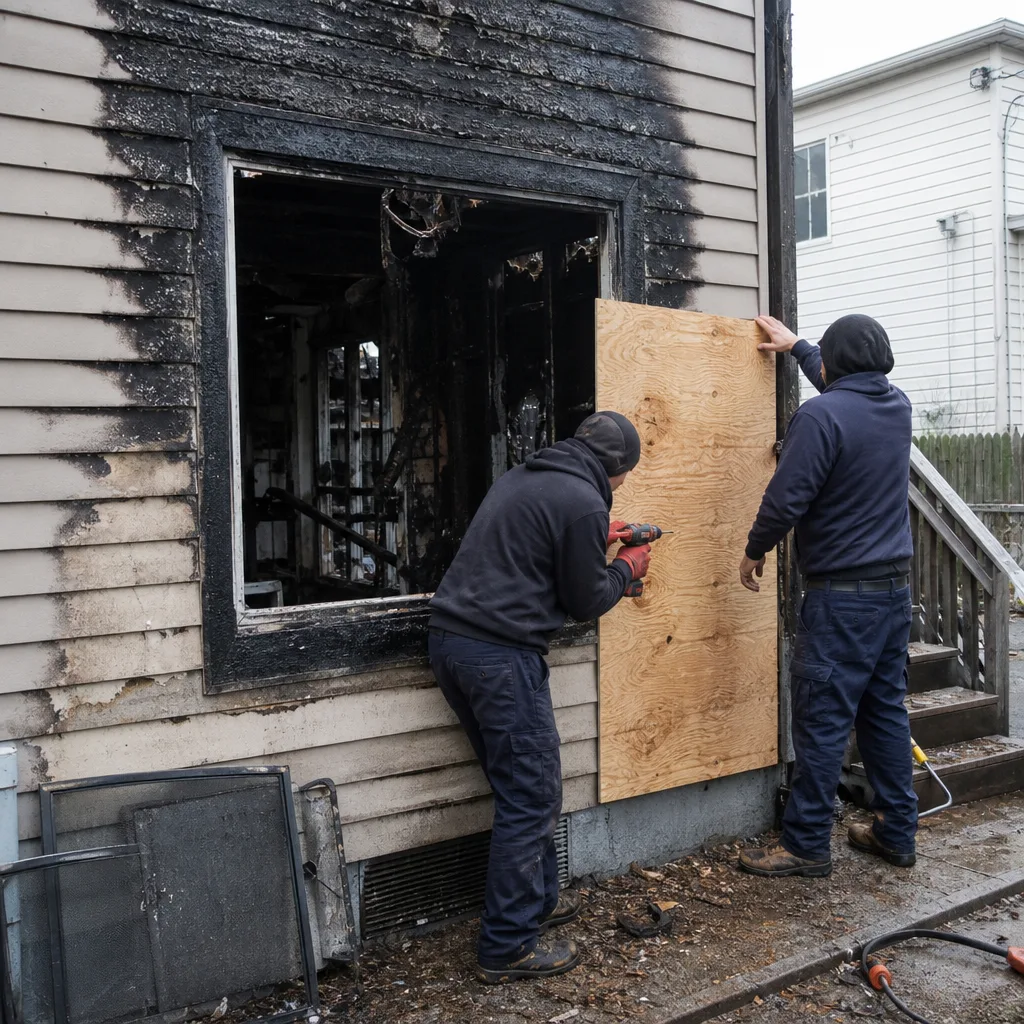
Structural Drying & Dehumidification
Drying pre-war Manhattan construction is not like drying suburban drywall. Plaster-over-lath walls, common from the Financial District to Harlem, create a wicking network that holds water in wood lath strips and horsehair plaster keys long after surface readings drop. We deploy Injectidry cavity-drying systems and B-Air axial air movers with low-grain refrigerant dehumidifiers, then log daily psychrometric data - temperature, relative humidity, vapor pressure differential - until moisture content returns to pre-loss baselines. A “dry” wall that still reads 18% moisture content in the lath will fail inspection in six weeks. We don’t sign off until the numbers match.
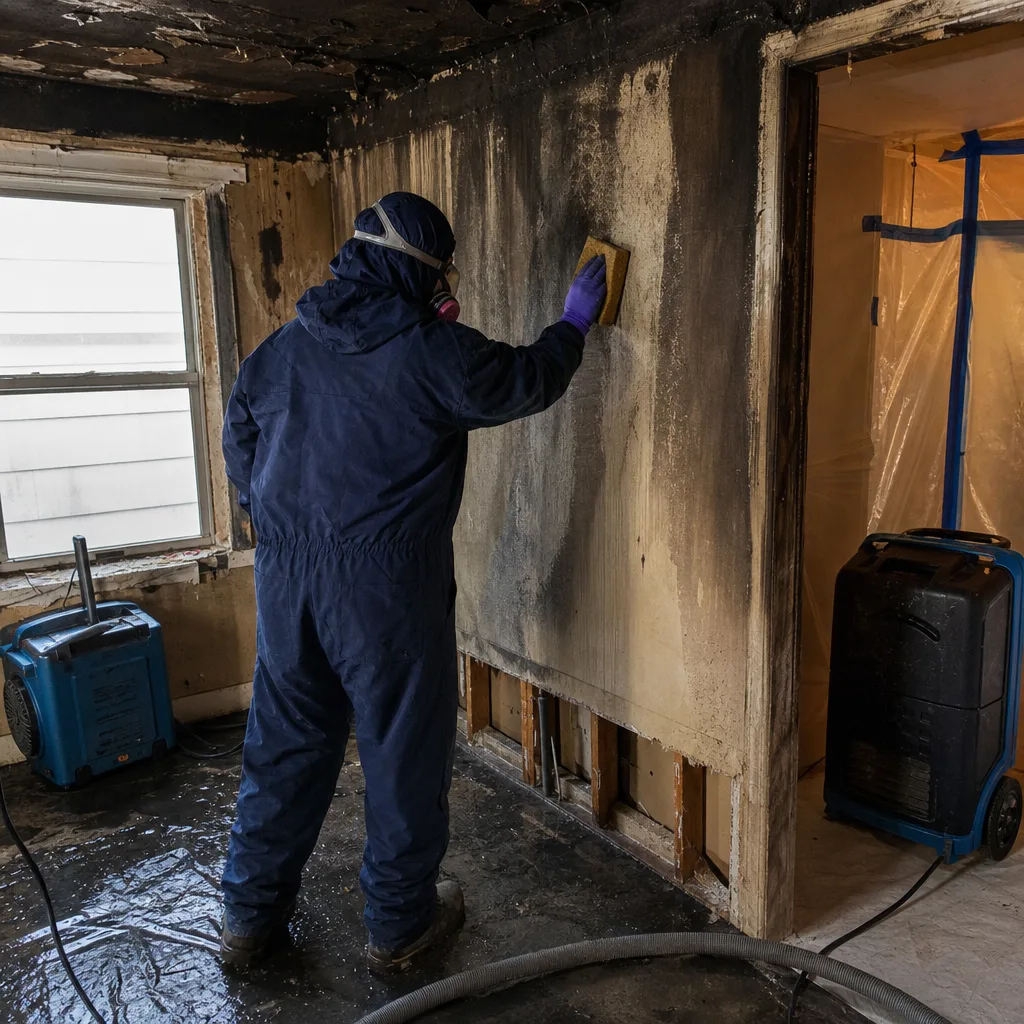
Flood Cleanup
Manhattan’s combined sewer system and tidal geography make basement-level flooding a distinct risk category. After heavy rain or nor’easter events, category-3 black water backups hit garden-level units in the East Village, Lower East Side, and flood-zone corridors near the Hudson. We classify the water source before extraction begins, because category-3 water demands full porous-material removal under IICRC S500 standards, not just drying. Our crews document contamination extent with photo records, coordinate direct adjuster billing where applicable, and deliver a written scope distinguishing salvageable from non-salvageable materials before demolition starts.
Burst Pipe Restoration
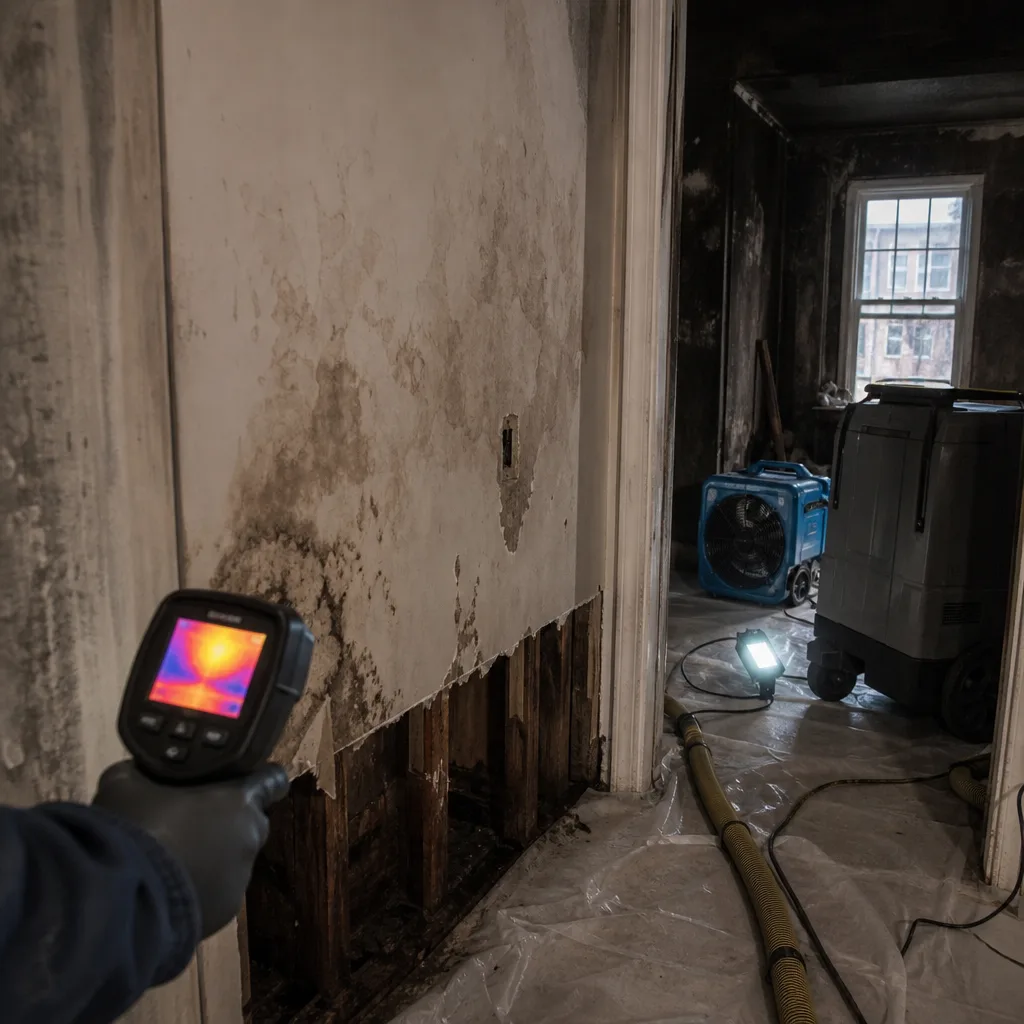
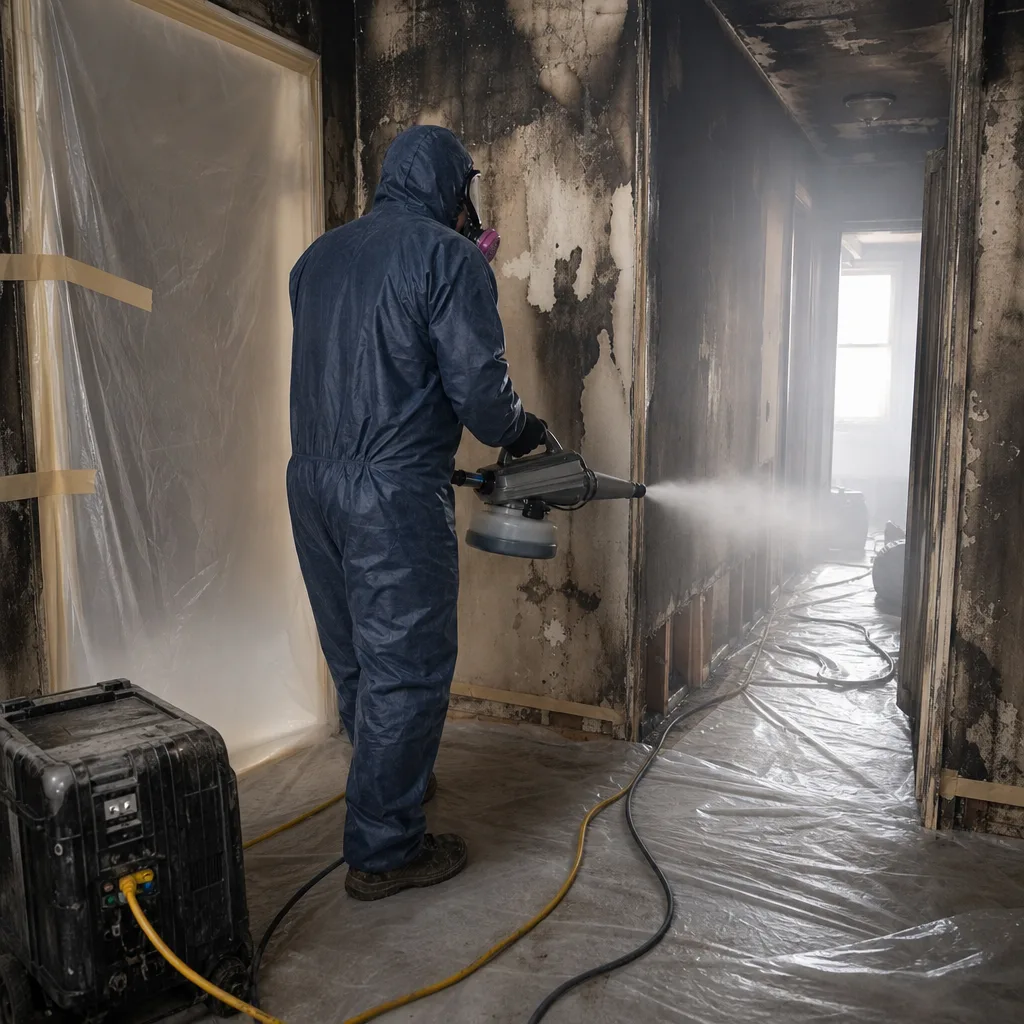
Manhattan’s aging infrastructure - galvanized supply lines, cast-iron soil stacks, early copper with pinhole corrosion - produces burst pipe scenarios with distinct damage signatures. A failed riser in a Midtown co-op may saturate multiple floors through wire chases and pipe soffits. We map moisture migration with thermal imaging, establish containment to protect unaffected units, and coordinate with building management for riser isolation. Our written scope addresses not just visible damage but the hidden migration paths that plaster walls conceal. Then we flag the plumbing repair to prevent recurrence.
Basement Water Removal
Sub-basement mechanical rooms in FiDi and Battery Park City buildings sit below sea level in FEMA flood zones. Post-Sandy construction raised some infrastructure, but many older buildings still house electrical and HVAC systems in flood-vulnerable locations. We extract, classify water category, and document equipment damage for direct insurance coordination. Our photo record captures pre-loss conditions, extraction progress, and drying completion for adjuster review.
Ceiling & Roof Leak Water Damage
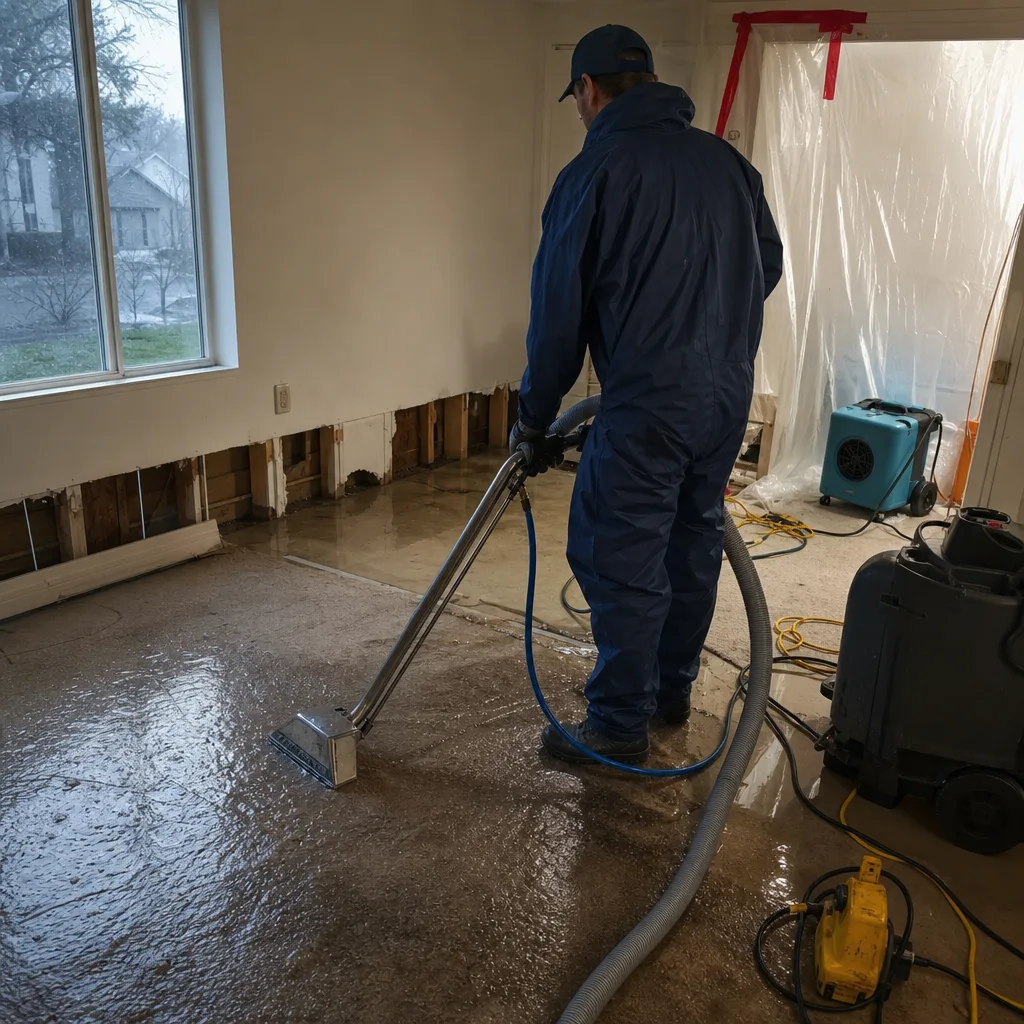
Flat roof assemblies on Manhattan’s pre-war and post-war buildings pool water at drains and penetration points. When leaks reach interior plaster ceilings, the damage often extends well beyond the visible stain. We probe surrounding areas with moisture meters, map the full affected area, and dry with contained airflow to prevent collapse of saturated plaster. Our daily logs track drying progress until the ceiling assembly returns to safe moisture levels.
What happens when you call
- 1
A real person answersNo phone trees - you reach a local pro.
- 2
You get an upfront price rangeHonest numbers before anyone is dispatched.
- 3
A background-checked tech heads outLicensed & insured, dispatched right away.
- 4
You approve before work beginsNothing starts until you say go.
BeforeAfterTrusted Brands We Service in Manhattan
Our equipment fleet includes professional-grade drying systems from Phoenix, XPOWER, and B-Air - brands that produce the documented airflow and dehumidification capacity required for Manhattan’s dense, vertical construction. We stock Injectidry cavity-drying panels for plaster-over-lath assemblies, because standard drying protocols designed for drywall often fail in pre-war buildings. Every machine’s output is logged to IICRC, RIA, and IFA standards, producing the daily drying records that turn restoration invoices into payable claims. We don’t guess at equipment placement. We calculate cubic footage, material permeance, and target drying time, then document both the math and the result.
Common Water Damage Restoration Problems We See in Manhattan Homes
- Steam trap failures misdiagnosed as roof leaks. In Manhattan’s surviving two-pipe steam systems, failed traps dump condensate inside riser chases, soaking plaster walls floor by floor. Supers often call us for “roof leaks” during heating season; our moisture mapping identifies the actual source and prevents repeat damage.
- Plaster-over-lath assemblies that test “dry” at surface level. The lath cavity holds water for weeks after plaster face readings drop. Shallow inspection passes, then moisture wicks back and mold follows. We probe to lath depth and don’t clear jobs until cavity readings match pre-loss baselines.
- Co-op board delays during emergency response. Many Manhattan boards restrict work to weekday business hours and require pre-approved, board-vetted contractors. We maintain current COI filings and board approvals for major Manhattan buildings, because 24 hours of stalled extraction can turn a $3,000 mitigation into a $12,000 reconstruction.
- Combined sewer backups in basement apartments. Manhattan’s aging infrastructure pushes black water into below-grade units during heavy rain. Category-3 water requires porous material removal, not drying, and our documentation distinguishes proper remediation from inadequate cleaning that leaves contamination behind.
Pricing for Water Damage Restoration in Manhattan, NY
Manhattan’s market runs higher than suburban counterparts due to vertical access challenges, co-op board requirements, and the complexity of multi-unit events. Here are the ranges we see and quote in writing before work begins:
| Service | Typical Range in Manhattan |
|---|---|
| Emergency water extraction (up to 1,000 sq ft) | $1,200 - $2,400 |
| Structural drying & dehumidification | $1,600 - $5,100 |
| Full residential mitigation (extraction + drying) | $2,800 - $7,500 |
| Category-3 sewage cleanup (porous removal + sanitization) | $4,500 - $11,000 |
| Multi-unit co-op riser event (per affected unit) | $2,200 - $6,800 |
| Plaster-over-lath extended drying (beyond standard timeline) | $900 - $2,400 additional |
Factors that move costs within these ranges: affected square footage, material type (plaster vs. drywall, hardwood vs. subfloor), water category (clean vs. gray vs. black), and whether co-op board requirements add coordination hours. We deliver a written price before anyone starts work, with no scope-creep additions once the crew is inside. Haven Standard, Clause 1. Bring a competitor’s written estimate and we’ll review it free under our Free Second Opinion policy.
Call (551) 212-1580 for your exact quote. Estimates are free.
We Also Serve Cities Near Manhattan
Our crews regularly cross the Queensboro Bridge for jobs in Manhattan and the immediate vicinity. We also respond to water damage restoration calls in Long Island City and Astoria, where many pre-war buildings share Manhattan’s construction DNA - plaster walls, aging risers, and similar board-governance structures. Dispatch coordinates from our New York City office for all three markets.
Serving Manhattan, NY - Our Local Coverage Area
We’re based in the Manhattan area and know this community well. Use the map below to see our service coverage - if you’re nearby, we can almost certainly help.
FAQs - Water Damage Restoration in Manhattan
Plaster-over-lath walls wick water laterally through horsehair plaster keys and wood lath strips, while cast-iron risers and pipe soffits create vertical migration paths that bypass unit boundaries. By the time a stain appears on your ceiling, the damage may have traveled three floors and two apartments. Our thermal imaging and moisture mapping find the full extent before we write the scope. Call (551) 212-1580 for a free assessment.
No. Category-3 black water from combined sewer overflow requires removal of porous materials - drywall, carpet, padding, unsealed wood - per IICRC S500 standards. Non-porous surfaces can be cleaned and sanitized. We document every removal decision with photos, deliver a written scope distinguishing salvageable from non-salvageable items, and coordinate direct adjuster billing where applicable. Call (551) 212-1580 for same-day assessment.
Mold colonization begins in 24-48 hours on wet organic materials. In pre-war plaster walls, the lath cavity extends that window slightly but also hides growth longer. We recommend emergency extraction within 4 hours and drying equipment placement within 24 hours. Our live dispatch answers calls 24/7, and we maintain board approvals and current COIs for major Upper West Side buildings to prevent access delays. Call (551) 212-1580 now.
Most Manhattan co-op boards require: Certificate of Insurance naming the building, board-vetted contractor status, and work scheduled within approved hours (often weekday 9-5). Some require super notification or board member sign-off for common-area access. We maintain current filings for major buildings and deliver all documentation with our written scope. Ask your super for the building’s restoration protocol, then call us with those requirements. We’ll handle the paperwork. Call (551) 212-1580.
We identify the steam trap as the moisture source through thermal imaging and riser chase mapping, not just surface drying. Our drying protocol runs until lath cavity readings hit pre-loss targets, not just plaster face readings. Then we document the trap failure in our final report and flag it for the super’s repair. Without that repair, the cycle repeats every heating season. We’ve seen crews pass inspection only to get recalled three times for the same trap. We fix the chain, not the symptom. Call (551) 212-1580 for assessment.
Written by Alicia Brennan, Owner at Back to Dry Restoration, serving Manhattan since 2011 under The Haven Standard.