
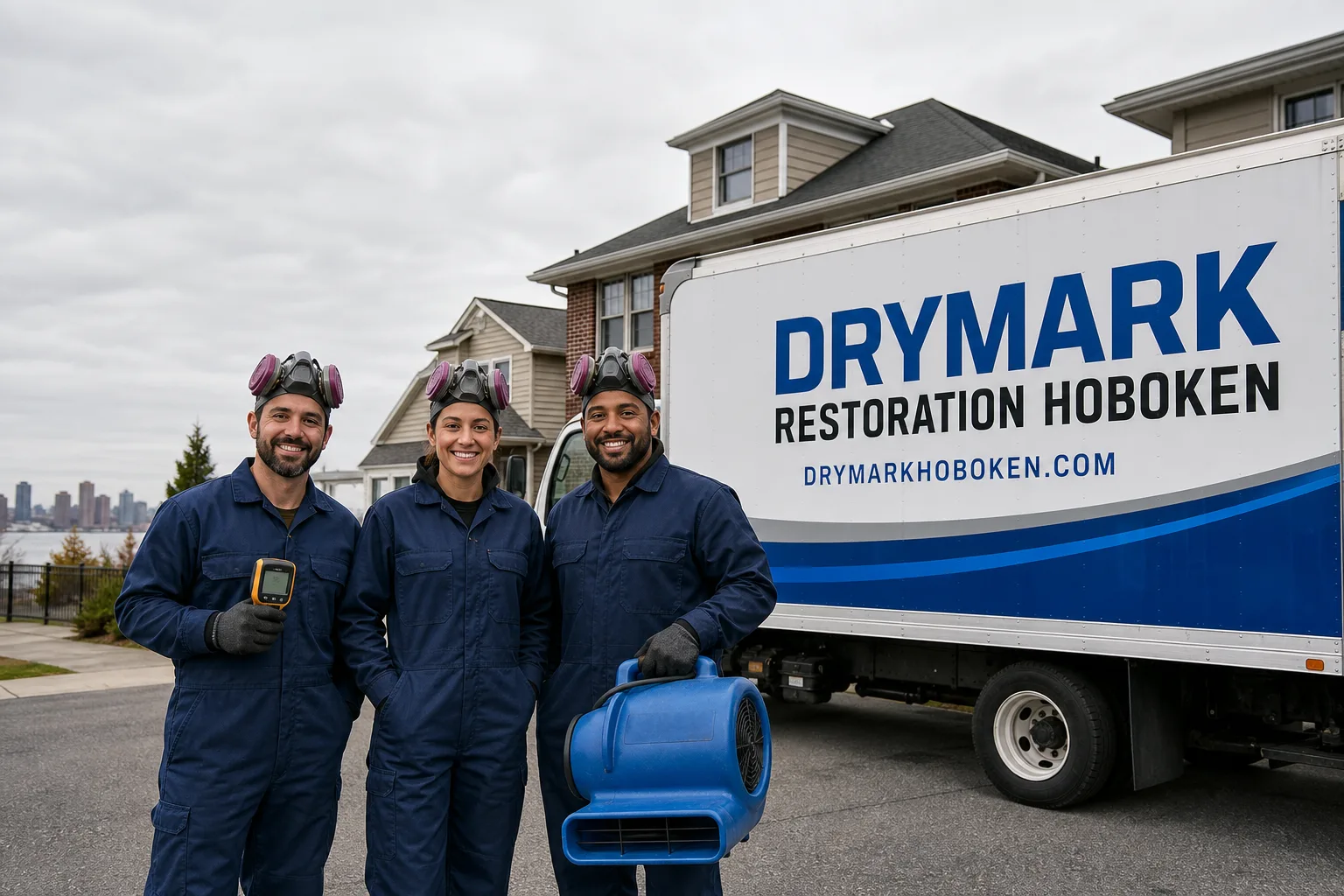
Free visual inspection and a written scope of work before any mitigation begins - photos, moisture readings, and drying logs go in your claim file
The scope we write is the scope we bill. Anything new gets shown to you, in writing, before we touch it.
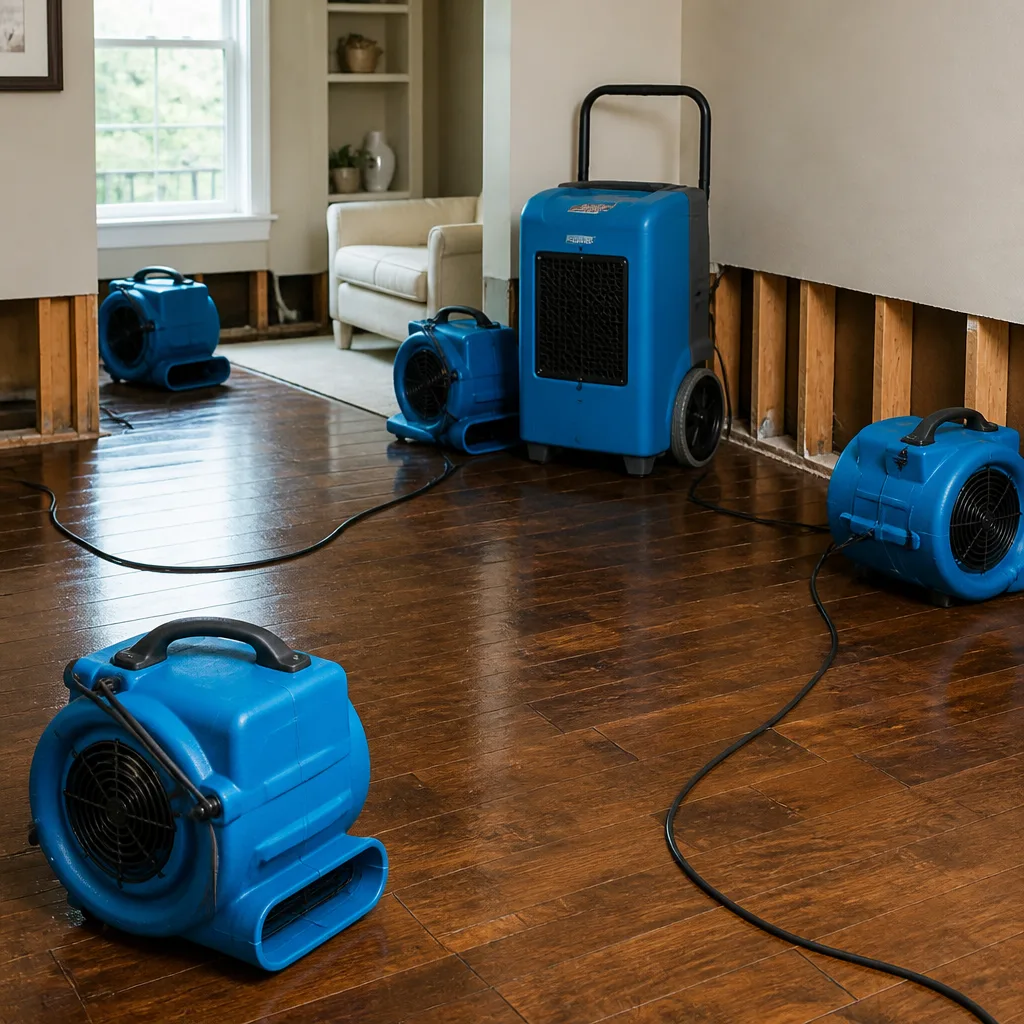
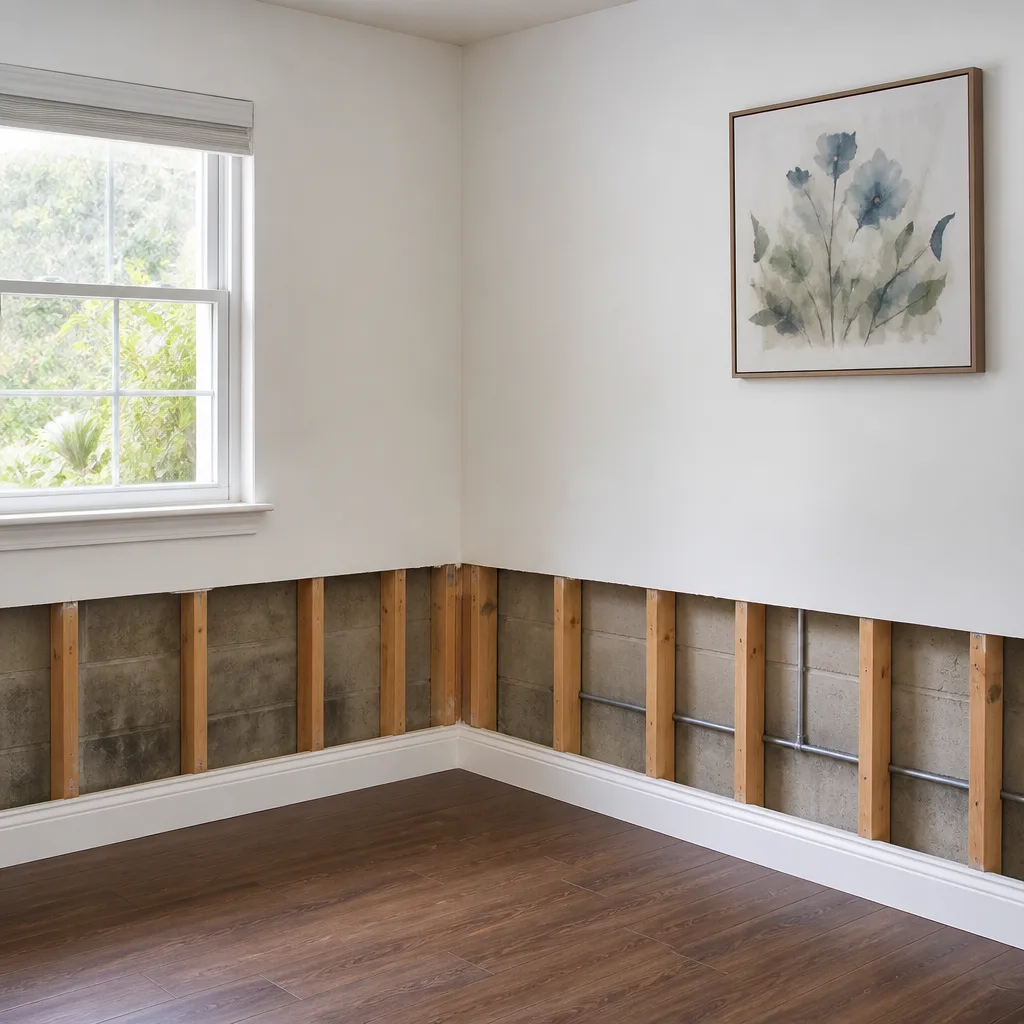
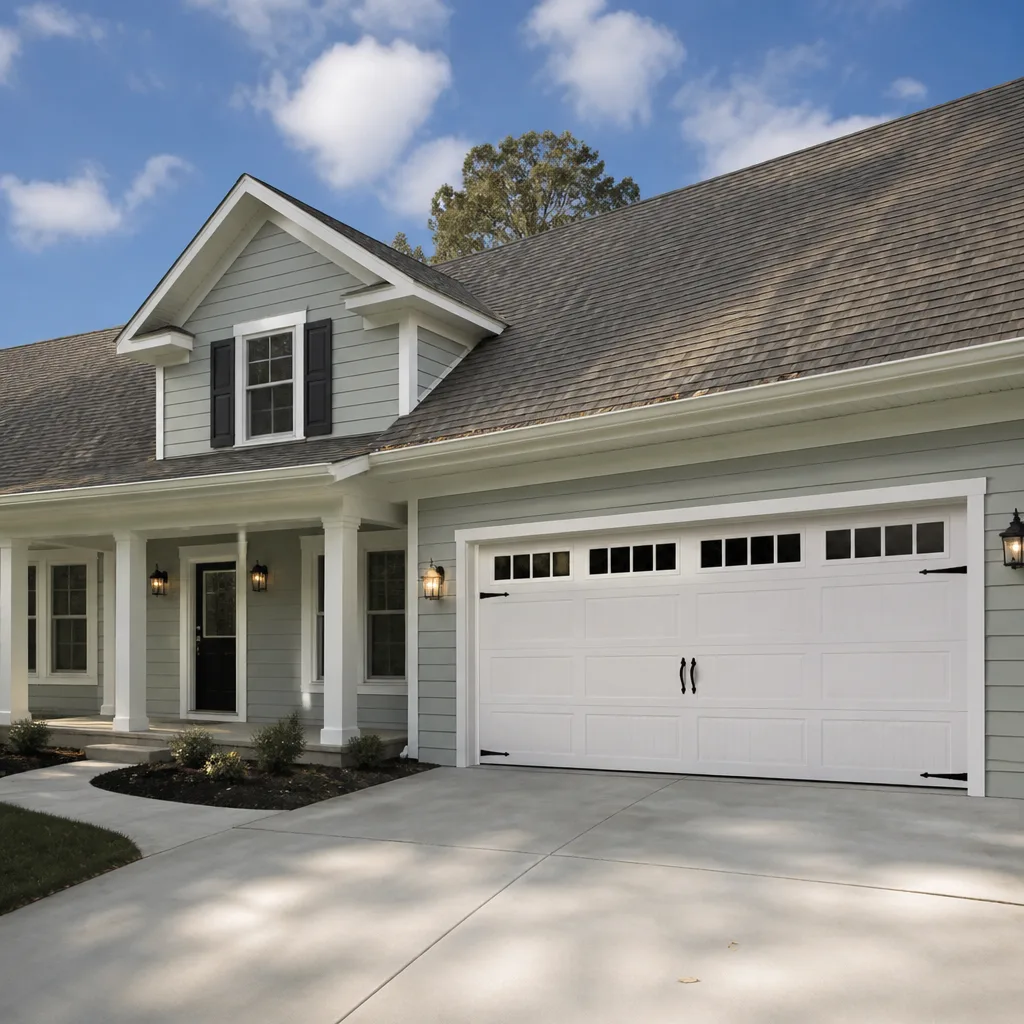
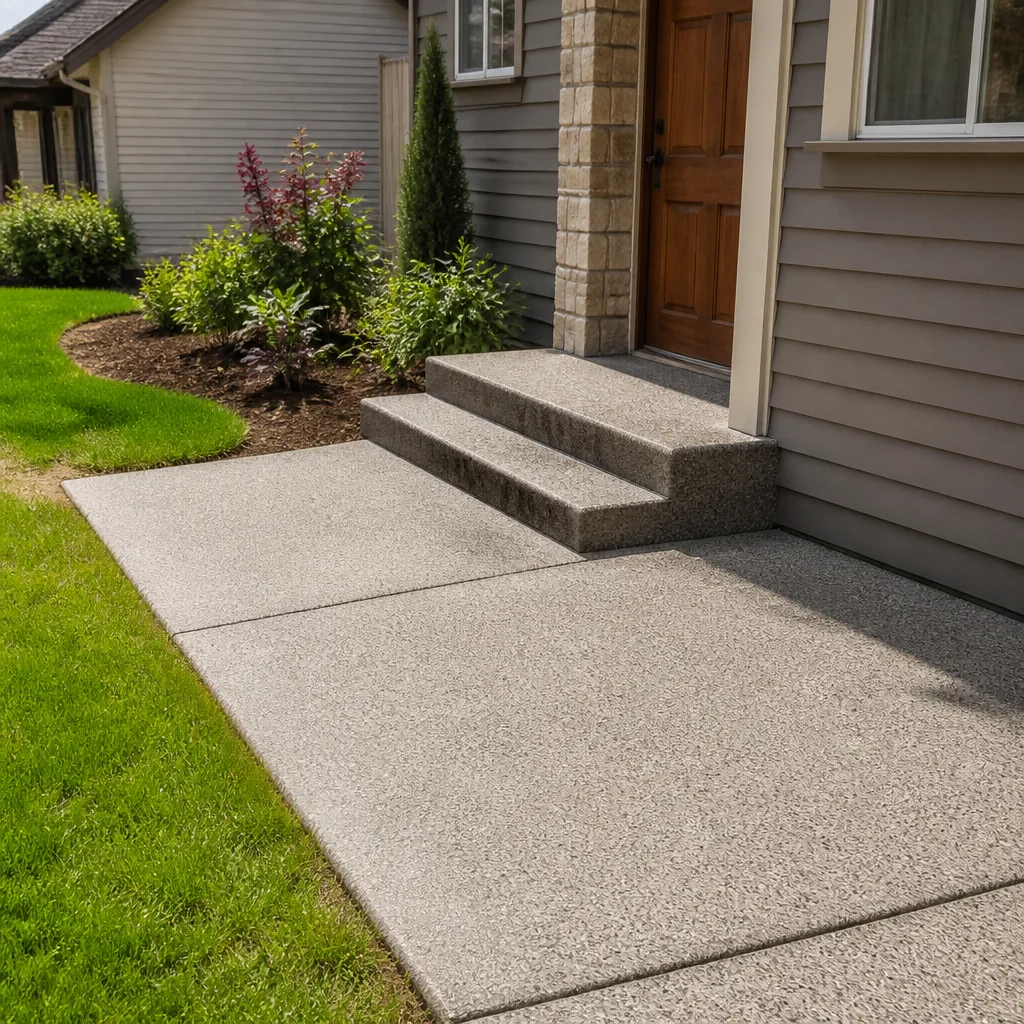
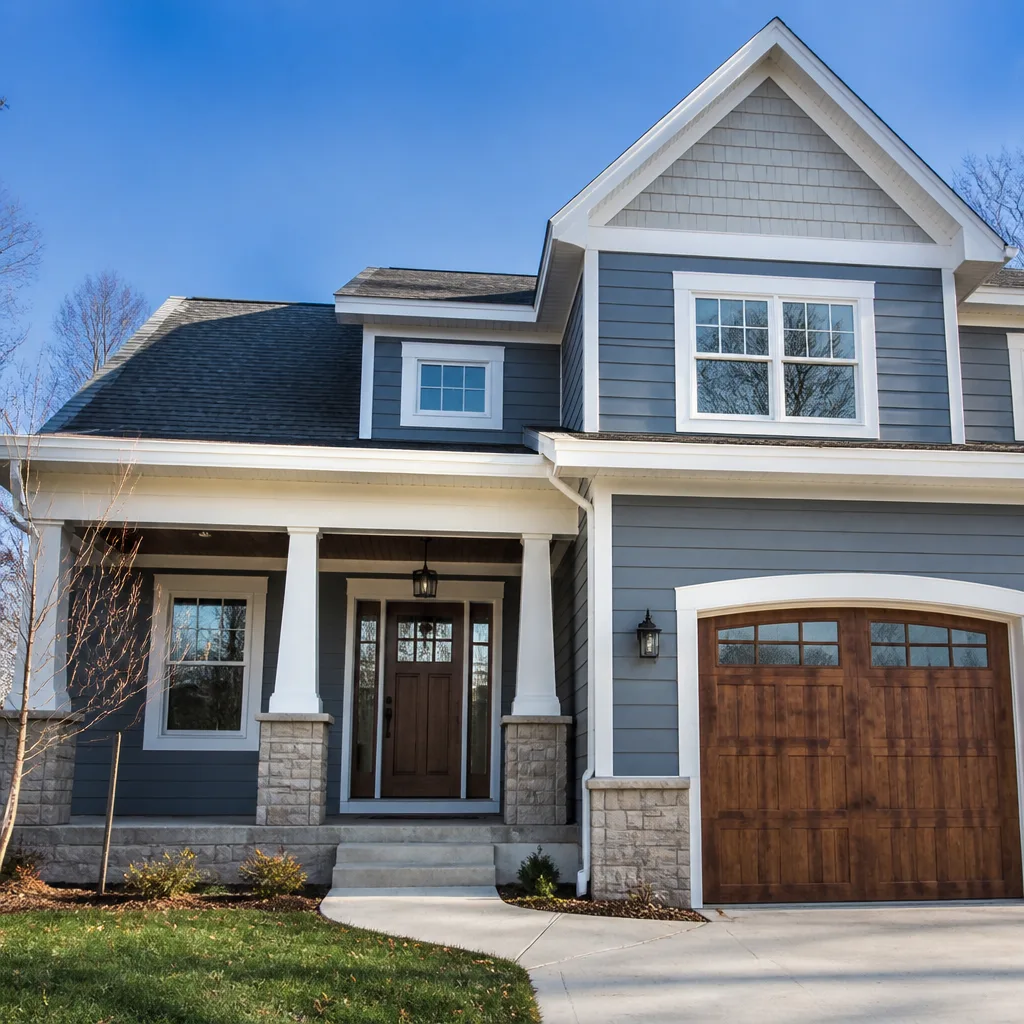
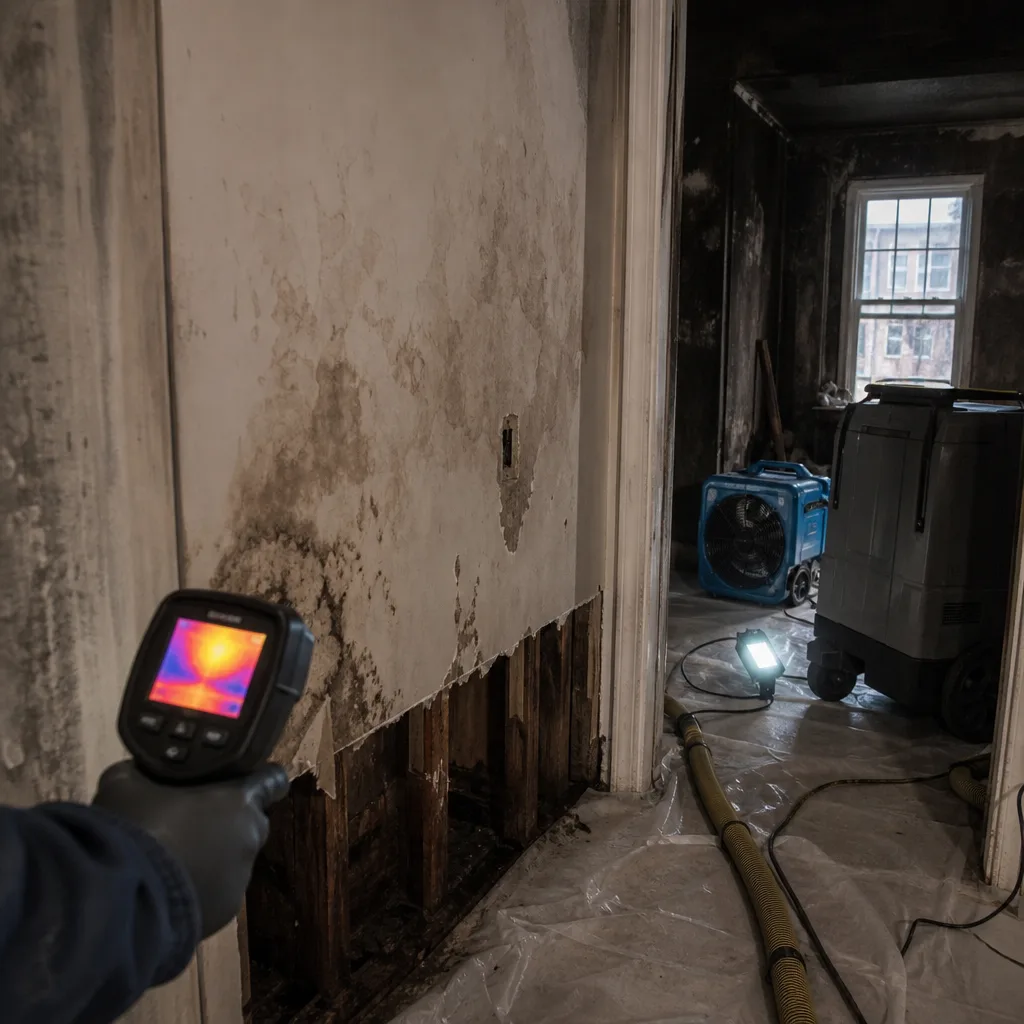 Before
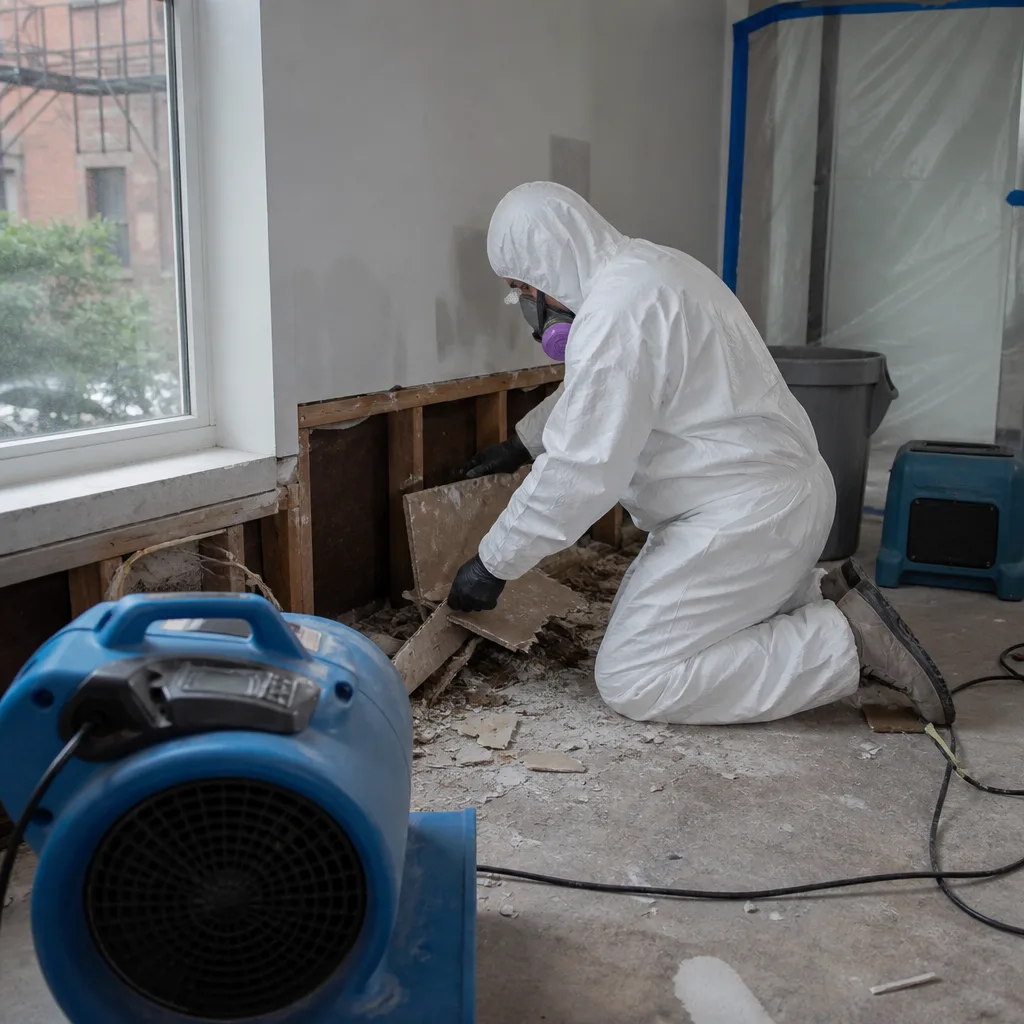 After
After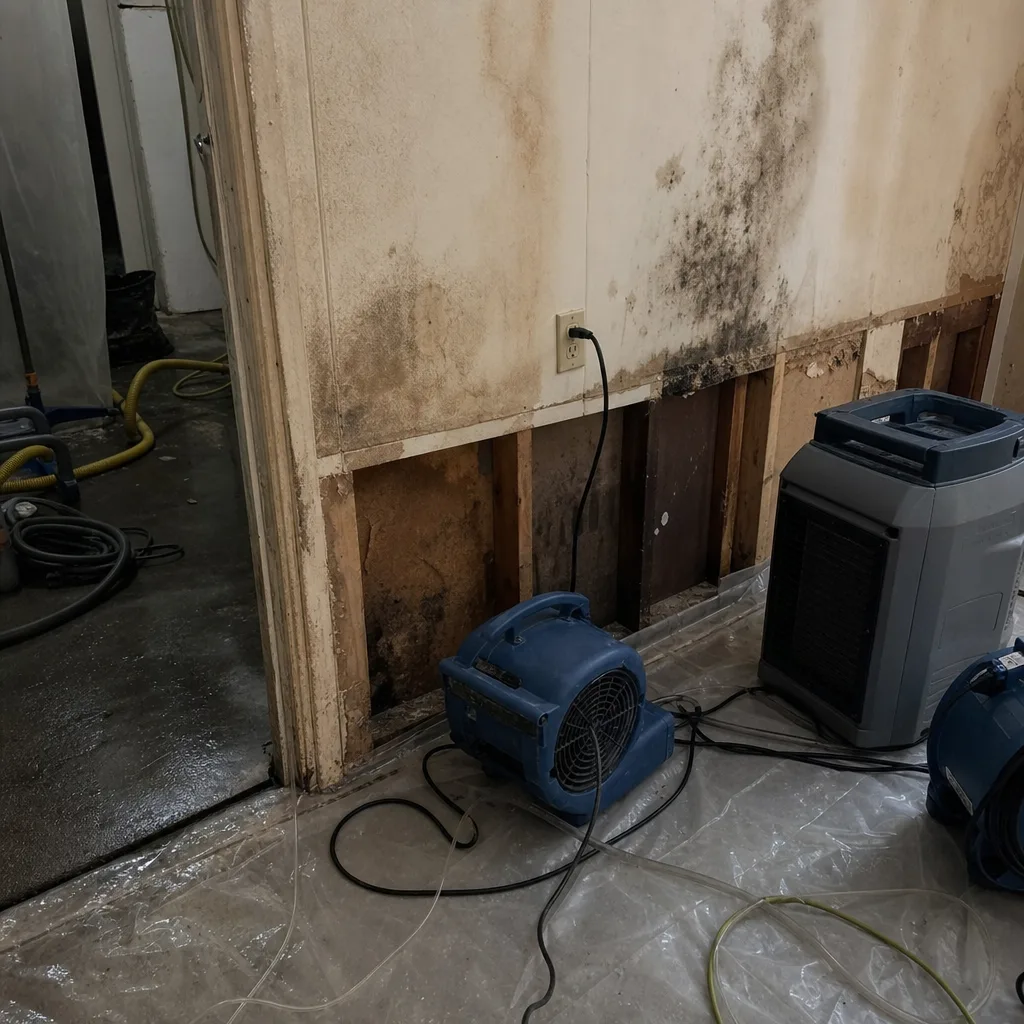 Before
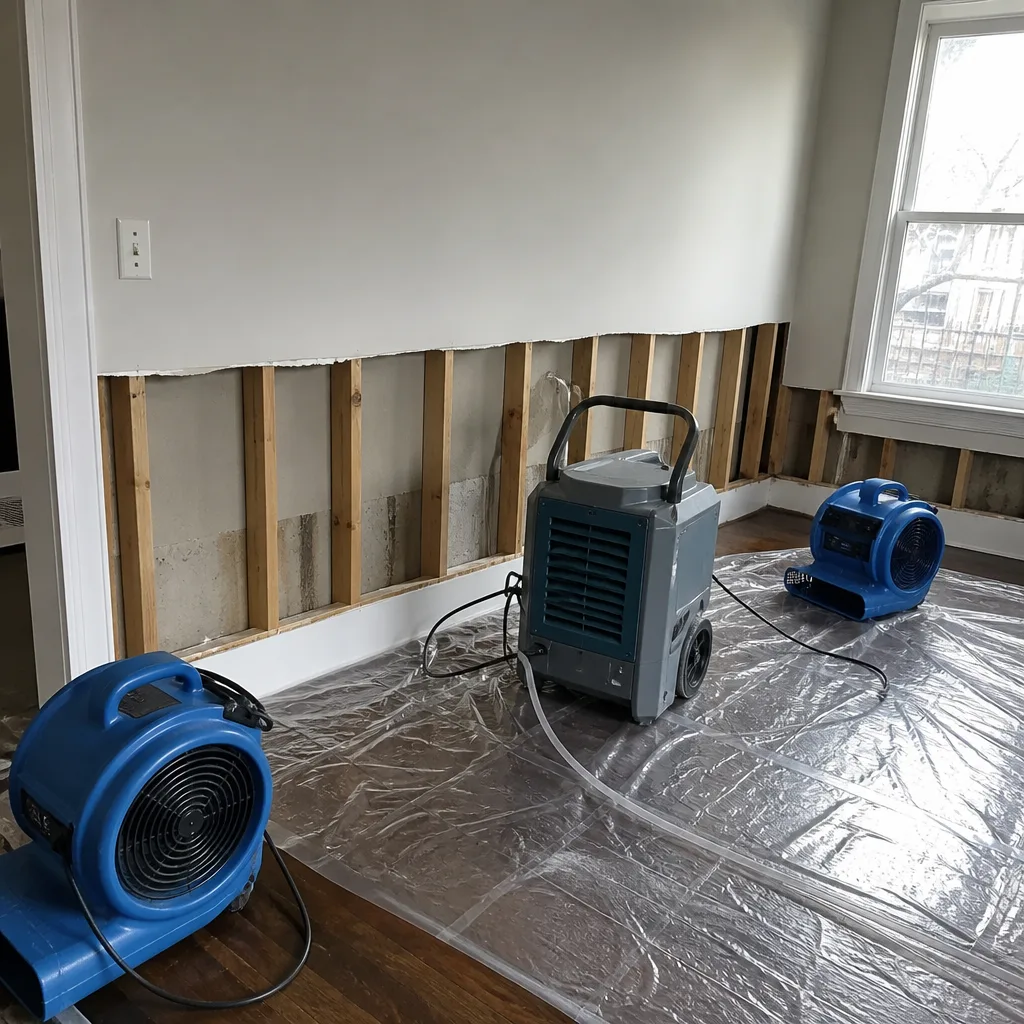 After
After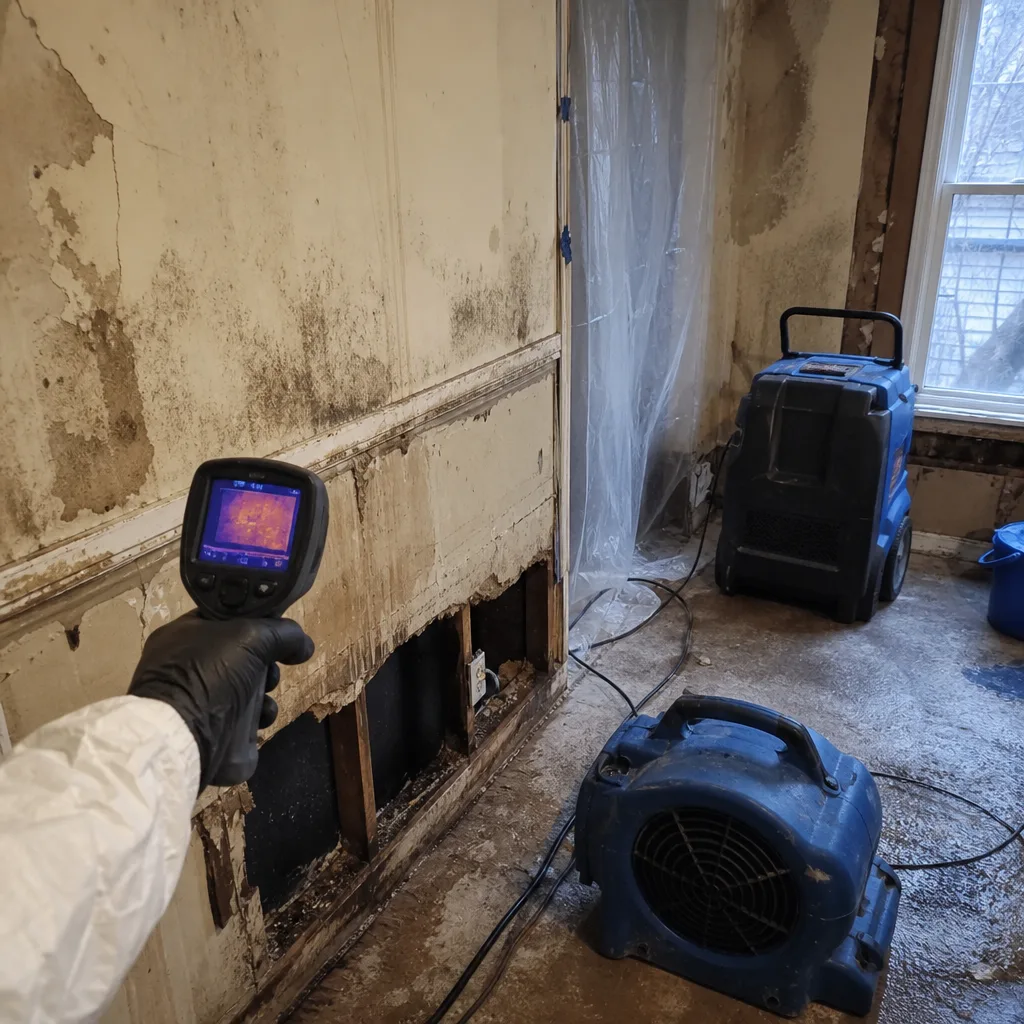 Before
 After
AfterDamage Restoration in Long Island City, NY
Storm and disaster restoration in Long Island City typically runs $3,500-$12,000 for residential flooding, with emergency board-up and roof tarping starting at $800-$2,400. We’re Back to Dry Restoration, and we dispatch crews from our New York City office to Long Island City’s waterfront blocks daily - carrying written scopes, photo documentation kits, and the drying logs that keep insurance claims moving. Call (551) 212-1580 when you need a crew that documents before, during, and after.
Why Long Island City Homes Are Different
Long Island City sits on low-lying fill between the East River and Newtown Creek, a federal Superfund site, with large sections mapped in FEMA AE high-risk flood zones. Hurricane Sandy’s 2012 surge proved what the elevation maps predicted: Hunters Point South and the surrounding waterfront took on water that inland Queens simply didn’t see, and that baseline risk hasn’t changed as the neighborhood has densified.
The building stock here is split in ways that matter for restoration work. In Hunters Point and Dutch Kills, early-20th-century industrial warehouses and factory buildings - many converted to residential lofts - carry aging cast-iron drain stacks, original concrete slabs without vapor barriers, and masonry façades that absorb water aggressively. A single pipe failure in one of these buildings can wick moisture laterally beneath flooring for weeks, with mold growth extending well beyond the visible damage boundary. Meanwhile, the post-2005 glass-curtain luxury high-rises pack 10-20 units per vertical stack, meaning one HVAC or plumbing failure cascades through multiple floors before building staff catch it. We coordinate with LIC building management companies and multiple insurance carriers on these multi-unit jobs regularly.
Our Main Long Island City Services
Most calls we field from Long Island City homeowners fall into two categories: sudden water intrusion from storms, plumbing, or building systems, and the mold that follows when moisture hides in concrete slabs or wall cavities. We maintain dedicated Long Island City pages for our three most-requested specialties.
Water Damage Restoration in Long Island City
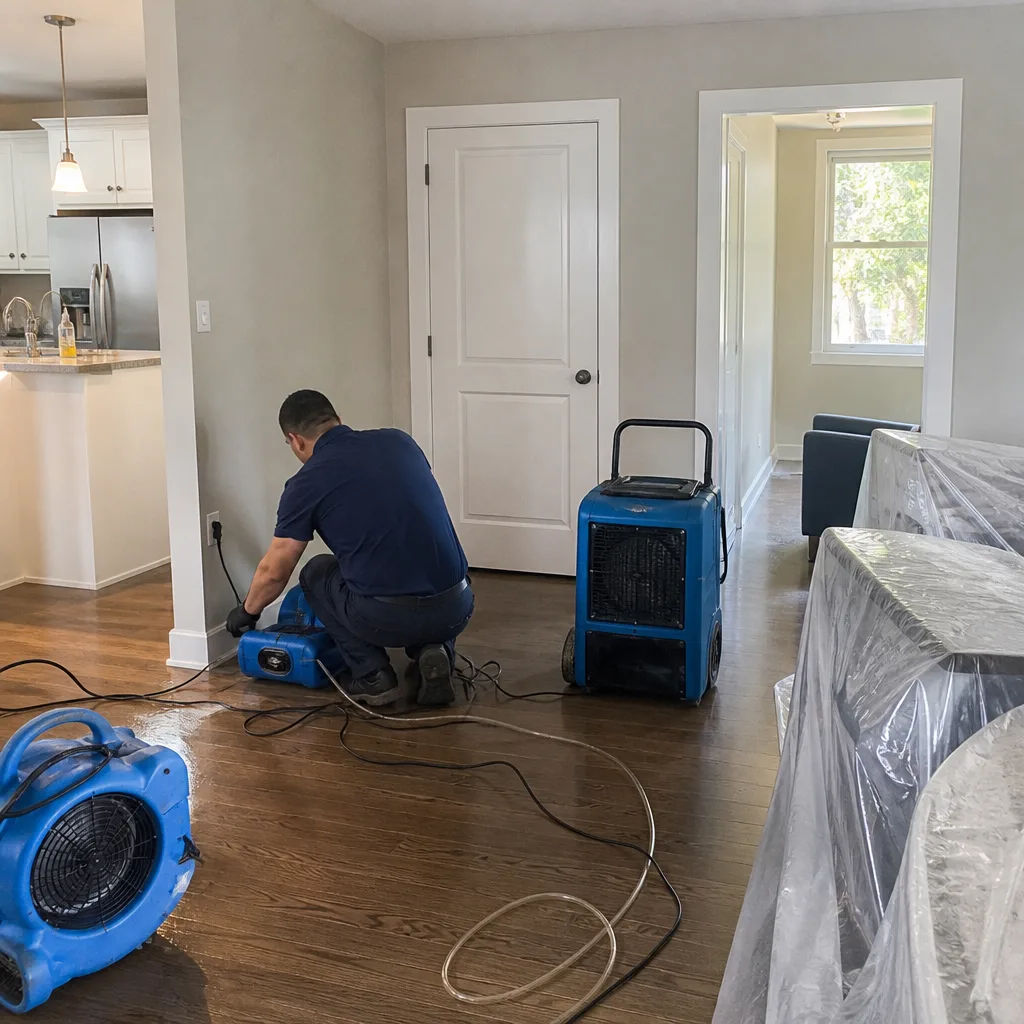
Water damage in Long Island City demands different equipment depending on whether we’re drying a converted loft’s unsealed concrete slab or extracting from a luxury high-rise’s engineered flooring. Our crews carry Injectidry systems for cavity drying and Phoenix LGR dehumidifiers rated for the humidity loads these building types generate. Every job starts with moisture mapping and ends with a written drying log. Water Damage Restoration in Long Island City
Mold Remediation in Long Island City
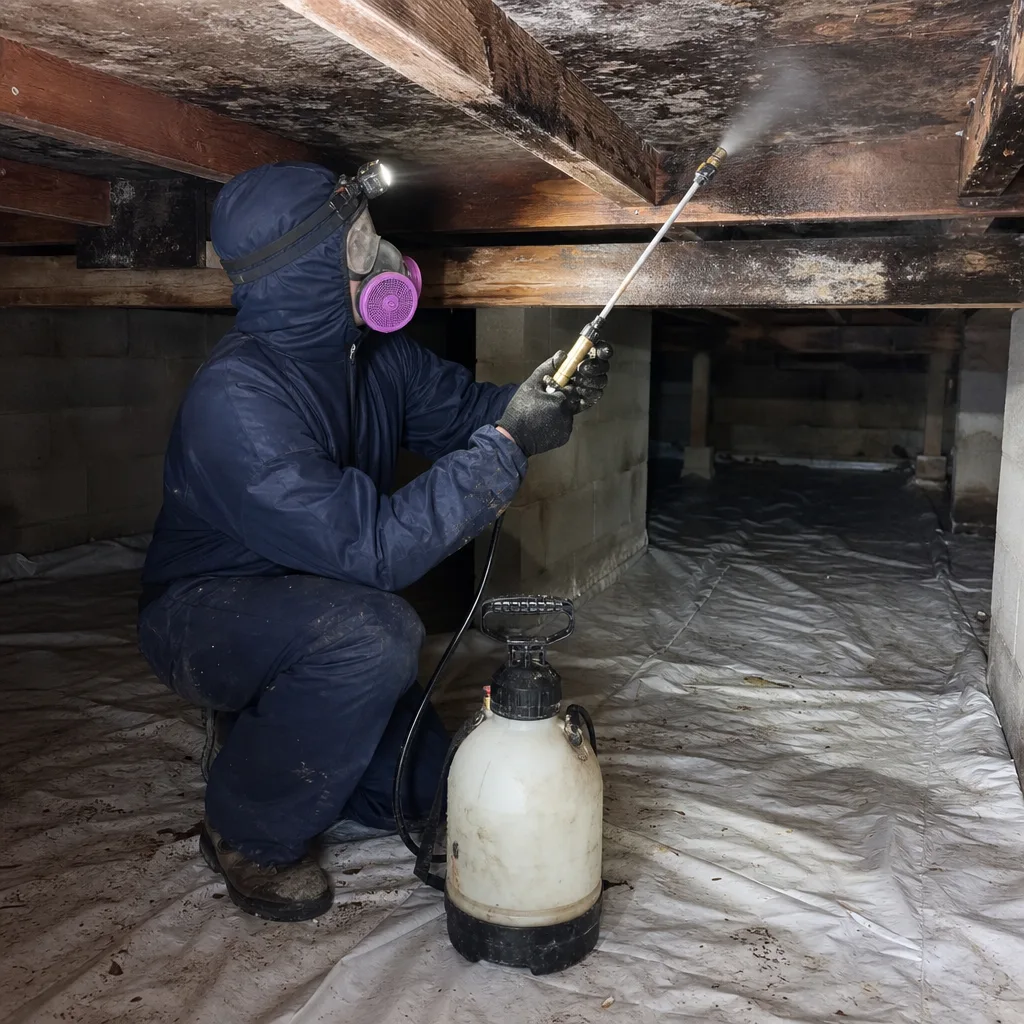
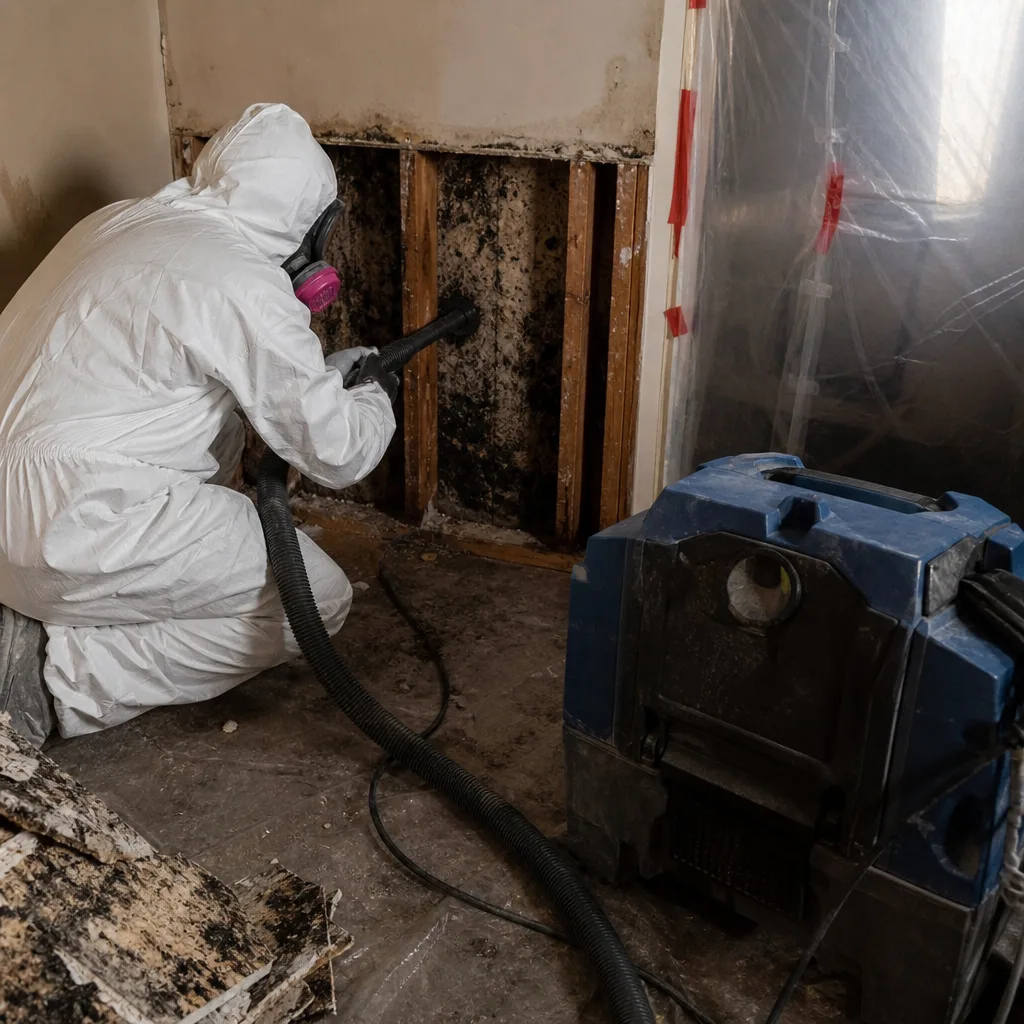
Mold in Long Island City’s converted industrial buildings often spreads beyond the visible damage boundary because original poured-concrete slabs lack residential vapor barriers. We find active growth extending two to three rooms from the source with surprising regularity in Hunters Point lofts. Remediation here requires negative-air containment, HEPA filtration, and post-remediation verification testing documented to IICRC standards. Mold Remediation in Long Island City
Fire & Smoke Damage Restoration in Long Island City
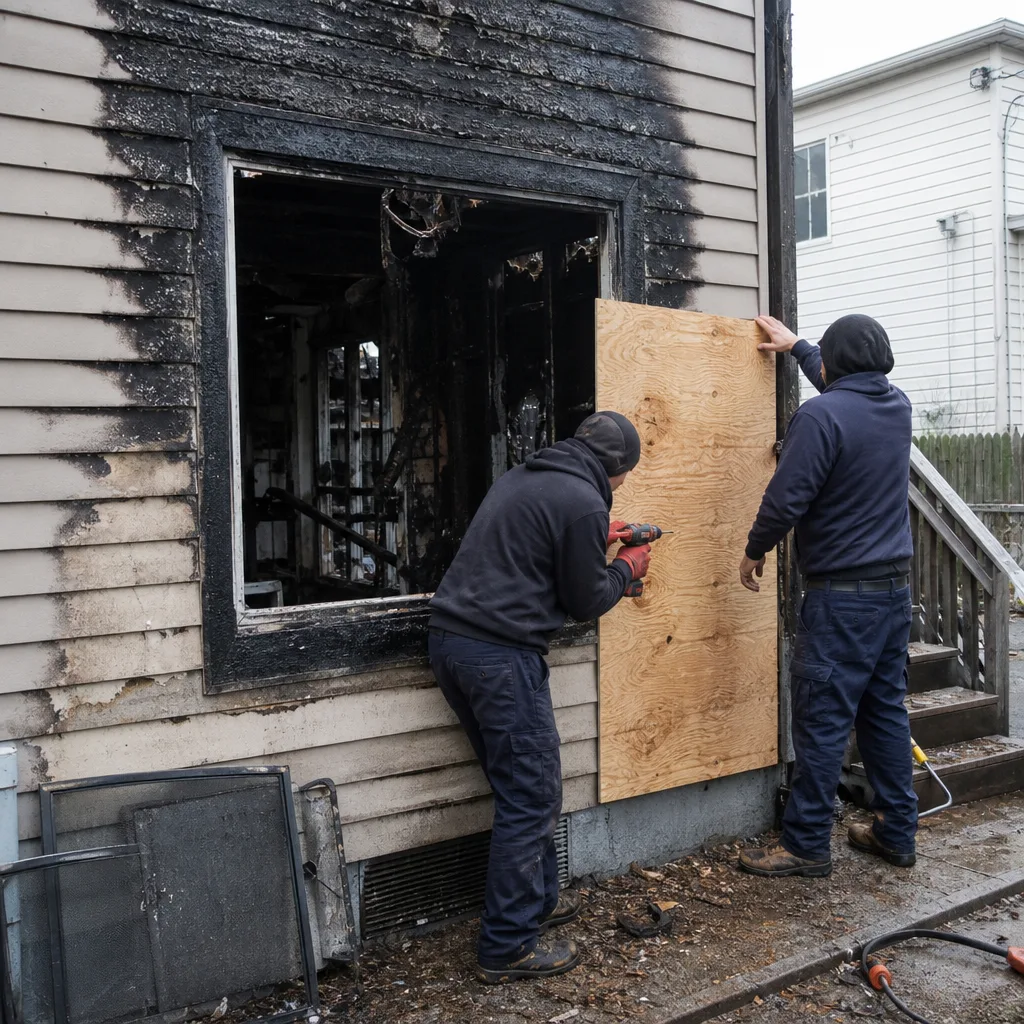
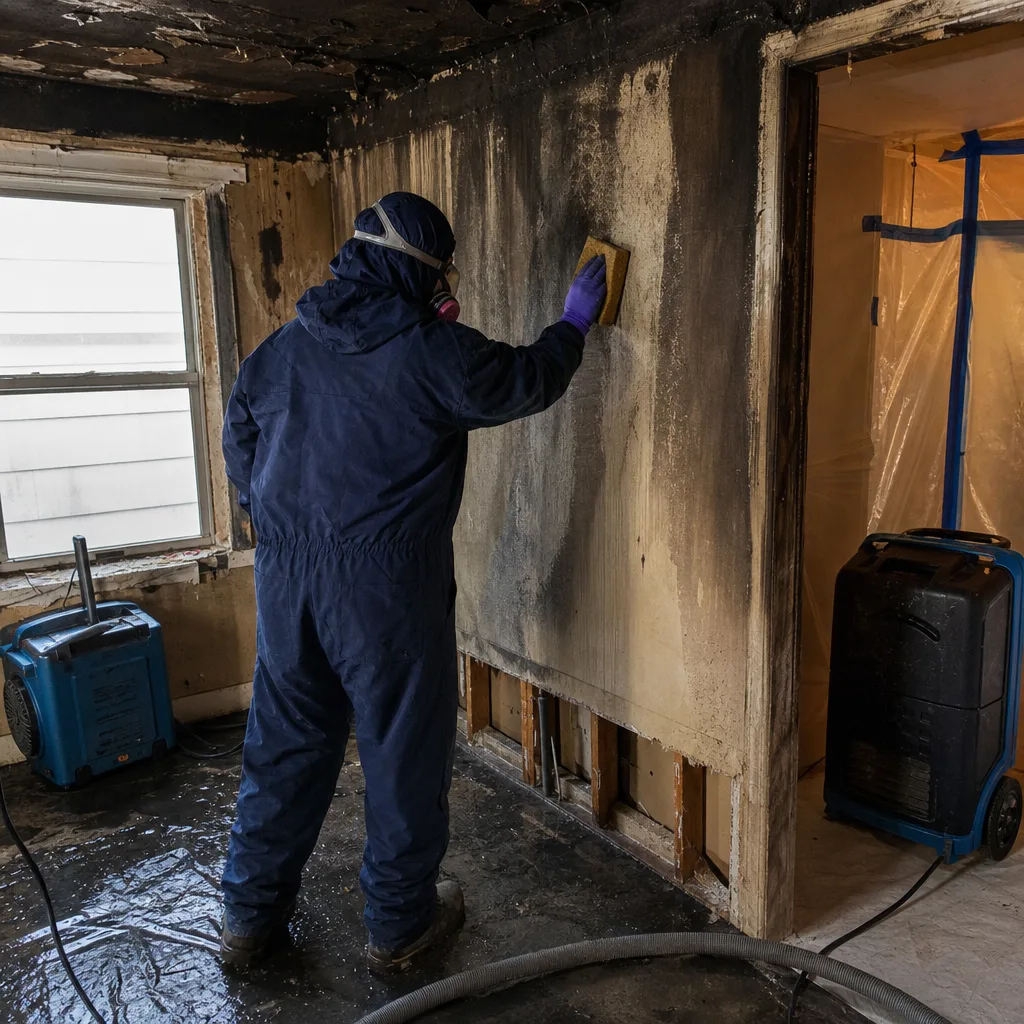
Fire damage in Long Island City’s high-density buildings raises immediate concerns for neighboring units and building-wide HVAC contamination. Our crews document smoke migration patterns room by room, clean or pack out contents with photo records, and coordinate with building management on shared-system decontamination. The written scope addresses both the fire unit and any adjacent spaces with particulate infiltration. Fire & Smoke Damage Restoration in Long Island City
What happens when you call
- 1
A real person answersNo phone trees - you reach a local pro.
- 2
You get an upfront price rangeHonest numbers before anyone is dispatched.
- 3
A background-checked tech heads outLicensed & insured, dispatched right away.
- 4
You approve before work beginsNothing starts until you say go.
BeforeAfterStorm & Disaster Restoration in Long Island City
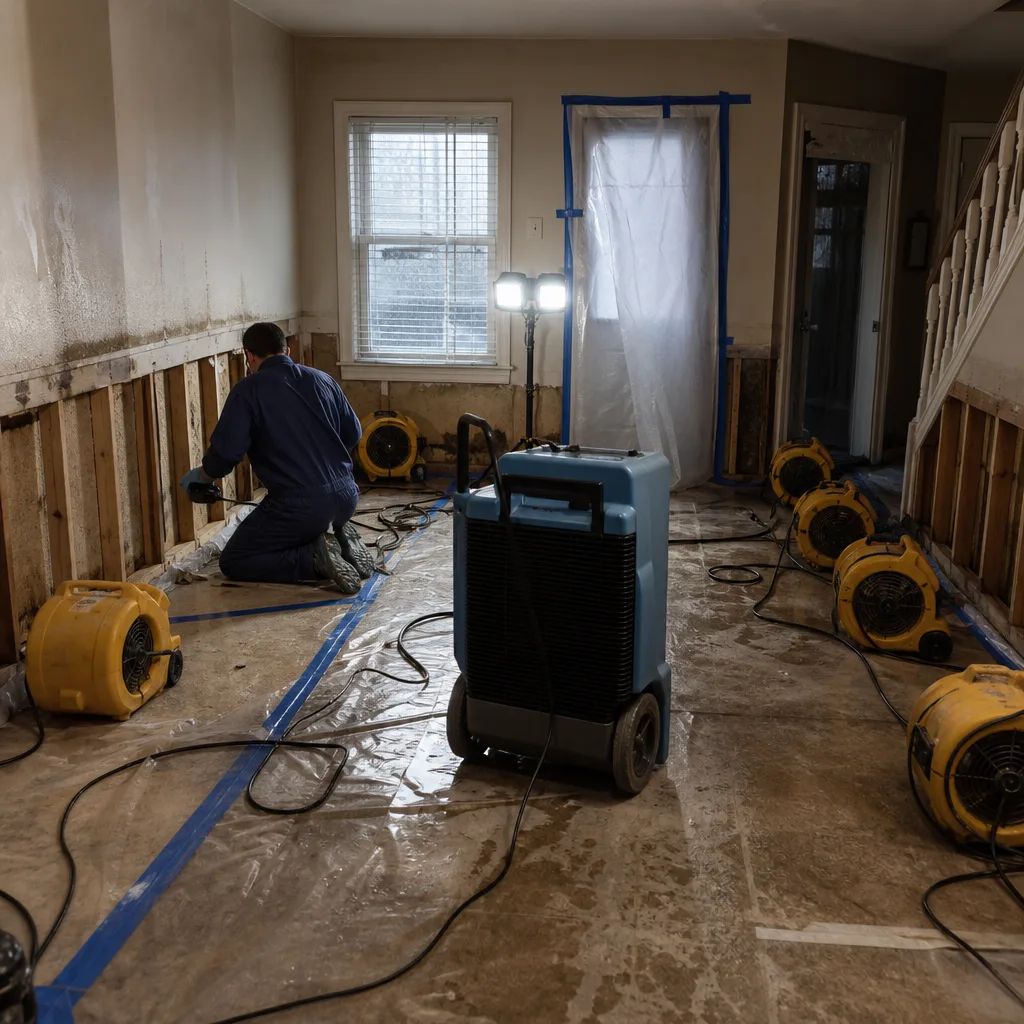
Storm and disaster restoration in Long Island City is shaped by coastal flood exposure that inland Queens doesn’t face. FEMA AE zones cover the waterfront blocks from Hunters Point South through Dutch Kills, and Sandy’s 2012 inundation established the baseline: ground-floor and basement flooding that hits converted lofts with unsealed concrete slabs and luxury high-rises with shared mechanical systems simultaneously. We coordinate multi-unit jobs across building management companies and multiple carriers, carrying the documentation that keeps each claim distinct and payable. Our Storm & Disaster Restoration hub details our full protocol.
Flood Damage Restoration
Signs you need it
Standing water in basements or ground-floor units, water stains wicking up masonry walls, or buckling flooring in converted loft buildings after any surge event or prolonged rainfall.
What it costs in Long Island City
Flood damage restoration in Long Island City typically ranges from $3,500 for limited basement extraction to $12,000 for whole-unit drying, decontamination, and material removal in a multi-story building.
How we do it
We extract standing water with truck-mounted or portable systems, deploy Phoenix and XPOWER air movers with LGR dehumidifiers sized to the space, and produce daily psychrometric logs until moisture readings return to dry standard.
Emergency Board-Up
Signs you need it
Broken windows, compromised doors, or damaged façades that expose the interior to weather, vermin, or unauthorized entry after any storm or impact event.
What it costs in Long Island City
Emergency board-up in Long Island City typically runs $800-$2,400 depending on the number of openings, floor height, and whether glass-curtain panel stabilization is required.
How we do it
We measure each opening, cut plywood or polycarbonate to fit, secure with tamper-resistant fasteners, and photo-document the condition of the structure before and after board-up for the claim file.
What Storm & Disaster Restoration Costs in Long Island City
| Item | Typical range in Long Island City |
|---|---|
| Flood damage restoration (residential) | $3,500 - $12,000 |
| Emergency board-up | $800 - $2,400 |
| Roof tarping | $600 - $1,800 |
How fast can crews get to Long Island City after a storm?
Our live dispatch operates 24 hours a day, 7 days a week with no voicemail trees, and crews typically reach Long Island City within 60-90 minutes during active storm response. Call (551) 212-1580 for current availability - estimates are free.
Will insurance cover storm flooding in Long Island City’s flood zones?
Standard homeowner policies exclude flood damage; NFIP or private flood coverage is required in FEMA AE zones like LIC’s waterfront blocks. We document every moisture reading and photo to support your claim, whichever policy applies.
Sewage Cleanup in Long Island City
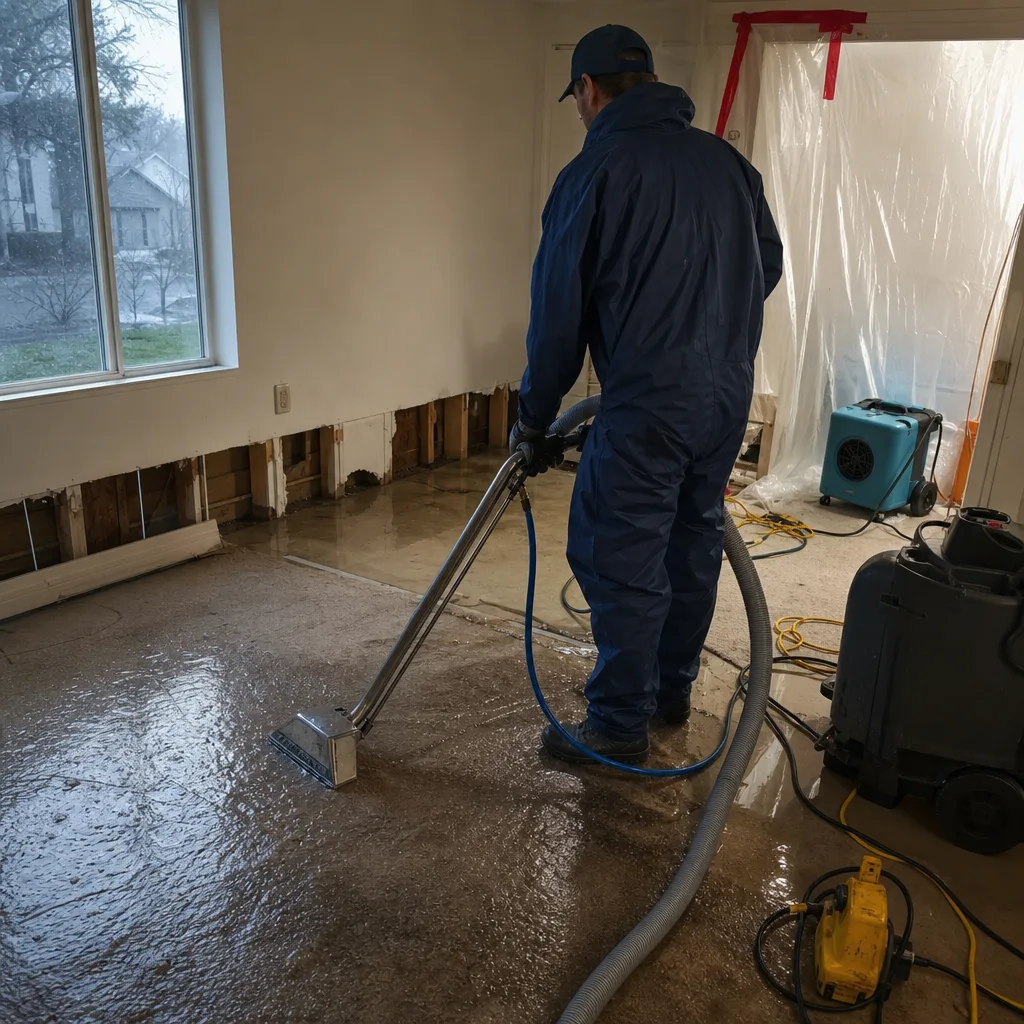
Sewage cleanup in Long Island City presents distinct challenges in the neighborhood’s converted industrial buildings, where aging cast-iron drain stacks in Hunters Point and Dutch Kills lofts are past their engineered lifespan and shared waste lines in luxury high-rises concentrate multiple units’ effluent into single failure points. Black water carries Category 3 contaminants requiring full PPE, contained extraction, and documented sanitization to IICRC S500 standards. Our Sewage Cleanup protocol addresses both the immediate biohazard and the hidden contamination that compromises claims when it’s missed.
Sewage Backup Cleanup
Signs you need it
Multiple drains backing up simultaneously, gurgling toilets, or raw sewage emerging from floor drains in basements or ground-floor units of converted loft buildings.
What it costs in Long Island City
Sewage backup cleanup in Long Island City typically ranges from $2,800 for contained basement extraction to $7,500 for multi-room decontamination with material removal in a high-rise or loft building.
How we do it
We establish containment barriers, extract black water with sealed vacuum systems, remove saturated porous materials, apply EPA-registered disinfectant to all affected surfaces, and verify clearance with ATP testing documented in the photo record.
Sanitization & Disinfection
Signs you need it
Any surface contacted by Category 3 water requires professional sanitization, including baseboards, framing, and subflooring that may appear intact but harbor bacterial contamination.
What it costs in Long Island City
Standalone sanitization and disinfection in Long Island City typically runs $1,200-$3,600 depending on square footage, accessibility, and whether thermal fogging or hydroxyl generation is required for odor remediation.
How we do it
We apply hospital-grade disinfectant by spray, foam, or fog depending on surface type, allow required dwell time, then verify with ATP bioluminescence testing and document results in the written scope.
What Sewage Cleanup Costs in Long Island City
| Item | Typical range in Long Island City |
|---|---|
| Sewage backup cleanup | $2,800 - $7,500 |
| Sanitization & disinfection | $1,200 - $3,600 |
| Black water extraction | $2,200 - $5,800 |
Is sewage cleanup covered by insurance in Long Island City?
Most policies cover sudden sewage backup if you have sewer backup endorsement; gradual line failure is often excluded. We photo-document the failure point and source to support your adjuster’s coverage determination. Call (551) 212-1580 for documentation support.
How long does sewage cleanup take in a Long Island City high-rise?
Contained extraction and sanitization typically complete in 1-2 days; if the backup reached multiple units or shared mechanical spaces, coordination with building management extends timeline to 3-5 days with daily photo logs.
Biohazard & Crime Scene Cleanup in Long Island City
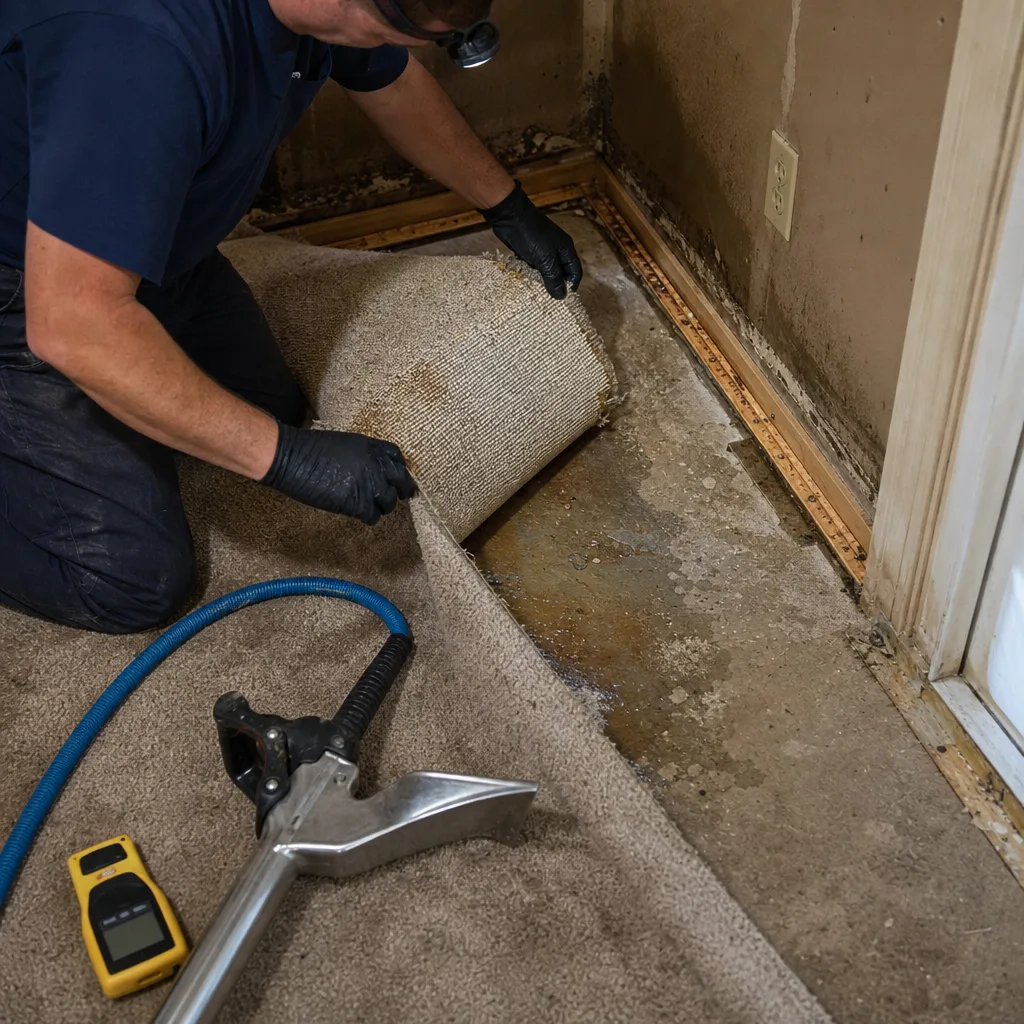
Biohazard and crime scene cleanup in Long Island City requires discrete, rapid response in a neighborhood where high-density living means incidents affect neighboring units, common areas, and building reputation. Whether in a converted loft on Jackson Avenue or a luxury tower near the waterfront, bloodborne pathogens and traumatic events demand OSHA-compliant remediation with full documentation for property managers and insurers. Our Biohazard & Crime Scene Cleanup teams arrive unmarked, work contained, and deliver the written clearance documentation that releases the space for reoccupancy.
Trauma & Unattended Death Cleanup
Signs you need it
Any death scene with biological material present, including decomposition in un climate-controlled spaces common in Long Island City’s older loft buildings with inconsistent HVAC.
What it costs in Long Island City
Trauma and unattended death cleanup in Long Island City typically ranges from $3,500 for contained scenes with limited affected area to $9,500 for extended decomposition with structural material removal and odor remediation.
How we do it
We assess biological contamination extent, remove all affected porous materials, treat structural elements with enzyme cleaners and disinfectants, and verify clearance through third-party testing with written documentation.
Blood & Bodily Fluid Cleanup
Signs you need it
Visible blood or bodily fluid on porous or non-porous surfaces in residential, commercial, or common areas where standard cleaning is insufficient for pathogen elimination.
What it costs in Long Island City
Blood and bodily fluid cleanup in Long Island City typically runs $1,800-$5,200 depending on surface area, material type, and whether subflooring or wall cavities require access for complete decontamination.
How we do it
We contain the affected zone, remove contaminated materials, clean all surfaces with EPA-registered disinfectants effective against bloodborne pathogens, and document the clearance with photo evidence and written certification.
What Biohazard & Crime Scene Cleanup Costs in Long Island City
| Item | Typical range in Long Island City |
|---|---|
| Trauma & unattended death cleanup | $3,500 - $9,500 |
| Blood & bodily fluid cleanup | $1,800 - $5,200 |
| Crime scene cleanup | $2,500 - $7,000 |
Who pays for biohazard cleanup in a Long Island City rental?
Property owners typically bear structural remediation costs; tenant or estate liability depends on circumstances and lease terms. We bill insurance directly when coverage applies and provide the documentation both parties need.
Are biohazard cleanup crews licensed for Long Island City high-rises?
Our technicians carry OSHA Bloodborne Pathogen certification, NYSDOL licenses, and background checks verified before arrival; we coordinate with building management on service elevator access and discreet entry protocols.
Reconstruction & Cleanup in Long Island City
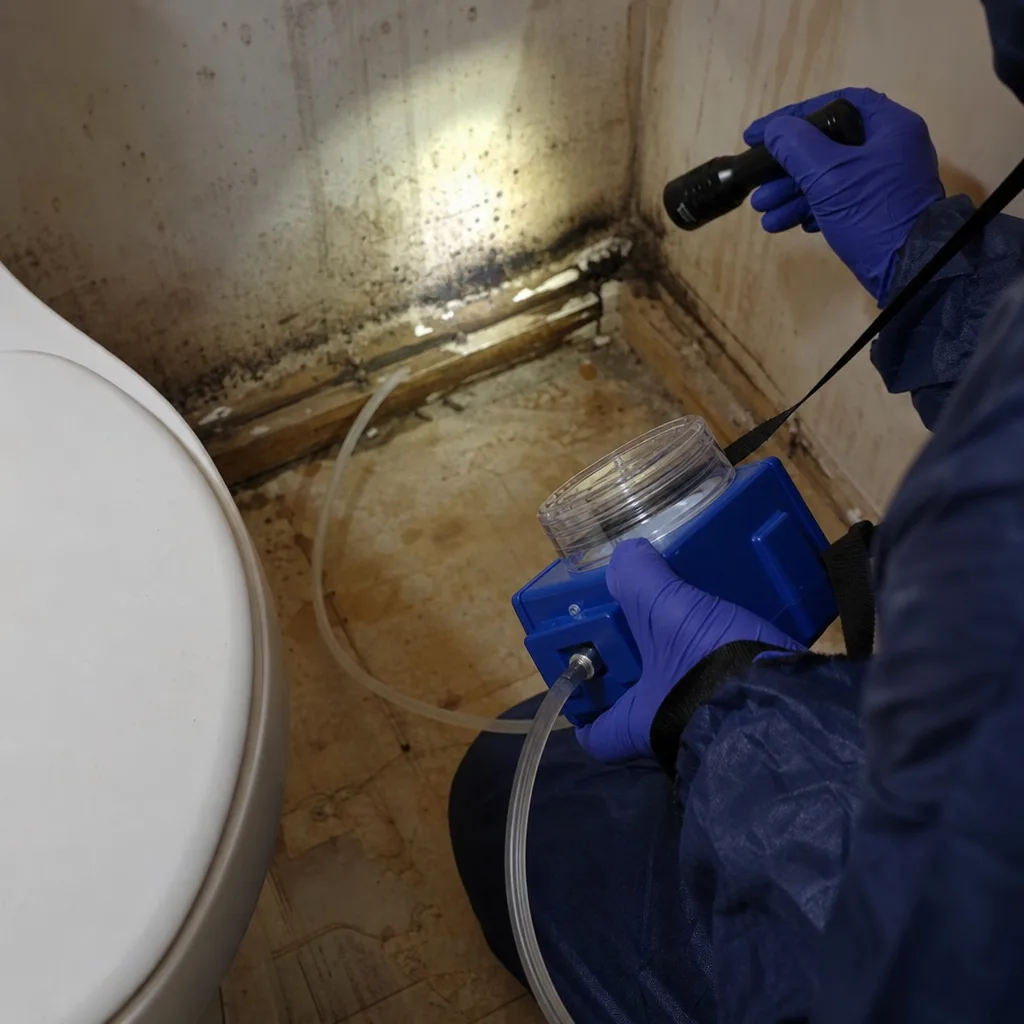
Reconstruction and cleanup in Long Island City bridges the gap between emergency mitigation and finished living space, whether we’re rebuilding a Hunters Point loft’s original plaster and lathe or matching finishes in a glass-curtain high-rise where building specifications are strict. Unlike mitigation work, reconstruction is scoped, scheduled, and priced in writing before demolition begins - no same-day dispatch, no open-ended billing. Our Reconstruction & Cleanup process starts with a written scope, material specifications, and a fixed price under Haven Standard, Clause 1.
Drywall & Flooring Repair
Signs you need it
Water-damaged drywall with visible staining or sagging, buckled hardwood or engineered flooring, or subflooring exposed after mitigation removal in any Long Island City residential or commercial space.
What it costs in Long Island City
Drywall and flooring repair in Long Island City typically ranges from $2,200 for single-room drywall replacement to $8,500 for whole-unit flooring with matching engineered product in a luxury high-rise.
How we do it
We remove damaged materials to the stud or subfloor, install moisture-barrier-rated replacements where code requires, finish to match existing surfaces, and document each phase with photos for the claim file.
Contents Restoration & Pack-Out
Signs you need it
Personal property, furniture, or electronics affected by water, smoke, or mold that requires off-site cleaning, deodorization, or specialized restoration before reinstallation.
What it costs in Long Island City
Contents pack-out and restoration in Long Island City typically runs $1,800-$6,500 depending on volume, cleaning method required, and whether climate-controlled storage is needed during reconstruction.
How we do it
We inventory each item with photo documentation, pack for transport to our facility, clean and restore using appropriate methods for material type, and return with a condition report for insurance.
What Reconstruction & Cleanup Costs in Long Island City
| Item | Typical range in Long Island City |
|---|---|
| Drywall & flooring repair | $2,200 - $8,500 |
| Contents restoration & pack-out | $1,800 - $6,500 |
| Full-service reconstruction | $15,000 - $65,000 |
How long does reconstruction take in a Long Island City high-rise?
Single-room drywall and flooring typically completes in 2-3 weeks; full-unit reconstruction with material matching and building management approvals runs 6-12 weeks, scoped and scheduled in writing before work begins.
Does Back to Dry handle permits for reconstruction in Long Island City?
We manage NYC DOB permit applications for structural, electrical, and plumbing work as part of the written scope, with permit numbers and inspection schedules included in the project documentation.
Brands We Service in Long Island City
We stock and service professional-grade drying and cleaning equipment from Phoenix, XPOWER, and B-Air, with Injectidry cavity-drying systems deployed regularly in Long Island City’s converted loft buildings. Parts and replacement units turn around within 24 hours through our New York City office. See our brands for full specifications.
Pricing for Damage Restoration in Long Island City, NY
| Service | Typical range in Long Island City |
|---|---|
| Flood damage restoration | $3,500 - $12,000 |
| Emergency board-up | $800 - $2,400 |
| Roof tarping | $600 - $1,800 |
| Sewage backup cleanup | $2,800 - $7,500 |
| Black water extraction | $2,200 - $5,800 |
| Sanitization & disinfection | $1,200 - $3,600 |
| Trauma & unattended death cleanup | $3,500 - $9,500 |
| Blood & bodily fluid cleanup | $1,800 - $5,200 |
| Crime scene cleanup | $2,500 - $7,000 |
| Drywall & flooring repair | $2,200 - $8,500 |
| Contents restoration & pack-out | $1,800 - $6,500 |
| Full-service reconstruction | $15,000 - $65,000 |
Prices in Long Island City push toward the higher end when work involves high-rise access, building management coordination, or material matching in luxury buildings with strict aesthetic standards. Haven Standard, Clause 1 applies to every job: the written price is delivered before anyone starts work, with no scope-creep additions once the crew is inside.
Neighborhoods We Serve in Long Island City
We respond to damage restoration calls across Long Island City’s distinct neighborhoods, from the converted industrial blocks to the newest residential towers. Crews typically arrive within 60-90 minutes during emergency response.
- Hunters Point
- Dutch Kills
- Hunters Point South
- Queensbridge
- Ravenswood
Service Area - Cities Near Long Island City
Back to Dry Restoration dispatches crews from our New York City office to Long Island City and surrounding communities. We regularly coordinate jobs with overlapping service needs in Astoria, NY to the east and Manhattan, NY across the East River, particularly when storm events affect multiple boroughs simultaneously.
Serving Long Island City, NY - Our Local Coverage Area
We’re based in the Long Island City area and know this community well. Use the map below to see our service coverage - if you’re nearby, we can almost certainly help.
FAQs About Damage Restoration in Long Island City
NYC DOB permits are required for structural, electrical, and plumbing reconstruction; emergency mitigation like water extraction and board-up does not require permitting. We handle all permit applications as part of any reconstruction scope, with permit numbers documented in the project file.
We provide written scopes, insurance documentation, and daily photo logs directly to property managers, and schedule access through building protocols for service elevators, after-hours entry, and common-area containment. This coordination is standard on every high-rise and multi-unit job.
Ensure personal safety, stop the water source if accessible, then call (551) 212-1580 for immediate dispatch. Do not enter flooded basements with active electrical systems, and document visible damage with photos if safe to do so - our crew will take over comprehensive documentation on arrival.
What happens when you call
- 1A real person answersNo phone trees - talk to a local damage restoration pro.
- 2You get an upfront price rangeHonest numbers before anyone is dispatched. No surprises.
- 3We come out and measureLicensed & insured, at a time that suits you - the visit and the quote are both free.
- 4You get the price in writingLine-itemed, yours to keep, and nothing starts until you say go.
What Long Island City Customers Say
"They photographed behind the baseboards before removing anything. That documentation is the only reason the claim covered the wall cavity."
- Noreen S."They told us the subfloor was dry and did not need replacing, which cost them the bigger job. We have recommended them four times since."
- Verity M."Daily moisture readings, written down, room by room. When the adjuster questioned the drying time they sent the log and the conversation ended."
- Constance E.