
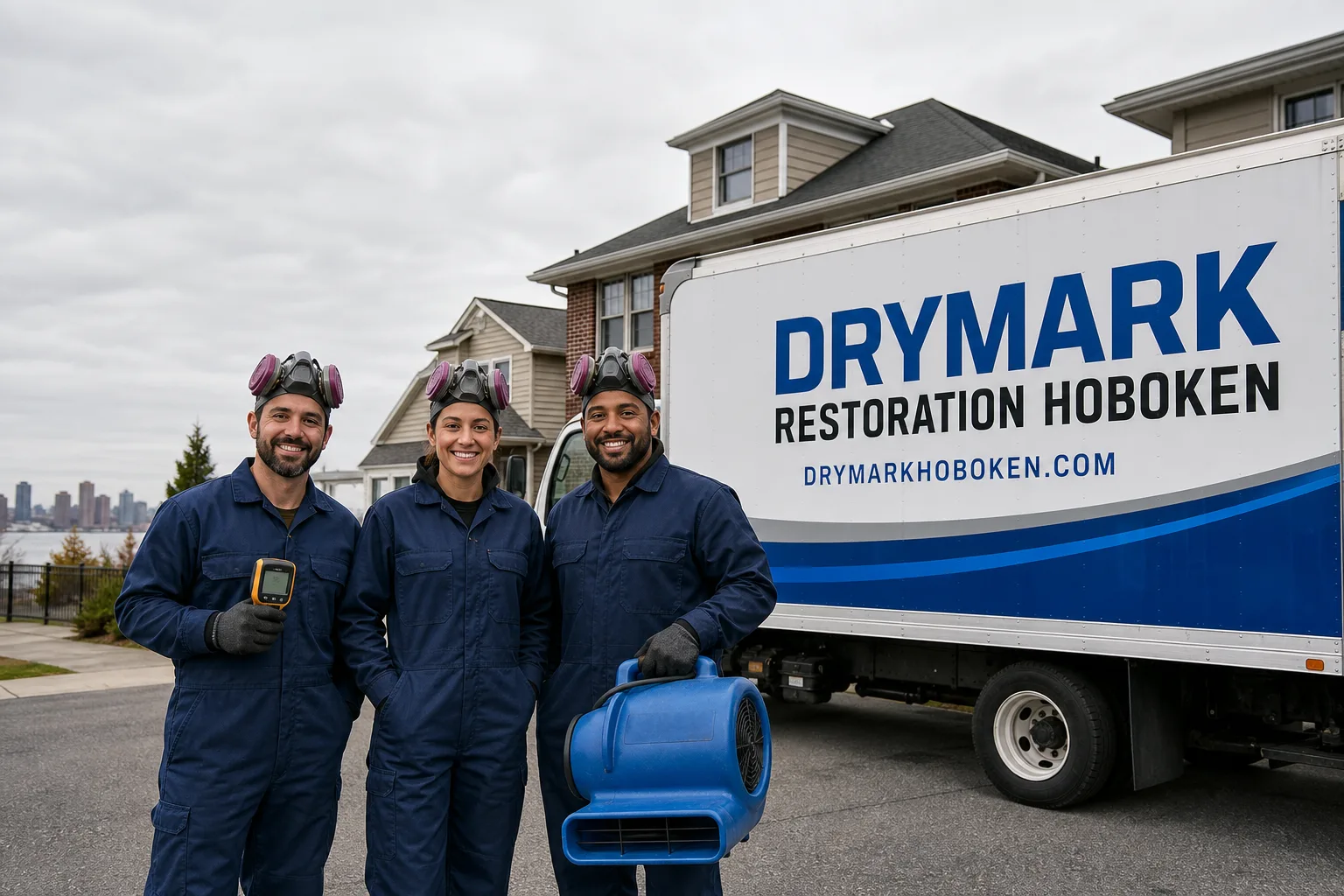
Free visual inspection and a written scope of work before any mitigation begins - photos, moisture readings, and drying logs go in your claim file
The scope we write is the scope we bill. Anything new gets shown to you, in writing, before we touch it.
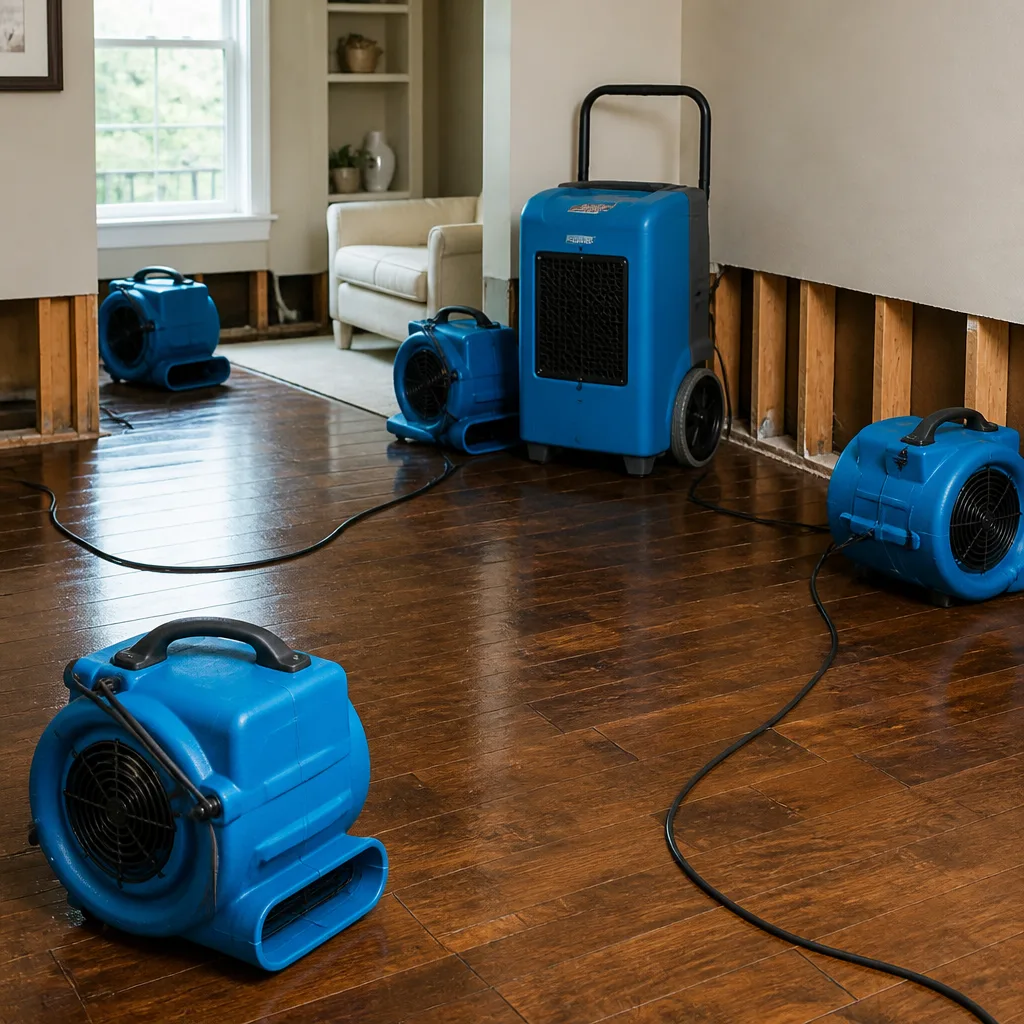
 Before
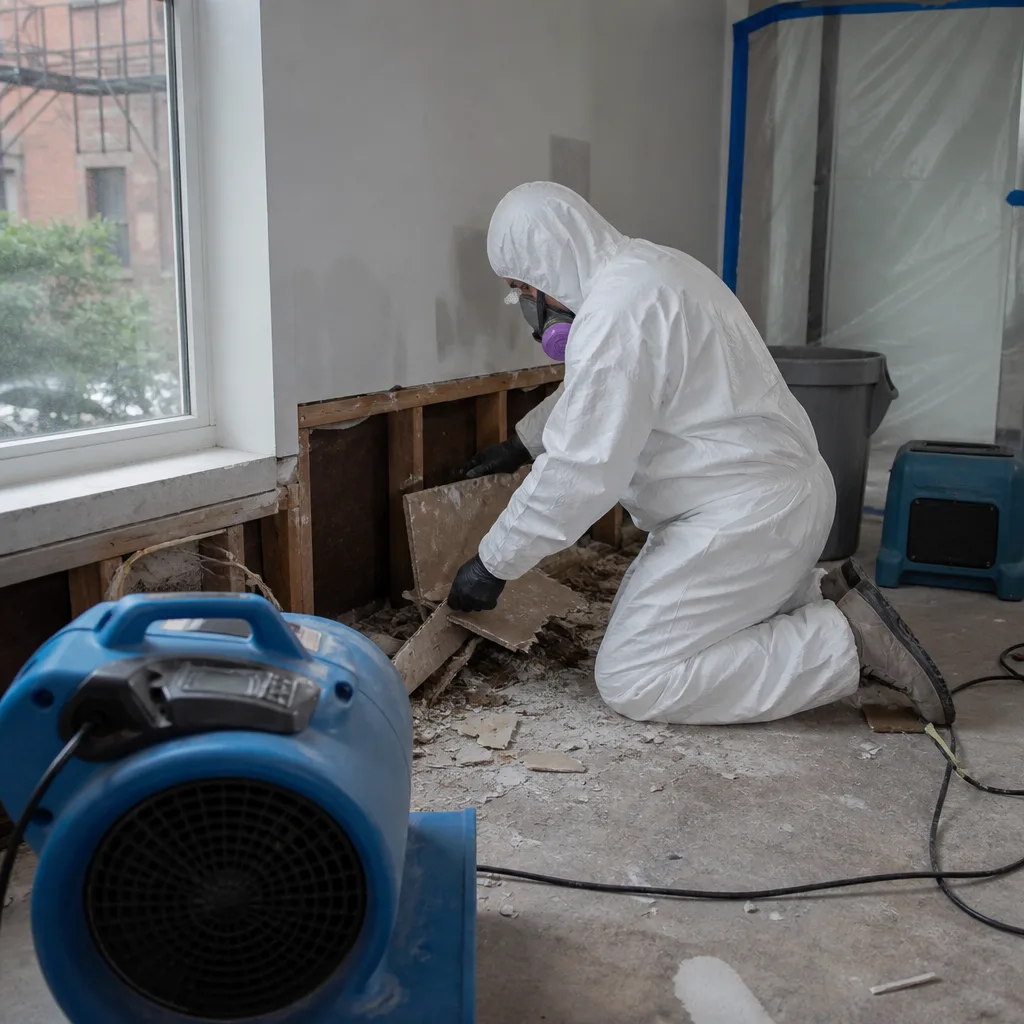 After
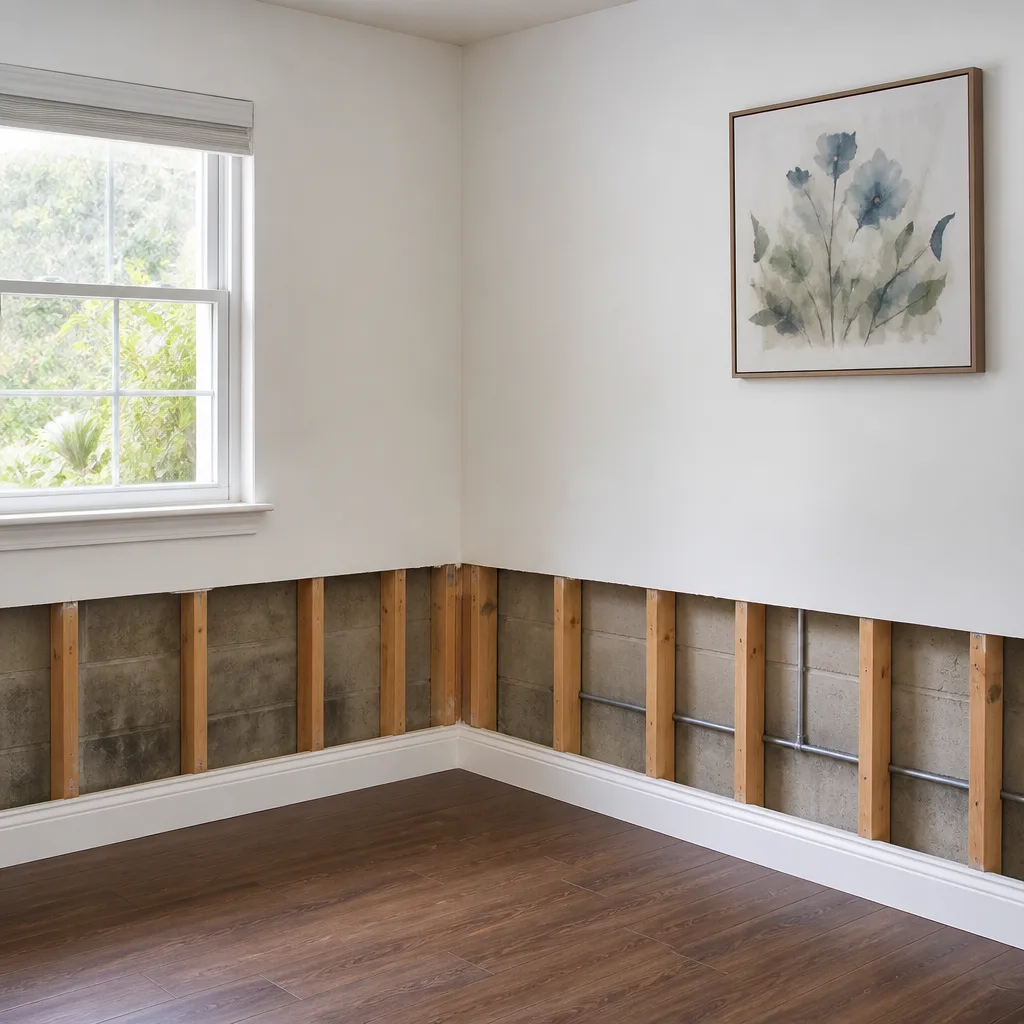
After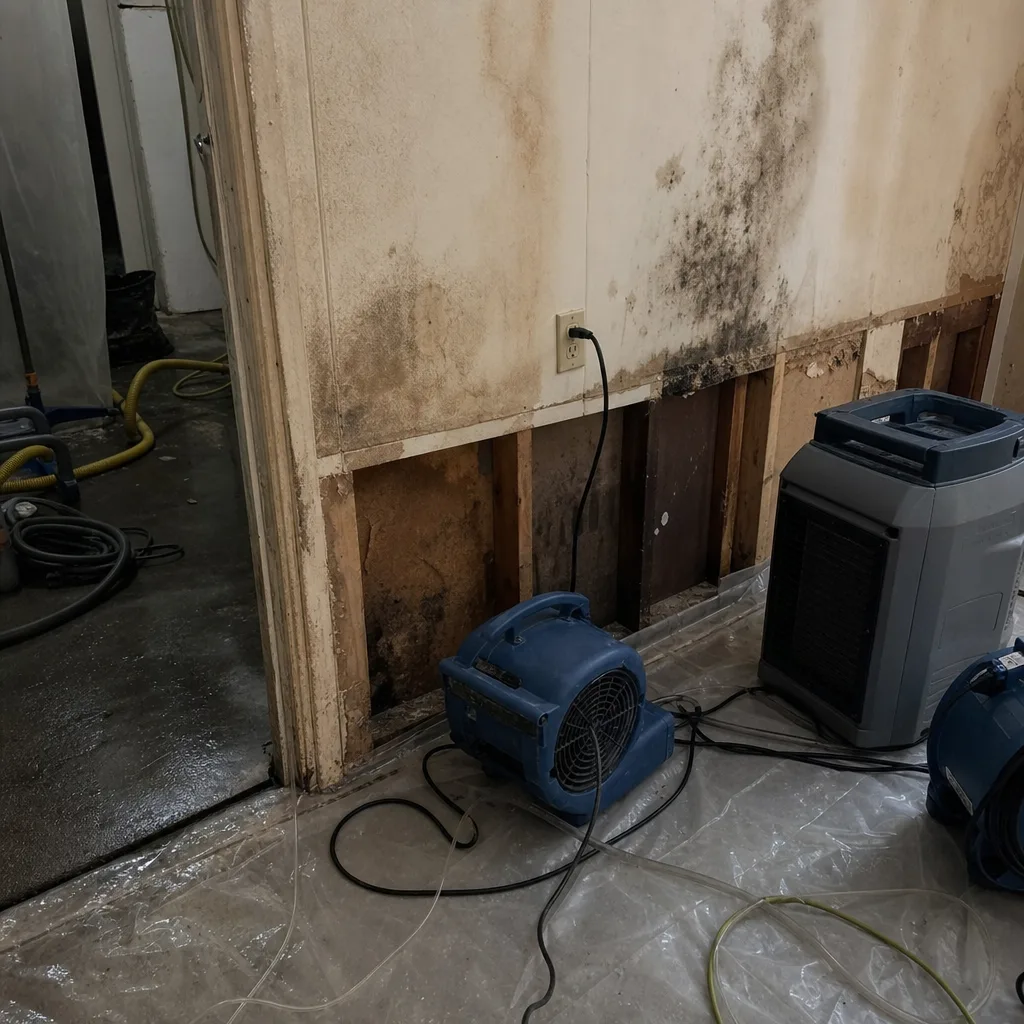 Before
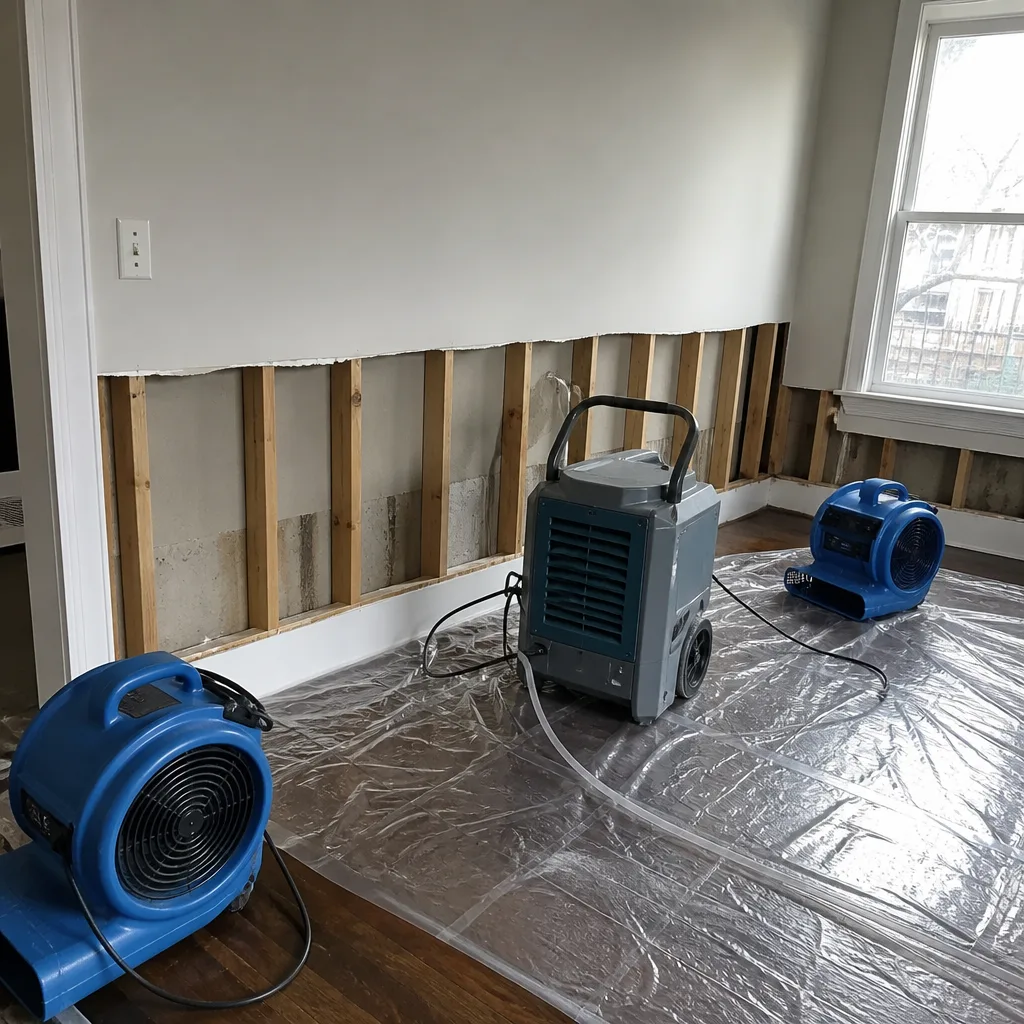 After
After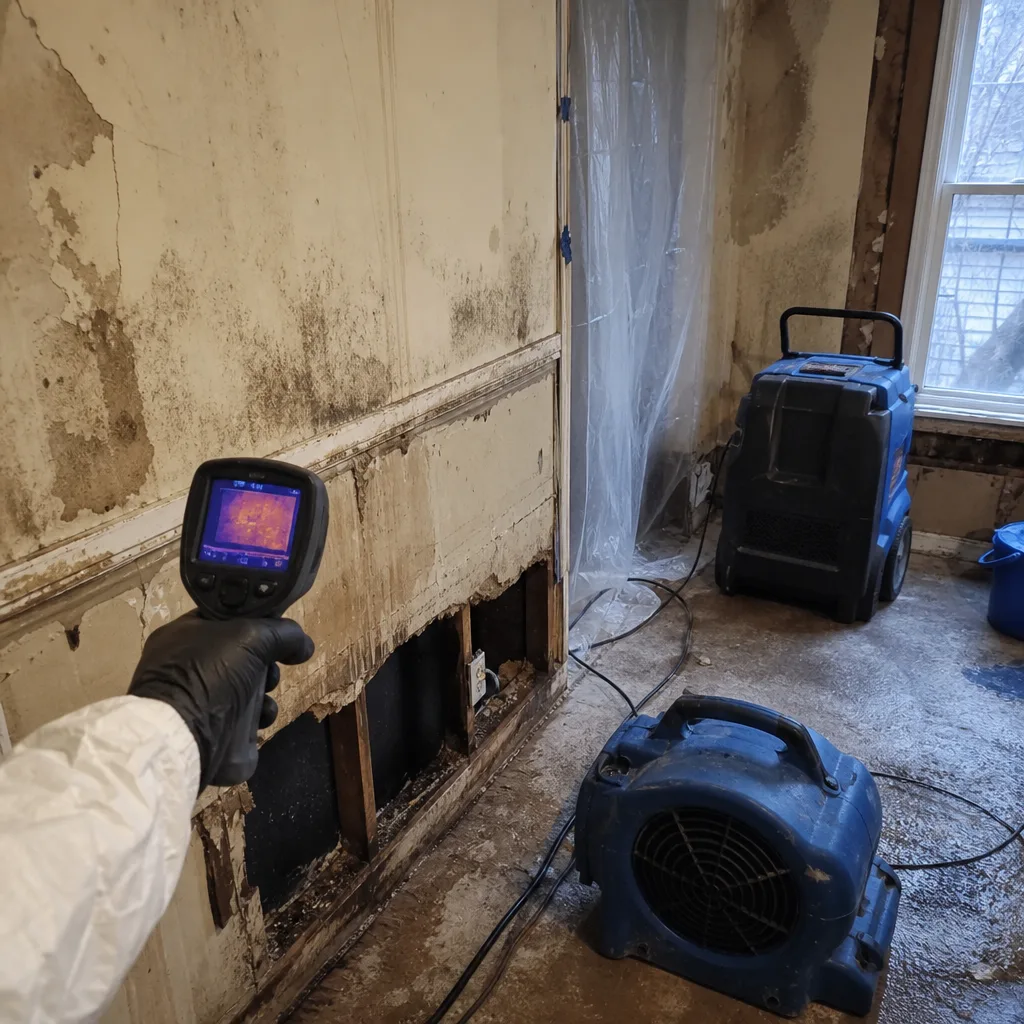 Before
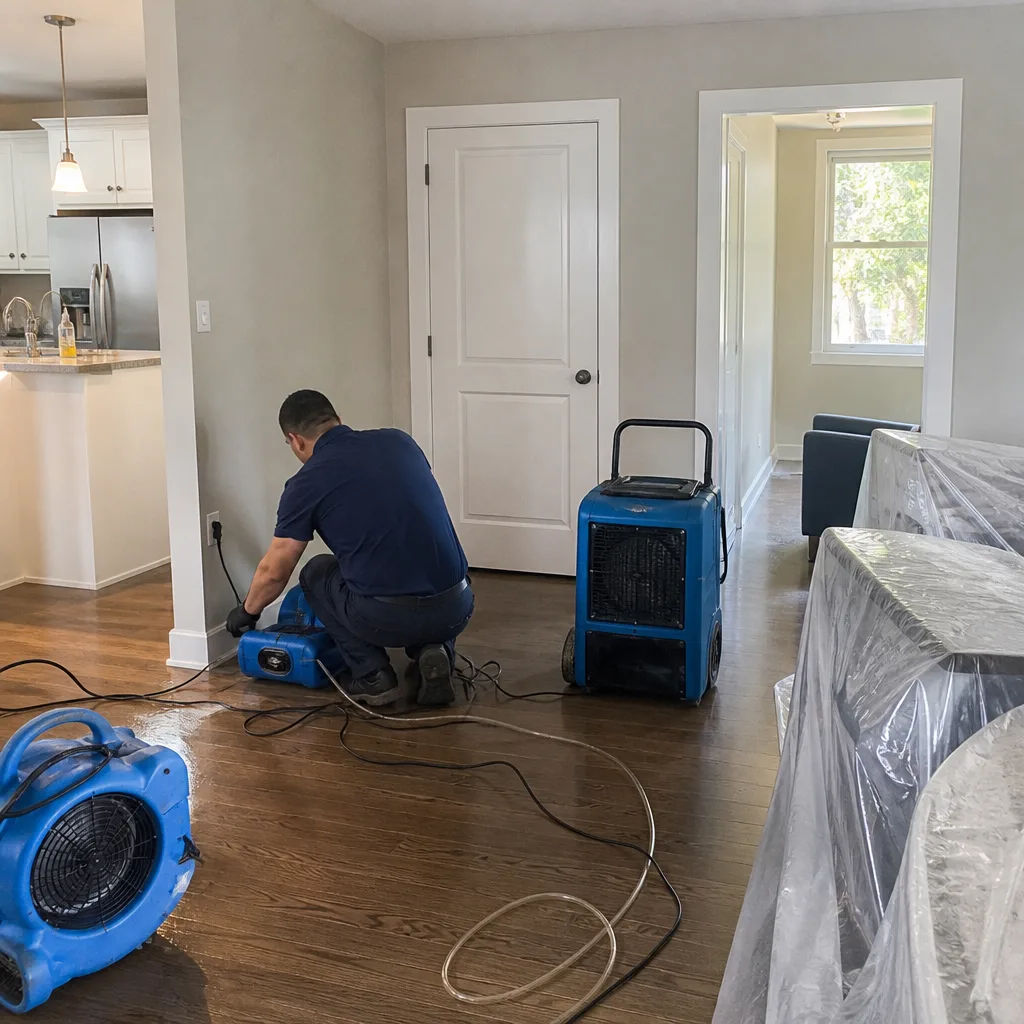 After
AfterFast, Reliable Mold Remediation Across Midtown Manhattan
Mold remediation in Midtown Manhattan typically costs $1,800-$6,500 depending on affected square footage, building age, and whether asbestos or lead surveys are required on pre-1980 assemblies. Most projects are scoped within 24 hours, with containment beginning as soon as NYC compliance documentation is in place. Call (551) 212-1580 for a written estimate before any work starts.
We serve Midtown Manhattan from our New York City office, with crews experienced in the pre-war skyscrapers and mid-century towers that define this district. The 1920s-1940s high-rises along Madison Avenue, Park Avenue, and the side streets between 34th and 59th aren’t standard residential structures. They’re continuously occupied commercial buildings with plaster-on-terra-cotta construction, shared mechanical chases, and steam distribution from Con Edison’s district system - conditions that turn a localized moisture event into a multi-floor mold risk if remediation isn’t mapped to the actual wet boundary.
Our Mold Remediation team documents every job to IICRC standards with photo records on every visit, daily moisture logs, and a written scope delivered before containment begins. Haven Standard, Clause 1: written price before work starts. Every time.
Why DryMark Restoration Hoboken Is Midtown Manhattan’s Preferred Mold Remediation Company
We’ve restored mold damage in Midtown’s Class A towers, luxury hotels, and mixed-use high-rises since 2011. Alicia Brennan founded Back to Dry Restoration after working as a claims adjuster and watching homeowners lose legitimate coverage because contractors couldn’t produce documented moisture readings or written scopes. That origin shapes how we work in Midtown: every job gets a photo record, a drying log, and a price in writing before the first HEPA unit switches on.
Our technicians are background-checked, uniformed, and licensed, with license numbers provided on request. We don’t send day laborers into occupied commercial towers. We send restoration professionals who understand that a containment breach on the 22nd floor of a Park Avenue building doesn’t just affect your suite - it affects the tenant above, below, and across the hall.
Live phone coverage runs 24 hours a day, 7 days a week. No voicemail trees. When steam condensate fails in a 1928 building at 2 a.m., you reach a person who can dispatch a crew and begin coordinating with building management immediately.
We carry the 365-Day Done Right Promise on every job under The Haven Standard. If it’s not done right, we make it right. It’s a signed guarantee, not a verbal assurance.
Our Mold Remediation Services in Midtown Manhattan
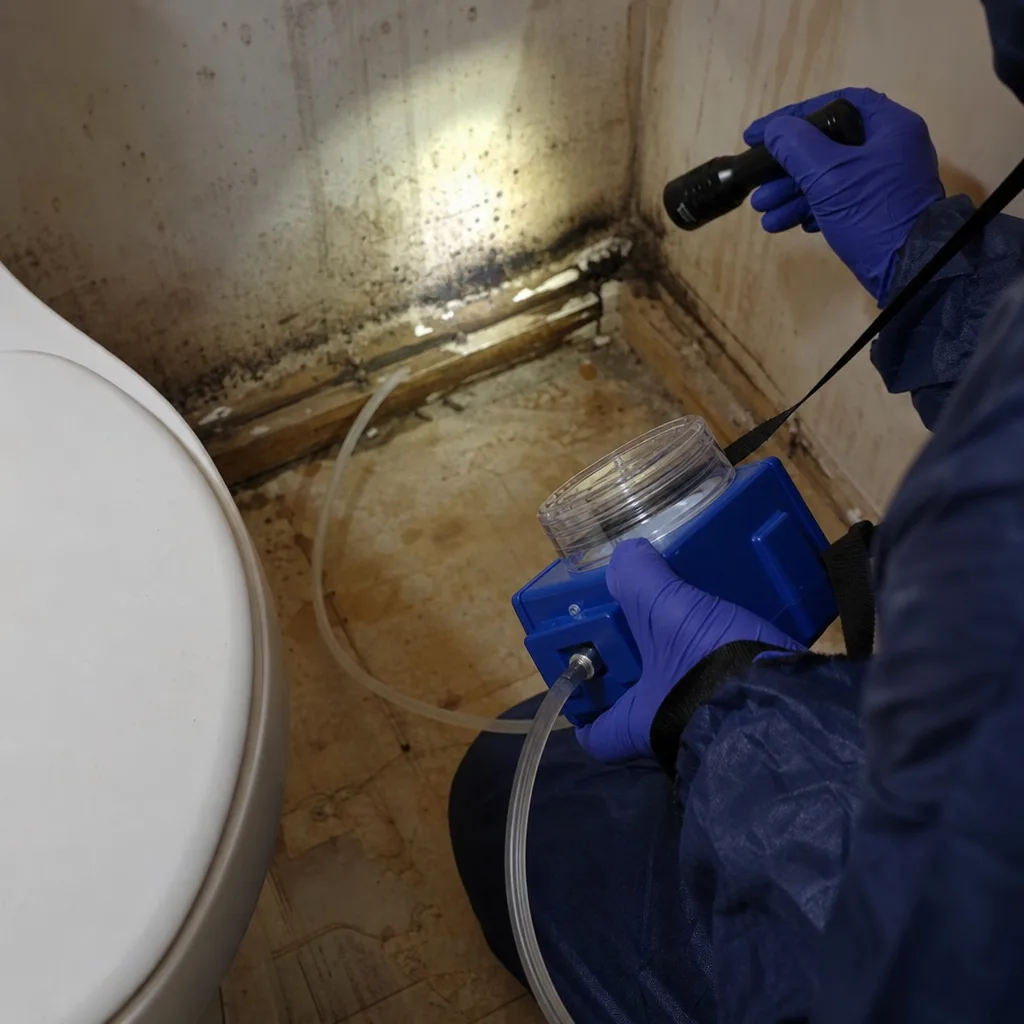
Mold Inspection & Testing
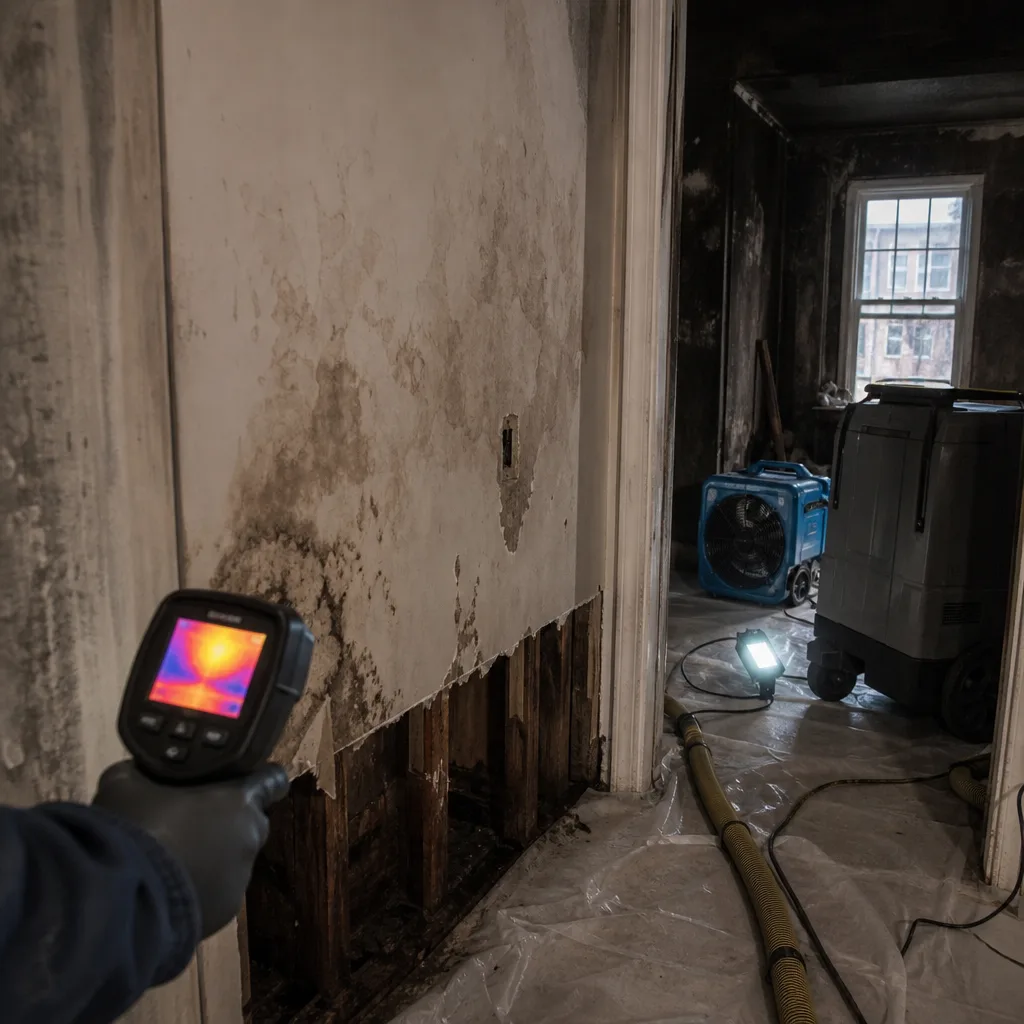
Midtown Manhattan mold inspections start with understanding the building, not just the complaint. In pre-war towers off Madison Avenue, we don’t surface-scan drywall and call it complete. We map moisture through plaster-on-terra-cotta assemblies, test vapor pressure differentials across mechanical chases, and use borescopic inspection where steam lines or condensate returns run through shared walls. Air sampling and ERMI/HERSTMI-2 dust analysis are available when occupants report symptoms but visible growth is limited. Every inspection delivers a written protocol with photo documentation, moisture readings by location, and a clear scope with a fixed price before remediation begins.
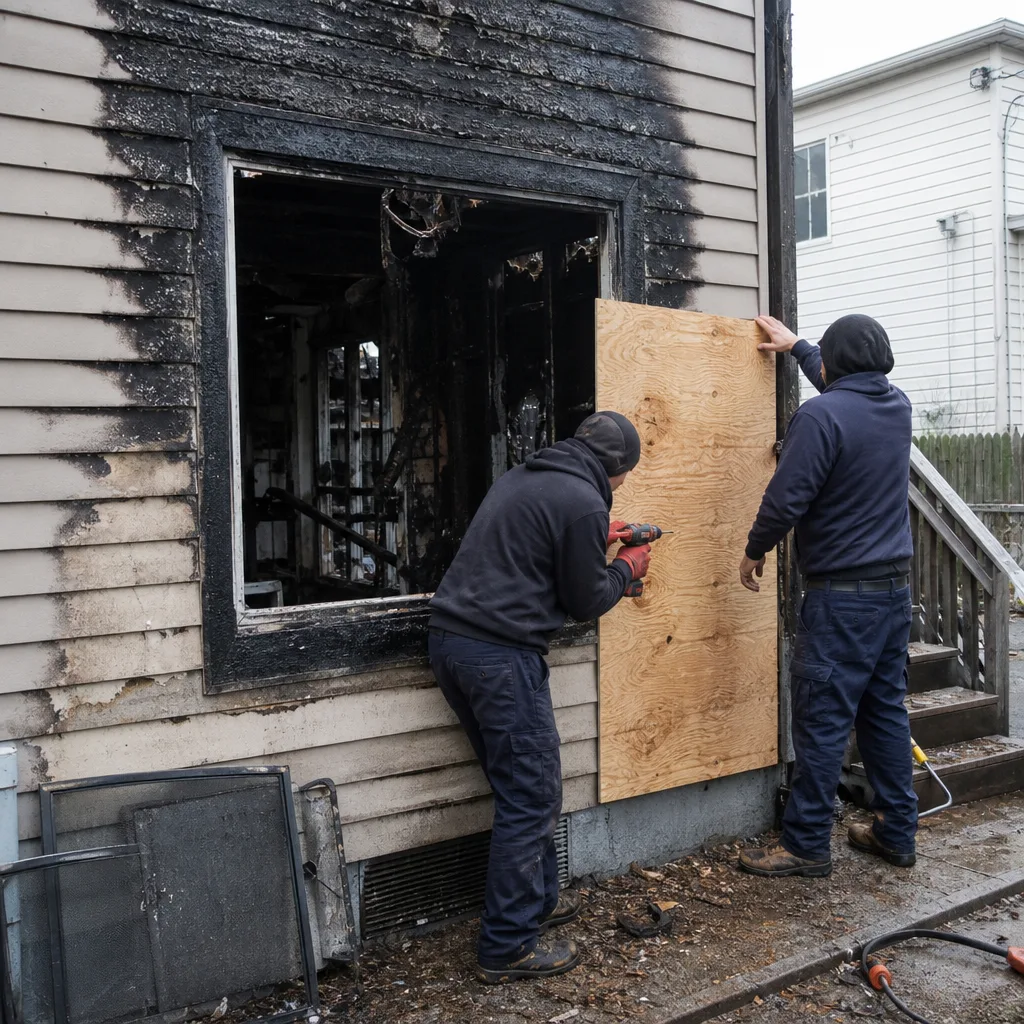
Black Mold Remediation
Stachybotrys and other toxigenic species in Midtown buildings usually signal chronic moisture, not a single event. We’ve found black mold colonizing behind intact plaster in 1930s towers where steam distribution leaks created sustained humidity in terra-cotta cores for months before any surface staining appeared. Remediation requires negative-air containment with HEPA filtration, sealed removal of affected porous materials, and antimicrobial treatment of remaining structural elements. In occupied Class A towers, we coordinate containment scheduling around tenant hours and building engineer access, documenting every step for insurance and property management review.
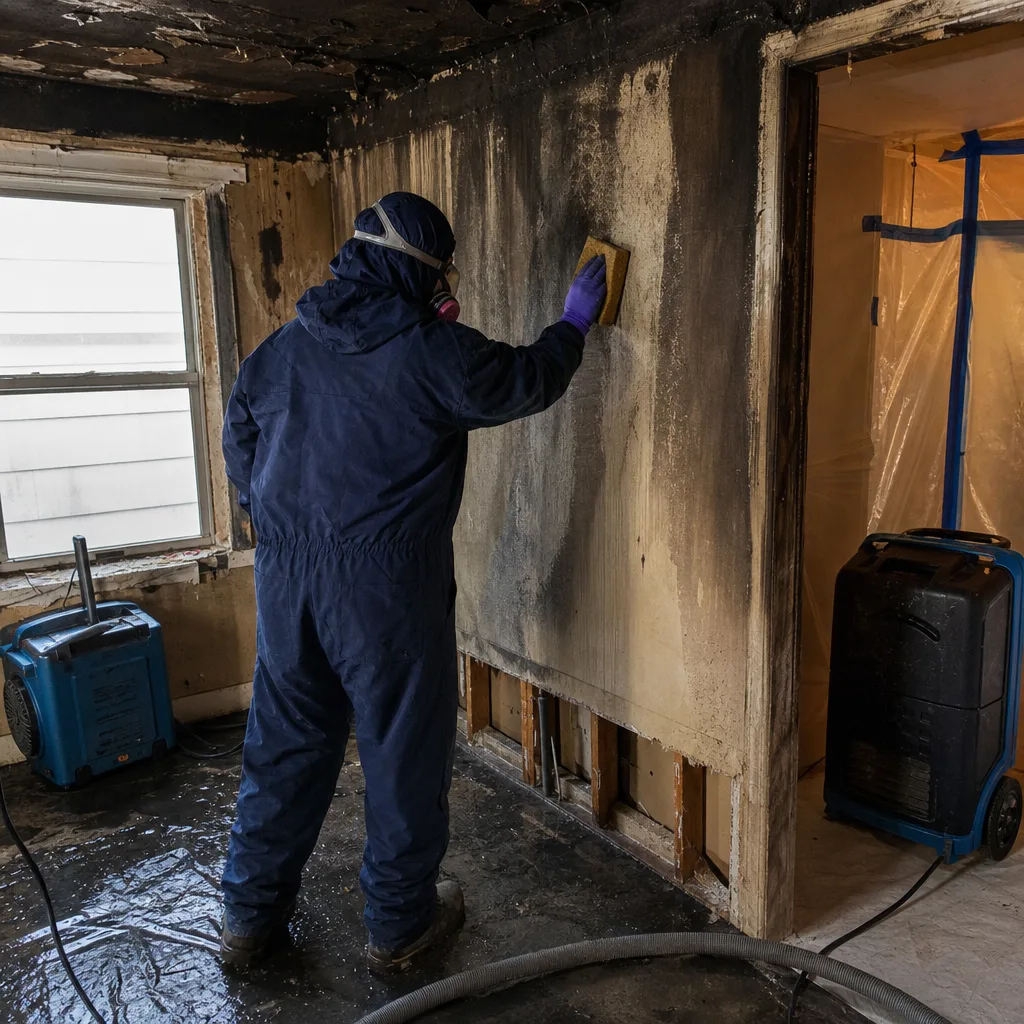
Mold Removal
Removal in Midtown isn’t demolition for its own sake. Our crews evaluate plaster, ornamental molding, and historic finishes for salvageability before recommending tear-out. When the substrate is sound and moisture readings confirm dry assembly, we treat in place with EPA-registered antimicrobials and sealants. When terra-cotta or lath is compromised, we remove with contained demolition, always after NYC asbestos and lead surveys are completed on pre-1980 buildings. We don’t start removal and discover compliance issues mid-job. That’s a re-scope, a delay, and a cost that gets passed to the building owner.
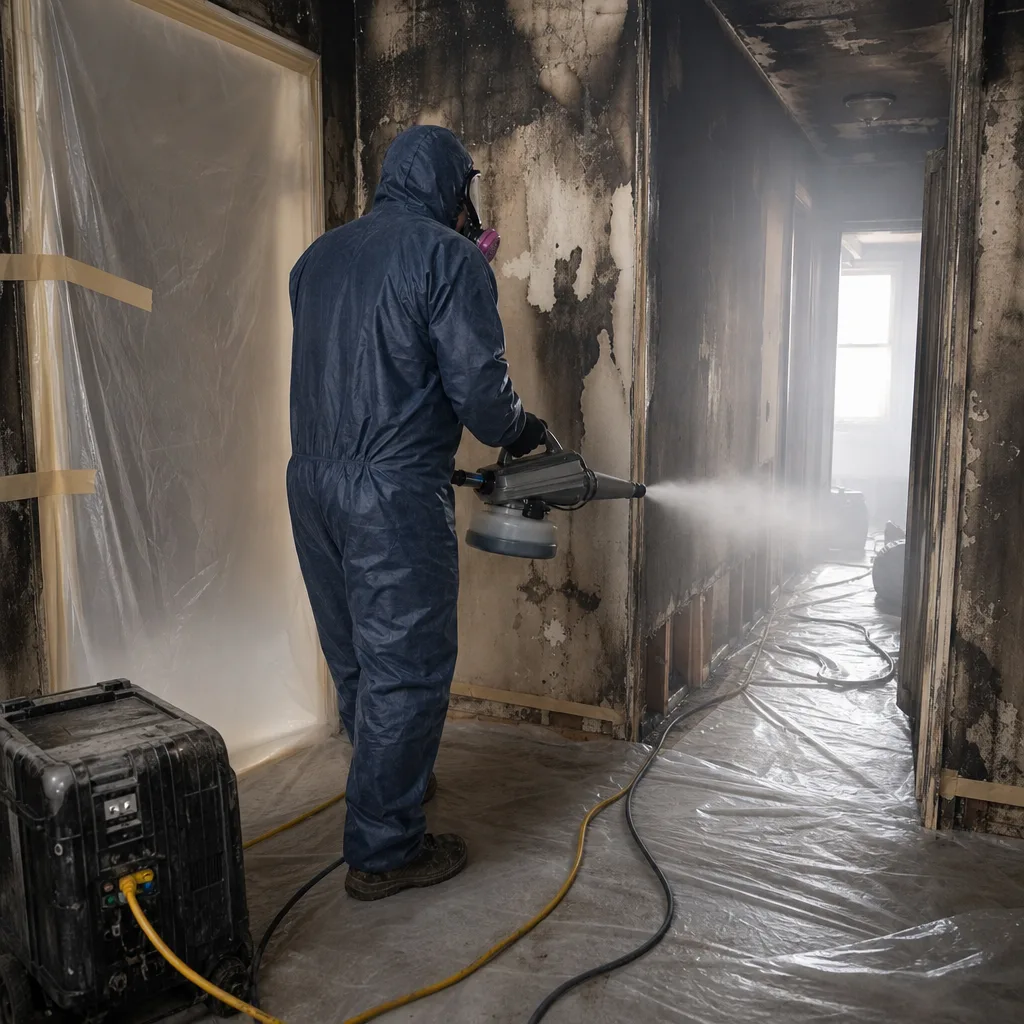
Moisture & Humidity Control
Midtown’s steam-heated pre-war buildings run dry in winter and clammy in shoulder seasons when HVAC transitions create condensation at facade spandrels and window reglets. Our moisture control assessments identify the source, not just the symptom. We specify dehumidification with Dri-Eaz and XPOWER equipment sized to the cubic volume of affected floors, not guesswork. For buildings with chronic facade infiltration, we coordinate with envelope consultants to address the water path while we dry the interior. Post-remediation, we leave monitoring equipment and return for verification readings until the assembly is confirmed dry to IICRC S500 standards.
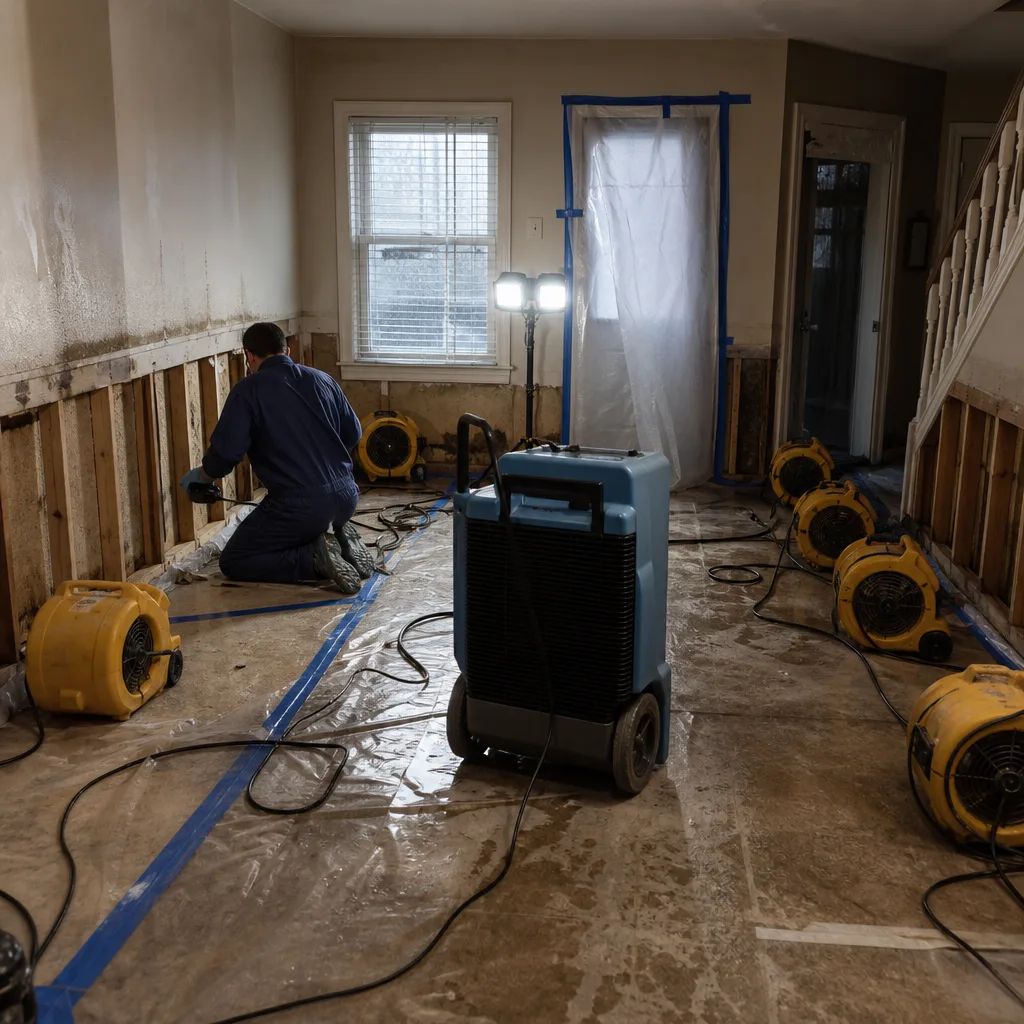
Air Quality Restoration
After remediation in occupied Midtown towers, we don’t declare the job done when the last bag leaves. Air quality restoration includes HEPA filtration during work, post-remediation air sampling for total spore counts and species identification, and clearance documentation that satisfies building management, tenant leases, and insurance adjusters. In buildings with centralized air handlers, we evaluate whether spore loading has affected ductwork and specify cleaning or filtration upgrades where indicated.
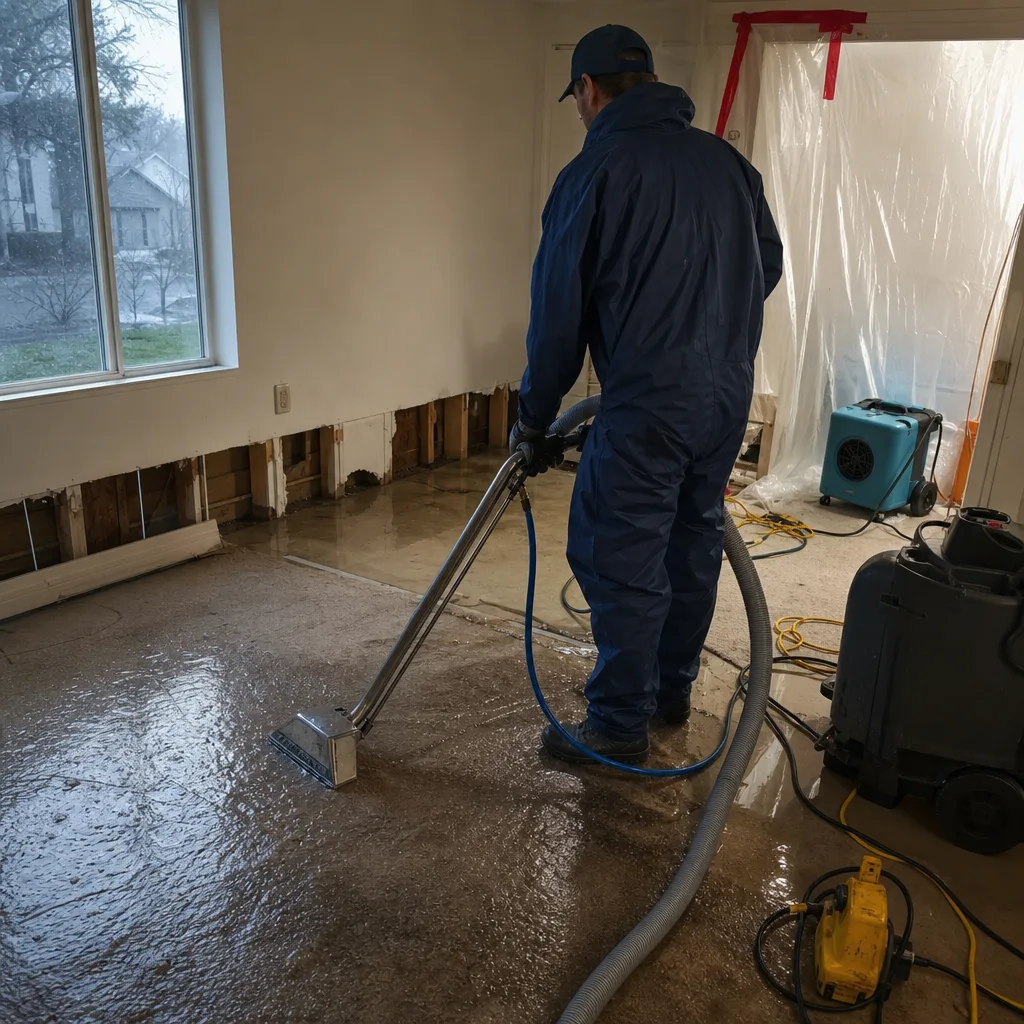
Crawl Space Treatment
Midtown Manhattan has few traditional crawl spaces, but sub-basements and mechanical pits below grade serve the same function - and flood with the same consequences. Summer cloudbursts overwhelm the combined sewer system, flooding below-grade electrical and mechanical rooms where humidity then colonizes concrete, steel, and any organic debris. We treat these spaces with the same rigor as above-grade mold: contained access, negative air, substrate-specific antimicrobial application, and dehumidification until moisture readings stabilize.
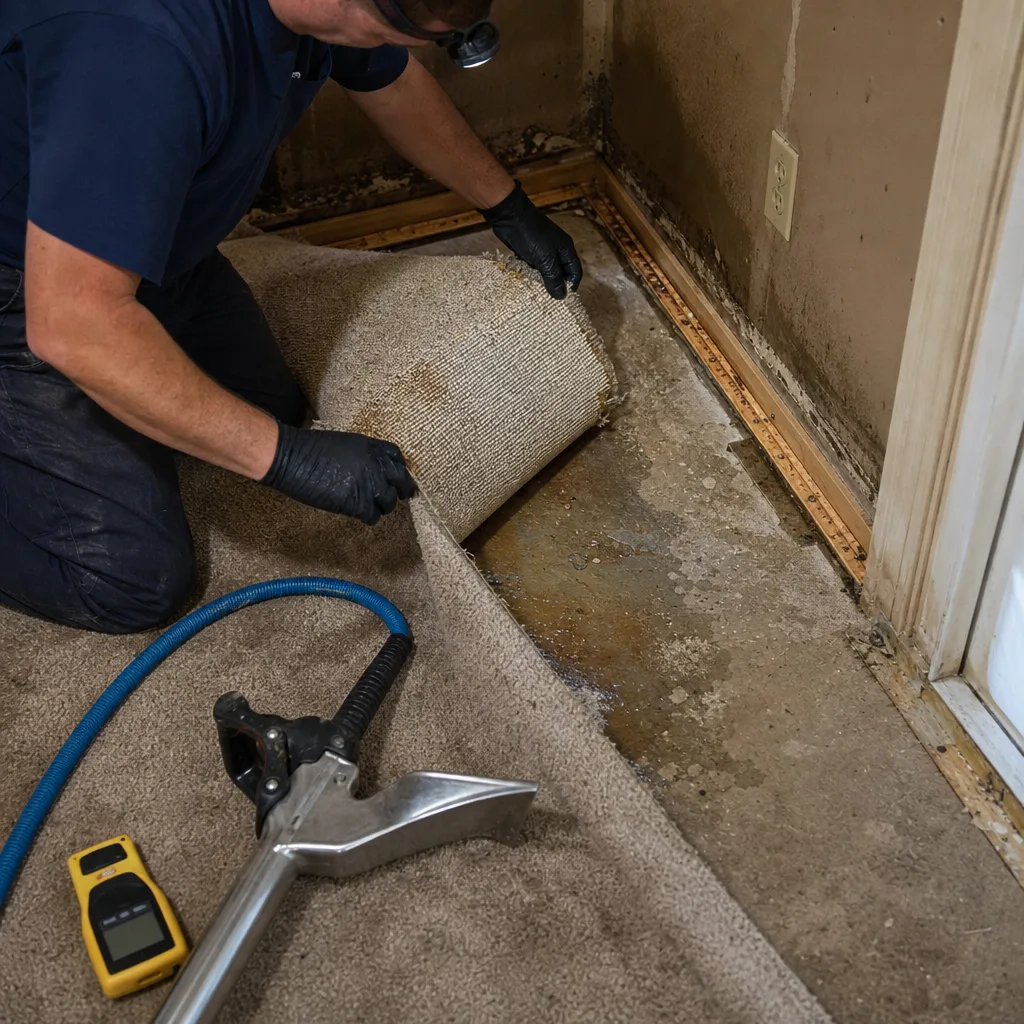
What happens when you call
- 1
A real person answersNo phone trees - you reach a local pro.
- 2
You get an upfront price rangeHonest numbers before anyone is dispatched.
- 3
A background-checked tech heads outLicensed & insured, dispatched right away.
- 4
You approve before work beginsNothing starts until you say go.
BeforeAfterTrusted Brands We Service in Midtown Manhattan
Our equipment inventory for Midtown jobs includes professional-grade drying systems from Dri-Eaz, XPOWER, and B-Air, with Injectidry cavity-drying systems for plaster-on-terra-cotta assemblies where standard air movement can’t reach the wet boundary. We stock HEPA negative-air machines, hydroxyl generators, and moisture detection tools calibrated for dense urban construction, not suburban wood-frame defaults. Parts and replacement units are available from our New York City office, so equipment swaps don’t wait on freight to a regional warehouse.
Common Mold Remediation Problems We See in Midtown Manhattan Homes
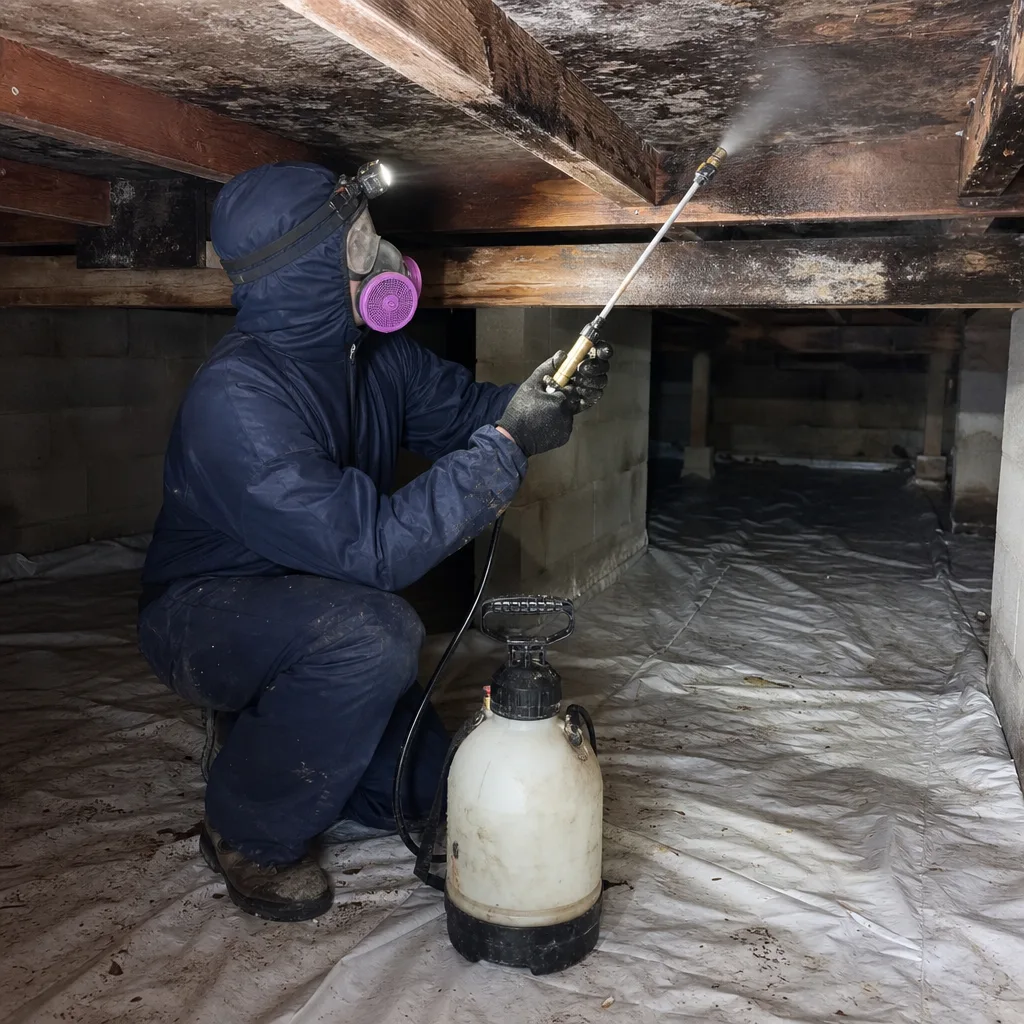
- Steam-condensate failures in pre-war towers. When aging in-building steam pipes or condensate returns fail in 1920s-1940s buildings, superheated moisture destroys plaster ceilings and saturates terra-cotta cores in ways standard drying protocols aren’t calibrated to handle. Most contractors outside lower and midtown Manhattan have never encountered this failure mode.
- Moisture mapping that never reaches the true wet boundary. Drying only visible wallboard while plaster-on-terra-cotta substrate and steam-chase cavities stay wet means mold returns within weeks. We pull readings through the full assembly thickness, not just the surface.
- NYC asbestos and lead survey delays on pre-1980 buildings. Skipping mandatory surveys stops the job mid-containment and forces re-scoping after crews are already on-site. We verify compliance before the first containment barrier goes up.
- Cross-contamination in multi-tenant towers. Using drying protocols calibrated for single-family losses in Class A high-rises can push spores through shared mechanical shafts into neighboring floors. Our containment accounts for positive pressure relationships and occupied tenant spaces.
Pricing for Mold Remediation in Midtown Manhattan, NY
Mold inspection and testing in Midtown Manhattan runs $450-$1,200 for standard residential-scale assessments, with commercial tower inspections starting at $1,800 depending on floor count and accessibility. Contained mold removal for localized growth in a single office or residential unit typically ranges $1,800-$4,500. Multi-floor remediation in pre-war commercial towers, including steam-damage assessment, full moisture mapping of plaster-on-terra-cotta assemblies, and coordination with asbestos abatement contractors, runs $4,500-$12,000 or more for complex occupied buildings.
What moves the price: square footage of affected area, whether the moisture source is active or historic, building age and required NYC surveys, occupied-space containment complexity, and whether structural drying or full removal is indicated. We deliver a written scope with a fixed price before work begins. Haven Standard, Clause 1. No exceptions.
Bring a competitor’s written estimate and we’ll review it at no charge. Our Free Second Opinion service exists because we’ve seen too many Midtown building owners accept scopes that missed the true wet boundary or skipped compliance steps that would surface as change orders later.
We Also Serve Cities Near Midtown Manhattan
Our Mold Remediation in Midtown Manhattan crews also respond to mold damage in the Financial District, Murray Hill, Manhattan broadly, and the Upper West Side. Each area has distinct building stock and compliance requirements; we scope accordingly rather than applying Midtown protocols where they don’t fit.
Serving Midtown Manhattan, NY - Our Local Coverage Area
We’re based in the Midtown Manhattan area and know this community well. Use the map below to see our service coverage - if you’re nearby, we can almost certainly help.
FAQs - Mold Remediation in Midtown Manhattan
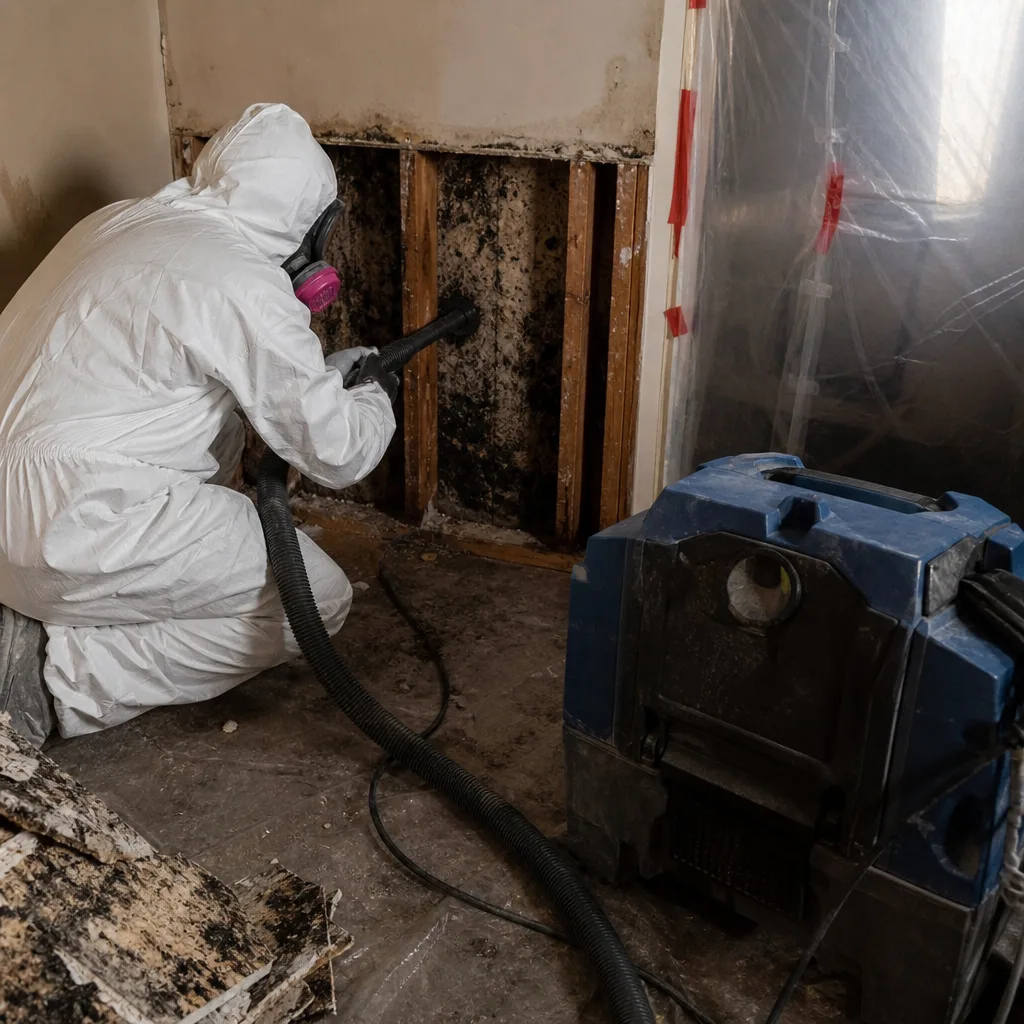
Visible mold can develop within 48-72 hours of a moisture event in Midtown’s steam-heated buildings, but the more common scenario is slower colonization behind intact plaster where condensate or steam leaks create sustained humidity in terra-cotta cores. By the time surface staining appears, the substrate has often been wet for weeks. Call (551) 212-1580 for moisture mapping that finds the true wet boundary before visible growth spreads - estimates are free.
Yes. NYC mandates asbestos and lead surveys before disturbance of pre-1980 building assemblies, and nearly every significant remediation in Midtown’s pre-war stock triggers this requirement. We verify survey completion before containment begins; starting without it stops the job mid-stream and forces re-scoping. We’ll coordinate with certified surveyors and build compliance into your written scope from day one. Call (551) 212-1580 to discuss your building’s specific requirements.
Yes, and it’s often necessary. Water in Midtown’s pre-war towers travels vertically through mechanical chases, elevator shafts, and shared party walls. We establish simultaneous containment zones on affected floors, coordinate with building management for access windows that minimize tenant disruption, and maintain negative air pressure to prevent cross-contamination. Real-time moisture logging documents progress across all zones for insurance and property management review. Multi-floor containment adds complexity, not chaos, when it’s planned in the initial scope.
Category 1 is clean water from supply lines; Category 2 is gray water with contamination potential from HVAC condensate or dishwasher discharge; Category 3 is black water from sewage or flooding. In Midtown, steam-condensate failures and facade infiltration often present as Category 1 initially but degrade to Category 2 if they pick up building materials or HVAC contaminants. The category determines antimicrobial intensity, material removal requirements, and drying protocol. We classify the water source during inspection and specify the appropriate remediation standard in your written scope.
We verify through three measures: visual inspection with no remaining visible growth, moisture readings through the full plaster and terra-cotta thickness confirming the assembly is dry to IICRC S500 standards, and post-remediation air sampling showing total spore counts at or below outdoor baseline for the Midtown Manhattan environment. We don’t sign off on surface dryness while the core remains wet. The 365-Day Done Right Promise applies: if mold returns because we missed the wet boundary, we make it right. Call (551) 212-1580 to schedule post-remediation verification or discuss our clearance documentation standards.
Written by Alicia Brennan, Owner at Back to Dry Restoration, serving Midtown Manhattan since 2011.