
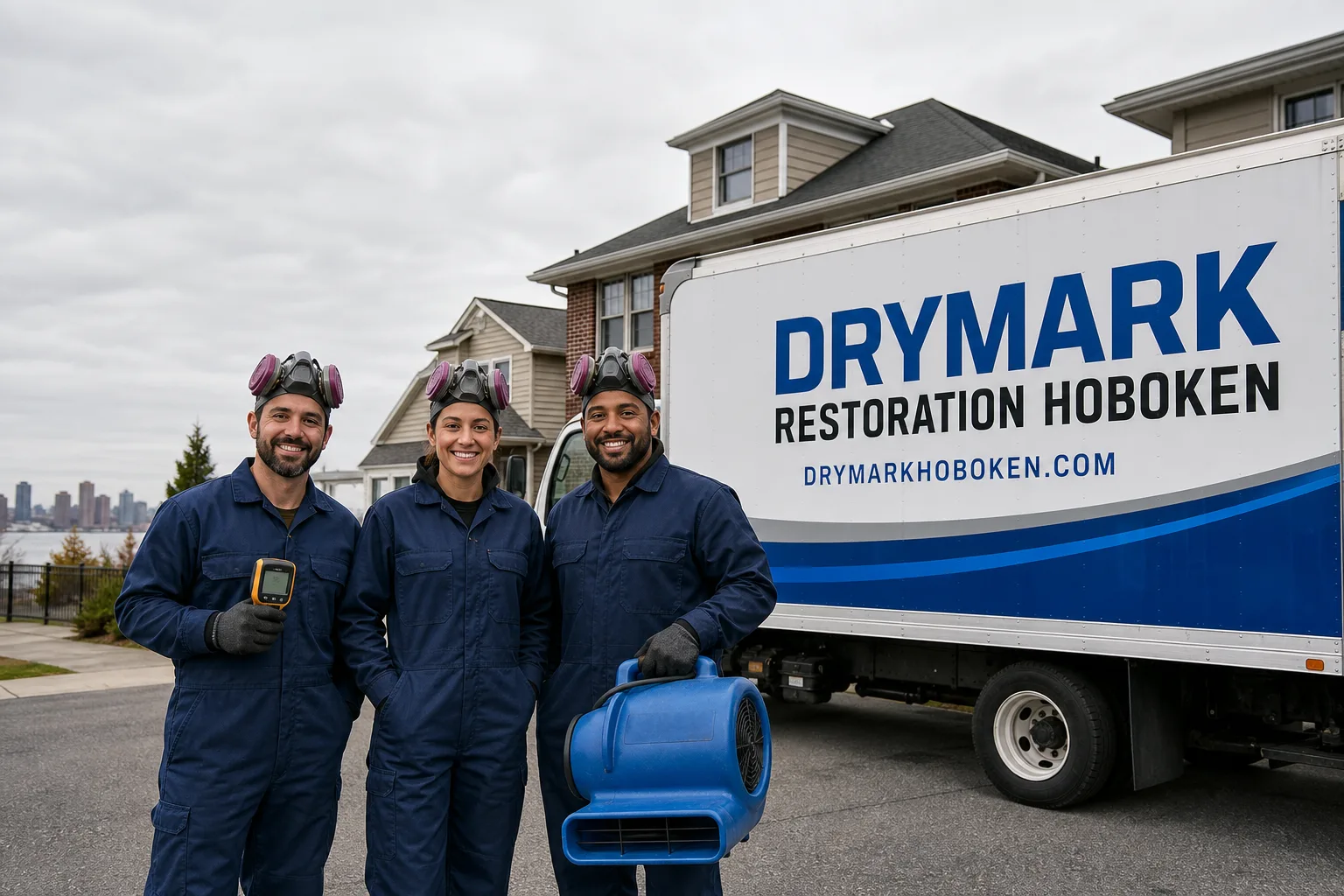
Free visual inspection and a written scope of work before any mitigation begins - photos, moisture readings, and drying logs go in your claim file
The scope we write is the scope we bill. Anything new gets shown to you, in writing, before we touch it.
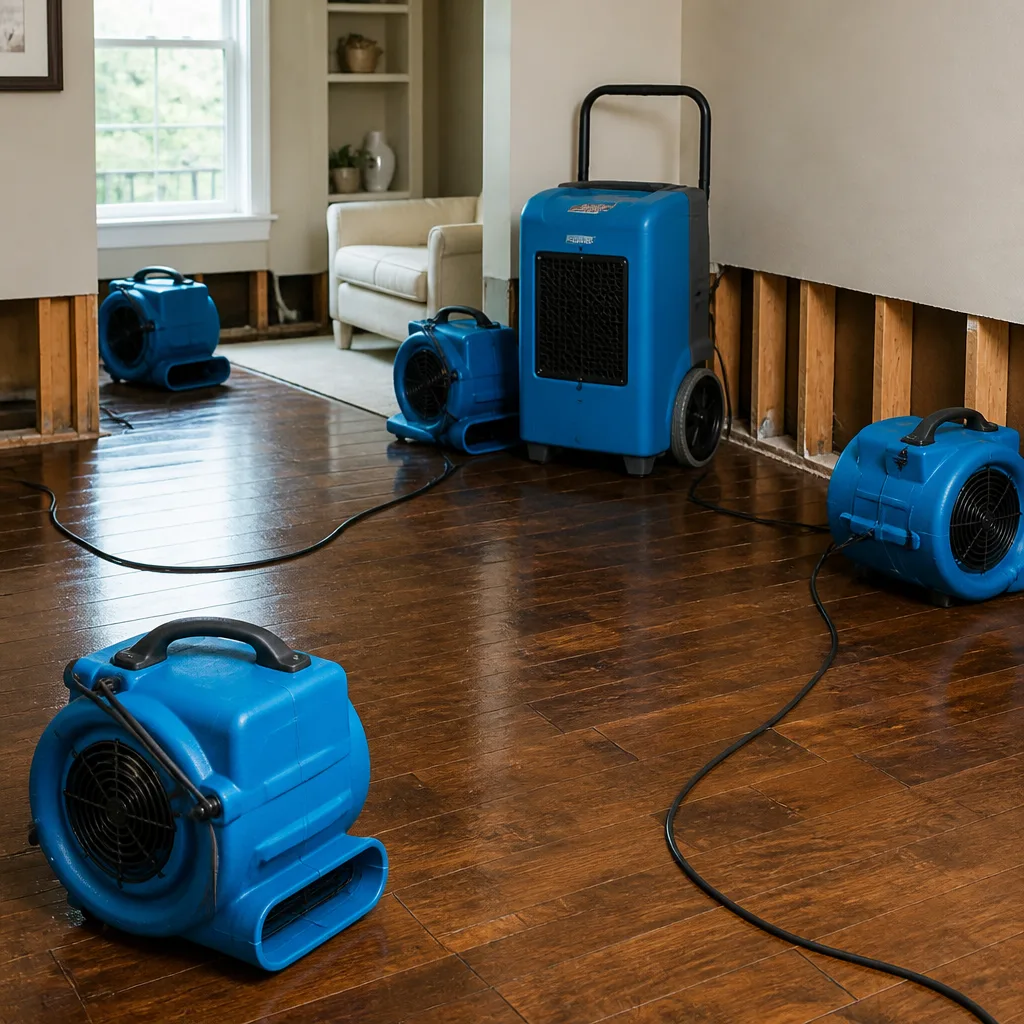
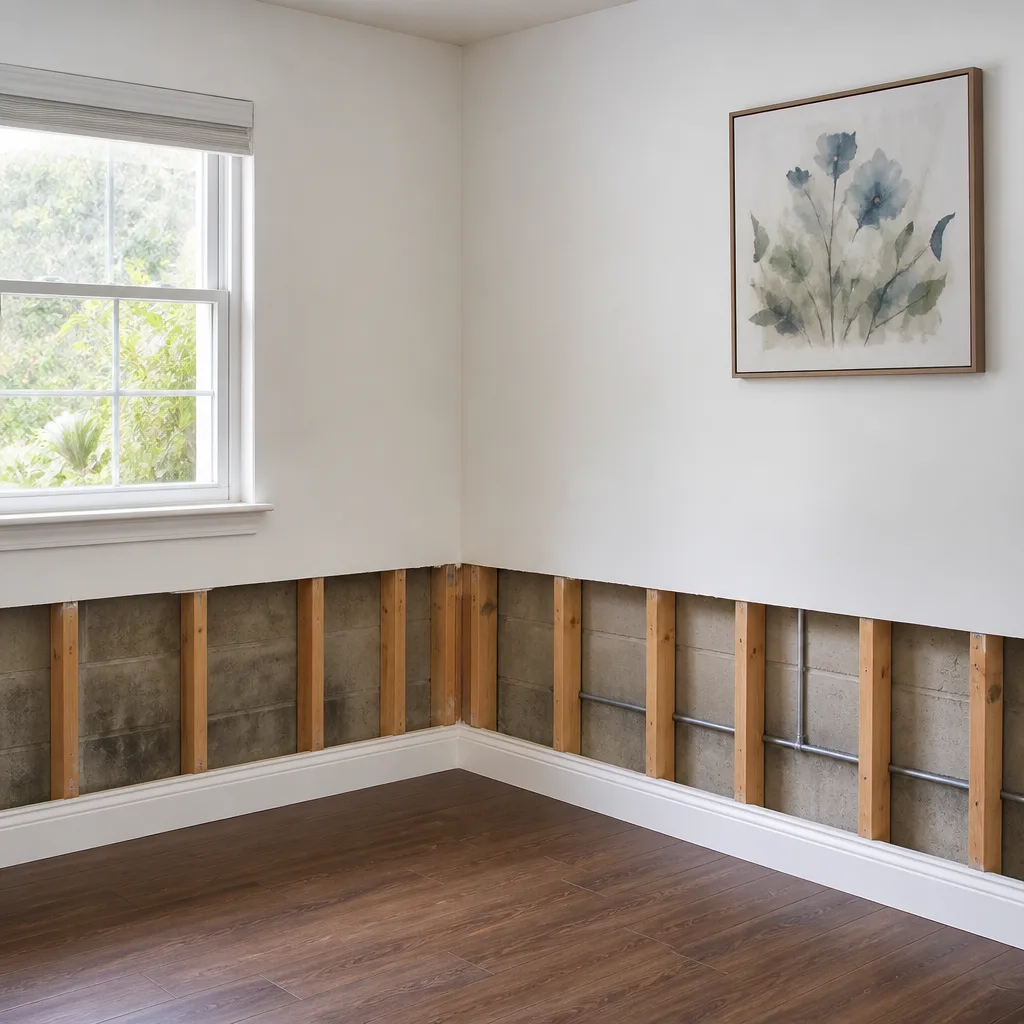
 Before
 After
After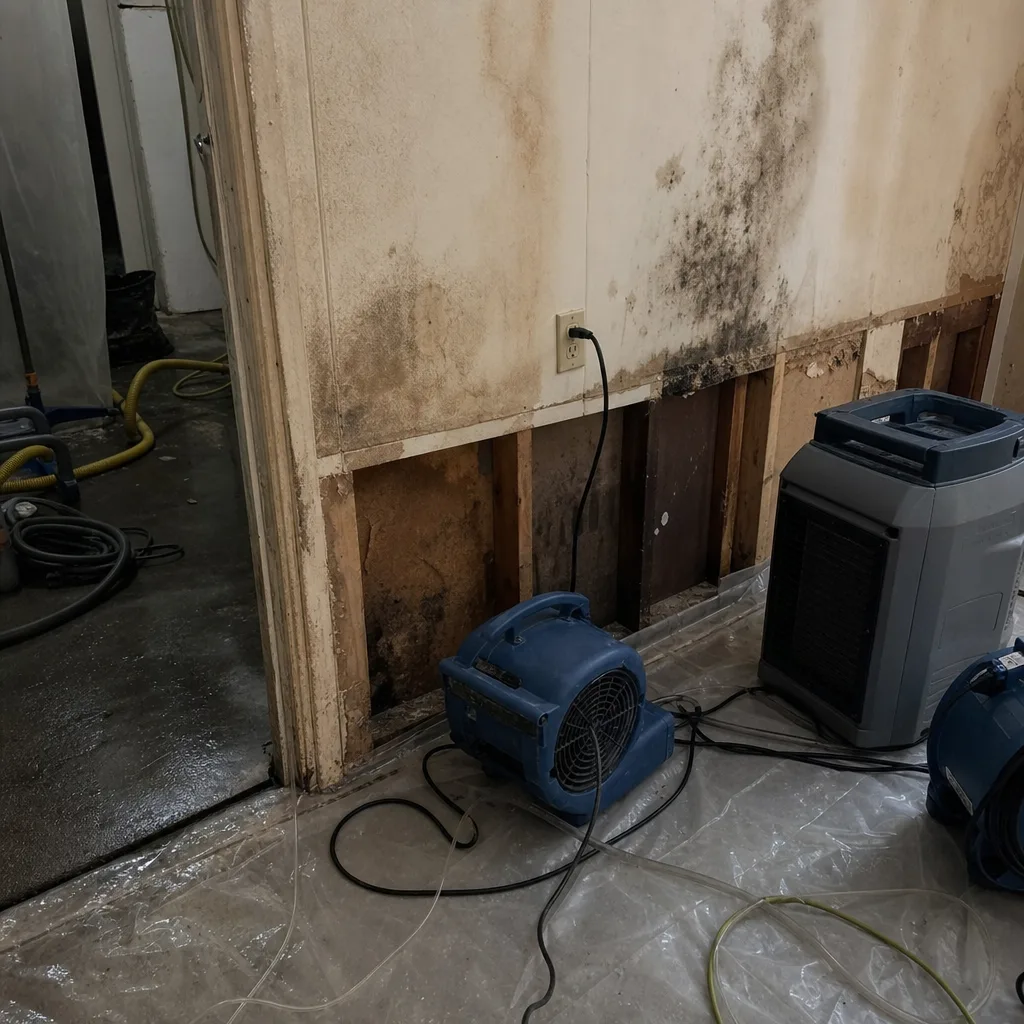 Before
 After
After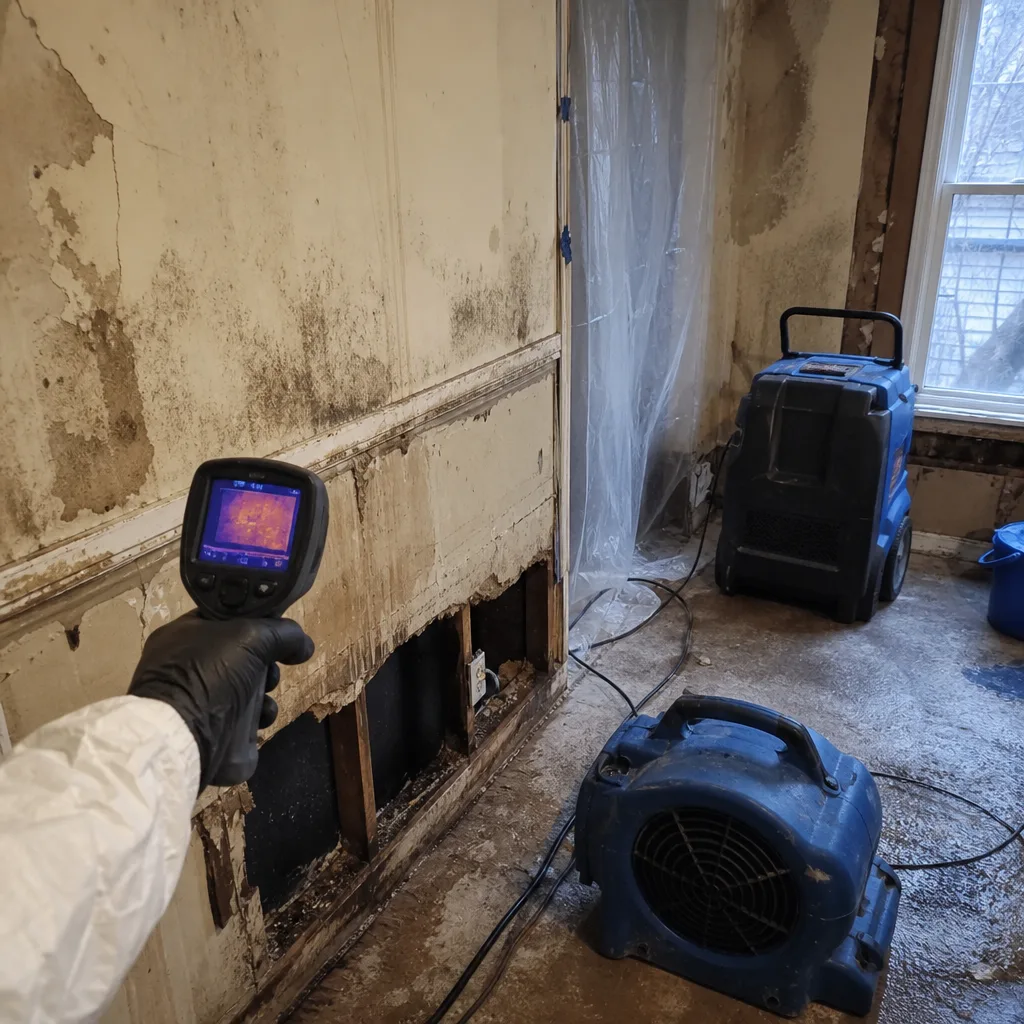 Before
 After
AfterFast, Reliable Mold Remediation Across Murray Hill
Mold remediation in Murray Hill typically costs $1,800-$4,500 for a standard apartment unit, with full building-stack jobs running $8,000-$15,000 depending on how many floors the moisture traveled. Most Murray Hill inspections are scheduled within 4-6 hours, though co-op board access approvals can add 24-48 hours to the start date. Call (551) 212-1580 for a written estimate before any work begins - that’s Haven Standard, Clause 1.
We’ve worked the pre-war brick mid-rises along East 34th through East 40th Streets long enough to know the rhythm of these buildings: the shared vertical plumbing stacks, the steam-heat risers behind plaster walls, the freight elevators that stop running at 6 p.m. Murray Hill’s housing stock - 1920s to 1950s construction, dense and vertical - creates mold problems that spread differently than in detached suburban homes. One corroded galvanized supply line or a pinhole in a steam-heat pipe can seed moisture through four to eight stacked apartments before anyone smells it. Our crews are licensed, insured, and background-checked, and we coordinate directly with co-op boards and property managers so the job starts when the board approves access, not when someone finally returns a voicemail.
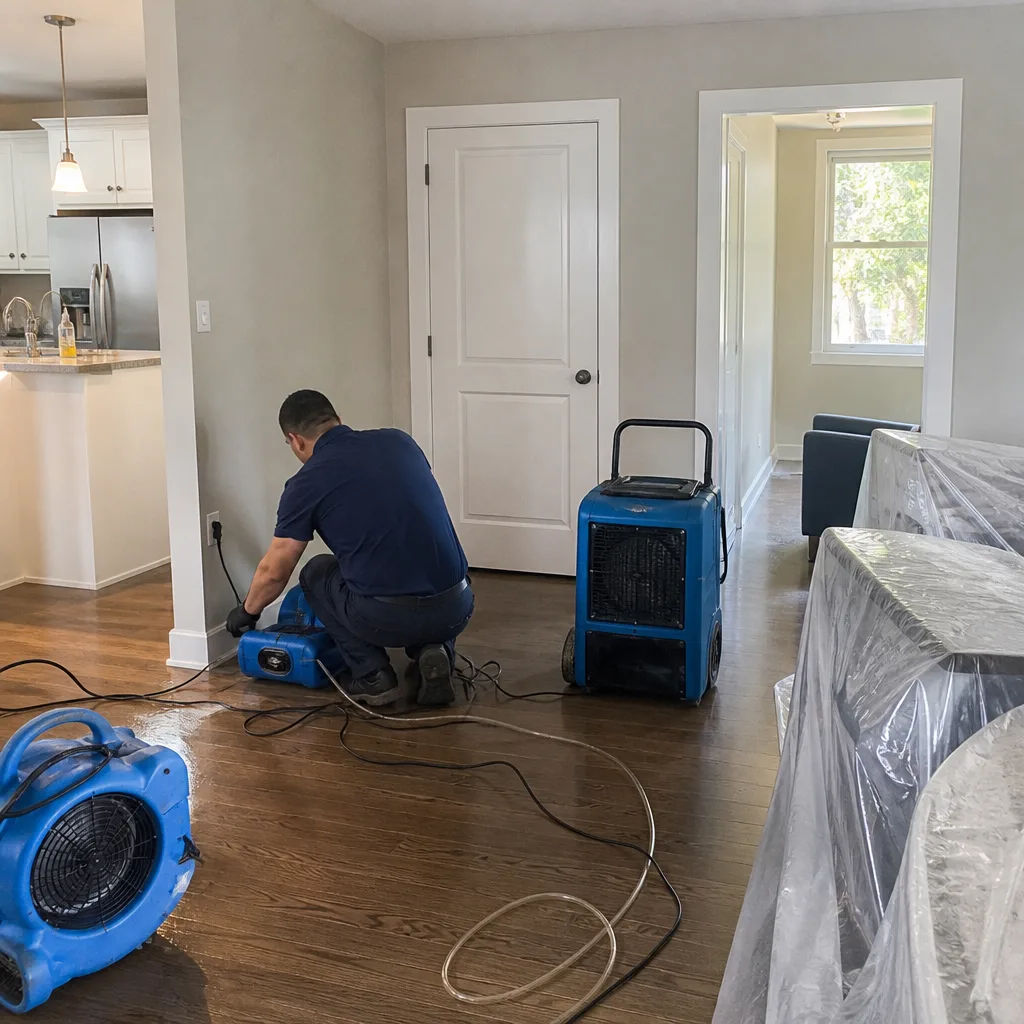
Our Mold Remediation team dispatches from our New York City office, with crews carrying Dri-Eaz dehumidifiers, XPOWER air movers, and Injectidry cavity-drying systems sized for Murray Hill’s narrow service hallways and freight-elevator weight limits. Every job gets a written price before work starts, a photo record on every visit, and a 365-Day Done Right Promise under The Haven Standard.
Why DryMark Restoration Hoboken Is Murray Hill’s Preferred Mold Remediation Company
Back to Dry Restoration, led by Alicia Brennan, has handled mold remediation in Murray Hill’s co-op buildings since 2011. We’ve restored over 12,000 homes, and a significant portion of those have been in Manhattan’s dense pre-war stock where the real work isn’t the mold removal - it’s the stakeholder coordination before the first HEPA unit gets plugged in.
Our Murray Hill customers find us through word-of-mouth in building lobbies and from property managers who’ve seen our drying logs hold up under insurer scrutiny. We don’t chase five-star reviews; we chase documentation that passes audit. The three-star reviews people actually read mention our thoroughness, our willingness to explain psychrometric data in plain language, and our insistence on written scopes before anyone opens a wall.
Response time to Murray Hill is typically 4-6 hours for inspection calls placed through our live 24/7 dispatch. But we’re upfront: if your building requires board approval for unit access, that clock doesn’t start until the property manager confirms entry. We’ve learned to build that reality into our scheduling rather than pretend it doesn’t exist.
Local knowledge matters here in ways a Queens or Brooklyn crew might miss. We know which Murray Hill buildings on East 37th Street still have original cast-iron drain lines from the 1940s. We know the ground-floor mechanical rooms along the FDR Drive corridor flooded in Sandy and still take on seepage during nor’easters. And we know that summer humidity in these older buildings - often with inadequate ventilation and single-pane windows - pushes relative humidity above 70% within 48 hours of any water intrusion, which is the threshold where mold colonization accelerates.
Our Mold Remediation Services in Murray Hill
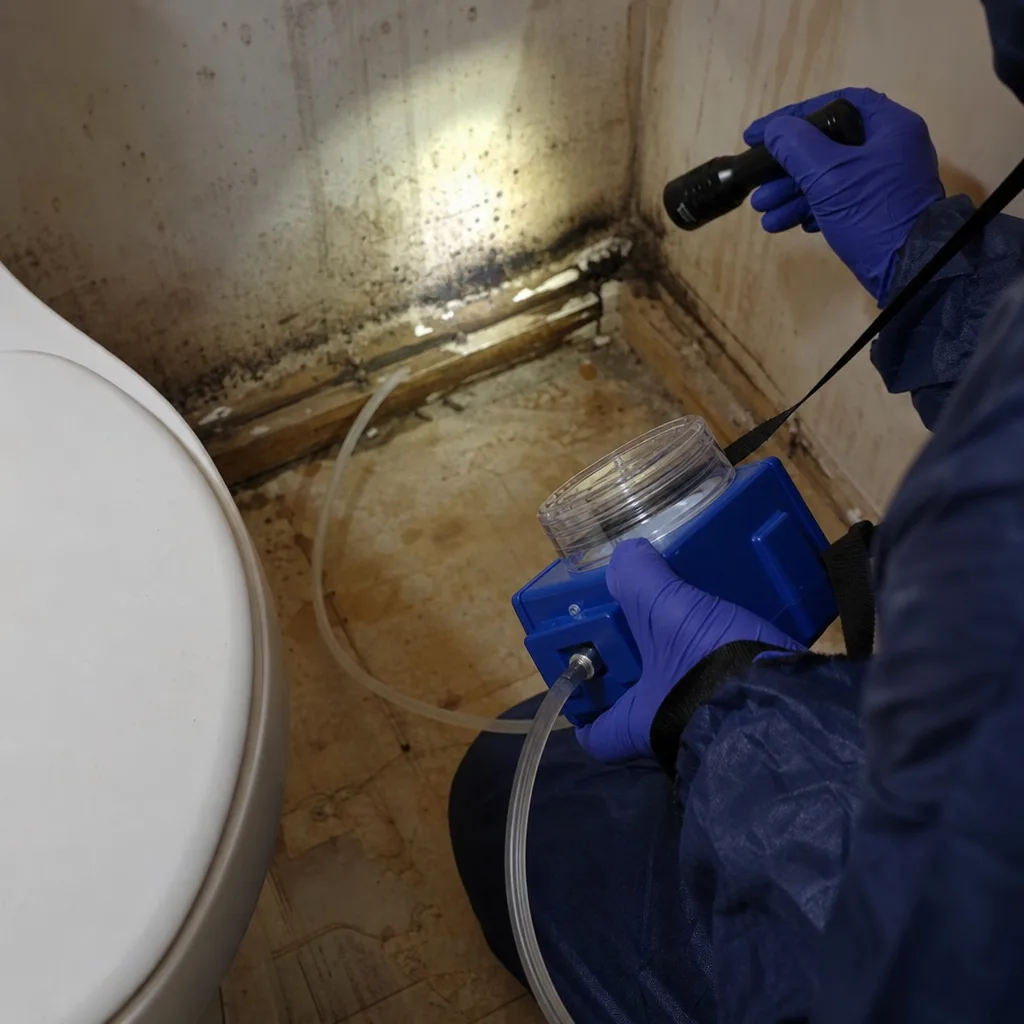
Mold Inspection & Testing
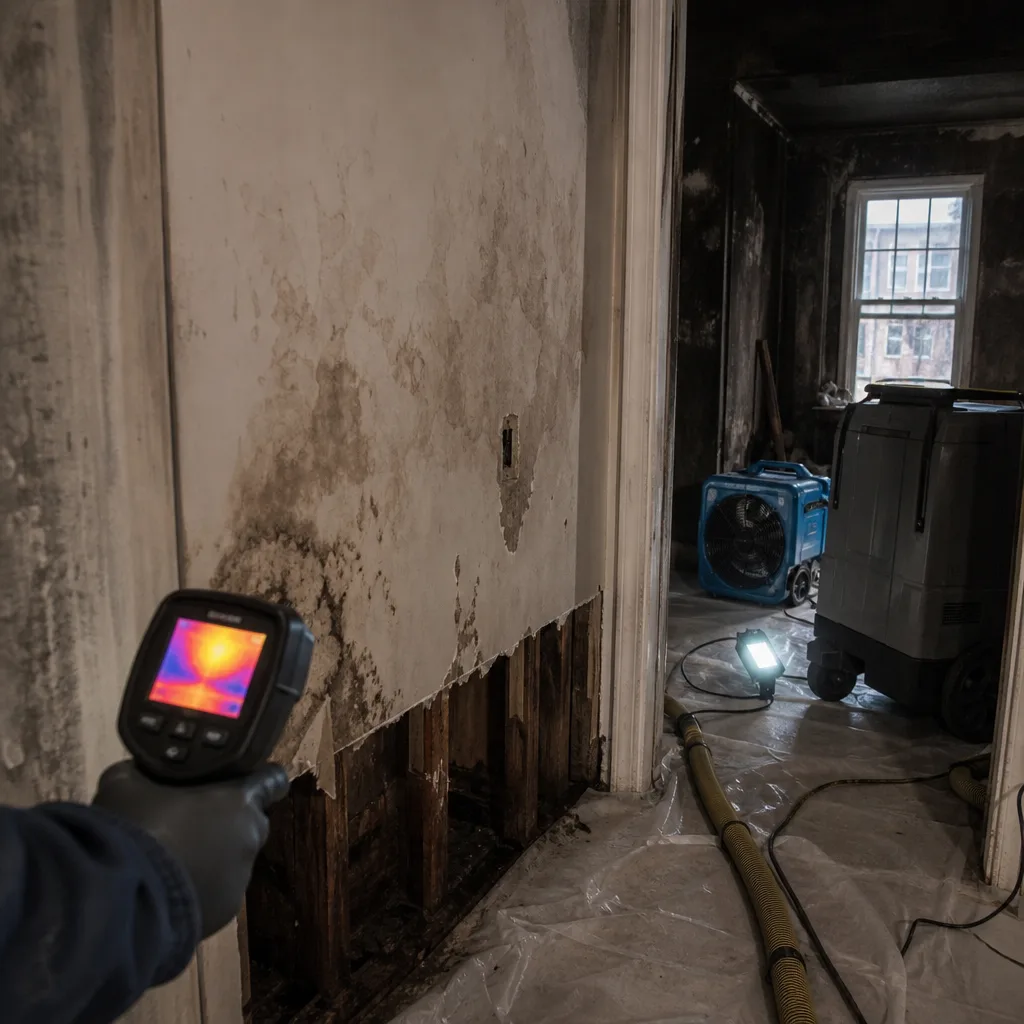
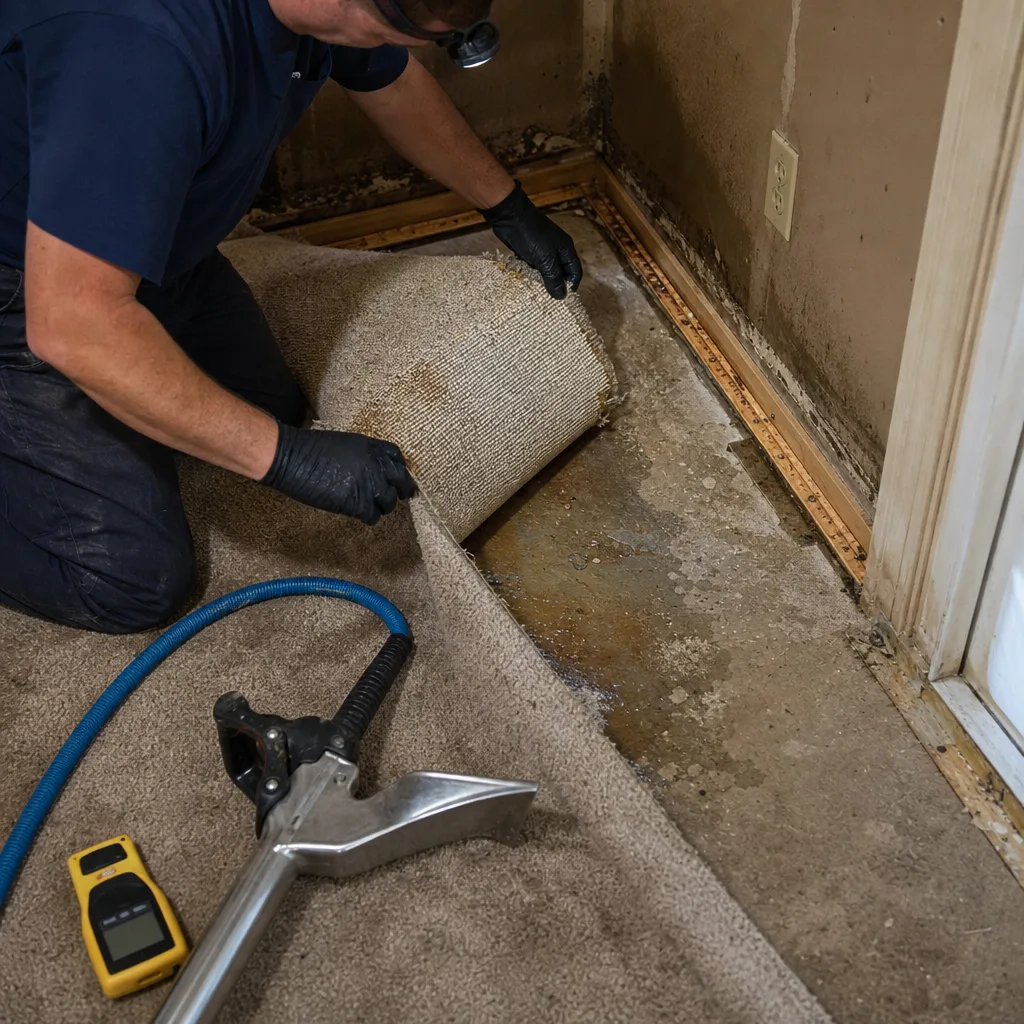
A proper mold inspection in Murray Hill starts with moisture mapping, not guesswork. Our techs use thermal imaging and penetrating moisture meters to trace the path of water behind plaster and drywall, paying special attention to shared plumbing stacks that can hide slow leaks for months. In a 2023 job on East 35th Street, moisture readings along a steam-heat riser revealed hidden saturation in three units - only one of which had reported a visible stain. We document every reading to IICRC standards, produce a written scope with line-item pricing, and deliver it before any remediation begins. Air sampling and surface swabs go to a third-party lab when occupants report respiratory symptoms or when the scope of visible growth exceeds 10 square feet.
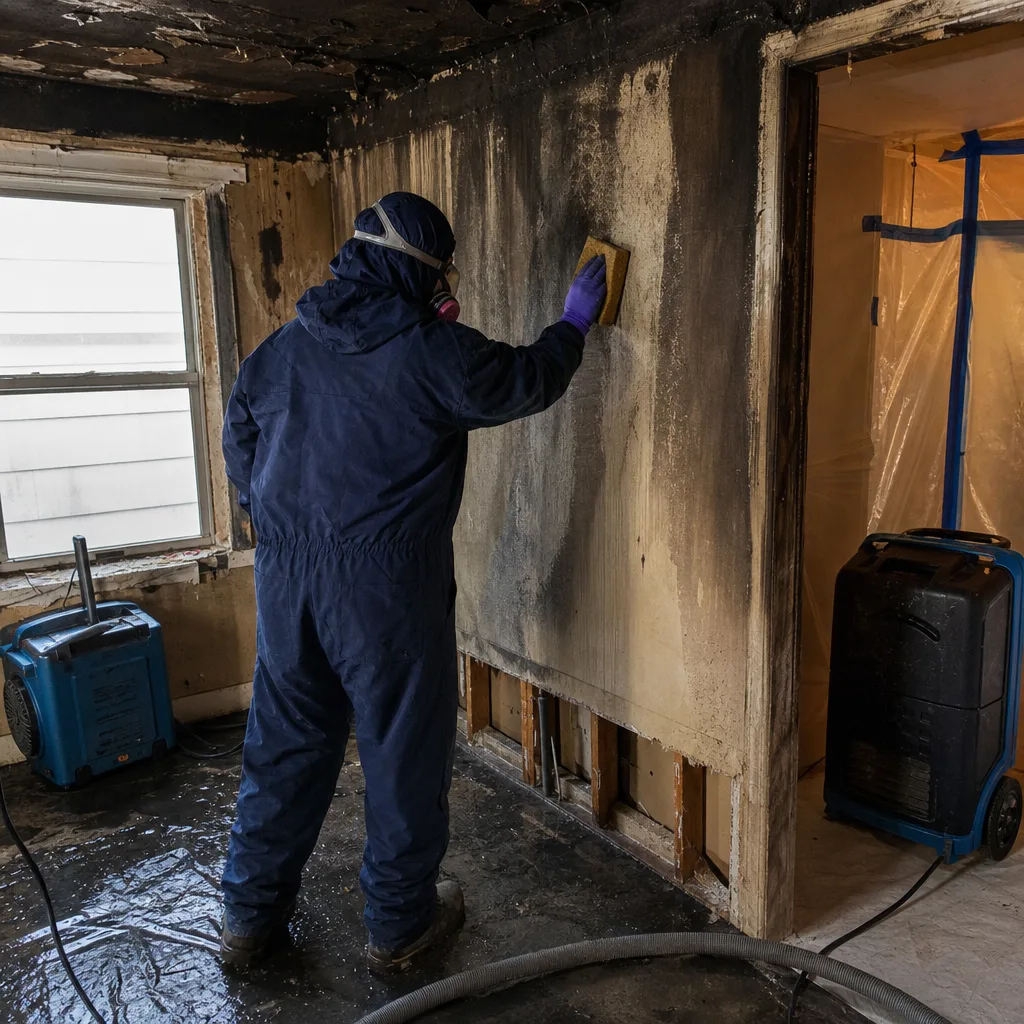
Mold Removal
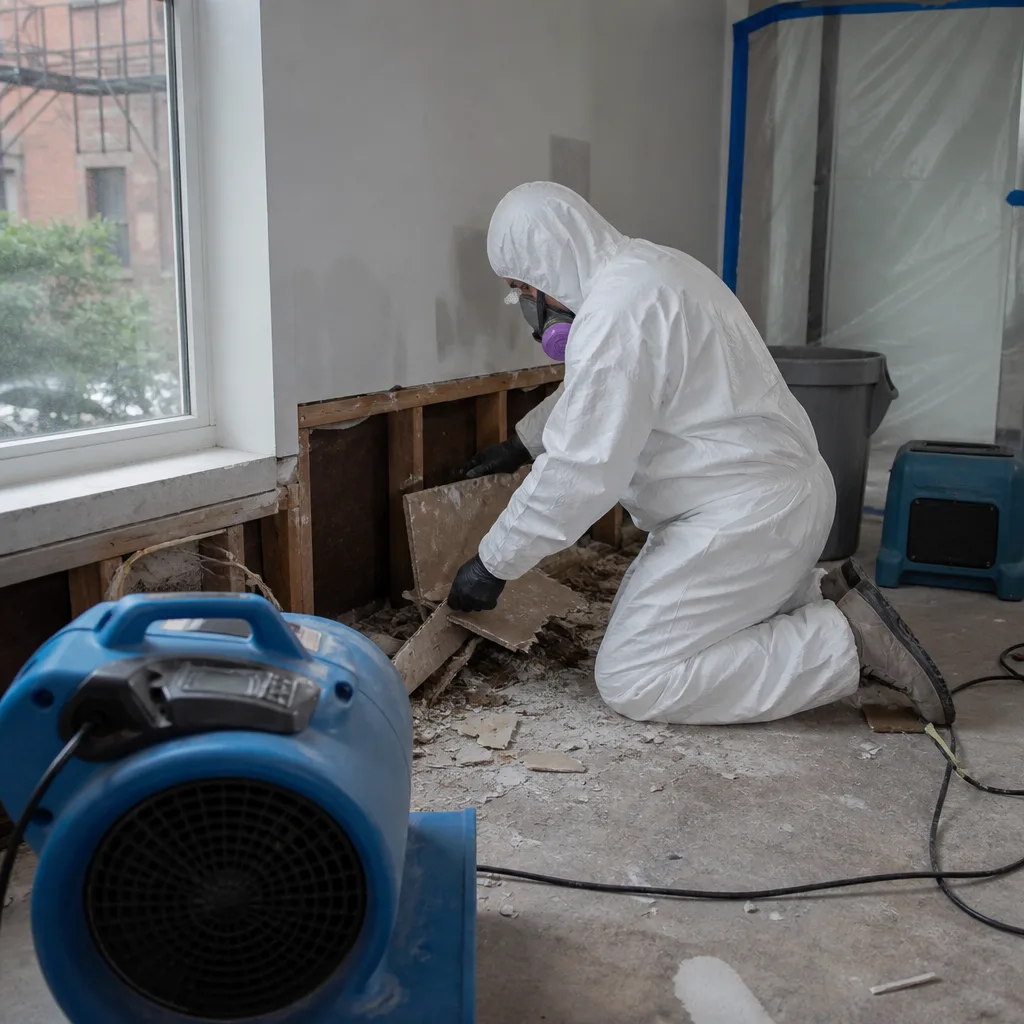
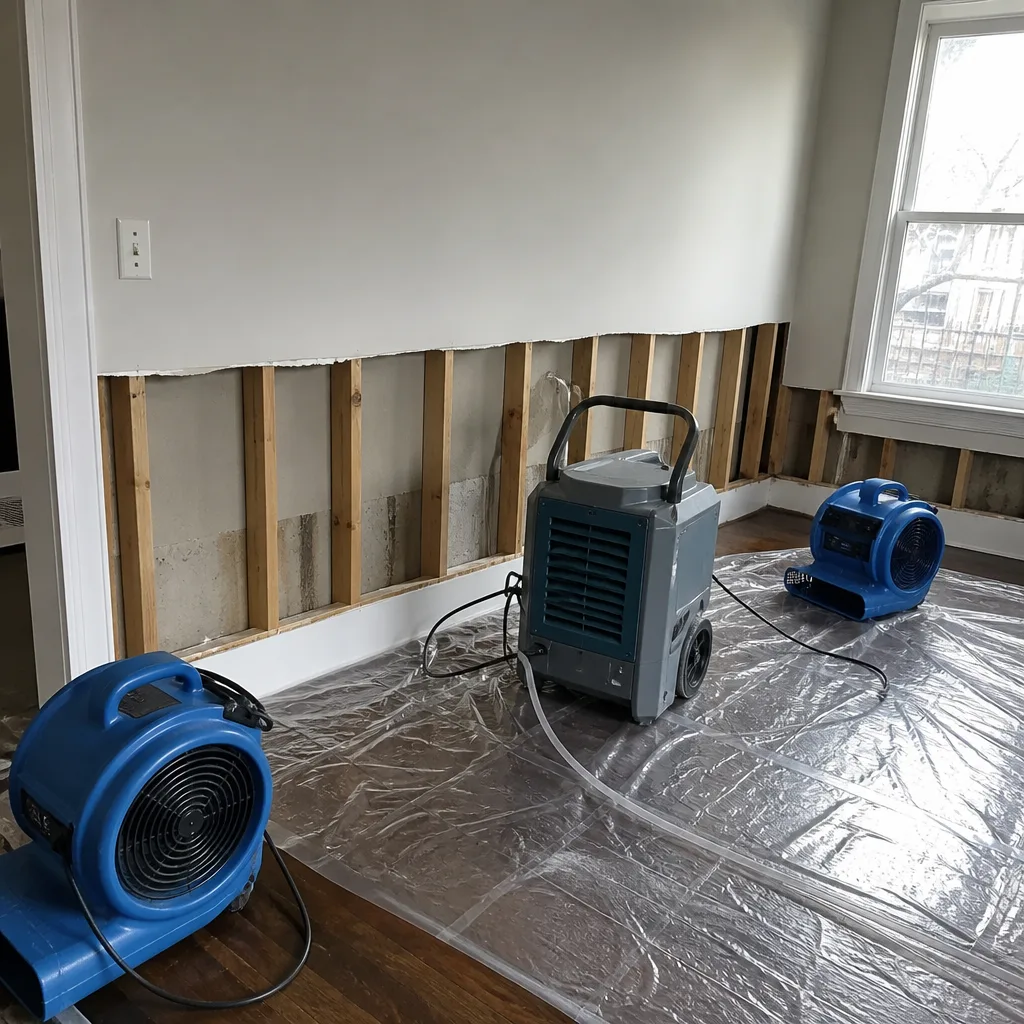
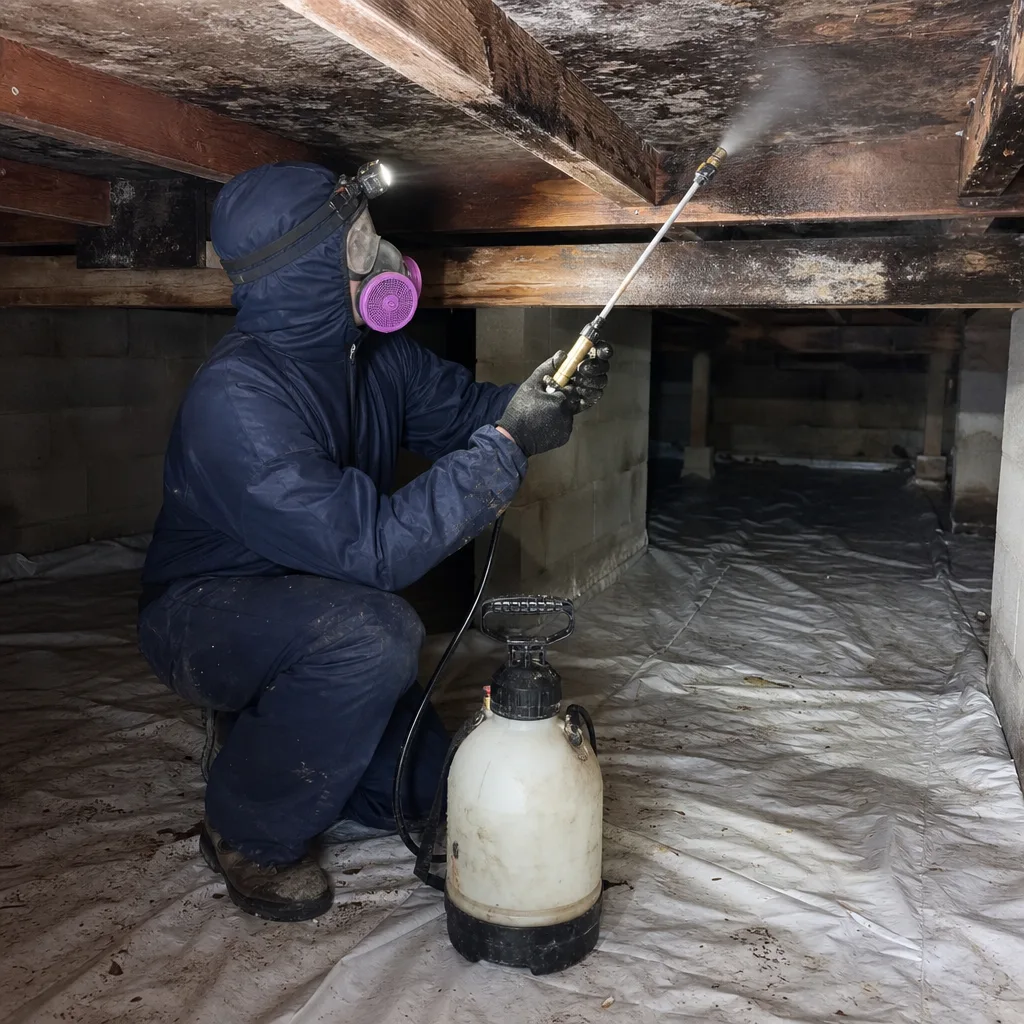
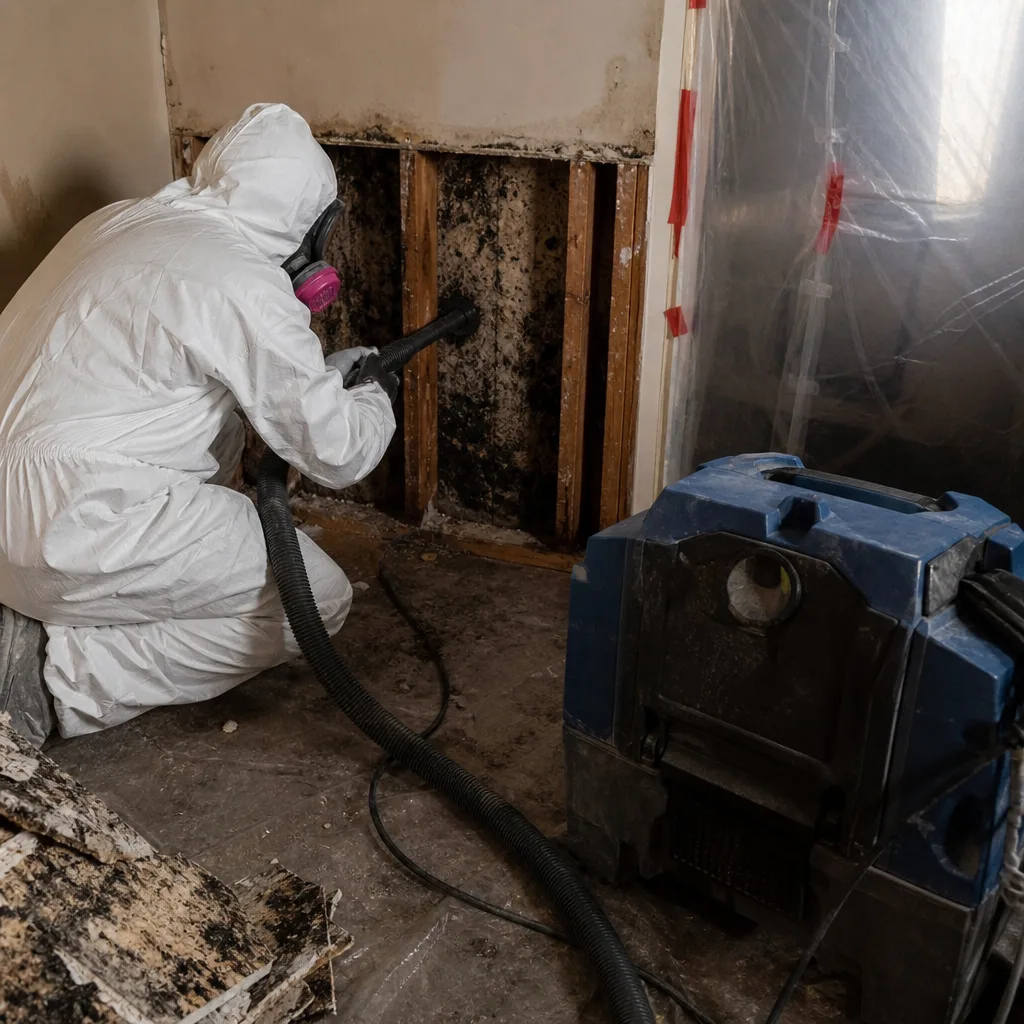
Mold removal in Murray Hill’s pre-war apartments requires containment protocols designed for occupied buildings. We build polyethylene containment chambers around affected areas, establish negative air pressure with HEPA-filtered scrubbers, and remove compromised materials - plaster, lath, drywall, insulation - by trade name and moisture content, not by what looks bad. Our crews work around tenant schedules, coordinate with building staff for freight-elevator access, and never block lobby traffic with equipment. All removed materials are bagged in the containment zone and carried out through service corridors, never through resident hallways. Antimicrobial treatment follows IICRC S520 guidelines, with drying logs updated daily.
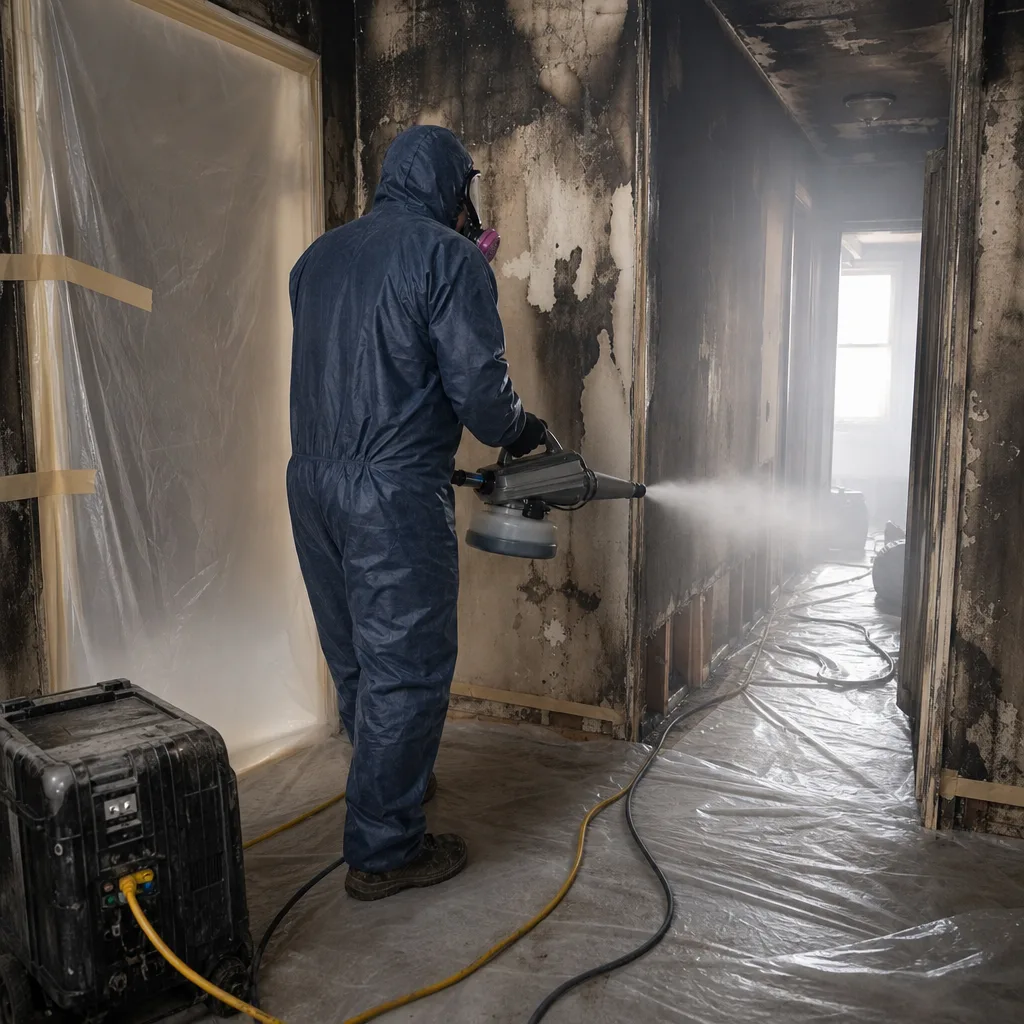
Black Mold Remediation
Stachybotrys chartarum - the mold species most people mean by “black mold” - requires the same containment and removal protocol as other toxigenic molds, but with heightened attention to spore dispersal control. In Murray Hill’s older buildings with limited ventilation, we size HEPA air scrubbers at 4-6 air changes per hour within containment, not the 2-4 standard for newer construction. We also test adjacent units in the same stack when black mold is confirmed, because shared wall cavities and riser chases in these pre-war buildings create pathways that surface inspections miss. Every black mold job gets a post-remediation verification sample before containment comes down.
Air Quality Restoration
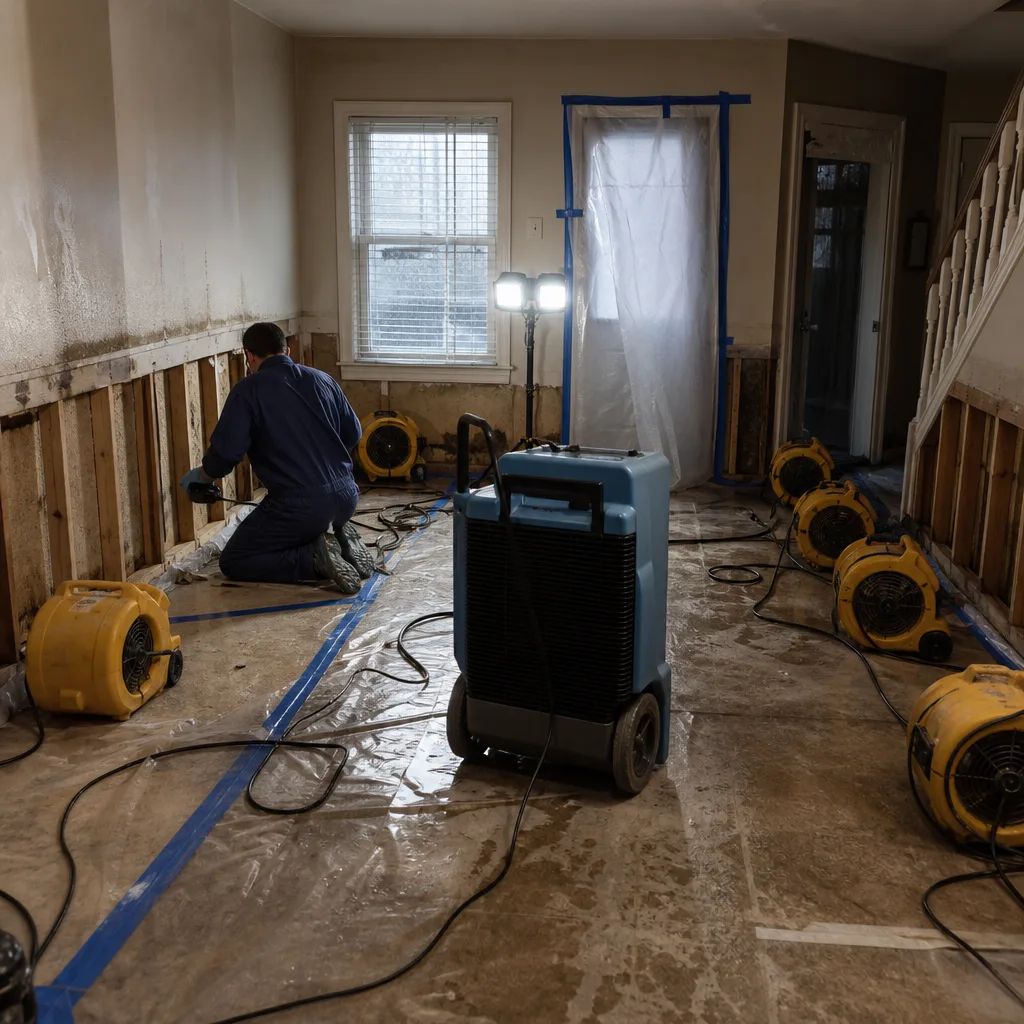
After mold removal, Murray Hill apartments often need more than surface cleaning. Spores and microbial volatile organic compounds linger in HVAC systems, upholstery, and porous materials. Our air quality restoration combines HEPA vacuuming of all surfaces, duct cleaning where accessible, and activated-carbon filtration to address MVOC odors. We deploy XPOWER and B-Air air scrubbers on a calculated clean-air-delivery-rate basis - measured in cubic feet per minute against room volume - and run them until post-remediation air samples show spore counts at or below outdoor baseline levels for the Murray Hill area. The tenant receives the lab report, the photo record, and the drying log as standard deliverables, not upsells.
Moisture & Humidity Control
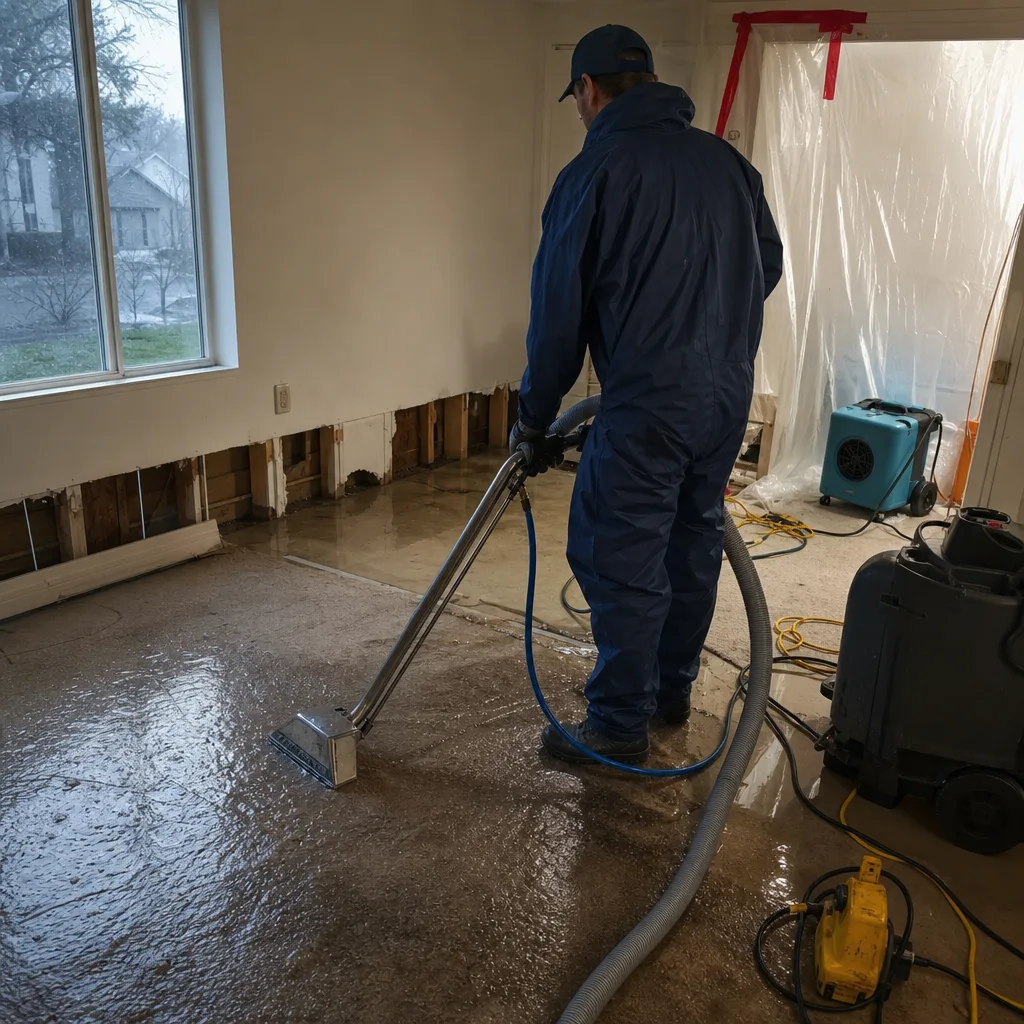
Murray Hill’s summer humidity, combined with aging building envelopes and steam-heat systems that run into May, creates chronic moisture conditions even without active leaks. Our moisture and humidity control assessments measure vapor pressure differential - the force that drives moisture through walls - and recommend targeted dehumidification, ventilation improvements, or vapor-barrier retrofits. In buildings along the East River blocks, we pay particular attention to foundation and mechanical room humidity, where tidal surge residual from Sandy still affects some properties. We install Dri-Eaz and Phoenix dehumidifiers with remote monitoring capability so property managers can track conditions without entering tenant units.
What happens when you call
- 1
A real person answersNo phone trees - you reach a local pro.
- 2
You get an upfront price rangeHonest numbers before anyone is dispatched.
- 3
A background-checked tech heads outLicensed & insured, dispatched right away.
- 4
You approve before work beginsNothing starts until you say go.
BeforeAfterTrusted Brands We Service in Murray Hill
Our Murray Hill crews deploy professional-grade drying and air-quality equipment from Dri-Eaz, Phoenix, XPOWER, and B-Air - brands whose specifications are recognized by insurers and documented to IICRC, RIA, and IFA standards. We stock HEPA filters, antimicrobial formulations, and containment materials sized for the freight-elevator weight limits and narrow service doors common in Murray Hill’s pre-war buildings. When a co-op on East 38th Street needed same-week air scrubber deployment last spring, we had XPOWER X-3400A units on-site within the board’s approved window because we maintain local inventory rather than waiting on warehouse delivery. Every piece of equipment is logged by serial number, run-time hours, and maintenance date - part of the documentation package that accompanies every invoice.
Common Mold Remediation Problems We See in Murray Hill Homes
- Co-op board approval delays. In Murray Hill’s co-op buildings, the board holds the master insurance policy and controls access to affected units. We’ve seen mold jobs on the 7th floor sit unmitigated for 48 hours waiting on a board vote, during which time drywall moisture content climbs from 12% to over 20% and mold colonization spreads from a 2-square-foot stain to an entire wall cavity. We now build board-coordination protocols into every Murray Hill co-op scope.
- Vertical cascade through shared plumbing stacks. The 1920s-1950s brick mid-rises along East 34th to East 40th Streets share vertical galvanized and early-copper supply lines that corrode in NYC’s moderately hard water. A single riser failure routinely dumps water through four to eight stacked apartments, but crews often moisture-map only the unit that reported the leak and miss the cascade above and below. Our protocol requires stack inspection on every Murray Hill job.
- Freight-elevator and access restrictions. Pre-war service doors in Murray Hill measure 28-32 inches wide, and freight elevators in many buildings stop at 6 p.m. Crews that don’t pre-stage equipment lose critical drying hours. We’ve learned to hand-carry HEPA units up service stairs when necessary and to schedule equipment placement within board-approved windows.
- Residual moisture in FDR-adjacent mechanical rooms. The eastern blocks of Murray Hill near the East River sustained documented flooding during Hurricane Sandy, and some ground-floor and basement mechanical rooms still take on seepage during heavy nor’easters or tidal surges. These spaces often harbor chronic mold that recolonizes ductwork and affects upper-floor air quality - a problem missed by surface inspections focused on visible tenant spaces.
Pricing for Mold Remediation in Murray Hill, NY
Mold inspection and testing in Murray Hill runs $350-$650 for a standard one- or two-bedroom unit, including moisture mapping, thermal imaging, and written scope with line-item pricing. Mold removal for contained growth under 10 square feet typically costs $1,800-$3,200. Moderate remediation involving drywall removal, containment, and drying in a single unit runs $3,500-$6,500. Full stack remediation across multiple floors, including coordination with adjacent units and extended drying cycles, ranges from $8,000-$15,000.
Factors that push Murray Hill jobs toward the higher end: co-op board delays extending the drying timeline, lead-paint or asbestos abatement required in pre-1978 construction, freight-elevator restrictions requiring hand-carry of equipment, and multi-unit coordination involving separate insurance adjusters. Every job gets a written price before work begins - Haven Standard, Clause 1 - with no scope-creep additions once the crew is inside. We also offer a Free Second Opinion on any competitor’s written estimate; bring it in and we’ll review it at no charge.
Call (551) 212-1580 for a written estimate. Estimates are free, and we deliver the price in writing before anyone starts work.
We Also Serve Cities Near Murray Hill
Our crews handle Mold Remediation in Murray Hill and surrounding Manhattan neighborhoods including Midtown Manhattan, the Financial District, Manhattan broadly, and the Upper West Side. Co-op and condo protocols, pre-war building expertise, and board-coordination documentation apply across all these service areas.
Serving Murray Hill, NY - Our Local Coverage Area
We’re based in the Murray Hill area and know this community well. Use the map below to see our service coverage - if you’re nearby, we can almost certainly help.
FAQs - Mold Remediation in Murray Hill
Mold can begin colonizing wet plaster and drywall within 24-48 hours of moisture intrusion, and in Murray Hill’s older buildings with limited ventilation, we’ve measured active growth at 36 hours. Steam-heat leaks are particularly insidious because the heat accelerates evaporation into wall cavities while keeping surface plaster deceptively dry to the touch. Call (551) 212-1580 - we’ll moisture-map the affected area and deliver a written scope with pricing before any work begins.
The co-op board, not the individual tenant, controls access approvals and holds the master insurance policy in nearly all Murray Hill co-op buildings. This means a mold job on the 7th floor can sit unmitigated for 24-48 hours waiting on a board vote. We coordinate directly with property managers and board contacts to expedite approvals, and we build that timeline into every written scope so you’re not surprised by the delay. Call (551) 212-1580 and we’ll walk you through the specific approval path for your building.
Yes - and it happens routinely. Murray Hill’s pre-war brick mid-rises share vertical plumbing stacks and steam-heat risers that create direct moisture pathways between floors. A single corroded supply line or pinhole leak can seed mold across four to eight stacked apartments before visible staining appears in any unit. Our protocol requires moisture mapping of the full stack, not just the unit that reported the problem. Call (551) 212-1580 for a stack inspection.
We pre-stage equipment during board-approved windows, size dehumidifiers and air movers for 28-32-inch service door clearances, and hand-carry HEPA units up service stairs when freight elevators are restricted or out of service. In one East 37th Street job, we staged Dri-Eaz and XPOWER gear in the service hallway and ran power from the mechanical room because the freight elevator stopped at 6 p.m. and the board required lobby clearance by 7 p.m. Every access constraint gets documented in the written scope before work starts. Call (551) 212-1580 to discuss your building’s specific access requirements.
Yes - some do. The eastern blocks of Murray Hill near the East River sustained documented flooding during Hurricane Sandy in 2012, and several ground-floor and basement mechanical rooms still take on seepage during heavy nor’easters or East River tidal surges. Summer humidity trapped in these poorly ventilated spaces accelerates secondary mold growth that can colonize ductwork and affect upper-floor air quality. We inspect mechanical rooms as part of any Murray Hill air quality assessment, not just the tenant spaces. Call (551) 212-1580 for a mechanical room and ductwork evaluation.
Written by Alicia Brennan, Owner at Back to Dry Restoration, serving Murray Hill since 2011 under The Haven Standard.