
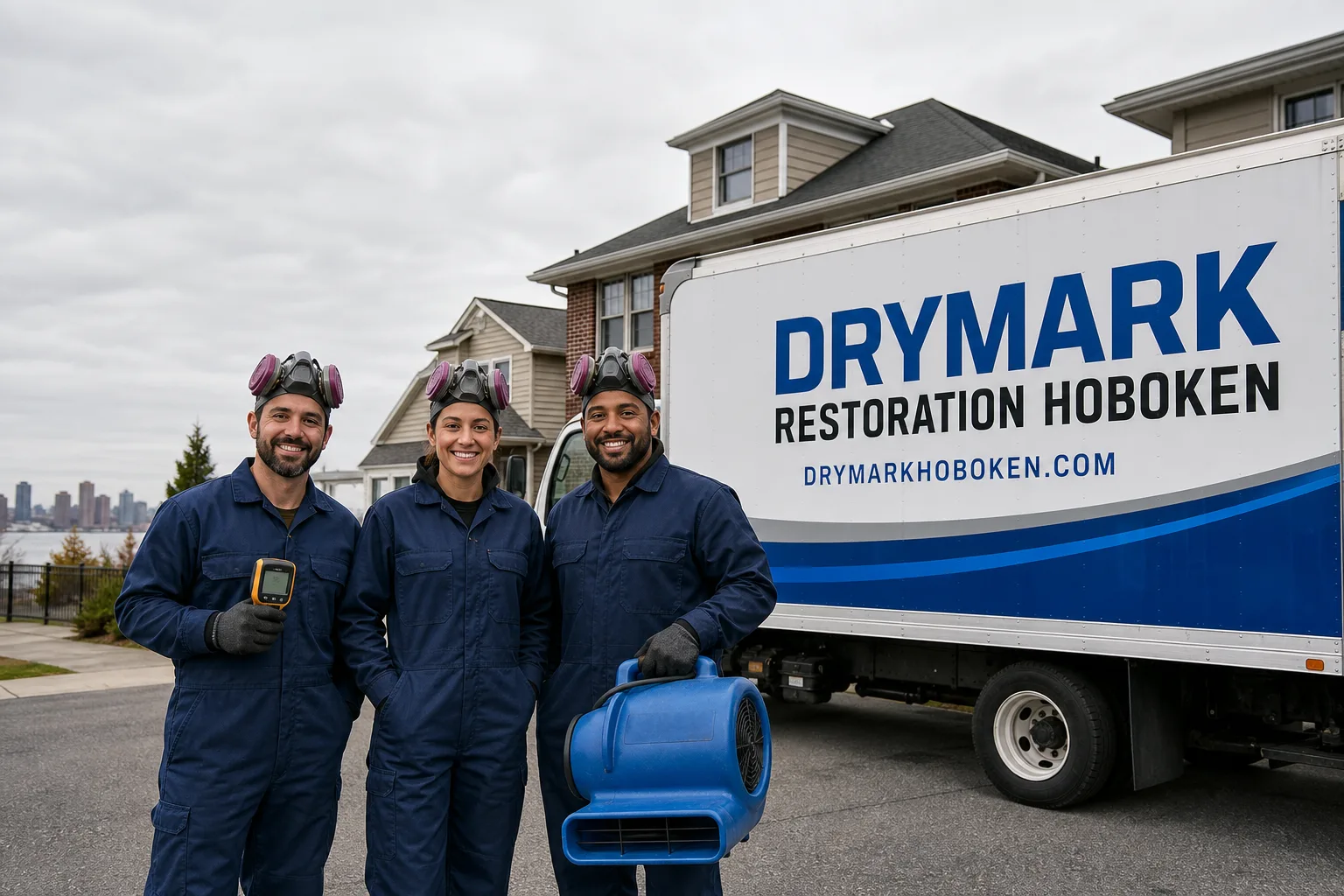
Free visual inspection and a written scope of work before any mitigation begins - photos, moisture readings, and drying logs go in your claim file
The scope we write is the scope we bill. Anything new gets shown to you, in writing, before we touch it.
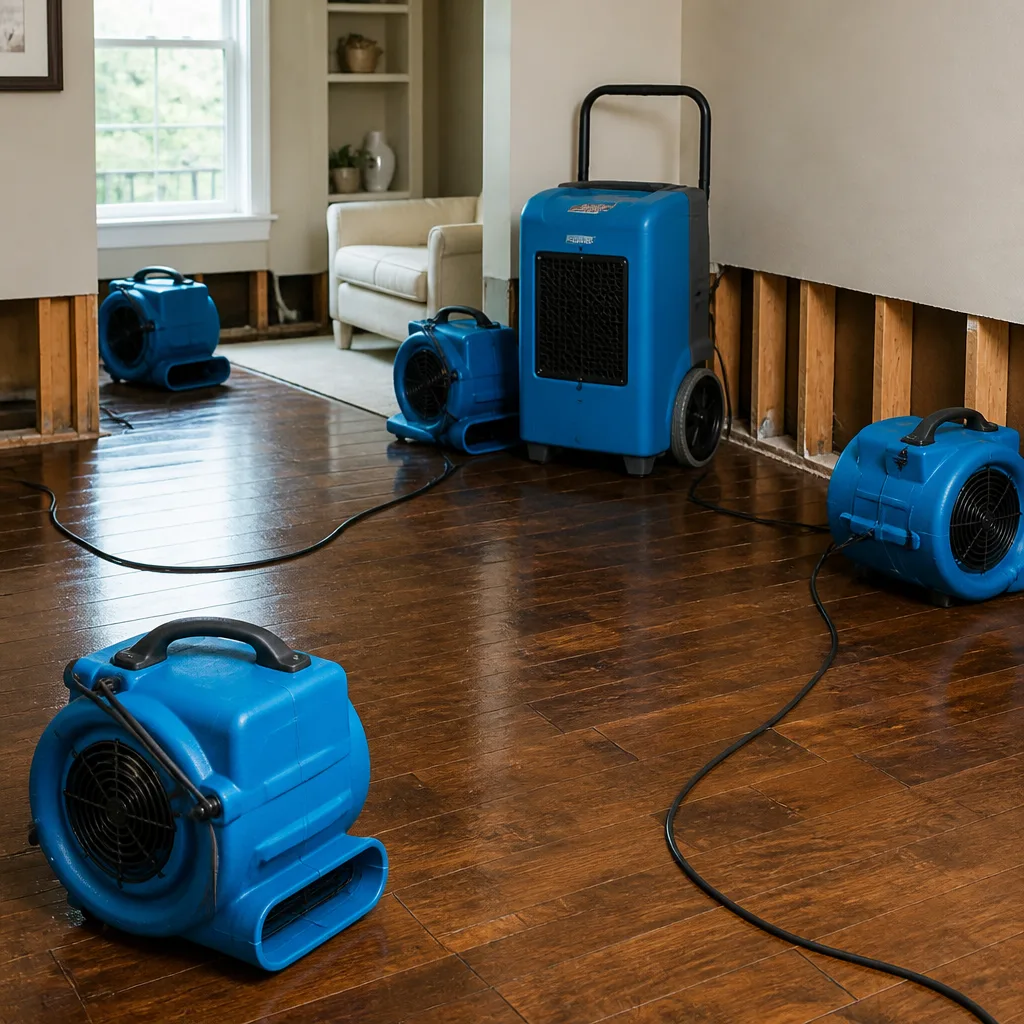
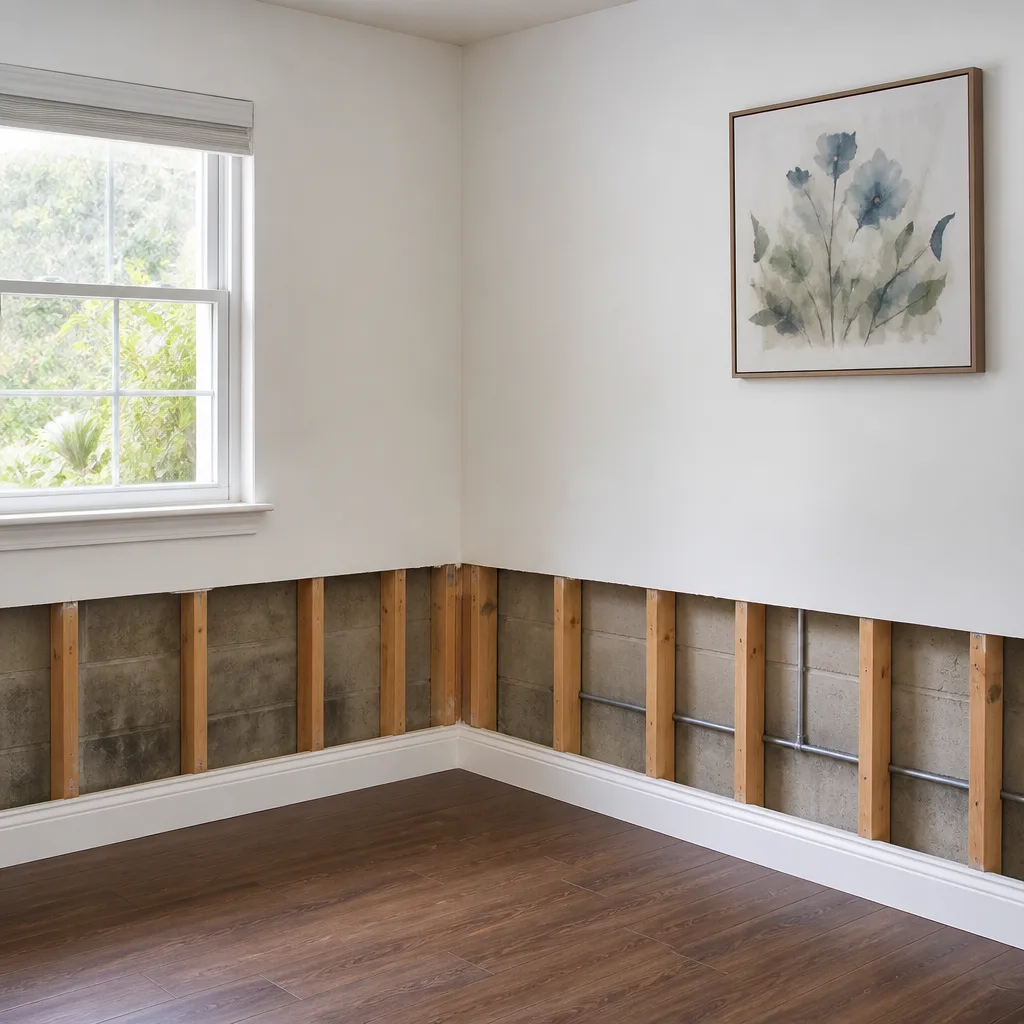
 Before
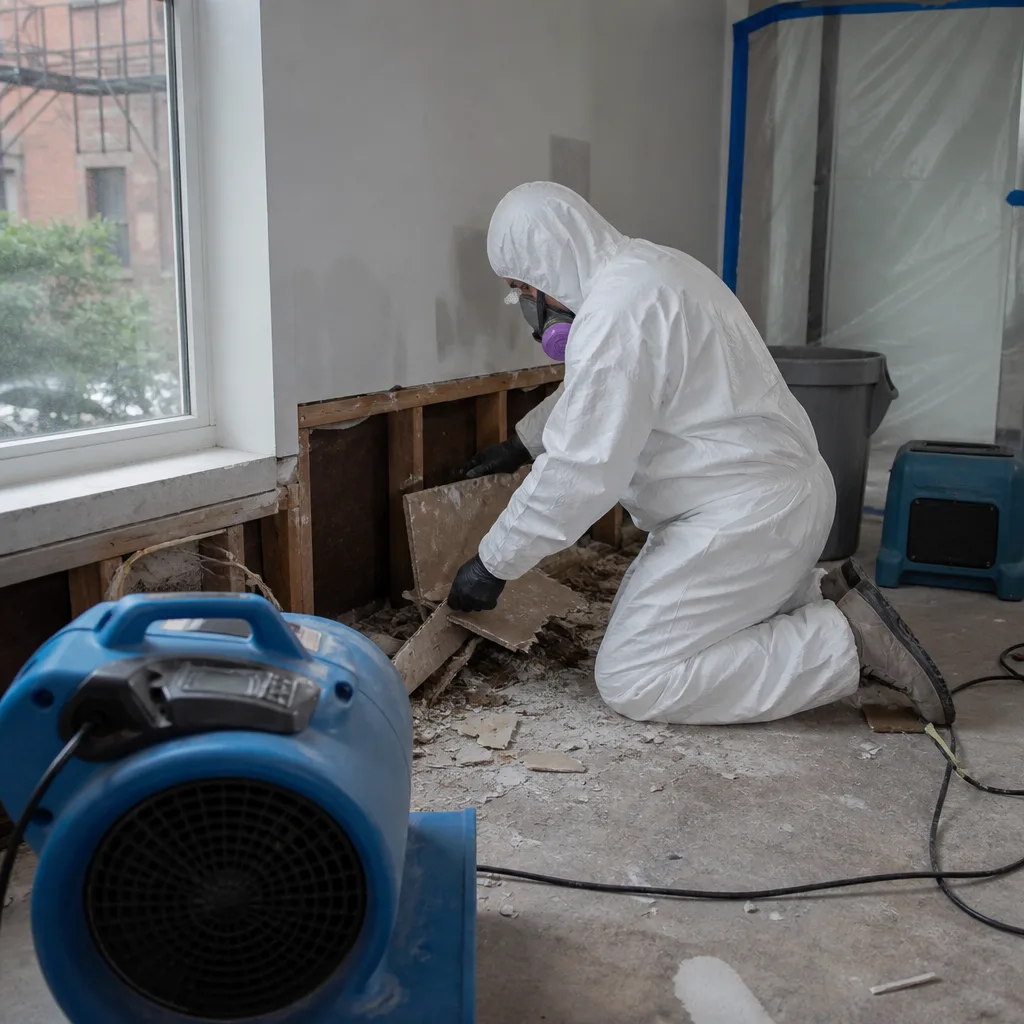 After
After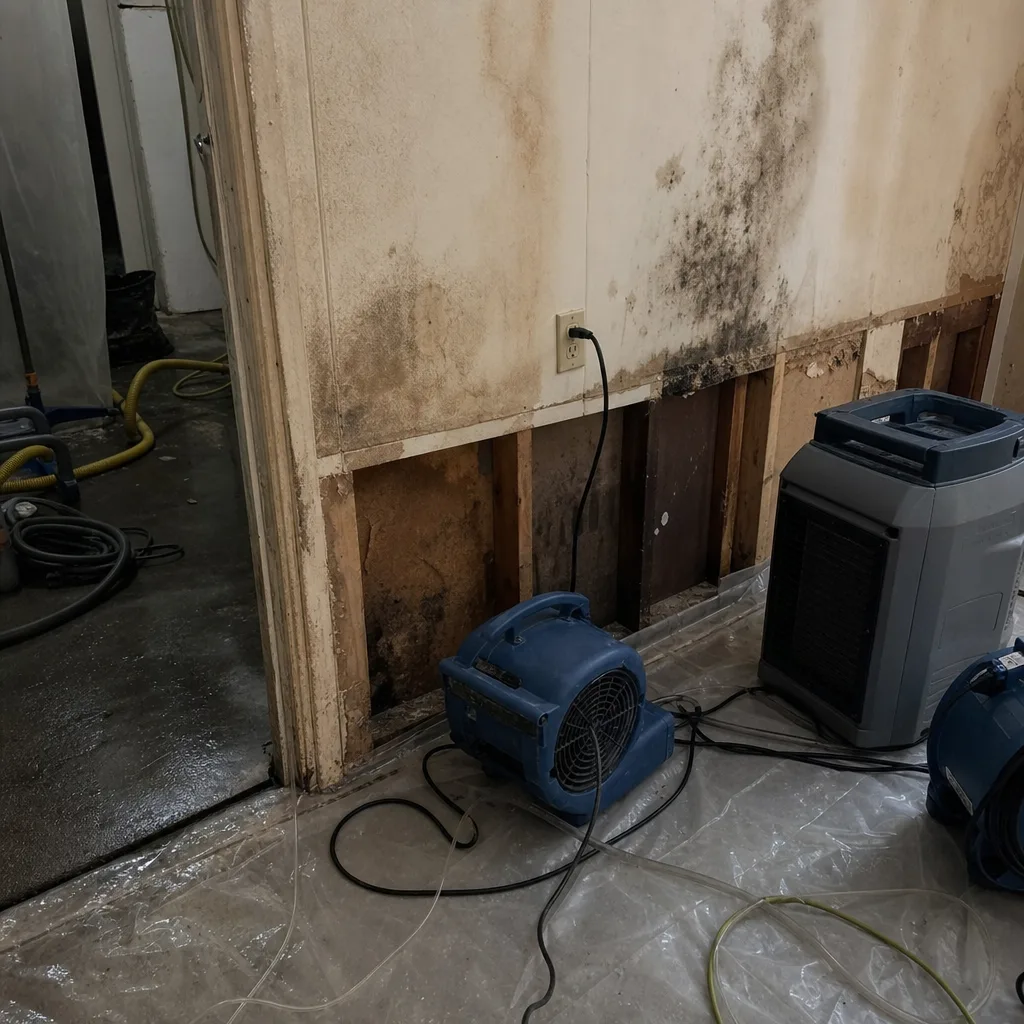 Before
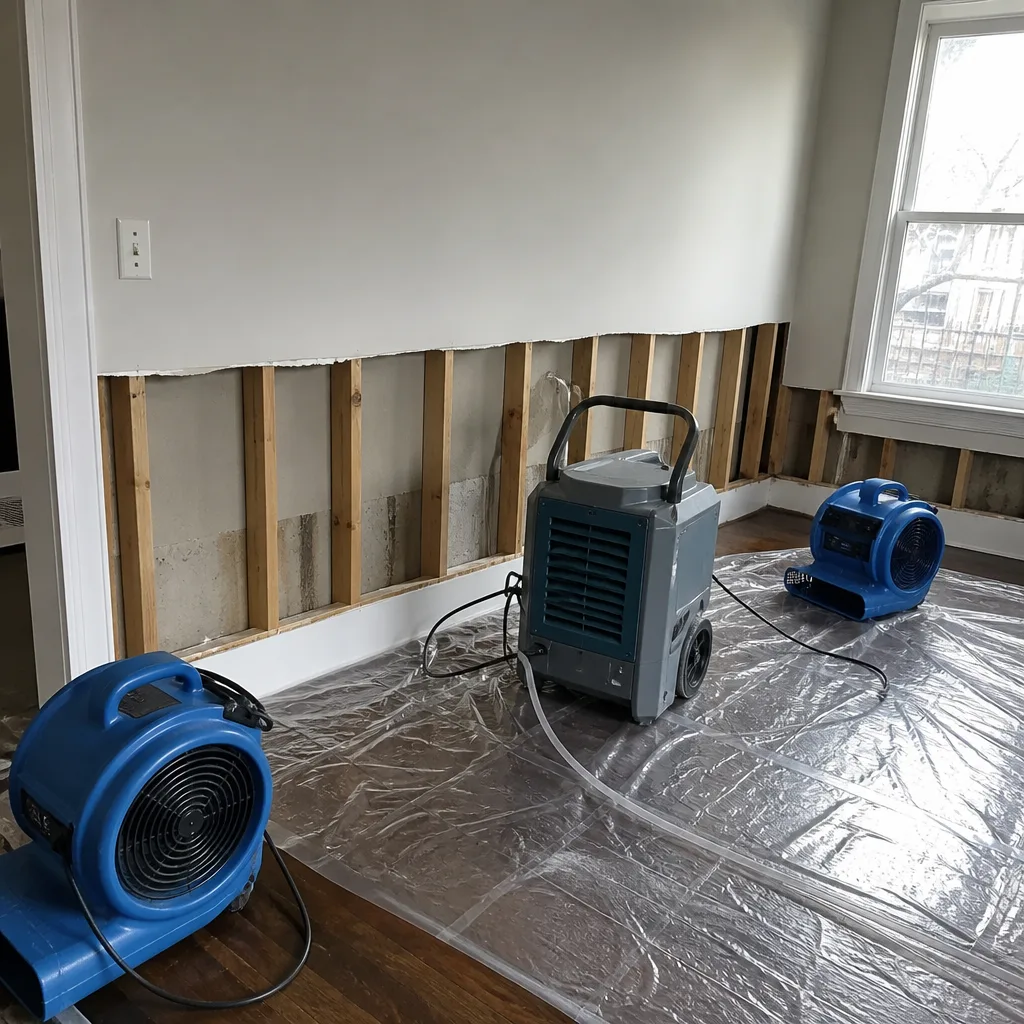 After
After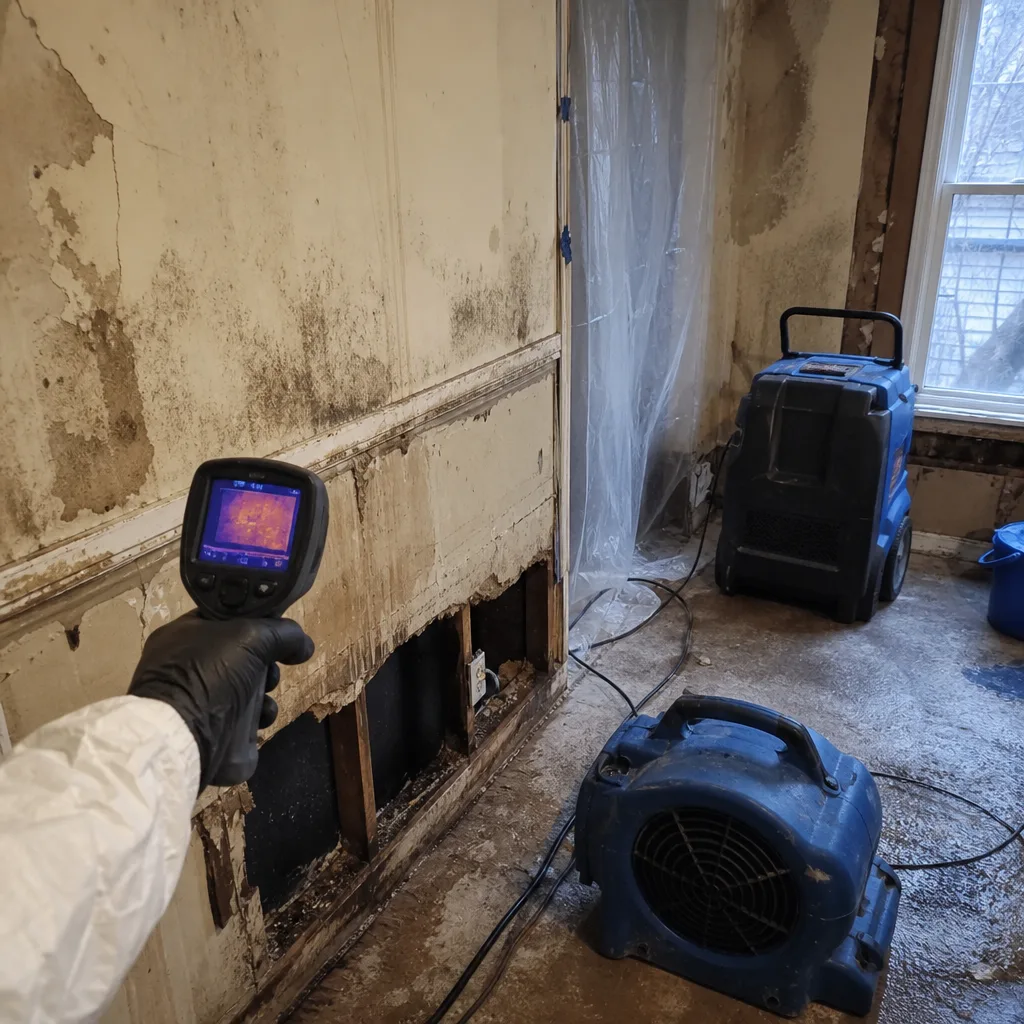 Before
 After
AfterFast, Reliable Mold Remediation Across Financial District
Mold remediation in Financial District, NY typically costs $1,800-$4,500 for residential units and $4,000-$12,000 for commercial mechanical vaults, with most inspection appointments available within 24 hours. We dispatch crews to Financial District from our New York City office, and we know the neighborhood’s buildings well enough to bring the right equipment the first time: injectidry systems for 12-18 inch reinforced concrete walls, not standard residential gear.
If you’re seeing musty odors in a Pearl Street loft conversion, spotting discoloration on basement mechanical room walls near Water Street, or managing a post-flood property anywhere in the FEMA high-risk zone that covers this entire neighborhood, call (551) 212-1580. A live person answers, 24 hours a day, 7 days a week. We’ll schedule a written inspection with moisture mapping, not a sales call.
Why DryMark Restoration Hoboken Is Financial District’s Preferred Mold Remediation Company
We’ve restored more than 12,000 homes and commercial properties since 2011, and a significant cluster of those jobs has been right here in Financial District - specifically the converted mercantile buildings along Front Street, the post-2001 residential towers near the World Trade Center site, and the sub-basement vaults that still house mechanical infrastructure from the neighborhood’s banking era. Alicia Brennan founded this company after working as a claims adjuster and watching homeowners lose legitimate mold claims to sloppy documentation. That origin is why every Financial District job starts with a written price, includes a photo record on every visit, and ends with a 365-Day Done Right Promise under The Haven Standard.
Our response time to Financial District averages 2-4 hours for emergency assessments. We don’t promise same-day completion for remediation work - that’s scoped, scheduled, and priced in writing like any proper restoration job - but we do promise same-day containment when mold poses an immediate air quality risk to occupied units.
What separates us in this market is saltwater-specific protocol. Most mold companies in the tri-state area train for freshwater pipe leaks. Financial District’s colonial-era landfill foundation and harbor exposure mean we routinely remediate mold that grew behind concrete walls after saltwater intrusion. The chemistry is different. The drying timeline is longer. And the documentation an insurer demands is far more detailed. We produce that documentation as standard, not as an upsell.
Our Mold Remediation Services in Financial District
Mold Inspection & Testing
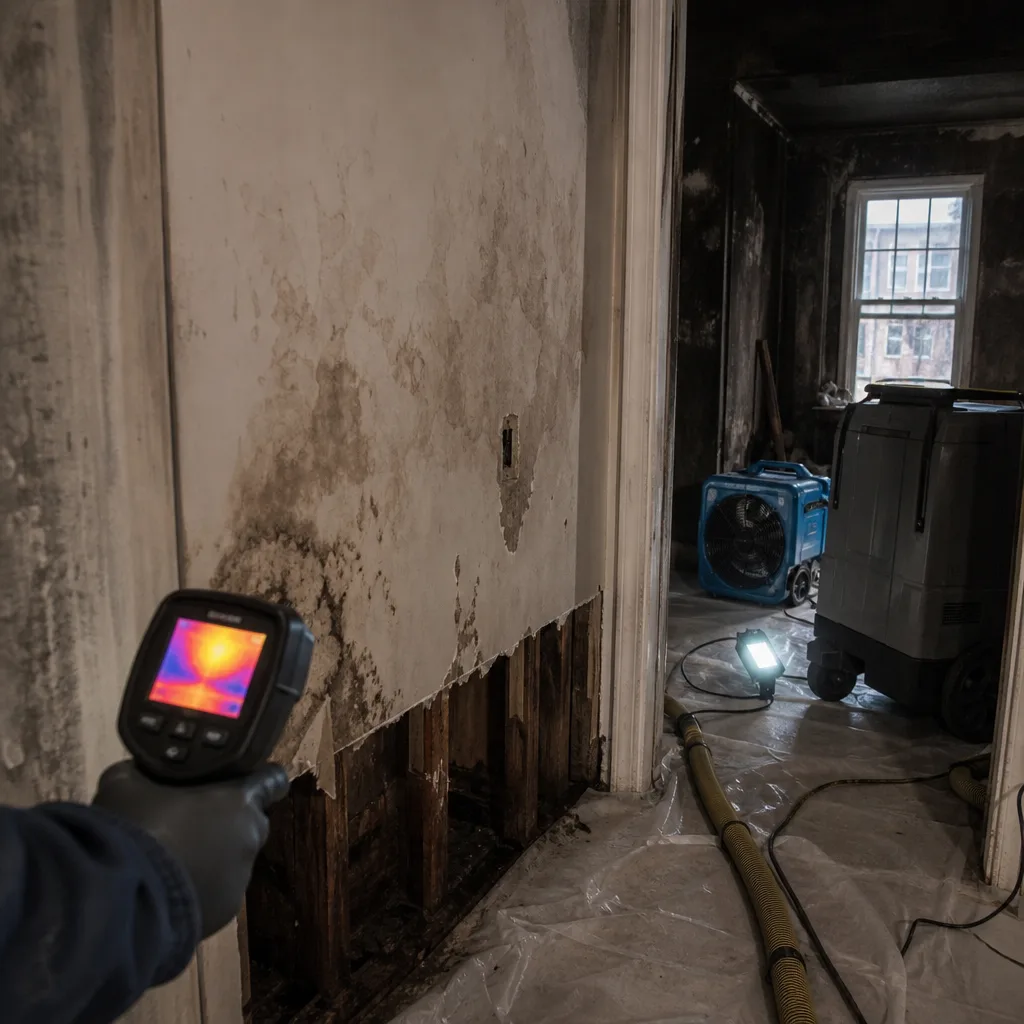
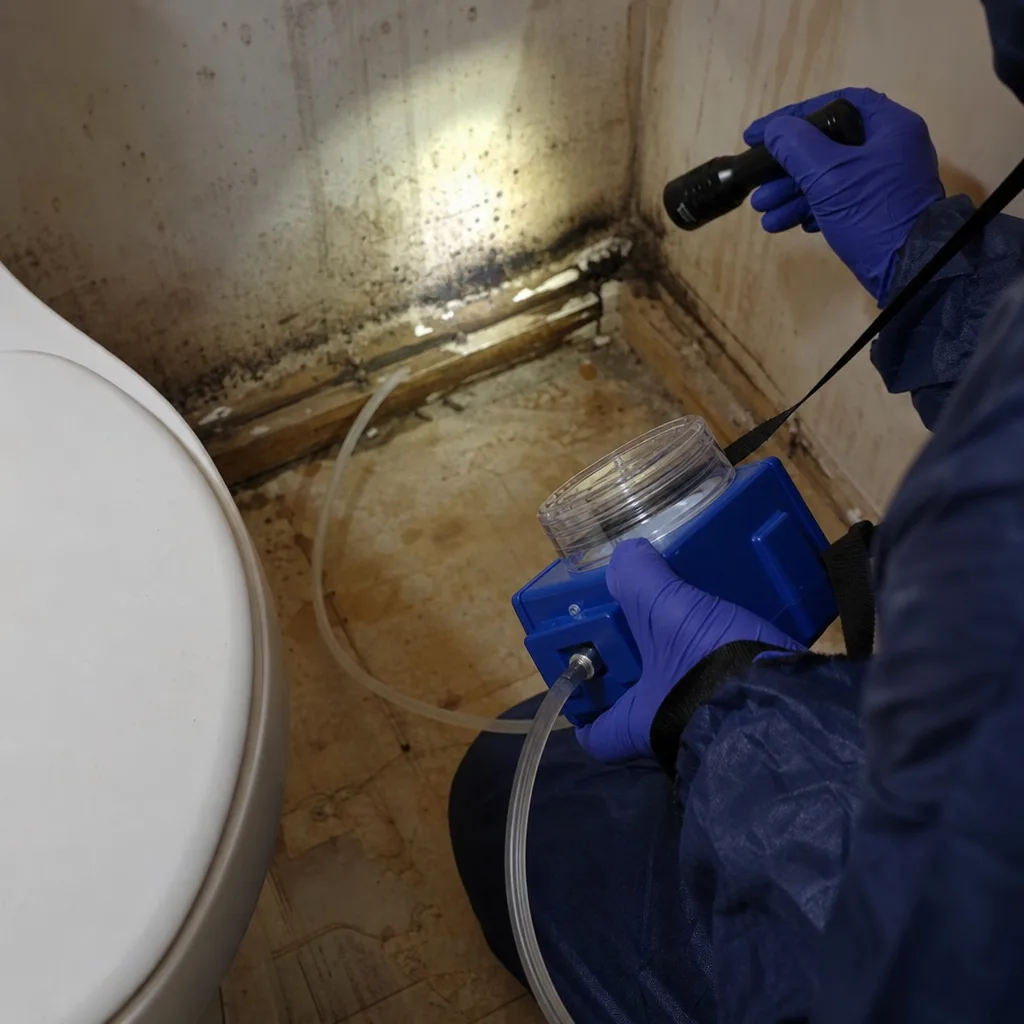
Every Financial District inspection starts with moisture mapping, not a visual walkthrough. In buildings along Water Street and Pearl Street, we’ve learned that surface moisture meters read dry while colonies thrive inside 12-18 inch reinforced concrete vault walls. Our inspection protocol includes thermal imaging, psychrometric data collection (that’s temperature, relative humidity, and vapor pressure differential measured against established drying standards), and air sampling when occupants report respiratory symptoms. We document every reading in a written report with photos, delivered before any remediation proposal.
A typical residential mold inspection in Financial District runs $350-$650. Commercial mechanical vault inspections with multi-floor moisture mapping start at $800.
Mold Removal
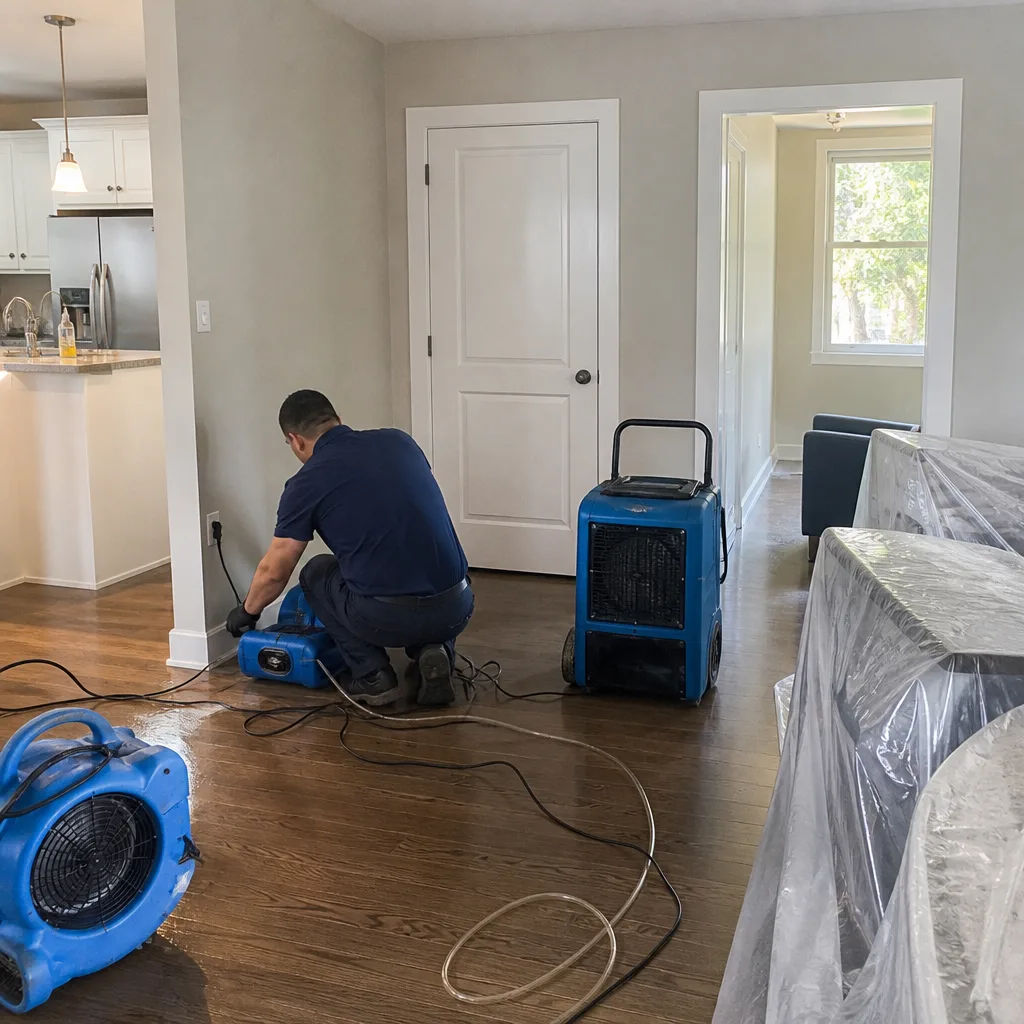
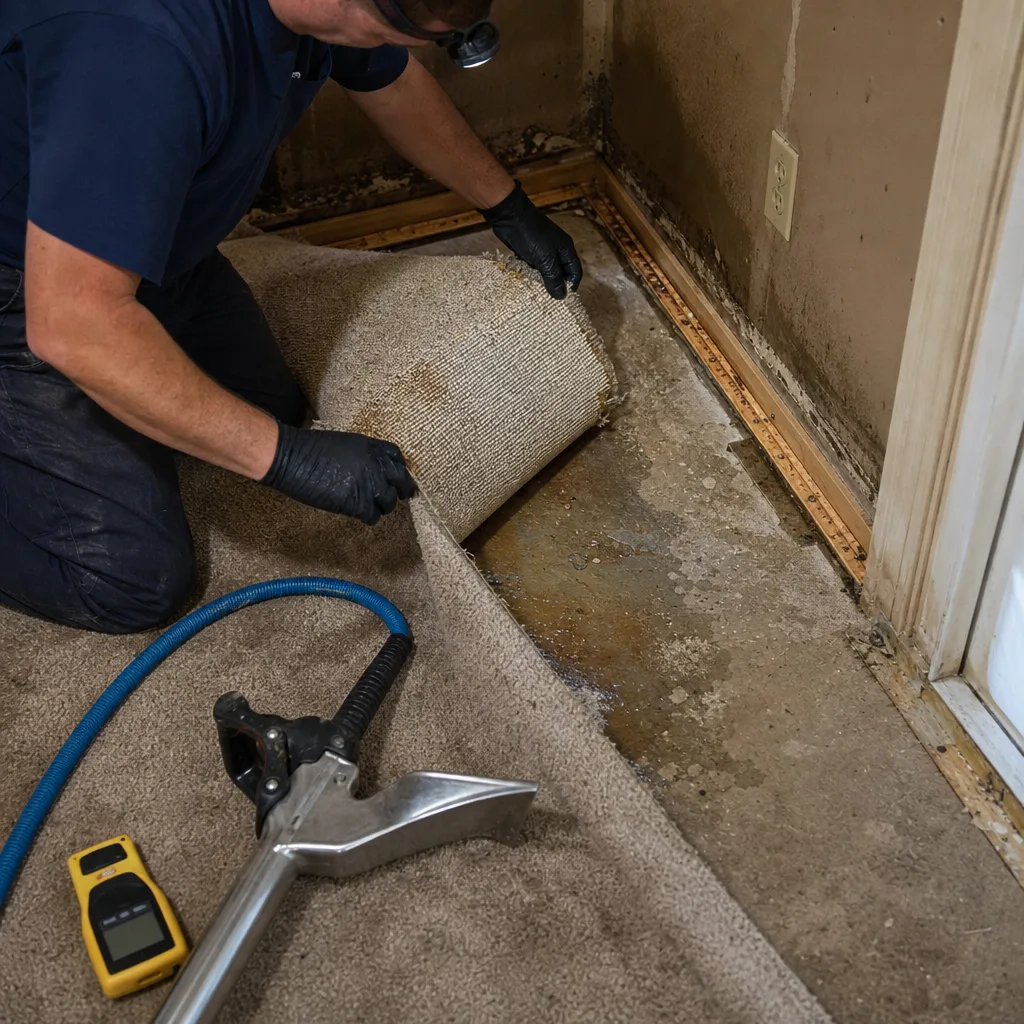
Removal in Financial District rarely means treating visible drywall and calling it done. The converted loft buildings around Front Street retain original freight elevators, oversized basement mechanical rooms, and thick load-bearing masonry that absorbs harbor moisture for weeks after any flood event. Our removal protocol includes HEPA-contained demolition where necessary, antimicrobial treatment of all affected substrates, and - critically - verification drying before we sign off. We use professional-grade dehumidification from Phoenix and XPOWER, documented to IICRC standards, with daily moisture logs that become part of your claim file.
Residential mold removal in Financial District typically ranges $1,800-$4,500. Commercial vault remediation with injection drying into concrete cavities runs $4,000-$12,000 depending on square footage and containment complexity.
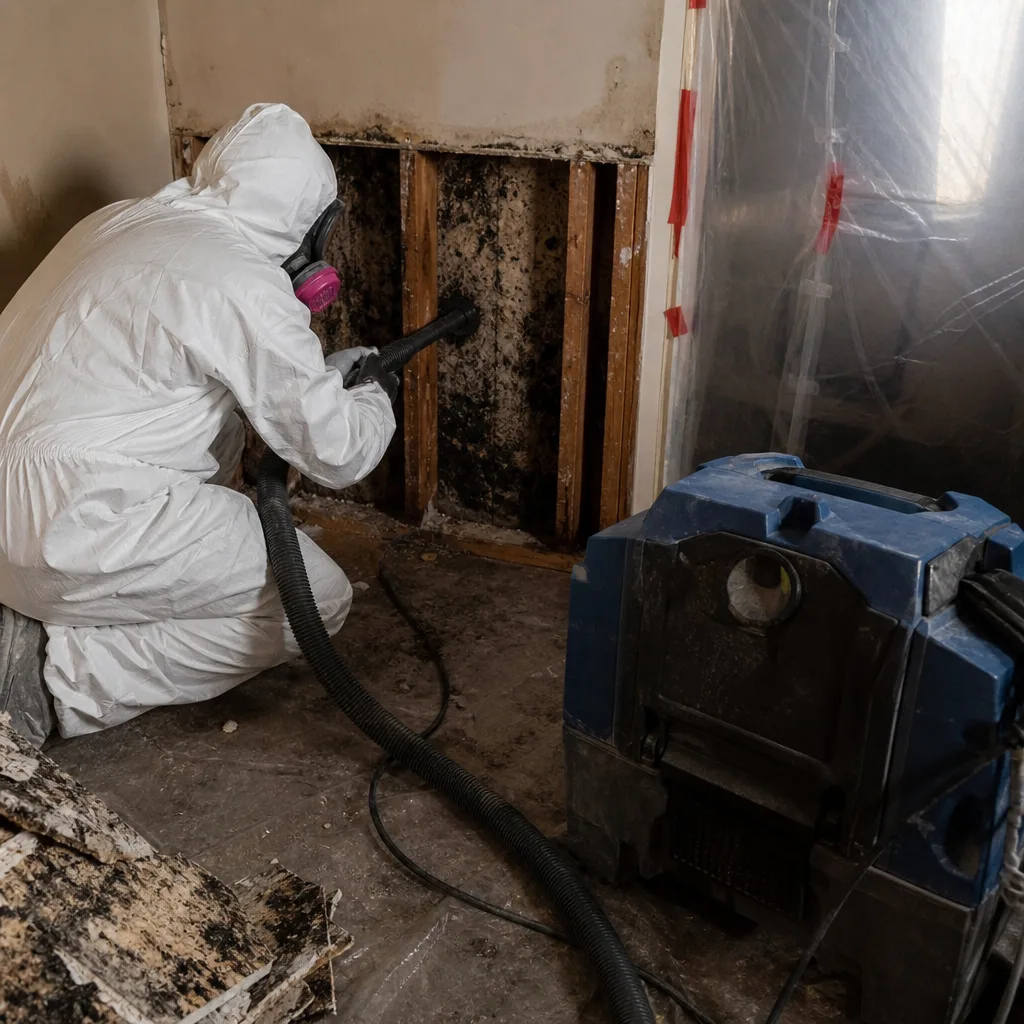
Black Mold Remediation
Stachybotrys chartarum and other toxigenic species require the same containment rigor in Financial District as anywhere, but the local building stock adds complexity. Post-2001 luxury towers have tighter envelopes and more sophisticated HVAC systems, which can cross-contaminate if containment isn’t coordinated with building management. Older converted mercantile buildings have porous mortar joints and decades of accumulated organic material in wall cavities. Our black mold protocol addresses both: negative air machines sized to the space, sealed HVAC isolation, and post-remediation clearance testing by an independent third party.
Air Quality Restoration
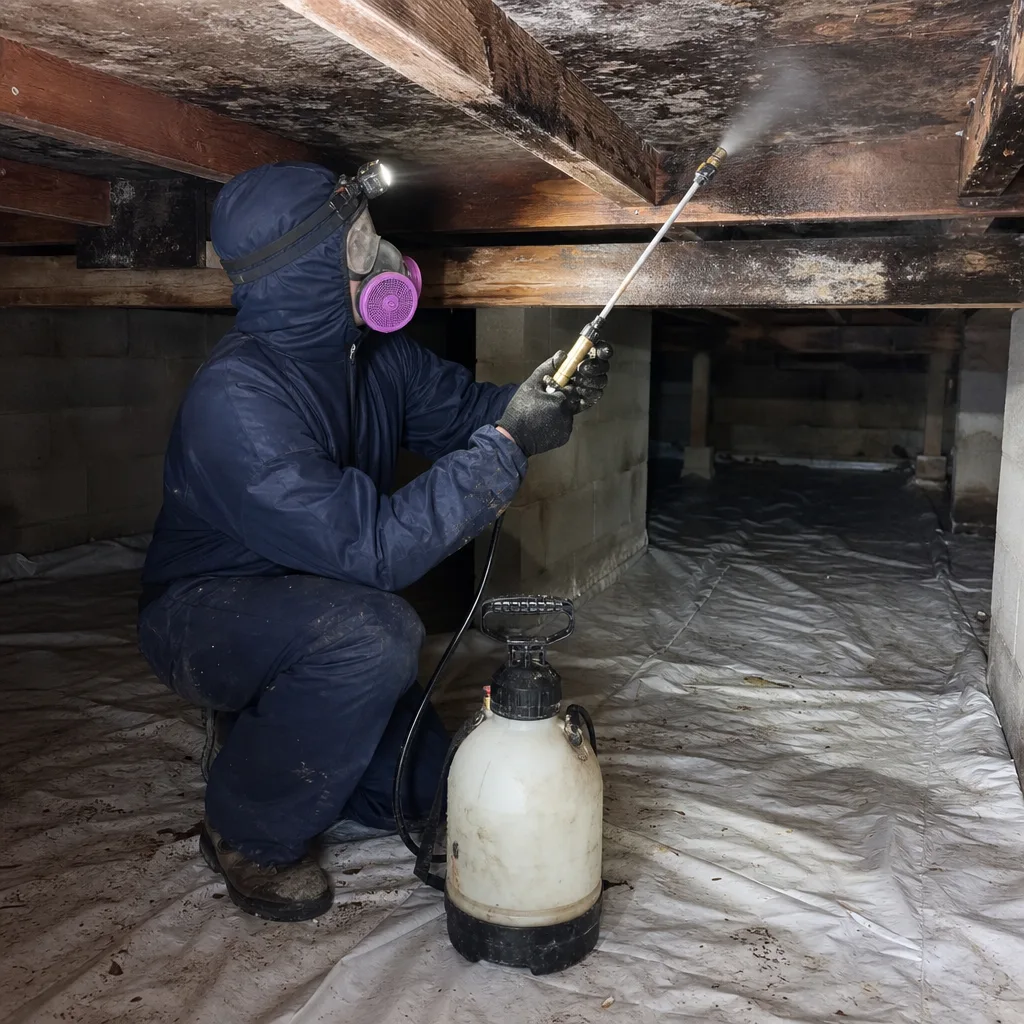
Financial District’s harbor exposure means mold spores travel with moisture-laden air through building envelopes that were never designed for residential occupancy. Our air quality restoration includes source removal, HEPA filtration during remediation, and post-project air sampling to verify spore counts below outdoor baseline. For buildings with ongoing moisture intrusion from storm surge backpressure, we also specify dehumidification strategy - not just equipment rental, but a written moisture control plan that building engineers can implement between weather events.
Moisture & Humidity Control
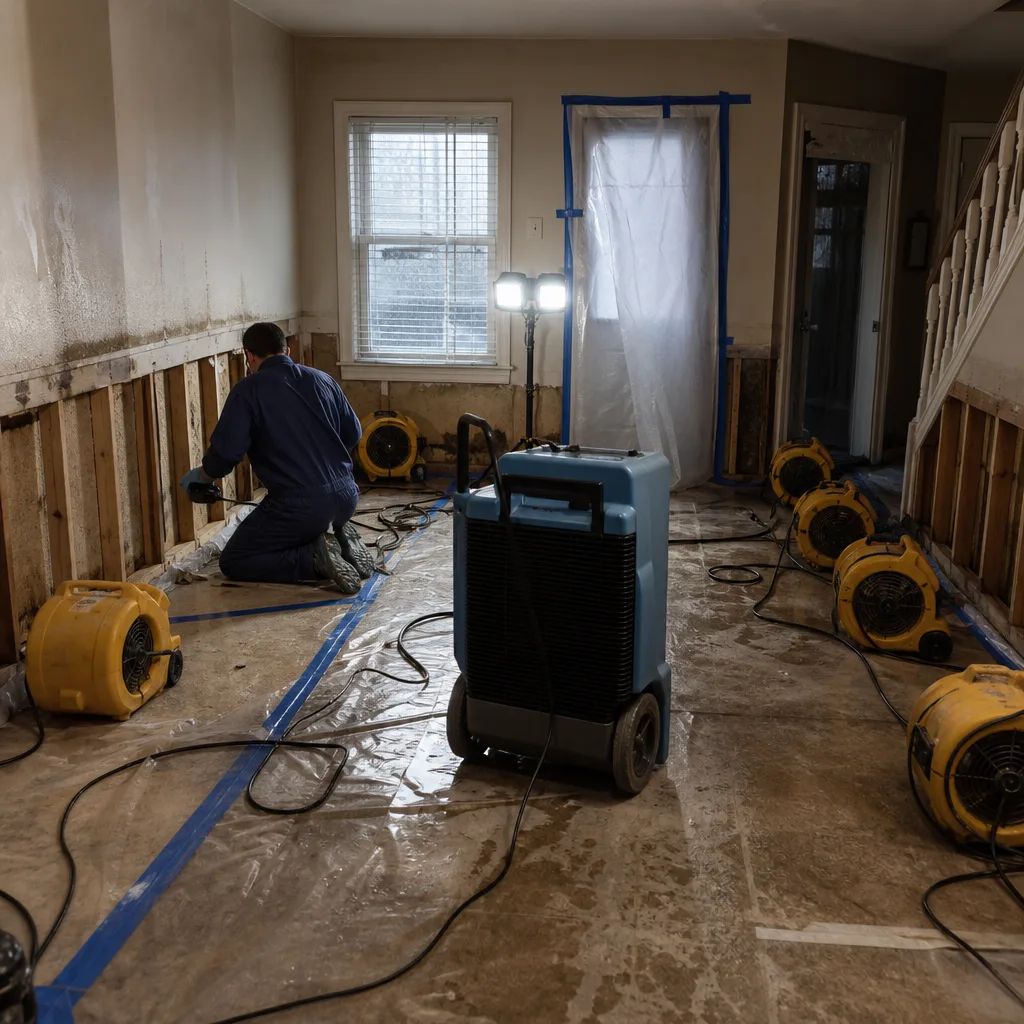
This is where Financial District’s geography becomes unavoidable. Lower Manhattan’s position on three sides of open harbor water creates a coastal storm-surge funnel; even moderate nor’easters push tidal water into below-grade spaces that drain slowly because the neighborhood’s stormwater system cannot outpace harbor backpressure. Our moisture control assessments identify the specific vapor pathways in your building - masonry wicking, HVAC infiltration, envelope breaches - and specify targeted dehumidification rather than generic equipment placement. We document vapor pressure differential across all affected assemblies, so you have evidence of the problem’s scope and our solution’s effectiveness.
What happens when you call
- 1
A real person answersNo phone trees - you reach a local pro.
- 2
You get an upfront price rangeHonest numbers before anyone is dispatched.
- 3
A background-checked tech heads outLicensed & insured, dispatched right away.
- 4
You approve before work beginsNothing starts until you say go.
BeforeAfterTrusted Brands We Service in Financial District
Our crews arrive with professional-grade drying systems from Phoenix, XPOWER, and Injectidry - equipment selected specifically for Financial District’s concrete-heavy building stock. Standard residential air movers can’t push sufficient airflow through 12-18 inch reinforced vault walls; Injectidry’s cavity drying systems can. Phoenix dehumidifiers handle the high-grain conditions that persist in harbor-adjacent basements long after surface water is gone. We stock replacement components locally and maintain our fleet to IICRC documentation standards, so a failed machine doesn’t delay your drying log.
Common Mold Remediation Problems We See in Financial District Homes
- Visible-only remediation on concrete vault walls. A contractor treats surface mold in a Water Street sub-basement and leaves the colony feeding on moisture trapped inside 12-18 inches of reinforced concrete. Six weeks later, the mold returns with new sporulation. We map moisture through the full wall assembly before quoting any removal scope.
- Surface moisture readings that miss salt-laden wicking. Standard meters read dry on the interior face of a Front Street masonry wall while residual salt from Hurricane Sandy-era flooding continues to draw harbor moisture through the substrate. Our protocol includes drying logs across multiple mechanical floors, not single-point readings.
- Skipped pack-out documentation on basement mechanical contents. Generator rooms and data-center infrastructure in converted Financial District buildings contain equipment worth six or seven figures. Without pre-loss condition photos and written inventory, insurance disputes stall mitigation before containment ever goes up. We document everything before touching anything.
- Failure to neutralize salt residue before antimicrobial treatment. Salt accelerates corrosion of embedded rebar and mechanical systems; antimicrobial agents applied over active salt deposits bond poorly and fail prematurely. Our saltwater protocol includes substrate neutralization as a distinct phase, logged and photographed.
Pricing for Mold Remediation in Financial District, NY
| Service | Typical Range in Financial District |
|---|---|
| Residential mold inspection & testing | $350 - $650 |
| Commercial multi-floor moisture mapping | $800 - $1,500 |
| Residential mold removal (per area) | $1,800 - $4,500 |
| Commercial vault remediation with injection drying | $4,000 - $12,000 |
| Air quality restoration & clearance testing | $600 - $1,200 |
| Moisture control system design | $400 - $900 |
Three factors push Financial District jobs toward the higher end of these ranges: saltwater contamination requiring additional neutralization steps, containment complexity in occupied multi-unit buildings, and the extended drying timelines that thick masonry and concrete vaults demand. We deliver a written price before any work begins, every time, with no scope-creep additions once the crew is inside. Haven Standard, Clause 1. Bring a competitor’s written estimate and we’ll review it at no charge - our Free Second Opinion.
We Also Serve Cities Near Financial District
Our Mold Remediation crews work throughout lower and midtown Manhattan, including Financial District neighbors like Midtown Manhattan, Murray Hill, Manhattan broadly, and the Upper West Side. Dispatch and scheduling are coordinated from our New York City office; crews serve all these areas with the same documentation protocol and equipment specifications.
Serving Financial District, NY - Our Local Coverage Area
We’re based in the Financial District area and know this community well. Use the map below to see our service coverage - if you’re nearby, we can almost certainly help.
FAQs - Mold Remediation in Financial District
Thick load-bearing masonry and 12-18 inch reinforced concrete vault walls absorb harbor moisture slowly and release it even slower. A nor’easter pushes saltwater into below-grade spaces on a Friday; by the following month, that moisture has wicked through concrete to reach organic material - paper-faced drywall, wood framing, accumulated dust - at temperatures that support colonization. Mold doesn’t need standing water; sustained relative humidity above 60 percent inside a wall cavity is enough. Our moisture mapping finds these delayed colonization sites before they become visible. Call (551) 212-1580 for an inspection - estimates are free.
Yes. Saltwater leaves corrosive residue that continues to damage concrete, steel, and mechanical systems long after the visible water is gone. Our saltwater protocol includes substrate neutralization before antimicrobial treatment, extended drying timelines documented across multiple mechanical floors, and specific corrosion assessment of embedded rebar and brackets. A freshwater pipe leak in an Upper West Side apartment doesn’t require any of these steps. The documentation we produce also differs - insurers treat saltwater intrusion as a separate peril with distinct coverage considerations. Call (551) 212-1580 and we’ll explain what your specific policy likely requires.
We don’t rely on surface readings. Thermal imaging identifies temperature differentials that indicate moisture behind concrete; moisture mapping with calibrated probes measures relative humidity in wall cavities; and in some cases we use Injectidry systems to extract air samples from inside the wall assembly itself. A property manager on Pearl Street called us after a nor’easter pushed harbor water into a below-grade mechanical vault that once served a brokerage’s data center. Standing water sat against reinforced concrete for three days before anyone noticed, so we ran water extraction, laid out air movers and a Phoenix dehumidification array, and set up containment before treating every corroded steel bracket with antimicrobial treatment. Our moisture readings on the adjoining wall cavity were still climbing on day five, which is typical when saltwater has soaked into thick load-bearing masonry and there’s no easy path for vapor to escape. Call (551) 212-1580 - we bring the right equipment for concrete, not drywall.
Absolutely. Post-9/11 rezoning converted hundreds of 19th-century mercantile buildings to residential use, but many retain original basement mechanical rooms and freight infrastructure that flood before the stormwater system clears. While building management waits for harbor backpressure to subside, relative humidity in occupied floors rises through stack effect and HVAC infiltration. We’ve documented mold colonization in Pearl Street loft units that never took direct water - the moisture arrived as vapor, carried by air pressure differentials the original building envelope wasn’t designed to resist. Early dehumidification and air filtration can prevent this secondary damage if deployed during the waiting period. Call (551) 212-1580 for moisture control assessment - estimates are free.
Yes, significantly. Converted mercantile buildings from the 1800s and early 1900s have thick masonry walls, lime-based mortar that’s more porous than modern Portland cement, and decades of accumulated organic material in cavities that newer buildings don’t have. These structures take 30-50 percent longer to dry than post-2001 concrete-and-glass towers, and they require more aggressive dehumidification staging. The tradeoff is that their heavy construction is also more forgiving of moisture events if remediation is thorough - we’ve seen 120-year-old Front Street buildings returned to pre-loss condition with proper documentation, while newer buildings with lightweight construction sometimes require more extensive material replacement. We adjust our timeline and equipment specifications to your building’s actual construction, not a generic protocol. Call (551) 212-1580 for a written scope specific to your property.
Ready to stop mold from spreading behind your Financial District building’s concrete walls? Call (551) 212-1580 now. A live person answers 24 hours a day, 7 days a week. We’ll schedule a written inspection with moisture mapping, deliver a documented price before any work begins, and back every remediation with our 365-Day Done Right Promise under The Haven Standard.
Written by Alicia Brennan, Owner at Back to Dry Restoration, serving Financial District since 2011.