
Last updated September 23, 2026
Free visual inspection and a written scope of work before any mitigation begins - photos, moisture readings, and drying logs go in your claim file
The scope we write is the scope we bill. Anything new gets shown to you, in writing, before we touch it.
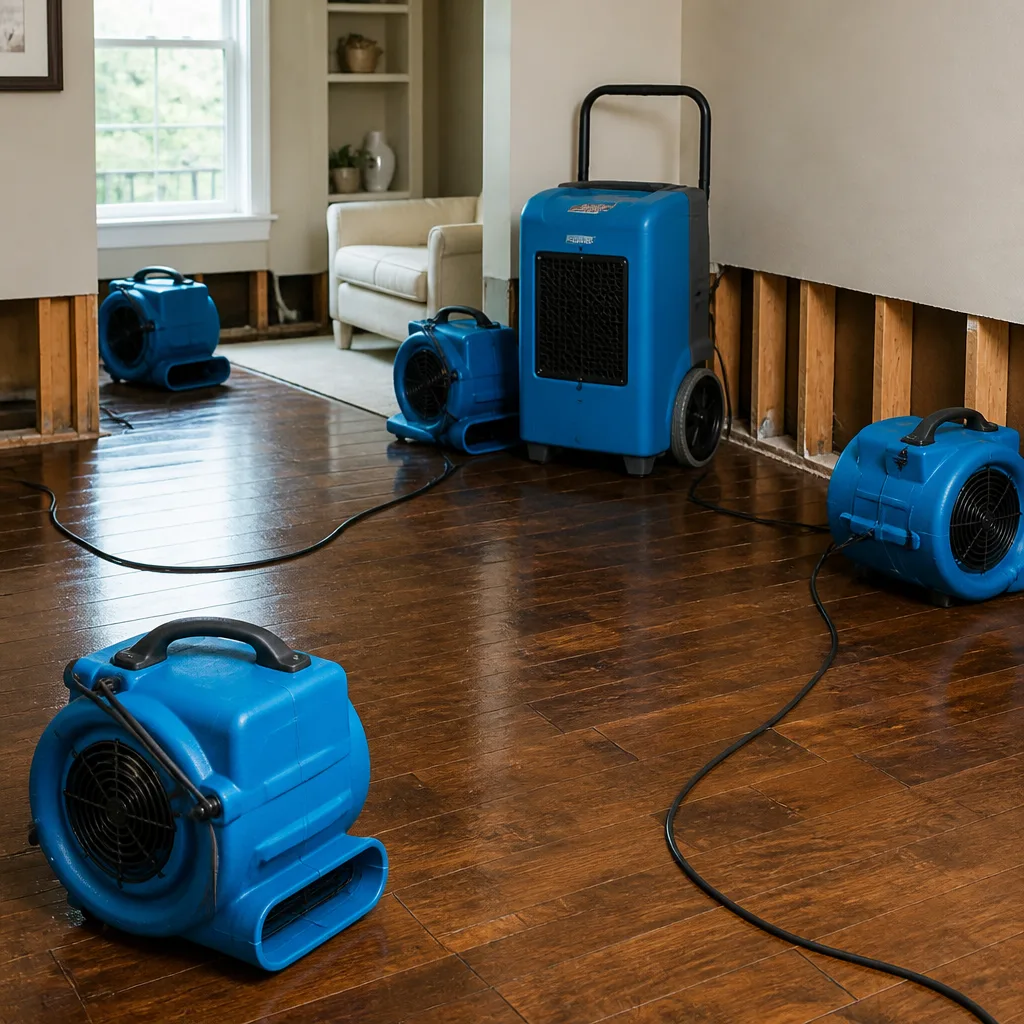
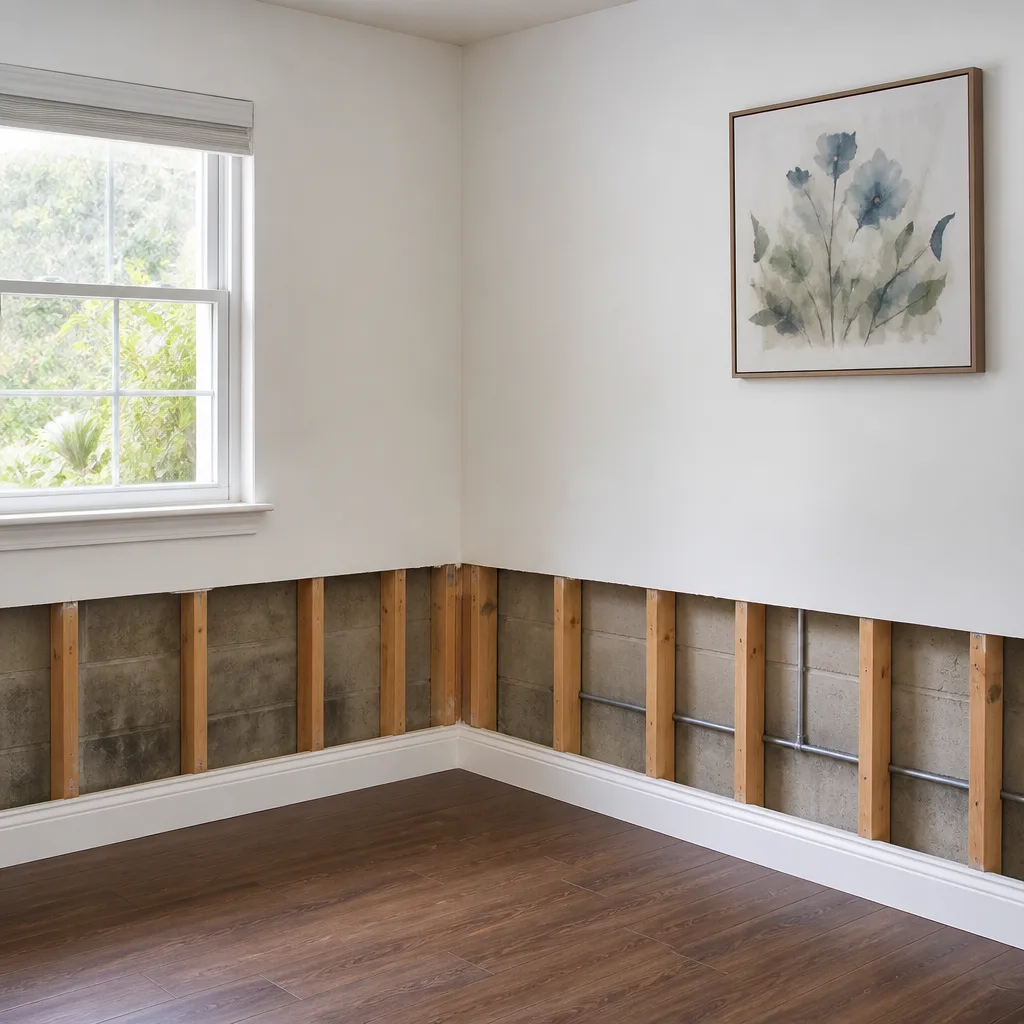
 Before
 After
After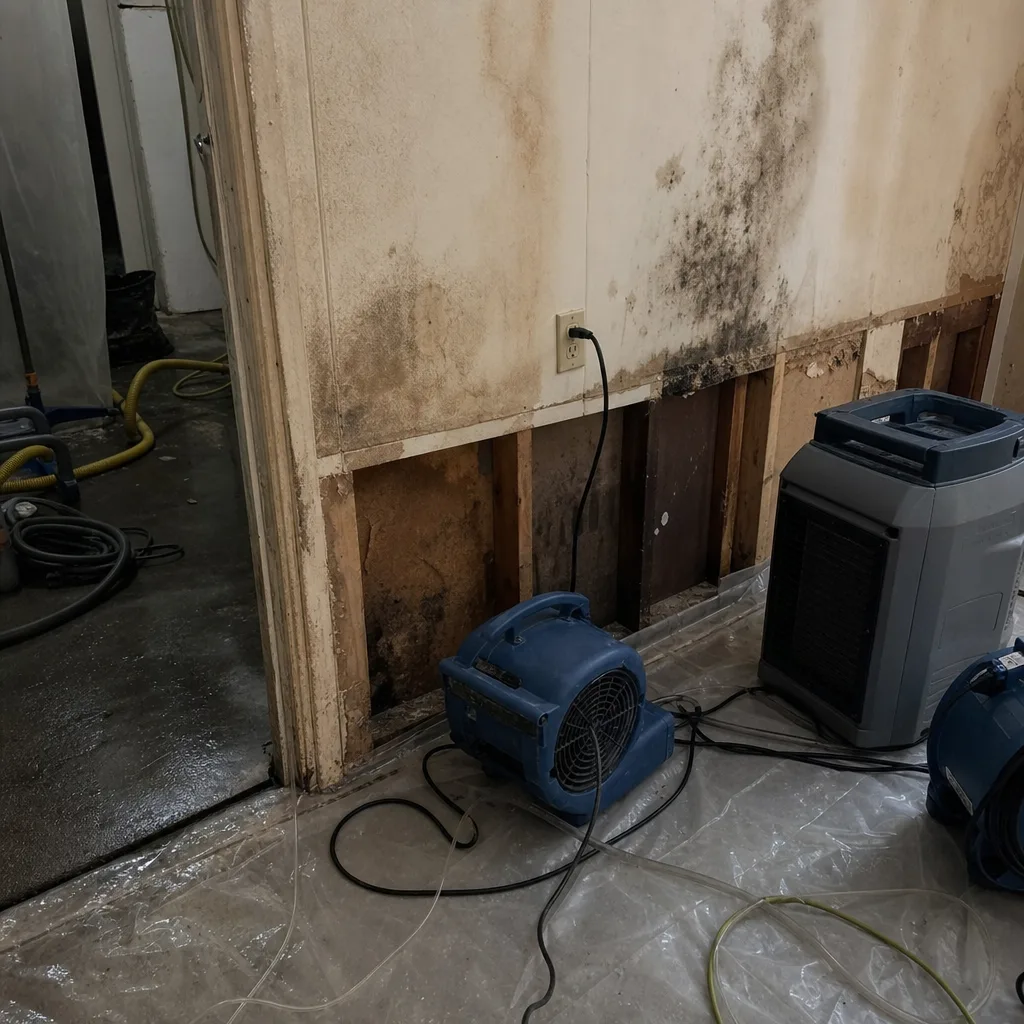 Before
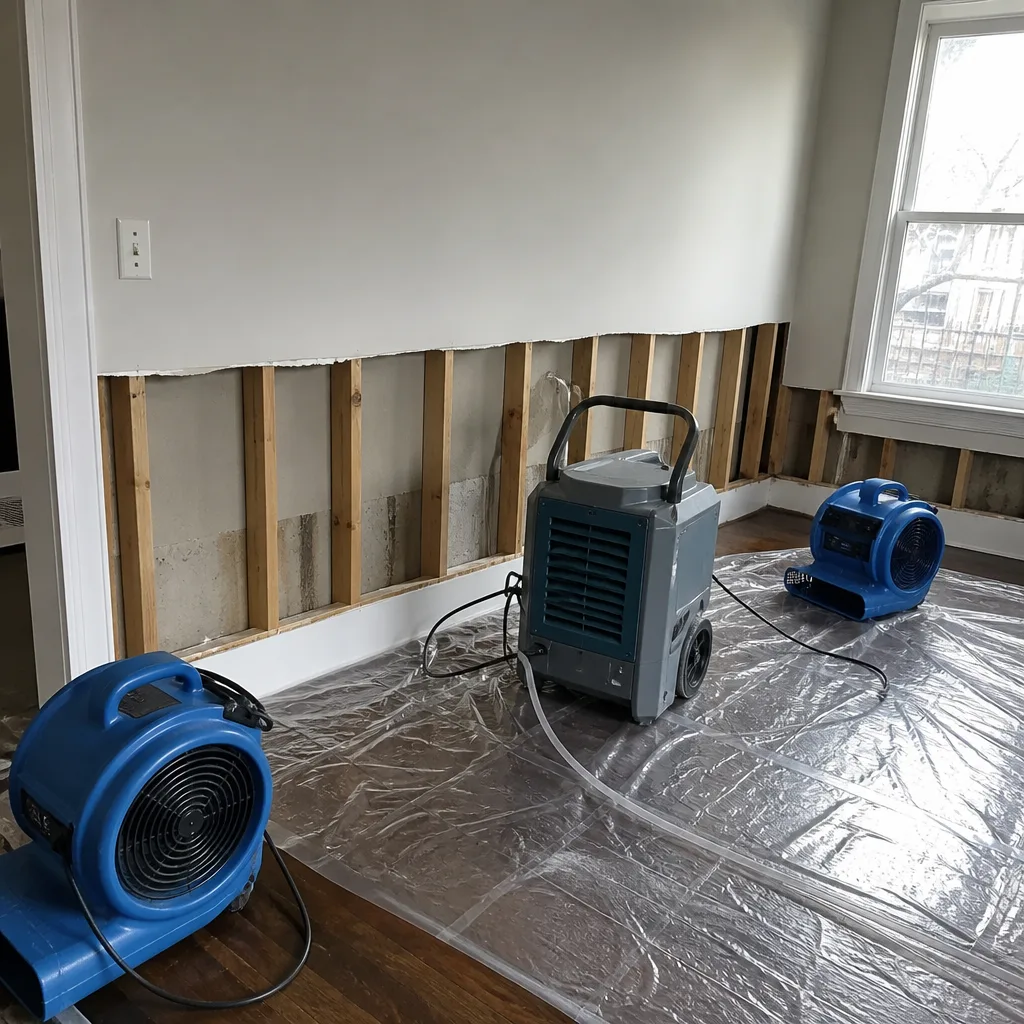 After
After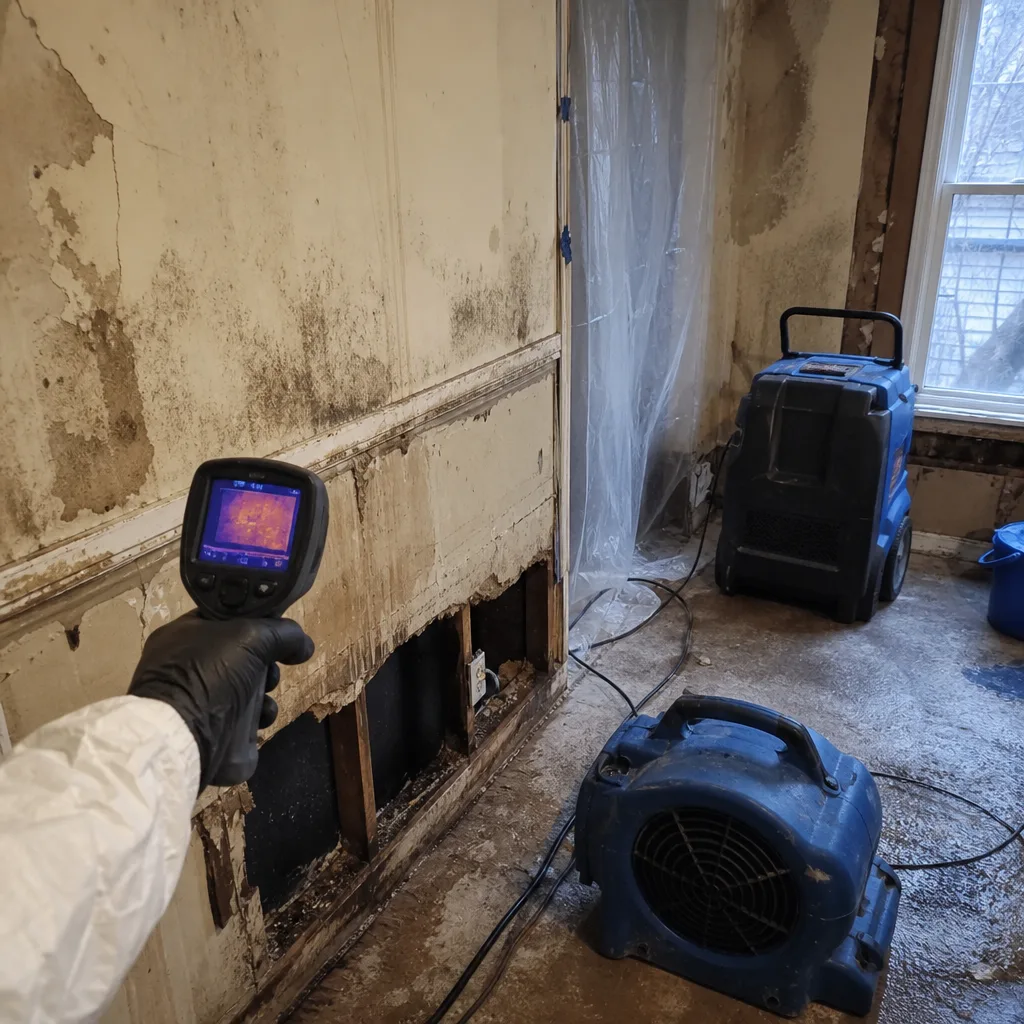 Before
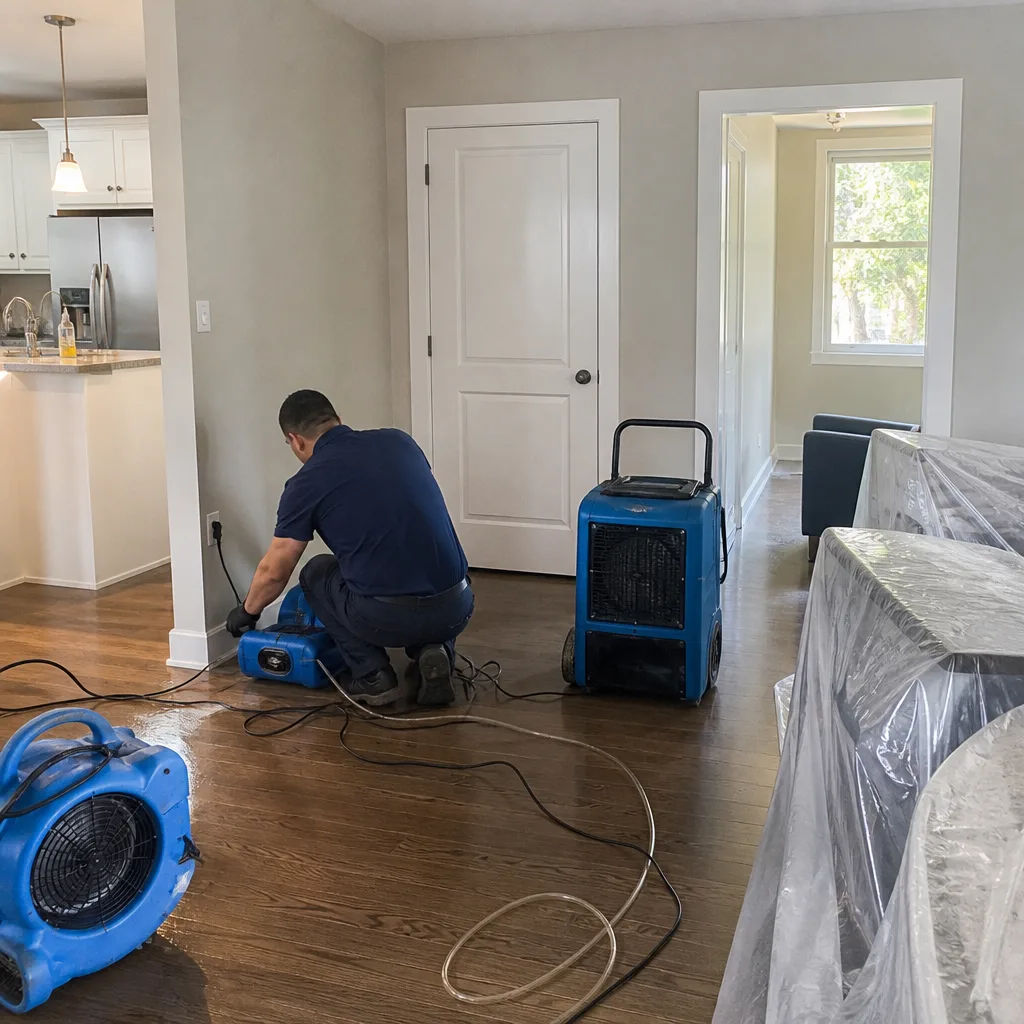 After
AfterDamage Restoration Cost Breakdown: The Hoboken Homeowner’s Reference for 2026
Xactimate, the pricing software that 80% of U.S. insurers use to settle restoration claims, publishes regional line-item rates for Hoboken’s zip codes - 07030, 07086, and 07047 - and most homeowners never see them. A typical water damage invoice in Hoboken runs $4,200 to $12,800 depending on square footage, material type, and how many floors are affected, but 60-70% of that total is equipment rental and labor time - both verifiable against the same rate tables your adjuster carries into negotiations. In this guide, we’ll break down exactly what each line item costs in Hoboken’s market, why insurers dispute certain charges, and how the documentation you receive (or don’t) directly affects your final out-of-pocket.
Quick Answer
Water damage restoration in Hoboken costs between $4,200 and $12,800 for most residential jobs in 2026, with equipment and labor comprising 60-70% of the total. A properly documented claim with daily drying logs, photo records, and written scope typically settles faster and with fewer disputed charges than one without. Your contractor’s invoice should align with Xactimate regional rates for Hudson County, or include a written explanation of any deviation.
Table of Contents
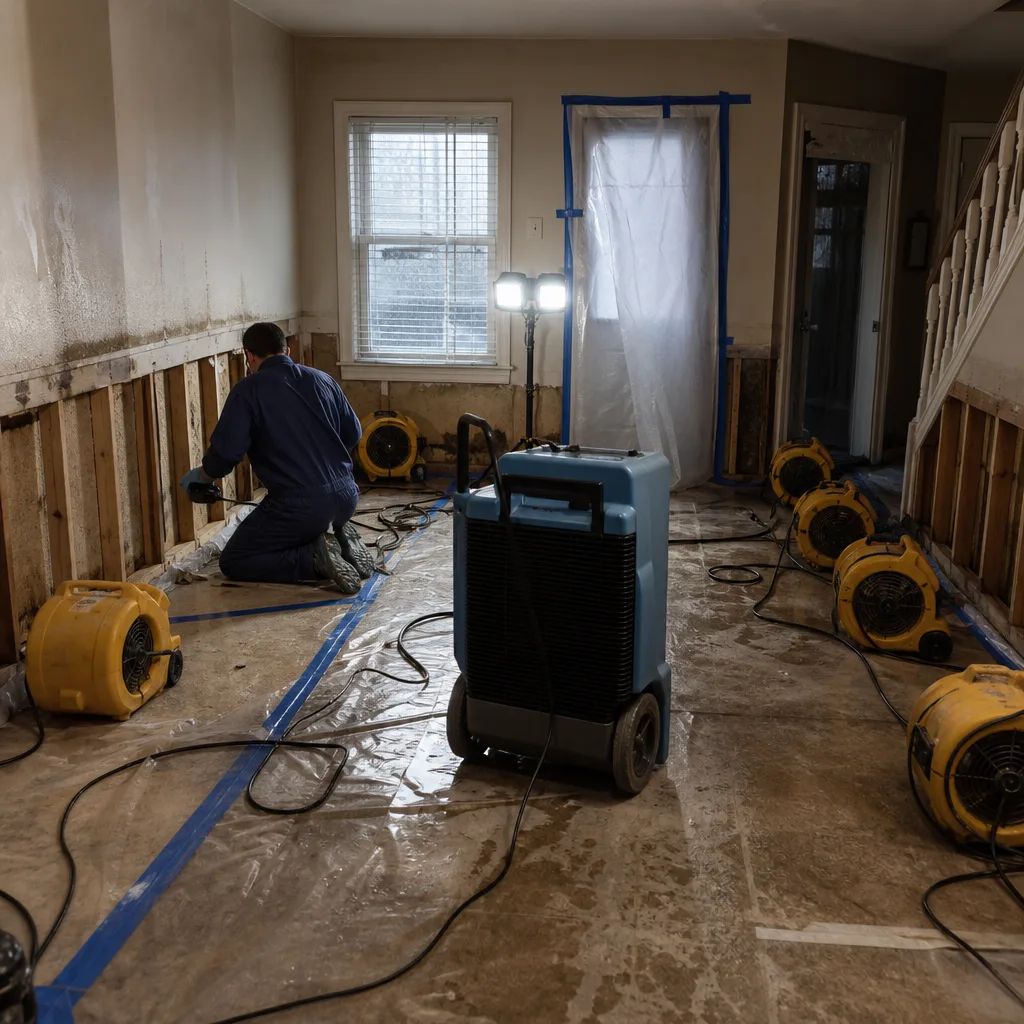
- How Xactimate Rates Work in Hoboken
- Breaking Down the Typical Water Damage Invoice
- How Hoboken Housing Stock Affects Restoration Costs
- The Three Dispute Categories Insurers Watch
- Documented vs. Undocumented Claims: The Cost Difference
- Your Invoice Review Checklist
- Mold, Fire, and Specialty Restoration Pricing
- Common Mistakes to Avoid
- When to Call a Professional
- Frequently Asked Questions
- The Bottom Line
BeforeAfterHow Xactimate Rates Work in Hoboken
Xactimate does not pull prices from thin air. The software aggregates actual contractor invoices, material supplier data, and regional labor rates by zip code, then publishes updated line-item costs quarterly. For Hoboken, the 2026 Hudson County rate set reflects three market realities: high commercial insurance penetration, dense urban logistics (narrow streets, limited staging, parking permits), and a building stock that skews pre-war with plaster, hardwood, and multi-story construction.
When an adjuster opens a claim for a flooded basement on Garden Street or a burst pipe in a Maxwell Place condo, they select line items from this same rate table. If your contractor charges $47 per hour for a water technician and Xactimate lists $44, that $3 difference may be flagged. If your contractor charges $67 with no explanation, the insurer will demand documentation. The contractor who provides a written scope citing plaster-specific drying protocols, or a parking permit fee for Hoboken’s metered zones, has a defensible position. The contractor who does not faces downward pressure on every line item.
Here’s what this means practically: Xactimate rates are not ceilings. They are reference points. A contractor can charge above the rate for legitimate reasons - specialized equipment, after-hours mobilization, hazardous material handling - but must document those reasons in writing. Haven Standard, Clause 1 requires that written price before work begins precisely so these deviations are transparent from the start, not invented after the insurer pushes back.
In Hoboken specifically, we’ve seen three factors consistently justify rates above the Xactimate baseline:
- Parking and access logistics: Metered street parking, resident permit zones, and building loading dock restrictions add 15-30 minutes per visit to most jobs between Observer Highway and the waterfront.
- Plaster and lath construction: Pre-war buildings throughout the Historic District and southwest Hoboken require slower, lower-temperature drying to prevent cracking and delamination, extending equipment days by 20-40% compared to standard drywall.
- Elevator and stair access: Walk-up buildings on Willow Avenue or Jefferson Street limit equipment size and increase labor hours for material transport.
Each of these factors should appear in your written scope, with the specific address and building condition noted. If they don’t, your invoice lacks the documentation that turns a disputed charge into a paid claim.
Breaking Down the Typical Water Damage Invoice
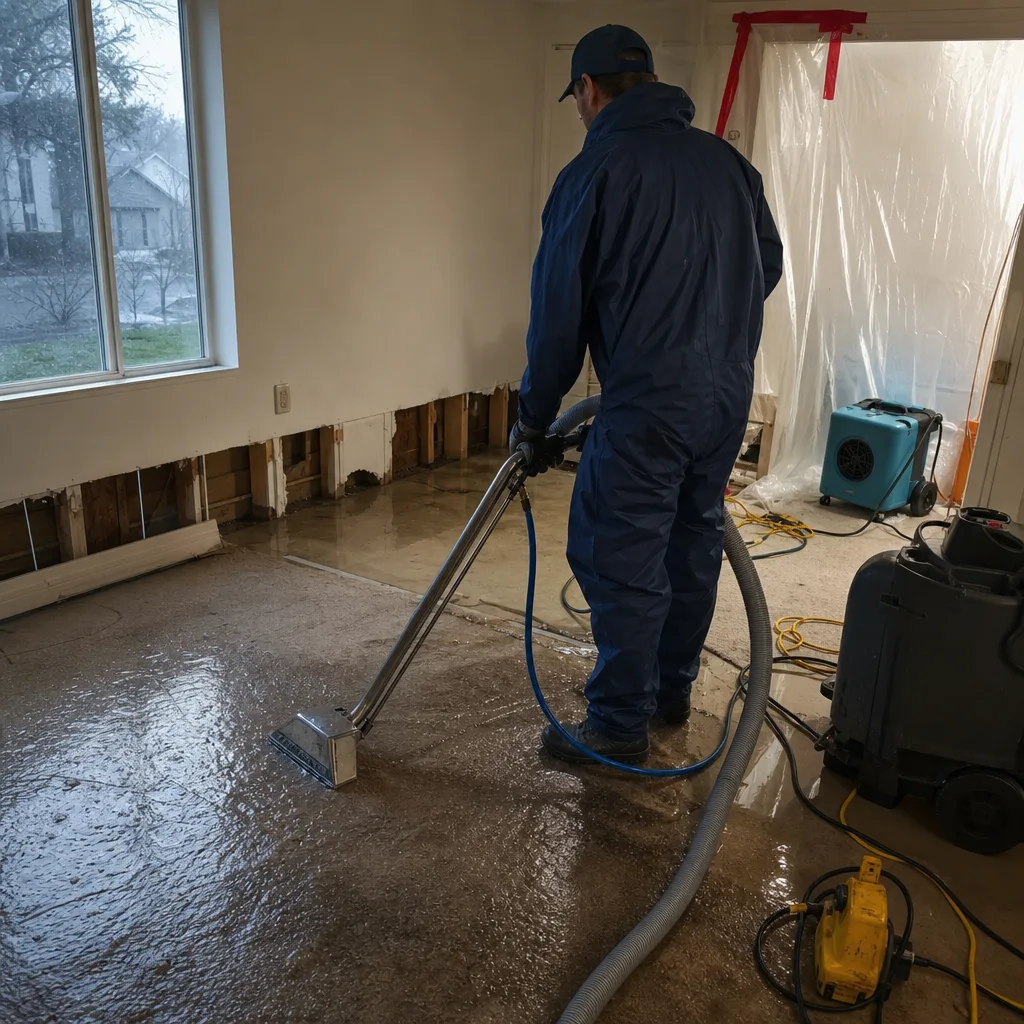
A standard water damage invoice in Hoboken separates into five categories: equipment, labor, demolition, disposal, and rebuild. Understanding the unit cost of each lets you verify whether your total aligns with regional norms or requires additional scrutiny.
The following ranges reflect 2026 Xactimate Hudson County rates for residential water damage, with Hoboken-specific adjustments where applicable. These are not DryMark Restoration Hoboken prices - they are the industry reference points that insurers use to evaluate any invoice.
| Category | Line Item | Typical Range (Hoboken 2026) |
|---|---|---|
| Equipment | Dehumidifier (per day) | $85 - $140 |
| Equipment | Air mover (per day) | $28 - $45 |
| Equipment | Injectidry hardwood drying system (per day) | $175 - $260 |
| Equipment | Desiccant dehumidifier (per day) | $220 - $340 |
| Labor | Water damage technician (per hour) | $44 - $67 |
| Labor | Supervisor/project manager (per hour) | $62 - $95 |
| Demolition | Drywall removal (per square foot) | $2.80 - $4.50 |
| Demolition | Plaster removal (per square foot) | $4.20 - $7.80 |
| Demolition | Hardwood flooring removal (per square foot) | $3.50 - $5.60 |
| Disposal | Debris removal and disposal (per cubic yard) | $85 - $140 |
| Rebuild | Drywall installation (per square foot) | $3.20 - $5.40 |
| Rebuild | Hardwood floor refinishing (per square foot) | $5.80 - $9.20 |
| Rebuild | Paint, primer, finish (per square foot) | $1.80 - $3.40 |
Equipment typically represents 35-45% of a total invoice, labor 25-35%, demolition 10-15%, disposal 5-8%, and rebuild 10-20% depending on whether the contractor handles reconstruction or subcontracts it. The rebuild percentage varies most widely because some homeowners choose to hire their own contractor for finish work, while others prefer a single-source restoration company. For help deciding, see our DIY vs Professional Damage Restoration: The Hoboken Homeowner’s Decision Guide.
Equipment days drive the total more than any other variable. A standard residential dehumidifier in a Hoboken brownstone basement might run 4-6 days for a clean water loss with prompt extraction, or 10-14 days for a gray water loss with delayed response. Each additional day adds $85-$140 to the equipment subtotal. This is why daily drying logs matter: they prove the equipment was necessary each day it sat in your home, with psychrometric data (temperature, relative humidity, and specific humidity readings) showing progressive moisture reduction. Without those logs, an insurer may challenge equipment days 7 through 14 as unnecessary overstays.
Labor hours follow a similar pattern. Initial water extraction and setup might require 4-6 technician hours. Daily monitoring visits add 1-2 hours each. Demolition of wet drywall in a 400-square-foot basement apartment could run 6-10 hours. Plaster demolition takes longer - the material is harder, the lath behind it must be handled separately, and the dust containment requirements are stricter in occupied buildings. In Hoboken’s dense housing, where a single building contains four to six units, containment and negative air pressure add labor time that wouldn’t apply to a detached suburban home.
How Hoboken Housing Stock Affects Restoration Costs
Hoboken’s building inventory is not generic. The city contains roughly 15,000 housing units built before 1940, thousands of post-war brick apartment buildings, and a growing stock of glass-and-steel condos along the Hudson River waterfront. Each type responds differently to water intrusion, and each requires distinct restoration approaches with measurable cost differences.
Pre-war brownstones and walk-ups (roughly 1860-1930): These buildings dominate the Historic District, southwest Hoboken below Newark Street, and pockets along Willow and Garden. Construction is balloon framing with plaster and lath walls, hardwood strip flooring over subfloors, and limited or no vapor barriers. When water enters, it travels through wall cavities and floor systems with little resistance. Drying requires extended equipment time, and demolition of plaster is labor-intensive. We’ve documented jobs on Hudson Street where plaster removal alone added $2,800 to the demolition line compared to an equivalent drywall job. The trade-off: plaster, properly dried, often survives where drywall must be removed. A contractor who understands the material can save substantial rebuild cost by drying in place with controlled heat and desiccant dehumidification.
Post-war brick apartments (1940-1980): Common along Clinton Street, Monroe Street, and the midtown blocks. These buildings typically have concrete or cinder block foundations, steel stud or furring strip interior walls, and resilient flooring (vinyl, linoleum, or early laminate). Water damage here tends to be more localized - a single unit’s kitchen or bathroom - but concrete foundations wick moisture slowly and can harbor hidden saturation. The cost driver is not demolition but detection: moisture meters with extended probes, thermal imaging to find block wall saturation, and extended monitoring to confirm the concrete has dried to acceptable equilibrium moisture content (typically below 4% for concrete, measured with a calcium chloride test or in-situ relative humidity probe).
Waterfront condos (1990-present): Buildings like Maxwell Place, Hudson Tea, and the W Hotel residences have concrete construction, modern waterproofing, and typically gypsum drywall with synthetic finishes. Water losses here are often upper-floor leaks - a failed washing machine hose, an overflowing bathtub - with damage contained to a single unit’s finish materials. Equipment costs run lower, but the finish quality demands precise matching. A $400 paint job in a pre-war rental becomes a $2,400 finish restoration in a condo with custom Venetian plaster or imported tile. Insurance adjusters sometimes miss this distinction, applying standard grade finishes to luxury units. Your written scope should specify the existing material by manufacturer or trade name where possible, with photo documentation before demolition begins.
Basement and garden-level units: Common throughout Hoboken, especially in converted brownstones and newer buildings with amenity levels below grade. These spaces face unique risk from Hudson River tidal influence, combined sewer overflow during heavy rain, and foundation seepage. We’ve measured foundation walls in southwest Hoboken that registered 18% moisture content during dry summer weeks - baseline dampness that complicates any new water intrusion. Restoration here often requires vapor barrier installation, sump pump evaluation, and coordination with Hoboken’s floodplain management requirements. See Damage Restoration Permits, Codes & Inspections in NJ: What You Need to Know for compliance details. The city participates in the National Flood Insurance Program, and properties in the AE flood zone (much of the waterfront and low-lying areas) have specific documentation requirements for flood-related claims.
The Three Dispute Categories Insurers Watch
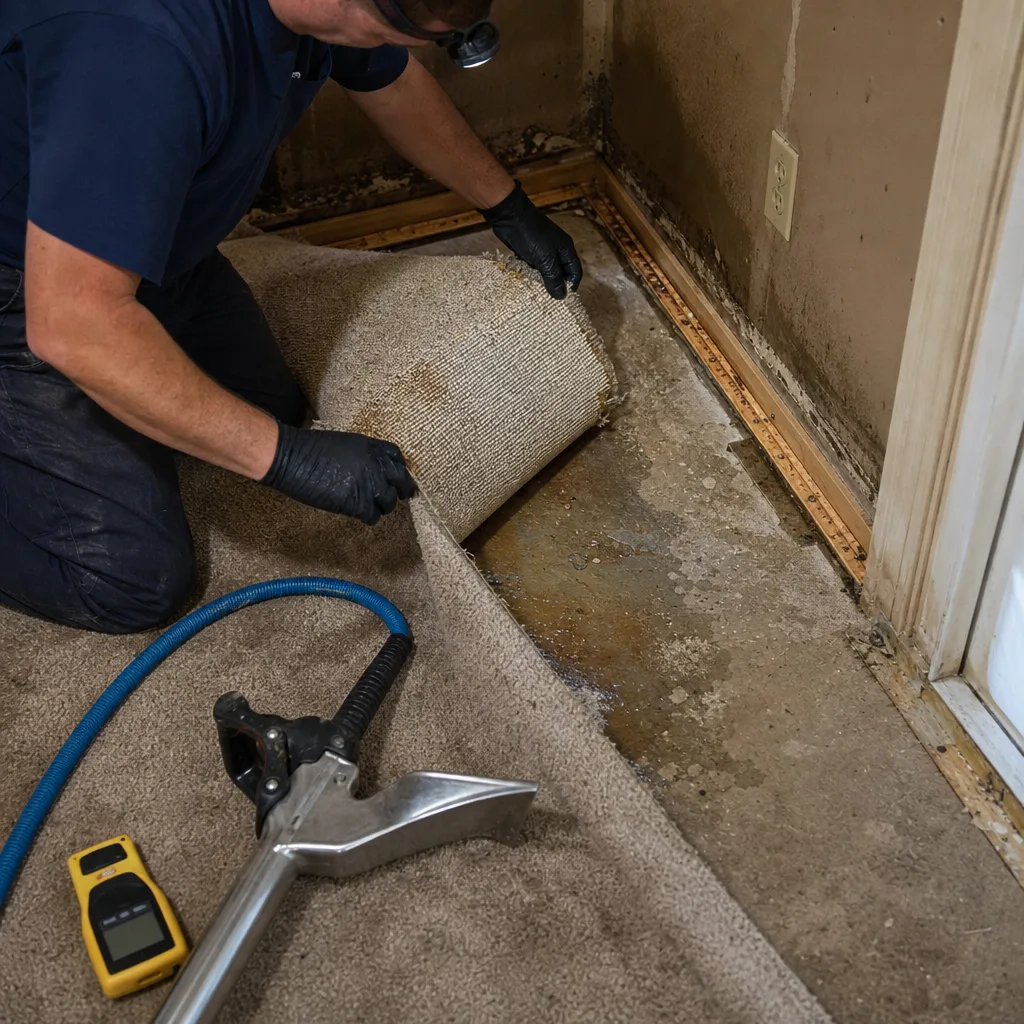
After reviewing thousands of claims, insurers and their adjusters consistently flag three categories of restoration charges. Understanding these disputes before they arise lets you demand the documentation that prevents them.
1. Equipment Overstay
This is the most common dispute, and the most expensive for homeowners when it succeeds. An insurer questions whether dehumidifiers, air movers, or specialized drying equipment remained on site longer than necessary. The typical challenge: “Why did this job require 12 days when similar losses average 6?”
The defense is daily documentation. Each day equipment runs, the contractor should record: specific humidity readings at multiple locations, temperature, equipment type and serial number, and a narrative note on drying progress. Psychrometric data - the relationship between air temperature, humidity, and vapor pressure - proves whether the environment was still actively drying or had reached equilibrium. Without this data, the insurer applies an average equipment duration from their statistical models, which may cut your covered days in half.
In Hoboken, equipment overstay disputes are particularly common with hardwood floor drying. Water damage restoration in Hoboken frequently involves original pine or oak strip flooring in pre-war buildings. Contractors sometimes deploy Injectidry mat systems or tent-and-dry approaches for extended periods without documenting why standard drying failed. A proper log shows moisture readings from the subfloor, the finish floor surface, and the wood itself (measured with a pin-type meter calibrated for the species), with a clear decision point for when drying in place transitions to removal.
2. Unnecessary Demolition
Insurers challenge demolition when the scope includes removal of materials that could have been dried in place, or when demolition extends beyond the clearly water-damaged area. The adjuster’s position: “You removed 400 square feet of drywall when 150 square feet showed visible water staining.”
The defense is pre-demolition photo documentation with moisture meter readings at regular intervals beyond the visible damage. Water wicks horizontally in wall cavities and vertically through capillary action; the visibly wet surface is rarely the full extent. A contractor who photographs the moisture meter probe inserted at 16-inch intervals, with readings above 16% for wood or above 1% for drywall (indicating active moisture above ambient), has evidence that demolition matched the actual damage perimeter. Without these photos, the insurer assumes overreach.
In Hoboken plaster buildings, this dispute takes a specific form. Plaster can retain moisture for weeks while appearing sound, then fail catastrophically months later. A contractor who documents progressive moisture readings showing decline toward equilibrium, with notes on drying protocol adjustments, can defend the decision to dry in place. One who simply leaves equipment running without data invites a challenge if the plaster later fails and requires emergency removal.
3. Undocumented Subcontractors
Many restoration companies subcontract electrical, plumbing, HVAC, or reconstruction work. Insurers do not object to subcontracting - they object to undocumented markup and unverified qualifications. The dispute: “Your invoice shows $3,200 for electrical, but no subcontractor invoice, no license verification, and no scope detailing what was done.”
The defense is a written chain of documentation. The primary contractor’s scope should identify each subcontractor by name and license status, attach the subcontractor’s written scope and invoice, and specify the management fee (typically 10-20%) as a separate line item. In New Jersey, electrical and plumbing subcontractors must hold active licenses from the State Board of Examiners of Electrical Contractors or the State Board of Examiners of Master Plumbers. A contractor who cannot produce these credentials may have their subcontractor charges reduced or denied.
At DryMark Restoration Hoboken, every subcontractor is named, license-verified, and documented in the job file before work begins. The customer receives the subcontractor’s scope as part of the overall written price under Haven Standard, Clause 1. No surprise additions appear after the crew is inside.
Documented vs. Undocumented Claims: The Cost Difference
The financial gap between a documented and undocumented claim is not theoretical. We’ve reviewed competitor invoices where the difference exceeded $4,000 on a $9,000 job, entirely from disputed equipment days and challenged demolition scope. Here’s how the documentation you receive translates to dollars.
Scenario A: Minimal Documentation
The homeowner receives a one-page invoice with lump sums: “Water extraction: $1,200. Equipment: $3,800. Demolition: $2,400. Rebuild: $4,600.” No daily logs, no photos, no moisture readings, no equipment serial numbers. The adjuster applies standard durations: 5 equipment days instead of the 9 charged, 120 square feet of demolition instead of 280, and standard grade finishes instead of the existing materials. The homeowner faces a $3,400 shortfall between the invoice and the insurance payment, with no documentation to appeal.
Scenario B: Full Documentation
The homeowner receives: a written scope before work begins (Haven Standard, Clause 1), daily drying logs with psychrometric data, photo records from every visit showing equipment placement and moisture readings, equipment serial numbers and run-time documentation, and a final report with pre- and post-damage photos. The adjuster verifies each line item against the data. Equipment days match the drying curve. Demolition perimeter matches the moisture map. The claim pays at 95-100% of submitted charges, typically within 14-21 days instead of 60-90 days of back-and-forth.
The direct cost difference is not just the disputed amount - it’s the carrying cost of the delay, the potential for uncovered secondary damage, and the homeowner’s time spent in dispute. In Hoboken’s rental market, where a delayed restoration can mean lost tenant income or breach of lease obligations, the indirect costs often exceed the direct insurance shortfall.
Our documentation standard at DryMark Restoration Hoboken includes:
- Written scope before work begins: Every line item, every material specification, every labor hour estimated - signed by the customer and the project manager before equipment enters the building.
- Daily drying log: Date, time, technician name, equipment list with serial numbers, ambient readings (temperature, relative humidity, specific humidity), affected material readings at multiple points, and a narrative progress note.
- Photo record on every visit: Minimum 8-12 photos per visit, geo-tagged and time-stamped, showing equipment operation, moisture measurement locations, and any changes to the work area.
- Final documentation package: Complete invoice with line-item backup, certificate of completion with moisture clearance readings, and the 365-Day Done Right Promise under The Haven Standard.
This package is not an upsell. It is standard on every job, because a restoration invoice without documentation is a claim waiting to be denied.
Your Invoice Review Checklist
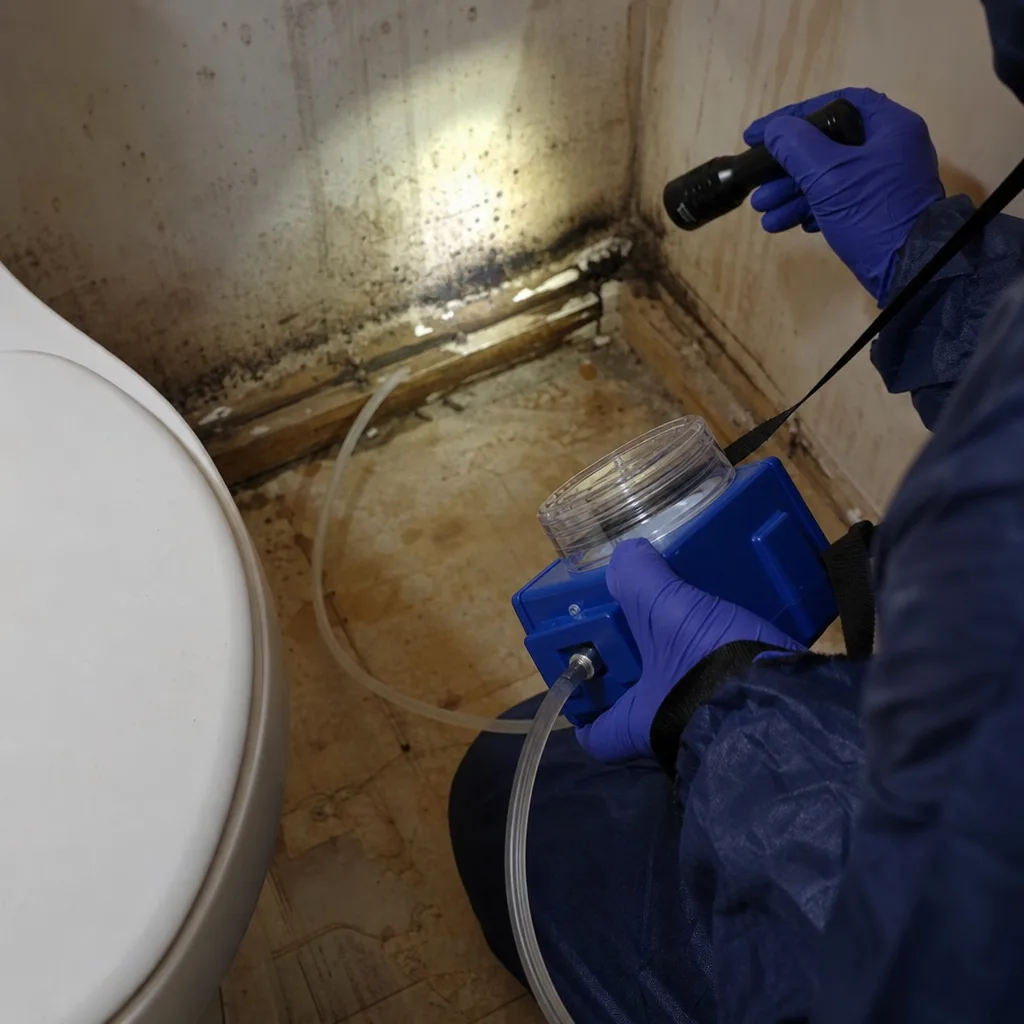
Before signing any certificate of completion or releasing final payment, review your restoration invoice against this checklist. Each item corresponds to a common dispute point or documentation requirement. Missing items deserve questions; multiple missing items deserve a second opinion.
| Check | What to Verify | Red Flag |
|---|---|---|
| ☐ | Written scope dated before work began, with your signature | Scope dated after work started, or no scope at all |
| ☐ | Each line item references Xactimate or includes written justification for deviation | Round numbers without unit costs ($5,000 for “equipment”) |
| ☐ | Equipment listed by type, quantity, and daily rate with serial numbers | Equipment as lump sum with no daily breakdown |
| ☐ | Labor hours itemized by date, technician, and task | Single labor line with no hour or rate detail |
| ☐ | Daily drying log with moisture readings and psychrometric data | No log, or log without specific humidity readings |
| ☐ | Photo record from every visit, with dates and descriptions | Photos only from day one and final day |
| ☐ | Demolition scope matches moisture map and photo evidence | Demolition area larger than documented moisture damage |
| ☐ | Subcontractor names, license numbers, and scopes attached | Subcontractor work with no supporting documentation |
| ☐ | Rebuild materials specified by grade, manufacturer, or equivalent | “Paint” or “flooring” with no product specification |
| ☐ | Warranty or guarantee in writing, with specific coverage period | Verbal assurance only, or “satisfaction guaranteed” with no terms |
Bring any invoice with three or more red flags to DryMark Restoration Hoboken for a Free Second Opinion on Any Written Estimate. We’ll review the scope, the documentation, and the pricing against Xactimate regional rates at no charge. Haven Standard, Clause 1 applies to our own estimates, and we extend the same scrutiny to competitor invoices because documentation gaps cost homeowners regardless of who does the work.
Mold, Fire, and Specialty Restoration Pricing
Water damage dominates restoration volume, but mold remediation, fire and smoke damage, and biohazard cleanup follow distinct pricing structures with their own documentation requirements. Understanding these differences prevents the common error of applying water damage expectations to specialty losses.
Mold Remediation
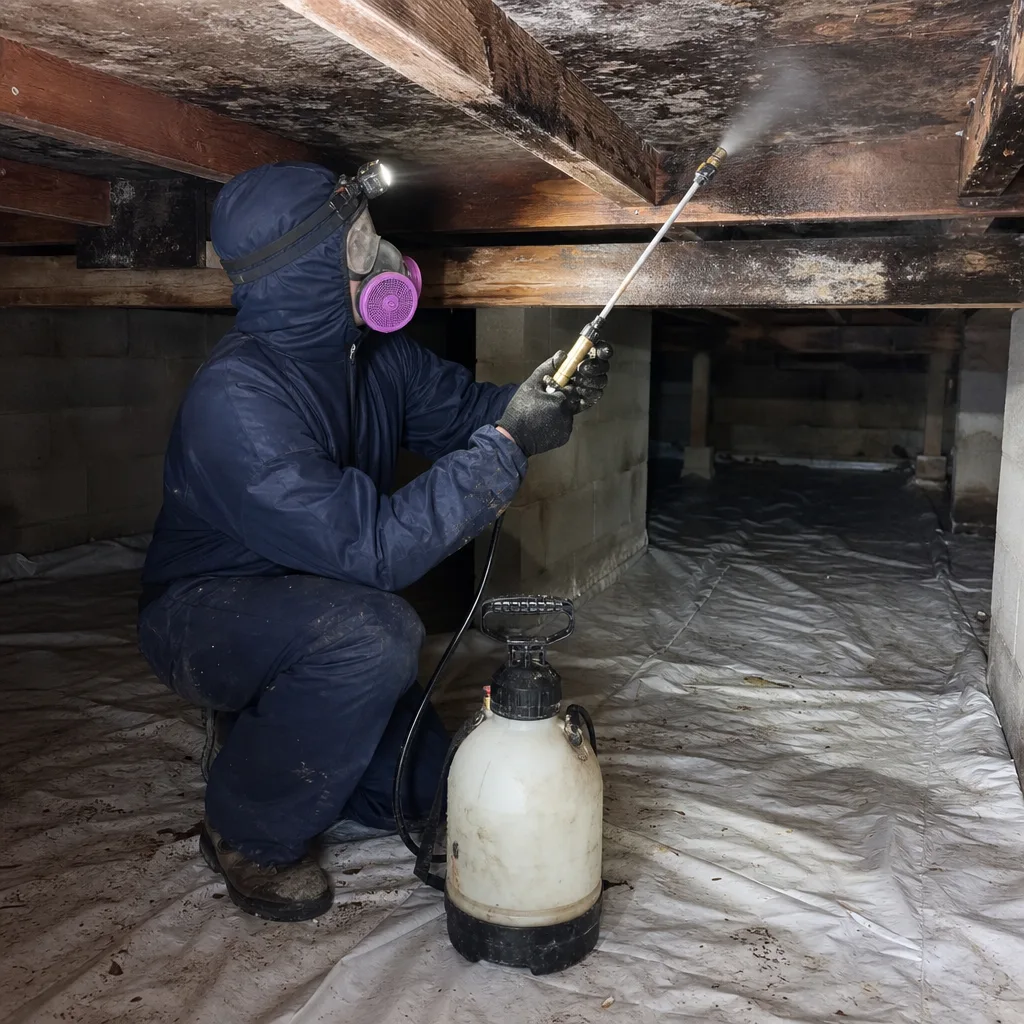
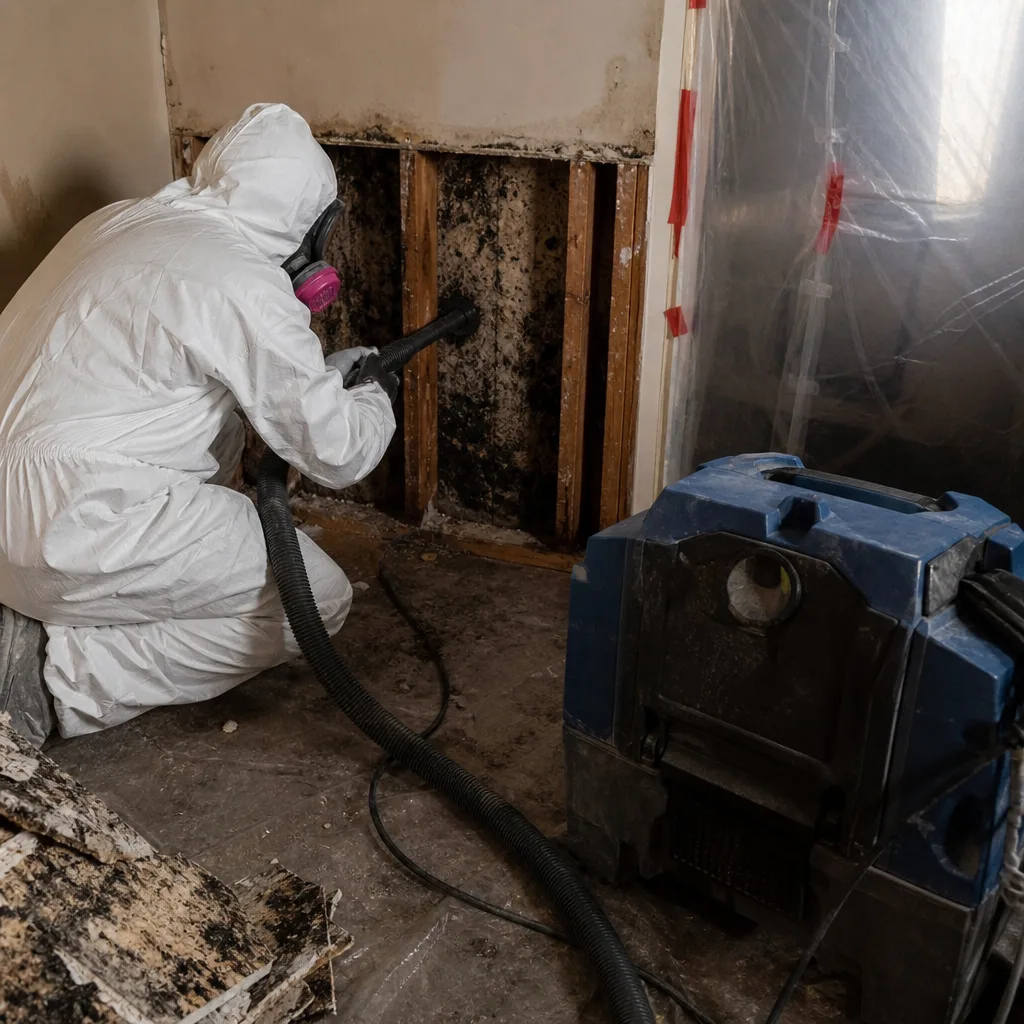
Mold remediation in Hoboken typically costs $2,800-$8,500 for residential jobs, with the wide range reflecting affected square footage, accessibility, and the critical distinction between visible mold growth and airborne spore contamination. The pricing unit is not “mold removal” but contained square feet of affected surface, with separate line items for: containment barrier construction (poly sheeting, negative air machines, HEPA filtration), removal and disposal of contaminated materials, HEPA vacuuming and damp-wiping of remaining surfaces, and post-remediation verification testing (air sampling or surface sampling by an independent third party).
Insurers dispute mold claims more aggressively than water damage, often citing “long-term moisture” exclusions or demanding proof that the mold resulted from a covered peril. Documentation requirements are stricter: pre-remediation photos showing visible growth, moisture source identification and repair, containment air pressure logs showing negative pressure maintenance throughout the project, and independent post-remediation verification. In Hoboken’s pre-war buildings, we’ve encountered mold concealed behind intact plaster for years, fed by chronic foundation seepage or failed roof flashing. The remediation scope must address the moisture source, or the mold returns and the insurer denies the subsequent claim as maintenance-related.
Never accept a mold remediation proposal without: a written scope defining the containment perimeter, independent post-remediation verification included in the price, and a warranty covering recurrence if the moisture source was properly addressed. Mold remediation in Hoboken without these elements is incomplete by IICRC S520 standards and invites future liability.
Fire and Smoke Damage
Fire & smoke damage restoration in Hoboken follows a fundamentally different cost structure than water or mold. The initial emergency service - board-up, tarping, water extraction from fire suppression - is typically straightforward to price. The complex work is contents evaluation, structural cleaning, and odor removal, which require specialized equipment and labor categories not found in standard water damage.
Contents cleaning alone may represent 30-50% of a fire restoration total, with items sorted into categories: salvageable with cleaning, salvageable with restoration (electronics, documents, artwork), and non-salvageable with documented replacement value. Each category requires different handling, documentation, and pricing. Non-salvageable items need detailed inventory with age, condition, and replacement cost - information the homeowner must provide, but the contractor must organize for the insurance submission.
Odor removal in dense Hoboken housing presents specific challenges. Thermal fogging, ozone treatment, and hydroxyl generation each have applications and limitations. Ozone, effective on smoke odor, cannot be used in occupied spaces and requires specific dwell times. Hydroxyl generators are safer for occupied buildings but slower. A contractor who specifies equipment without explaining the protocol, or who treats odor as a single line item rather than a multi-phase process, has not scoped the job thoroughly.
Structural rebuild after fire is typically the largest cost component, often exceeding the emergency restoration. This work should be scoped separately, with architectural drawings if required by Hoboken’s building department, and should not begin until the structural integrity assessment and contents inventory are complete. Promising “fast turnaround” on fire rebuild is a warning sign - proper sequencing prevents costly rework.
Biohazard and Crime Scene Cleanup
Biohazard cleanup - trauma scenes, unattended death, sewage backup - carries premium pricing due to regulatory requirements, specialized disposal, and technician certification. Costs typically start at $3,500 for limited contamination and can exceed $15,000 for extensive scenes requiring structural removal. The pricing unit is affected square footage with contamination level classification (Category 1: limited, Category 2: significant, Category 3: pervasive), plus disposal fees for biohazardous waste transported by licensed medical waste carriers.
Documentation for biohazard jobs serves legal and regulatory purposes beyond insurance. Chain-of-custody records for removed materials, OSHA compliance documentation for bloodborne pathogen exposure, and final clearance testing by an environmental hygienist are standard deliverables, not optional add-ons. In Hoboken, biohazard waste must be transported to licensed facilities in compliance with New Jersey Department of Environmental Protection regulations - a logistical requirement that affects scheduling and cost.
Common Mistakes to Avoid
- Accepting a verbal estimate for emergency work. Hoboken’s dense housing means water spreads fast between units, and emergency contractors sometimes arrive with pump trucks running before discussing price. Insist on a written scope before work begins, even if limited to emergency stabilization. Haven Standard, Clause 1 exists because we’ve seen $8,000 emergency bills with no documentation to support them.
- Confusing mitigation with rebuild pricing. Mitigation - water extraction, drying, demolition - is urgent and priced by time and equipment. Rebuild - drywall, flooring, paint - is construction work that should be scoped, scheduled, and priced like any remodeling job. A contractor who blends these phases into a single “restoration” price obscures the true cost of each and makes insurance verification impossible.
- Ignoring Hoboken’s flood zone requirements. Properties in the AE flood zone (FEMA Flood Insurance Rate Map panels for Hudson County) have specific documentation requirements for National Flood Insurance Program claims. Standard homeowner’s policies exclude flood damage; flood policies require elevation certificates, pre-event photos, and proof of compliance with local floodplain management ordinances. A contractor unfamiliar with these requirements can produce perfect drying logs that still fail to support a flood claim.
- Signing a certificate of completion before verifying moisture clearance. The certificate releases the contractor from further obligation and often triggers final payment. Verify that final moisture readings are at or below dry standard for each material: typically 12% or below for wood framing, 4% or below for concrete, and equilibrium with unaffected reference areas for drywall and plaster. Without this verification, you may discover concealed moisture months later, when the contractor’s warranty period has expired.
- Assuming insurance coverage without reading the policy. New Jersey homeowner’s policies vary in water damage coverage, mold limits, and deductible structures. Some policies cap mold remediation at $10,000 regardless of actual cost. Others exclude sewer backup without a specific rider. Request a copy of your declarations page before work begins, and ask your contractor to scope within your coverage limits where possible. A contractor who won’t review your coverage with you is not planning for your financial outcome.
- Choosing the lowest bid without comparing documentation standards. A lower bid with no daily drying logs, no photo record, and no written warranty may cost more in disputed claims and uncovered work than a higher bid with full documentation. Compare the deliverables, not just the bottom line.
When to Call a Professional
Call a restoration professional immediately when: water has affected finished living space or is wicking into walls; you smell musty odor or see visible mold growth; fire or smoke has affected more than a single small item; sewage or contaminated water has entered your home; or structural damage from storm or impact has compromised weather protection. In each case, delayed response increases damage scope, equipment days, and final cost.
For water damage specifically, the critical window is the first 24-48 hours. After 48 hours, clean water degrades to gray water; after 72 hours, gray water approaches black water classification, triggering stricter remediation requirements and higher disposal costs. In Hoboken’s summer humidity, mold growth can begin on wet drywall within 48-72 hours - not a theoretical risk, but a documented outcome we’ve measured in buildings on Washington Street and Bloomfield Street.
DryMark Restoration Hoboken offers free estimates in Hoboken with live phone coverage 24 hours a day, 7 days a week - no voicemail on emergency lines. Every estimate includes a written price before work begins, a documented photo record on every visit, and the 365-Day Done Right Promise backed by The Haven Standard. Call (551) 212-1580 to schedule an assessment or request a Free Second Opinion on any competitor’s written estimate.
Frequently Asked Questions
A typical brownstone basement water damage restoration in Hoboken costs $5,500 to $11,000 in 2026, with plaster construction, limited access, and potential sewer backup risk driving costs toward the higher end. Equipment and labor represent 60-70% of the total, with extended drying time for plaster and hardwood the primary variable. Call (551) 212-1580 for a written estimate with line-item pricing - estimates are free.
Insurance coverage depends on your policy type, the water source, and your documentation quality. Sudden and accidental water damage from burst pipes is typically covered; gradual leaks and flood damage from exterior sources often are not. A documented claim with daily drying logs, photo records, and written scope typically settles at 90-100% of submitted charges, while undocumented claims face reductions of 20-40%. Review your declarations page with your contractor before work begins.
DryMark Restoration Hoboken maintains live phone coverage 24 hours a day, 7 days a week with no voicemail on emergency lines. Emergency response time to Hoboken addresses typically ranges from 45 minutes to 2 hours depending on traffic, parking, and building access requirements. For non-emergency assessments, same-day or next-day scheduling is usually available. Call (551) 212-1580 for current availability.
Mitigation is emergency stabilization - water extraction, drying, demolition, and contamination control - priced by time, equipment, and immediate labor. Rebuild is construction - drywall, flooring, paint, fixtures - scoped and scheduled like remodeling work. Mitigation cannot wait; rebuild should not begin until mitigation is complete and properly documented. Blending these phases into a single price obscures true costs and complicates insurance verification.
Legitimate rate deviations occur for documented reasons: after-hours mobilization, specialized equipment for historic materials, hazardous material handling, or restricted access requiring additional labor. The key word is documented - the contractor must provide written justification before work begins, not after the insurer challenges the invoice. Haven Standard, Clause 1 requires this transparency. A deviation without documentation is a red flag, not a premium service.
Daily drying logs are essential for insurance verification and warranty protection. Psychrometric data - temperature, relative humidity, and specific humidity readings - proves equipment was necessary each day it ran and documents progressive moisture reduction toward dry standard. Without this data, insurers apply statistical averages that may cut your covered equipment days by 30-50%. The log is also your protection against concealed moisture that could cause mold or structural damage after the contractor leaves. At DryMark Restoration Hoboken, daily drying logs are standard on every job, never an upsell.
The Bottom Line
Restoration pricing is not opaque - it is specific, verifiable, and governed by regional rate tables that insurers use daily. The Hoboken homeowner who understands Xactimate line items, demands written documentation, and reviews invoices against a structured checklist controls the claims process rather than submitting to it. Equipment days, labor hours, demolition scope, and rebuild materials each have measurable standards. The contractor who documents each standard in writing before work begins, with photo verification and daily progress records, delivers not just restoration but a payable claim. The contractor who does not leaves the homeowner to bridge the gap between invoice and insurance payment. Documentation is not paperwork; it is the difference between a settled claim and a disputed debt. In Hoboken’s market, where housing values are significant and insurance penetration is high, that difference is measured in thousands of dollars and months of delay.
Written by Alicia Brennan, Owner at DryMark Restoration Hoboken, serving Hoboken since 2011.