
Last updated September 23, 2026
Free visual inspection and a written scope of work before any mitigation begins - photos, moisture readings, and drying logs go in your claim file
The scope we write is the scope we bill. Anything new gets shown to you, in writing, before we touch it.
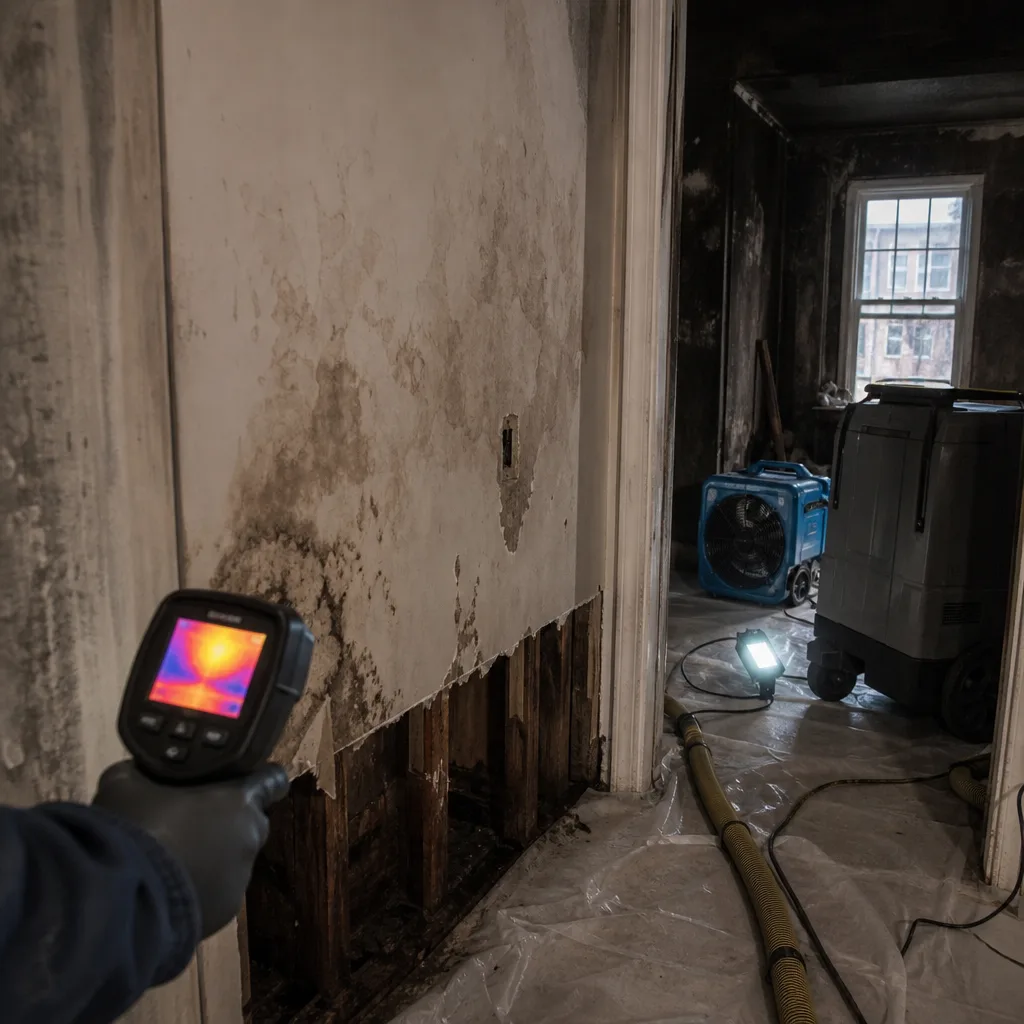 Before
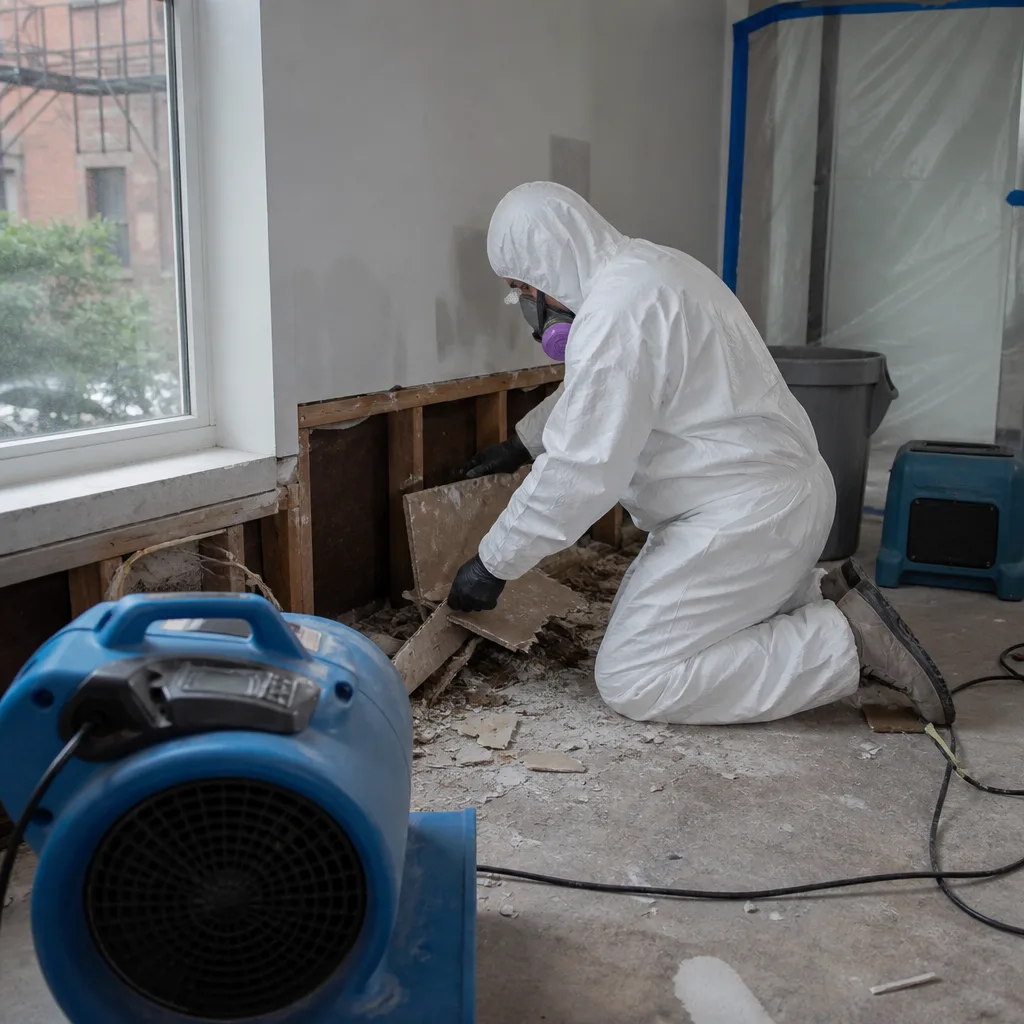 After
After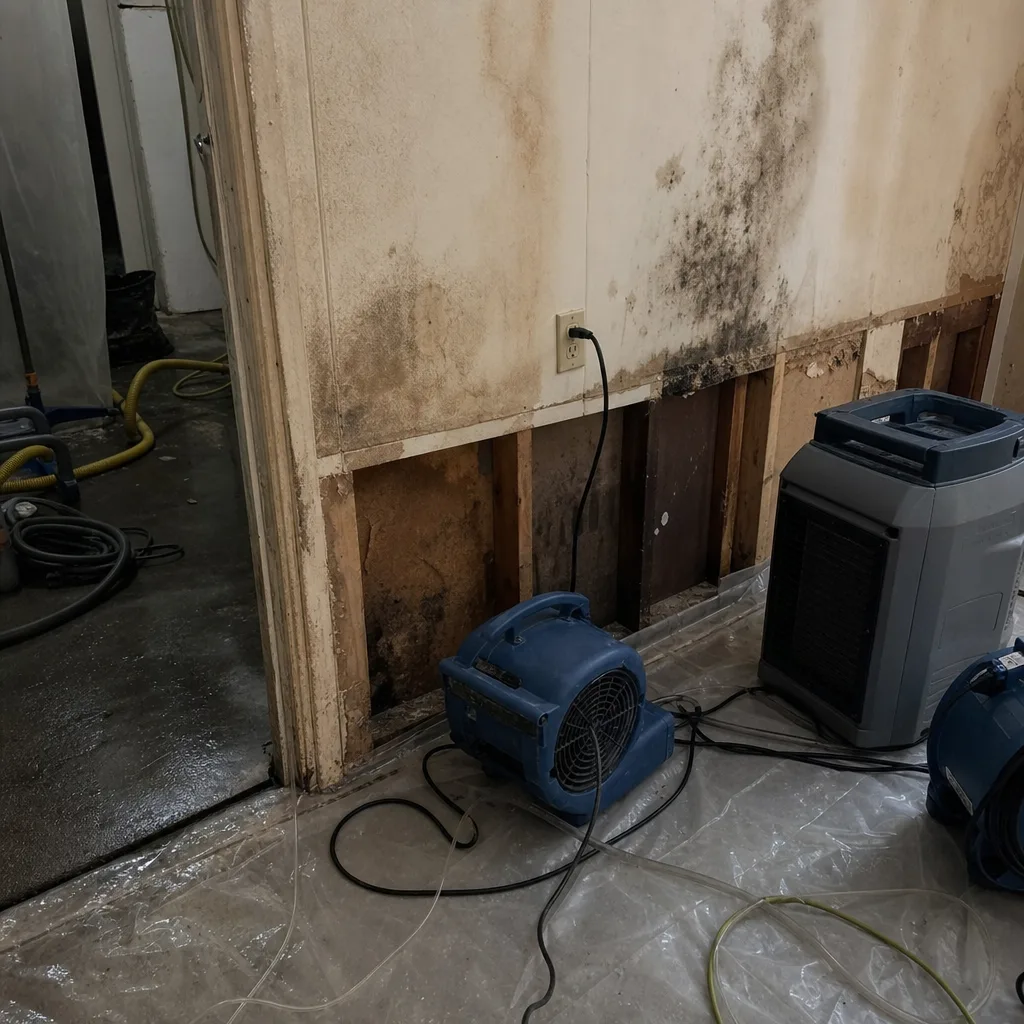 Before
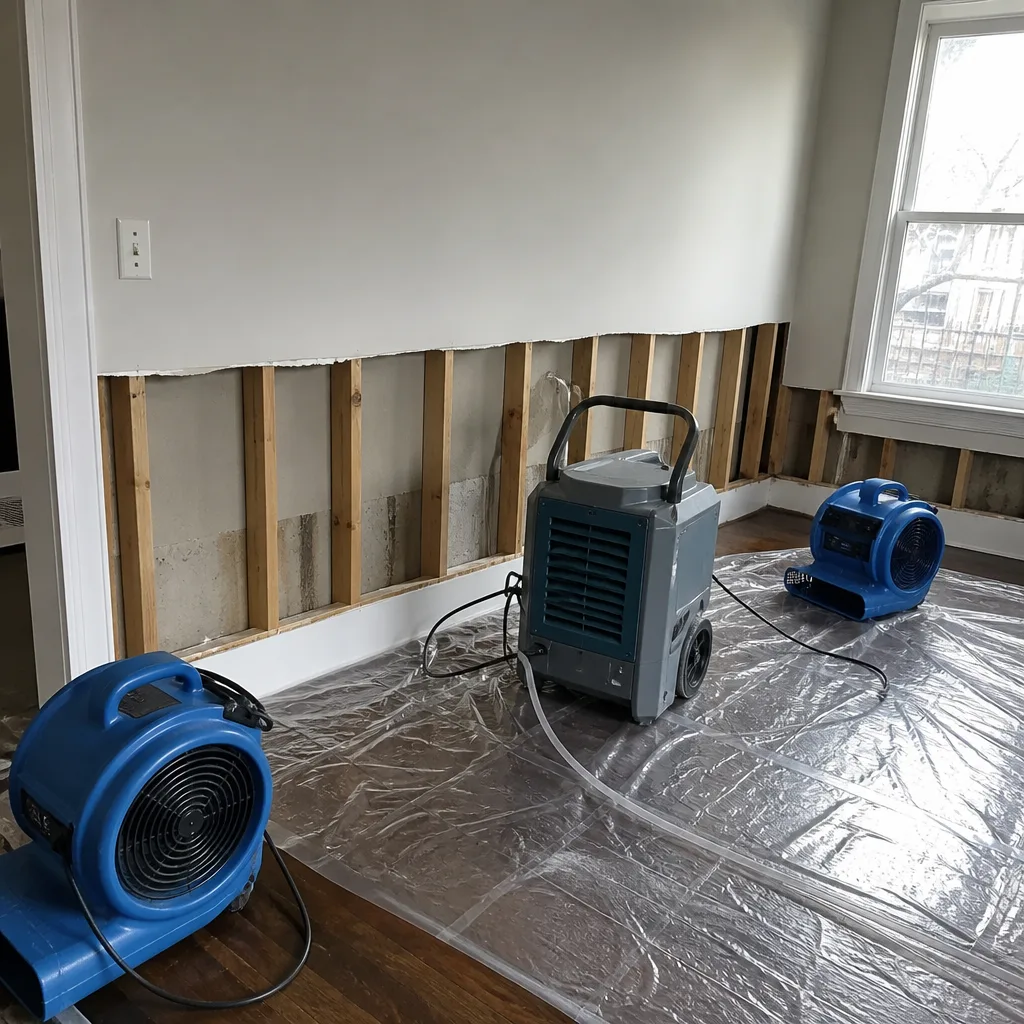 After
After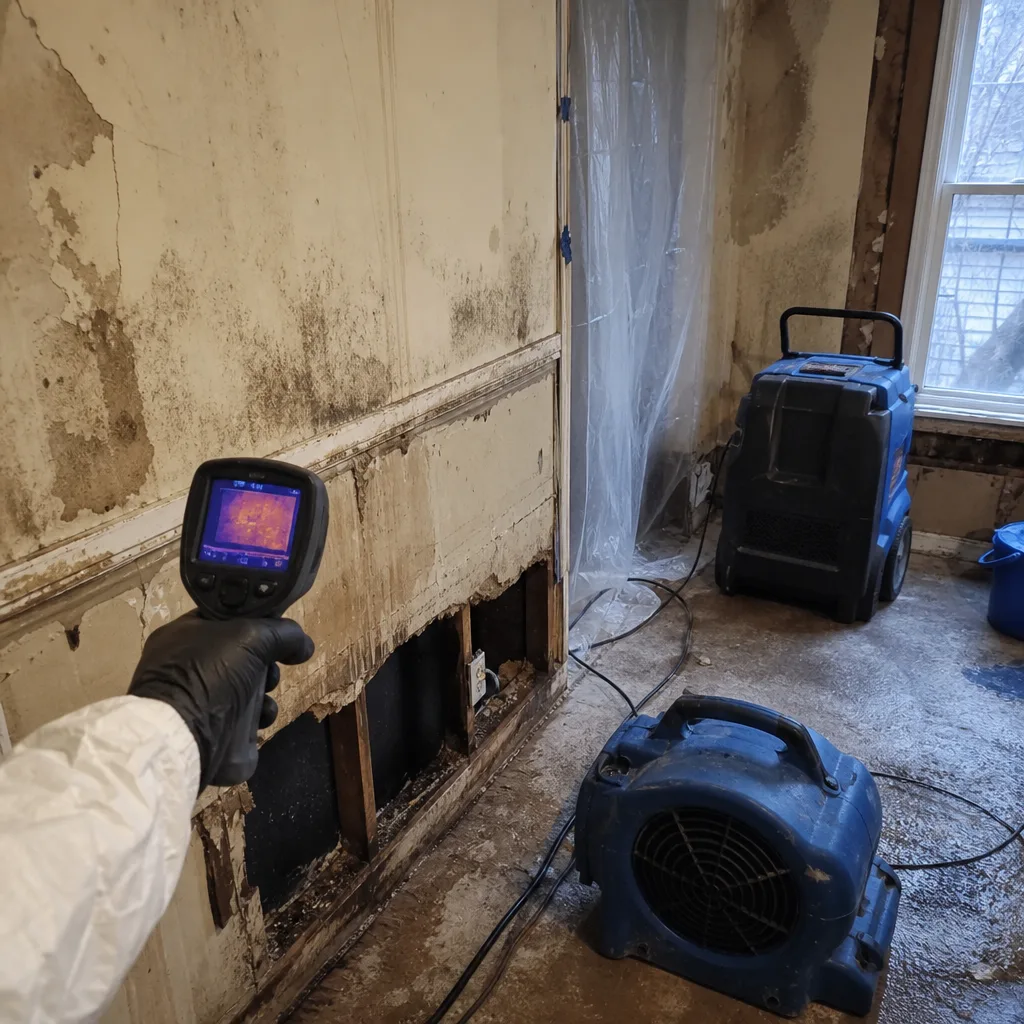 Before
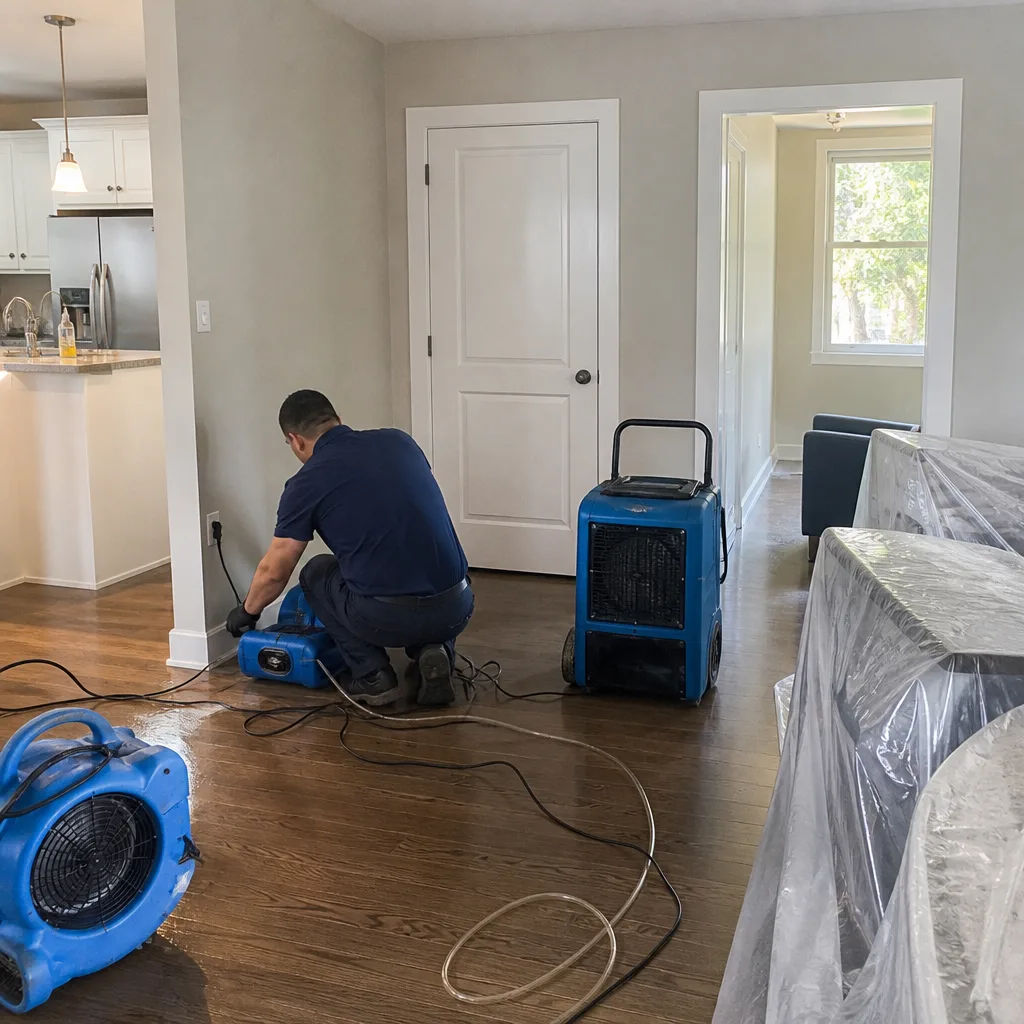 After
AfterDIY vs Professional Damage Restoration: The Hoboken Homeowner’s Decision Guide
New Jersey courts have held homeowners liable for mold damage to adjacent condominium units when the homeowner attempted self-remediation and failed to reach IICRC drying standards. The cost of a rental dehumidifier became the cost of a neighbor’s lawsuit. In Hoboken, where 72% of housing stock is multi-family and most water damage involves shared walls, tenant notifications, and insurer documentation requirements, the DIY vs. professional decision isn’t about your skill with a shop vac. It’s about what happens to your insurance claim, your condo association standing, and your personal liability if you get it wrong. This guide will show you exactly when DIY drying is genuinely safe, when it is legally non-compliant, and how to document every step so your insurer pays the claim rather than denying it for inadequate mitigation. For how to hire a damage restoration contractor in Hoboken, see our step-by-step guide.
Quick Answer
DIY damage restoration is only safe in Hoboken for surface-level spills under 10 square feet of Category 1 clean water with immediate airflow and no shared walls. For everything else, including any water affecting drywall, subflooring, or adjacent units, professional restoration is required to satisfy your insurance policy’s “reasonable steps to mitigate” clause, your condo association’s licensed-contractor bylaws, and New Jersey’s liability standards for multi-family properties. The average cost of failed DIY, measured by secondary mold remediation in Hoboken, runs $4,200-$8,700, versus $1,800-$3,400 for professional drying upfront.
Table of Contents
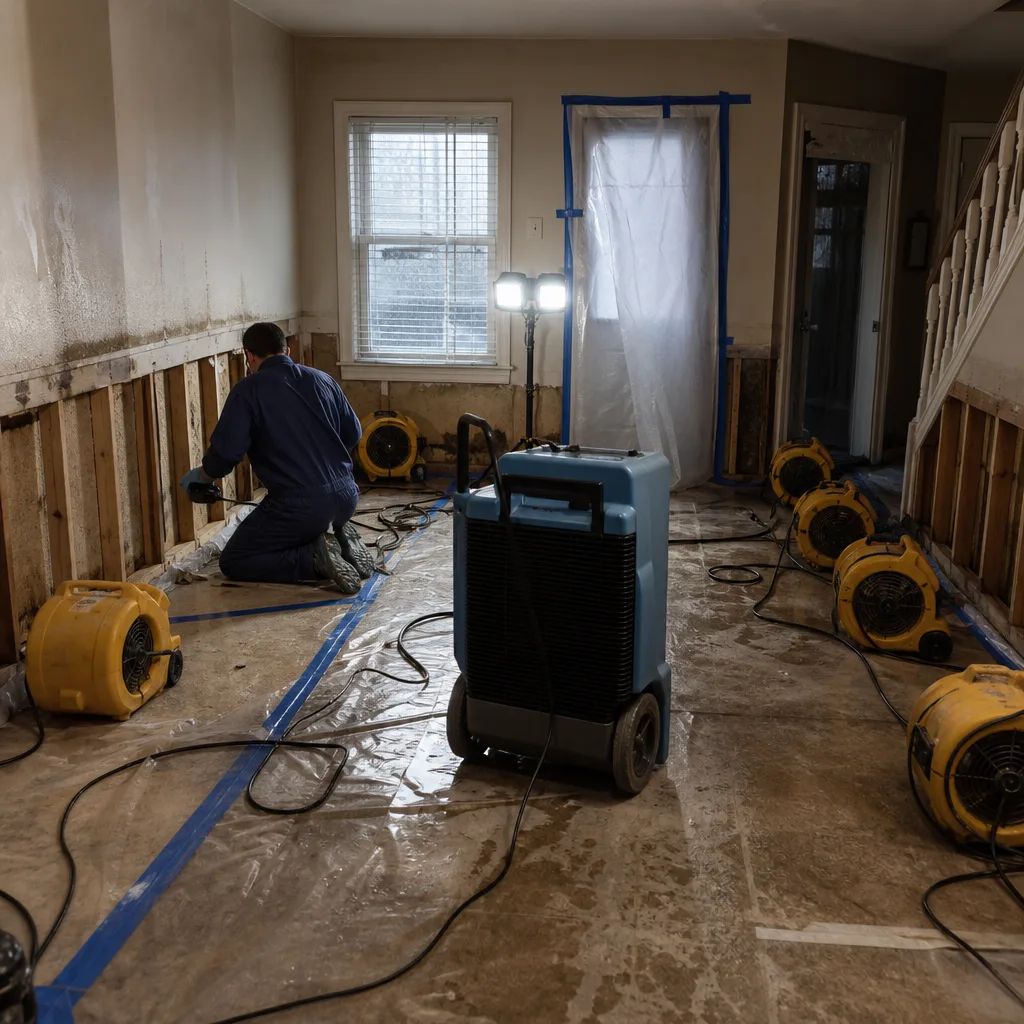
- When DIY Is Actually Safe: The Three Scenarios
- Moisture Thresholds That Determine DIY vs. Professional
- Hoboken’s Legal Landscape: Why DIY May Violate Your Lease or Bylaws
- How Insurance Actually Decides: The Documentation Test
- The Cost of Failed DIY: Real Hoboken Numbers
- What Professionals Do Differently: Equipment and Standards
- Common Mistakes to Avoid
- When to Call a Professional
- Frequently Asked Questions
BeforeAfterWhen DIY Is Actually Safe: The Three Scenarios
We’ve restored over 12,000 homes since 2011, and we’ve seen exactly three situations where a homeowner’s DIY approach ended well. All three share the same characteristics: limited area, clean water source, and no structural penetration.
Scenario 1: Surface-level spills under 10 square feet. A burst kitchen supply line caught within minutes, water pooled on tile or sealed vinyl plank, and the homeowner extracted standing water with a wet/dry vacuum, then ran airflow with box fans for 48 hours. The key metric: moisture content of the subfloor remained below 16% on a pinless moisture meter. No drywall was affected. No baseboards swelled.
Scenario 2: Category 1 clean water from a known, stopped source. Category 1 means water originating from a sanitary source: broken supply line, overflowing sink with no contaminants, ice maker leak. The moment water contacts soil, carpet backing, or passes through a wall cavity, it degrades to Category 2. DIY is only viable when the water has never contacted anything but clean, hard surfaces.
Scenario 3: Areas with immediate access to airflow and no adjacent units. A single-family detached home in the Heights, or a ground-floor unit with no basement and no units below. The drying environment must allow 24-hour air movement without creating humidity load in enclosed spaces. A bathroom with an exhaust fan running continuously qualifies. A closet with no ventilation does not.
Here’s the test we use: if you cannot answer “yes” to all five questions, DIY is not appropriate:
- Is the total wet area under 10 square feet?
- Is the water Category 1 from a known, stopped source?
- Has no drywall, insulation, or subflooring absorbed moisture?
- Are there no shared walls, floors, or ceilings with adjacent units?
- Can you maintain continuous airflow and monitor moisture daily with a calibrated meter?
In Hoboken’s dense housing market, question 4 eliminates most properties. A garden apartment on Willow Avenue has someone above you. A fourth-floor condo on Hudson Street has someone below. A brownstone on Garden Street shares walls on both sides. The physical reality of Hoboken’s housing stock makes true DIY eligibility rare.
Moisture Thresholds That Determine DIY vs. Professional
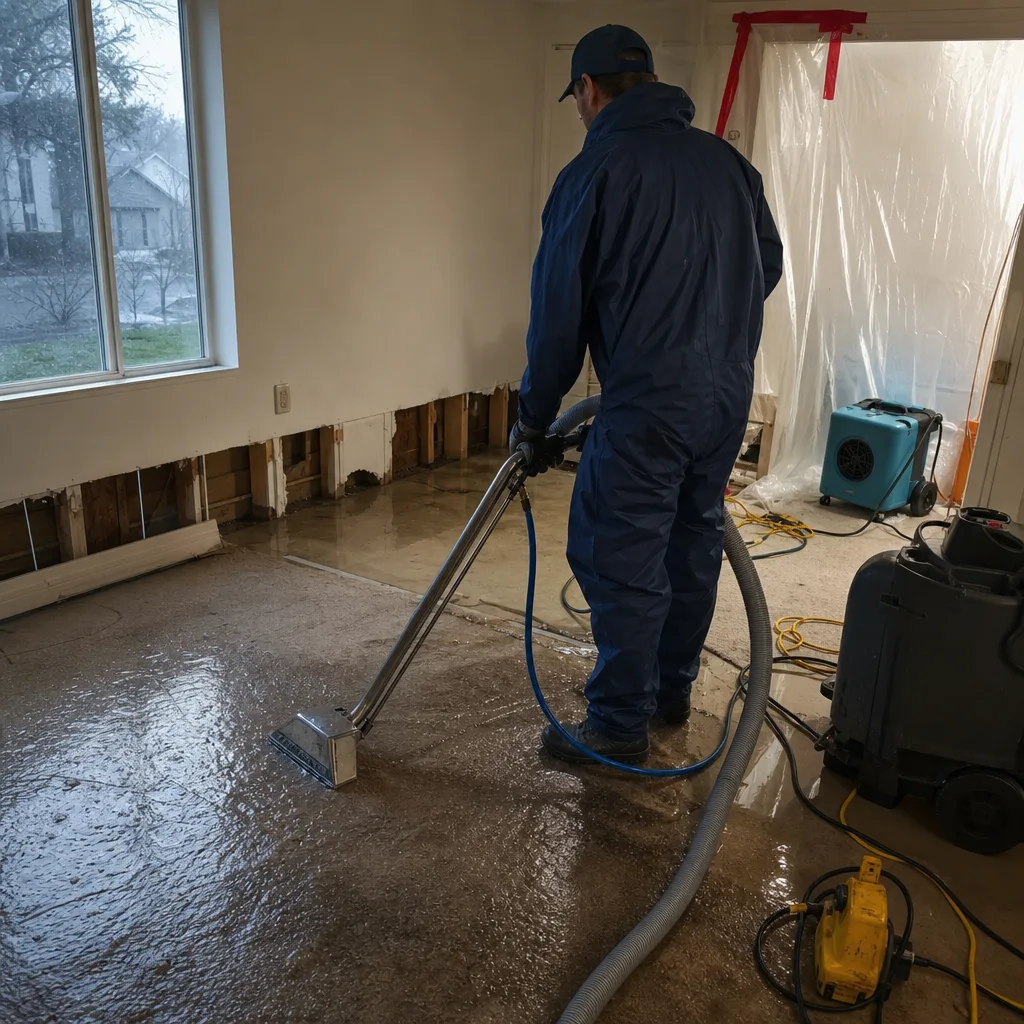
The IICRC S500 standard, which governs water damage restoration and which every major insurer references in policy language, classifies water damage by the area affected, the materials wet, and the evaporation potential. These aren’t academic categories. They determine whether your documentation will satisfy an adjuster or trigger a coverage dispute.
Class 1: Slow evaporation, minimal absorption. Less than 5% of combined floor, wall, and ceiling surface area affected. Materials are low-permeance: concrete, tile, sealed wood. This is the only class where DIY is technically defensible, and even then, only with daily moisture readings.
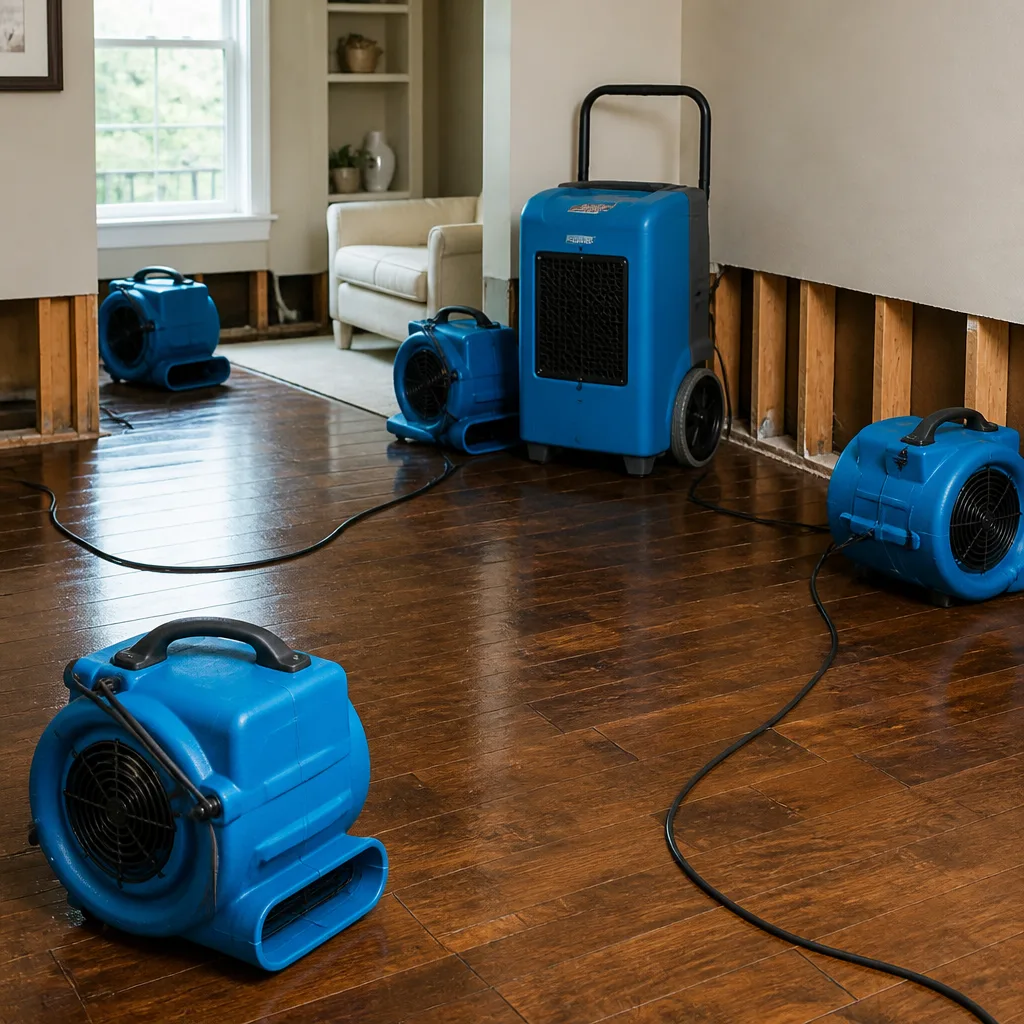
Class 2: Fast evaporation, significant absorption. 5-40% of surface area affected. Water has wicked into drywall, carpet, carpet pad, or insulation. This requires professional-grade dehumidification and air movement equipment. A residential dehumidifier removes 30-50 pints per day. A Phoenix R200 removes 135 pints per day under optimal conditions, and our crews typically deploy two to four units with calculated air changes per hour.
Class 3: Fastest evaporation, water from above. Over 40% of area affected, or water has entered from overhead. Ceilings, insulation, and structural cavities are involved. This requires injectidry systems that force air into wall cavities through drilled ports, and psychrometric monitoring to track vapor pressure differential, the measurable force that drives moisture from wet materials into the air.
Class 4: Specialty drying situations. Low-permeance materials like plaster, hardwood, or concrete with deep saturation. Requires extended drying timelines, desiccant dehumidifiers, and often controlled heat application.
Here’s what these classes mean in practice for a Hoboken homeowner. A washing machine overflow in a second-floor condo on Clinton Street: if water ran under the vinyl plank and reached the subfloor, that’s Class 2 minimum. If it entered the wall cavity behind the machine and seeped through to the unit below, that’s Class 3 with liability exposure. If the floor is original 1920s oak strip flooring in a Washington Street brownstone, that’s Class 4 due to hardwood’s low permeance and deep water retention.
Psychrometric data, the temperature and relative humidity readings that determine drying progress, must be logged daily to IICRC standards. Without these logs, an insurer can argue that drying was incomplete, that secondary damage resulted from negligence, and that your policy’s “reasonable steps to mitigate” clause was breached. We’ve seen this argument succeed in claim denials where the homeowner’s only documentation was “I ran fans for three days.”
Hoboken’s Legal Landscape: Why DIY May Violate Your Lease or Bylaws
This is the section most restoration guides omit, and it’s the one that costs Hoboken homeowners the most money. Our more guides & resources cover related topics in depth.
Hoboken’s housing stock is overwhelmingly multi-family. According to Census data, approximately 72% of occupied units are in buildings with two or more units. This means most Hoboken homeowners are subject to one of three governance structures: condominium association bylaws, co-op proprietary leases, or landlord-tenant law with notification requirements.
Condominium bylaws in Hoboken typically require licensed contractor documentation before structural elements can be altered. “Altered” includes opening drywall for drying access, removing baseboards to expose wall cavities, or drilling injection ports for cavity drying. The Hoboken Condo Association Coalition model bylaws, which many buildings adopted or adapted, specify that “any work affecting common elements or the structural integrity of units must be performed by licensed contractors carrying certificates of insurance naming the association as additional insured.” A homeowner with a shop vac and a box fan does not meet this standard.
Co-op proprietary leases are stricter. In a Hoboken co-op, the shareholder does not own the unit; they own shares in a corporation that leases the unit back to them. The proprietary lease typically grants the board approval rights over any work beyond cosmetic repair. Water damage requiring wall opening or flooring removal almost always triggers this clause. Self-remediation without board notification can result in lease violation proceedings, and in documented cases, the co-op has pursued shareholders for the cost of subsequent professional remediation when DIY efforts failed.
Tenant notification requirements apply even in owner-occupied two-families. New Jersey’s Anti-Eviction Act and local Hoboken ordinances require that tenants be notified of conditions affecting habitability. A landlord who attempts DIY drying in a basement unit, fails to achieve IICRC standards, and subsequently faces mold growth has created a habitability issue with potential rent withholding claims and municipal code enforcement.
The legal exposure extends to adjacent units. In Boss v. Quigley, a New Jersey appellate court found a condominium unit owner liable for mold damage to a neighboring unit when the owner’s self-remediation failed to identify hidden moisture, leading to cross-wall mold growth. The owner’s insurer denied coverage for the neighbor’s damage on the grounds that the remediation was not performed to professional standards, constituting negligence rather than an insured peril.
In our experience across Hoboken properties, from the luxury condos on the waterfront to the vintage walk-ups in the northwest, the documentation that protects you is the same: a written scope from a licensed contractor, a certificate of insurance naming all relevant parties, and daily drying logs to IICRC standards. Water Damage Restoration in Hoboken from a qualified provider supplies all three as standard deliverables, not upsells.
How Insurance Actually Decides: The Documentation Test
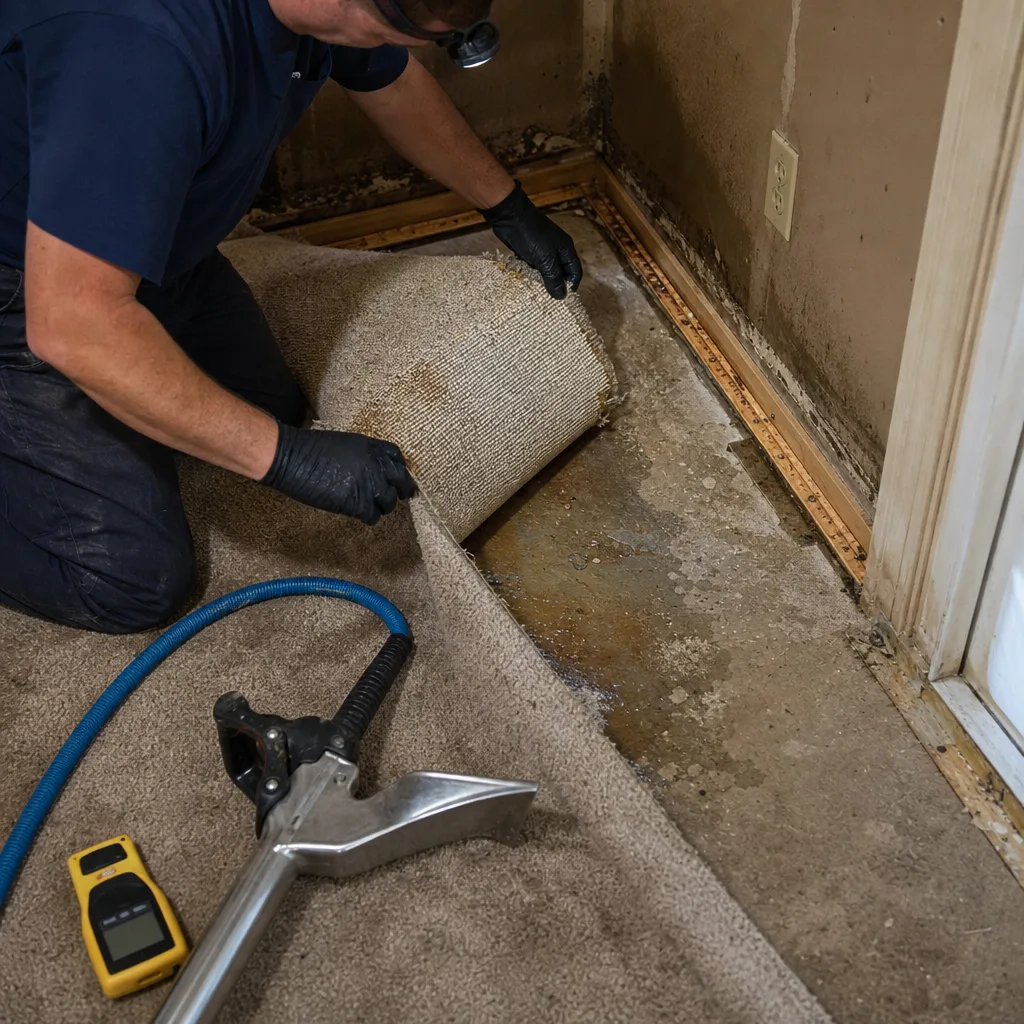
Your homeowners or condo policy contains a clause you’ve likely never read: the duty to mitigate. It requires that you take “reasonable steps” to prevent further damage after a loss. What constitutes “reasonable” is not defined by effort. It is defined by documentation.
We’ve reviewed thousands of claim files from our founding in 2011, and the pattern is consistent. Insurers don’t deny claims because a homeowner tried DIY first. They deny claims because the homeowner cannot prove that DIY efforts were adequate, timely, and effective. The absence of evidence becomes evidence of absence: no moisture logs means no proof of drying; no photo record means no proof of initial conditions; no contractor call log means no proof of timely professional engagement when DIY proved insufficient.
Here’s what satisfies the documentation test:
- Time-stamped photo record of the loss condition. Wide shots showing extent, close shots showing water line, detail shots showing affected materials. Taken immediately, before any extraction or movement.
- First humidity reading with calibrated equipment. A $15 hardware store hygrometer is not calibrated. Professional restoration teams use thermo-hygrometers traceable to NIST standards, with current calibration certificates.
- Written log of all actions taken, with timestamps. “Ran fan” is inadequate. “Deployed 3-speed air mover, 1,600 CFM, positioned at 45-degree angle to wet wall, 6:15 PM, 10/14/2024” is adequate.
- Contractor engagement call log or written estimate request. Even if you ultimately handle minor damage yourself, the attempt to secure professional assessment demonstrates good faith in mitigation.
- Daily moisture content readings until dry standard is reached. For structural materials in New Jersey’s climate, this typically means wood moisture content at or below 16%, and gypsum drywall at or below 1% above normal equilibrium moisture content for the specific structure.
The critical distinction: your insurer’s adjuster will not take your word that conditions were dry. They will request documentation. If secondary mold develops six weeks after a DIY attempt, and your documentation consists of “I thought it was dry,” the claim for mold remediation will likely be denied as resulting from inadequate mitigation, not from the original water loss.
At DryMark Restoration Hoboken home, our standard deliverable on every job includes the complete documentation package: photo record on every visit, daily drying log with psychrometric data, and written scope with moisture readings at completion. This is what turns a restoration invoice into a payable claim. Haven Standard, Clause 1: written price before work begins, so you know the documentation investment before committing.
The Cost of Failed DIY: Real Hoboken Numbers
Homeowners often compare the $89 daily rental of a dehumidifier to the $1,800-$3,400 cost of professional drying and conclude DIY is economical. This comparison omits the cost of failure, which is where Hoboken’s market conditions make the math punitive.
Professional water damage drying in Hoboken: $1,800-$3,400 for typical Class 2 residential loss. This includes extraction, equipment deployment, daily monitoring, and documentation package. For a Class 3 loss with cavity drying, $3,200-$5,800.
Failed DIY leading to secondary mold: $4,200-$8,700 for mold remediation in Hoboken’s typical 800-1,200 square foot unit. This assumes no structural repair, no adjacent unit liability, and no claim denial. Add $2,500-$6,000 if drywall removal and reconstruction are needed. Add liability exposure if adjacent units are affected.
Claim denial costs: If your insurer denies the mold claim for inadequate mitigation, you absorb the full remediation cost plus potential deductible increase at renewal. In Hoboken’s insurance market, where coastal exposure already pressures rates, a water damage claim with complications can trigger non-renewal.
The cost structure reflects Hoboken’s specific conditions. Labor rates run 15-20% above New Jersey state average due to Manhattan proximity and parking/access constraints. Many buildings require after-hours work to minimize elevator disruption, adding labor premiums. Material costs for matching historic finishes in brownstones and pre-war buildings exceed standard replacement pricing.
Here’s the calculation we present to homeowners: professional drying costs less than the deductible on most mold claims, and it prevents the claim from existing at all. A successfully mitigated water loss with complete documentation often requires no claim filing, preserving your loss history and future insurability.
Our Free Second Opinion on any competitor’s written estimate allows you to verify whether a quoted DIY alternative actually covers the scope required. Bring any written estimate; we’ll review it against IICRC standards and Hoboken’s specific requirements at no charge.
What Professionals Do Differently: Equipment and Standards
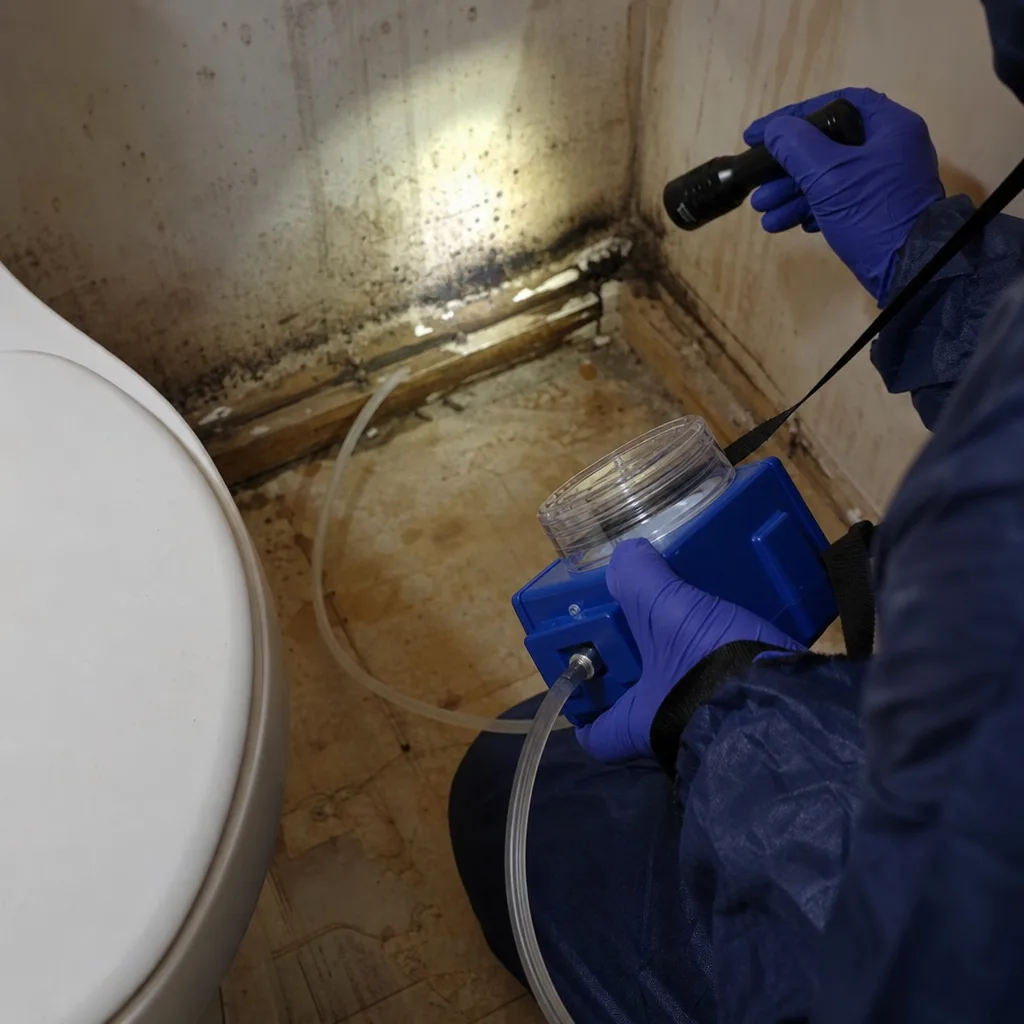
The equipment gap between DIY and professional restoration is not about power. It’s about control, measurement, and documentation.
A homeowner-grade dehumidifier, even a high-capacity model, operates on a simple humidistat: when relative humidity exceeds the setpoint, the compressor runs. It does not measure vapor pressure differential, the actual force that extracts moisture from materials. It does not adjust for temperature, and it cannot maintain the specific humidity ratio required for optimal drying. In winter, when Hoboken’s heating systems lower relative humidity artificially, a humidistat-controlled unit may shut off while materials remain wet.
Professional-grade equipment from Dri-Eaz, Phoenix, and XPOWER operates on psychrometric principles. The technician calculates the specific humidity of the affected space, the capacity of the dehumidification equipment, and the required air changes per hour to achieve the target vapor pressure differential. This is not marketing language. It is the difference between drying and nearly drying.
Air movement: Box fans move air. Axial air movers from B-Air and Dri-Eaz create laminar airflow at velocities calculated to maximize evaporation from wet surfaces while preventing boundary layer stagnation. Positioned at specific angles, they direct moisture-laden air toward dehumidifier intake. A homeowner’s “I pointed a fan at it” does not achieve this airflow pattern.
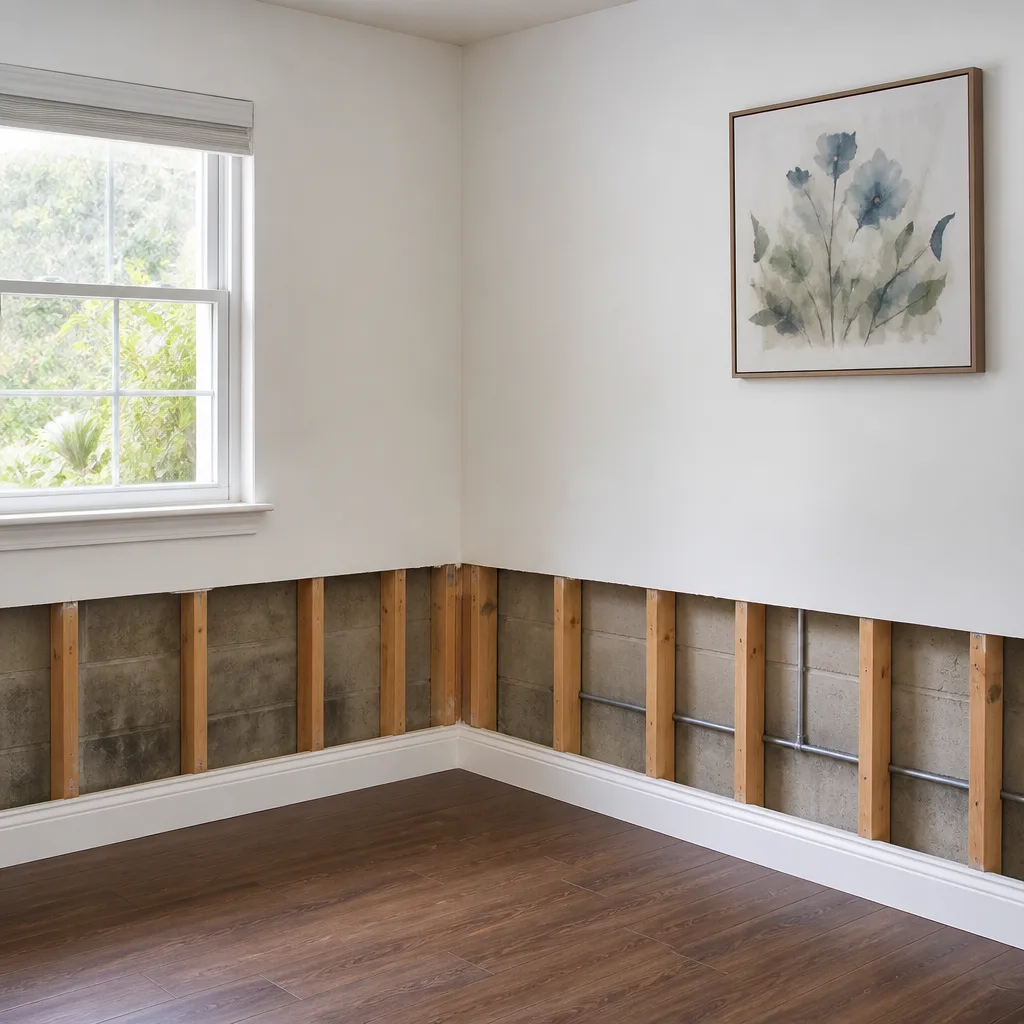
Cavity drying: When water enters wall cavities, which it does in virtually any loss affecting drywall, surface drying is insufficient. Injectidry systems use positive or negative air pressure to force dry air through wall cavities via small injection ports, drying the hidden space without full demolition. This requires equipment no homeowner owns, training no homeowner has, and documentation no homeowner generates.
Antimicrobial application: Category 2 or 3 water losses require application of EPA-registered antimicrobials to prevent microbial growth. In New Jersey, application of these products in post-loss environments requires appropriate licensing and documentation for insurer acceptance. DIY application with consumer products does not satisfy this requirement.
The documentation deliverable: Every professional job we complete includes a drying log with daily readings, a photo record on every visit, and a written completion certificate with final moisture readings. For what this documentation should contain, see our water damage restoration maintenance checklist for Hoboken homeowners. This package is what your adjuster needs, what your condo board requires, and what protects you if questions arise later. It is not available from equipment rental centers.
All our work is documented to IICRC, RIA, and IFA standards. These are not brand affiliations. They are the technical standards that insurers, courts, and building codes reference when determining whether restoration was performed to accepted practice.
Common Mistakes to Avoid
- Assuming visible dryness equals actual dryness. Drywall can appear dry at 30% moisture content, well above the 16% threshold where microbial growth begins. Only pin or pinless moisture meters reveal true conditions.
- Using household bleach on mold. Bleach is 90% water and can feed deeper mold growth while bleaching surface color to invisibility. This creates a false sense of resolution while concealed colonization continues.
- Failing to inspect adjacent units in Hoboken multi-family buildings. Water travels horizontally through shared walls and vertically through pipe chases. A loss in your unit may have created conditions in the unit below that you are legally obligated to address.
- Delaying professional engagement to “see if DIY works.” The 24-48 hour window for microbial growth begins at water intrusion, not at DIY attempt. Documentation of timely professional contact protects your claim; delay undermines it.
- Discarding damaged materials before insurer inspection. Your policy requires that you preserve evidence of loss. Premature disposal of carpet, drywall, or contents can result in claim reduction for “failure to cooperate.”
- Ignoring Hoboken’s flood zone status for basement losses. Properties in the A and AE zones face specific coverage limitations. Self-remediation without understanding your flood policy’s requirements can void coverage entirely.
- Accepting verbal assurances instead of written scopes. Haven Standard, Clause 1 exists because we have seen what happens without it: scope creep, disputed invoices, and claims stuck in review. Every job needs a written price before work starts.
When to Call a Professional
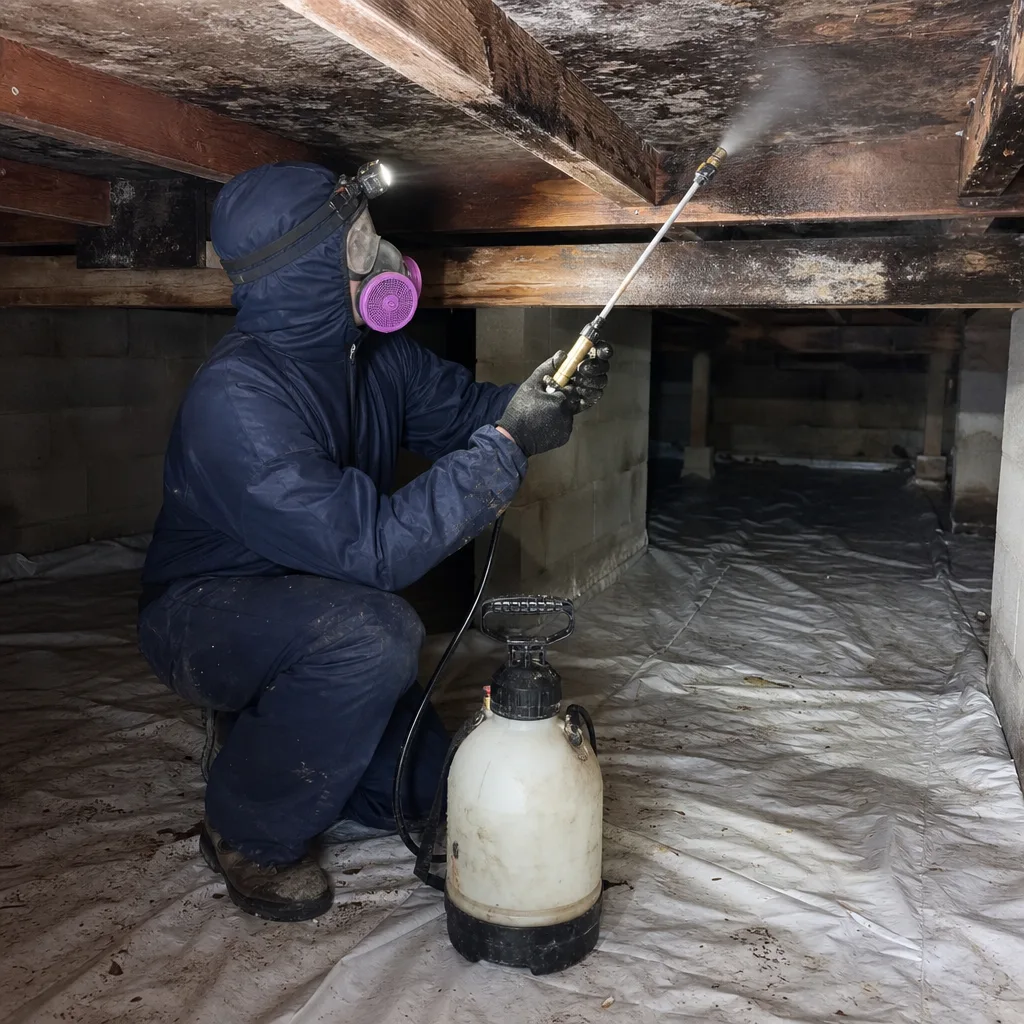
Call a professional when any of the following apply: water has affected drywall, insulation, or subflooring; the source was not Category 1 clean water; the area exceeds 10 square feet; the property is part of a multi-family building with shared structural elements; your insurance policy’s duty to mitigate clause requires documented professional response; or you cannot verify drying progress with calibrated moisture meters daily.
In Hoboken’s housing market, this describes nearly every water loss we encounter. The exceptions, the true DIY-safe scenarios, are so limited that professional assessment is itself a reasonable step even when the ultimate scope is minor.
Mold Remediation in Hoboken and Fire & Smoke Damage Restoration in Hoboken follow the same documentation standard: written price before work begins, photo record on every visit, and the 365-Day Done Right Promise backed by The Haven Standard. For water, fire, mold, or any damage where your claim and your liability are both in play, the professional route is the only route that protects both.
DryMark Restoration Hoboken offers free estimates in Hoboken. Call (551) 212-1580. Our live dispatch answers every call, 24 hours a day, 7 days a week, with no voicemail on emergency lines.
Frequently Asked Questions
Your insurer may deny coverage for secondary damage resulting from inadequate mitigation, though they typically still cover the original peril. The key factor is documentation: if you can prove timely, good-faith DIY efforts with moisture readings and photos, you have a stronger position than if you have no records. The safest approach is to document everything from minute one and engage professional assessment within 24 hours for any loss beyond the three safe DIY scenarios. Call (551) 212-1580 for a free estimate that includes full documentation from the start.
Our live dispatch answers every call immediately, and emergency response teams are deployed based on loss severity and your building’s access requirements. In Hoboken, parking constraints and building entry protocols often affect arrival more than distance. We coordinate with doormen, superintendents, and building management to minimize delay. For active water losses with ongoing flow, we guide immediate shutoff steps by phone while en route. Call (551) 212-1580 and you’ll speak to a person, not a menu.
Remediation is required when mold growth exceeds 10 square feet, involves HVAC systems, or follows Category 2 or 3 water damage. Cleaning is appropriate for minor surface growth on non-porous materials in limited areas with no underlying moisture problem. The determination requires moisture mapping to identify hidden sources; surface cleaning without addressing moisture is temporary and potentially claim-jeopardizing. Our assessments include moisture readings and written scope before any work begins.
We provide complete documentation packages: photo records, drying logs, material classifications, and written scopes formatted for adjuster review. We do not negotiate settlements, which would constitute public adjusting without appropriate licensing, but we do ensure our documentation answers the questions adjusters ask before they ask them. This direct coordination reduces claim cycle time and dispute frequency. The Haven Standard requires that every job file be claim-ready on completion.
Condo associations can require licensed, insured contractors with certificates naming the association as additional insured. They generally cannot mandate a specific company unless the work affects common elements under association maintenance responsibility. For in-unit losses, you maintain contractor selection rights subject to the association’s reasonable insurance and licensing requirements. Our documentation package includes certificates of insurance formatted for Hoboken association requirements.
Typical Class 2 residential drying runs $1,800-$3,400; Class 3 with cavity drying, $3,200-$5,800; Class 4 specialty situations with hardwood or plaster, $4,500-$8,200. These ranges include extraction, equipment, daily monitoring, and documentation. Reconstruction is priced separately with a written scope. Our Free Second Opinion on any competitor’s written estimate lets you verify comparable scope at no charge. Call (551) 212-1580 for exact pricing on your specific loss.
The Bottom Line
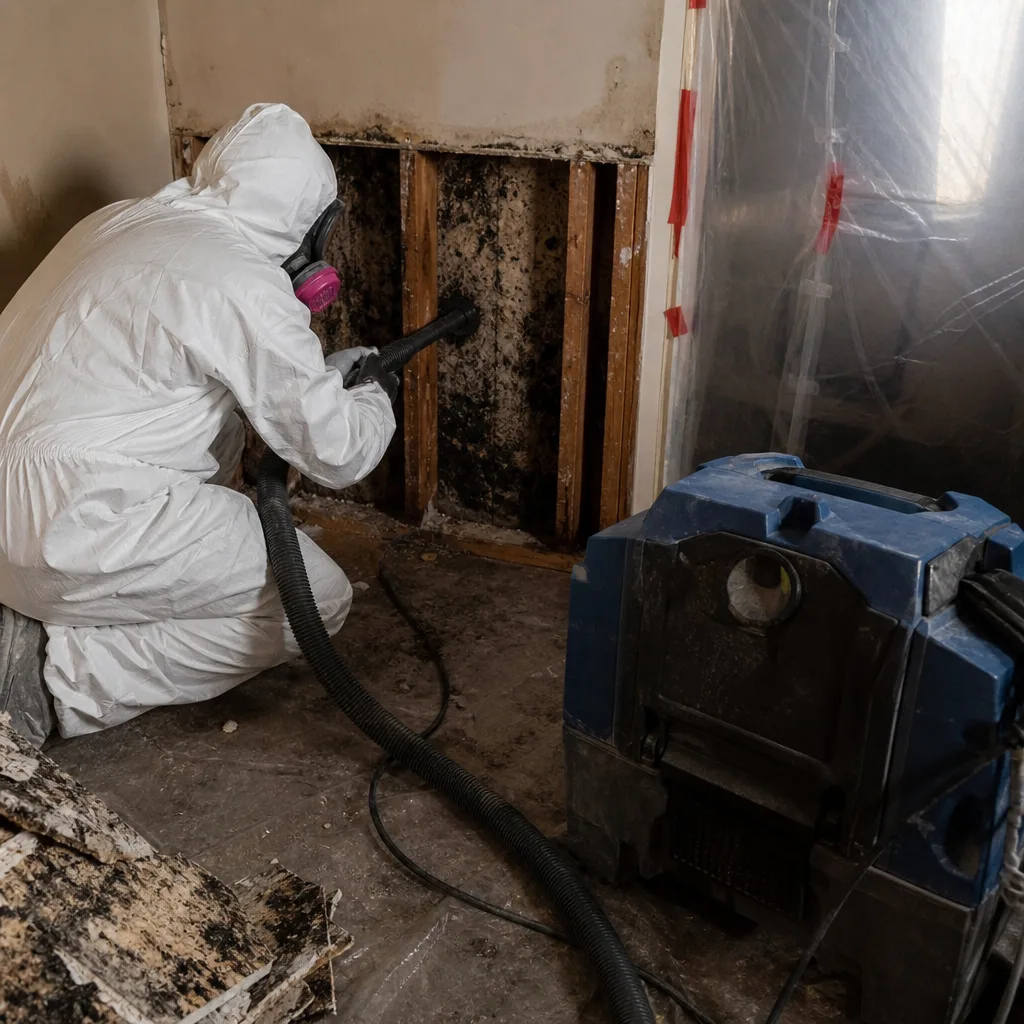
The DIY vs. professional decision in Hoboken restoration is a documentation decision with legal and financial consequences that extend far beyond the immediate repair cost. In a market where most properties share walls, most insurers require professional mitigation standards, and courts have found homeowners liable for failed self-remediation, the apparent savings of DIY evaporate when secondary damage, claim denial, or neighbor liability materialize. The three safe DIY scenarios are real but narrow: under 10 square feet, Category 1 clean water, no shared structures, with calibrated moisture verification. Everything else requires professional equipment, licensed execution, and the documentation package that protects your claim, your association standing, and your personal liability. The cost of professional drying is predictable. The cost of failed DIY is not.
Written by Alicia Brennan, Owner at DryMark Restoration Hoboken, serving Hoboken since 2011.