
Last updated September 23, 2026
Free visual inspection and a written scope of work before any mitigation begins - photos, moisture readings, and drying logs go in your claim file
The scope we write is the scope we bill. Anything new gets shown to you, in writing, before we touch it.
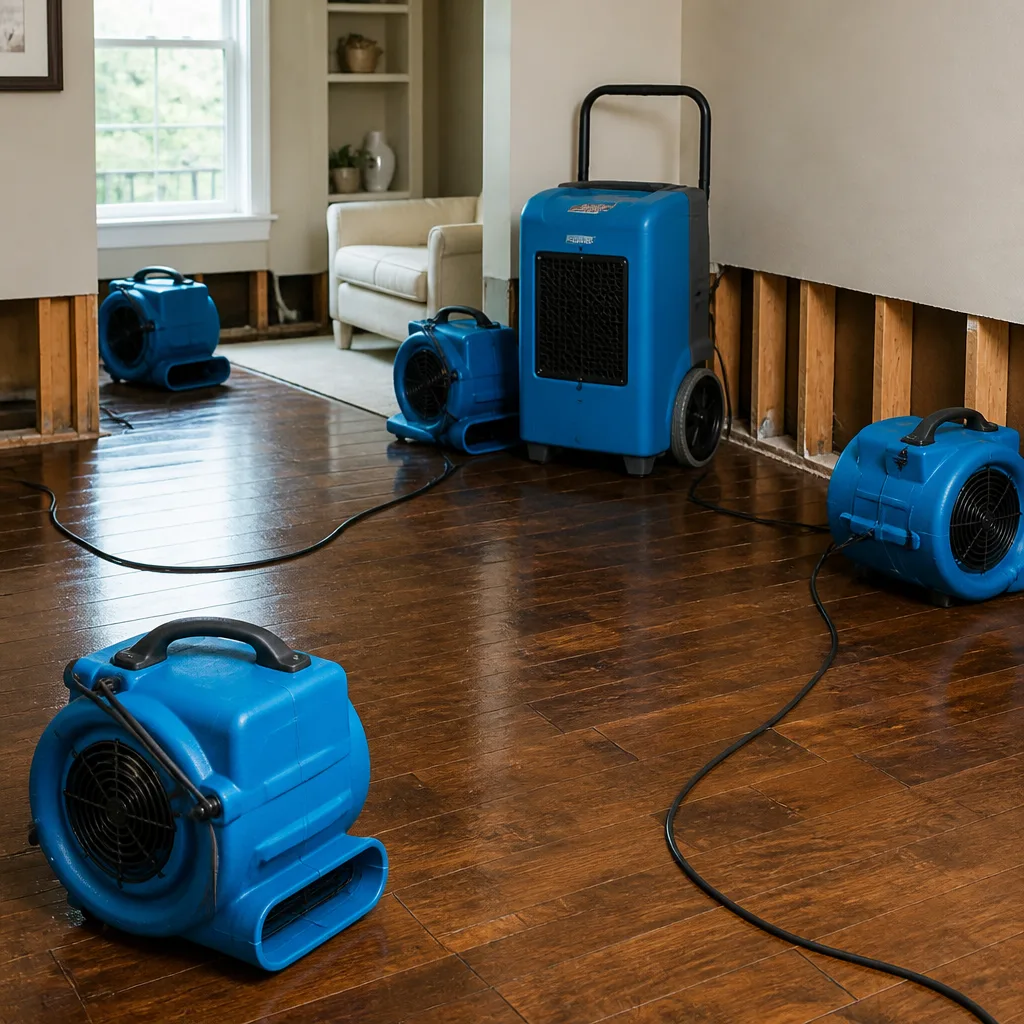
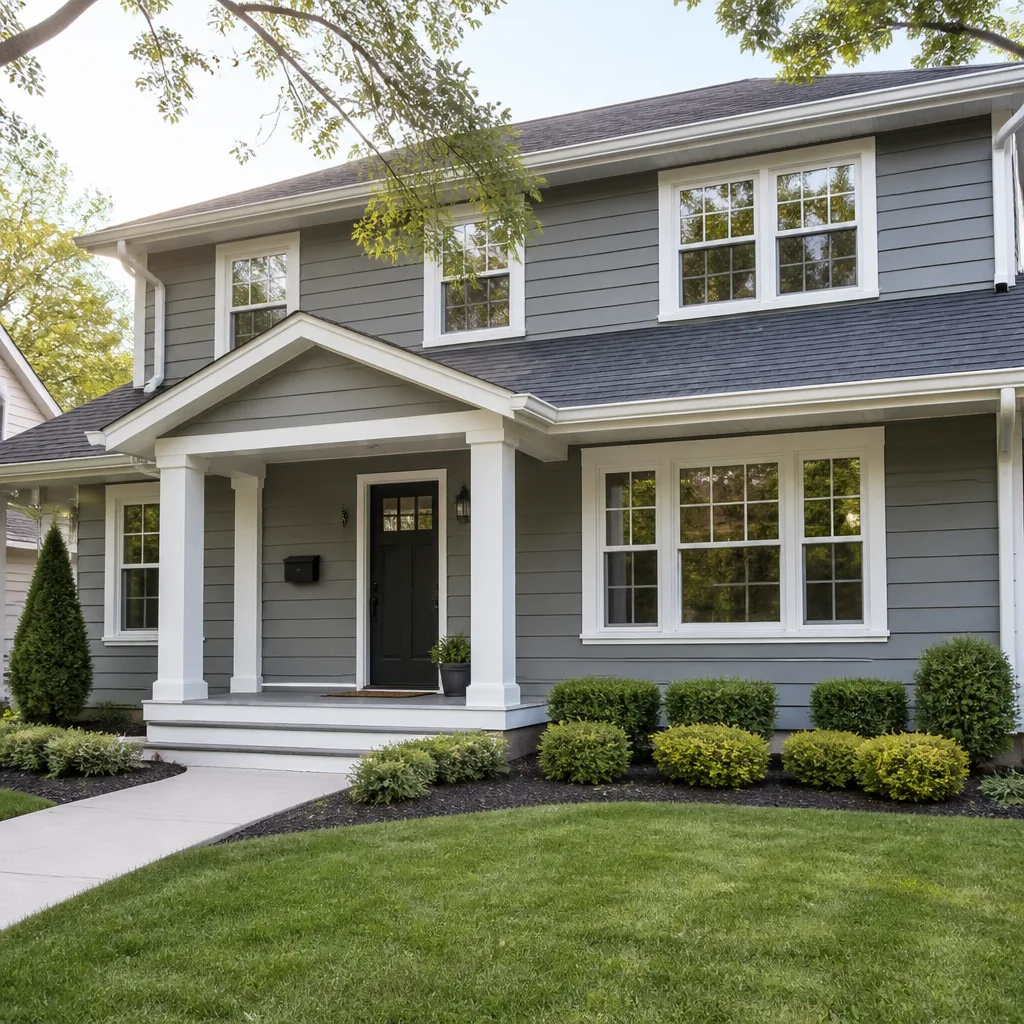
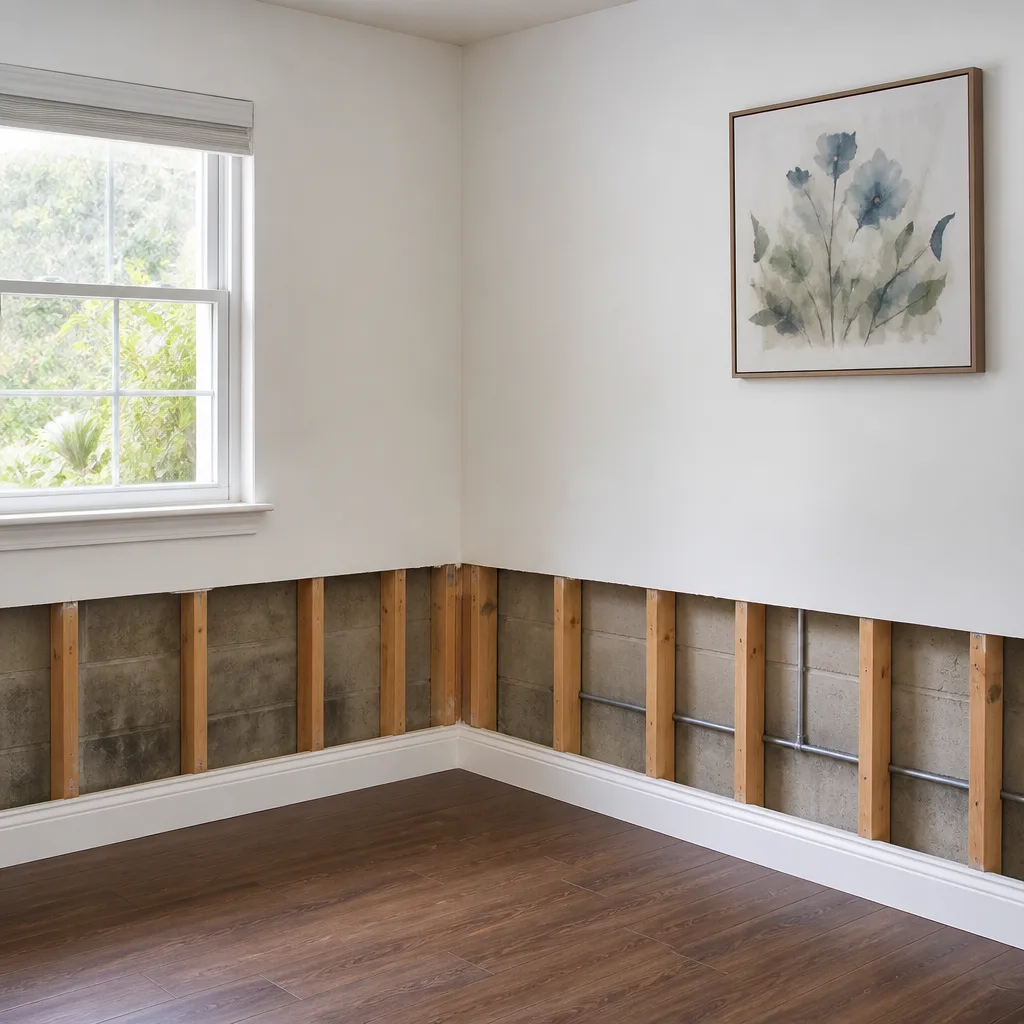
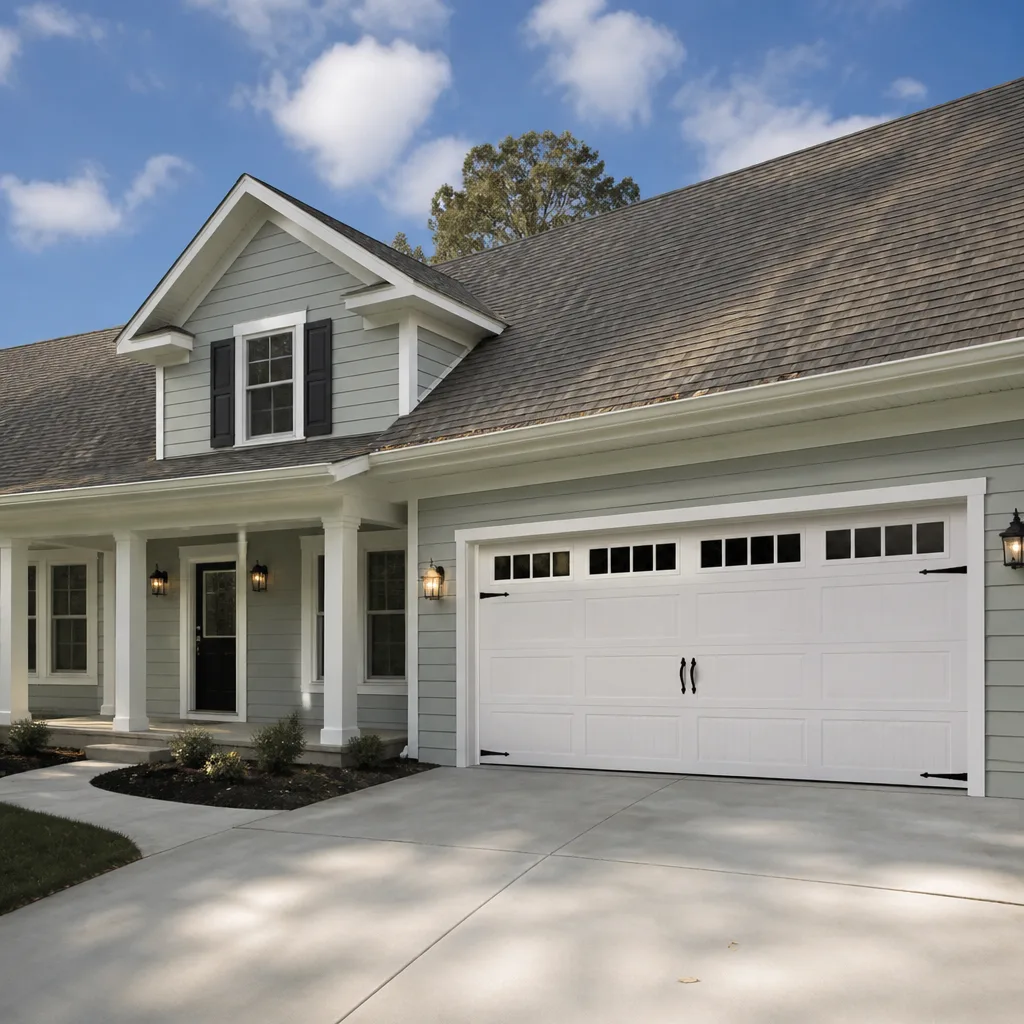
 Before
 After
After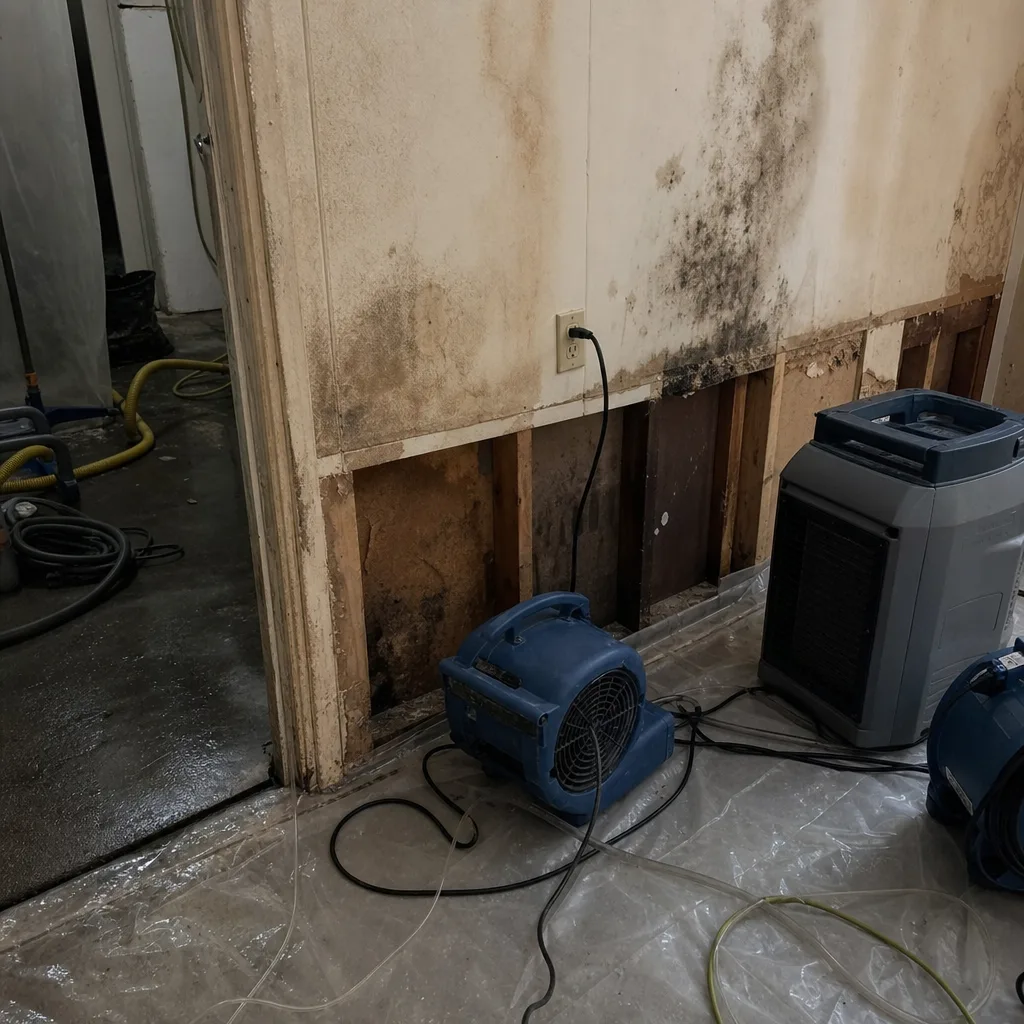 Before
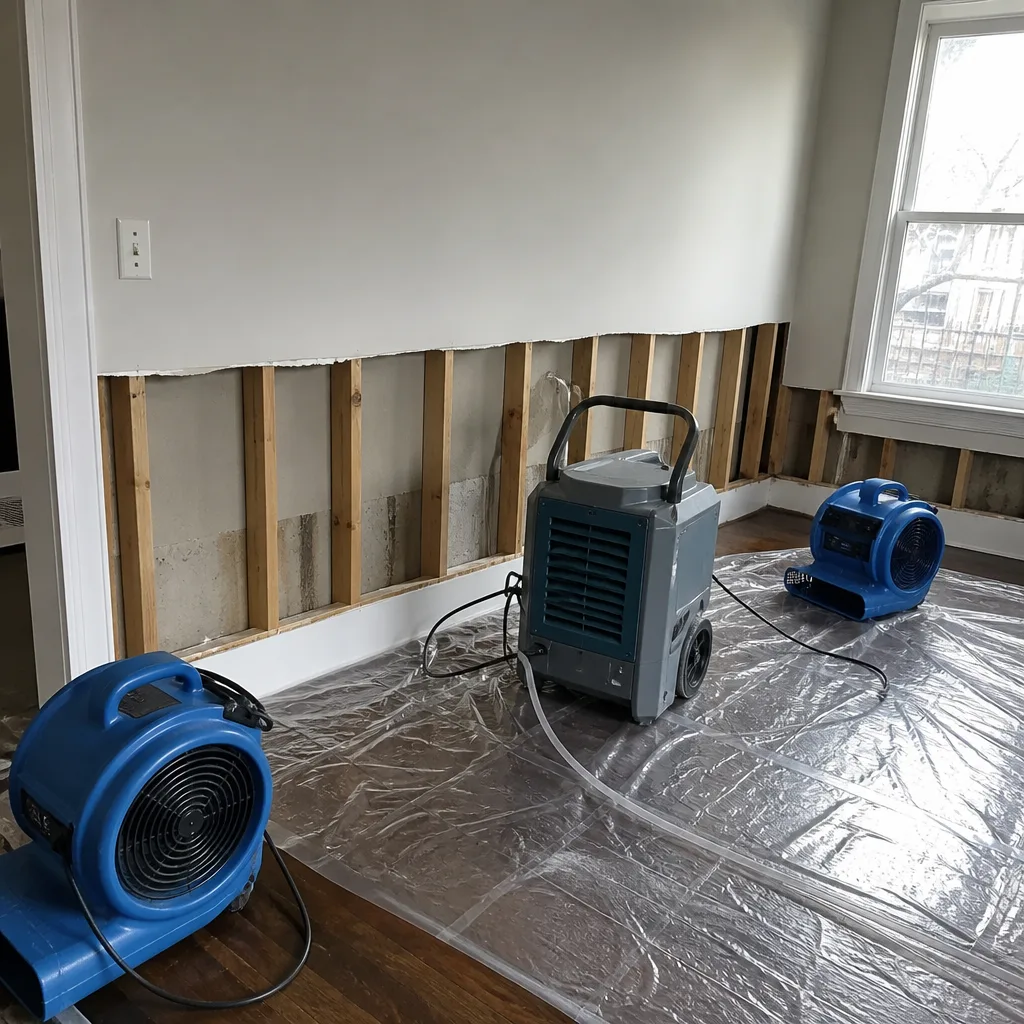 After
After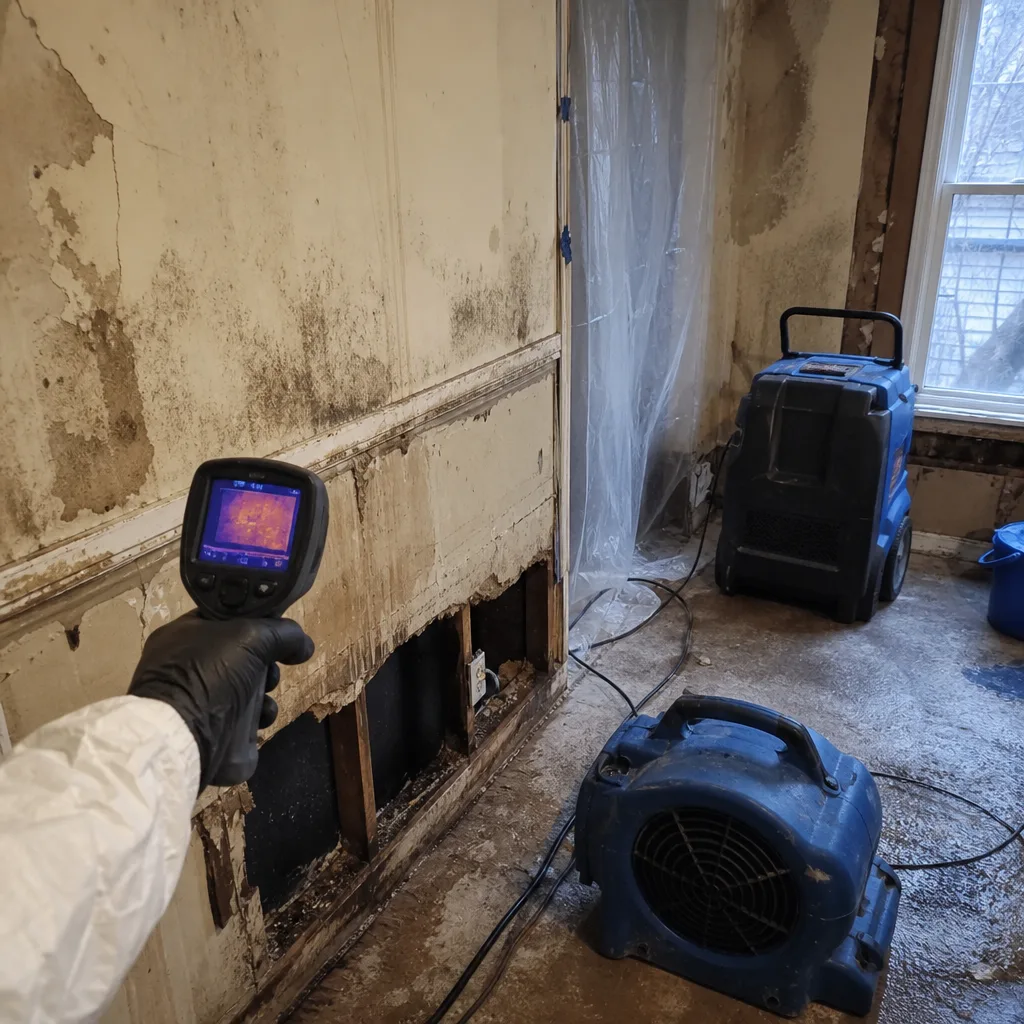 Before
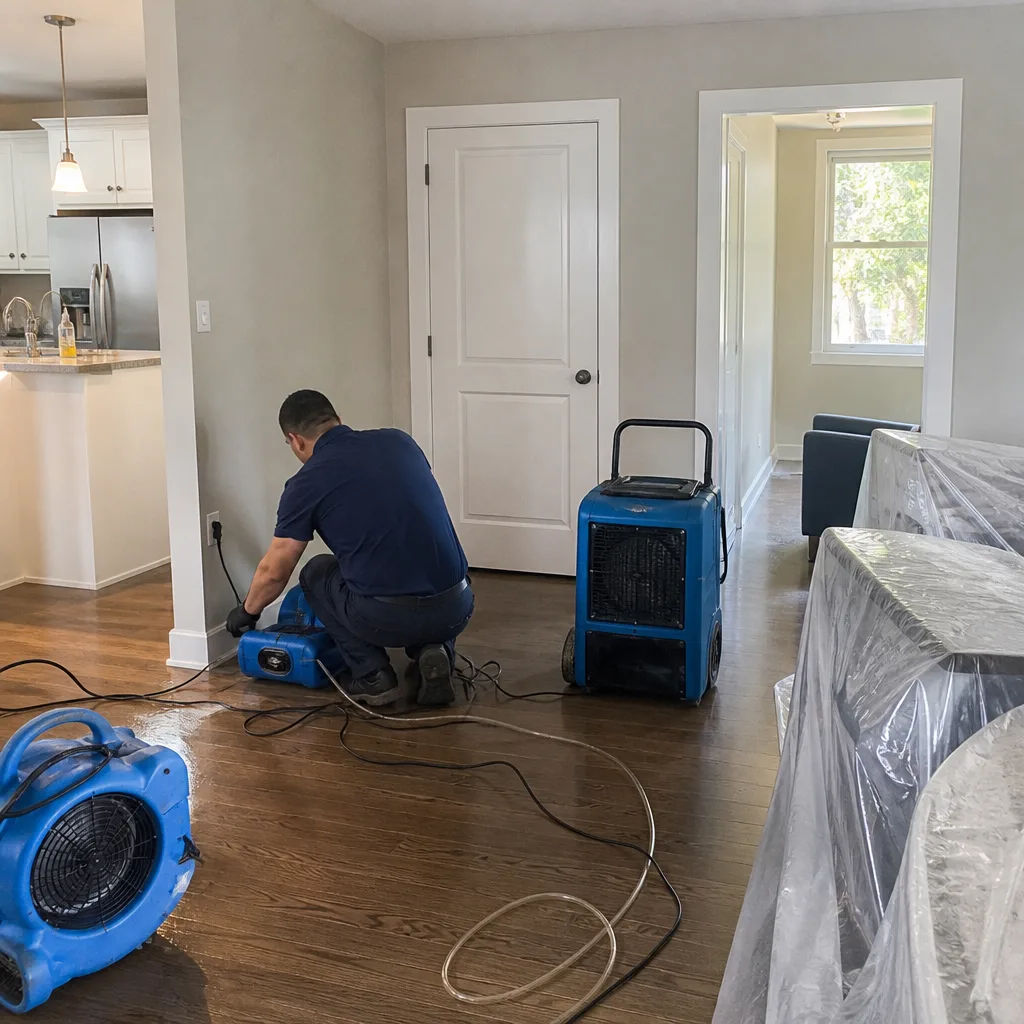 After
AfterThe Complete Guide to Damage Restoration in Hoboken
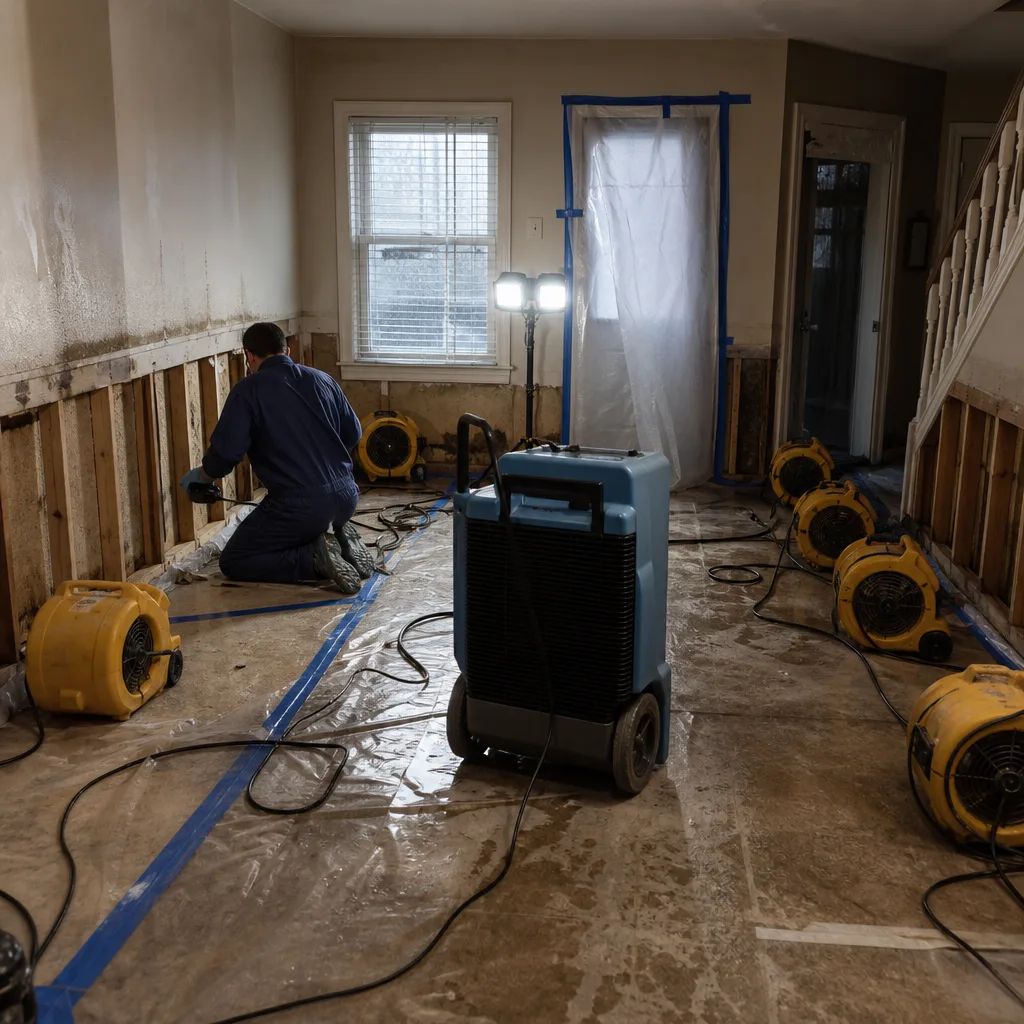
Most Hoboken homeowners think a restoration job ends when the fans stop humming and the crew packs up. In our experience restoring properties across this city since 2011, the real endpoint is a number on a moisture meter, logged with a timestamp, sitting in a file that an adjuster can read without asking questions. The gap between those two definitions, between “feels dry” and “proven dry,” is where contractors cut corners and where claims get denied. Hoboken’s pre-war housing stock, its waterfront flood exposure, and its dense construction make that gap wider here than in almost any comparable market in New Jersey. This guide defines restoration by what can be measured, documented, and defended.
Quick Answer
Damage restoration in Hoboken is the documented process of returning a structure to its pre-loss condition through controlled drying, contaminant removal, and material replacement, verified by moisture readings and clearance reports that meet IICRC standards. For a detailed look at what this process typically costs local homeowners, see our Damage Restoration Cost Breakdown: The Hoboken Homeowner’s Reference for 2026. A proper job produces a paper trail, an initial moisture map, daily drying logs with psychrometric data, and a final report with meter readings below 16% in all affected assemblies. Without that documentation, an insurer can deny the claim and a homeowner has no proof the work was done correctly.
Table of Contents
- What Restoration Actually Means (And How to Know It’s Done)
- How Hoboken’s Pre-War Building Stock Changes Everything
- The Documentation Chain: From Moisture Map to Clearance Report
- The Three Most Common Damage Types in Hoboken
- What a Written Scope of Work Must Contain Before You Sign
- Equipment, Standards, and Why the Brand on the Dehumidifier Matters
- Working With Insurance: Documentation That Gets Claims Paid
- Choosing a Restoration Contractor in Hoboken
BeforeAfterWhat Restoration Actually Means (And How to Know It’s Done)
A restoration job is not a cleaning job. It is not a repair job. It is a controlled return to a documented pre-loss condition, and the only way to prove that return is with numbers.
The Institute of Inspection, Cleaning and Restoration Certification (IICRC) publishes the S500 Standard and Reference Guide for Professional Water Damage Restoration. That standard defines drying goals by material: wood framing must reach a moisture content of 16% or lower; gypsum drywall must read below 0.5% above the established equilibrium moisture content for the local climate; subfloors must match the moisture content of unaffected boards in the same structure. These are not suggestions. They are the thresholds that separate a payable claim from a disputed one.
We have seen jobs in Hoboken where a contractor declared a living room “dry” because the carpet felt dry to the touch. The moisture meter told a different story: 22% in the plywood subfloor, 19% in the baseplate of the exterior wall. Three months later, mold grew behind the baseboard. The homeowner’s claim for the secondary damage was denied because the initial restoration had no drying logs, no final readings, and no proof that the standard was met.
The Haven Standard, which governs every job we take, requires three measurable endpoints before a crew leaves:
- Moisture content readings in every affected assembly, logged with the meter model, probe depth, and timestamp.
- A psychrometric chart or digital equivalent showing that the drying environment was controlled to IICRC specifications for temperature, relative humidity, and vapor pressure differential.
- A written clearance report, signed by the technician, stating that the structure is ready for reconstruction or re-occupancy.
Vapor pressure differential is the engine that drives drying. It is the difference between the moisture in the wet material and the moisture in the air. A large differential pulls water out fast. As the material dries, the differential shrinks, and drying slows. Professional-grade dehumidifiers from Phoenix and Dri-Eaz maintain that differential by removing water vapor from the air faster than the wet materials release it. Without that control, you are not drying; you are waiting.
Tertiary drying is the final phase, when materials read close to their target but have not reached it. This is where most contractors pull equipment to save on rental days. Under The Haven Standard, equipment stays until the number is met, not until the schedule is convenient. Clause 1 applies here too: the written price covers the full drying cycle, not a guess at how many days it might take.
How Hoboken’s Pre-War Building Stock Changes Everything
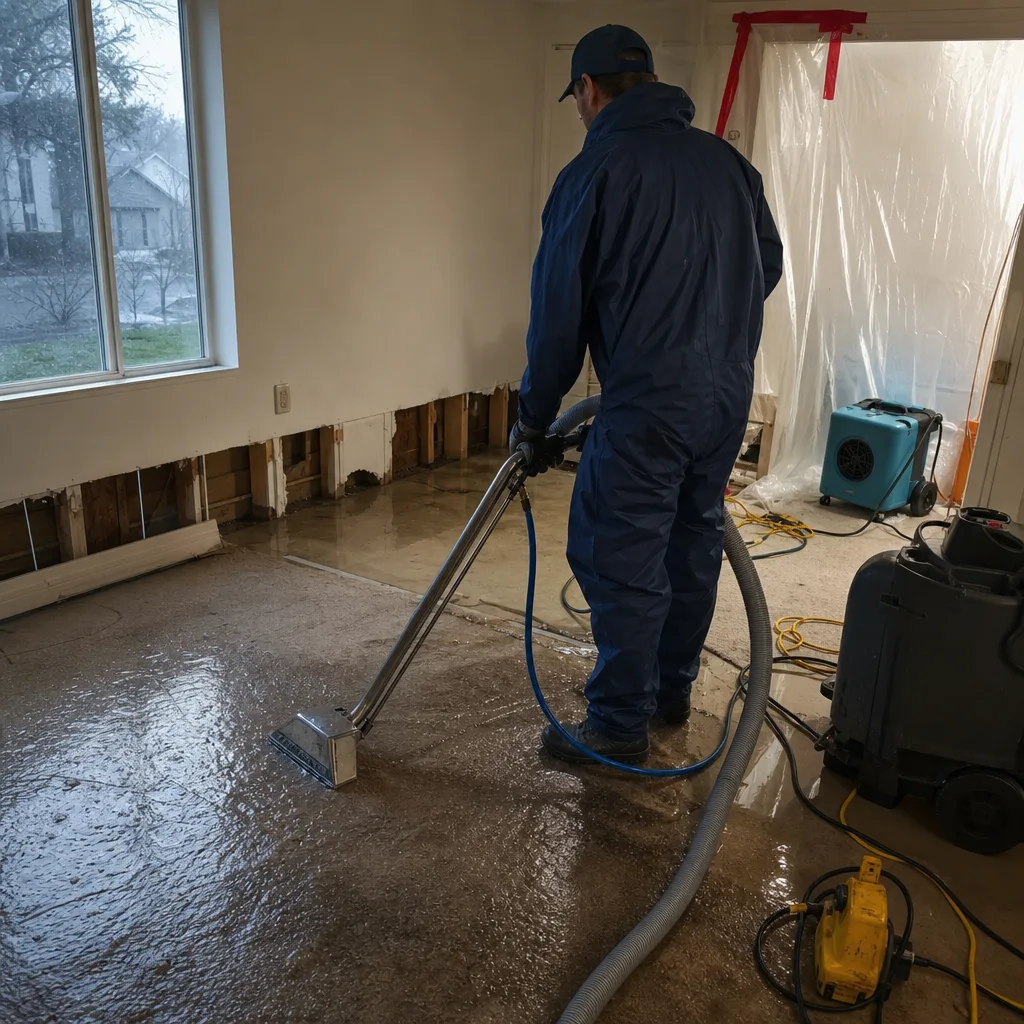
Hoboken’s housing market is dominated by buildings constructed between 1880 and 1940. These are not the wood-framed, drywall-lined structures that most restoration protocols assume. They are brick masonry buildings with plaster over wood lath, multi-wythe cavity walls, and subfloors of individual boards rather than plywood sheets. Each of these features changes how water moves, how long it takes to dry, and what equipment can do the job.
Plaster over lath holds more water than drywall and releases it more slowly. A half-inch of gypsum board might dry in 72 hours under aggressive air movement. A three-coat plaster wall with horsehair binder can hold three times the moisture by weight and require seven to ten days of controlled drying. The lath behind it, typically 1-inch by 4-inch pine strips, creates air gaps that standard drying mats cannot seal against. We use Injectidry systems with custom manifold attachments to force dry air into those cavities without tearing out finished plaster that a historic district or a discerning homeowner wants preserved.
Brick cavity walls are another Hoboken signature. Water that enters from a roof leak or a facade breach does not stay on the interior surface. It migrates through the brick, collects in the cavity, and wicks up the interior wythe by capillary action. You can dry the interior plaster all day and still have saturated brick and mortar on the exterior side of the cavity. We address this with targeted injection drying and, in some cases, small strategic openings to access the cavity directly. The alternative is to wait months for natural evaporation while mold establishes itself in the wall void.
The subfloors in pre-war Hoboken buildings are typically 1-inch thick pine or oak boards, laid diagonally over joists with no plywood sublayer. These boards cup, crown, and crack as they absorb and release moisture. A moisture meter reading on the top surface does not tell you what the underside against the joist reads. We take readings at multiple depths using insulated pin probes, and we document the grain orientation because it affects how the board releases moisture along its length versus across it.
Modern high-rise construction along the waterfront, particularly in neighborhoods like the Hudson Tea Building area and Maxwell Place, presents the opposite problem: concrete slabs, steel studs, and glass curtain walls that dry slowly and require different equipment configurations. The restoration protocol for a 15th-floor concrete slab leak is not the same as for a brownstone basement flood, and any contractor who applies the same template to both is guessing.
The Documentation Chain: From Moisture Map to Clearance Report
Documentation is not an add-on service. It is the structural material of a restoration job, the thing that holds the claim together when an adjuster questions whether the work was necessary or done correctly. The documentation chain has four links, and a break in any one of them weakens the whole.
1. The Initial Moisture Map
Before any equipment runs, before any material is removed, we map every affected area with a calibrated moisture meter. The map records:
- Room identifier and square footage
- Material type and thickness (e.g., 3-coat plaster over wood lath, 1.5 inches total)
- Moisture content readings at multiple points, with probe depth noted
- Category of water (clean, gray, or black per IICRC definitions)
- Photos with date stamp, showing the extent of visible damage and the meter in frame
This map becomes the baseline against which all progress is measured. Without it, a contractor cannot prove that drying occurred, and an insurer can argue that the damage was pre-existing or less extensive than claimed.
2. Daily Drying Logs
Every 24 hours, while equipment is running, we record psychrometric data: temperature in Fahrenheit, relative humidity as a percentage, and grains per pound of air (the absolute moisture content). We also record the specific humidity ratio and the vapor pressure differential between the wet materials and the ambient air. These numbers tell us whether the drying environment is optimized or whether equipment needs repositioning.
The daily log includes equipment inventory: dehumidifier model and serial number, air mover positions with directional notes, and any specialty equipment such as Injectidry cavity drying systems or negative air machines for contamination control. Each log is signed by the technician and photographed with the meter display visible.
3. The Final Clearance Report
When readings stabilize at or below target, we produce a final report with:
- Moisture content readings for every mapped point, compared to the initial baseline
- Verification that unaffected materials in the same structure read within 2% of the dried materials, confirming equilibrium
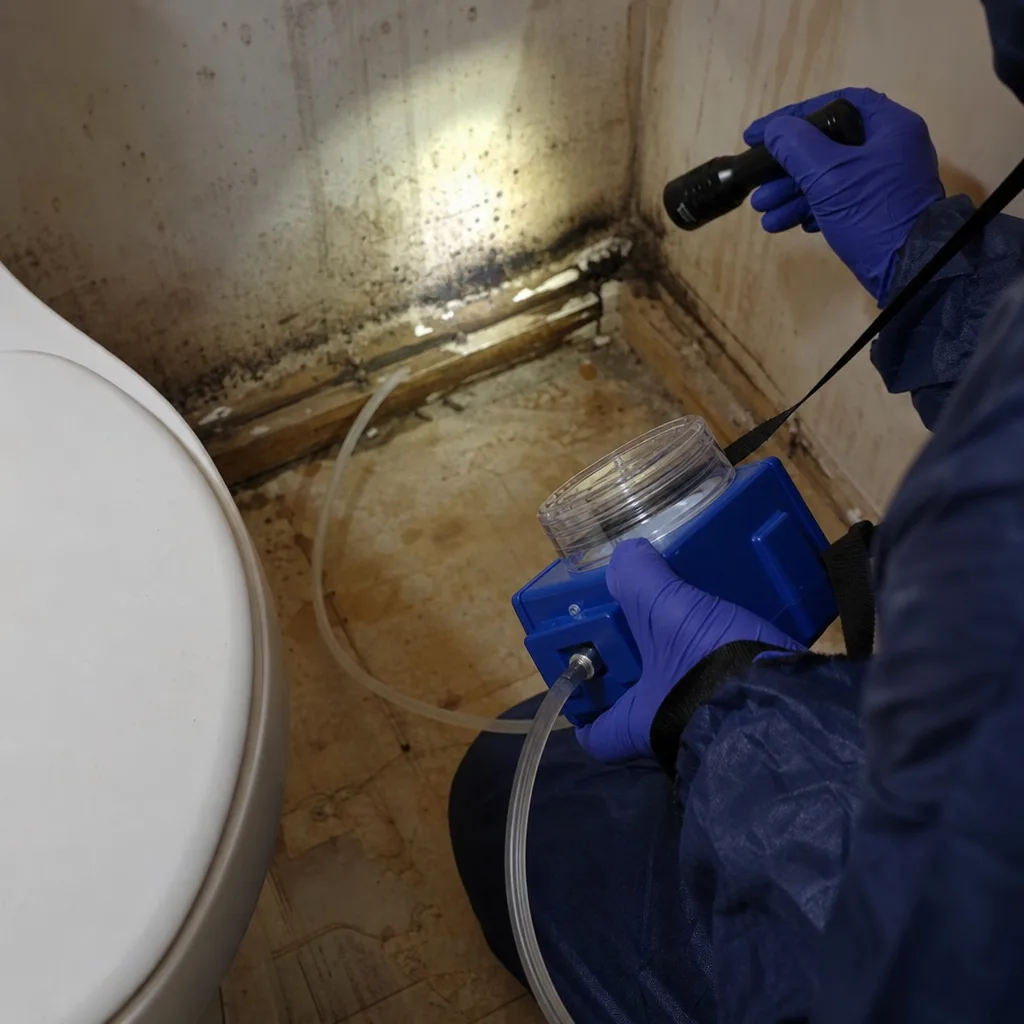
- Category-specific clearance: for mold remediation, this includes spore trap or air sample results; for sewage cleanup, ATP bioluminescence testing to verify sanitization
- Photo documentation of all affected areas in final condition
- Technician signature, license number, and date
4. The Written Warranty
Under The Haven Standard, every job closes with a 365-Day Done Right Promise. If moisture returns, if mold appears, if any documented endpoint fails within one year, we return at no charge to make it right. This is not a verbal assurance. It is a signed document with a claim number that references the original job file.
The Three Most Common Damage Types in Hoboken
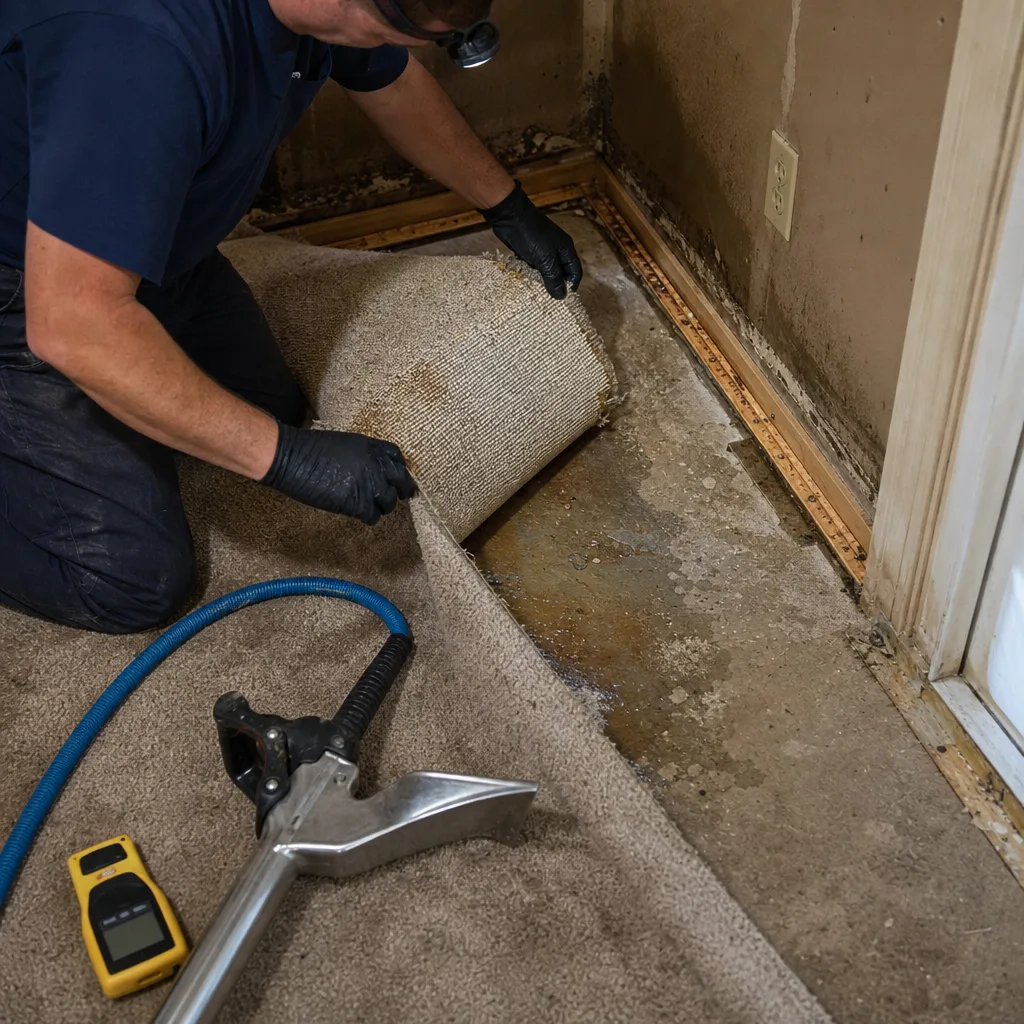
Hoboken’s geography, infrastructure, and building age create a distinct damage profile that produces specific Damage Restoration Warning Signs: A Hoboken Homeowner’s Reference Guide. These three scenarios account for the majority of our emergency calls, and each triggers a different restoration protocol.
Sewer Backup in Pre-War Basements
Hoboken’s combined sewer system, parts of which date to the 19th century, overflows during heavy rain events. Buildings below grade, particularly in the southwest neighborhoods near Observer Highway and Paterson Avenue, experience Category 3 black water intrusion through floor drains and foundation seams. The protocol here is not drying first. It is contamination control first, drying second.
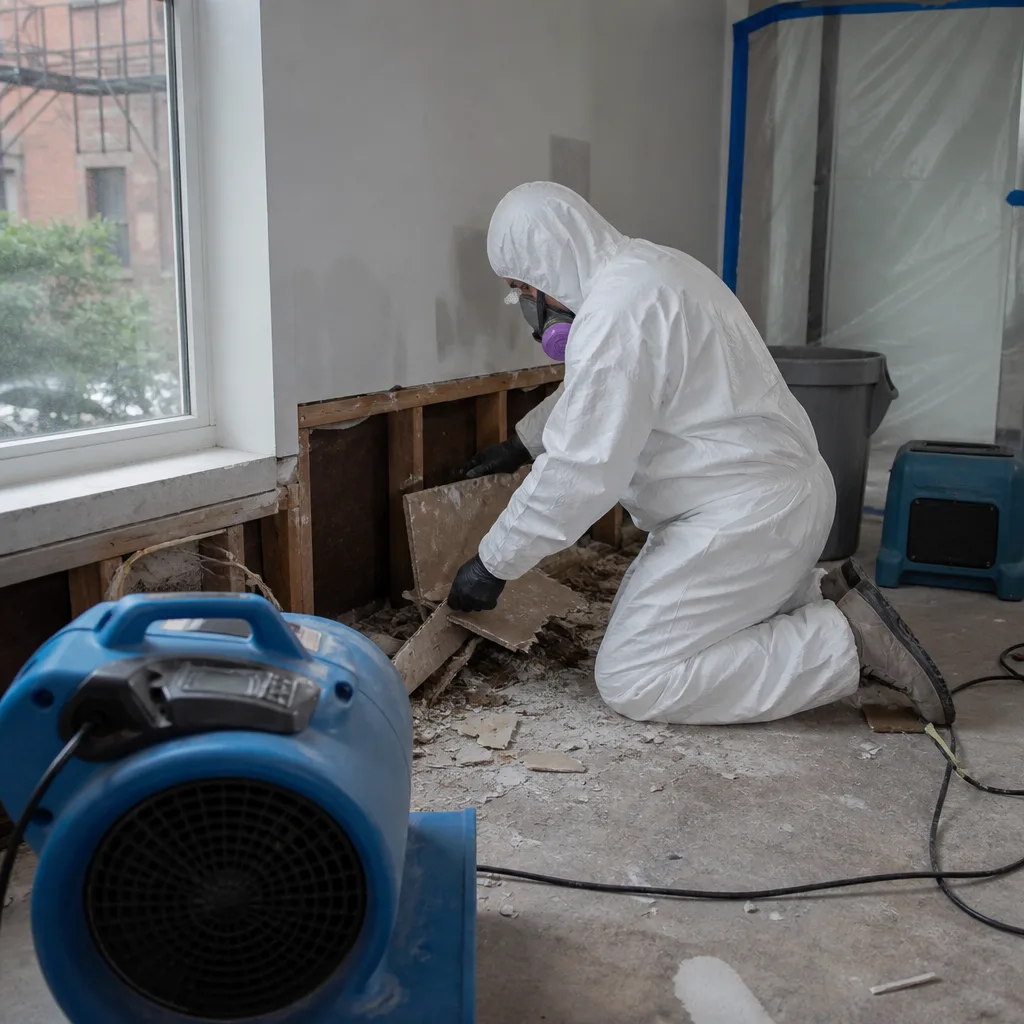
Category 3 water carries pathogens, and porous materials that contact it must be removed: carpet, pad, baseboard, drywall to a minimum of 12 inches above the water line, and any insulation in the affected wall cavity. The remaining structure is HEPA vacuumed, pressure-washed with antimicrobial solution, and then dried. We do not attempt to save carpet pad after sewage contact. The IICRC S500 is explicit on this point, and any contractor who suggests otherwise is exposing the homeowner to liability.
Roof Ice Dams in Sloped Brownstones
Hoboken’s row houses with flat or low-slope roofs behind parapet walls are prone to ice damming when heat loss melts snow that refreezes at the eaves. Water backs up under membrane roofing and enters through nail penetrations, light fixtures, and chimney flashings. The damage often appears as staining on top-floor ceilings, sometimes with no obvious roof leak visible from outside.
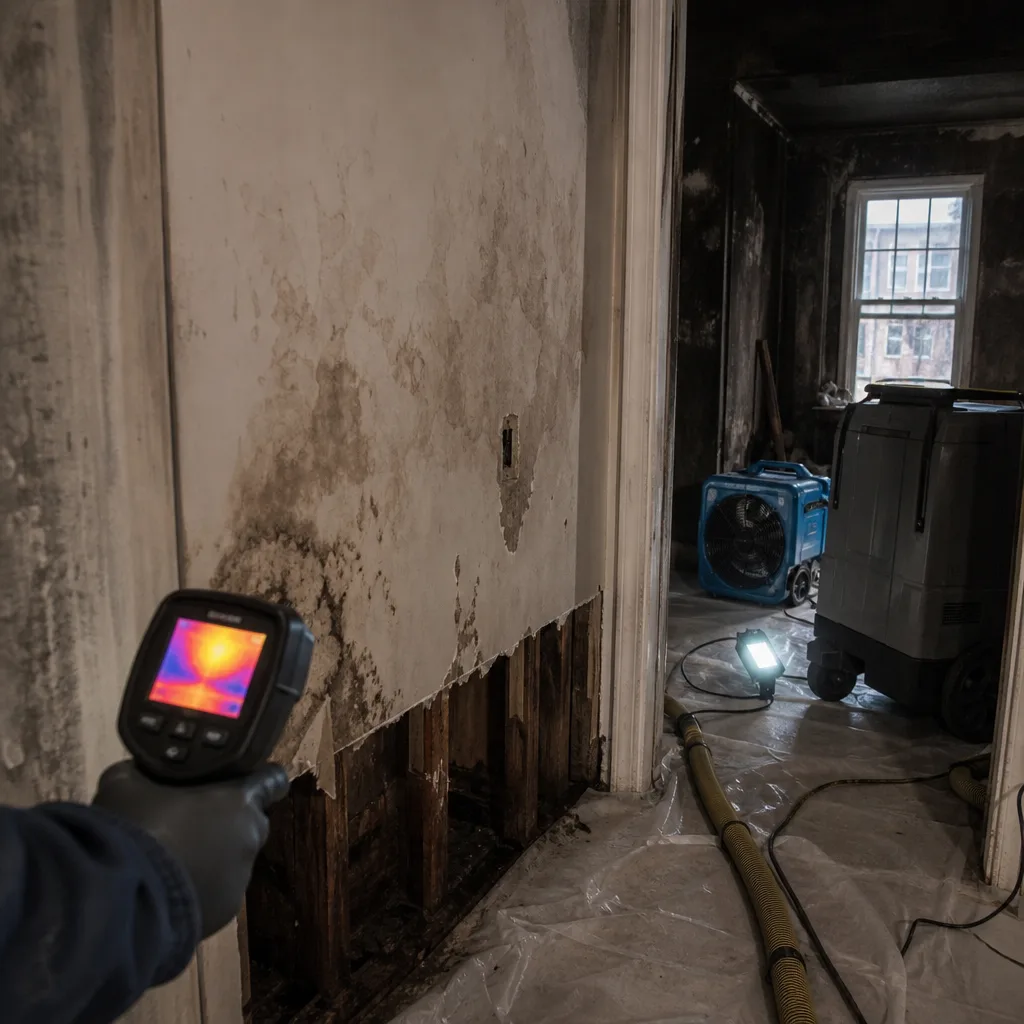
The restoration protocol requires interior drying of plaster ceilings and, critically, thermal imaging to trace the water path back to its entry point. We have seen jobs where the visible stain was four feet from the actual roof breach because water traveled along the lath channels. Drying only the stained area leaves the source path wet and guarantees recurrence. Our documentation includes thermal images with temperature differentials noted, so the roofer who repairs the source has a map of where to look.
Storm Surge and Waterfront Flooding
Hoboken’s Hudson River waterfront, from Weehawken Cove to the former Maxwell House site, sits at or below sea level in many locations. Hurricane Sandy demonstrated the vulnerability: storm surge pushed water into ground-floor and basement spaces across the eastern half of the city. The risk persists for buildings in the flood zone, particularly those constructed before modern elevation requirements.
Storm surge brings Category 2 or 3 water, often with chemical contamination from industrial sources and salt corrosion of metal components. The restoration protocol includes corrosion inhibitor application to steel fasteners and electrical boxes, in addition to standard drying and decontamination. Salt residue also affects moisture meter calibration; we clean and recalibrate meters daily during saltwater jobs to ensure readings are accurate.
What a Written Scope of Work Must Contain Before You Sign
Haven Standard, Clause 1, is non-negotiable: a written price before any work starts, every time, with no exceptions. But a price without a scope is just a number. Homeowners should also understand the Damage Restoration Permits, Codes & Inspections in NJ: What You Need to Know that may affect their project. The scope is what defines the work, and a homeowner should never authorize a restoration job without reading and understanding every line of it.
A proper written scope contains:
- Property identification: Address, unit number, and areas of access. In Hoboken’s multi-family buildings, this matters: we specify which floors, which rooms, and which common areas require entry.
- Loss description: Date of loss, source of water or damage, category and class per IICRC definitions. Class 1 is minimal absorption; Class 4 is deep saturation in low-permeance materials like plaster and hardwood. The class determines equipment count and drying duration.
- Line-item tasks: Each discrete action with its unit price: moisture mapping, equipment setup per day, demolition of specific materials by square foot or linear foot, HEPA vacuuming, antimicrobial application, disposal, and final clearance testing.
- Equipment specifications: Dehumidifier capacity in pints per day, air mover count and positioning, and any specialty equipment. This prevents a contractor from bringing residential-grade units to a commercial-scale loss.
- Timeline estimate: Projected drying days, inspection intervals, and criteria for equipment removal. This is an estimate, not a guarantee, but it should be based on comparable jobs with similar material profiles.
- Exclusions: What the scope does not cover. Typically this includes source repair (fixing the pipe or roof), reconstruction (painting, flooring replacement), and contents cleaning unless specifically added.
- Payment terms: Deposit if any, billing frequency, insurance assignment authorization, and lien waiver provisions.
We encourage every Hoboken homeowner to obtain a second opinion on any competitor’s written estimate. Bring it to us at no charge. We will review the scope for completeness, check that the class and category are correctly identified, and flag any line items that seem excessive or omitted. This is not a sales tactic. It is a service we offer because we have seen too many homeowners sign scopes that guarantee a dispute six months later.
Equipment, Standards, and Why the Brand on the Dehumidifier Matters
Restoration equipment is not interchangeable. A dehumidifier rated for 70 pints per day in residential use will not maintain the vapor pressure differential required in a Class 4 water loss with plaster walls and hardwood floors. The IICRC S500 specifies equipment sizing by cubic feet of affected space, class of loss, and target drying time. Meeting those specifications requires commercial-grade units.
We deploy professional-grade drying systems from Dri-Eaz, Phoenix, XPOWER, B-Air, and Injectidry. These manufacturers design for restoration professionals, with features that matter: condensate pumps that operate continuously without bucket emptying, hot-gas bypass defrost for low-temperature operation in unheated Hoboken basements in January, and digital humidistats that log runtime and cycle data for documentation.
Injectidry systems deserve particular mention for Hoboken’s building stock. Their interstitial drying technology uses negative or positive air pressure to force dry air into wall cavities, floor voids, and other spaces that conventional air movers cannot reach. In a plaster-over-lath wall, an Injectidry mat sealed to the surface can reduce drying time by 40% compared to surface drying alone, preserving historic finishes that would otherwise require demolition.
All work is documented to IICRC, RIA (Restoration Industry Association), and IFA (Indoor Air Quality Association) standards. These are not memberships. They are documented protocols with specific requirements for technician training, equipment maintenance, and quality assurance. When we state that a job meets IICRC S500, we mean that every step, from initial assessment to final clearance, follows the prescribed procedure and produces the required documentation.
Working With Insurance: Documentation That Gets Claims Paid
The single largest source of disputes in restoration is not the quality of the work. It is the quality of the documentation that supports the invoice. Insurers deny claims for three predictable reasons: the damage is claimed to be pre-existing, the work is claimed to be unnecessary or excessive, or the invoice lacks itemization that ties each charge to a specific documented condition.
Our documentation protocol is designed to preempt all three objections. The initial moisture map with dated photos proves that the damage occurred and establishes its extent at the time of our arrival. The daily drying logs prove that the work was necessary and performed to standard. The line-item scope with unit prices proves that each charge is reasonable and customary for the Hoboken market.
We also coordinate directly with adjusters when authorized. Our photo records are uploaded to shared folders with metadata intact: camera model, GPS coordinates, timestamp, and technician name. Adjusters can verify that images were taken on-site on the claimed date, not downloaded from a stock library. Our drying logs are exported in formats that import directly into major claim management platforms.
For homeowners, this means fewer phone calls, fewer disputes, and faster payment. We have handled claims where the initial adjuster’s estimate was 40% below our scope, and the documentation gap was closed in a single phone call because the evidence was unambiguous. We have also seen claims where the homeowner used a contractor with no documentation, and the gap was never closed: the homeowner paid the difference out of pocket or lived with incomplete restoration.
The Free Second Opinion on Any Written Estimate applies to insurance scopes too. If your adjuster’s estimate seems low, or if a contractor’s scope seems high, bring both. We will identify the discrepancies and explain them in language that an adjuster can accept.
Choosing a Restoration Contractor in Hoboken
The Hoboken restoration market includes national franchise networks, independent operators, and general contractors who add water damage to a longer list of services. The choice matters because restoration is a specialty with its own standards, equipment, and liability exposure. A general contractor who installs kitchens is not automatically qualified to manage a Category 3 sewage loss with microbial contamination.
We recommend evaluating contractors on four criteria that can be verified, not promised:
- License and insurance verification: Ask for the license number and verify it with the New Jersey Division of Consumer Affairs. Ask for certificates of insurance with your name as additional insured. Background-checked, uniformed technicians should be standard, not a selling point.
- Equipment inventory: Ask what dehumidifier models they own or lease, not what brands they “use.” A contractor who rents equipment by the day has an incentive to remove it before drying is complete. We own our fleet and maintain it to manufacturer specifications.
- Documentation samples: Ask to see a redacted example of a moisture map, a daily drying log, and a final clearance report. If a contractor cannot produce these, they are not following IICRC standards and your claim is at risk.
- Written guarantee: Ask for the specific language of any warranty or promise. The Haven Standard 365-Day Done Right Promise is a signed document with a claim number, not a website slogan.
Live person answers every call, 24 hours a day, 7 days a week, on emergency lines. No voicemail trees, no next-business-day callbacks while water is still wicking up your walls. This is not a convenience feature. It is a structural requirement for emergency response, and any contractor who cannot provide it is not structured for the work they claim to do.
Common Mistakes to Avoid
- Waiting to see if it dries on its own. In Hoboken’s humid summer climate, wet plaster and lath will not dry before mold colonizes. We have seen homeowners wait 72 hours and turn a $3,000 drying job into a $15,000 mold remediation.
- Accepting a verbal estimate. Haven Standard, Clause 1 exists because verbal estimates become disputed invoices. A written price before work starts protects both parties.
- Hiring the contractor who arrives fastest without checking documentation capability. Speed matters in mitigation, but a fast start with no drying logs is worse than a delayed start with proper documentation.
- Assuming insurance will cover everything without understanding the scope. Policies have limits, deductibles, and exclusions. A contractor who promises “insurance will take care of it” without reviewing your policy is making a claim they cannot guarantee.
- Neglecting the source repair. Restoration addresses the damage, not the cause. We document the source location for your roofer or plumber, but we do not perform source repair unless it is explicitly scoped.
- Signing an authorization that assigns benefits without understanding the terms. Assignment of benefits can streamline payment but may limit your control. Read the document, or have it reviewed, before signing.
When to Call a Professional
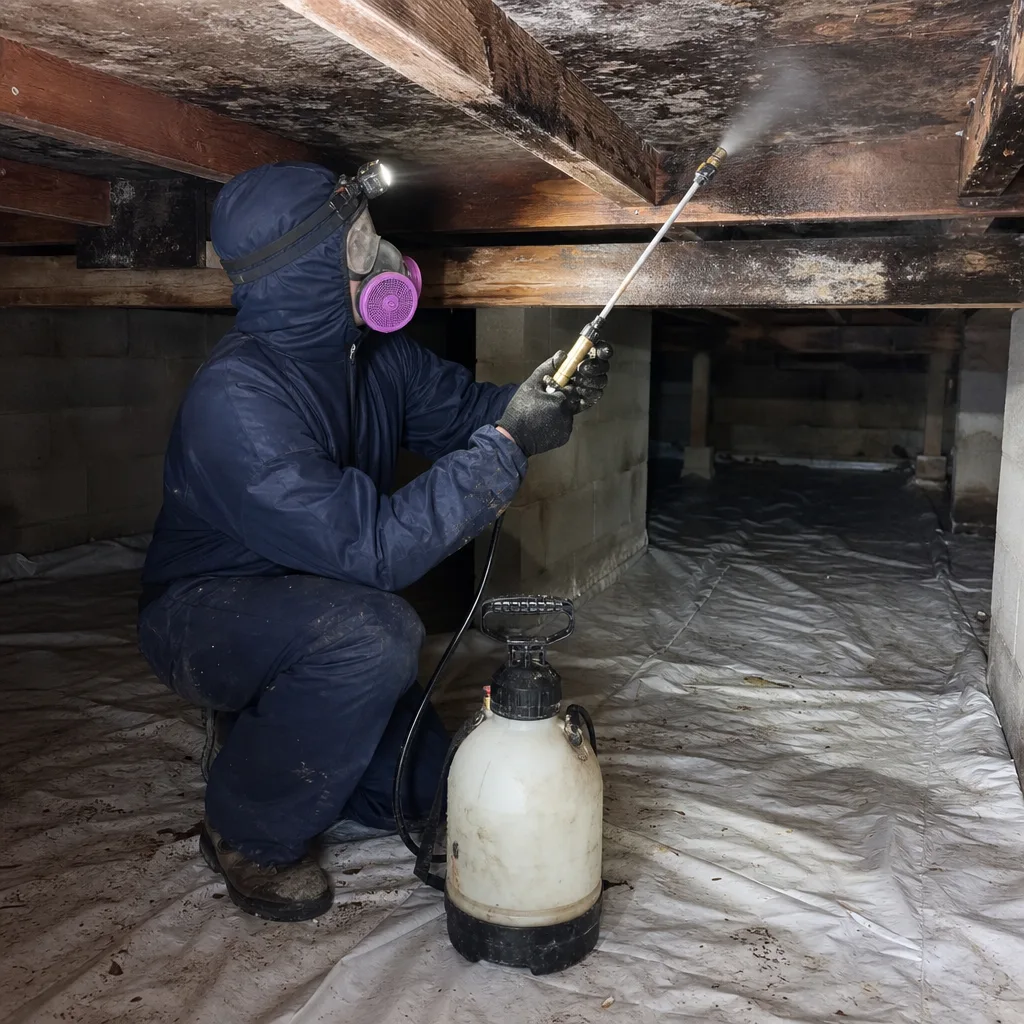
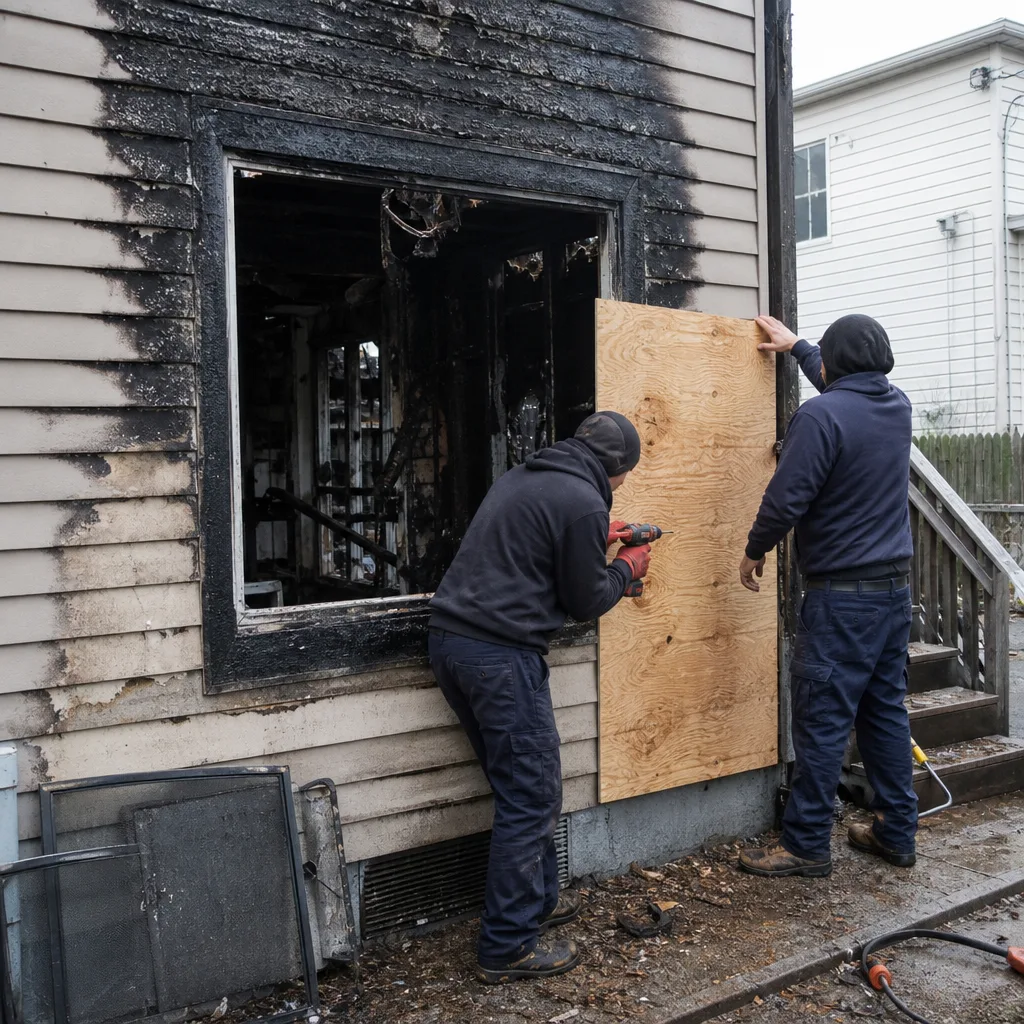
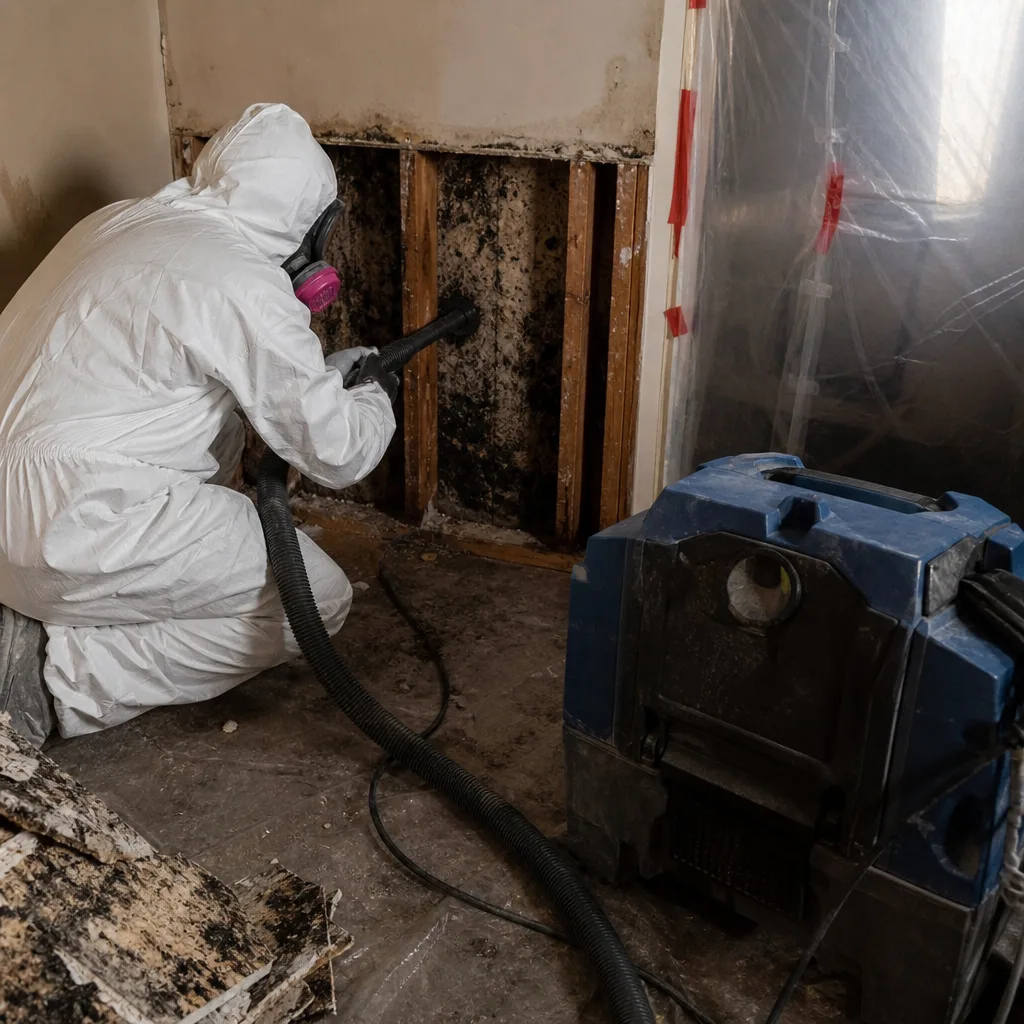
Call a professional when water has affected more than a single small area that you can dry with household fans, when the water source is Category 2 or 3 (gray or black water), when you smell mold but cannot locate the source, when fire or smoke has affected multiple rooms, or when any damage involves structural materials like subfloors, wall cavities, or HVAC systems. These are not DIY situations. The equipment required is specialized, the contamination risks are real, and the documentation requirements for insurance are specific.
DryMark Restoration Hoboken offers free estimates in Hoboken. We will assess the damage, produce a written scope with a fixed price, and explain the documentation chain before any work begins. Call (551) 212-1580 to schedule an assessment or to request a Free Second Opinion on any competitor’s written estimate.
Frequently Asked Questions
Water damage mitigation in Hoboken typically ranges from $1,200 for a contained Class 1 loss in a single room to $8,500 or more for a Class 4 basement flood with plaster and hardwood saturation. Mold remediation averages $2,500 to $6,000 depending on affected square footage and containment requirements. Fire and smoke restoration starts around $3,000 for surface cleaning and deodorization, with full reconstruction priced separately. Every job is quoted in writing before work begins under Haven Standard, Clause 1. Call (551) 212-1580 for an exact quote; estimates are free.
Most Hoboken homeowners policies cover sudden and accidental water damage, but coverage varies by policy language, deductible, and cause. Gradual leaks and maintenance issues are typically excluded. We document every job to insurance standards and coordinate directly with adjusters when authorized. Photo documentation and direct adjuster coordination are included as standard, never upsold. Call (551) 212-1580 to discuss your specific policy and loss.
Pre-war construction with plaster and lath typically requires 7 to 14 days of active drying, compared to 3 to 5 days for modern drywall construction. The plaster holds more moisture and releases it more slowly, and the lath channels create complex air pathways that require specialty equipment. Our daily drying logs track progress and justify equipment rental days to your insurer. Call (551) 212-1580 for a timeline estimate based on your specific building and damage class.
Visible mold growth on porous materials like drywall, carpet, or ceiling tile requires remediation: removal of affected materials, HEPA containment, and clearance testing. Surface mold on non-porous materials like ceramic tile or glass may be cleanable with appropriate antimicrobial agents. The distinction matters because cleaning without removing the moisture source guarantees recurrence. We test to determine the appropriate protocol and document the recommendation in writing. Call (551) 212-1580 for an assessment.
Stop the water source if safe to do so, turn off electricity to affected areas if water is near outlets or panels, remove contents that can be moved without entering standing water, and call for professional assessment. Do not enter Category 3 (sewage) water without protective equipment. Do not use household vacuum cleaners on wet surfaces. Document the damage with photos for your records. Call (551) 212-1580 for 24/7 emergency response in Hoboken.
We handle adjuster communication when you authorize us to do so, providing documentation in formats that integrate with major claim platforms. You remain the policyholder and retain final approval authority. Our photo records, drying logs, and written scopes are designed to answer adjuster questions before they are asked, reducing back-and-forth and accelerating payment. Direct adjuster coordination is standard on every job. Call (551) 212-1580 to discuss your claim.
The Bottom Line
Restoration is not finished when a room looks dry. It is finished when a moisture meter reads 16% or below in every affected assembly, that reading is logged with a timestamp, and the log is assembled into a report that an adjuster can review without calling for clarification. Hoboken’s pre-war buildings, waterfront exposure, and dense construction make that standard harder to reach and more important to enforce. The contractors who cut documentation cut corners; the homeowners who accept verbal promises accept risk. A written price before work begins, a photo record on every visit, and a 365-Day Done Right Promise are not marketing features. They are the minimum requirements for a job that will stand up to inspection, in Hoboken or anywhere else.
Written by Alicia Brennan, Owner at DryMark Restoration Hoboken, serving Hoboken since 2011.