
Last updated September 23, 2026
Free visual inspection and a written scope of work before any mitigation begins - photos, moisture readings, and drying logs go in your claim file
The scope we write is the scope we bill. Anything new gets shown to you, in writing, before we touch it.
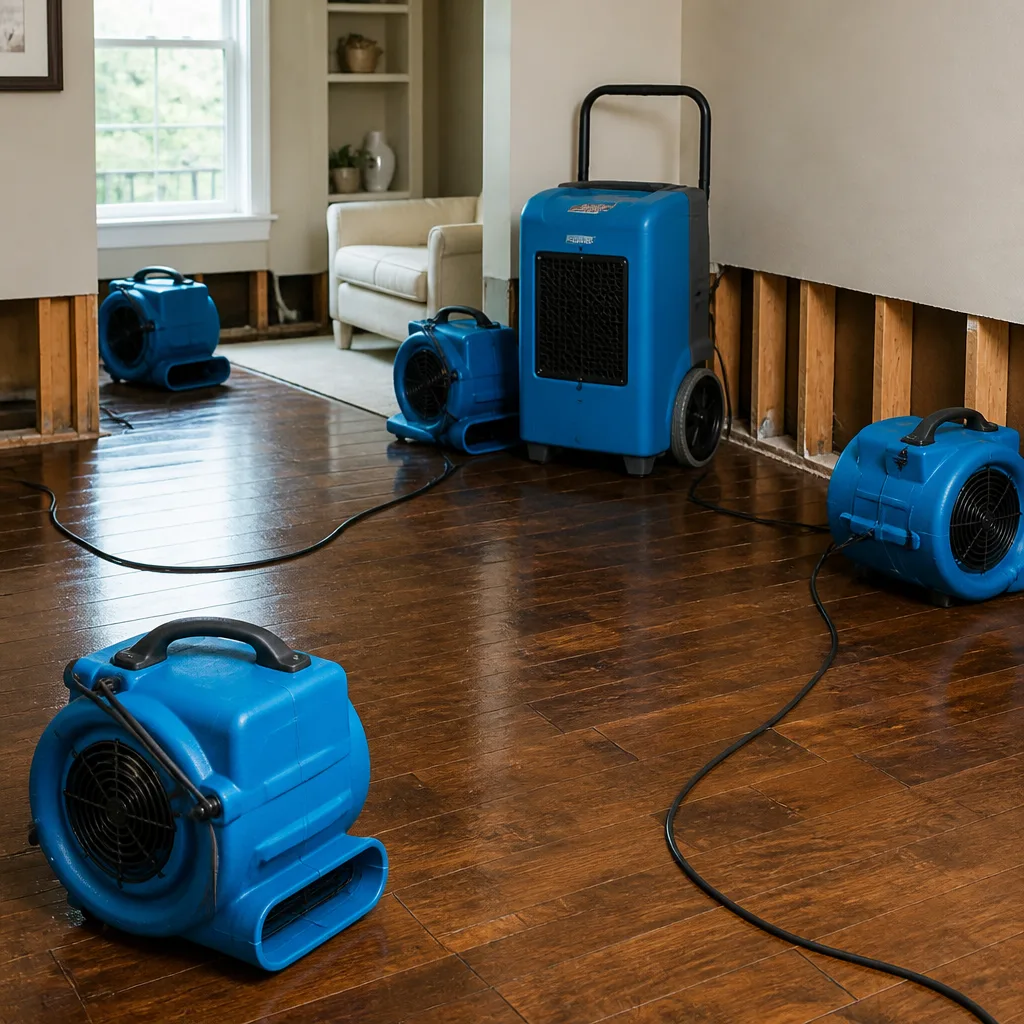
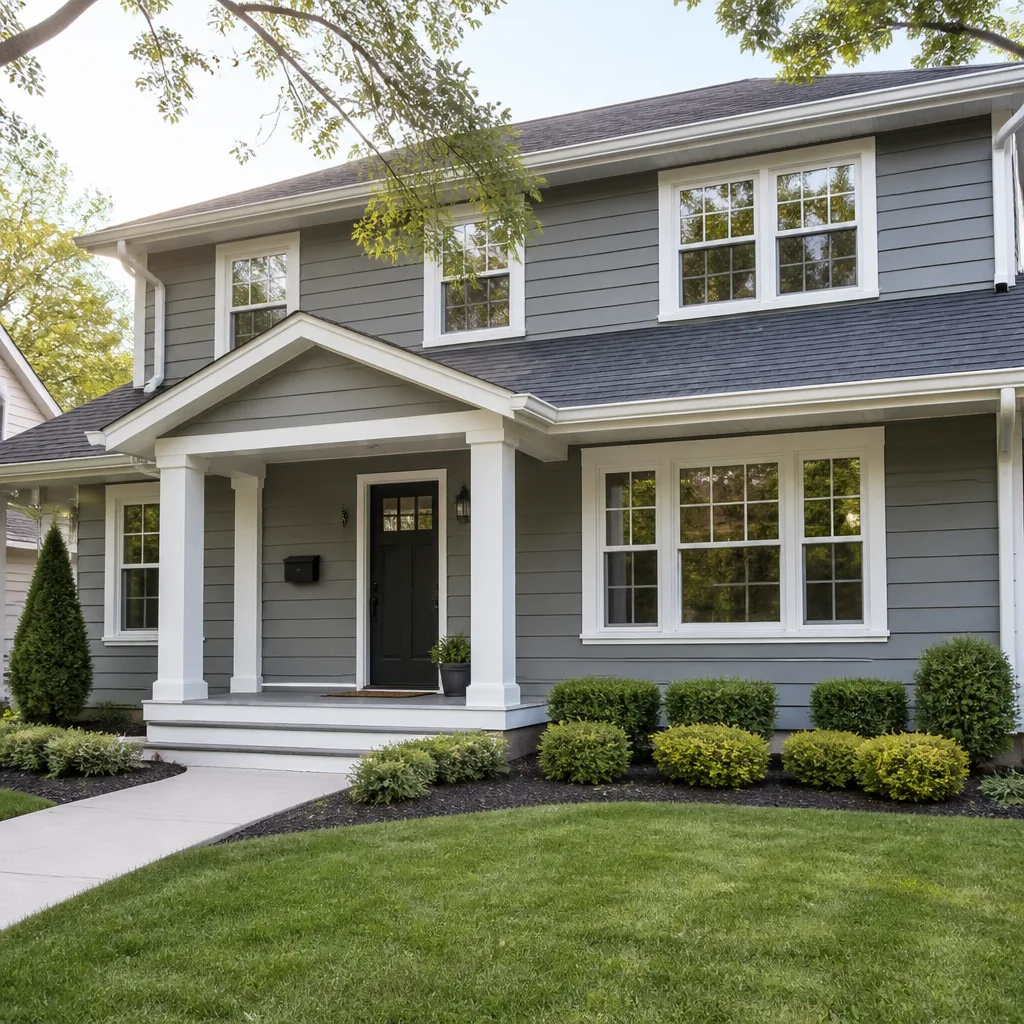
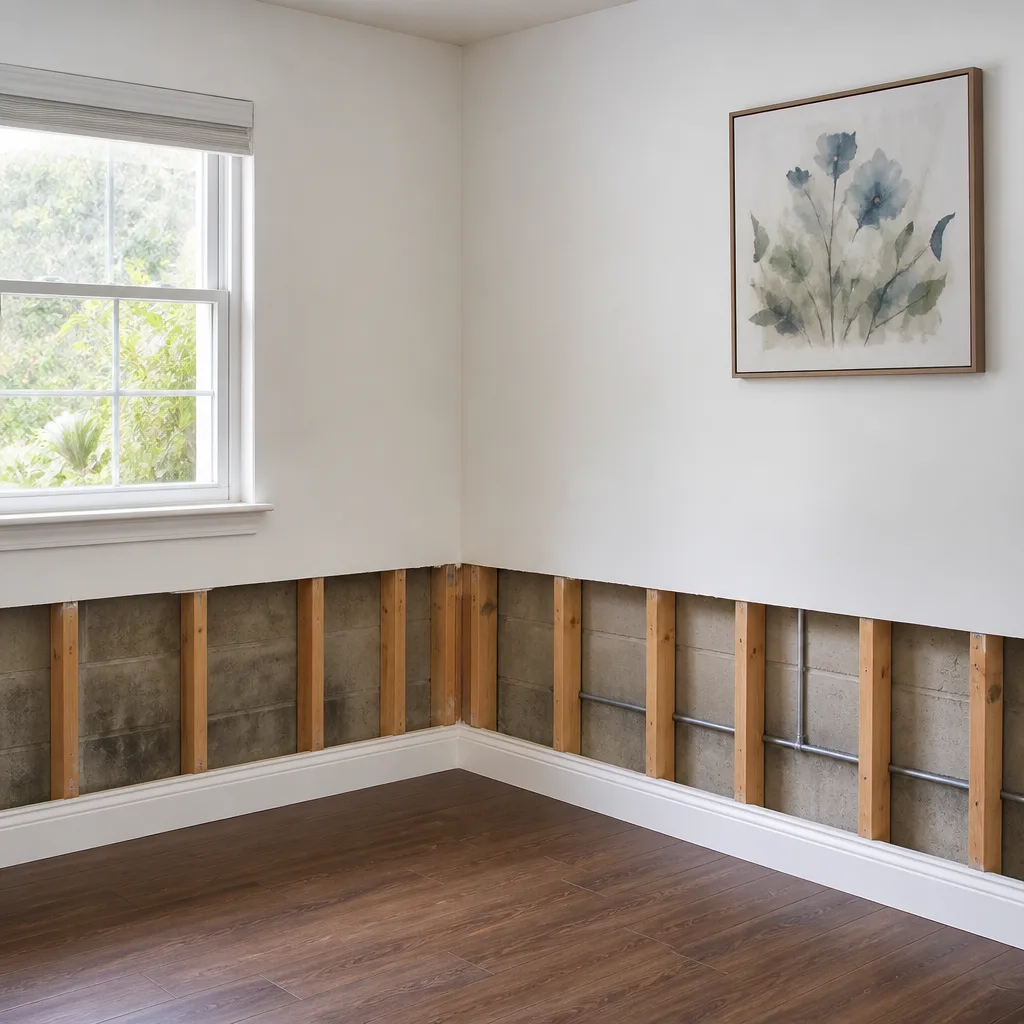
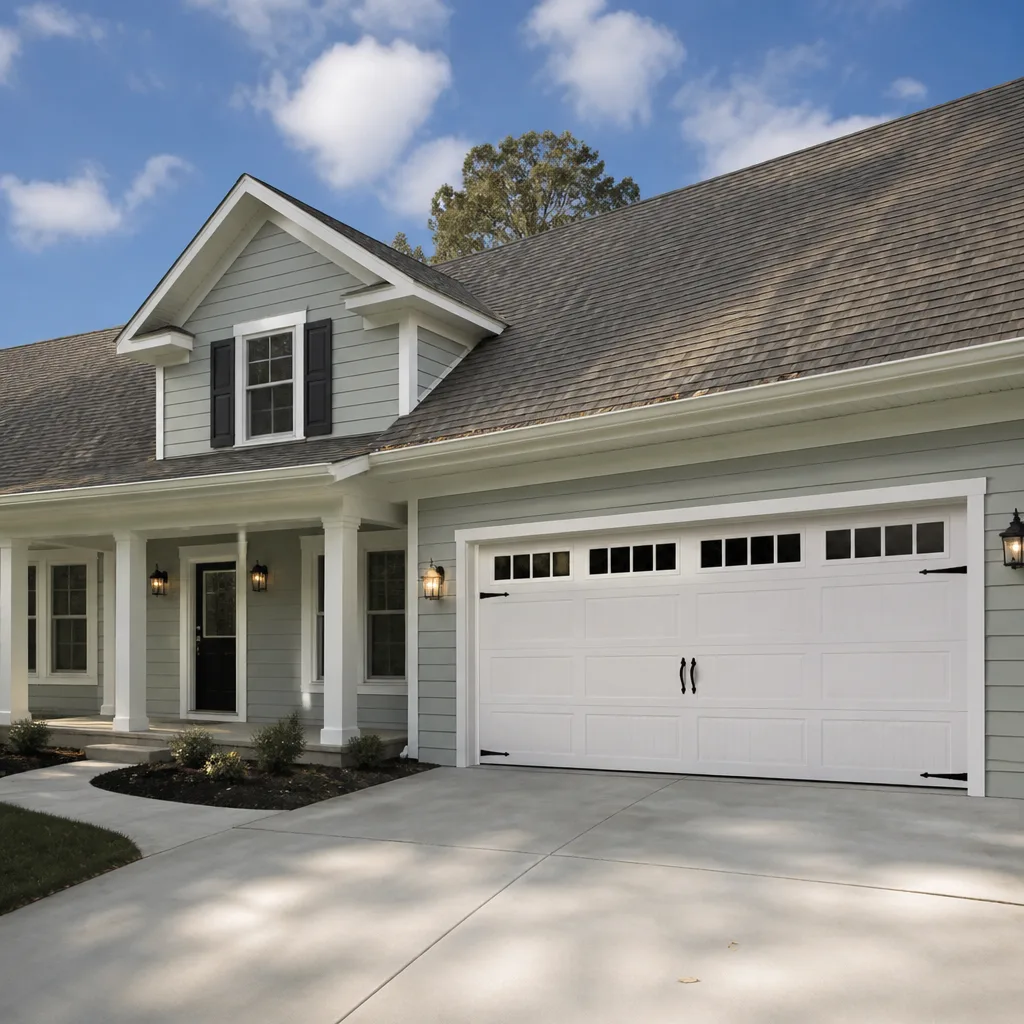
 Before
 After
After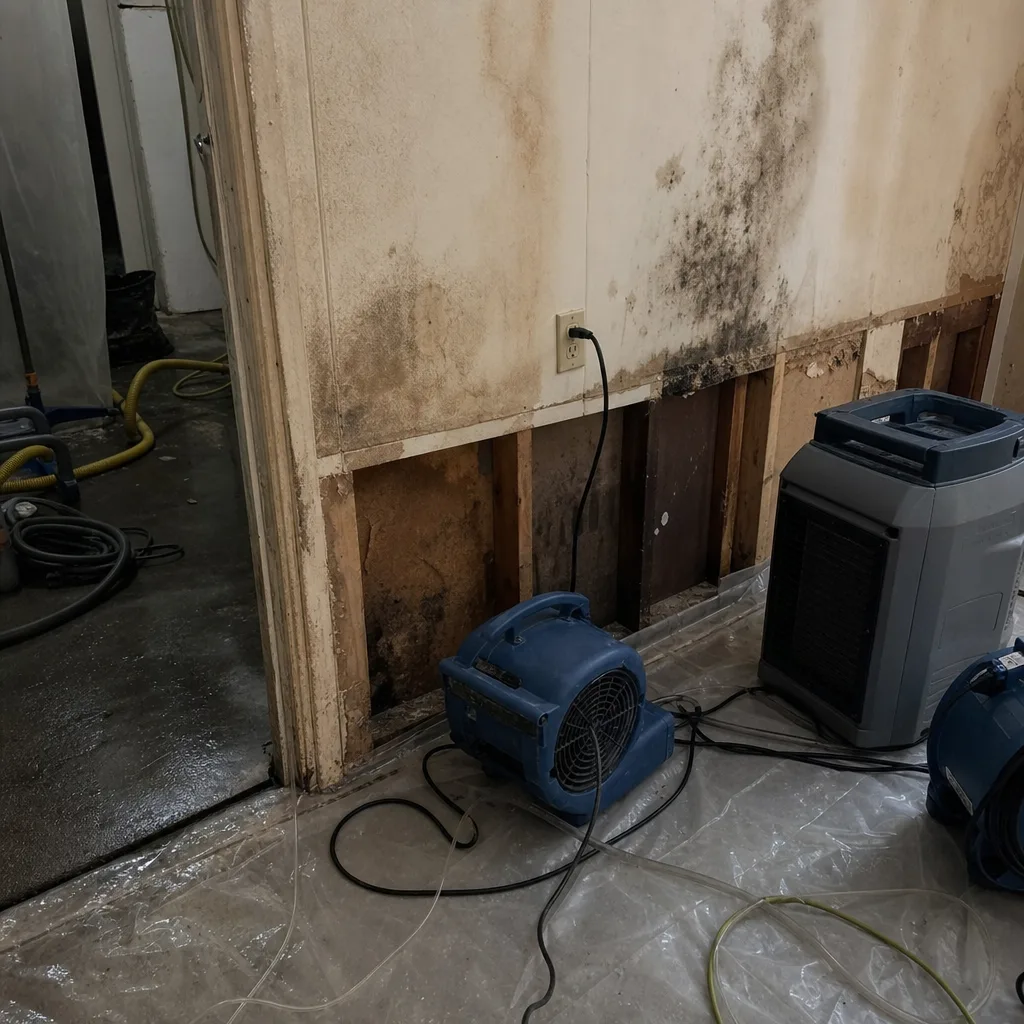 Before
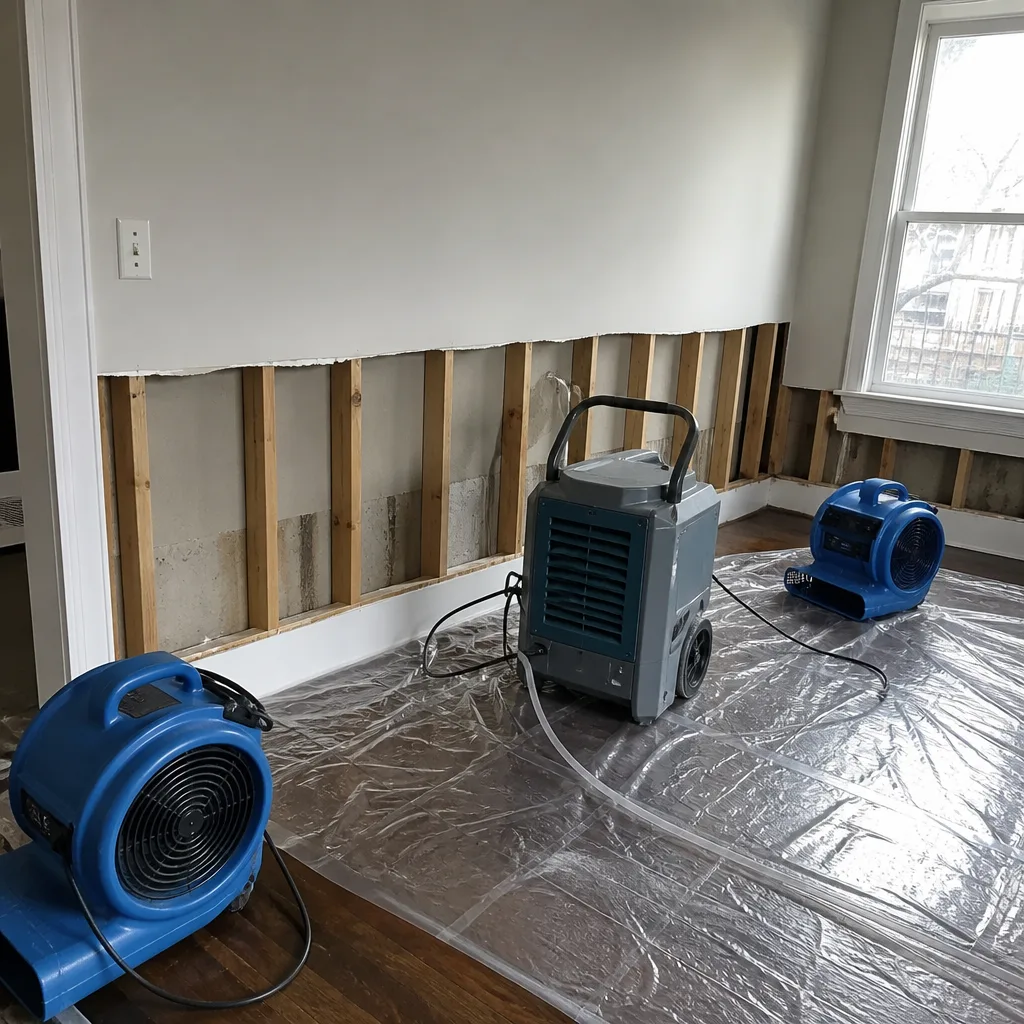 After
After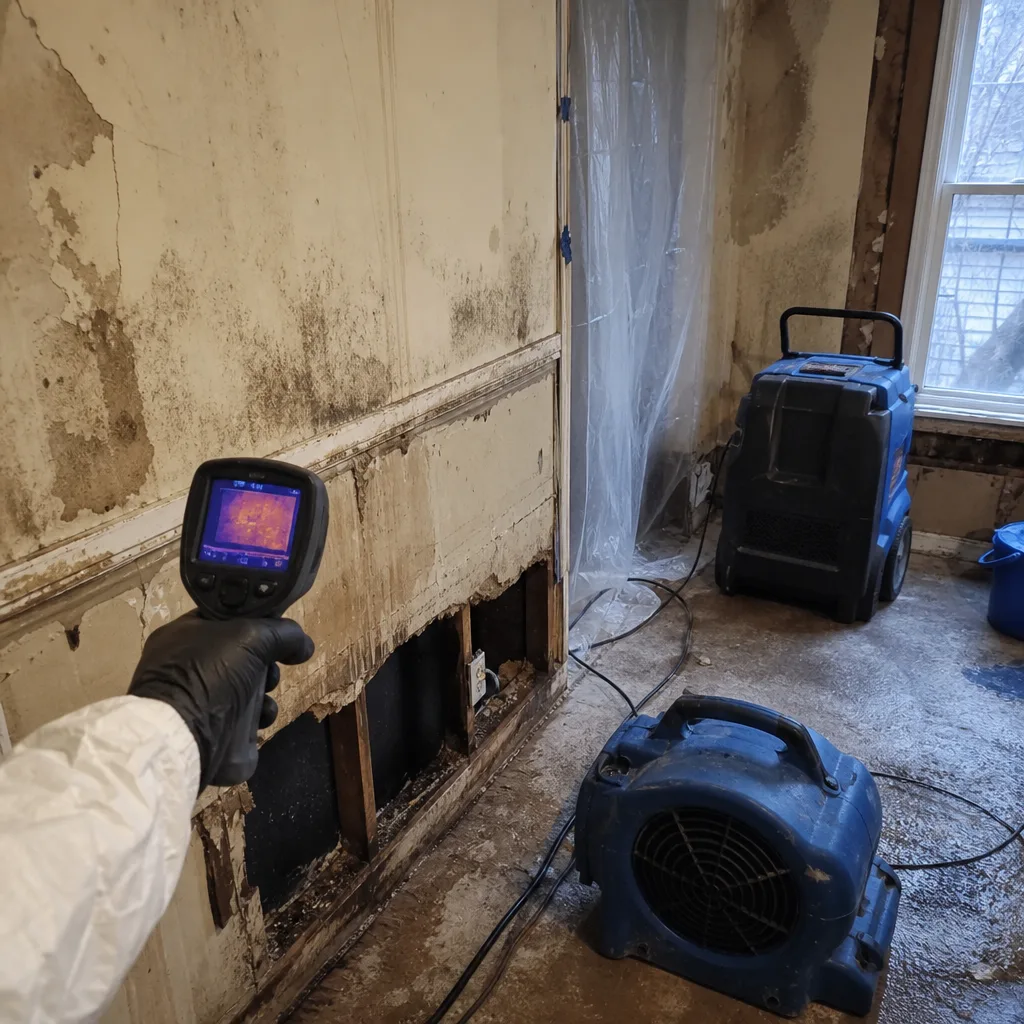 Before
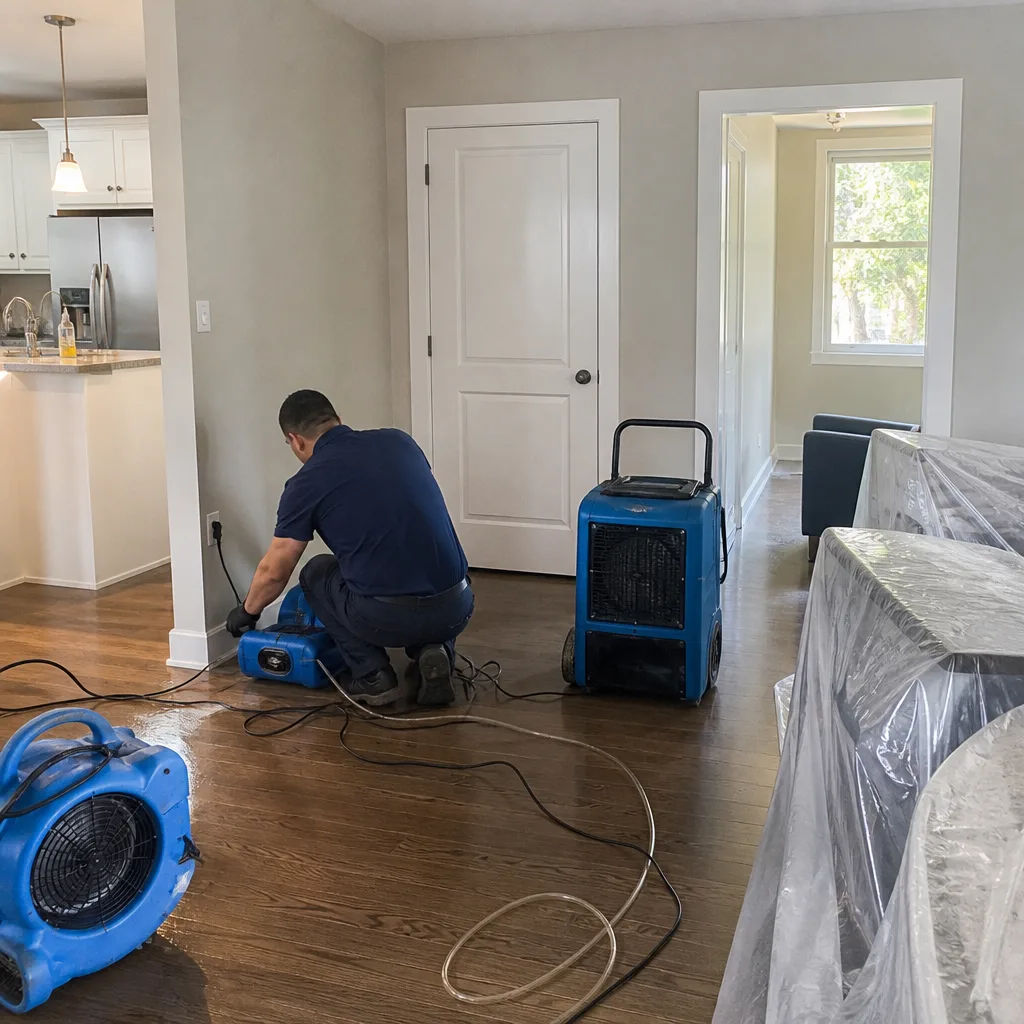 After
AfterDamage Restoration Permits, Codes & Inspections in NJ: What You Need to Know
In New Jersey, replacing more than 25% of a roof surface requires a permit - but most storm-damage contractors pull none, and the unpermitted work becomes your liability when you sell or file a second claim. We’ve reviewed thousands of restoration files since 2011, and the pattern is consistent: the jobs that generate the most disputes aren’t the ones with the most damage, they’re the ones where someone skipped the permit. This guide explains which restoration tasks trigger permit requirements in New Jersey, how Hoboken’s historic district overlays add a second approval layer, and how to verify your contractor did the paperwork before you pay the final invoice. For related reading, see our Damage Restoration Warning Signs: A Hoboken Homeowner’s Reference Guide.
Quick Answer
Most structural, electrical, and HVAC restoration work in New Jersey requires a permit under the Uniform Construction Code (UCC). In Hoboken, properties within historic district overlays face additional design review. Unpermitted restoration can void your homeowner’s insurance, block your certificate of occupancy, and create personal liability for defects that appear after sale.
Table of Contents
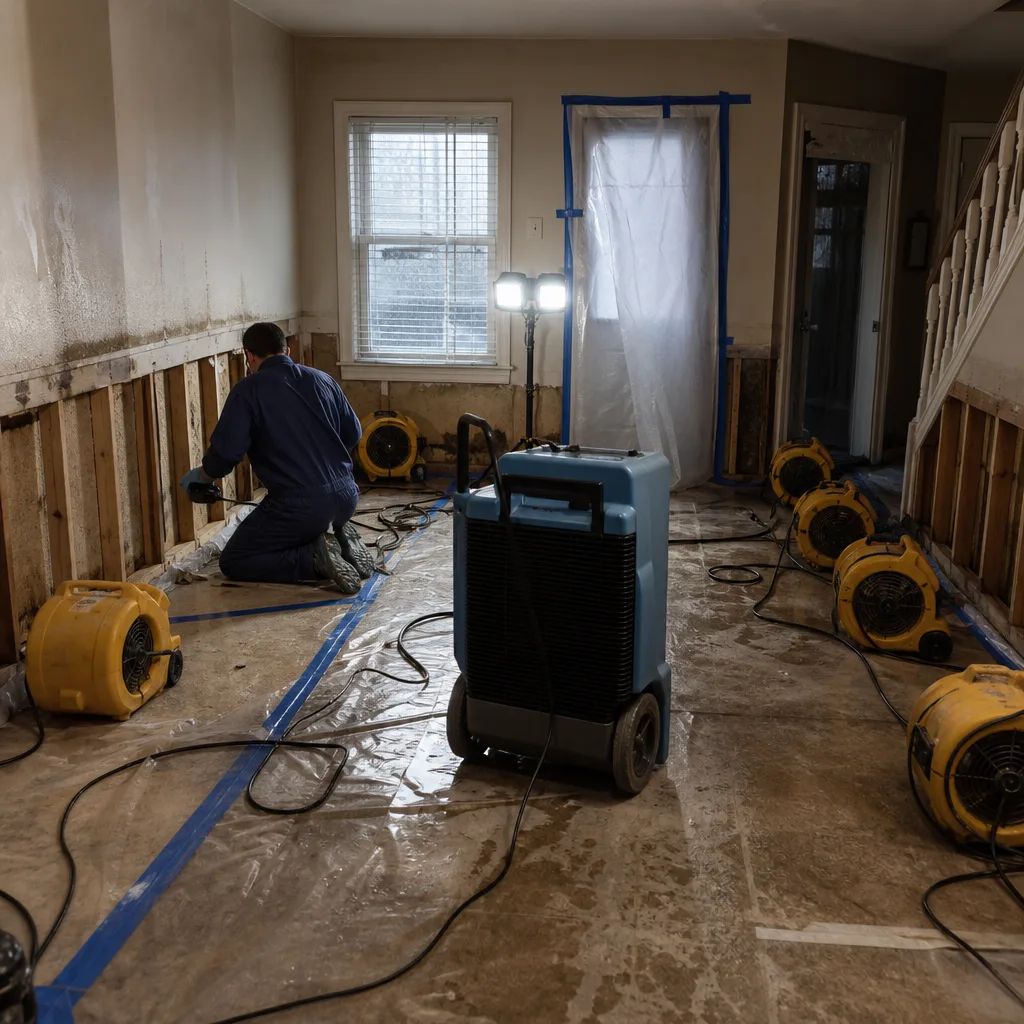
- Which Restoration Tasks Require Permits in New Jersey?
- Hoboken’s Historic District Overlays: The Second Approval Layer
- What a Certificate of Occupancy Actually Certifies (and Why Insurers Want It)
- How to Verify Your Contractor Pulled the Required Permits
- The Financial Risk of Unpermitted Restoration Work
- Navigating Inspections During Active Restoration
- Common Mistakes to Avoid
- When to Call a Professional
- Frequently Asked Questions
BeforeAfterWhich Restoration Tasks Require Permits in New Jersey?
New Jersey’s Uniform Construction Code (UCC), adopted under the NJ Department of Community Affairs, classifies most restoration work beyond cosmetic cleanup as “construction” requiring municipal permits. The threshold surprises many homeowners: it’s lower than most contractors advertise.
Structural repairs requiring permits:
- Replacement of more than 25% of a roof surface in any 12-month period
- Repair or replacement of load-bearing walls, beams, or floor joists
- Foundation repair or underpinning after flood or structural damage
- Deck or porch reconstruction exceeding 200 square feet
- Any structural modification to egress routes (doors, windows, stairways)
Electrical system restoration after water exposure:
Flood-damaged electrical panels, wiring below the high-water line, and submerged outlets all require permits under the National Electrical Code as adopted by New Jersey. The 2023 NEC updates, effective in NJ municipalities, mandate replacement of any wiring or devices that were submerged - not drying or cleaning, but full replacement with inspection. We’ve documented jobs in Hoboken where contractors dried walls but left original outlets at 12 inches above grade, only to have the municipal inspector fail the rough electrical and require full gutting of finished work.
HVAC replacement and remediation:
Replacement of furnaces, boilers, or central air conditioning units requires mechanical permits. Mold remediation inside ductwork triggers additional requirements if the contractor must cut into plenums or modify system airflow. In our experience, the most common violation is a contractor replacing a flood-damaged furnace in a Hoboken basement without pulling the mechanical permit, then discovering at resale that the unit has no inspection sticker and cannot be legally operated.
Plumbing restoration:
Replacement of water heaters, sewer lines, or substantial portions of supply piping requires plumbing permits. After sewage backup events, which we handle under Water Damage Restoration in Hoboken, any replacement of drain lines or installation of backflow prevention devices is permit-triggering work.
Fire and smoke damage reconstruction:
Fire restoration often crosses multiple permit categories simultaneously: structural repair from suppression water damage, electrical replacement from heat exposure, and HVAC duct cleaning or replacement from smoke infiltration. Fire & Smoke Damage Restoration in Hoboken frequently requires three separate permits (construction, electrical, mechanical) with coordinated inspection schedules.
What does NOT require a permit:
- Cosmetic repairs: painting, flooring replacement (non-structural), cabinet replacement
- Content cleaning and pack-out services
- Emergency water extraction and initial drying (first 72 hours)
- Mold surface treatment of less than 10 square feet (though we document all mold work regardless)
The emergency exemption for water extraction is critical: you can begin drying immediately without a permit, but the moment reconstruction starts - drywall replacement, insulation installation, structural repair - the permit clock starts. We document this transition explicitly in our written scopes: “Phase 1: Emergency Mitigation (no permit required); Phase 2: Structural Repair (permit required, to be pulled before commencement).”
Hoboken’s Historic District Overlays: The Second Approval Layer
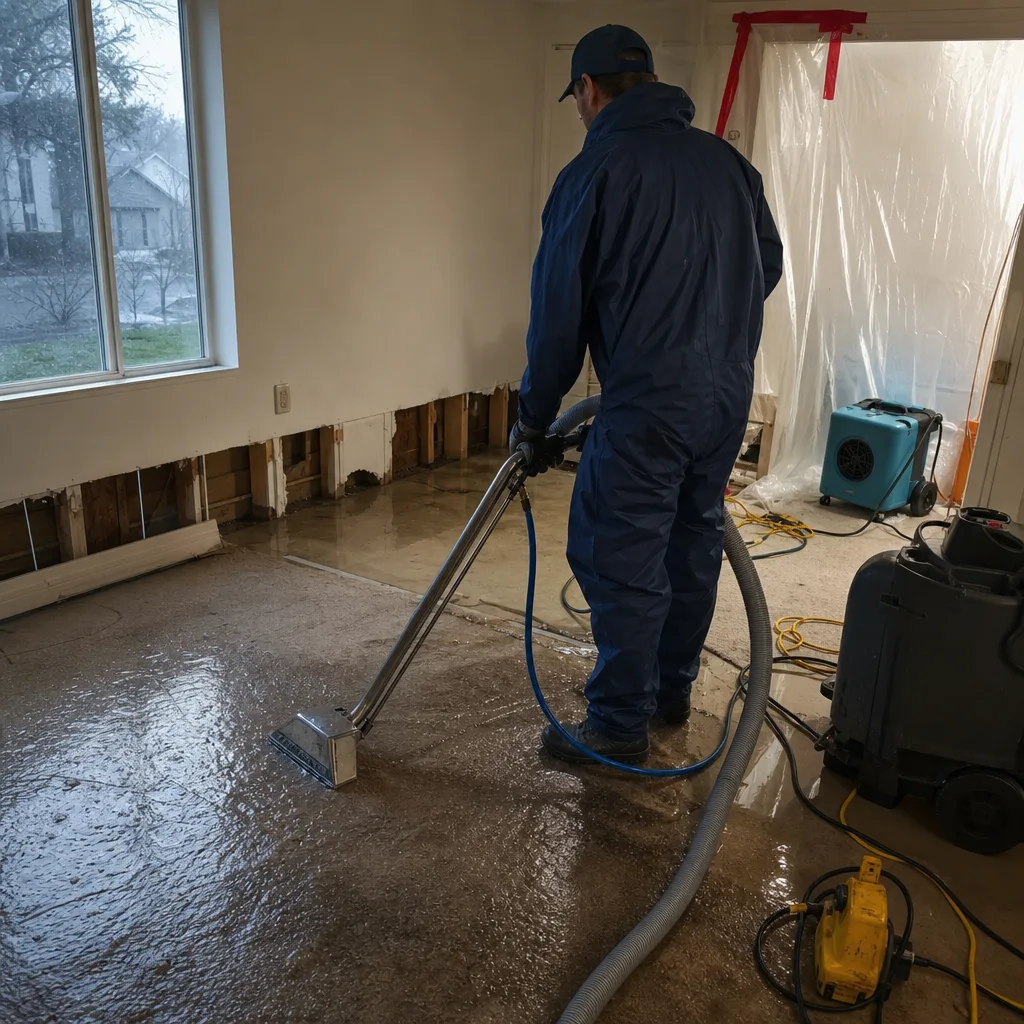
Hoboken operates under a unique dual-permit system that most New Jersey municipalities lack. Properties within designated historic districts - including portions of the Hudson Street corridor, Washington Street commercial blocks, and select residential enclaves between Observer Highway and 14th Street - require Historic Preservation Commission (HPC) approval before the Building Department will issue standard UCC permits.
Which properties are affected:
The Hoboken Historic Preservation Commission maintains a mapped district boundary and a list of individually designated landmarks. If your property falls within these boundaries, any exterior alteration visible from the public right-of-way requires HPC review. After storm damage, this includes roof replacement (material and color must match original or approved equivalent), window replacement (must replicate original fenestration pattern), and facade repair (mortar mix, brick sourcing, and architectural detail restoration subject to commission approval).
The practical timeline impact:
HPC meets monthly, with submission deadlines typically two weeks before the meeting. A standard roof replacement permit might take 5-10 business days through the Hoboken Building Department alone. With HPC overlay, the timeline extends to 6-8 weeks minimum if the application is complete and uncontested. We’ve guided homeowners through this process after Hurricane Ida flooding in 2021, when contractors who ignored the HPC requirement had completed unapproved roof replacements and faced stop-work orders with completed work subject to removal.
Documentation requirements for HPC:
- Photographs of existing conditions, pre-damage
- Historic resource survey form or previous HPC approval documentation
- Detailed material specifications with manufacturer cut sheets
- Color samples and, for roofing, physical material samples
- Scaled drawings showing proposed work in context of existing structure
The HPC does not review interior work, so mold remediation, interior drywall replacement, and interior electrical work proceed under standard Building Department permits. But any exterior envelope restoration - and after significant water or fire damage, exterior envelope work is common - triggers this second layer.
We’ve found that insurance adjusters often miss the HPC requirement entirely when scoping Hoboken losses. Our documentation protocol includes a property address check against the HPC district map in our initial assessment, with the finding written into the scope before any work begins. This prevents the scenario we’ve seen repeatedly: a contractor completes work, the homeowner discovers the HPC violation at closing, and the insurer denies the supplemental claim because the work was performed without required approvals.
What a Certificate of Occupancy Actually Certifies (and Why Insurers Want It)
A Certificate of Occupancy (CO) is the municipal inspector’s formal statement that a building or portion thereof complies with all applicable codes and is safe for its intended use. In restoration contexts, it’s not merely administrative - it’s the legal mechanism that transfers liability from the contractor back to the property owner with municipal endorsement.
Types of COs in restoration scenarios:
- Temporary Certificate of Occupancy (TCO): Issued when a building is partially habitable during ongoing restoration. Common in multi-unit buildings where some units are restored while others remain under construction. TCOs expire, typically in 90-day increments, and require renewal inspections.
- Certificate of Continued Occupancy (CCO): Required in some NJ municipalities for property transfers. Hoboken does not currently require CCOs for residential sales, but surrounding Hudson County municipalities do, and the practice is spreading.
- Final Certificate of Occupancy: Issued when all permitted work is complete, all inspections passed, and all code violations resolved. This is the document insurers increasingly require before releasing final payment on substantial restoration claims.
Why insurers now require COs:
The shift began after Superstorm Sandy, when insurers paid claims on restored properties that later failed municipal inspections or developed code-related defects. A property with a completed restoration but no final CO represents unresolved regulatory risk: the municipality could still identify violations, and the insurer who paid for the restoration becomes entangled in subsequent disputes.
Our documentation protocol addresses this explicitly. Every restoration scope we write includes: “Final CO to be obtained by contractor before final invoice submission.” We then track inspection scheduling, pass/fail status, and re-inspection requirements in the same job file as our moisture logs and photo records. When an adjuster requests proof of completion, we submit the CO along with our drying documentation - the complete file that turns a restoration invoice into a payable claim.
What a CO does NOT certify:
This distinction matters. A CO certifies code compliance at the time of inspection, not future performance of materials or workmanship. It does not certify that mold will not recur, that materials were installed per manufacturer specifications, or that hidden damage was fully addressed. That’s why our DryMark Restoration Hoboken home documentation includes both the CO and our independent moisture verification, thermal imaging records, and the 365-Day Done Right Promise under The Haven Standard.
How to Verify Your Contractor Pulled the Required Permits
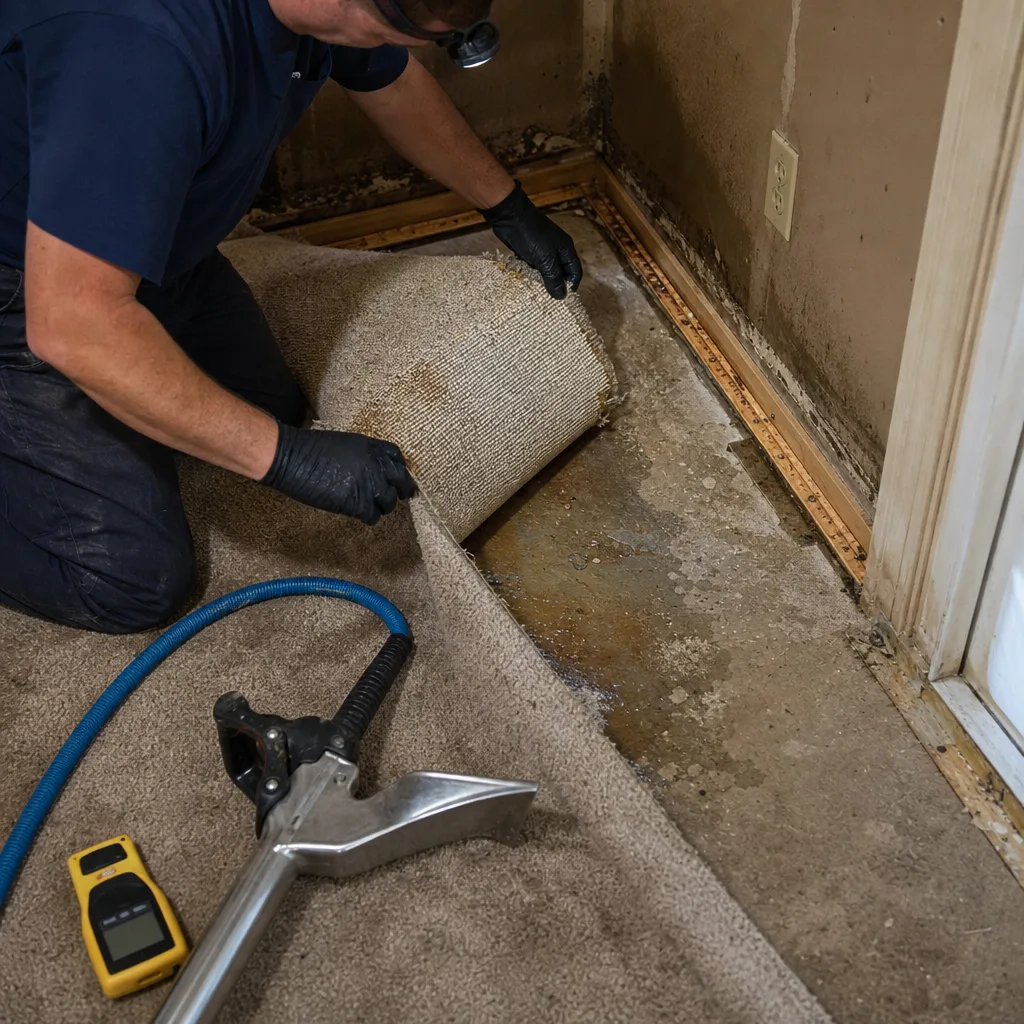
Verifying permits is a three-step process that any homeowner can complete in under 30 minutes. We recommend it on every job, including our own - transparency is the point of Haven Standard documentation.
Step 1: Request the permit application number before work begins
Any contractor who has actually applied for a permit can provide the application number. In Hoboken, permit applications follow a standard format: year, department code, and sequential number (e.g., 2024-BLD-01234). Request this number in writing, with the contractor’s commitment that no work will commence until the permit is issued. Haven Standard, Clause 1 requires our written price before work begins; we include the permit application number in that same document.
Step 2: Verify through the Hoboken Building Department’s public records
The Hoboken Building Department maintains permit records accessible through:
- In-person review at City Hall, 94 Washington Street, during business hours
- Online permit lookup through the city’s Accela Citizen Access portal (partial records, typically current to within 5-7 business days)
- Direct phone inquiry to the Building Department at (551) 212-1580
When checking, confirm three elements: the permit exists in the system, the scope description matches your project, and the contractor named is the one you hired. We’ve encountered situations where a permit was pulled but for a different scope, or in a different contractor’s name, creating liability gaps the homeowner only discovered at sale.
Step 3: Confirm inspection scheduling and completion
A permit without inspections is incomplete. For each permit type, specific inspections are required:
- Rough inspection: Before walls are closed, inspectors verify framing, plumbing, electrical, and mechanical systems
- Insulation inspection: Required before drywall installation in most restoration scenarios
- Final inspection: Completed work verified against approved plans, CO issued upon pass
Request inspection records from your contractor, or verify directly with the Building Department using the permit number. Failed inspections are not automatically disclosed - you must ask specifically. A permit with multiple failed inspections indicates quality problems that may not be visible in finished work.
In our 12,000+ jobs since 2011, we’ve maintained a permit compliance rate tracked in our job files. We provide inspection schedules, pass confirmations, and any correction notices to homeowners as standard documentation, not upon request. This is the documentation gap that costs homeowners their claims, and it’s the gap we built Back to Dry to close.
The Financial Risk of Unpermitted Restoration Work
The consequences of unpermitted restoration extend far beyond municipal fines. We’ve documented four categories of financial exposure that affect homeowners years after the original contractor has moved on.
Voided or disputed insurance coverage
Homeowner’s insurance policies contain standard provisions requiring compliance with applicable laws and codes. Unpermitted restoration constitutes breach of this provision. When a second loss occurs - water damage from improperly installed plumbing, fire from unpermitted electrical work - insurers deny coverage based on the original code violation, not the immediate cause of loss. We’ve reviewed claim files where a $400,000 fire loss was denied because a prior contractor had replaced the electrical panel without permit, and the insurer argued the fire originated in wiring that never should have been installed. See DIY vs Professional Damage Restoration: The Hoboken Homeowner’s Decision Guide for help evaluating contractor qualifications.
Failed resale inspection and transaction delays
New Jersey’s standard real estate contract requires seller disclosure of known code violations. Unpermitted work discovered during buyer inspection becomes a negotiation point, often requiring either retroactive permitting (expensive, sometimes impossible if work is concealed) or price reduction. In Hoboken’s competitive market, a 6-8 week HPC retroactive review can kill a transaction entirely. We’ve been called to document prior restoration work for sellers attempting to retroactively permit, and the process costs 3-5 times the original permit fee, with no guarantee of approval.
Personal liability for defects
When unpermitted work causes injury or damage to third parties - a deck collapse, electrical fire spreading to adjacent properties - the homeowner faces direct liability. Contractors who skip permits often lack proper insurance or have dissolved by the time claims arise. The permit system exists partly to ensure licensed, insured, and accountable parties perform regulated work. Removing that layer removes your protection.
Municipal enforcement and remediation orders
Hoboken’s Building Department can issue orders to remedy requiring removal of unpermitted work at the owner’s expense. For completed restoration, this means gutting finished spaces, re-performing work with proper permits, and paying double. The department can also impose penalties of $500-$2,000 per violation per day, though these are typically negotiated downward for cooperative owners. Still, the base cost of remediation far exceeds any savings from the original unpermitted work.
Documentation as protection:
Our written scopes explicitly state permit requirements by job phase, with the application number recorded before work begins. The photo record on every visit includes images of permit postings at the work site, inspection stickers on electrical panels, and CO documentation. This file, maintained under The Haven Standard, becomes evidence of compliance if questions arise years later - evidence that protects your insurance coverage, your saleability, and your liability exposure.
Navigating Inspections During Active Restoration
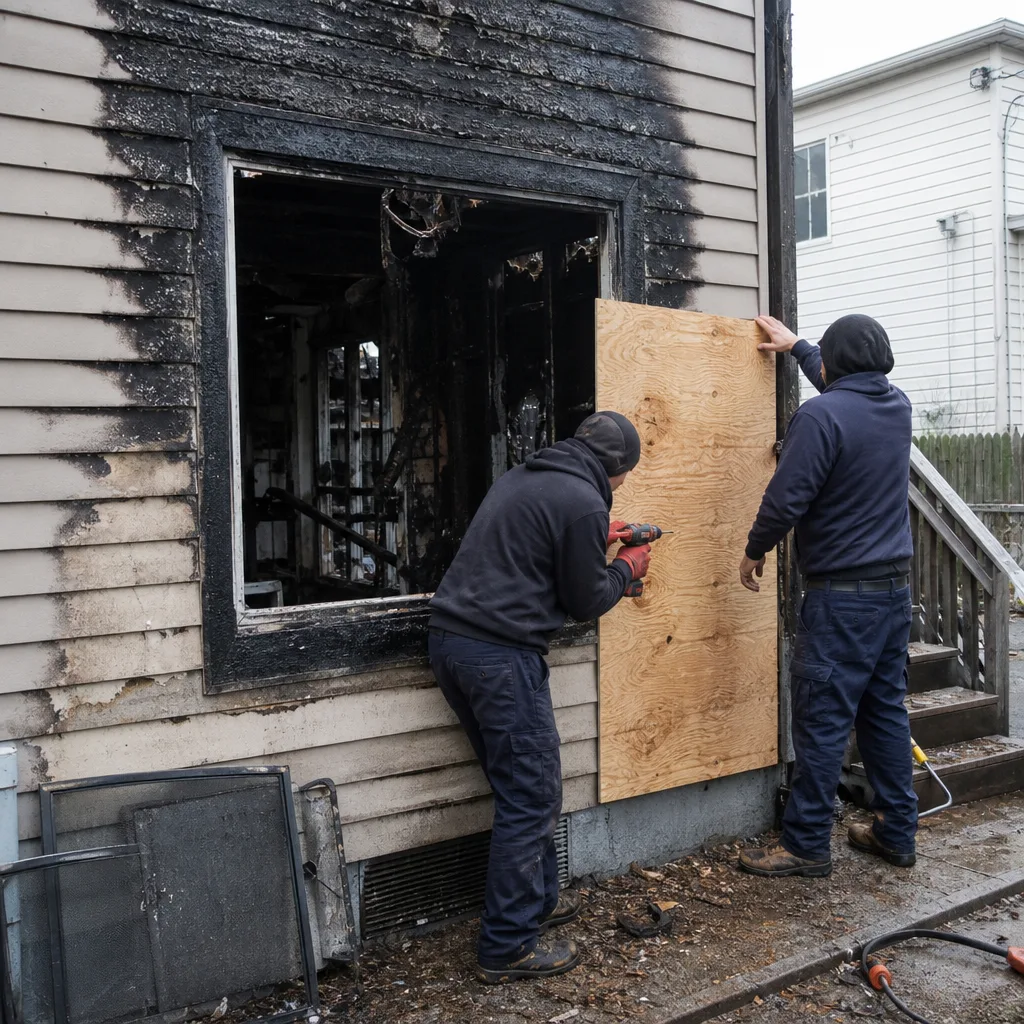
Inspection scheduling is where restoration timelines live or die. A missed rough inspection means walls remain open, drying equipment stays in place, and costs accumulate. Understanding the inspection sequence lets you hold contractors accountable to realistic schedules.
Typical inspection sequence for water damage restoration with reconstruction:
- Emergency phase (no inspection): Water extraction, demolition, and initial drying proceed without permit. We document moisture readings with psychrometric data - temperature, relative humidity, and vapor pressure differential (the force that drives moisture from wet materials into dry air) - to establish the drying baseline.
- Permit application and issuance: While drying continues, permits for reconstruction are submitted. In Hoboken, this takes 5-10 business days for standard work, longer with HPC overlay.
- Framing/rough inspection: After structural repairs, before insulation. Inspector verifies lumber grades, fastening patterns, and structural connections match approved plans.
- Insulation inspection: Required in most restoration scenarios where insulation was removed. Inspector verifies R-value, vapor barrier placement, and combustion safety clearances.
- Electrical/mechanical/plumbing rough inspections: Trade-specific, performed before wall closure. Each requires separate scheduling; coordination failures here cause the most delays.
- Drywall inspection (Hoboken-specific): Some Hoboken inspectors require pre-drywall walkthrough to verify trade rough inspections passed and fireblocking is complete.
- Final inspection: All systems operational, all code corrections complete. CO issued upon pass.
What we document at each inspection:
Our standard deliverable includes the inspection date, inspector name, pass/fail status, and any correction items with photographic evidence of resolution. This becomes part of the job file submitted with our final invoice. Adjusters who receive complete inspection documentation process payment faster; those who receive only a contractor’s word schedule additional review.
When inspections fail:
Failure is not uncommon and not necessarily indicative of poor work. Inspectors may identify code interpretations the contractor missed, or require additional documentation. The critical factor is response time: how quickly the contractor corrects and reschedules. Our protocol requires correction within 48 hours and re-inspection scheduling within 72 hours, with all costs of correction absorbed by us under the 365-Day Done Right Promise. This is Haven Standard accountability, not industry standard practice.
Mold Remediation in Hoboken presents unique inspection challenges. New Jersey does not have a statewide mold licensing or inspection requirement, but some municipalities including Hoboken require post-remediation clearance sampling for permitted reconstruction. We coordinate independent third-party air sampling, with results documented to IICRC S520 standards, before requesting final inspection. This protects both the homeowner and the insurer from future mold claims that could be attributed to incomplete initial remediation.
Common Mistakes to Avoid
- Accepting a contractor’s word that permits “aren’t needed for this job.” Verify independently through the Hoboken Building Department. We’ve seen contractors claim emergency exemptions that don’t exist, or confuse the 72-hour emergency mitigation exemption with a blanket permit waiver.
- Starting reconstruction before permits are issued. The Building Department can issue stop-work orders that freeze progress, and work performed before permit issuance may not be inspectable without destructive exposure. Our scopes explicitly sequence permit issuance before reconstruction commencement.
- Ignoring HPC requirements in Hoboken historic districts. Property owners assume standard Building Department approval is sufficient. HPC violations result in removal orders for completed work, with no insurance coverage for the removal cost.
- Failing to obtain final CO before final payment. Contractors who haven’t obtained COs may never complete the inspection process, leaving you with unpermitted work and no leverage. Our payment terms under Haven Standard, Clause 1 tie final payment to CO issuance, not merely work completion.
- Not documenting permit numbers in your insurance claim file. If a future claim relates to the restored area, you’ll need to prove the original work was permitted. We include permit documentation in every claim submission as standard practice.
- Hiring out-of-state contractors after major storms without verifying NJ licensing. New Jersey requires Home Improvement Contractor (HIC) registration for restoration work, and municipalities require local business registration. Unregistered contractors cannot legally pull permits, and their work has no regulatory oversight.
- Assuming your insurance adjuster verified permits. Adjusters scope damage and estimate costs; permit compliance is not their responsibility. We’ve reviewed claim files where adjusters paid for unpermitted work, only to have the insurer deny supplemental claims when the violation was discovered.
When to Call a Professional
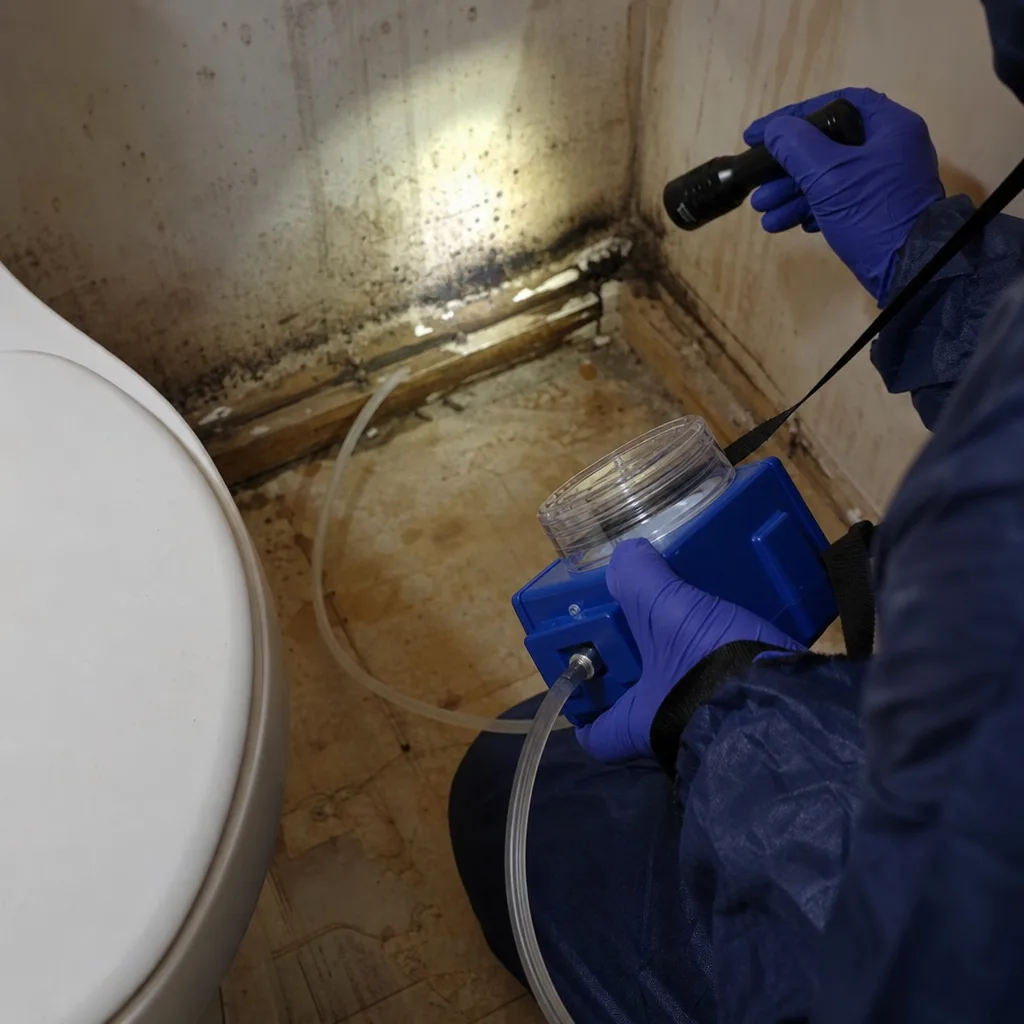
Call for documentation-first assessment when your loss involves structural elements, electrical or mechanical systems, or any work in Hoboken’s historic districts. The cost of a proper scope with permit identification is negligible compared to the cost of unpermitted work discovered at sale or claim denial.
DryMark Restoration Hoboken offers free estimates in Hoboken - call (551) 212-1580. Every estimate includes permit requirement identification by job phase, written pricing before work begins under Haven Standard, Clause 1, and a documented photo record starting with the initial assessment. Learn How to Hire a Damage Restoration Contractor in Hoboken: A Step-by-Step Guide to protect your investment. We also provide free second opinions on any competitor’s written estimate, with permit compliance review included.
Frequently Asked Questions
No. Emergency mitigation - water extraction, demolition of unsalvageable materials, and initial drying - is exempt from permit requirements for the first 72 hours under NJ UCC emergency provisions. However, any reconstruction, electrical repair, or HVAC replacement triggered by the water damage requires permits before work begins. Call (551) 212-1580 for a free estimate that identifies which phases require permits and which don’t.
Standard Building Department permits take 5-10 business days for residential restoration work. Properties in Hoboken Historic Preservation Commission districts require an additional 6-8 weeks for HPC design review, with monthly meeting schedules and two-week submission deadlines. We identify HPC requirements in our initial scope and coordinate both applications simultaneously where possible.
Most homeowner’s policies cover permit fees and inspection costs as part of “reasonable and necessary” restoration expenses, but only when the work is actually permitted. Unpermitted work may be entirely excluded from coverage. We document permit costs in our written scopes and include them in claim submissions with the permit application as supporting evidence.
You face four risks: voided insurance coverage for future claims, municipal orders to remove or expose unpermitted work, failed resale inspection, and personal liability for defects causing third-party damage. Remediation typically costs 3-5 times the original permit fee. We provide free second opinions on competitor estimates that include permit compliance verification - bring any written estimate and we’ll review it at no charge. Browse more guides & resources on protecting your property and navigating restoration with confidence.
New Jersey has no statewide mold licensing or permitting requirement, but Hoboken requires post-remediation clearance documentation for any mold work performed as part of permitted reconstruction. We coordinate independent third-party air sampling to IICRC S520 standards, with results included in our standard documentation package. This clearance protects your future insurability and satisfies municipal requirements for final CO issuance.
The Hoboken Historic Preservation Commission maintains an online district map and list of individually designated landmarks at hobokennj.gov. We check every Hoboken property address against this database during our initial assessment, with the finding written into your scope before any work begins. If your property falls within a district, we coordinate HPC application as part of our standard project management.
The Bottom Line
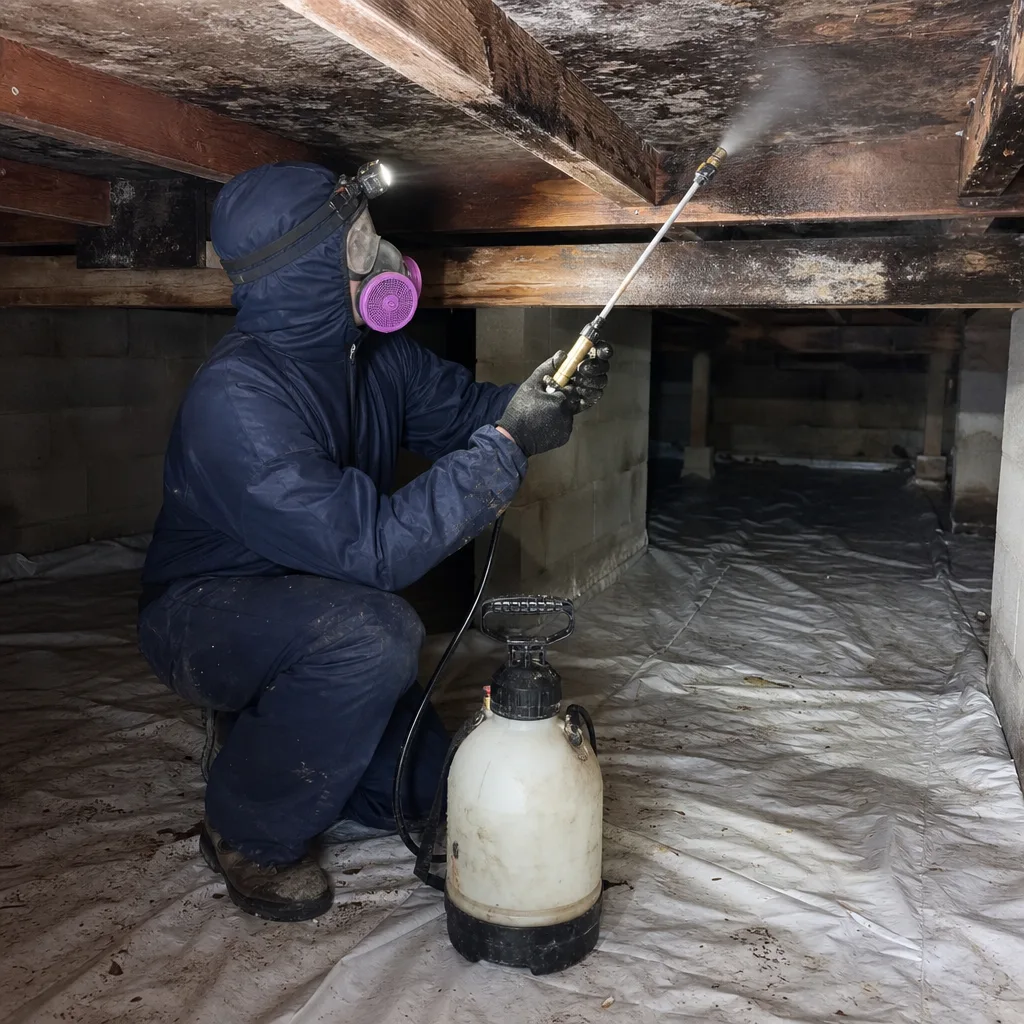
New Jersey’s permit requirements for restoration work are not bureaucratic obstacles - they’re the legal framework that prevents contractors from closing walls over wet framing, installing uninspected electrical systems, or replacing roofs with materials that violate historic district standards. The homeowners who fare best after damage are those who verify permits before work begins, document compliance throughout the project, and tie final payment to certificate of occupancy issuance. In Hoboken, with its historic district overlays and active Building Department enforcement, this diligence is not optional. It’s the difference between a restored property and a future liability.
Written by Alicia Brennan, Owner at DryMark Restoration Hoboken, serving Hoboken since 2011.