
Last updated September 23, 2026
Free visual inspection and a written scope of work before any mitigation begins - photos, moisture readings, and drying logs go in your claim file
The scope we write is the scope we bill. Anything new gets shown to you, in writing, before we touch it.
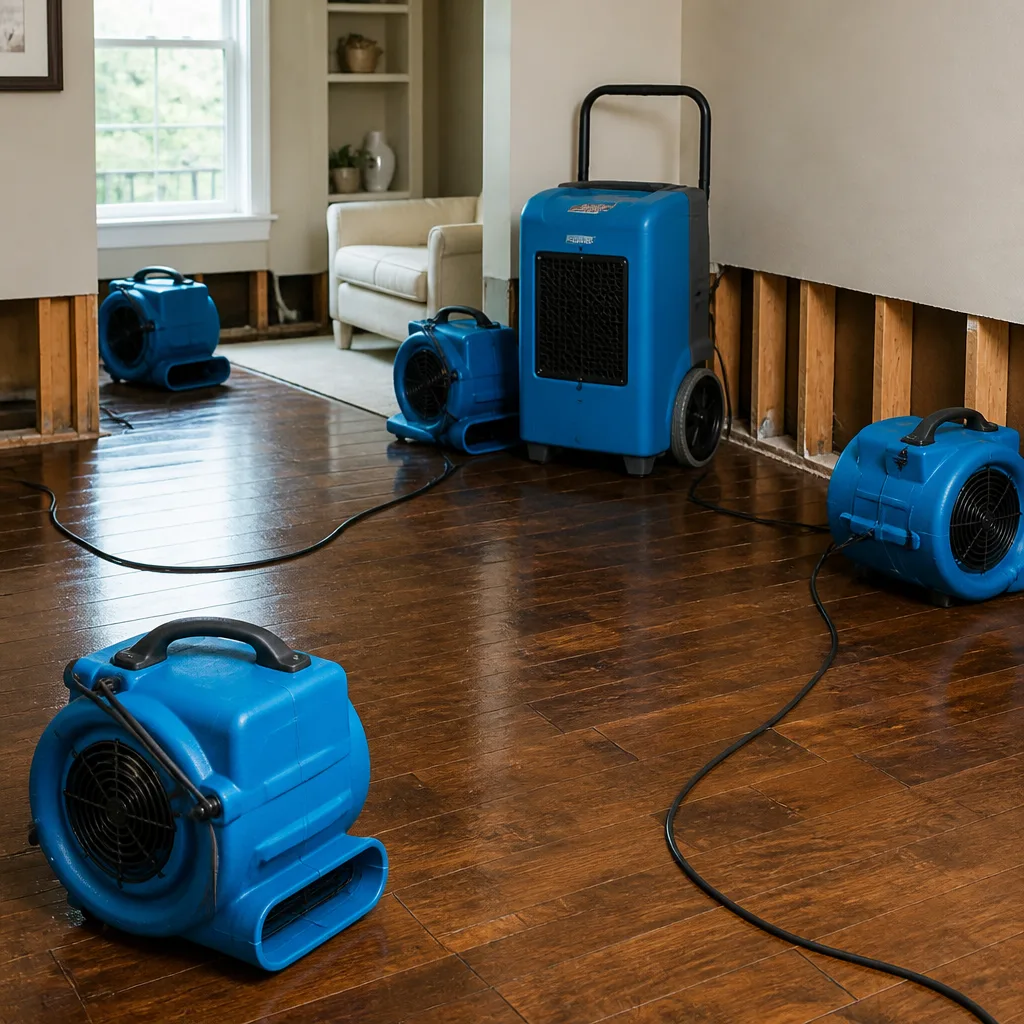
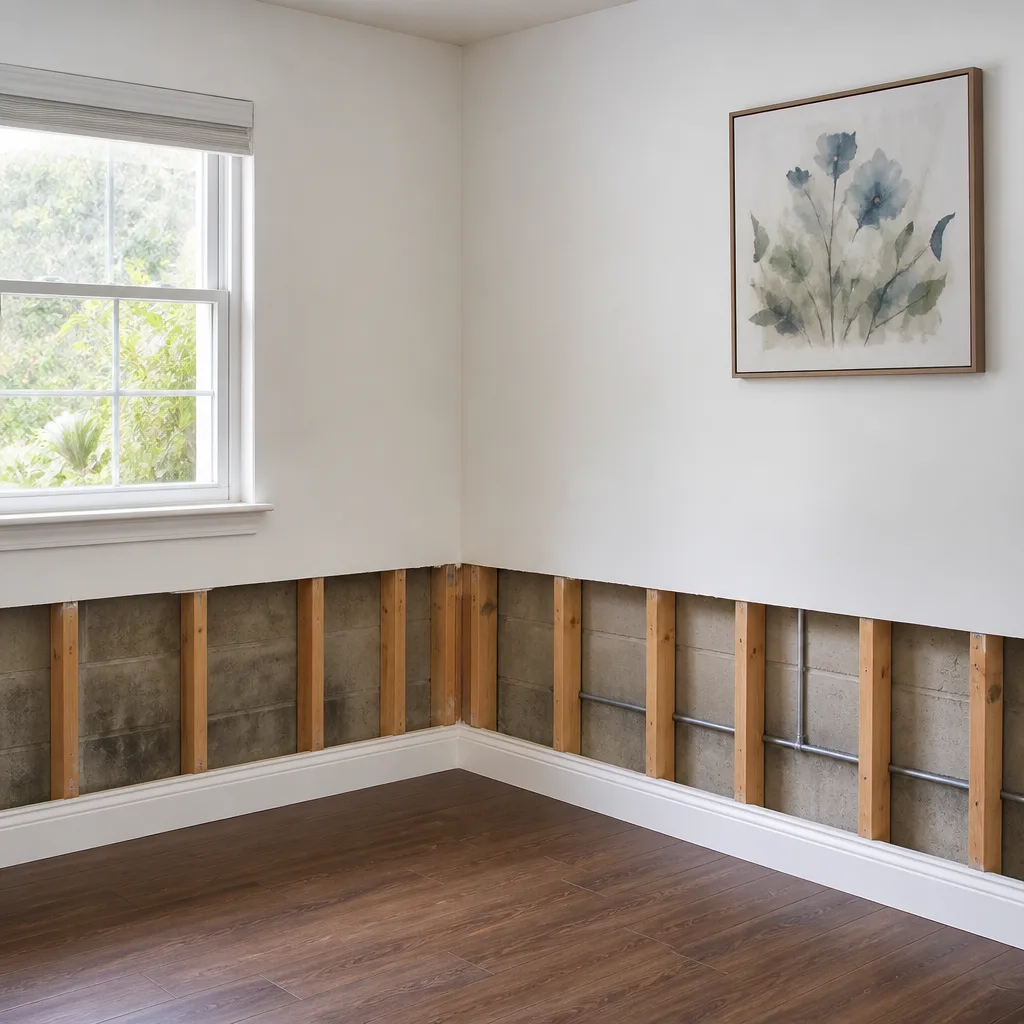
 Before
 After
After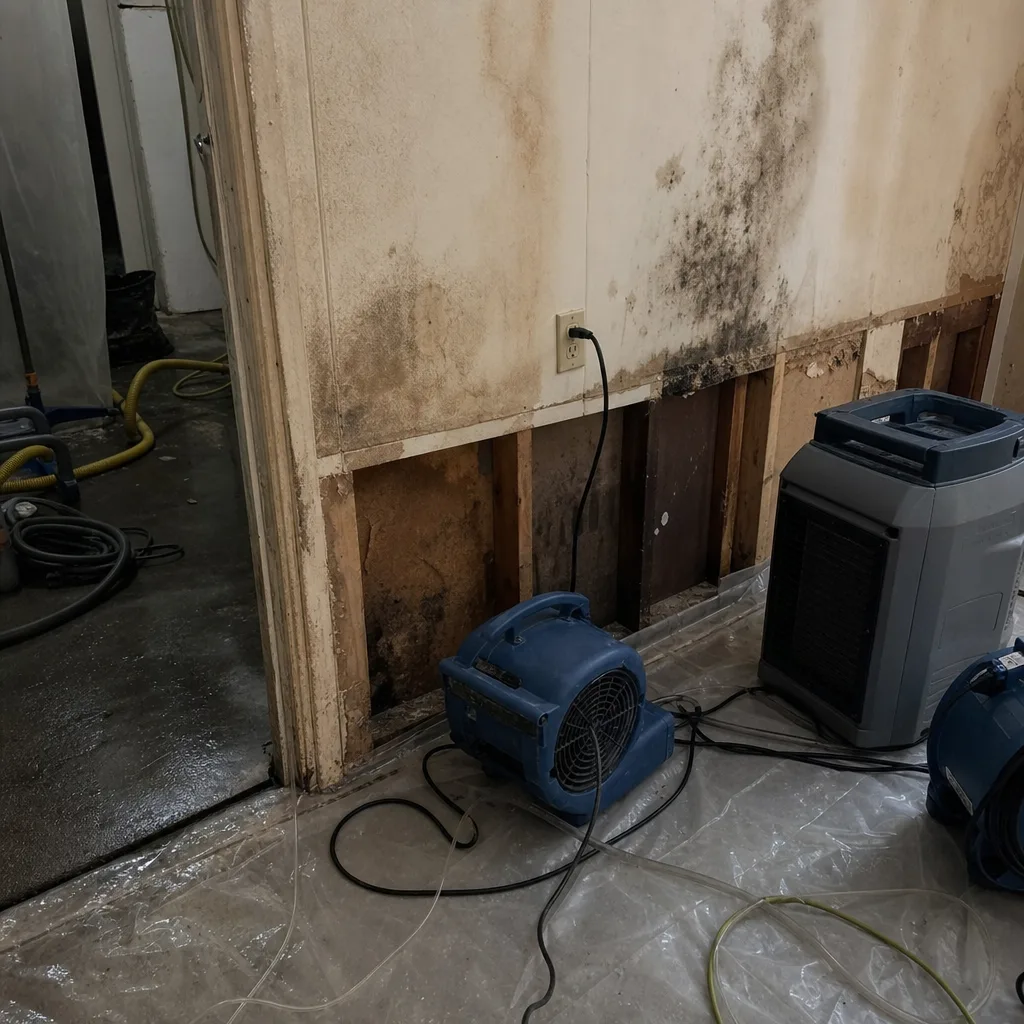 Before
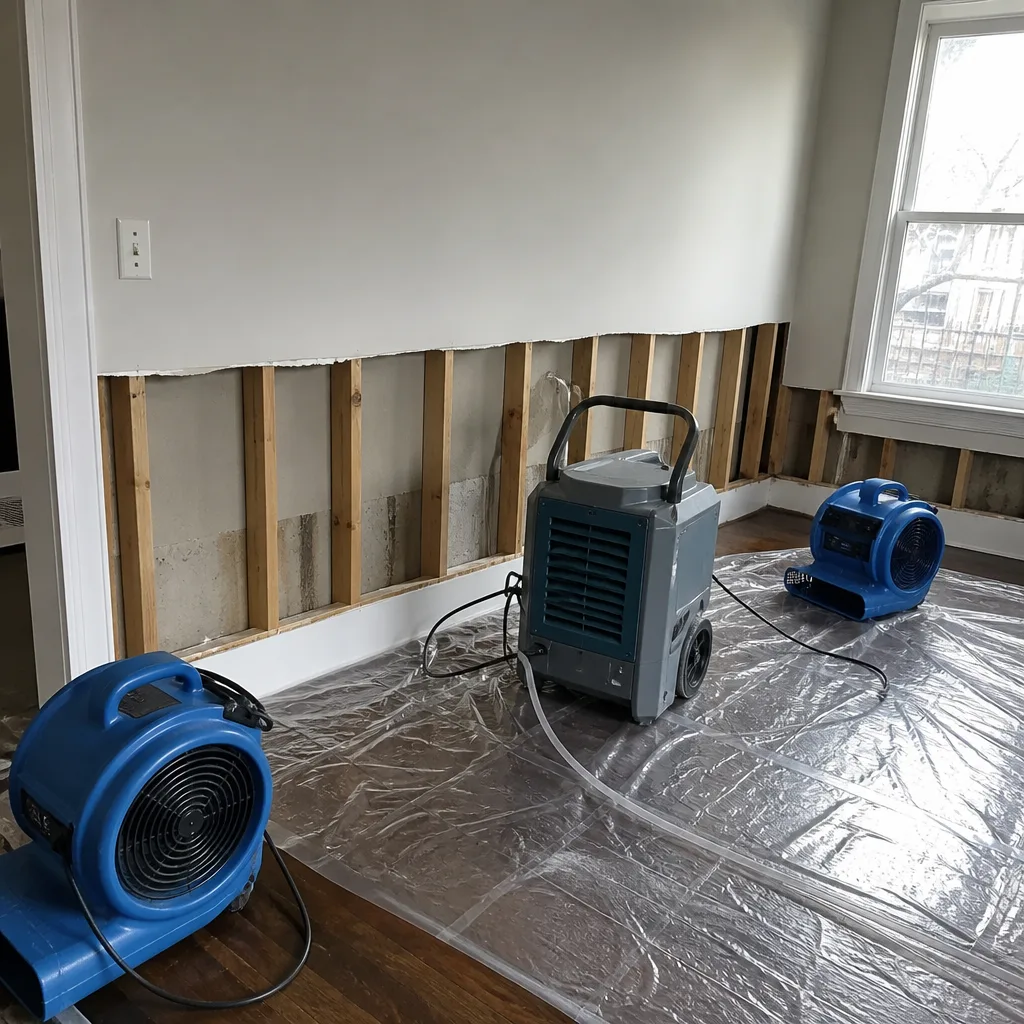 After
After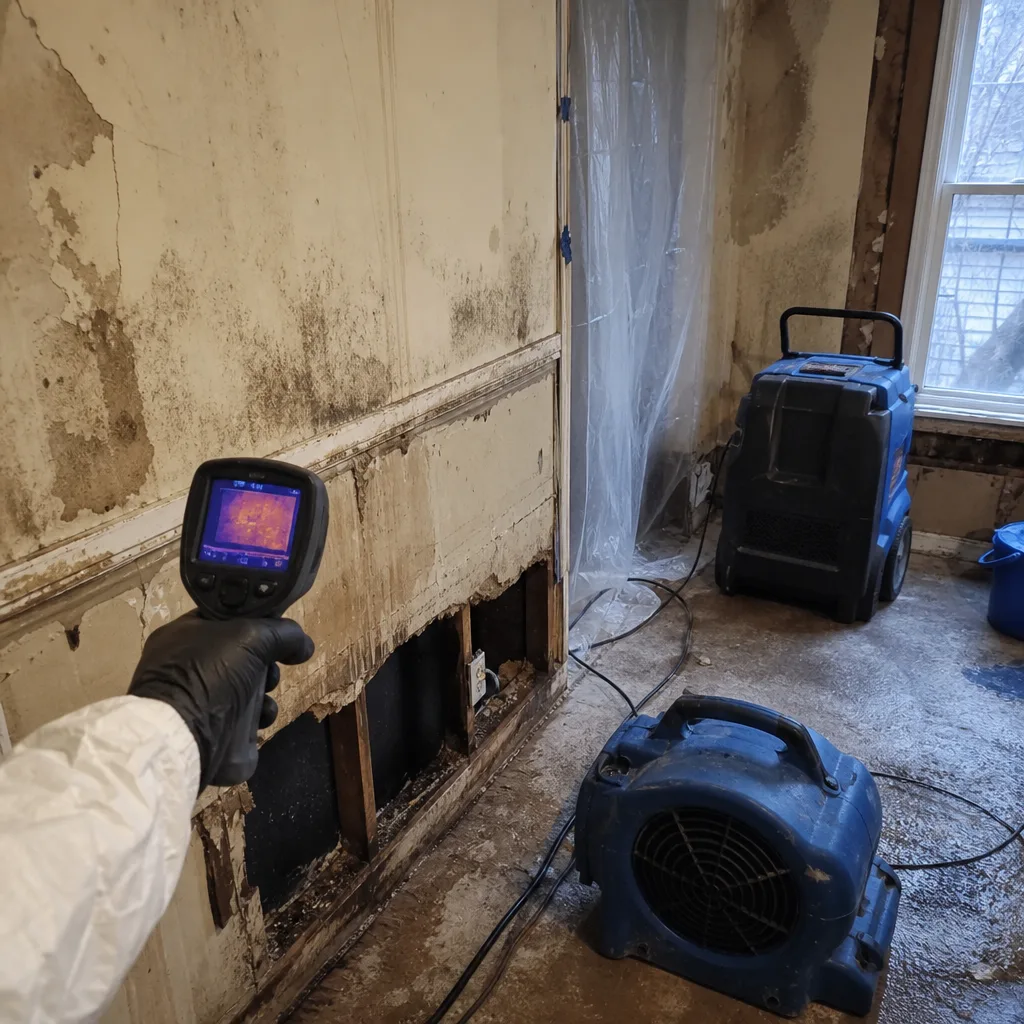 Before
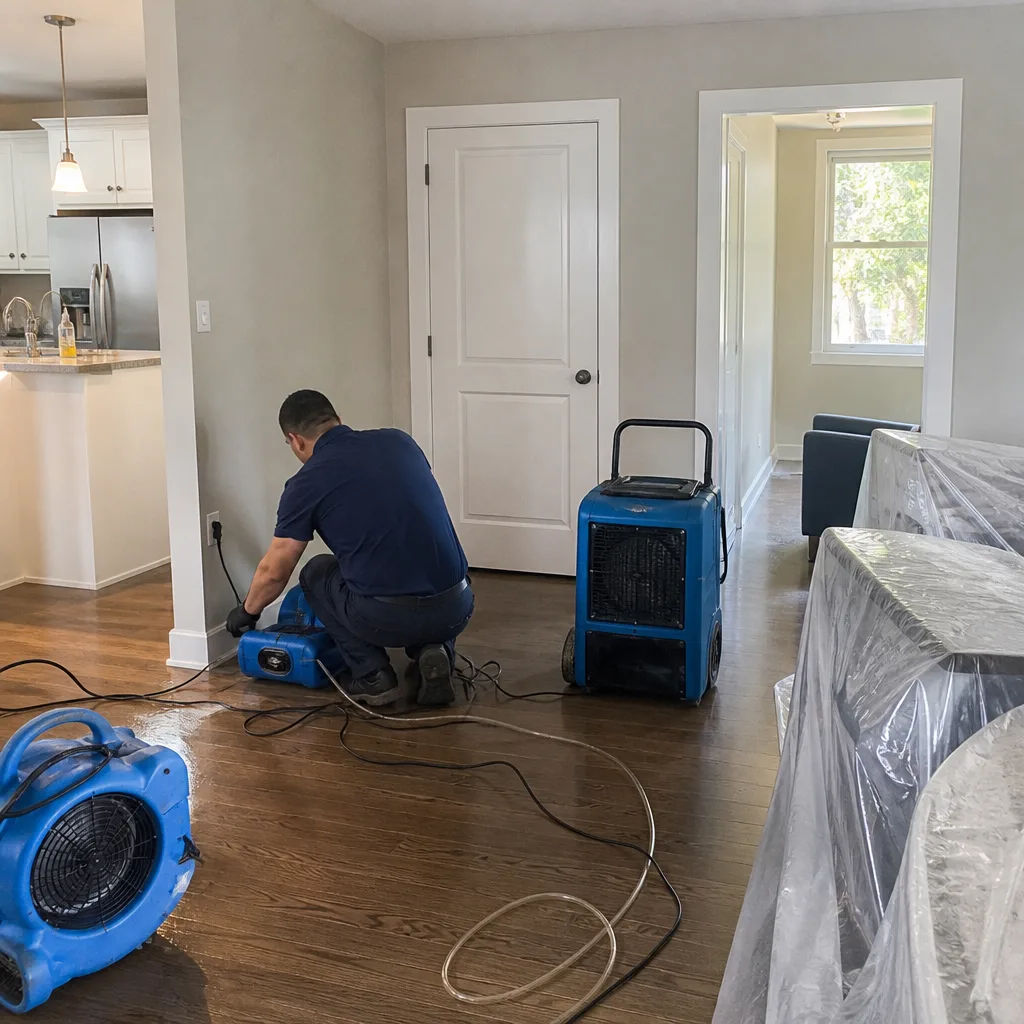 After
AfterHow to Hire a Damage Restoration Contractor in Hoboken: A Step-by-Step Guide
In Hoboken, a city where the Hudson River rises to meet century-old brownstone foundations and post-war slab construction alike, the contractor who shows up with a mop and a verbal estimate is not your fastest path to recovery. They’re your fastest path to a disputed claim. We’ve restored more than 12,000 homes since 2011, and the pattern never changes: the homeowners who fare best are the ones who treated the hiring decision like a document review, not a distress call. This guide will show you exactly what documents to request, what clauses to fear, and what questions separate a mitigation technician from a documentation professional. For more guides & resources on protecting your Hoboken home, visit our blog.
Quick Answer
To hire a damage restoration contractor in Hoboken, verify three documents before signing anything: a current New Jersey Home Improvement Contractor license with a verifiable number, a certificate of liability insurance naming your property address, and a written scope with line-item pricing that specifies affected areas, equipment count, and target moisture readings. Avoid any contractor who presents an Assignment of Benefits form, which transfers control of your insurance claim to the company and is a leading source of coverage disputes in Hudson County.
Table of Contents
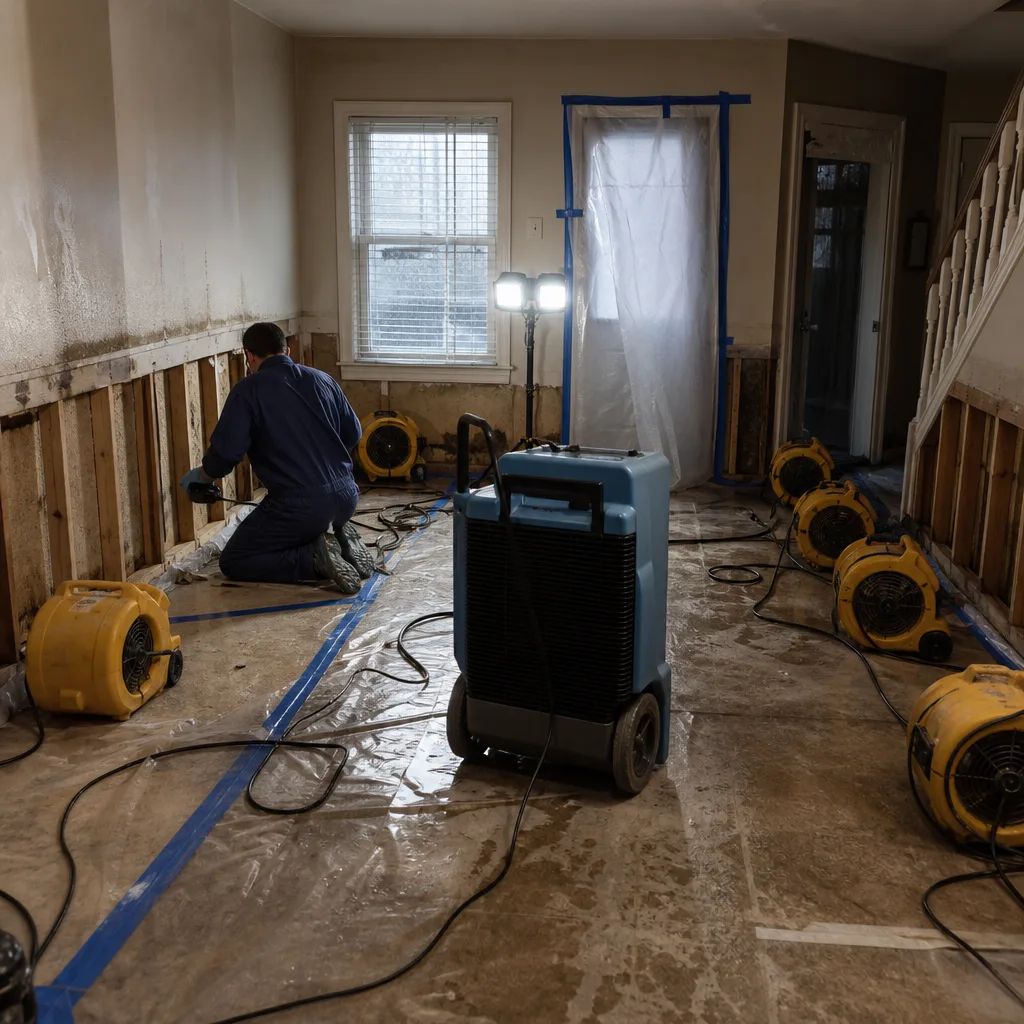
- Why Assignment of Benefits Agreements Put Your Claim at Risk
- The Credentials You Must Verify Before Signing
- What a Legitimate Written Scope Must Contain
- Three Questions That Reveal Documentation Quality
- Mitigation-Only vs. Full-Service: Why the Distinction Matters
- Hoboken-Specific Risks: Water Tables, Aging Infrastructure, and Code
- Pricing Transparency: What Restoration Should Cost in Hoboken
- Common Mistakes to Avoid
- When to Call a Professional
- Frequently Asked Questions
BeforeAfterWhy Assignment of Benefits Agreements Put Your Claim at Risk
Assignment of Benefits, or AOB, is a legal mechanism in New Jersey that allows a contractor to step into your shoes and negotiate directly with your insurance company. It sounds efficient. It is not. When you sign an AOB, you surrender your right to dispute the scope of work, challenge the invoice, or even receive copies of correspondence between your contractor and your adjuster. In Hudson County, AOB disputes have become so prevalent that several major carriers now exclude or limit AOB coverage in standard homeowner policies.
Here’s how the trap closes. A contractor arrives at your Hoboken brownstone at 2 a.m. after a water heater failure in the basement. The crew is courteous, the equipment looks professional, and the supervisor asks you to sign an “authorization to begin work” while you’re still in slippers. Buried on page two, in language no homeowner should be expected to parse at that hour, is the AOB clause. By morning, your insurance company is no longer negotiating with you. They’re negotiating with a contractor whose incentive is to maximize the invoice, not minimize your out-of-pocket cost.
We have reviewed competitor estimates under our Free Second Opinion program since 2011, and AOB-linked invoices consistently show the same patterns: equipment left in place beyond documented drying endpoints, charges for psychrometric monitoring that produced no daily logs, and line items for “containment” that describe plastic sheeting hung without HEPA filtration. The homeowner, having signed away their rights, has no standing to challenge any of it.
The Haven Standard, Clause 1, exists precisely to prevent this dynamic. We deliver a written price before any work starts, every time, with no exceptions. You review it. You sign it, or you don’t. Your claim remains yours.
To identify an AOB clause in any document you’re asked to sign, look for these phrases:
- “Assigns all rights and benefits under the policy”
- “Contractor is authorized to negotiate and settle claims”
- “Insurer shall pay contractor directly”
- “Homeowner appoints contractor as attorney-in-fact”
If you see any of these, stop. Request a plain authorization that permits work only, with no transfer of claim rights. A legitimate contractor in Hoboken will provide this without argument. One who resists is telling you exactly how they intend to get paid.
The Credentials You Must Verify Before Signing
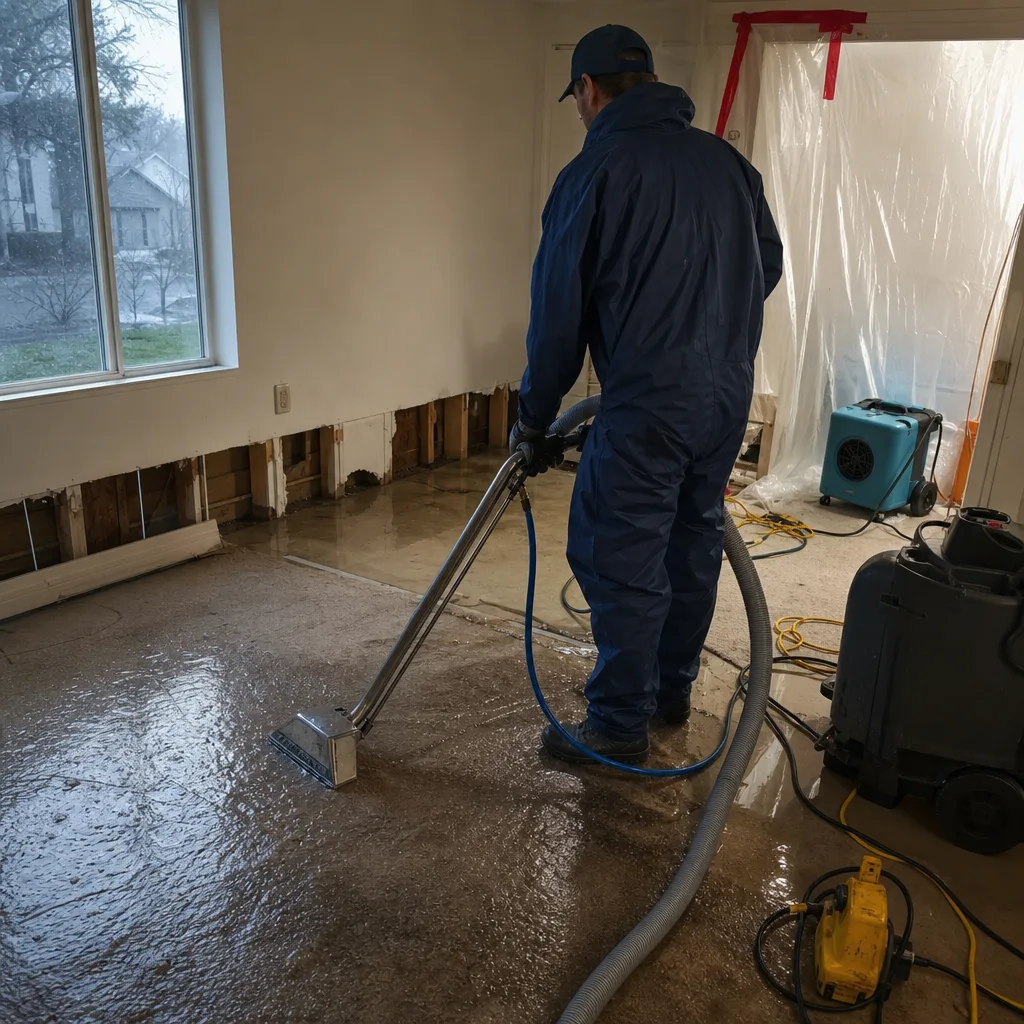
Documentation quality begins with verifiable credentials. Not logos on a truck. Not a framed certificate in an office you won’t visit. Verifiable, current, specific credentials that you can confirm independently before a crew enters your home. In our experience, the contractors who resist this verification are the same ones who resist written pricing.
New Jersey Home Improvement Contractor License
New Jersey requires any contractor performing residential restoration work to hold a Home Improvement Contractor (HIC) registration through the Division of Consumer Affairs. The license number must be displayed on all advertising, contracts, and vehicles. Before you sign, ask for the number, then verify it at njconsumeraffairs.gov/hic. A valid HIC registration confirms that the contractor carries the required liability insurance and has no unresolved consumer complaints that triggered disciplinary action.
At DryMark Restoration Hoboken, our license number appears on every written scope we deliver. We encourage verification. It is a baseline qualification, not a selling point.
IICRC Certification
The Institute of Inspection, Cleaning and Restoration Certification sets the industry standard for water damage, fire damage, and mold remediation training. Look for these specific designations:
- WRT (Water Damage Restoration Technician): The entry-level credential for water mitigation. Every crew member handling extraction and drying should hold this.
- ASD (Applied Structural Drying): Advanced training in psychrometric science, the measurement of moisture, temperature, and air movement that determines whether a structure is actually dry or merely surface-dry.
- AMRT (Applied Microbial Remediation Technician): Required for mold remediation. General contractors without this credential should not be performing microbial removal.
- FSRT (Fire and Smoke Restoration Technician): Specialized training for combustion residue, odor control, and thermal fogging.
Ask for the specific certification numbers of the technicians who will be assigned to your job, then verify them at iicrc.org. A company that employs certified technicians will know these numbers without calling the office.
Certificate of Liability Insurance
Request a certificate of insurance (COI) that names your specific property address as an additional insured for the duration of the project. This is not standard practice in the restoration industry, which is precisely why it matters. A generic liability policy protects the contractor from claims by third parties; it does not protect you from subrogation if the contractor’s work causes secondary damage. A COI naming your address creates a direct duty of care.
The certificate should show:
- General liability coverage of at least $1,000,000 per occurrence
- Workers’ compensation coverage for all employees
- Your Hoboken property address listed under “Additional Insured”
- An expiration date beyond your projected completion
Bonding and Workers’ Compensation
New Jersey does not require restoration contractors to be bonded, but reputable firms carry surety bonds as an additional layer of consumer protection. More critical is workers’ compensation coverage. Hoboken’s dense construction, narrow staircases in pre-war buildings, and limited elevator access in smaller structures create genuine injury risks. If an uninsured worker is injured on your property, your homeowner’s policy may be drawn into litigation. Verify workers’ comp before the first piece of equipment crosses your threshold.
What a Legitimate Written Scope Must Contain
A written scope is not an estimate. An estimate is a guess dressed in decimal points. A scope is a binding document that defines the work, the materials, the timeline, and the price before anyone turns on a fan. Under The Haven Standard, Clause 1, we deliver a written price before work begins, every time. Here is what that document must include for you to have standing in any future dispute with your insurer or your contractor.
Room-by-Room Affected Area Identification
The scope must name each affected space, not merely “basement” or “first floor.” In a typical Hoboken brownstone water loss, this means: basement storage room, basement mechanical closet, first-floor kitchen (north wall), first-floor powder room (subfloor), and so on. Each area should include approximate square footage and material classification: plaster and lath, gypsum drywall, hardwood flooring over plank subfloor, concrete slab with vinyl composition tile.
Material classification matters because it determines drying methodology. Plaster and lath, common in Hoboken’s pre-1950 housing stock, retains moisture differently than modern drywall and requires extended drying cycles with lower specific humidity targets. A scope that treats all walls as “drywall” is written by someone who has not inspected your structure.
Drying Method and Equipment Specification
The scope must state the drying strategy: direct air movement with dehumidification, injectidry panel systems for hardwood floors, positive or negative air pressure for contained spaces, or desiccant dehumidification for large commercial losses. It must specify equipment by type and count: four Phoenix 200 HT dehumidifiers, two XPOWER air movers per 100 square feet, one Injectidry HP60 for hardwood floor drying.
Equipment brand matters for documentation credibility. Insurance adjusters recognize Phoenix, XPOWER, B-Air, and Injectidry as professional-grade systems with verifiable output specifications. Off-brand or consumer-grade equipment does not produce the psychrometric data that supports a payable claim.
Target Moisture Readings and Completion Criteria
This is where most scopes fail, and where most claims are disputed. A legitimate scope defines dryness numerically, not descriptively. For each material class, the scope should state:
- Baseline moisture content at project start (measured with calibrated pin or pinless meter)
- Dry standard for that material in this climate zone (Hoboken’s seasonal humidity affects this)
- Target equilibrium moisture content (EMC) that marks completion
- Measurement frequency (daily for active drying, every 48 hours for monitoring)
For example: “Oak hardwood flooring in dining room: baseline 18.2%, dry standard 9-11% per ASTM D4442, target EMC 10%, measured daily with Delmhorst BD-2100 pin meter.” Without these numbers, no adjuster can verify that drying was performed to completion, and no homeowner can prove that it was not.
Line-Item Pricing
Every component must carry a discrete price: equipment rental per day, labor per hour with technician classification, materials by unit, disposal by weight or volume. Lump-sum pricing for restoration work is a red flag. It prevents you from comparing line items to industry pricing databases like Xactimate, and it prevents your adjuster from matching scope to payment.
The Haven Standard requires line-item pricing on every written scope we deliver. Not because it is convenient, but because it is auditable.
Photo Documentation Commitment
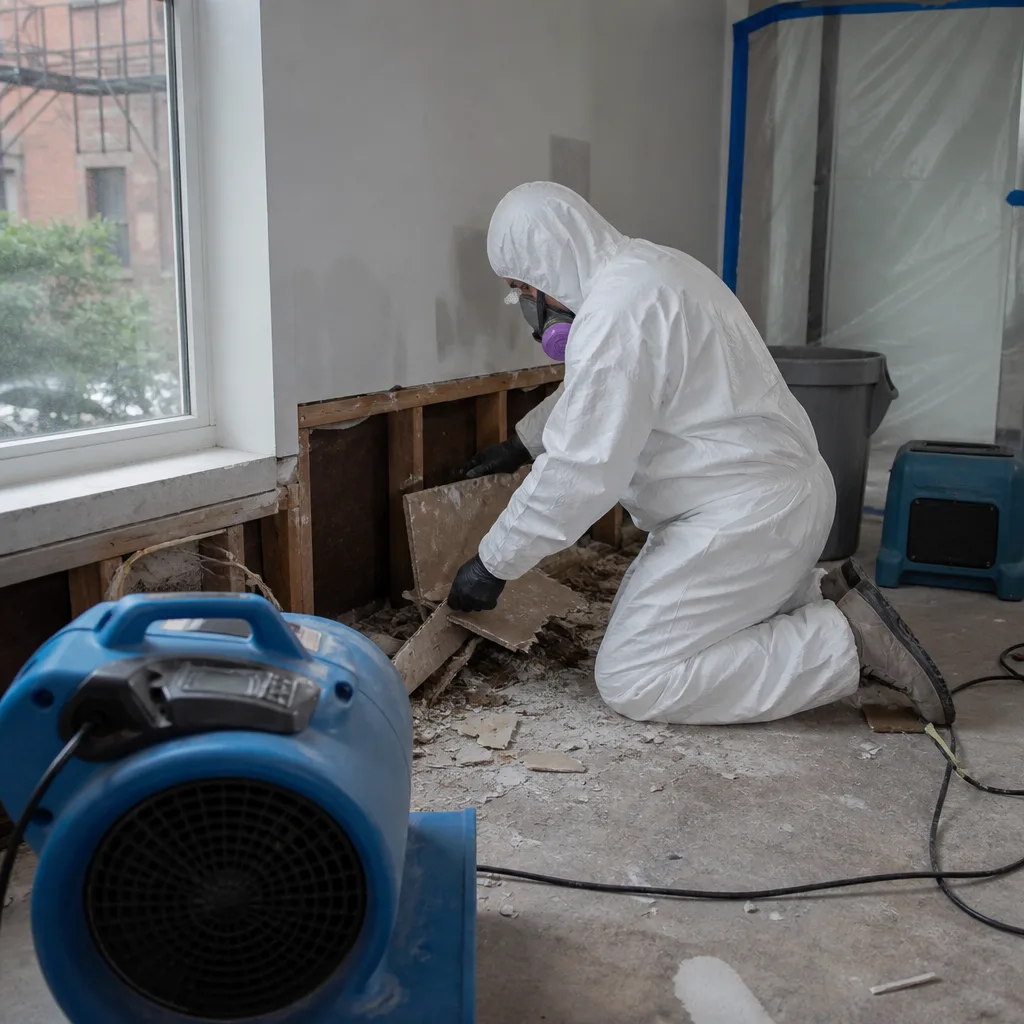
The scope should include a statement of photographic documentation: pre-loss condition, moisture mapping, equipment placement, daily progress, and post-completion verification. At DryMark Restoration Hoboken, our Documented Photo Record on Every Visit is included as a standard deliverable, never an upsell. You receive a dated, geotagged album that correlates to your drying log and your final invoice. This is the documentation that turns restoration invoices into payable insurance claims.
Three Questions That Reveal Documentation Quality
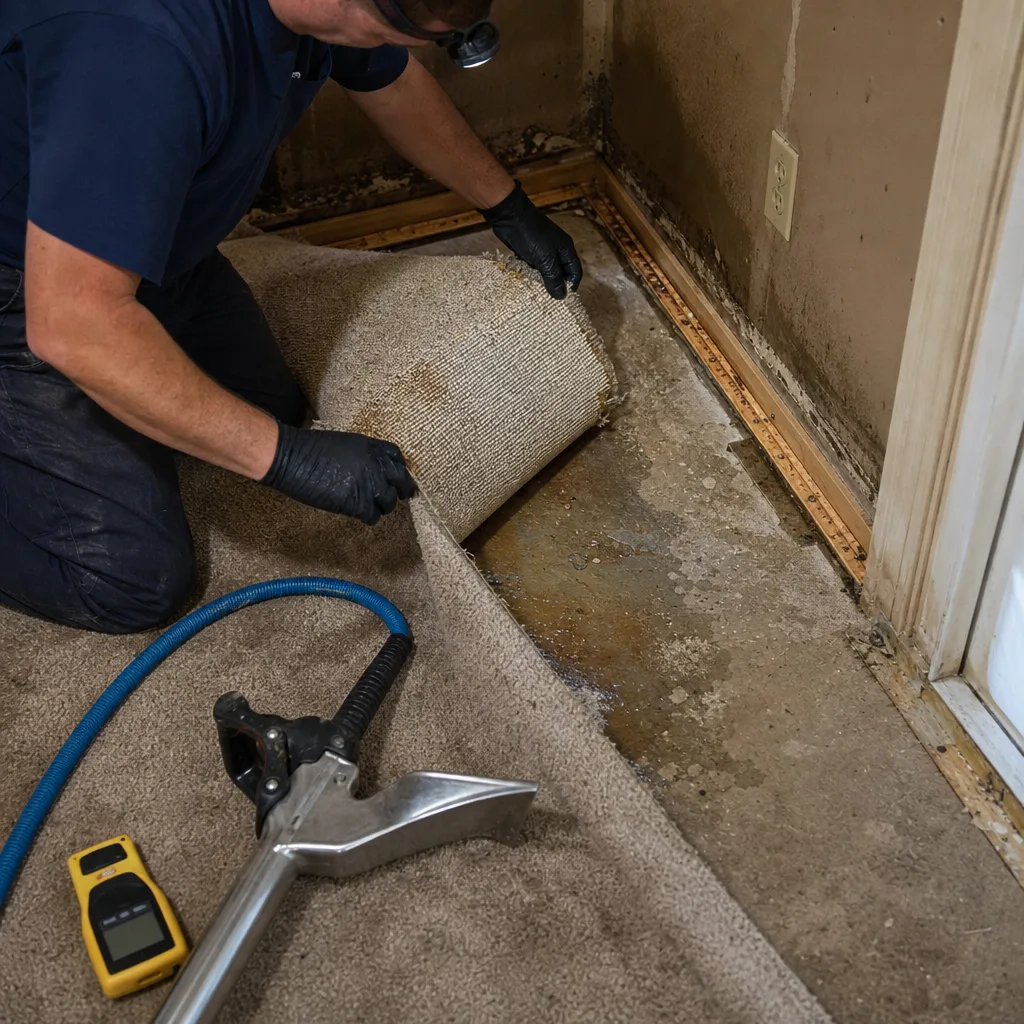
Most homeowners know to ask about response time and equipment. Few know to ask about documentation protocols, and that gap costs them thousands in disputed claims. These three questions, asked before you hire, will tell you whether a contractor operates under a documentation standard or a hope-and-hustle model.
Question 1: “Will I receive daily drying logs?”
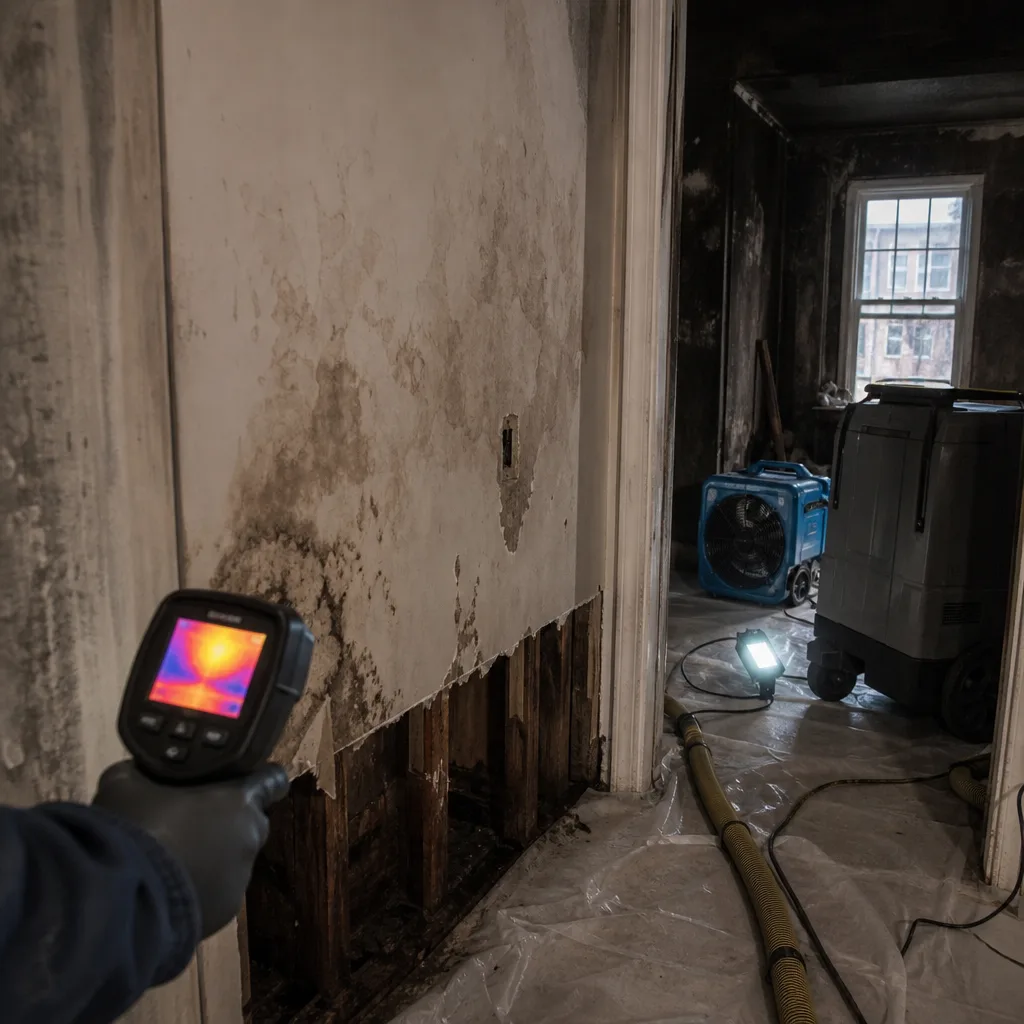
A daily drying log is the single most important document in a water damage claim. It records temperature, relative humidity, and specific humidity for each affected area, plus moisture content readings for each material class, taken at the same time each day. This data, plotted over time, produces a drying curve that proves the equipment was working, that progress was occurring, and that the endpoint was reached through measurement rather than assumption.
A contractor who answers “We’ll check on it” or “The technician will let you know” does not produce drying logs. A contractor who answers “Yes, in a shared cloud folder by 6 p.m. each day, with readings from our Phoenix dehumidifiers logged to IICRC S500 standards” operates under a documentation protocol.
Ask to see a sample log from a completed job, with the address redacted. The log should show:
- Date and time of each reading
- Equipment inventory by serial number
- Ambient conditions: temperature in degrees Fahrenheit, relative humidity as percentage, specific humidity in grains per pound
- Material moisture content by location and meter type
- Technician signature or electronic verification
Question 2: “What moisture reading marks completion?”
The answer must be a number or a range, not “when it feels dry” or “when the meter says so.” For gypsum drywall in Hoboken’s climate, the answer should reference approximately 12% moisture content or equilibrium with adjacent unaffected materials. For oak hardwood, approximately 10%. For concrete slab, a relative humidity probe reading below 75% per ASTM F2170.
The contractor should also explain how they account for seasonal variation. Hoboken’s summer humidity, driven by the Hudson River and urban heat island effects, can elevate baseline moisture content in porous materials by 2-3 percentage points compared to winter readings. A contractor who uses the same dry standard in August and February has not calibrated their protocol to local conditions.
Question 3: “Can I see a sample final report?”
The final report is the document your adjuster will review to approve payment. It should integrate the written scope, the daily drying logs, the photo record, and a completion certificate signed by the technician and the homeowner. Ask for this before you hire. A contractor who cannot produce a sample within 24 hours has not completed enough documented jobs to have a template, or operates without a reporting standard entirely.
Our final reports, delivered under The Haven Standard, include: the original written scope with any amendments initialed by both parties; the complete drying log with psychrometric data graphed; the photo record with timestamps; moisture readings at completion compared to dry standards; and the 365-Day Done Right Promise signed by our technician. If it’s not done right, we make it right. This is not a marketing line. It is a signed guarantee stamped on every job.
Mitigation-Only vs. Full-Service: Why the Distinction Matters
The restoration industry separates into two business models, and the distinction affects your claim timeline, your out-of-pocket cost, and your stress level more than most homeowners realize.
Mitigation-Only Contractors
These firms perform emergency services: water extraction, structural drying, content manipulation, and initial sanitation. They do not rebuild. Their business model depends on speed and volume, and their documentation often stops at the drying log. When drying is complete, they invoice and depart, leaving you to hire a general contractor for drywall, flooring, painting, and finish carpentry.
The risk: your insurer may treat mitigation and reconstruction as separate claims with separate deductibles. The gap between mitigation completion and reconstruction start can stretch for weeks if your general contractor is not familiar with insurance documentation requirements. In Hoboken, where permit applications for structural work must pass the Division of Code Enforcement, that gap can extend to months.
Full-Service Restoration Contractors
These firms handle mitigation through reconstruction under a single scope, a single invoice, and typically a single deductible. The same technician who mapped moisture on day one oversees the final paint touch-up, ensuring that drying standards and reconstruction quality are aligned. Documentation is continuous, not fragmented between two companies with two sets of records.
At DryMark Restoration Hoboken, we operate as a full-service restoration company. Our reconstruction division works from the same moisture maps and photo records as our mitigation team, so no detail is lost in handoff. For Hoboken homeowners, this means one written price before work begins, one point of contact, and one 365-Day Done Right Promise covering the complete restoration.
When Mitigation-Only Makes Sense
There are legitimate scenarios for hiring a mitigation-only firm. If you have an established relationship with a trusted general contractor who is available immediately, or if your loss is minor and confined to replaceable materials, the simplicity of a single-phase contract may appeal. But verify that your general contractor can read and respond to Xactimate estimates, can photograph and document work to insurance standards, and understands Hoboken’s permit requirements for electrical, plumbing, and structural modifications. Most residential general contractors do not.
Hoboken-Specific Risks: Water Tables, Aging Infrastructure, and Code
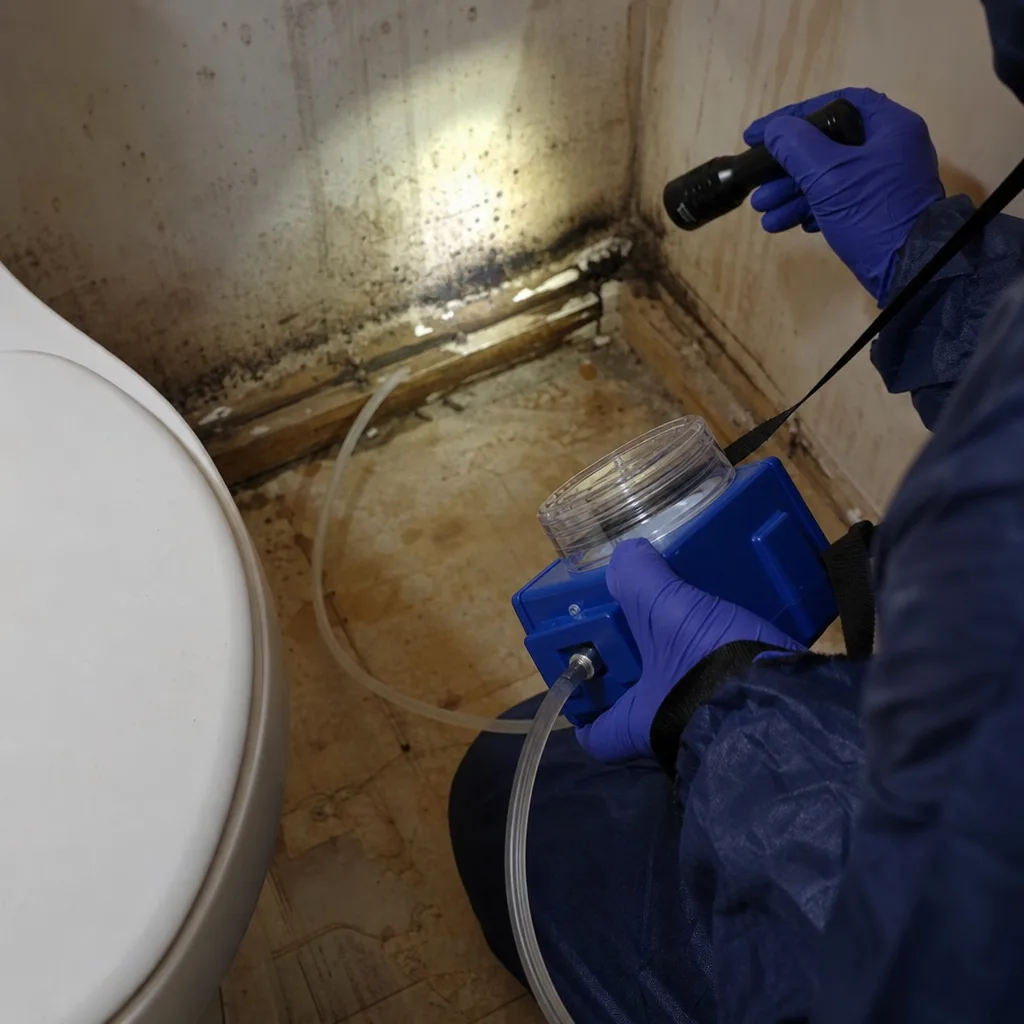
Hoboken’s geography creates restoration challenges that inland contractors do not encounter routinely, as detailed in The Complete Guide to Damage Restoration in Hoboken. Understanding these conditions helps you evaluate whether a contractor has genuine local experience or merely a local phone number.
High Water Table and Combined Sewer Overflows
Hoboken sits on filled marshland with a water table that fluctuates between 4 and 8 feet below grade. Basements in the western neighborhoods, particularly between Observer Highway and 14th Street, experience hydrostatic pressure through slab and foundation walls even without a plumbing failure. During heavy rainfall, the city’s combined sewer system can backflow into basement drains, introducing Category 3 water, or black water, that carries pathogens and requires full antimicrobial treatment per IICRC S500 standards.
A contractor who treats basement water as Category 1, or clean water, without testing for sewage contamination, is creating a health risk and a future claim denial. Ask specifically: “How do you determine water category in Hoboken basements?” The answer should include visual inspection for staining and odor, ATP bioluminescence testing for organic load, and documentation of the determination in the written scope.
Pre-War Construction and Plaster Systems
Approximately 60% of Hoboken’s residential housing stock predates 1950. These structures feature plaster and lath walls, balloon framing, and minimal vapor barriers. When water enters wall cavities, it wicks laterally through plaster keys and vertically through stud bays far beyond the visible damage. Surface drying with air movers alone will not restore these systems; it will create a vapor pressure differential that drives moisture deeper into the structure, promoting mold growth in concealed cavities.
Proper restoration of plaster and lath requires controlled dehumidification at lower specific humidity targets, extended drying cycles, and invasive inspection with borescopes to verify cavity conditions. A contractor who proposes “drywall replacement” for plaster walls without explaining why has not assessed your structure.
Hoboken Building Code and Permit Requirements
The City of Hoboken requires permits for electrical work, plumbing modifications, and structural repairs exceeding superficial finish replacement. Restoration work that involves subfloor replacement, wall cavity access, or HVAC modification triggers inspection requirements. A full-service contractor should include permit costs and timelines in the written scope, with a clear statement of who files the application and who attends inspections.
We have seen competitor scopes that omit permit costs entirely, leaving homeowners with surprise charges or unpermitted work that complicates future property sales. Under The Haven Standard, our written prices include all permit fees for work we perform, with no scope-creep additions once the crew is inside.
Pricing Transparency: What Restoration Should Cost in Hoboken
Restoration pricing in Hoboken reflects Manhattan-adjacent labor costs, limited parking and access for equipment trucks, and the structural complexity of pre-war housing. These are not excuses for opacity. They are variables that a legitimate scope names explicitly.
The following ranges reflect our experience pricing work in Hoboken since 2011. Every job requires a site-specific written scope under Haven Standard, Clause 1, but these figures provide a baseline for evaluation:
| Service Category | Typical Range in Hoboken | Variables Affecting Price |
|---|---|---|
| Water damage assessment and moisture mapping | $150 - $350 | Property size, number of affected rooms, basement vs. upper floors |
| Category 1 water extraction and drying (per affected room) | $800 - $2,200 | Material type, ceiling height, equipment access |
| Category 3 sewage cleanup and antimicrobial treatment | $2,500 - $6,000 | Contamination extent, PPE requirements, disposal fees |
| Hardwood floor drying with Injectidry panel system | $1,200 - $3,500 | Floor area, thickness, cupping severity |
| Mold remediation (per contained area, ~100 sq ft) | $1,500 - $4,000 | Material removal required, HEPA filtration duration, post-remediation verification |
| Fire and smoke damage restoration (per affected room) | $2,000 - $7,500 | Combustion source, synthetic vs. natural materials, odor complexity |
| Content pack-out and cleaning | $500 - $2,000 | Volume, fragility, off-site storage duration |
These ranges assume standard access conditions. Hoboken-specific complications, elevator dependencies, or historic preservation requirements may adjust pricing. The critical point is not the number itself, but that the number appears in writing, with line-item breakdown, before work begins.
Our Free Second Opinion on any competitor’s written estimate allows you to verify whether a scope is complete and fairly priced. Bring us any written estimate, and we will review it at no charge, identifying missing line items, inflated equipment counts, or omitted documentation commitments.
Common Mistakes to Avoid
- Signing an authorization before reading the full document. In the stress of an emergency, homeowners often initial page one without reviewing page two, where AOB clauses and open-ended pricing typically hide. Request time to read. A legitimate contractor will grant it.
- Accepting verbal pricing with a promise to “work it out with insurance.” This phrase almost always precedes an invoice that exceeds policy limits or includes undocumented line items. Haven Standard, Clause 1 exists to end this practice.
- Hiring based on response time alone. Speed matters in water mitigation, but a fast arrival with inadequate documentation is not faster than a documented arrival with a proper scope. The claim dispute takes longer than the drying.
- Assuming all “certified” technicians are equal. IICRC WRT is entry-level; ASD is advanced. Ask which specific technicians hold which credentials, and verify them independently.
- Neglecting to verify insurance naming your address. A general liability certificate without your property listed protects the contractor from third-party claims, not you from subrogation.
- Choosing mitigation-only without a reconstruction plan. The gap between drying and rebuilding is where costs escalate and documentation fragments. Have a plan for phase two before phase one begins.
- Ignoring Hoboken’s permit requirements. Unpermitted restoration work, particularly electrical or plumbing, can void homeowner’s insurance and complicate future property transactions. Verify permit inclusion in the written scope.
When to Call a Professional
Call a restoration professional immediately when water has affected finished surfaces, when you smell musty or combustion odors, when sewage is present, or when fire damage extends beyond a single contained item. In Hoboken’s dense construction, water and smoke travel through shared walls and utility chases faster than visual inspection reveals.
For water damage, the 24-48 hour window before mold colonization begins is real, but it is not an excuse to skip documentation. A professional should arrive with moisture meters, a written scope capability, and the willingness to explain their drying protocol before starting equipment.
DryMark Restoration Hoboken offers free estimates in Hoboken with live phone coverage 24 hours a day, 7 days a week, no voicemail on emergency lines. Every estimate includes a written price before work begins, documented to IICRC, RIA, and IFA standards. Call (551) 212-1580.
Frequently Asked Questions
Most homeowner’s policies cover sudden and accidental water damage, fire damage, and storm damage, but coverage varies by carrier and endorsement. The key to payment is documentation: a written scope, daily drying logs, and a photo record that correlates work to the claimed loss. We coordinate directly with adjusters and provide the documented evidence that supports claim approval. Call (551) 212-1580 to discuss your specific policy and loss.
For emergency water and sewage damage, DryMark Restoration Hoboken dispatches crews with live phone coverage 24 hours a day, 7 days a week. Response time depends on current call volume, Hoboken traffic patterns, and parking access at your specific address. We provide an estimated arrival window when you call, not a vague promise. For reconstruction and non-emergency work, we schedule in writing with a specific date and time, scoped and priced like any professional construction project.
The distinction depends on material classification, contamination level, and extent. Surface mold on non-porous tile may require only HEPA vacuuming and antimicrobial application. Mold on porous drywall, insulation, or unfinished wood typically requires removal of affected materials per IICRC S520 standards. We determine the appropriate protocol through moisture mapping, air sampling, and visual inspection, then document the rationale in your written scope before any work begins.
You retain control of your claim unless you sign an Assignment of Benefits. Under The Haven Standard, we document every aspect of the restoration and provide that documentation directly to you and, with your authorization, to your adjuster. We do not negotiate settlements on your behalf or accept payment directly from your insurer without your explicit direction. You remain the policyholder throughout.
Psychrometrics is the measurement of air and moisture properties: temperature, relative humidity, specific humidity, and vapor pressure. These readings determine whether drying equipment is properly configured and whether a structure has reached true dryness, not just surface dryness. Without psychrometric data, a contractor is guessing. With it, they can prove completion to your insurer. Our daily drying logs include complete psychrometric data from Phoenix and XPOWER equipment, documented to IICRC S500 standards.
Under The Haven Standard, every job carries the 365-Day Done Right Promise: if it’s not done right, we make it right. This is a signed guarantee, not a verbal assurance. It covers both our mitigation and reconstruction work for 365 days from completion. If moisture returns, if odors persist, or if finishes fail, we return at no charge to diagnose and correct the deficiency. This promise is stamped on every job, with no deductible or service fee.
The Bottom Line
Hiring a restoration contractor in Hoboken is a document review disguised as an emergency decision. The contractor who hands you a written scope with line-item pricing, verifiable credentials, and a documentation commitment before work begins is structurally different from the one who asks you to sign an authorization and discuss details later. Screen for evidence, not promises. Verify licenses independently. Reject Assignment of Benefits. Demand daily drying logs with psychrometric data. And never accept a price that appears after the crew is inside your home.
Written by Alicia Brennan, Owner at DryMark Restoration Hoboken, serving Hoboken since 2011.