
Last updated September 23, 2026
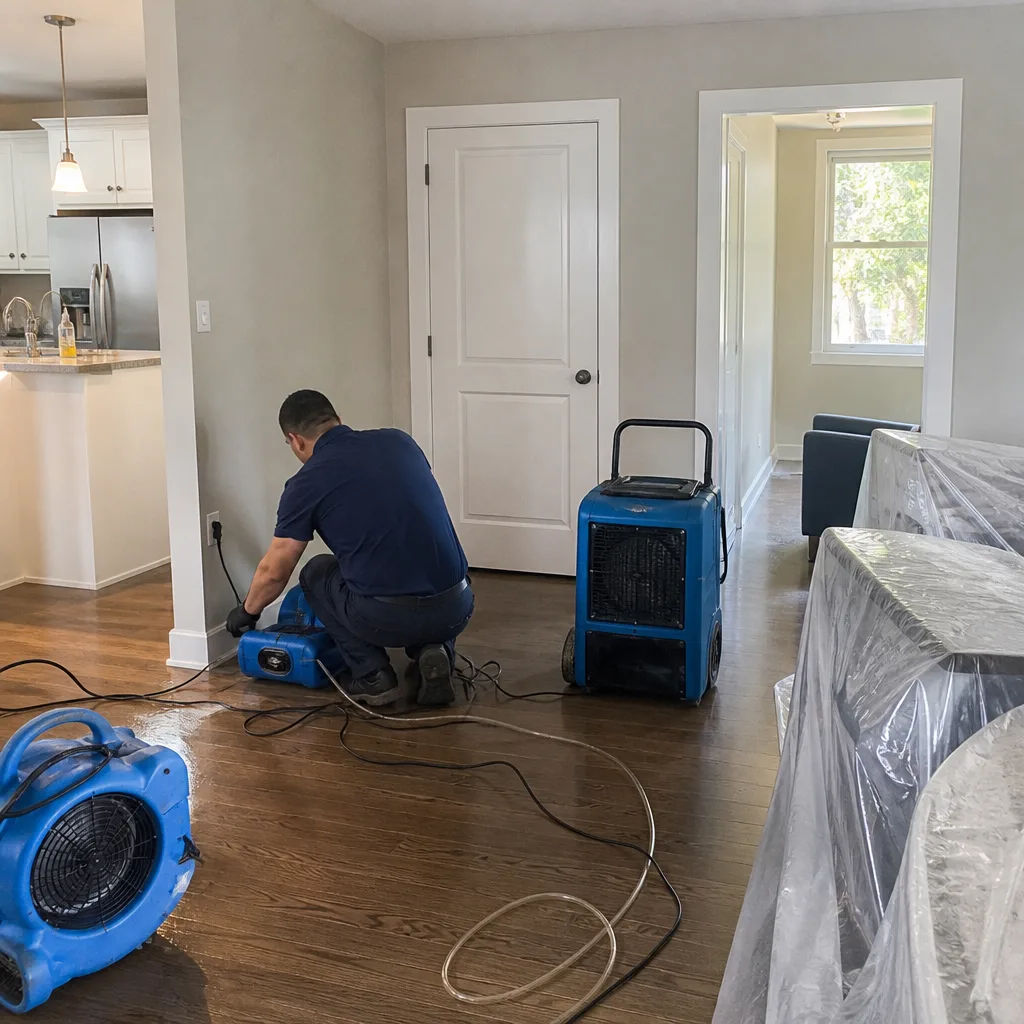
Free visual inspection and a written scope of work before any mitigation begins - photos, moisture readings, and drying logs go in your claim file
The scope we write is the scope we bill. Anything new gets shown to you, in writing, before we touch it.
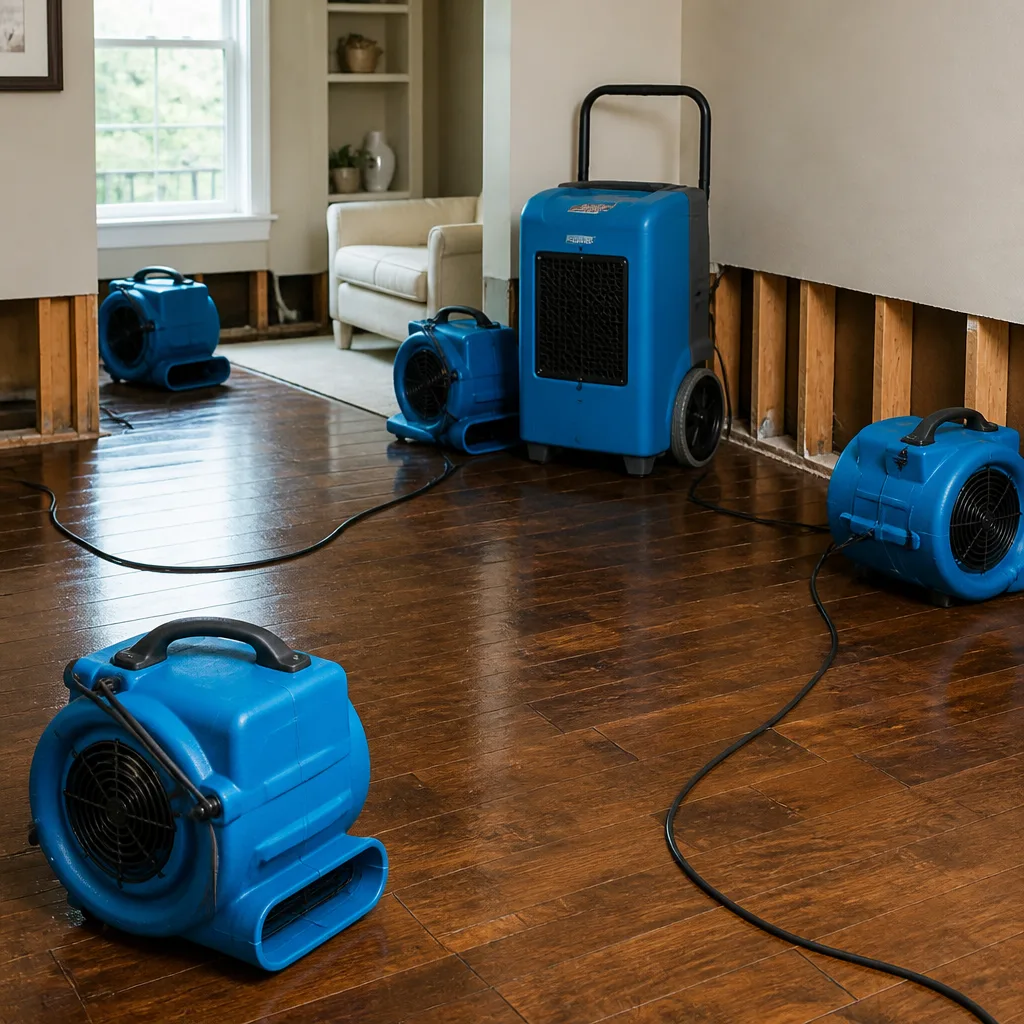

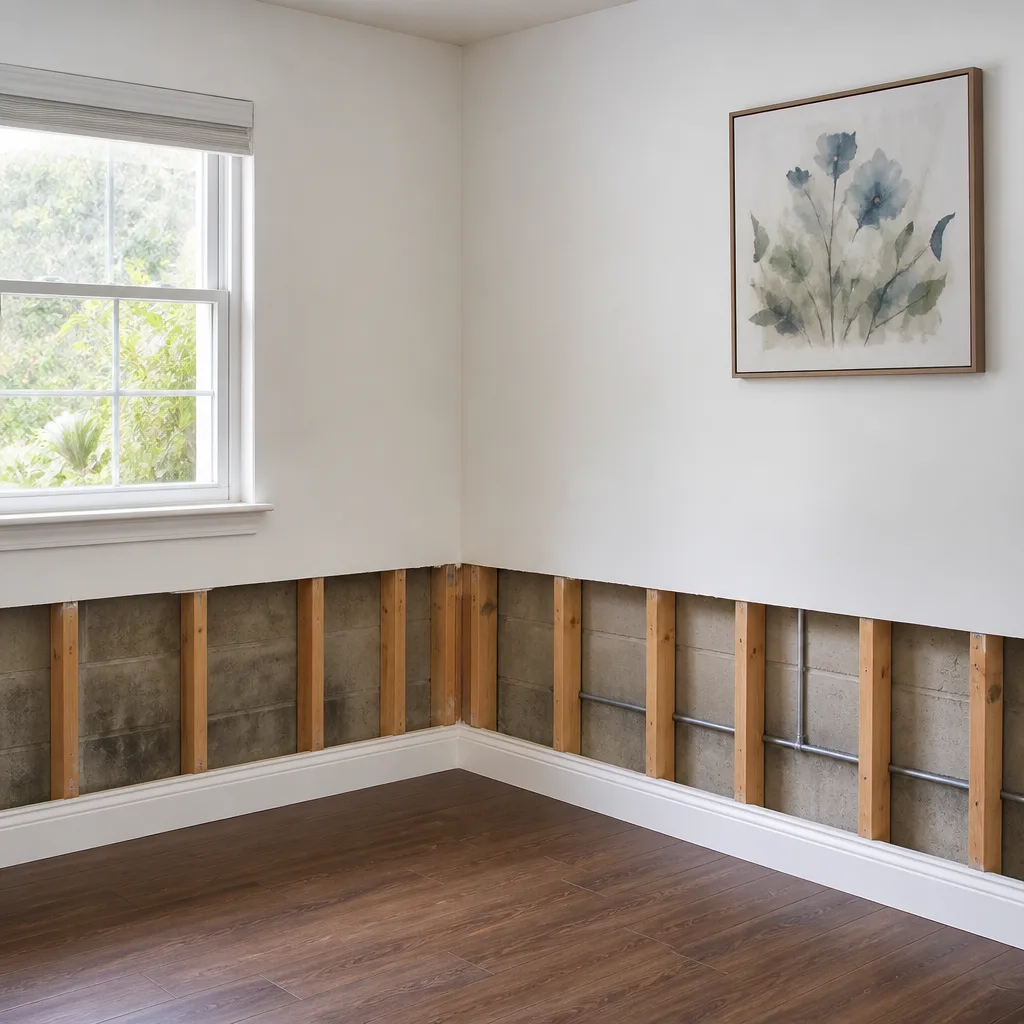


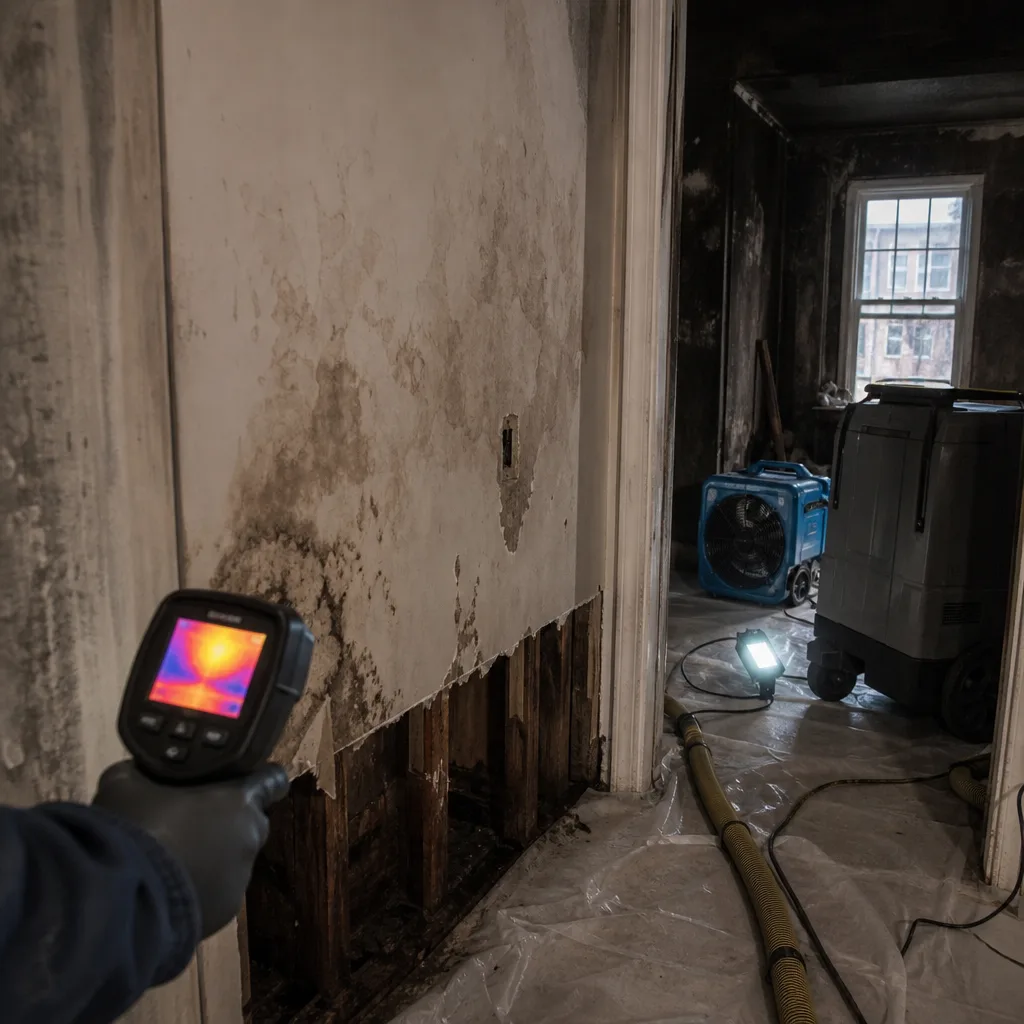 Before
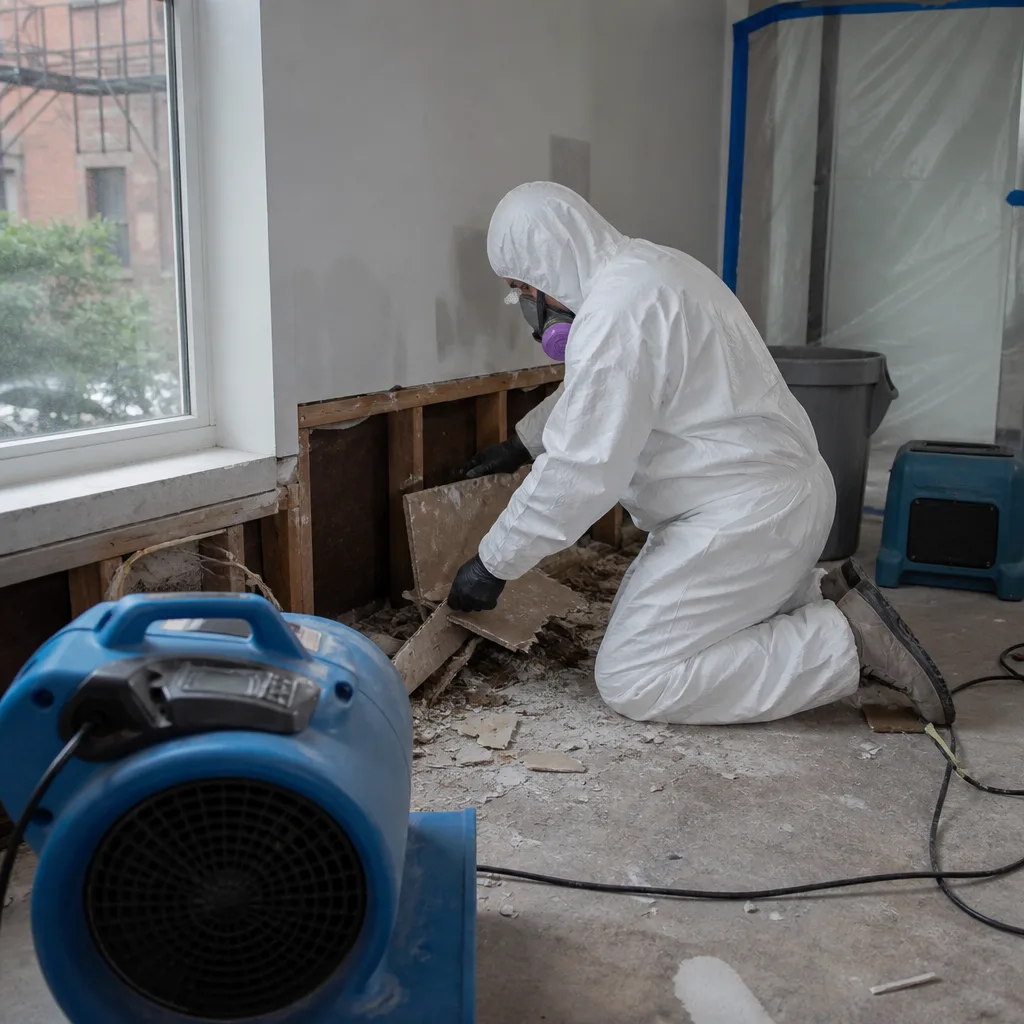 After
After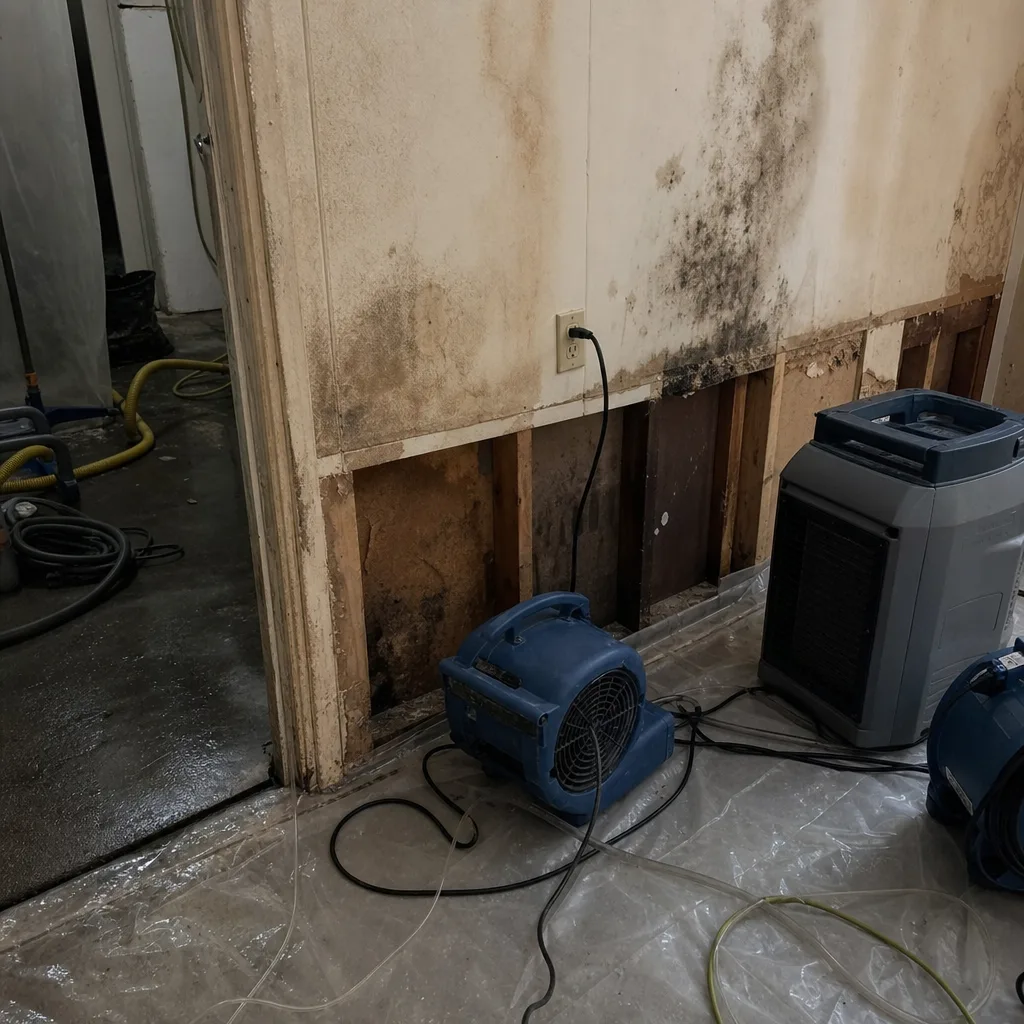 Before
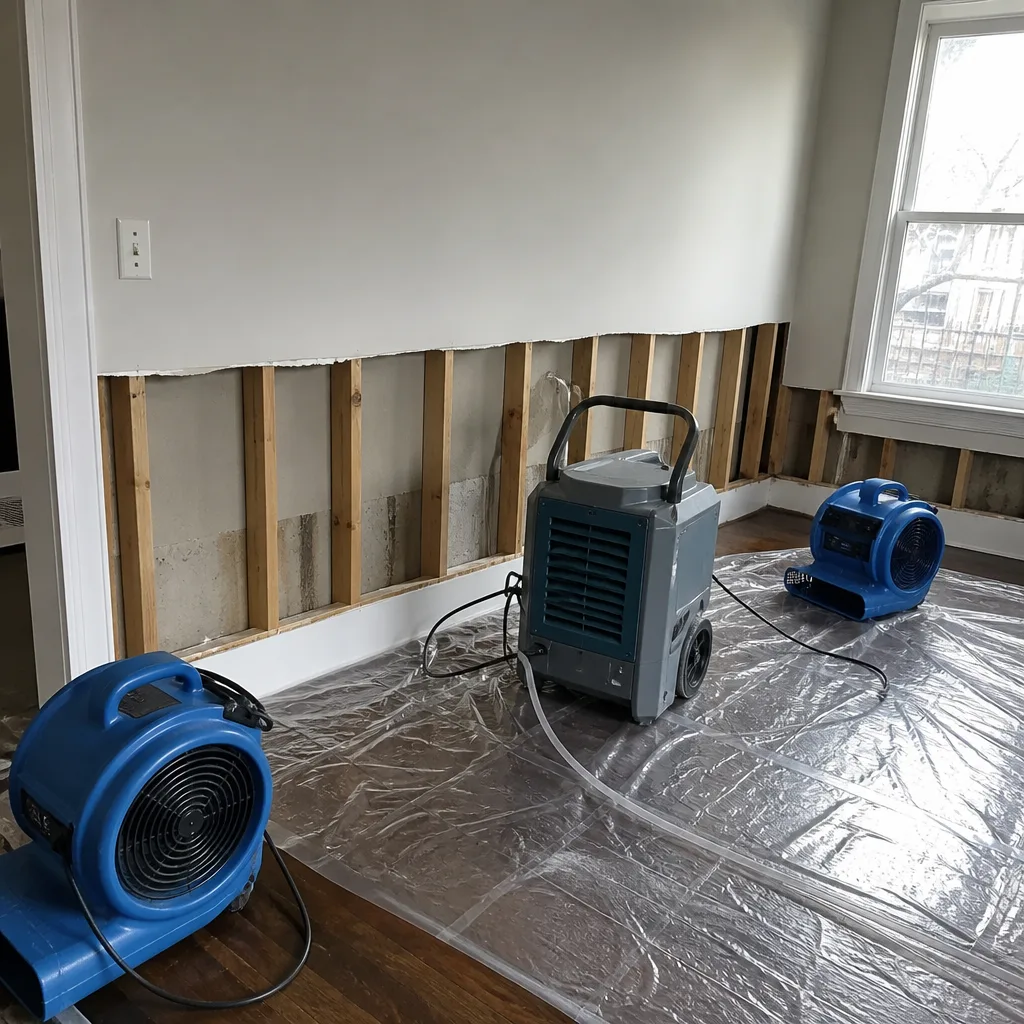 After
After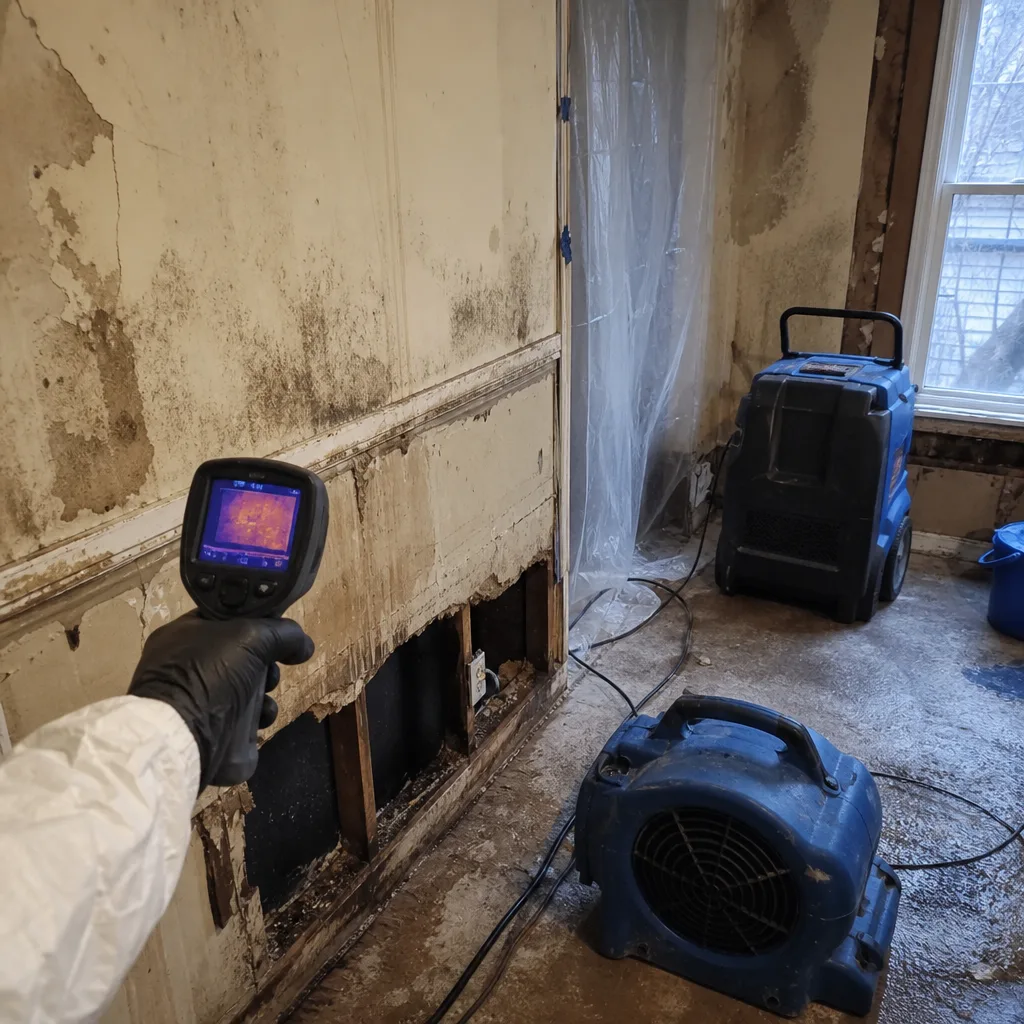 Before
 After
AfterWater Damage Restoration Maintenance Checklist for Hoboken Homeowners
A sump pump that runs but delivers water pressure below 1.5 GPH at the discharge point is failing silently, and most maintenance checklists never ask you to measure it. In Hoboken, where combined sewer systems back up during coastal storms and brownstone ground-floor units share drainage lines with upstairs neighbors, a checklist without thresholds is just a list of worries. This guide pairs every inspection item with a specific pass-fail number so your home documents its own health before you ever need Water Damage Restoration.
Quick Answer
Hoboken homeowners should inspect their water damage prevention systems quarterly using measurable thresholds: sump pump discharge at minimum 1.5 GPH, crawlspace humidity below 60% RH, downspouts discharging 6+ feet from foundation, and water heater pressure relief valve dripping no more than 1 cup per 24 hours. Document each reading with dated photos to build a pre-loss record that insurers accept without dispute.
Table of Contents
- Why Thresholds Matter More Than Tasks
- Quarterly Homeowner Inspection: Interior Systems
- Semi-Annual Exterior and Drainage Inspection
- Hoboken-Specific Infrastructure Risks
- The Documentation Habit: Building Your Pre-Loss Record
- What You Measure vs. What Requires a Licensed Pro
- How Maintenance Records Speed Insurance Settlement
- Annual Deep Inspection Checklist
BeforeAfterWhy Thresholds Matter More Than Tasks
Most water damage checklists tell you to “check the sump pump” without defining what passing looks like. We’ve restored over 12,000 homes since 2011, and the pattern is consistent: the pump was running, the homeowner checked the box, but nobody measured whether it was actually moving water fast enough to outpace a Hoboken basement flood during a nor’easter. For a full local breakdown, see Damage Restoration Cost Breakdown: The Hoboken Homeowner’s Reference for 2026.
A threshold-based checklist removes guesswork. It turns subjective worry into objective data. When you know your crawlspace humidity read 58% RH last March and 71% RH this March, you have a trend, not a hunch. That trend tells you whether to run a dehumidifier, call a pro, or simply recheck in two weeks.
Here’s the difference between task-based and threshold-based maintenance:
| Task-Based (Weak) | Threshold-Based (Strong) |
|---|---|
| Check sump pump | Measure discharge rate ≥1.5 GPH at the exterior termination point |
| Look for leaks under sink | Place dry paper towel under P-trap; check after 24 hours for any saturation |
| Inspect water heater | Temperature-pressure relief valve drips ≤1 cup per 24 hours; tank base shows zero moisture on tissue test |
| Clean gutters | Downspout discharges ≥6 feet from foundation on a slope ≥2% away from structure |
| Check basement humidity | Relative humidity ≤60% RH at 18 inches above floor, measured with calibrated hygrometer |
Thresholds also create documentation. A photo of your hygrometer reading 54% RH, dated and stored, becomes evidence in a claim dispute. A mental note that “the basement seemed fine” does not.
At DryMark Restoration Hoboken home, we built our documentation protocols around the same principle that drives this checklist: what gets measured gets paid. Our daily drying logs, written scopes, and room-by-room moisture readings turn restoration invoices into claims insurers pay without a fight. Your maintenance records should do the same for your prevention efforts.
Quarterly Homeowner Inspection: Interior Systems
Perform these checks every three months, ideally in March, June, September, and December to catch seasonal transitions. Each item includes the measurement threshold and the tool you need.
Sump Pump and Pit
- Discharge rate test: Time how long it takes to fill a 5-gallon bucket at the exterior discharge point. Target: ≤2 minutes (≥2.5 GPH preferred, absolute minimum 1.5 GPH). Use a stopwatch and bucket.
- Float switch activation: Pour 3 gallons of water into the pit. Pump must activate before water reaches 6 inches below basement floor level. If it doesn’t, the float is stuck or failed.
- Check valve function: After pump stops, listen for water flowing back into pit. Any backflow means the check valve is leaking; replace it.
- Pit debris: Water level should sit 3-4 inches below floor slab. If it’s higher, the pit is sediment-choked or the pump is short-cycling.
In Hoboken’s low-lying neighborhoods near the Hudson, we’ve seen sump pits where the water table sits 18 inches below grade year-round. A pump that barely clears 1.0 GPH in March will fail catastrophically during a September coastal storm when the table rises. Measure every quarter. The number changes.
Water Heater
- Temperature-pressure relief valve: Place measuring cup under discharge pipe for 24 hours. Acceptable: ≤1 cup collected. More than that indicates valve failure or excessive tank pressure.
- Tank base tissue test: Press white tissue paper against concrete pad beneath tank. Any dampness, however slight, indicates slow leak or condensate issue.
- Supply line condition: Braided stainless steel lines should show no corrosion, no bulging, and no stiffness when flexed. Replace at 5 years regardless of appearance.
HVAC Condensate System
- Primary drain flow: Pour 1 quart water into condensate pan. It should exit through drain line within 60 seconds. Standing water means blockage.
- Condensate pump (if present): Same 1-quart test, but verify pump activates and discharges to proper drain. In Hoboken brownstones with rooftop units, this pump runs hard all summer; test it before July heat.
Under-Sink Plumbing
- P-trap paper test: Place dry paper towel under each P-trap. Check after 24 hours. Any wetness indicates seepage.
- Supply valve operation: Turn each angle stop off and on. It should move freely and seal completely. Stiff valves fail when you need them most.
Basement/Crawlspace Humidity
- Hygrometer placement: Position digital hygrometer 18 inches above floor, away from walls, in center of space. Record reading after 24-hour stabilization.
- Threshold: ≤60% RH. At 61-65%, run dehumidifier and recheck in 48 hours. Above 65%, investigate source before mold risk escalates.
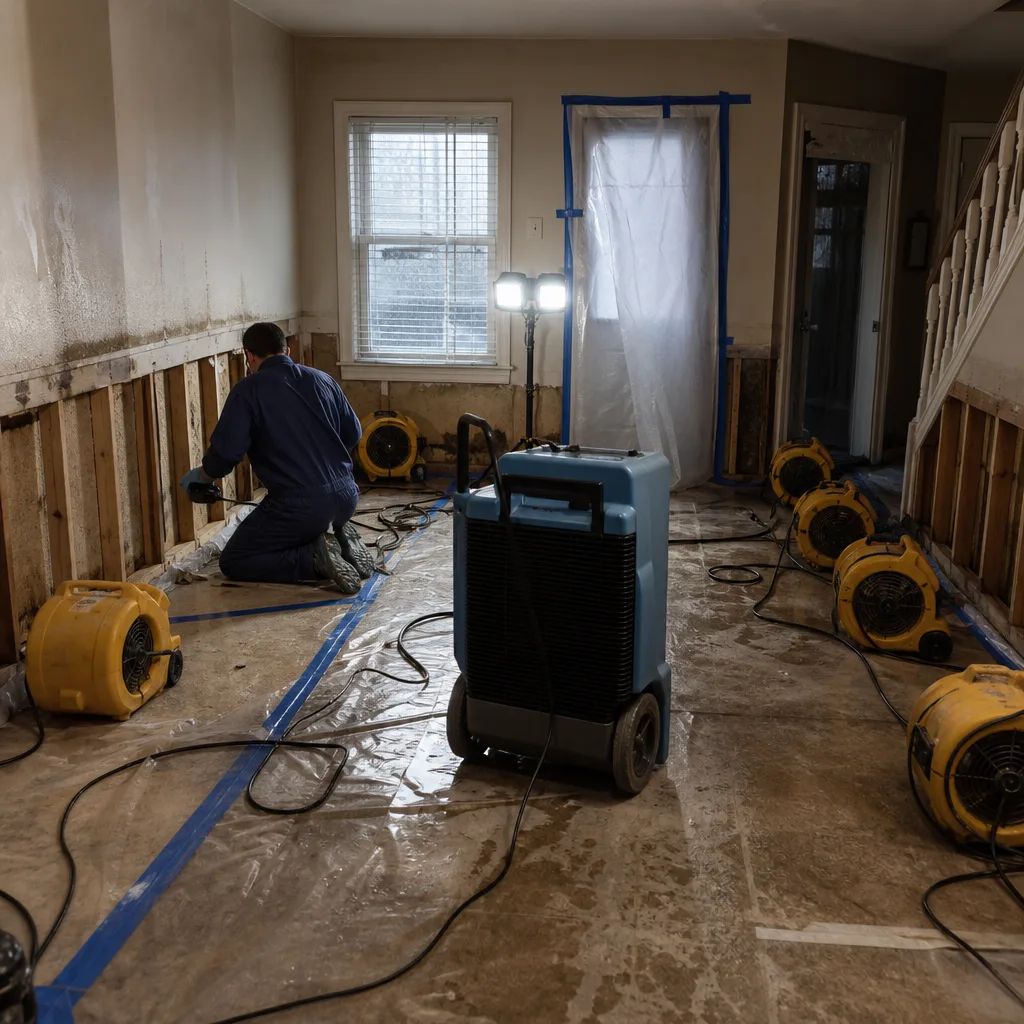
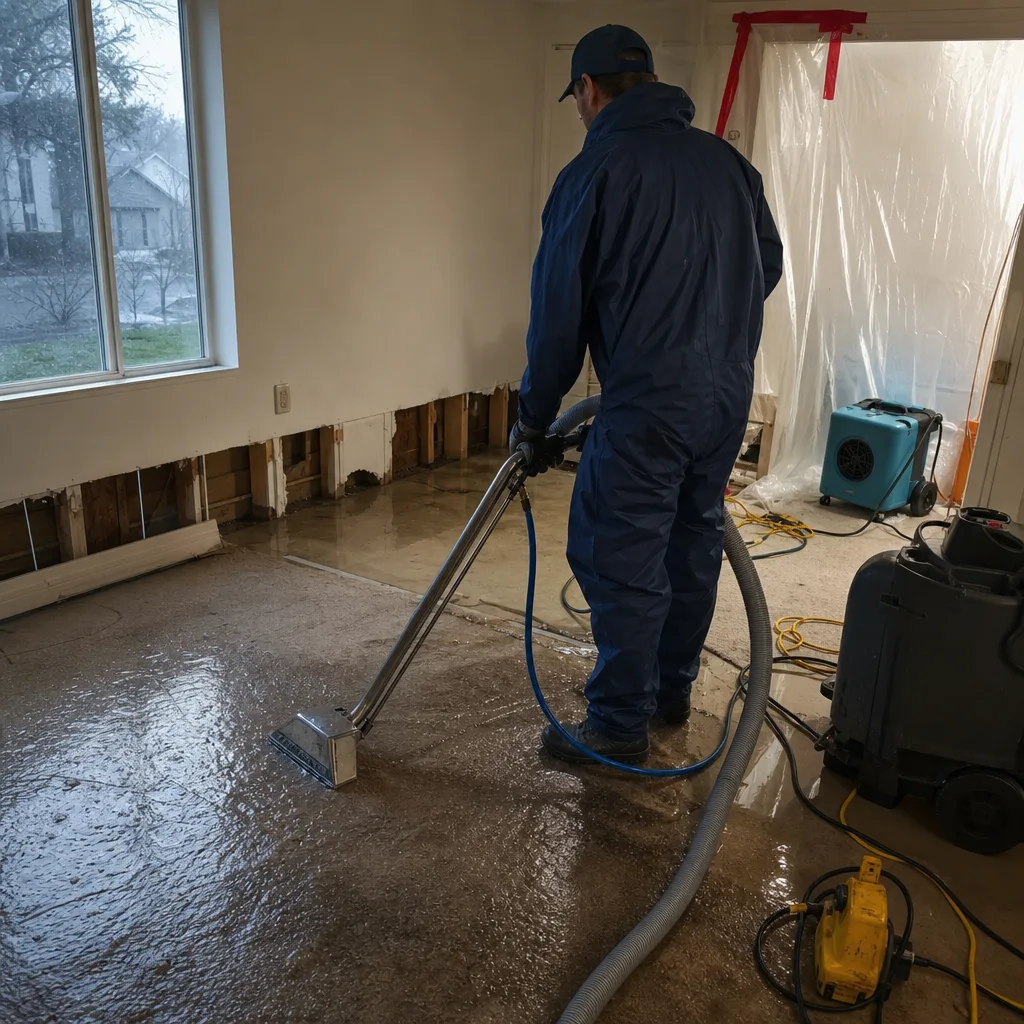
We document all water damage restoration in Hoboken to IICRC, RIA, and IFA standards using professional-grade drying systems from Dri-Eaz, Phoenix, and XPOWER. For the full protocol, read The Complete Guide to Damage Restoration in Hoboken. The same precision applies to your prevention measurements.
Semi-Annual Exterior and Drainage Inspection
Perform in April and October, before and after peak storm season. These checks require a ladder, tape measure, and level.
Roof and Gutters
- Gutter flow test: Run hose into gutter at highest point. Water should reach downspout within 30 seconds without overflow. Any overflow indicates blockage or insufficient slope.
- Downspout discharge distance: Measure from foundation wall to where water exits the downspout extension. Minimum: 6 feet. Preferred: 10 feet on sloped ground.
- Ground slope: Place 6-foot level on ground adjacent to foundation. Bubble should show ≥1.5 inches of fall over 6 feet (2% slope) away from structure.
Hoboken’s row houses and brownstones often have downspouts that terminate at shared walkways or directly against neighboring foundations. We’ve documented claims where water from three connected buildings funneled into one basement because nobody measured discharge distance. If you share drainage, photograph where your water goes.
Foundation and Grade
- Foundation wall moisture: Press dry tissue against basement wall at grade level and 12 inches below. Any dampness indicates hydrostatic pressure or failed waterproofing.
- Window well drainage: Pour 2 gallons into window well. Water should drain within 10 minutes. Standing water means clogged drain or impermeable soil.
Exterior Hose Bibs and Irrigation
- Anti-siphon valve test: Turn on hose bib full pressure, then shut off. No water should drip from vacuum breaker. Dripping indicates failed backflow prevention.
- Shut-off location: Verify you can locate and operate interior shut-off within 60 seconds. Time yourself. In a burst-pipe emergency, seconds matter.
Hoboken-Specific Infrastructure Risks
Hoboken’s geography and built environment create water damage risks that generic checklists miss. These three factors should alter your maintenance priorities.
Combined Sewer Overflow (CSO) Risk
Hoboken’s sewer system combines stormwater and sanitary waste in shared pipes. During heavy rain, the system overflows at designated outfalls into the Hudson River, but before that happens, sewage backs up into low-lying buildings. The threshold that matters: rainfall intensity exceeding 1.5 inches per hour, which occurs in roughly 3-4 Hoboken storms annually.
Your maintenance response:
- Install backwater valve if basement has below-grade fixtures (toilet, shower, floor drain). Test quarterly by pouring water into floor drain; it should not flow backward.
- If you have a backwater valve, clean the gate mechanism every six months. A stuck gate is a failed gate.
- Never connect sump pump discharge to sanitary sewer. It’s illegal in Hoboken and creates backflow path during CSO events.
We’ve responded to sewage backups in Hoboken’s southwest blocks where three buildings shared a blocked lateral. The building with a maintained backwater valve stayed dry. The others required full Water Damage Restoration in Hoboken including category-3 water remediation.
Brownstone and Row House Shared Drainage
Hoboken’s historic housing stock often has party-wall drainage connections, roof leaders that cross property lines, and basement drains tied to neighbors’ systems. Your maintenance must account for what you don’t control.
- Photograph all visible drainage paths during your semi-annual inspection. If a neighbor’s downspout terminates against your foundation, document it before a dispute arises.
- Check basement walls shared with adjacent units more frequently; their leaks become your moisture problems through thermal bridging and vapor migration.
- If your building has a shared sump pit, verify your unit’s contribution is metered or documented. We’ve seen liability disputes where one owner’s pump failure flooded three units.
Rooftop HVAC Condensate in Multi-Unit Buildings
Many Hoboken condos and co-ops route rooftop unit condensate through interior lines that serve multiple floors. A blockage at the roof affects every unit below.
- Request annual inspection of common condensate lines from your building association. Get it in writing.
- If your unit has a secondary drain pan, test its independent discharge path quarterly. The secondary exists because the primary fails.
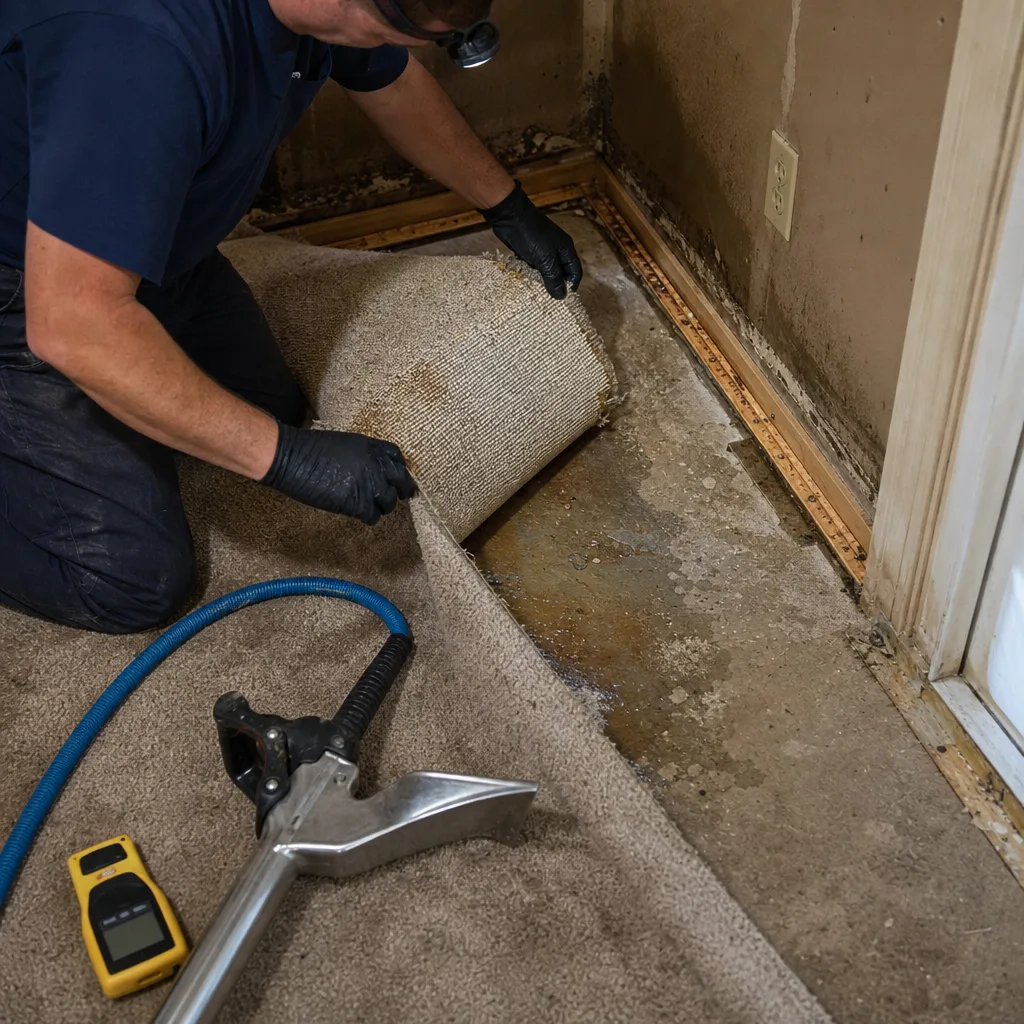
- Document any water stains on ceiling tiles or drywall, even small ones. In shared systems, today’s stain is tomorrow’s multi-unit Mold Remediation in Hoboken project.
The Documentation Habit: Building Your Pre-Loss Record
A maintained home without documentation is an unmaintained home in the eyes of an insurer. We’ve settled claims where the difference between full payment and partial denial was a folder of dated photos on the homeowner’s phone.
Build this habit:
- Create a dedicated album: “Home Maintenance 2024” on your phone, backed to cloud storage.
- Photo standard: Each photo shows the measurement tool and the reading, with date stamp visible. Example: hygrometer displaying 57% RH, positioned 18 inches above basement floor.
- Naming convention: “2024-03-15_BasementRH_57pct” - searchable, sortable, unambiguous.
- Storage redundancy: Keep copies in two locations. Cloud plus local drive. Insurers have questioned whether timestamp metadata was altered; multiple sources strengthen authenticity.
- Annual summary: Compile key readings into one-page spreadsheet. Trends become visible. A humidity jump from 54% to 68% over two years indicates developing problem, not random variation.
This documentation serves two purposes. First, it proves maintenance was performed - critical when insurers invoke “gradual damage” exclusions. Second, it establishes pre-loss condition. If your basement was documented dry on March 15 and flooded on March 22, the insurer cannot claim the damage predated the storm.
At DryMark Restoration Hoboken, we deliver a documented photo record on every visit as a standard deliverable, never an upsell. Our Fire & Smoke Damage Restoration in Hoboken clients use these records for insurance recovery; water damage clients should create their own before they ever need us.
What You Measure vs. What Requires a Licensed Pro
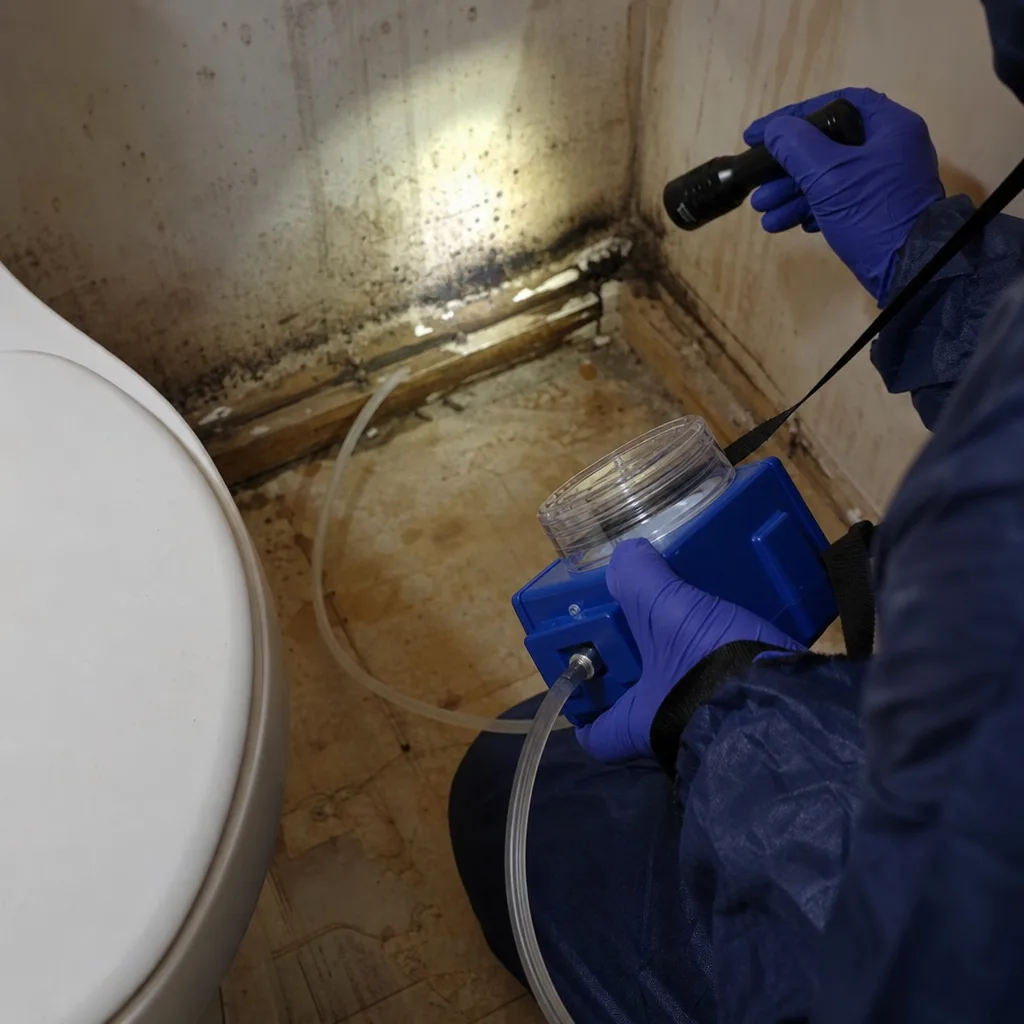
Some thresholds indicate problems beyond homeowner repair. Know the boundary.
| Homeowner Task | Threshold That Triggers Pro Call | Who to Call |
|---|---|---|
| Sump pump discharge rate | <1.5 GPH or >4 GPH (indicates oversized pump cycling) | Licensed plumber; get written scope before work |
| Water heater TPR valve drip | >1 cup per 24 hours or any steam discharge | Licensed plumber; tank may need replacement |
| Basement humidity | >65% RH after 48 hours dehumidifier run | Water damage restoration specialist with moisture mapping |
| Foundation wall moisture | Any dampness at grade level or below | Waterproofing contractor; request vapor pressure differential reading |
| Backwater valve function | Gate stuck or water flows backward during test | Licensed plumber with backflow certification |
| Roof/gutter drainage | Gutter overflow or downspout discharging <6 feet from foundation | Licensed roofer or gutter contractor; get written repair scope |
| HVAC condensate pump | Pump runs but doesn’t evacuate; or doesn’t run at all | HVAC technician; request amp draw reading on pump motor |
When you call a professional, apply the same documentation discipline. Request written scope before work begins, photo record during work, and final readings that prove the fix. This is standard practice at our company; it should be standard for any contractor you hire.
Haven Standard, Clause 1 applies to restoration work: a written price before any work starts, every time, with no exceptions. Demand the same from every trade you hire for maintenance.
How Maintenance Records Speed Insurance Settlement
We’ve processed claims for Hoboken homeowners for over a decade. The pattern is stark: documented homes settle faster, with less dispute, at higher payment percentages.
Here’s why. Insurance adjusters work from evidence, not testimony. When you present:
- Dated photos showing dry basement walls three months before the loss
- Hygrometer readings proving humidity was controlled
- Plumber invoices documenting backwater valve maintenance
- Written scope from prior waterproofing work with warranty terms
…the adjuster can approve your claim without escalation. Without this documentation, the same adjuster must investigate whether the damage was “sudden and accidental” or “gradual and excluded.” That investigation takes weeks. It often involves engineers, mold testing, and disputed coverage.
The threshold-based checklist in this guide produces exactly the documentation adjusters need. Each measurement is dated, specific, and verifiable. Each photo establishes condition at a point in time. The annual summary shows trends that prove vigilance, not neglect.
We’ve seen Hoboken claims where a homeowner’s maintenance folder cut settlement time from 90 days to 14 days. The documentation didn’t change the damage; it changed the adjuster’s confidence in the cause.
Annual Deep Inspection Checklist
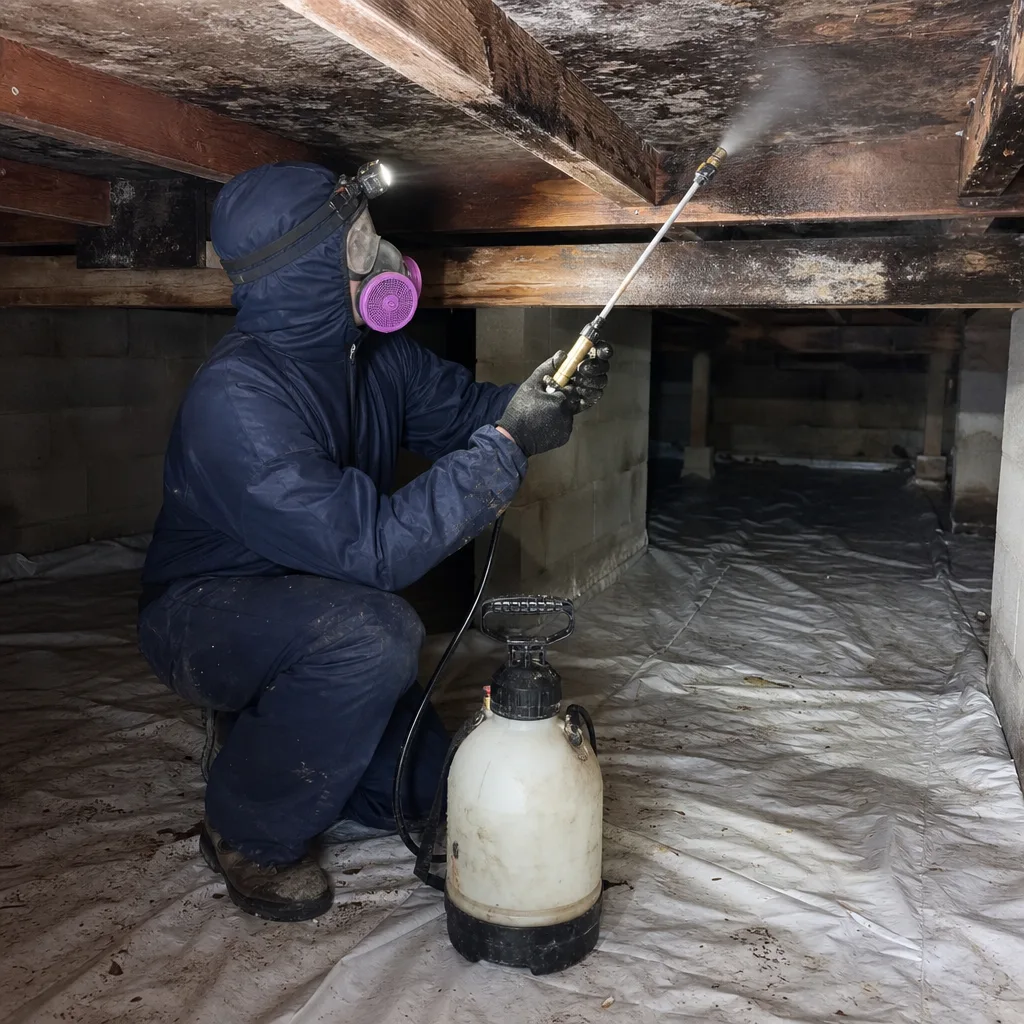
Once yearly, typically in May before hurricane season, perform this comprehensive review or hire a professional to execute it with you present.
- Whole-house water pressure: Install pressure gauge on hose bib. Record static pressure (no water running) and dynamic pressure (with tub and sink running). Static should be 40-80 PSI; dynamic drop should not exceed 15 PSI. Higher static indicates failed pressure regulator; larger drop indicates supply line restriction.
- Water meter leak test: Turn off all fixtures. Record meter reading. Wait 2 hours without water use. Any movement indicates leak of at least 1/10 GPM, or 144 gallons per day.
- Appliance supply lines: Inspect washing machine hoses for blistering, especially at coupling points. Replace every 5 years with braided steel, never rubber. Dishwasher supply line: same standard, same replacement interval.
- Bathroom caulk and grout: Press grout lines with screwdriver tip. Sound should be solid, not hollow. Hollow indicates void behind tile where water collects. Caulk at tub-shower junction should be continuous, no gaps; replace annually regardless of appearance.
- Attic moisture inspection: Check for darkened sheathing, compressed insulation, or rusted nail heads. These indicate condensation from inadequate ventilation. Measure attic humidity if possible; should track outdoor levels within 10% RH.
- Sewer line assessment: If home is pre-1980 in Hoboken, consider video inspection every 3-5 years. Clay and Orangeburg pipe common in older neighborhoods fails progressively; video establishes baseline before emergency excavation.
- Foundation perimeter: Walk entire property during rain. Water should not pool within 10 feet of foundation for more than 30 minutes after rain stops. Persistent pooling indicates grade failure or drainage blockage.
- Emergency supply kit: Verify water shut-off tool, flashlight, and contact list are accessible. Include DryMark Restoration Hoboken at (551) 212-1580 for 24/7 live answer, no voicemail.
Common Mistakes to Avoid
- Checking the sump pump without measuring discharge. A running pump is not a working pump. We’ve found pumps spinning freely while impellers were stripped, producing zero flow. The homeowner checked the box. The basement flooded anyway.
- Ignoring humidity in winter. Hoboken homeowners often stop dehumidifying in October. Heated basements in dry winter air can still harbor moisture in wall cavities; continue monitoring year-round.
- Photographing without date stamps. Exif data can be questioned. Enable camera date stamps, or include a dated newspaper in frame. Old-school methods survive digital scrutiny.
- Assuming shared systems are someone else’s problem. In Hoboken brownstones, your neighbor’s failed gutter becomes your foundation moisture. Document shared drainage paths annually; liability follows the water, not the property line.
- Waiting for visible mold before acting. Mold grows at 60% RH with organic food source. By the time you see it, colony is established. Maintain humidity below threshold; don’t wait for visual confirmation.
- Accepting verbal scopes from contractors. Every repair deserves written description, price, and warranty terms. Haven Standard, Clause 1 exists because verbal agreements fail under stress.
- Discarding maintenance records after repair. Keep all documentation for the life of your home plus 7 years. Insurance disputes arise years after the event; your records must survive that long.
When to Call a Professional
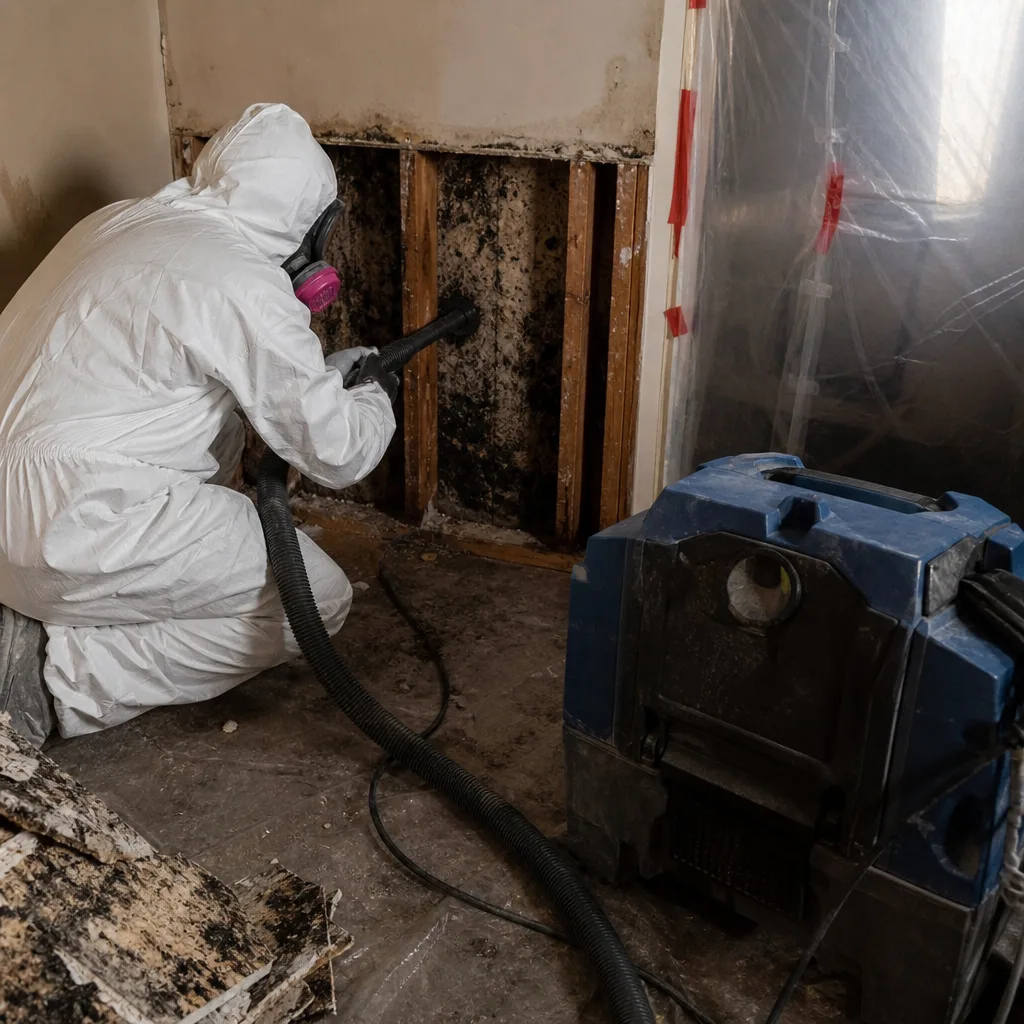
Call a licensed plumber when measurements exceed thresholds in the table above, when you smell gas near water heaters, or when any repair requires permit or code compliance. Call a water damage restoration specialist when humidity stays above 65% RH despite dehumidification, when you find mold growth of any size, or when water has entered wall cavities or structural spaces.
Speed matters on active water intrusion. Every hour of delay increases moisture migration, material damage, and mold risk. DryMark Restoration Hoboken offers free estimates in Hoboken - call (551) 212-1580. A live person answers every call, 24 hours a day, 7 days a week, with no voicemail trees while water is still moving.
Frequently Asked Questions
Quarterly for interior systems, semi-annually for exterior drainage, and annually for deep inspection of pressure systems, sewer lines, and attic moisture. Hoboken’s coastal storm exposure and combined sewer infrastructure make the semi-annual exterior check particularly critical before and after peak storm season.
Keep relative humidity at or below 60% RH, measured 18 inches above floor with a calibrated digital hygrometer. At 61-65%, run a dehumidifier and investigate sources. Above 65%, mold risk escalates rapidly and professional moisture mapping is warranted.
Insurers may deny claims for “gradual damage” or “lack of maintenance” if you cannot prove regular inspection and timely repair. Documented maintenance with dated photos and measurement records directly counters these exclusions and speeds settlement.
Take dated photos showing measurement tool and reading together, store in cloud-backed album with descriptive filenames, compile annual summary spreadsheet, and retain all contractor invoices with written scopes. Multiple storage locations strengthen authenticity if questioned.
Combined sewer overflow during intense rainfall, defined as exceeding 1.5 inches per hour. When Hoboken’s shared storm-sanitary system reaches capacity, sewage backs into low-lying buildings with below-grade fixtures. Backwater valve installation and maintenance is the primary defense.
Homeowners can perform all quarterly and semi-annual checks in this guide. Annual deep inspection benefits from professional participation for sewer video, pressure testing, and attic ventilation assessment, but you should be present to learn your systems and verify documentation quality.
The Bottom Line
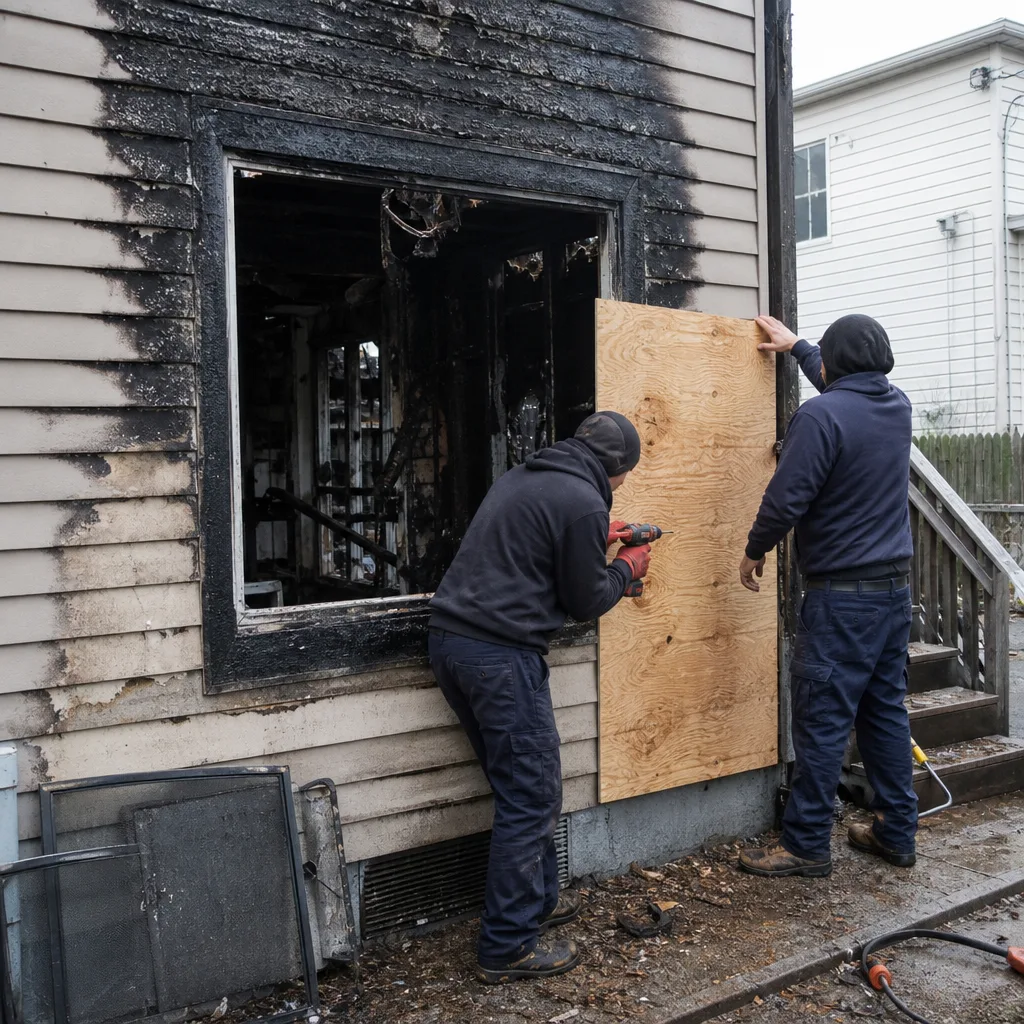
A water damage checklist without thresholds is a list of anxieties. This guide gives Hoboken homeowners specific numbers to measure, tools to use, and documentation habits that turn prevention into provable protection. The goal is not perfect maintenance; it’s documented maintenance that insurers recognize and adjusters accept. For more guides & resources, visit our blog. Start with your sump pump discharge rate this weekend. Photograph the reading. Date it. Store it. Your future claim depends on evidence you create today.
Written by Alicia Brennan, Owner at DryMark Restoration Hoboken, serving Hoboken since 2011.