
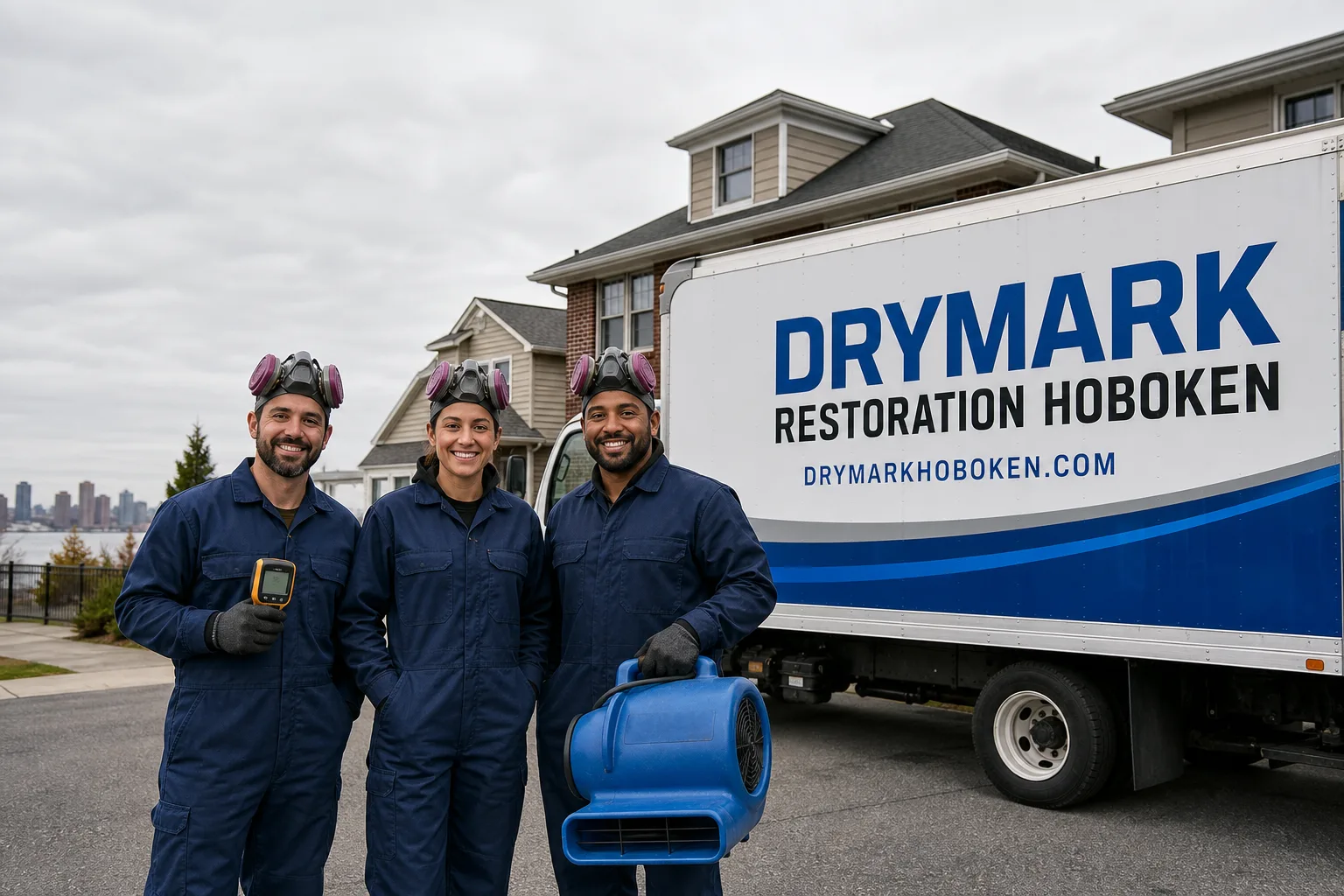
Free visual inspection and a written scope of work before any mitigation begins - photos, moisture readings, and drying logs go in your claim file
The scope we write is the scope we bill. Anything new gets shown to you, in writing, before we touch it.
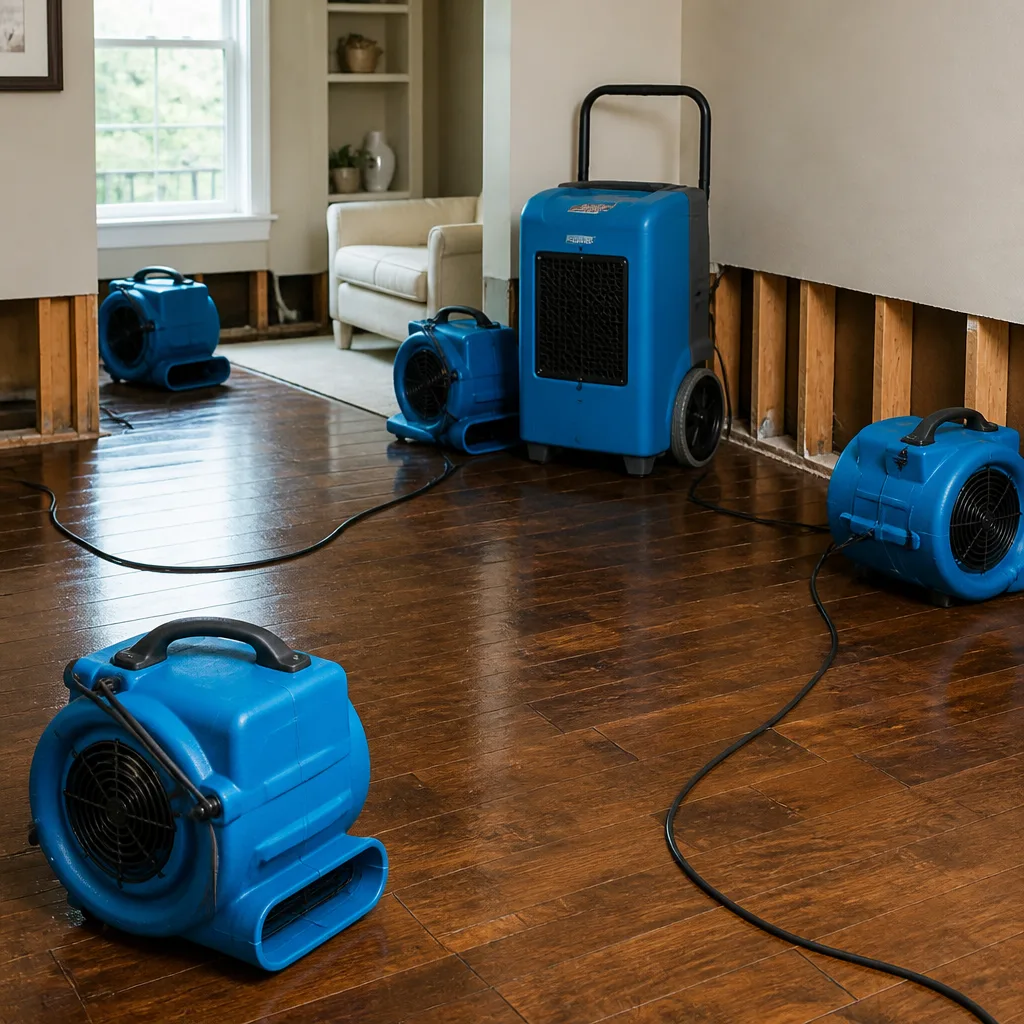
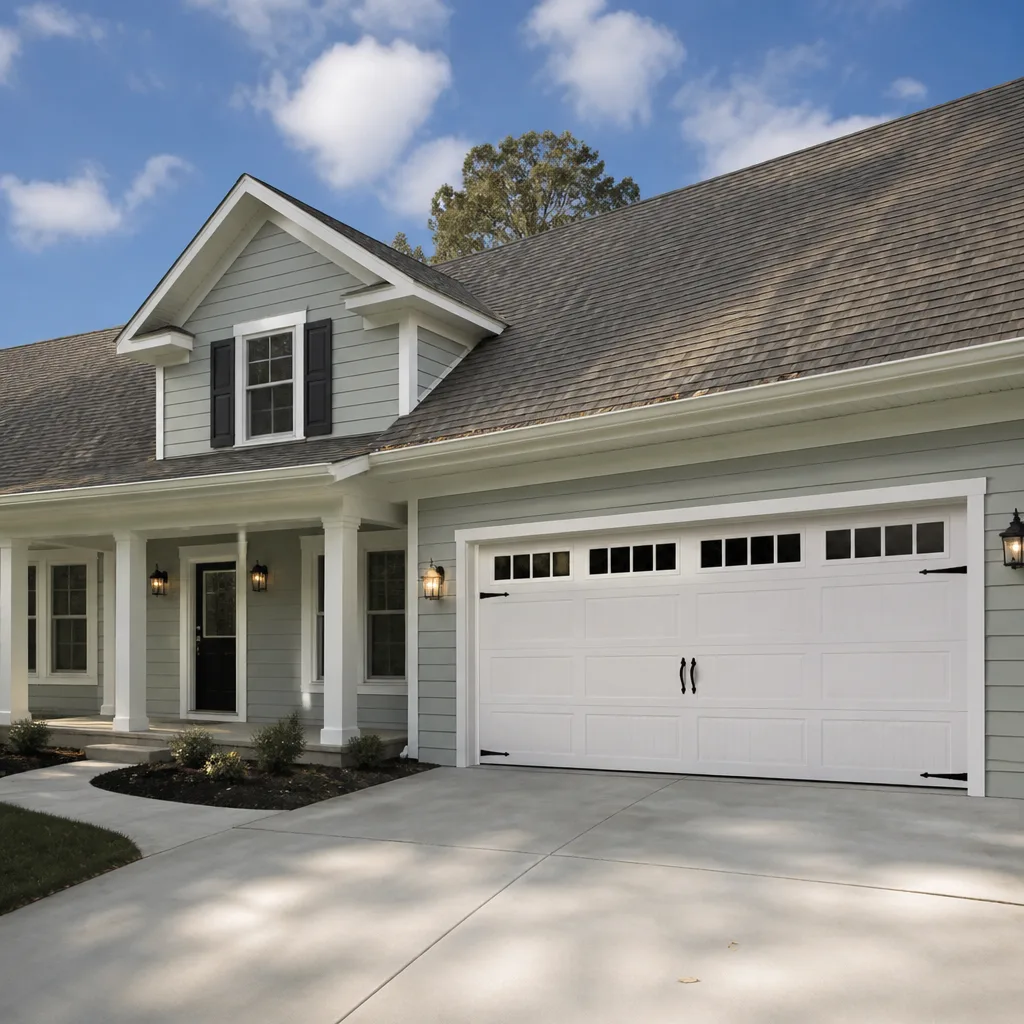
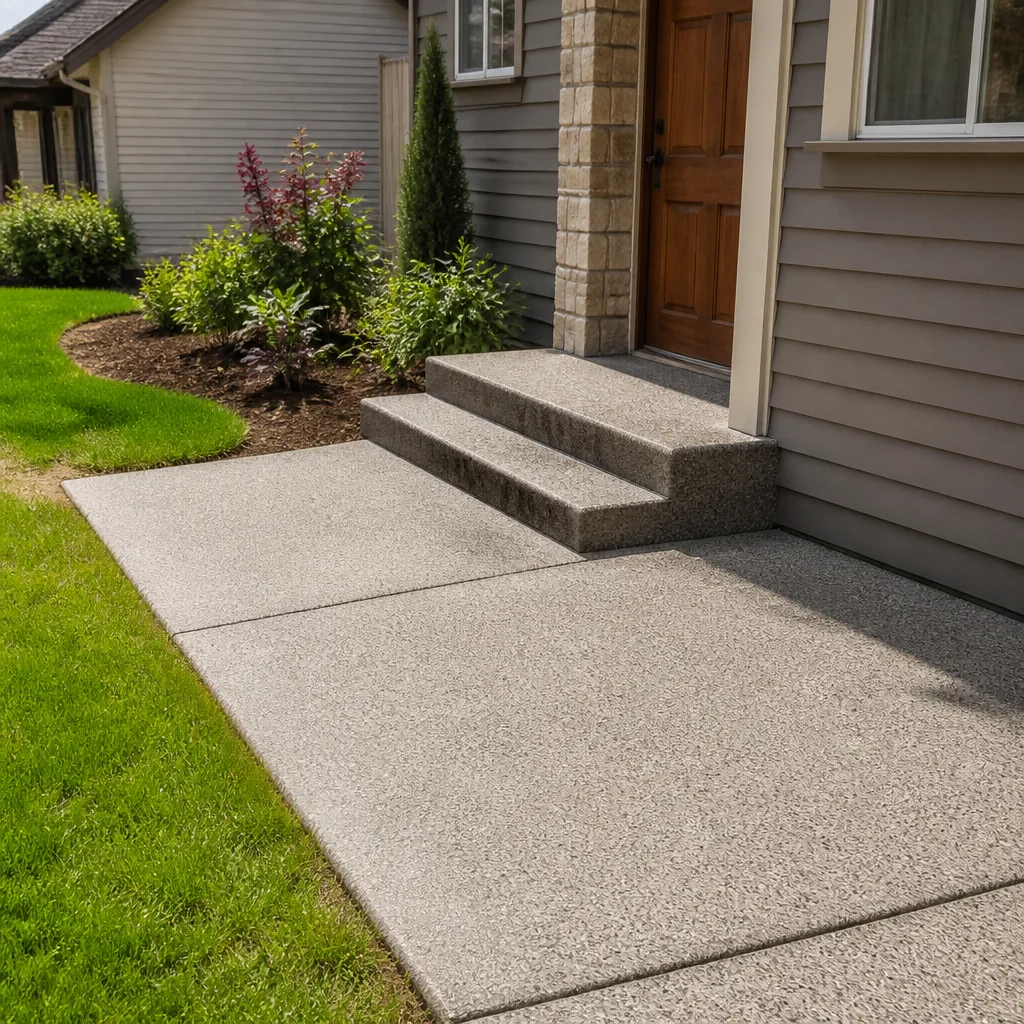
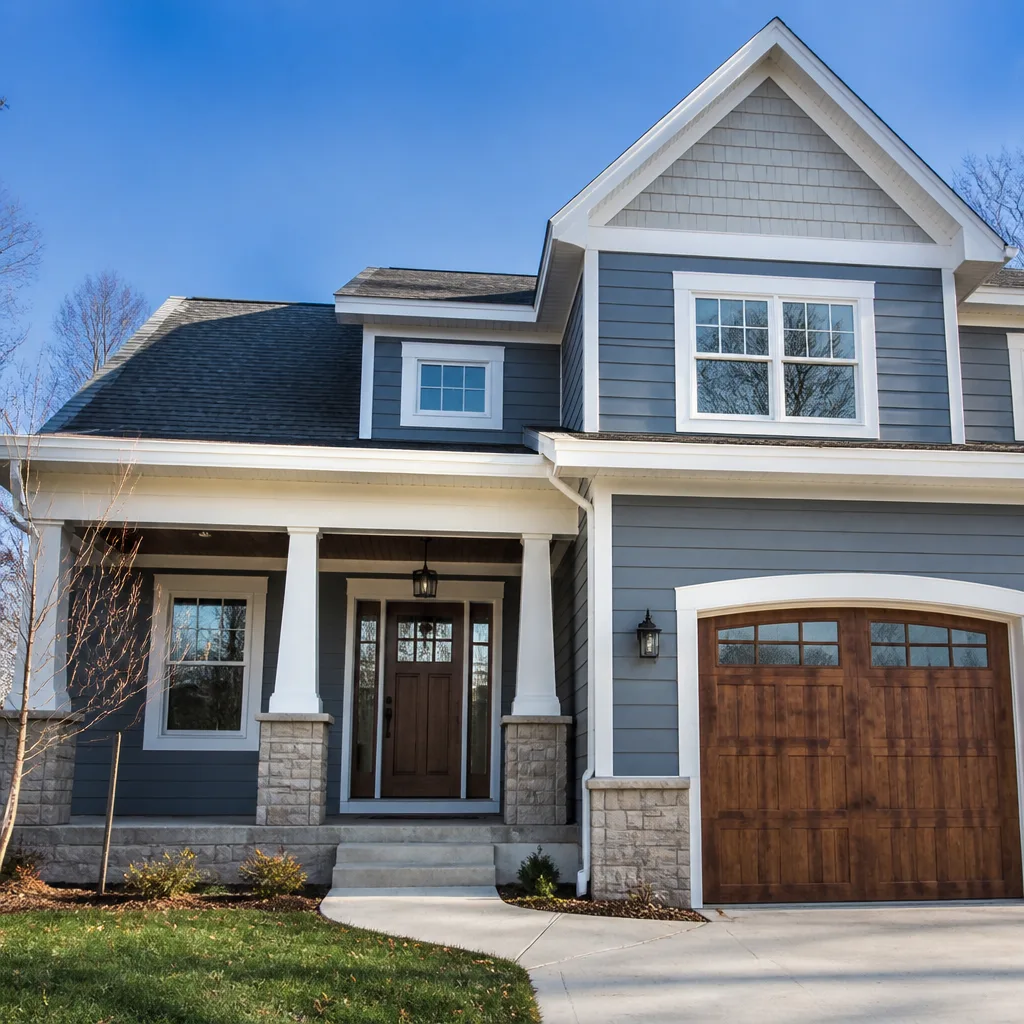
 Before
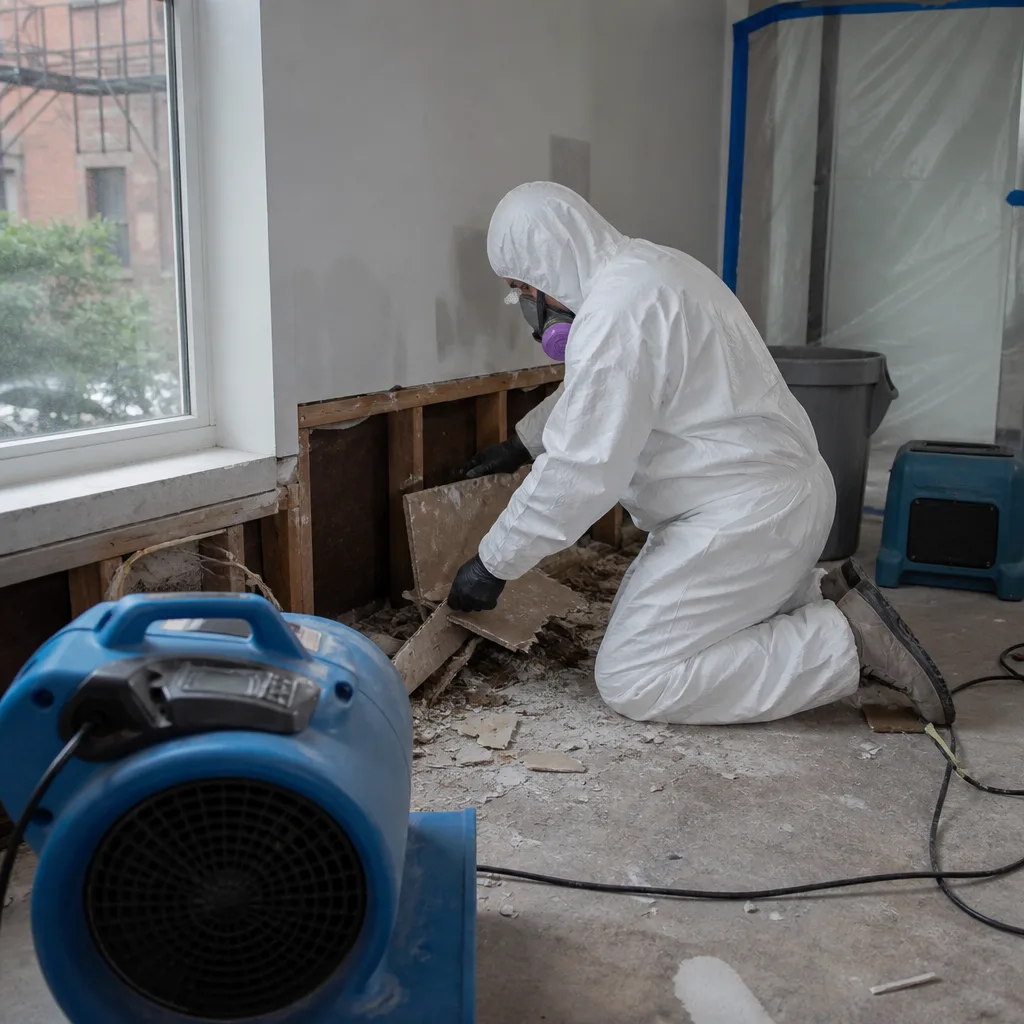 After
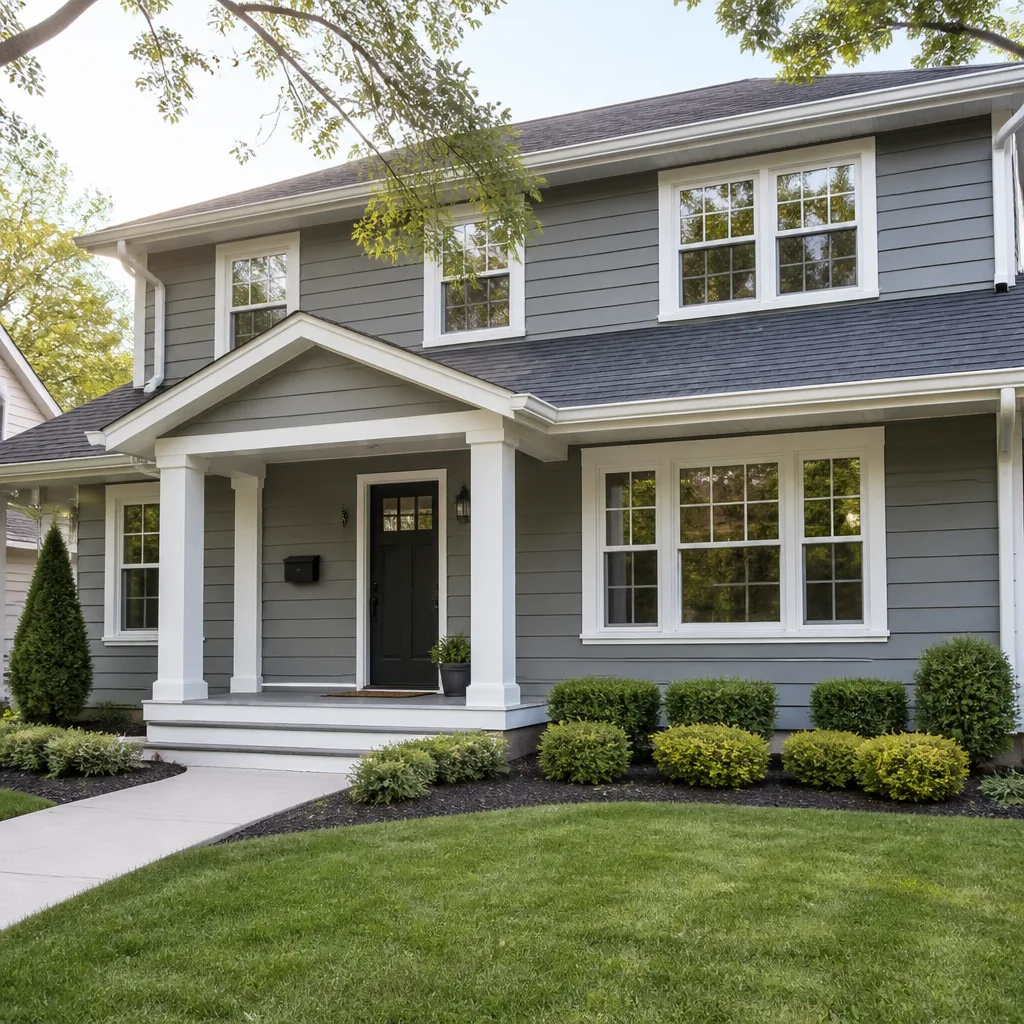
After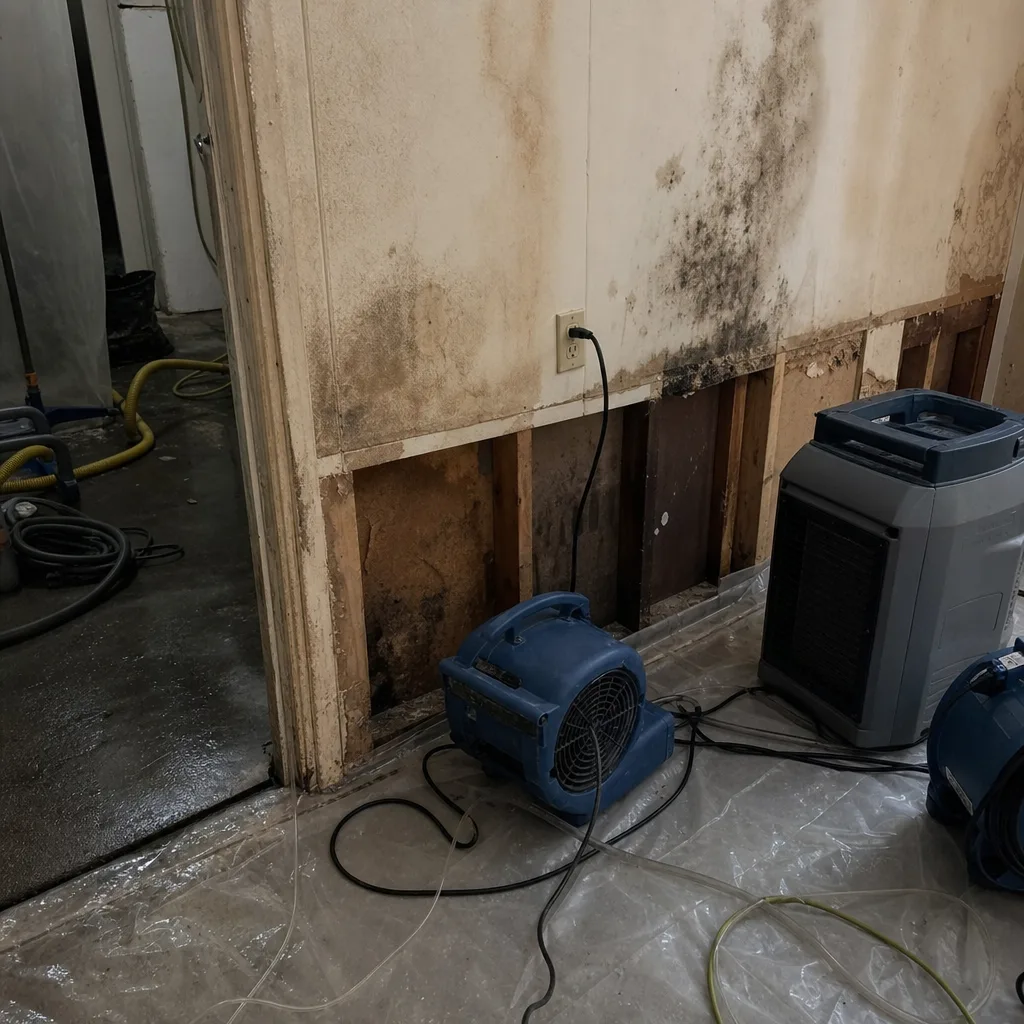 Before
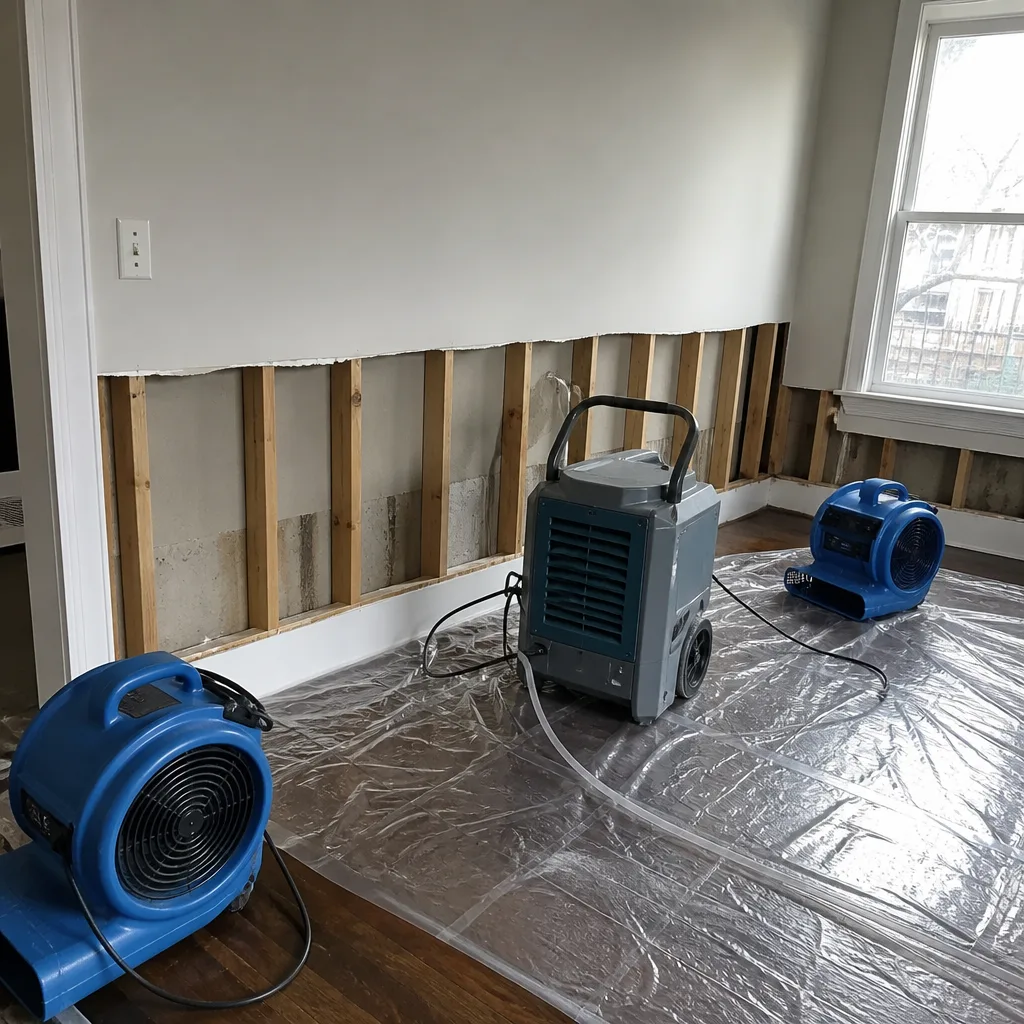 After
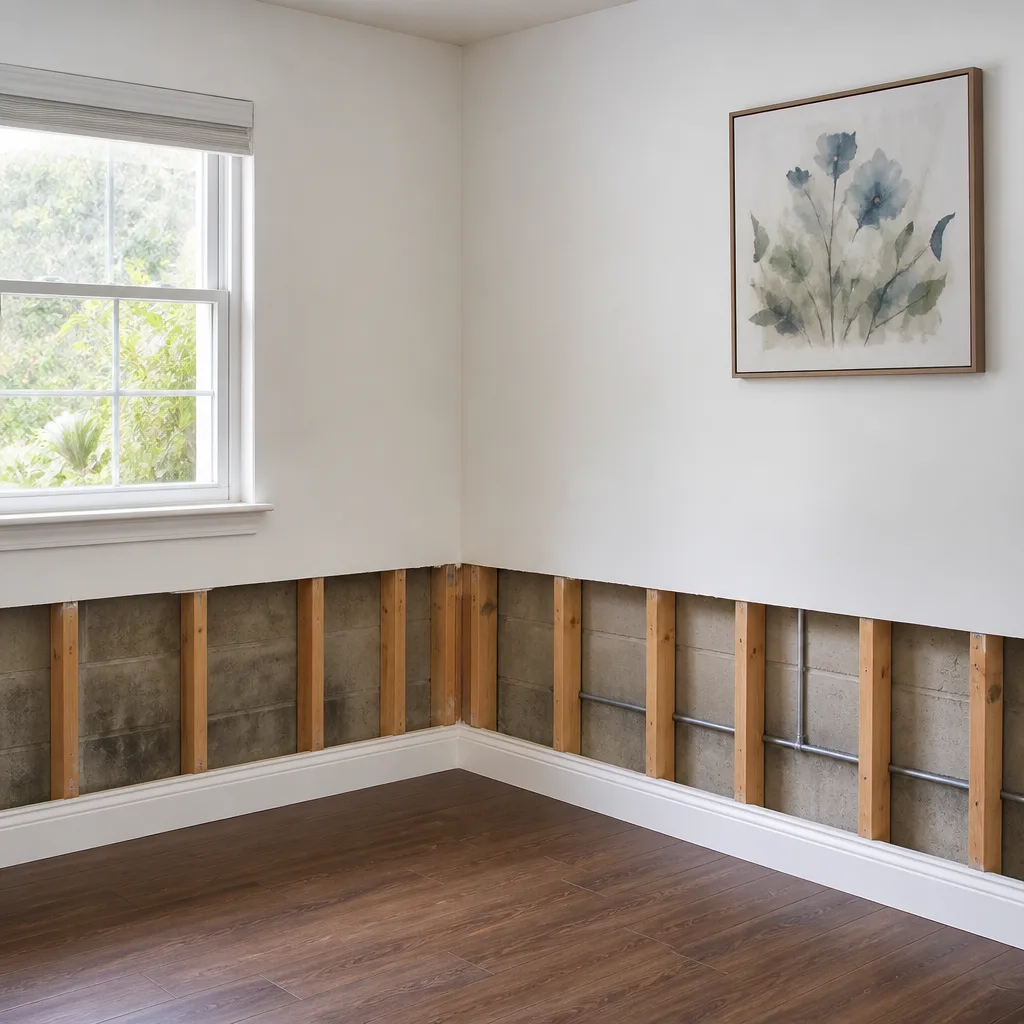
After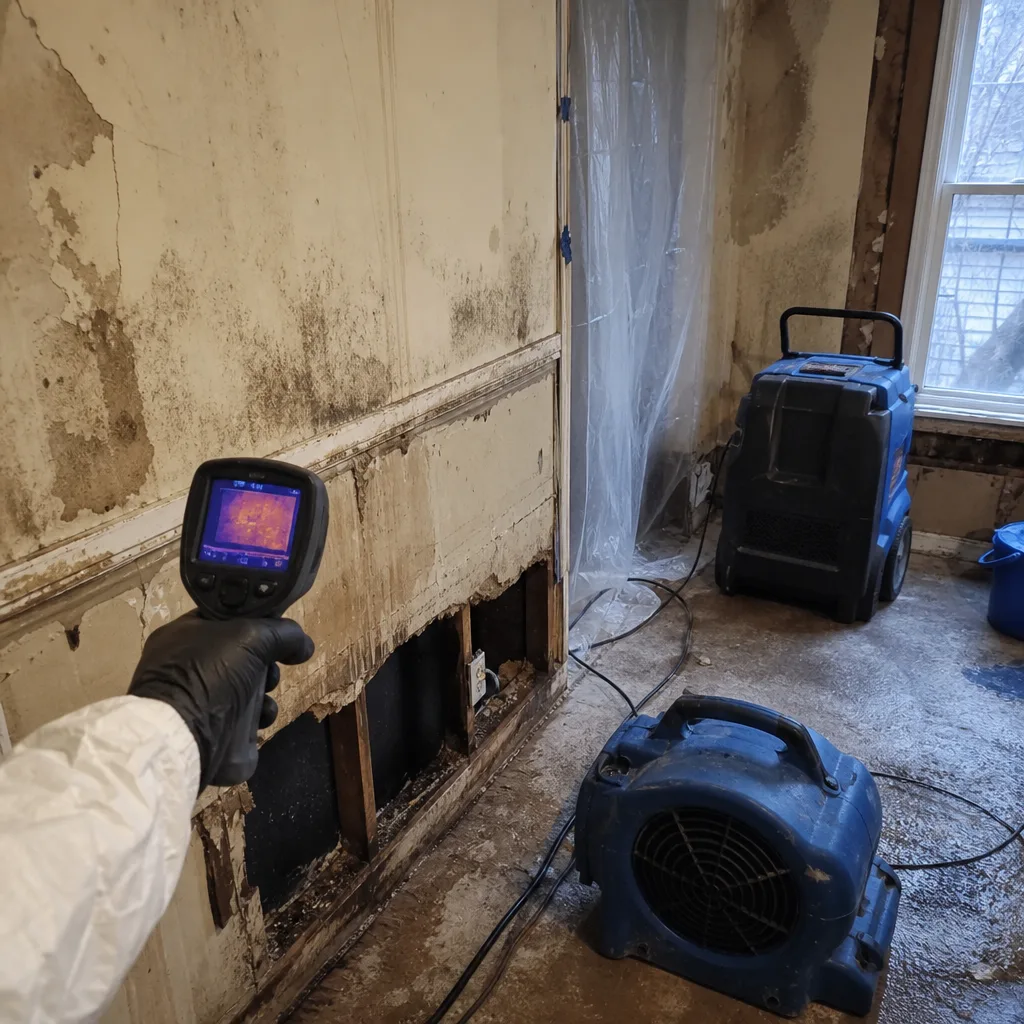 Before
 After
AfterFast, Reliable Mold Remediation Across Upper West Side
Mold remediation in Upper West Side typically runs $2,800-$7,500 for a standard co-op apartment with contained growth, and $8,500-$18,000 when a failed stack has driven moisture through multiple floors. We dispatch crews to Upper West Side from our New York City office, and most inspections are scheduled within 4-6 hours of your call to (551) 212-1580. The pre-war buildings that define this neighborhood - the 12-20 story co-ops along Central Park West, West End Avenue, and Riverside Drive - create mold problems that out-of-neighborhood contractors routinely misread as single-apartment jobs.
We’re Back to Dry Restoration, independently owned and operated under The Haven Standard since 2011. Alicia Brennan founded this company after working claims adjustment and watching homeowners lose legitimate coverage because their restoration contractor couldn’t produce the documentation their carrier required. In Upper West Side, that documentation gap is especially costly: a single pinhole leak in an original galvanized riser can activate a dozen separate walls-in policies across multiple floors, each demanding its own moisture log, photo record, and written scope before the carrier will release funds.
Why DryMark Restoration Hoboken Is Upper West Side’s Preferred Mold Remediation Company
We’ve restored more than 12,000 homes since 2011, and a significant share of those jobs have been in Manhattan pre-war buildings where the restoration work is only half the challenge. The other half is coordinating parallel claims across multiple policyholders while respecting co-op board rules that limit elevator access to weekday windows and impose strict noise curfews. Our Mold Remediation team arrives with the daily drying logs, room-by-room moisture readings, and photo-documented assessments that turn restoration invoices into payable claims.
Upper West Side residents find us through referrals from building supers, insurance adjusters who’ve seen our documentation hold up under review, and shareholders who needed their walls-in claim to move fast. Our response time to Upper West Side averages 4-6 hours for inspection appointments, with live phone coverage 24 hours a day, 7 days a week - no voicemail trees, no next-business-day callbacks while mold is still spreading behind plaster. We know the specific failure patterns of horsehair-and-plaster walls, the elevator-scheduling protocols of major co-op boards, and the LPC approval requirements that can stall exterior work on landmarked buildings.
Our Mold Remediation Services in Upper West Side
Mold Inspection & Testing
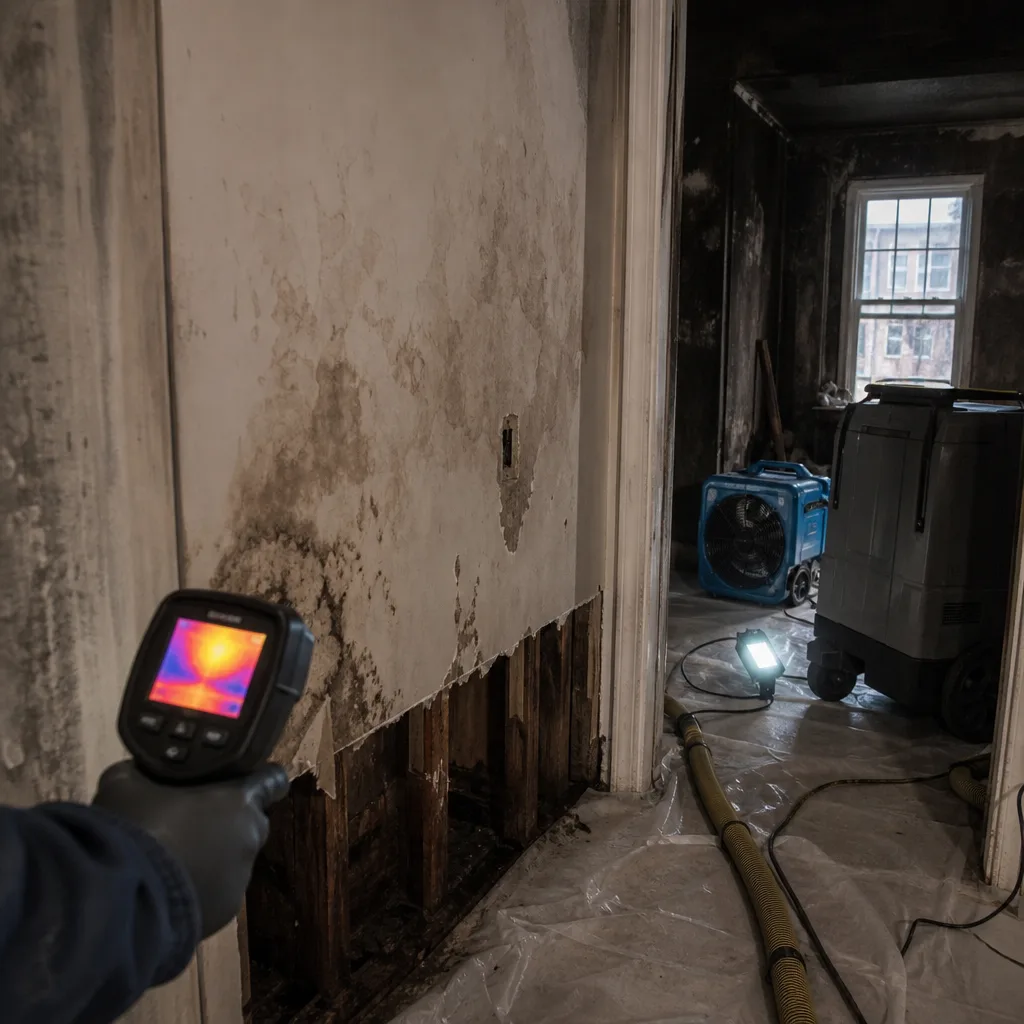
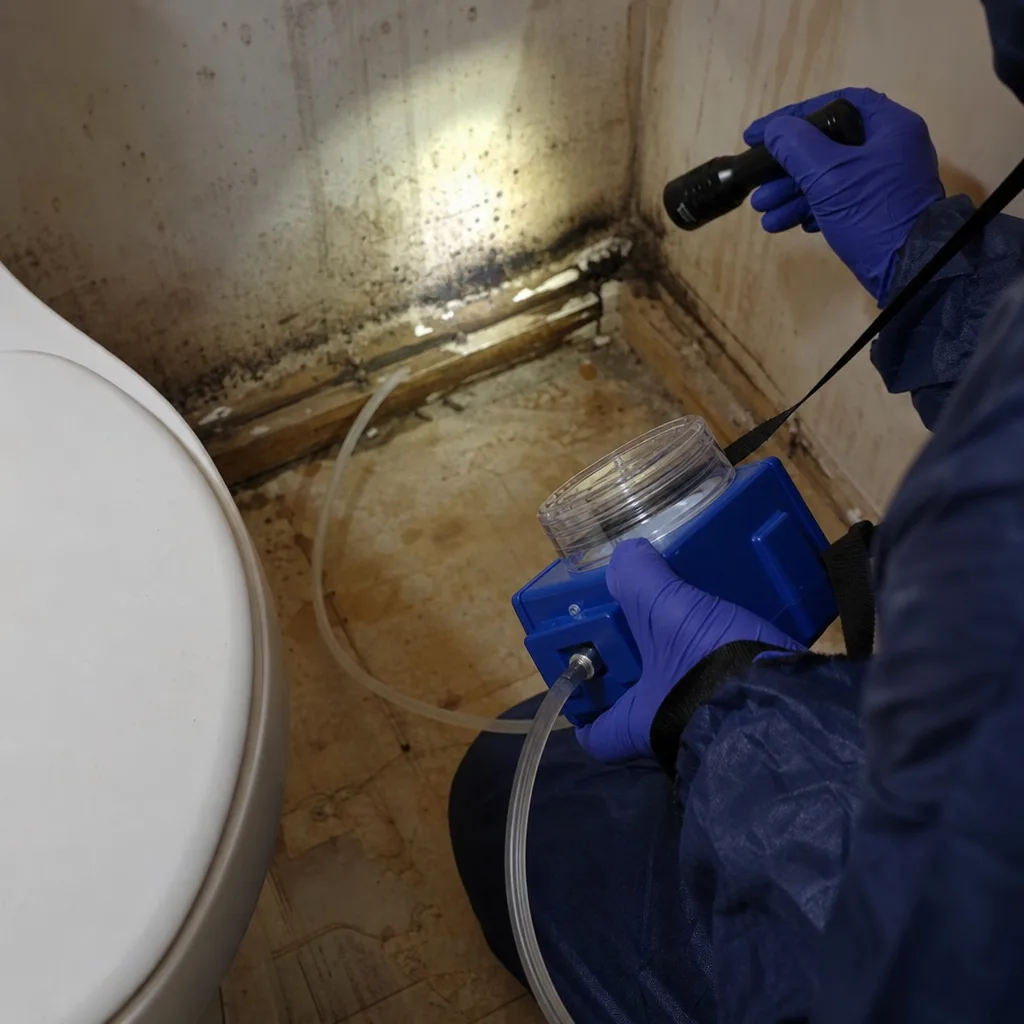
A proper mold inspection in an Upper West Side co-op starts with moisture mapping, not guesswork. We use thermal imaging and calibrated moisture meters to trace the full path of water migration through original plaster walls and balloon-framing cavities. In a typical Central Park West inspection, we’ll find that what looks like a single kitchen leak has actually traveled vertically through a failed cast-iron stack into two or three shareholder units above. We document every reading, photograph every affected surface, and deliver a written scope with line-item pricing before any remediation begins - Haven Standard, Clause 1. Air sampling and ERMI/HERSTMI-2 dust analysis are available when occupants report health symptoms or when carriers require objective contamination data.
Mold Removal
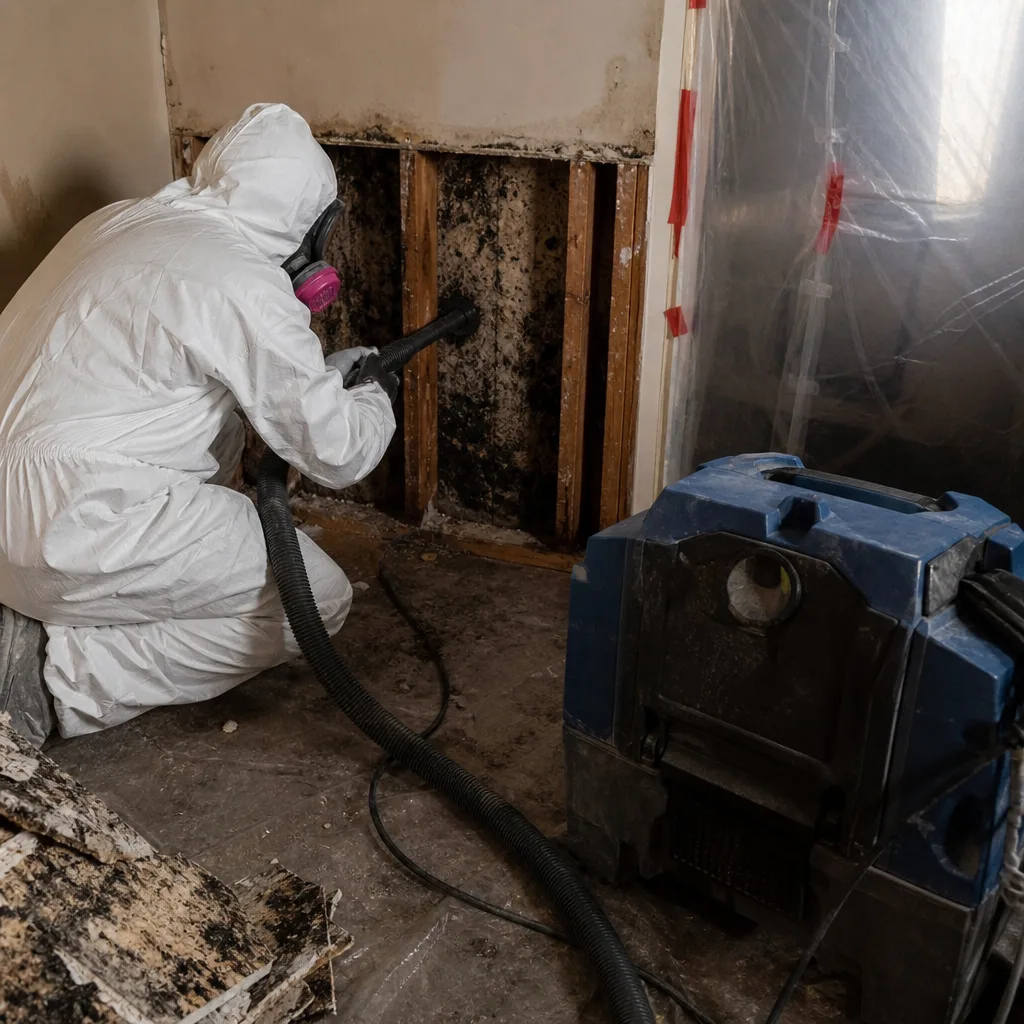
Our removal protocols follow IICRC S520 standards, adapted for the materials we actually encounter in Upper West Side buildings. Horsehair-and-plaster walls can’t be treated like modern drywall - the plaster is hygroscopic, the horsehair binding holds moisture for weeks, and aggressive demolition destroys pre-loss condition evidence that co-op boards and carriers both require. We establish containment with negative air pressure, deploy HEPA filtration, and use controlled drying with Injectidry and Dri-Eaz equipment to restore salvageable plaster rather than replace it. When removal is unavoidable, we document the original condition of ornate moldings and cornices so the shareholder’s claim includes accurate restoration scope.
Black Mold Remediation
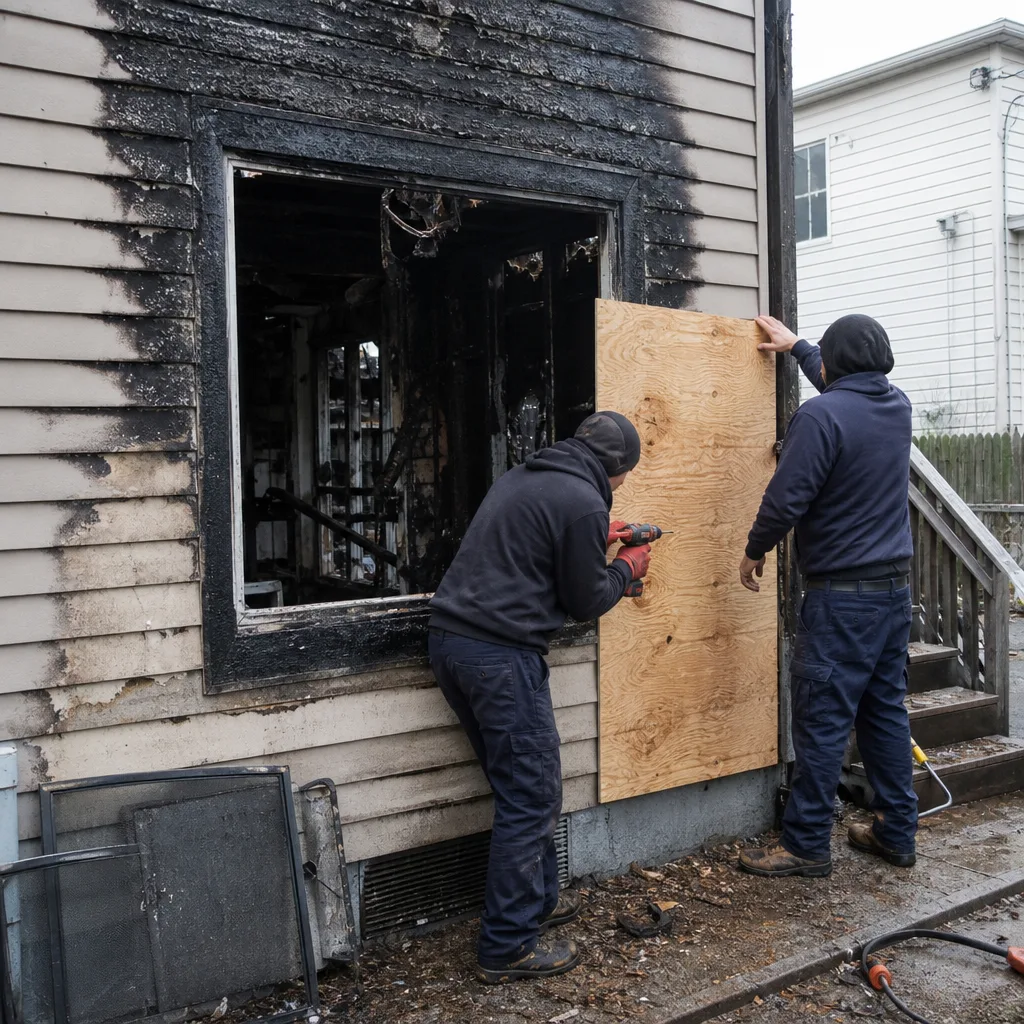
Stachybotrys chartarum and other toxigenic species thrive in the sustained moisture conditions created by Upper West Side’s aging infrastructure: pinhole leaks in galvanized supply lines, failed wax rings in original cast-iron stacks, and ice-dam-related roof drain failures that flood top-floor mechanical rooms each winter. Black mold remediation here requires the same documentation rigor as any other job, plus additional attention to HVAC contamination in buildings with original steam-pipe heating and no central air returns. We treat visible growth, sample adjacent cavities, and verify clearance with third-party lab confirmation when carriers or co-op boards require it.
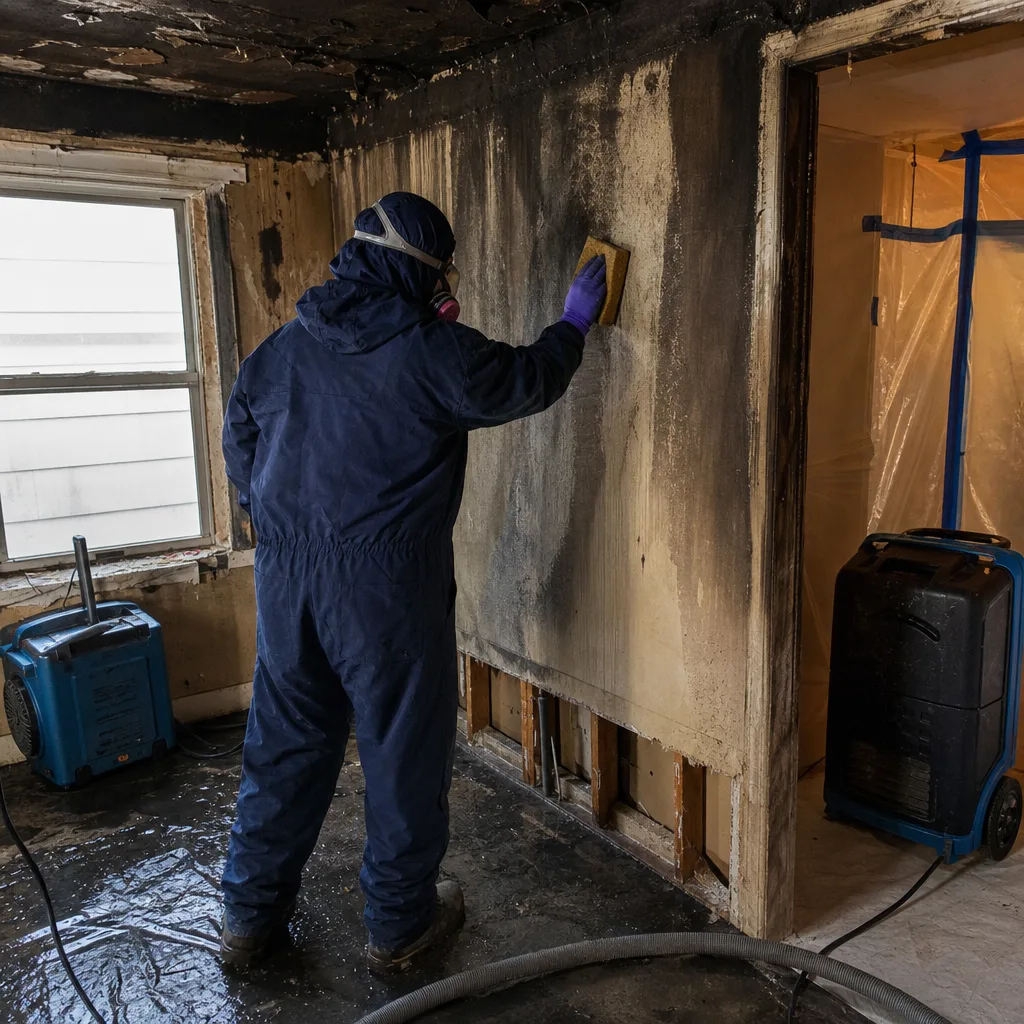
Air Quality Restoration
After remediation, we restore breathable air through source removal, not masking. Our post-remediation verification includes particle counting, VOC screening, and targeted air sampling in the remediated zone and adjacent units. In Upper West Side’s dense building stock, where shared wall cavities and vertical chase ways connect multiple apartments, air quality restoration often requires coordination with building management to inspect common areas and verify that the source moisture has been eliminated. We don’t sign off until our documentation shows sustained dry conditions and acceptable airborne particulate levels.
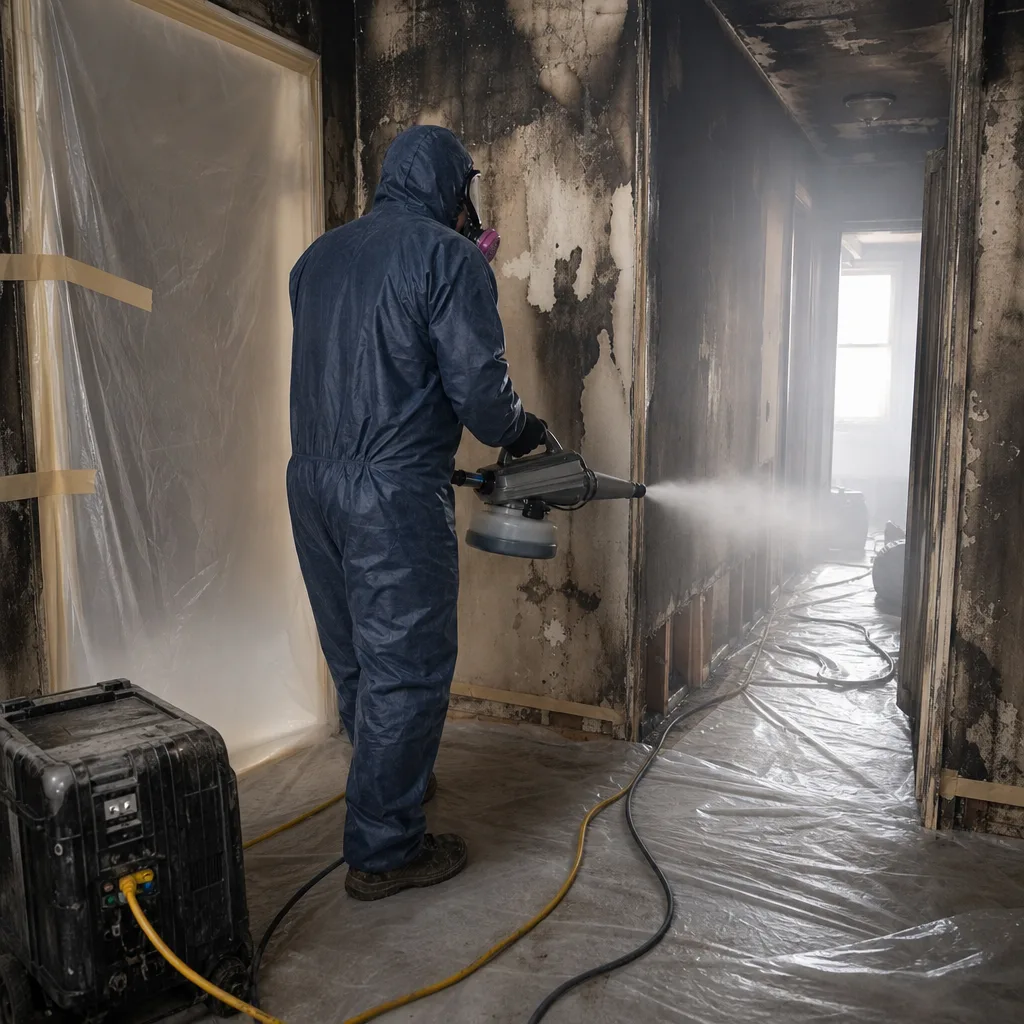
Moisture & Humidity Control
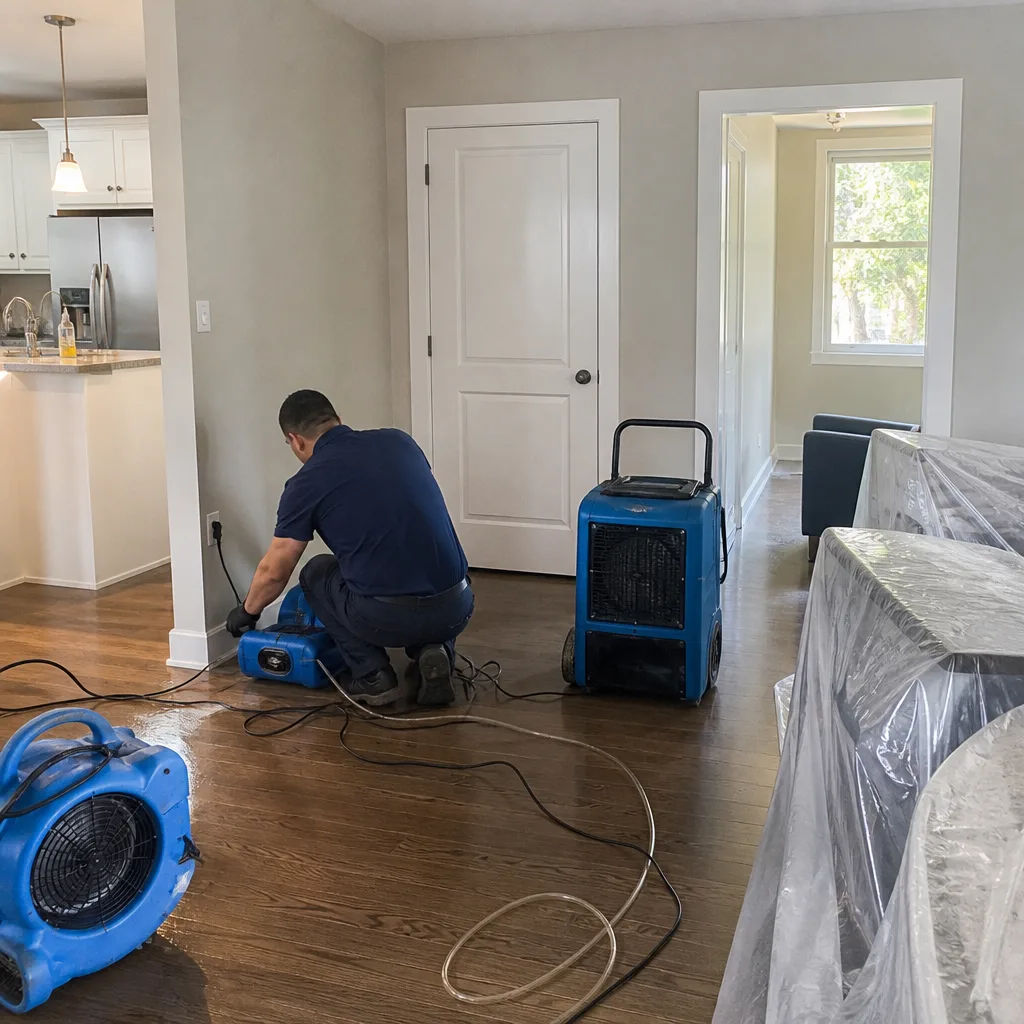
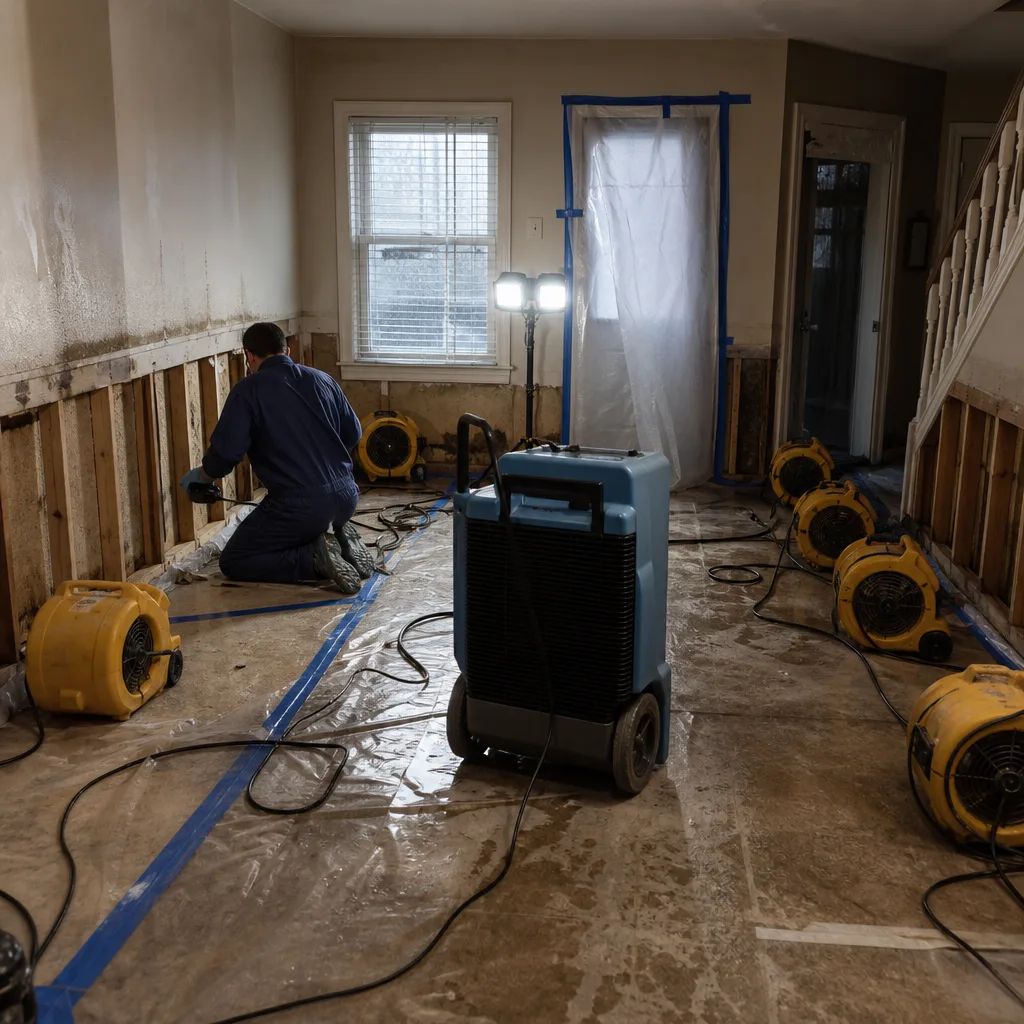
The Hudson River proximity on Upper West Side’s western blocks elevates ambient humidity year-round, which means walls that were merely damp in October can show full mold colonization by December. Our moisture control assessments identify the specific vapor pressure differentials driving moisture into building cavities, then specify targeted dehumidification with Phoenix and XPOWER equipment sized to the cubic volume of the affected space. For shareholders with recurring seasonal issues, we deliver written humidity management protocols that the building super can implement between our visits.
What happens when you call
- 1
A real person answersNo phone trees - you reach a local pro.
- 2
You get an upfront price rangeHonest numbers before anyone is dispatched.
- 3
A background-checked tech heads outLicensed & insured, dispatched right away.
- 4
You approve before work beginsNothing starts until you say go.
BeforeAfterTrusted Brands We Service in Upper West Side
Our equipment inventory is built around the drying and containment systems that perform in pre-war building conditions: Injectidry for cavity drying without plaster demolition, Dri-Eaz and Phoenix dehumidifiers for high-capacity moisture extraction in spaces with limited ventilation, and XPOWER air movers for directed drying within co-op board noise restrictions. We stock HEPA filtration and negative air machines sized for Upper West Side apartment layouts, and our technicians are trained on the psychrometric data - temperature, relative humidity, and vapor pressure - that determines whether a horsehair-and-plaster wall can be dried in place or must be removed. B-Air equipment rounds out our inventory for specialized applications where compact footprint matters more than raw capacity.
Common Mold Remediation Problems We See in Upper West Side Homes
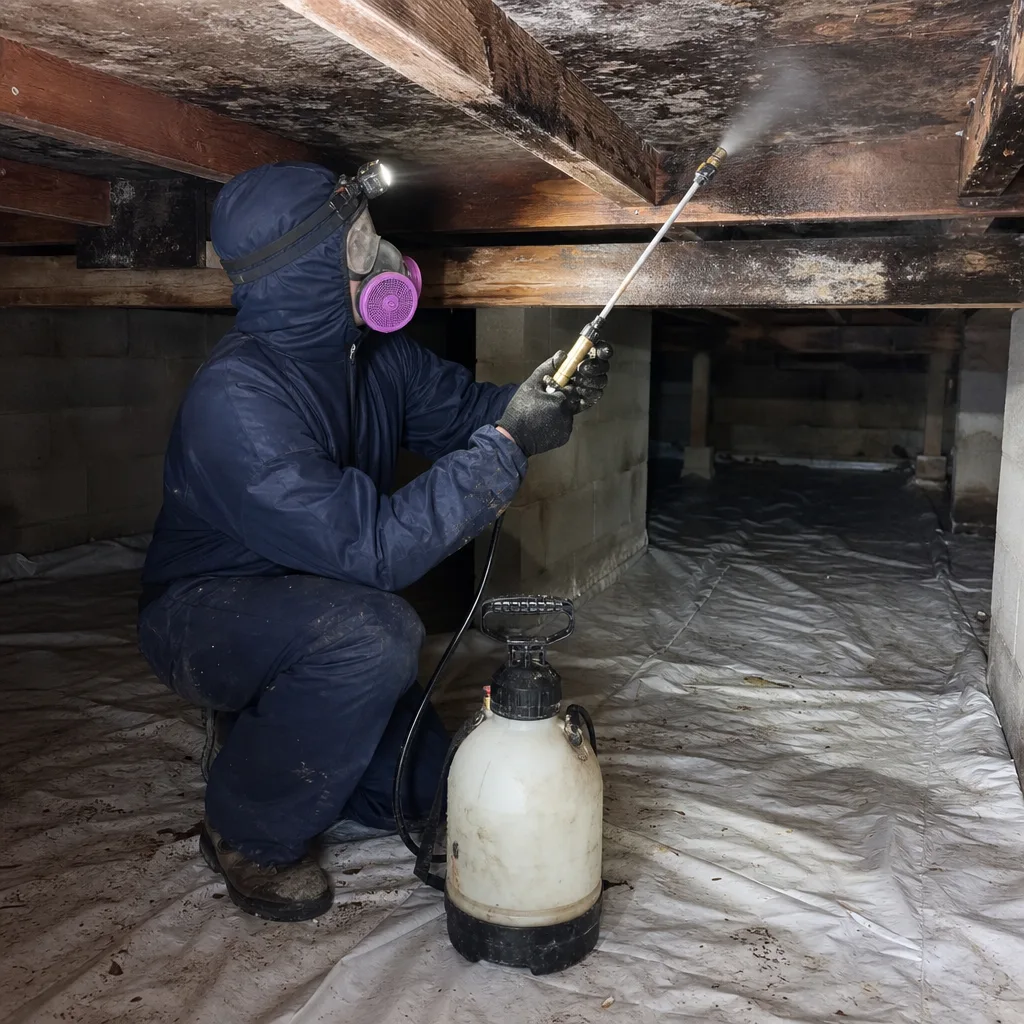
- Vertical water migration through failed cast-iron stacks. A single joint failure in a 1920s waste stack can release water into wall cavities across five or more floors, each with a separate shareholder and separate walls-in policy. Contractors who treat this as one apartment’s problem leave active mold in neighboring units and expose the initial client to recontamination.
- Original plaster walls demolished for “efficiency.” Drywall replacement is faster than drying horsehair-and-plaster, but it violates most co-op alteration agreements and destroys the pre-loss condition documentation that carriers require. We’ve been called in after out-of-neighborhood crews were stopped mid-job by building management.
- Historic district work stoppages. Many Upper West Side buildings are individually landmarked or sit within LPC historic districts. Exterior remediation access, façade repair triggered by water damage, or even visible scaffold placement can require Landmarks Preservation Commission approval that adds weeks to the timeline. We verify LPC status before work begins.
- Balloon-framing moisture travel in side-street brownstones. The subdivided brownstones on Amsterdam Avenue and Columbus Avenue side streets often retain original balloon-framing that allows water to travel silently inside walls across multiple floor lines. A second-floor leak can show mold on the fourth floor with no visible damage on the third.
Pricing for Mold Remediation in Upper West Side, NY
| Service | Typical Range in Upper West Side |
|---|---|
| Mold inspection & moisture mapping | $450-$850 |
| Contained single-room remediation (drywall) | $2,800-$4,500 |
| Pre-war plaster wall remediation with drying | $4,200-$7,500 |
| Multi-floor co-op stack failure (3+ units) | $8,500-$18,000 |
| Black mold / toxigenic species protocol | $5,500-$11,000 |
| Post-remediation air quality verification | $650-$1,200 |
What moves a job toward the higher end: multiple affected floors, original plaster requiring preservation rather than replacement, co-op board scheduling constraints that extend the timeline, and LPC coordination for exterior or façade-related work. What keeps costs controlled: fast moisture source elimination, early containment that prevents spread, and documentation that gets carrier approval on the first submission. Every job receives a written price before work begins - Haven Standard, Clause 1 - with no scope additions once our crew is inside. We also provide a Free Second Opinion on any competitor’s written estimate; bring their scope and we’ll review it at no charge.
We Also Serve Cities Near Upper West Side
Our Mold Remediation in Upper West Side crews also respond to properties in Midtown Manhattan, Financial District, Murray Hill, and throughout Manhattan. Dispatch and scheduling are coordinated from our New York City office, with crews serving Upper West Side locally. The same documentation standards, written pricing, and 365-Day Done Right Promise apply across our entire service area.
Serving Upper West Side, NY - Our Local Coverage Area
We’re based in the Upper West Side area and know this community well. Use the map below to see our service coverage - if you’re nearby, we can almost certainly help.
FAQs - Mold Remediation in Upper West Side
In most Upper West Side co-ops, the building’s master policy covers the building’s infrastructure - pipes in walls, the stack itself, common areas - while your walls-in policy covers finishes, fixtures, and contents inside your apartment. If the burst pipe was in the wall, the building’s carrier typically handles pipe repair and any common-area damage; your carrier handles mold remediation inside your unit. We document both zones separately and coordinate with both adjusters so neither carrier can deny based on scope confusion. Call (551) 212-1580 and we’ll walk through your specific building’s policy structure during the inspection.
Horsehair-and-plaster walls are dense, hygroscopic, and slow to dry - they hold moisture like a sponge while providing organic material that supports mold growth. Original steam-pipe heating systems create temperature differentials that drive condensation inside wall cavities, and the Hudson River humidity on western blocks keeps ambient moisture high year-round. In these conditions, mold can establish visible colonies within 48-72 hours of a leak event. Fast moisture mapping and controlled drying are the only ways to break that cycle without demolition.
No, not if we can achieve dry conditions with controlled drying equipment. Our first approach on Upper West Side jobs is Injectidry cavity drying with HEPA-contained negative air, preserving original plaster and ornate moldings. We only recommend removal when moisture readings remain above 16% after 72 hours of active drying, or when the plaster has delaminated from the lath. When removal is necessary, we photograph every decorative element before disturbance so your claim includes accurate restoration scope for reproduction.
Original balloon-framing in Upper West Side brownstones has no fire-stopping between floors, so water and mold spores travel freely inside wall cavities through continuous stud bays. A leak on the parlor floor can show mold in a third-floor bedroom with no visible damage on the second floor because the moisture moved through the framing void. We map the full path with thermal imaging and moisture meters, then establish containment at each affected level before remediation begins.
It means we schedule our crew arrival, equipment delivery, and any material removal around your building’s specific access windows. Most Upper West Side co-op boards restrict work hours to weekdays 9 a.m.-4 p.m. with no weekend or holiday work permitted. We build this into our timeline from day one, staging equipment the evening before when possible and completing high-noise tasks within the allowed window. Your written scope includes the adjusted schedule so there are no surprises for you, the super, or the board. Call (551) 212-1580 for an exact timeline based on your building’s specific rules.
We got a call on West End Avenue after a pinhole leak in an original galvanized supply riser soaked the horsehair-and-plaster walls of a 1926 co-op, and the super had already spotted black mold creeping above the kitchen soffit. Our techs ran moisture mapping through the wall cavities, set Injectidry and Dri-Eaz drying equipment inside containment, and logged moisture readings daily while we negotiated elevator-scheduling windows with the co-op board so we could reach three affected floors before 9 a.m. curfew. Because the co-op board required pre-loss condition documentation on the original plaster moldings, we photographed every cornice detail before remediation and finished with antimicrobial treatment so the shareholder’s walls-in claim could move forward without a fight.
Written by Alicia Brennan, Owner at Back to Dry Restoration, serving Upper West Side since 2011.