
Free visual inspection and a written scope of work before any mitigation begins - photos, moisture readings, and drying logs go in your claim file
The scope we write is the scope we bill. Anything new gets shown to you, in writing, before we touch it.
 Before
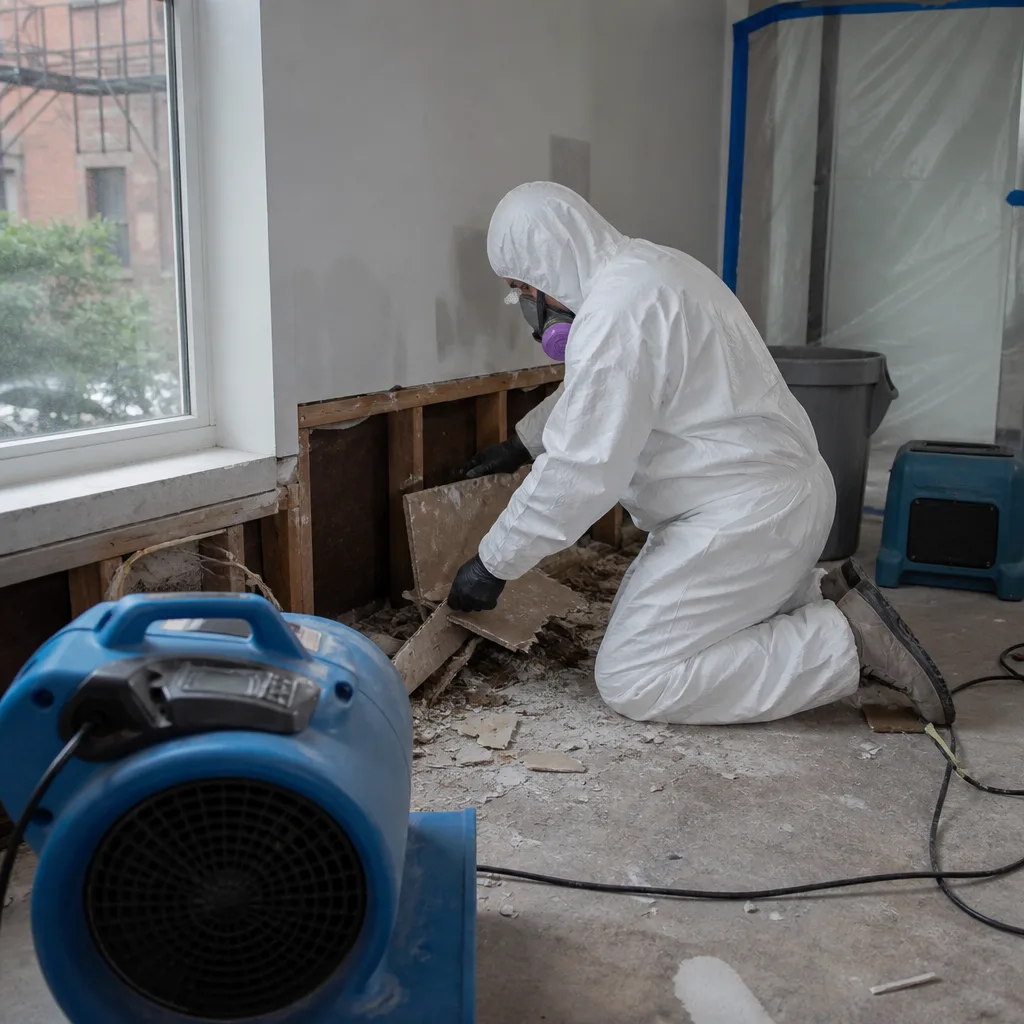 After
After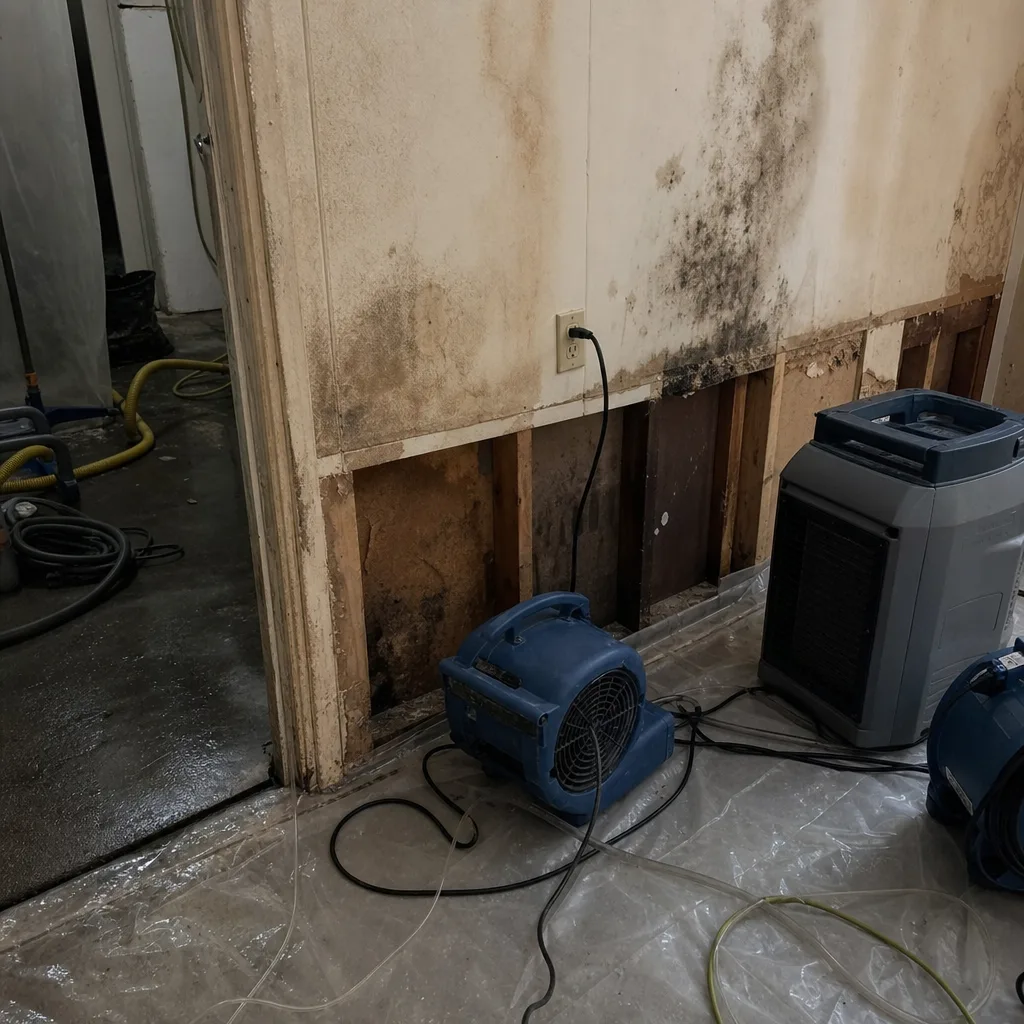 Before
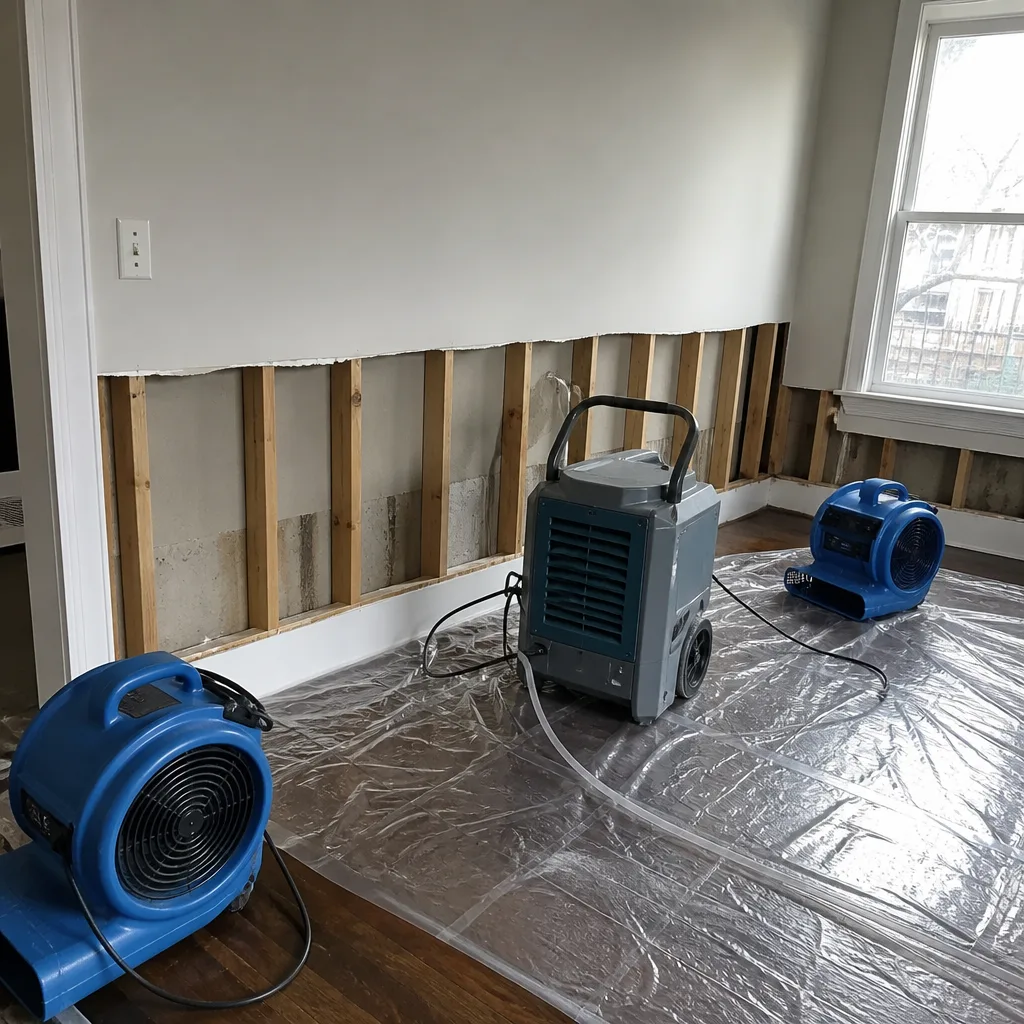 After
After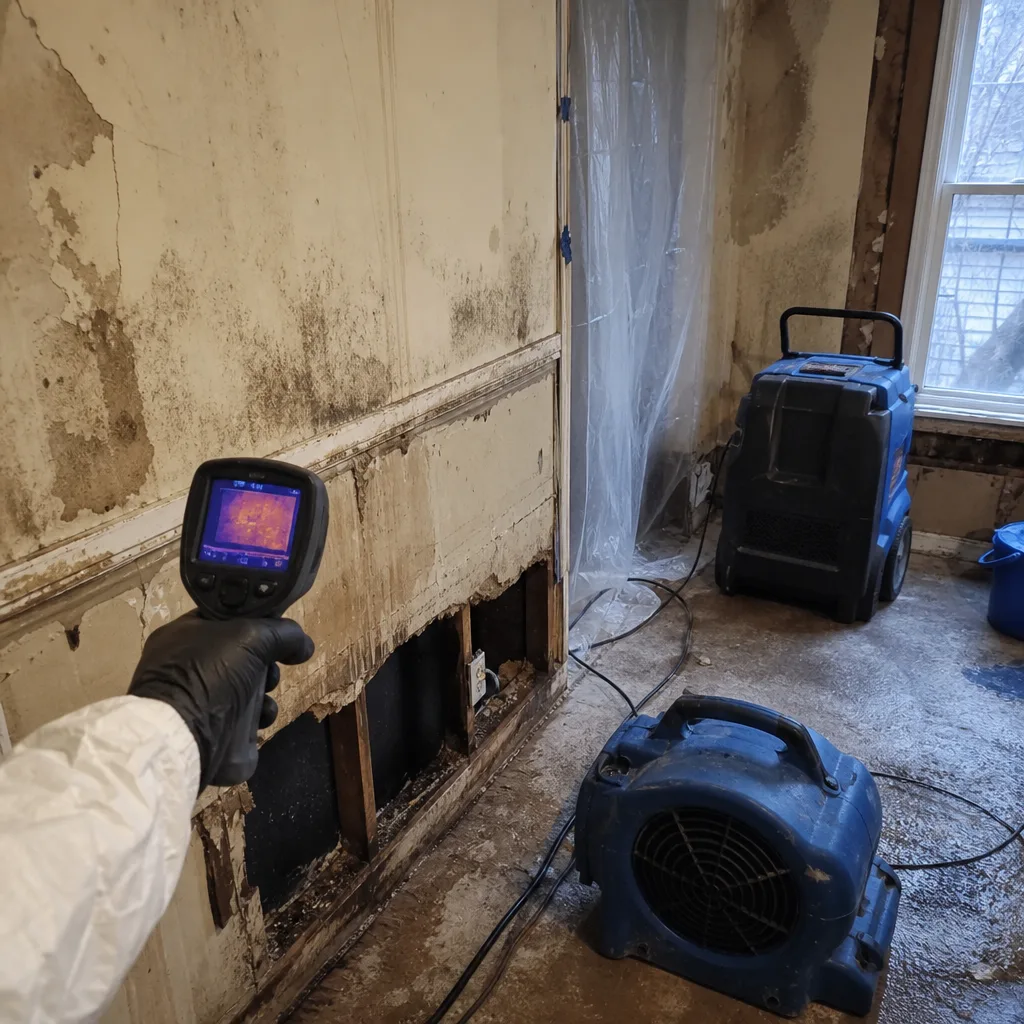 Before
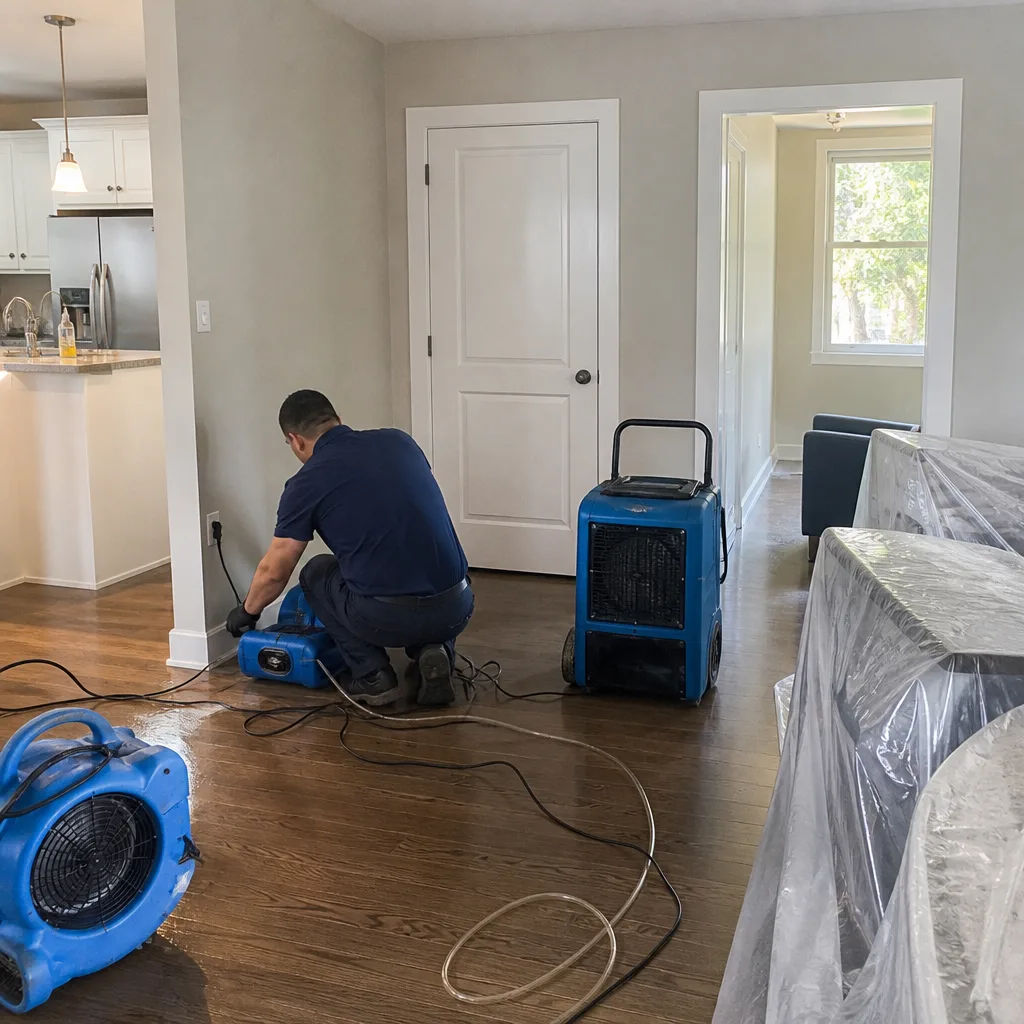 After
AfterFast, Reliable Fire & Smoke Damage Restoration Across West New York
Fire and smoke damage restoration in West New York typically runs $3,200-$8,500 for a standard apartment unit, with emergency board-up and tarping starting at $450-$950. Our crews are dispatched from our New York City office and can be on-site anywhere in West New York within 45-60 minutes of your call. We know the mid-century brick apartment stacks between Bergenline Avenue and the Palisades - buildings where one unit’s kitchen fire can push smoke and odor through shared cast-iron drain chases into corridors two floors away before anyone sees visible damage.
Call (551) 212-1580 now. A live person answers every emergency line, 24 hours a day, 7 days a week. No voicemail trees. No next-business-day callbacks while smoke residue is still settling into plaster.
Why DryMark Restoration Hoboken Is West New York’s Preferred Fire & Smoke Damage Restoration Company
We’ve restored fire and smoke damage in West New York’s dense multi-unit housing since 2011 - more than 12,000 homes documented with written prices before work started and photo records on every visit. Our crews know the difference between a 1940s brick mid-rise off Bergenline Avenue with original cast-iron stacks and a 1970s slab building near the waterfront, and we adjust our containment and documentation accordingly.
Our reviews from West New York customers consistently cite two things: the written scope that arrives before anyone touches a tool, and the daily photo logs that keep insurers and building management from disputing what was damaged and what was restored. Response time to West New York averages under an hour because we stage equipment and crews for Hudson County’s riverfront communities.
Alicia Brennan built this company around the documentation gap that costs homeowners their claims. That origin shapes how we work in West New York: every job gets a written price before work begins - Haven Standard, Clause 1 - and a 365-Day Done Right Promise stamped on the contract, not offered as a verbal afterthought.
Our Fire & Smoke Damage Restoration Services in West New York
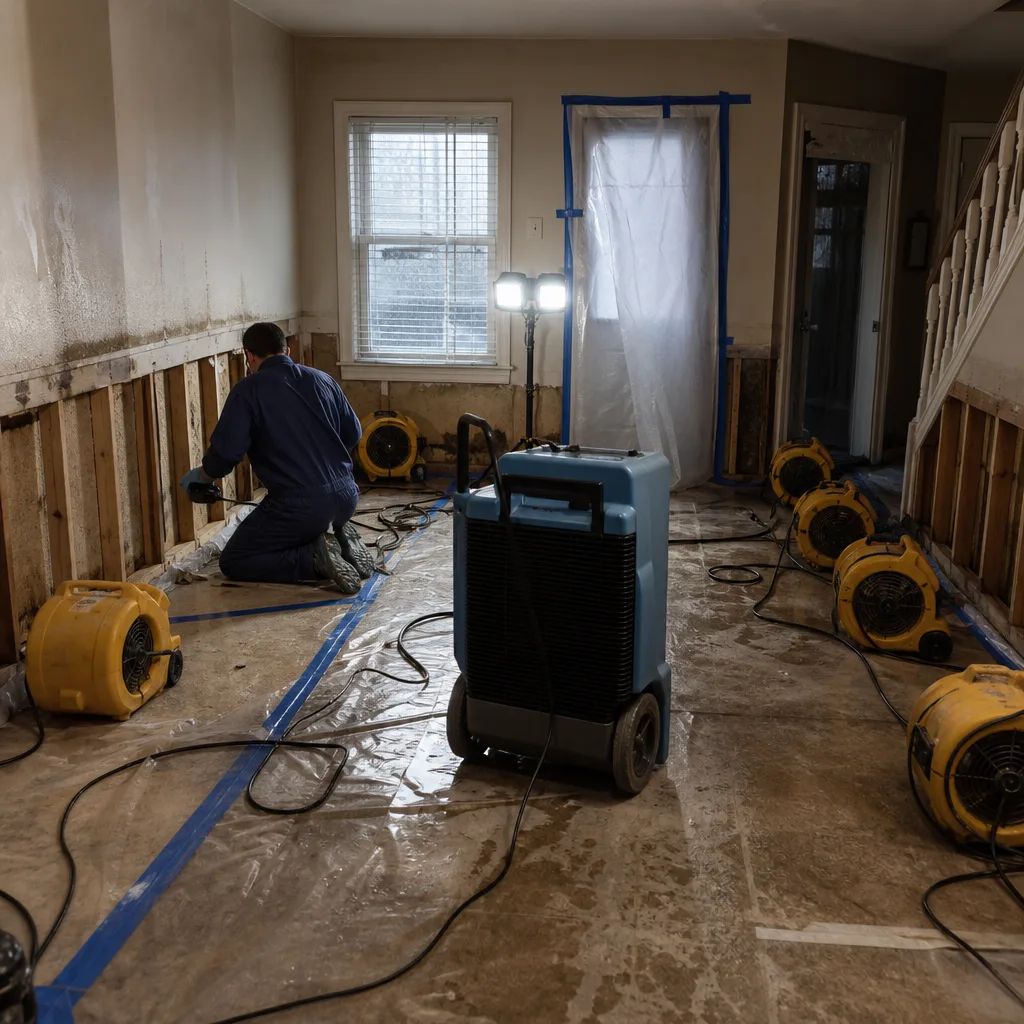
Fire Damage Cleanup
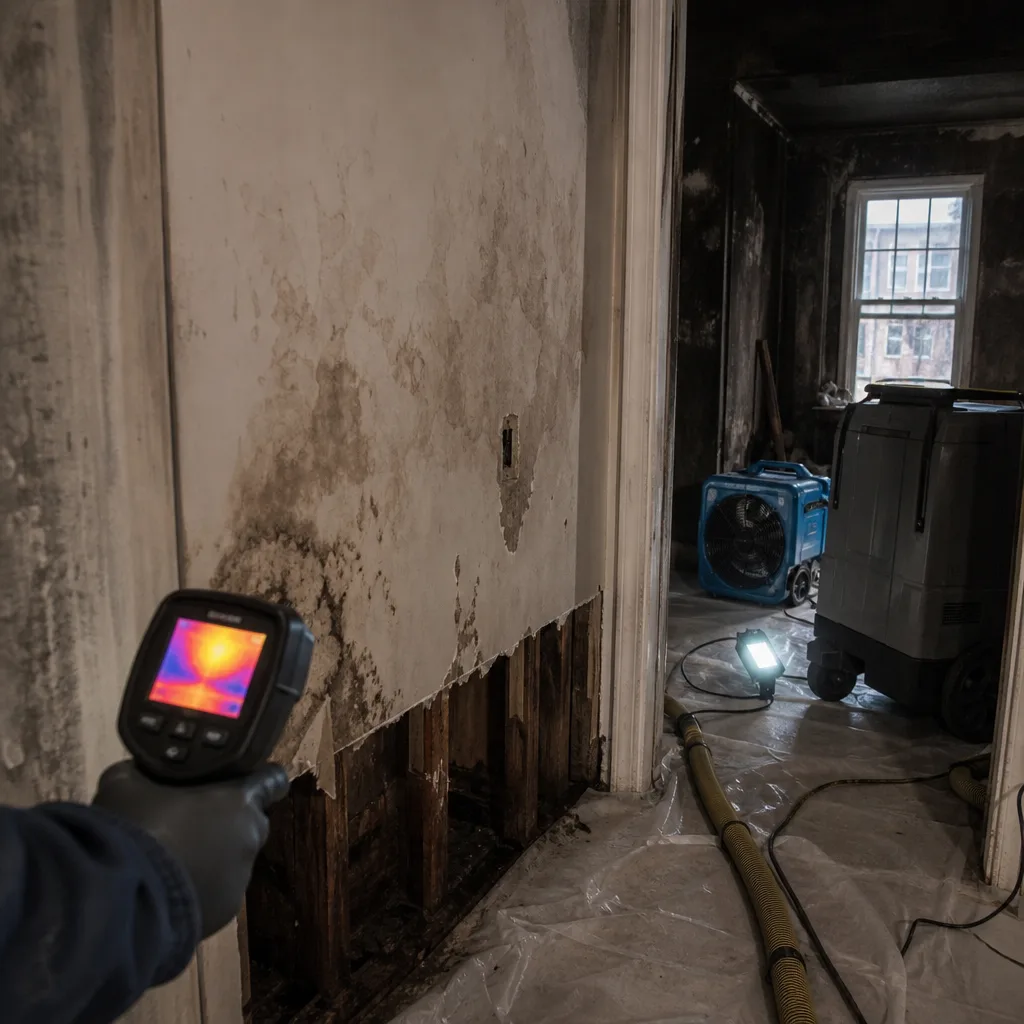
Fire damage cleanup in West New York starts with understanding what burned and what the extinguishing water contacted. In the older attached brick buildings common along the residential blocks off Bergenline Avenue, firefighting water often becomes category 2 or category 3 water after contacting aged galvanized supply lines, hidden mold colonies, and decades of debris in wall voids. Crews that treat it as clean water leave wet materials that fail moisture readings later. We test water classification on-site, document it with photos, and scope removal or drying accordingly. Our Fire & Smoke Damage Restoration team carries moisture meters, thermal imaging, and air quality monitors to every West New York job.
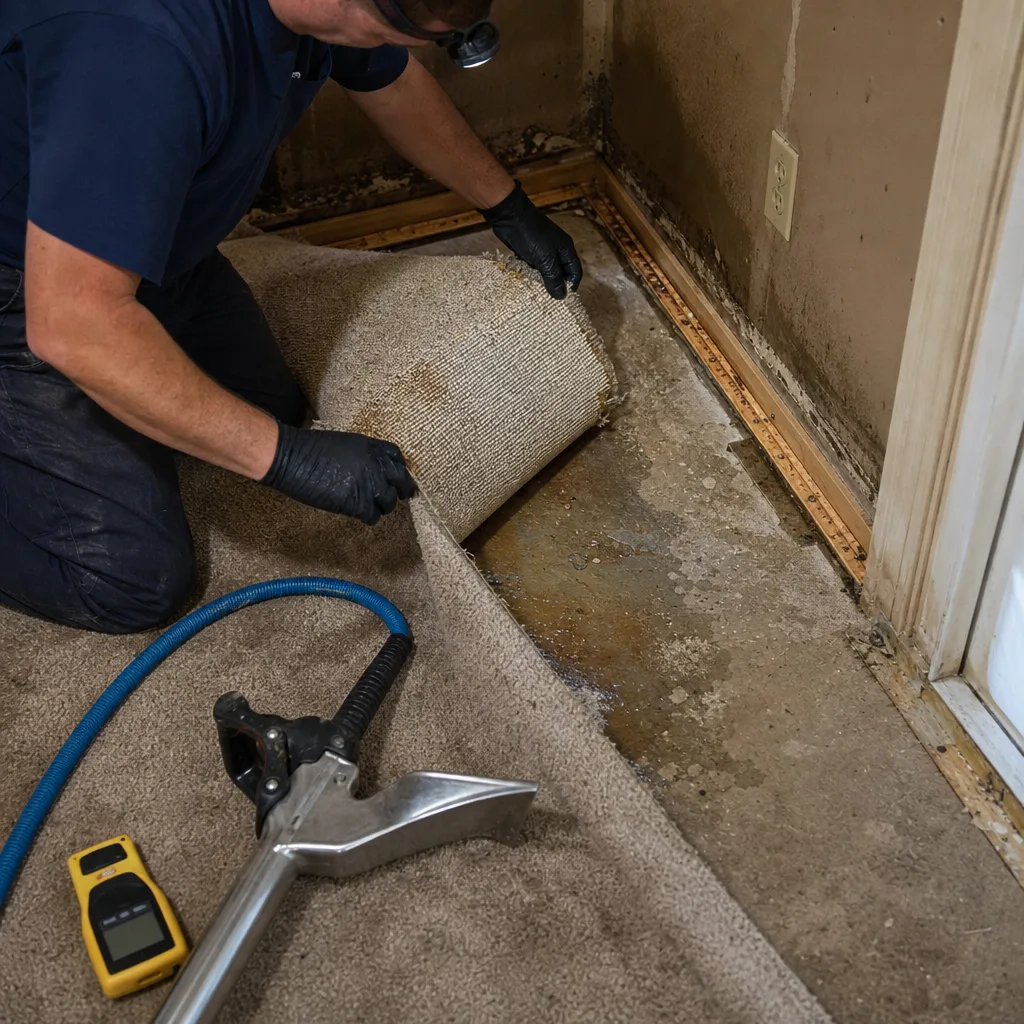
Smoke & Soot Removal
Smoke and soot in West New York travel farther than most residents expect. The shared cast-iron drain stacks and unsealed plaster cavities in mid-century brick buildings act as natural conduits - we’ve found soot residue in units three floors below the fire origin because the chase wasn’t sealed during initial mitigation. Our smoke and soot removal process includes HEPA vacuuming of all horizontal surfaces, chemical sponge cleaning of porous materials, and targeted air-scrubbing with activated carbon filtration. We seal chases and cavities before deodorizing, so odor doesn’t reappear weeks later in a neighboring apartment.
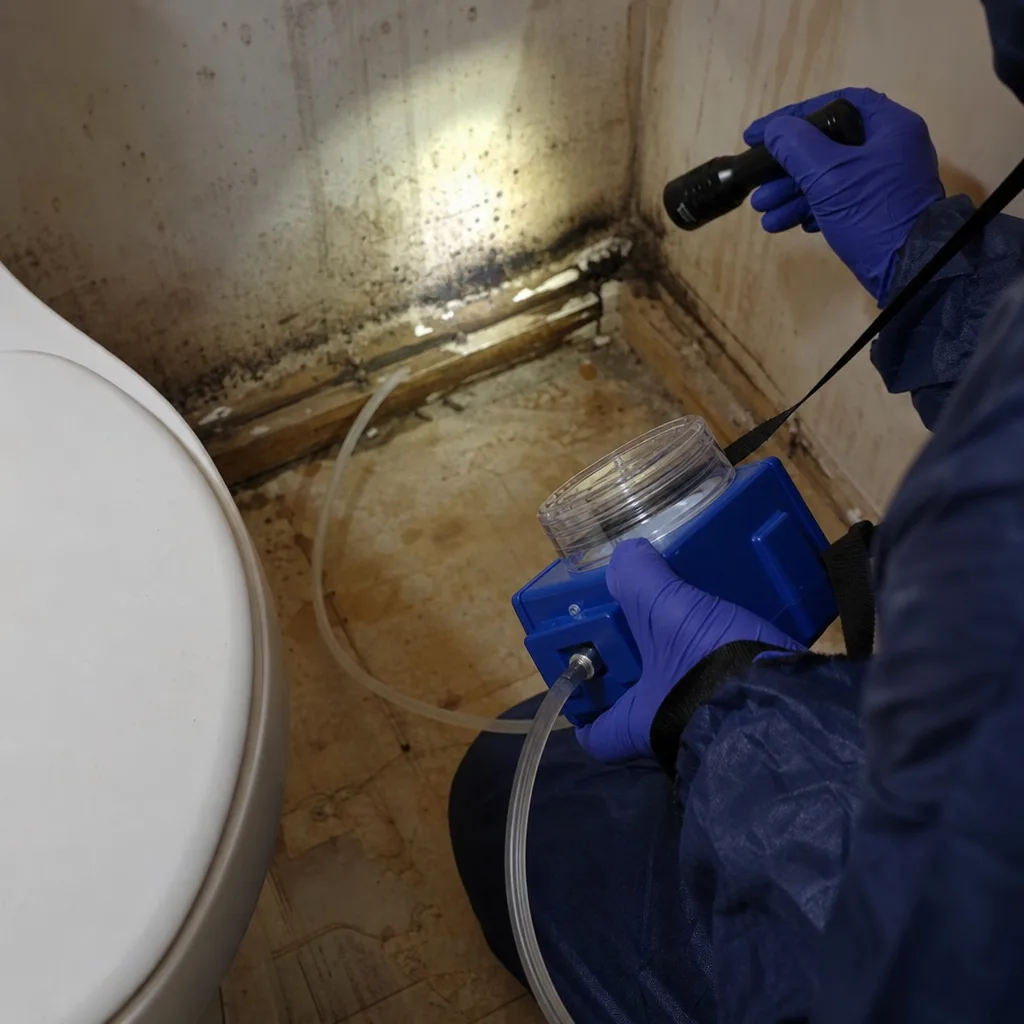
Odor Removal & Deodorization
Odor removal in West New York’s older housing stock requires more than surface spraying. Smoke odor that keeps coming back in an older West New York rowhouse or mid-rise almost always means the source wasn’t neutralized - it’s still off-gassing from charred framing inside a wall cavity or from soot lodged in HVAC ductwork that serves multiple units. We use thermal fogging and ozone treatment where appropriate, but only after physical removal of contaminated materials and sealing of odor migration paths. Every deodorization job gets a post-treatment verification with documented odor assessment, not a technician’s nose-test.
Contents Cleaning & Pack-Out
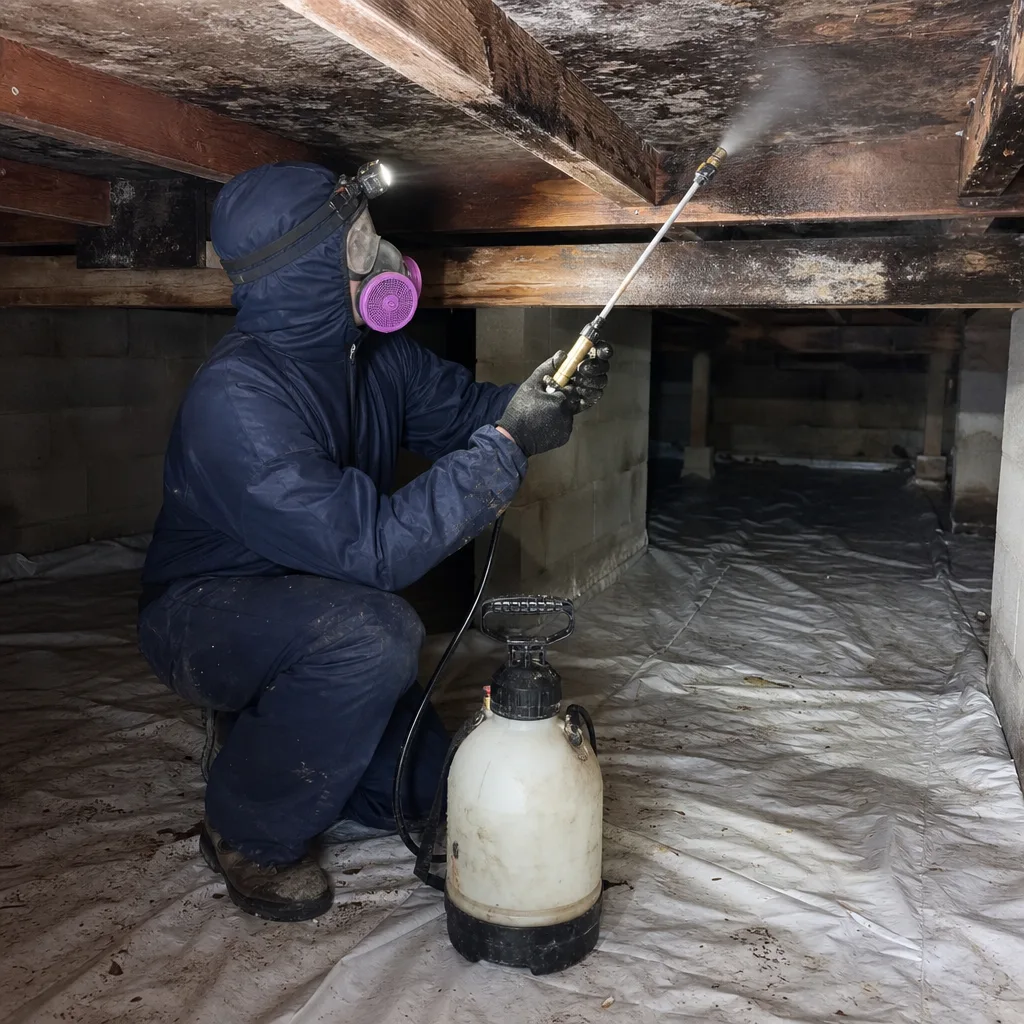
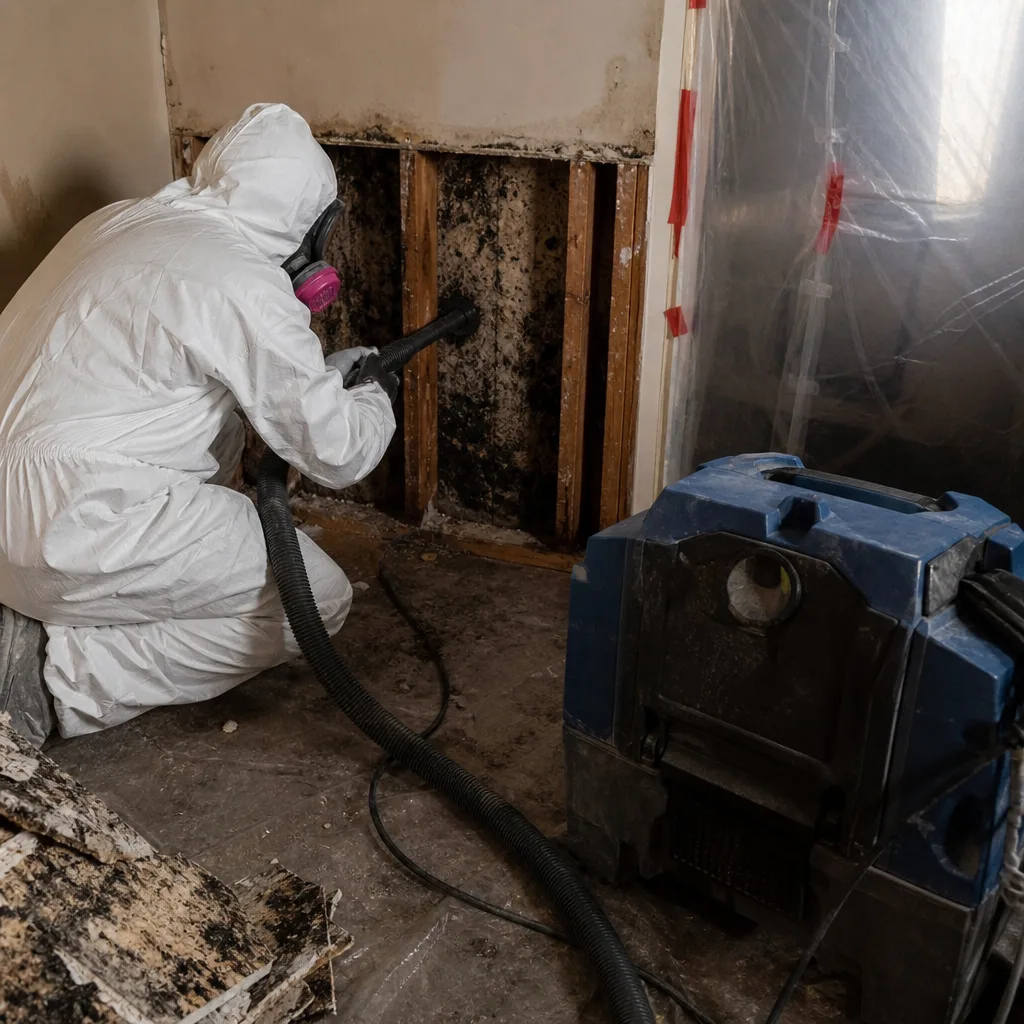
Contents cleaning and pack-out in West New York multi-unit buildings demands coordination with building management that single-family contractors rarely handle. After a stovetop fire in a 1950s attached brick walk-up on a side street off Bergenline Avenue, our crew set up containment in the third-floor unit while smoke odor was already migrating through the original cast-iron drain chase to the floors below. We used moisture mapping to find hidden dampness from extinguishing water, ran air movers and dehumidification to dry the plaster, applied antimicrobial treatment to charred framing, and coordinated a pack-out with building management so all six affected tenants had a documented scope of work. Every item was photographed, inventoried, and either cleaned on-site or transported to our contents facility with chain-of-custody documentation.
Emergency Board-Up & Tarping
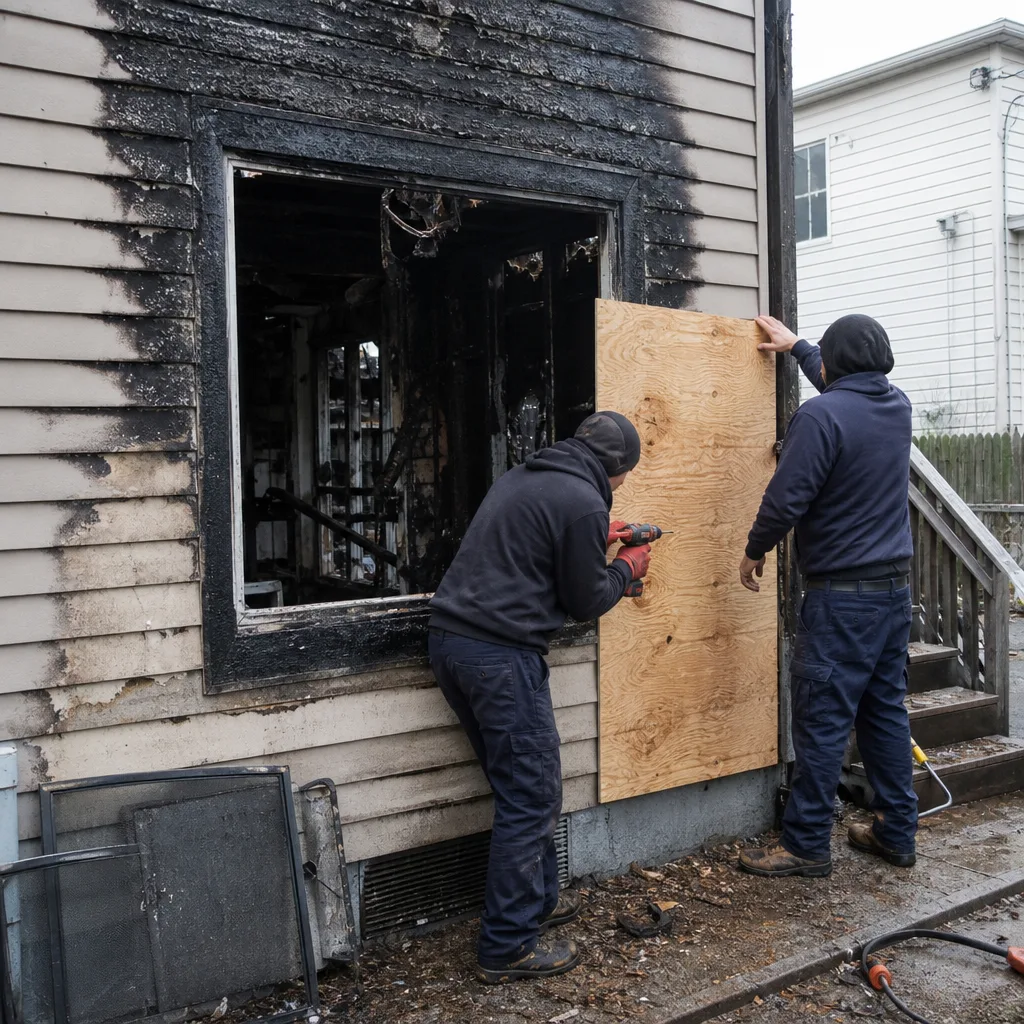
Emergency board-up and tarping in West New York runs $450-$950 depending on access height and opening count. We respond to these calls with 24/7 live dispatch - no voicemail, no callbacks tomorrow. Our crews carry pre-cut plywood, weather-resistant tarps, and temporary security hardware sized for the narrow entries and fire escapes common in Bergenline Avenue-area buildings. Board-up includes photo documentation of the pre-secured structure for your insurer and building management, with a written scope for permanent repair attached.
What happens when you call
- 1
A real person answersNo phone trees - you reach a local pro.
- 2
You get an upfront price rangeHonest numbers before anyone is dispatched.
- 3
A background-checked tech heads outLicensed & insured, dispatched right away.
- 4
You approve before work beginsNothing starts until you say go.
BeforeAfterTrusted Equipment Standards We Deploy in West New York
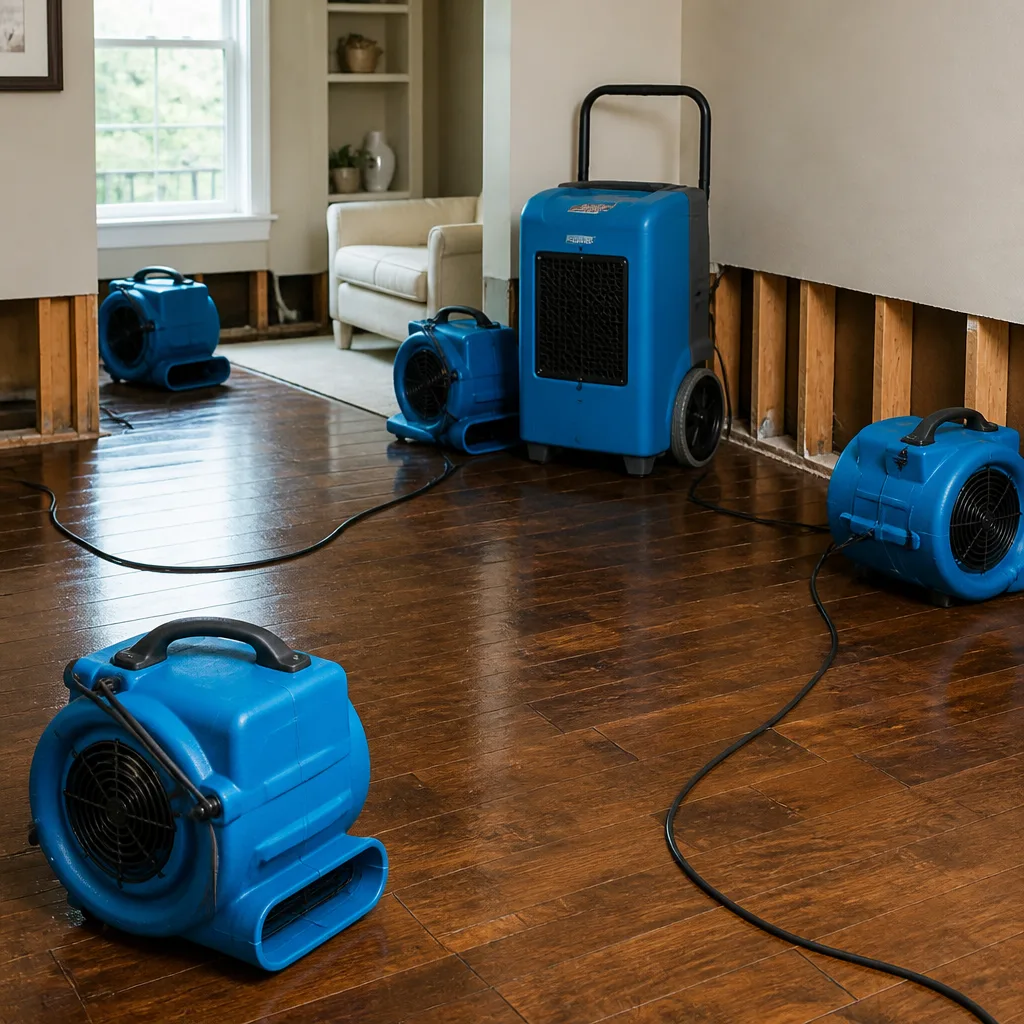
We document every West New York job to IICRC, RIA, and IFA standards using professional-grade drying and air quality systems from XPOWER, B-Air, and Injectidry. That documentation matters in West New York’s multi-unit environment, where one restoration invoice may be reviewed by multiple insurers, building management, and individual tenants. Our daily drying logs - psychrometric data, vapor pressure differential readings, material moisture content by trade name - turn restoration invoices into claims that get paid without dispute. We don’t guess at dry; we measure it, log it, and photograph it.
Common Fire & Smoke Damage Restoration Problems We See in West New York Homes
- Smoke migration through shared drain chases. West New York’s dense mid-century brick apartment stacks between Bergenline Avenue and the Palisades often conceal fire spread and smoke residue inside shared cast-iron plumbing chases and plaster wall cavities, so one tenant’s kitchen fire can push odor and soot into corridors on multiple floors before anyone sees flames or smoke damage.
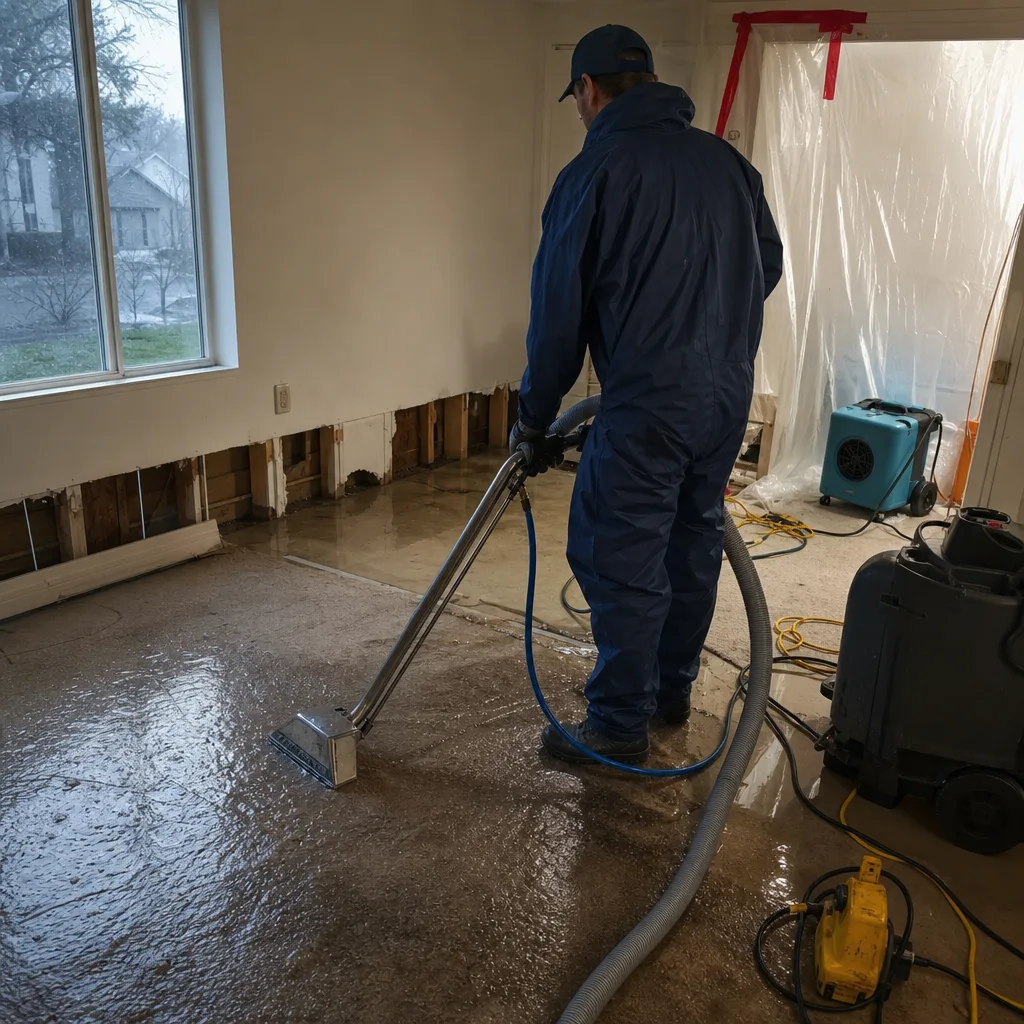
- Contaminated firefighting water misclassified as clean. Firefighting water in these older attached brick buildings often becomes category 2 or category 3 water after contacting aged galvanized lines, hidden mold, and debris in wall voids. Crews that treat it as clean water leave wet materials that fail moisture readings later, triggering secondary damage claims.
- Multi-unit access and documentation failures. In multi-unit buildings off Bergenline Avenue, restoration work stalls when crews don’t document pre-loss condition and negotiate access with building management. Tenants and owners then get conflicting scope of work and the job expands beyond the fire unit, with no clear paper trail for who pays what.
- Delayed moisture discovery in plaster systems. Early 20th-century attached rowhouses and mid-century brick buildings throughout West New York use plaster walls that absorb extinguishing water and hide elevated moisture content for days. Surface drying leaves wet plaster behind lath, creating conditions for mold and material failure that shows up weeks after the fire is out.
Pricing for Fire & Smoke Damage Restoration in West New York, NJ
| Service | Typical Range in West New York |
|---|---|
| Emergency board-up & tarping | $450 - $950 |
| Smoke & soot removal (single unit) | $1,800 - $4,200 |
| Odor removal & deodorization | $900 - $2,800 |
| Contents cleaning & pack-out | $1,200 - $3,500 |
| Full fire damage restoration (single unit) | $3,200 - $8,500 |
| Multi-unit building coordination | Scope priced per affected unit |
What moves a West New New York job toward the higher end: multiple affected units requiring building-management coordination, category 2 or 3 water classification from contaminated firefighting runoff, charred structural members requiring removal and replacement, and contents pack-outs with extensive electronics or textile cleaning. Every job gets a written price before work begins - Haven Standard, Clause 1 - with no scope-creep additions once the crew is inside. We also offer a Free Second Opinion on any competitor’s written estimate; bring their scope and we’ll review it at no charge.
Call (551) 212-1580 for an exact quote - estimates are free.
We Also Serve Cities Near West New York
Our crews respond throughout Hudson County and beyond, including West New York neighbors in Hoboken, Union City, Jersey City, and Secaucus. Dispatch and scheduling are coordinated from our New York City office; crews serve West New York locally with equipment staged for rapid response across the riverfront communities.
Serving West New York, NJ - Our Local Coverage Area
We’re based in the West New York area and know this community well. Use the map below to see our service coverage - if you’re nearby, we can almost certainly help.
FAQs - Fire & Smoke Damage Restoration in West New York
Smoke and soot traveled through shared building systems - most likely the cast-iron drain stack or unsealed plaster wall cavities that connect units vertically in West New York’s mid-century brick buildings. These pathways let odor migrate far from the fire origin before anyone realizes the spread. We seal chases and cavities as part of our smoke damage protocol, then verify with air sampling that odor sources have been neutralized, not just masked. Call (551) 212-1580 for an inspection - we’ll document the migration path and scope the remediation in writing.
You don’t know without testing, and assumptions cost money. We classify firefighting water on-site using IICRC standards: clean (category 1), gray (category 2), or black (category 3). In West New York’s older buildings, water from suppression almost always contacts aged galvanized lines, prior leaks, and wall-void debris that pushes it to category 2 or 3. Category 2 and 3 water requires removal of affected porous materials - drywall, insulation, carpet pad - rather than in-place drying. We document the classification with photos and moisture readings, then scope accordingly before any drying begins.
Within 24-48 hours of water intrusion, mold colonization becomes likely on organic materials with moisture content above 16%. In West New York’s humid riverfront climate and older plaster-wall construction, that window can narrow. We deploy air movers and dehumidifiers immediately after water classification, with daily moisture logs tracking progress to documented dry standards. Delayed drying in plaster-and-lath systems often means hidden wet pockets behind walls that fail verification weeks later. Call (551) 212-1580 for emergency dispatch - we answer live, 24/7.
Yes. We’ve coordinated pack-outs for buildings with six, twelve, and twenty-plus affected tenants. Our process includes individual inventory documentation for each unit, chain-of-custody tracking, direct coordination with building management for access, and separate written scopes for each tenant’s insurer. Every item is photographed before removal, cleaned or stored according to contamination level, and returned with documentation. The key is starting with building-management contact and pre-loss documentation - we don’t move anything until the paper trail is established.
Recurring smoke odor means the source wasn’t fully removed or the migration path wasn’t sealed. We start with thermal imaging and moisture mapping to find hidden charred materials or wet pockets still off-gassing. Then we remove - not cover - contaminated materials, seal chase openings and cavity penetrations with fire-rated barriers, and run activated carbon air scrubbing with post-treatment verification. Surface sprays and ozone bombs without source removal guarantee callbacks. Call (551) 212-1580 and we’ll diagnose the actual cause, not treat symptoms.
Written by Alicia Brennan, Owner at Back to Dry Restoration, serving West New York since 2011 under The Haven Standard.