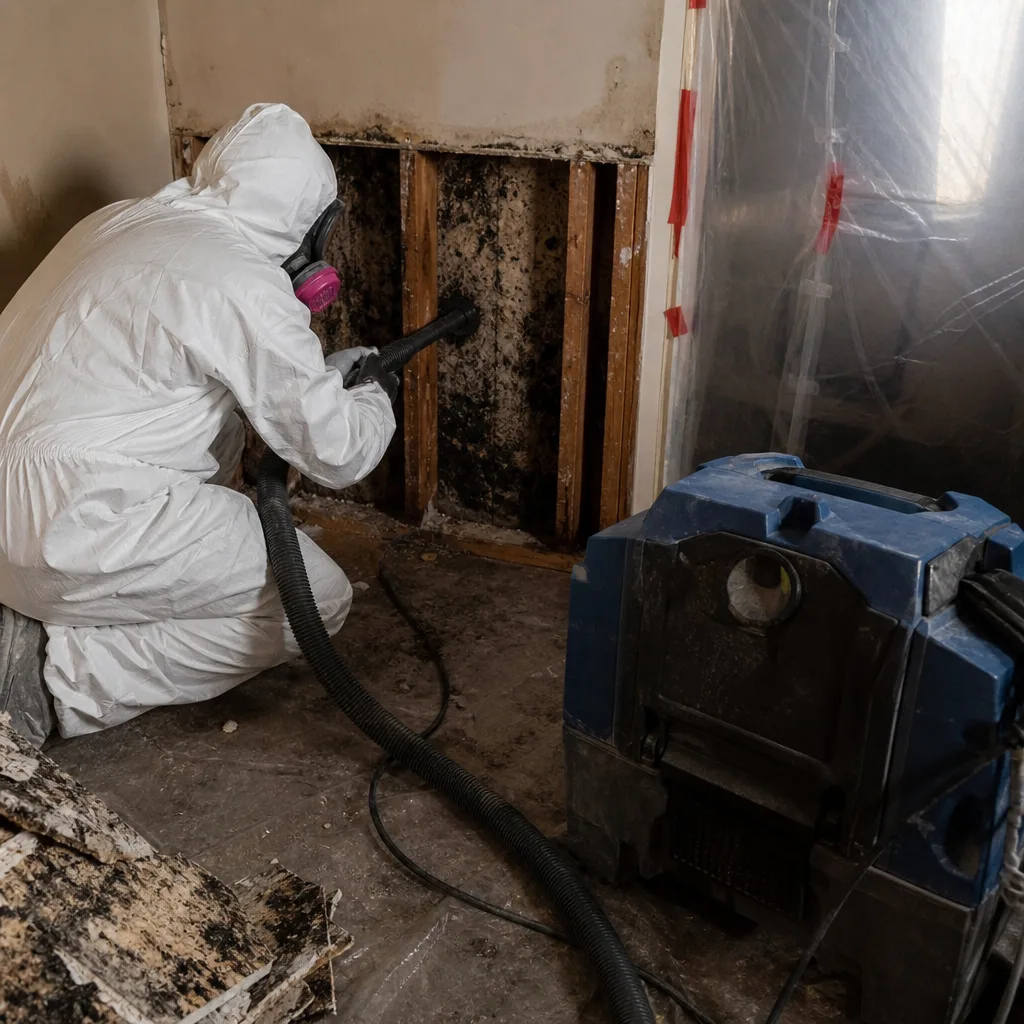
Free visual inspection and a written scope of work before any mitigation begins - photos, moisture readings, and drying logs go in your claim file
The scope we write is the scope we bill. Anything new gets shown to you, in writing, before we touch it.
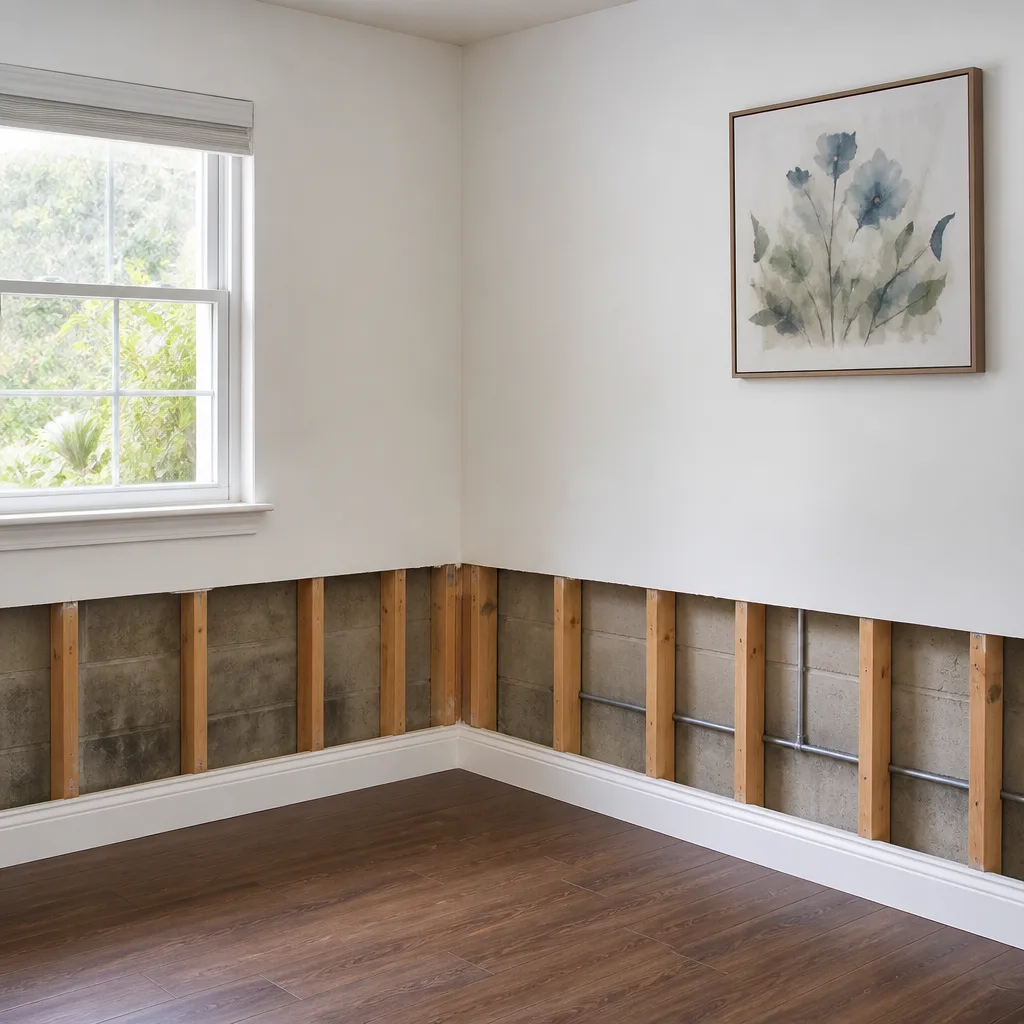
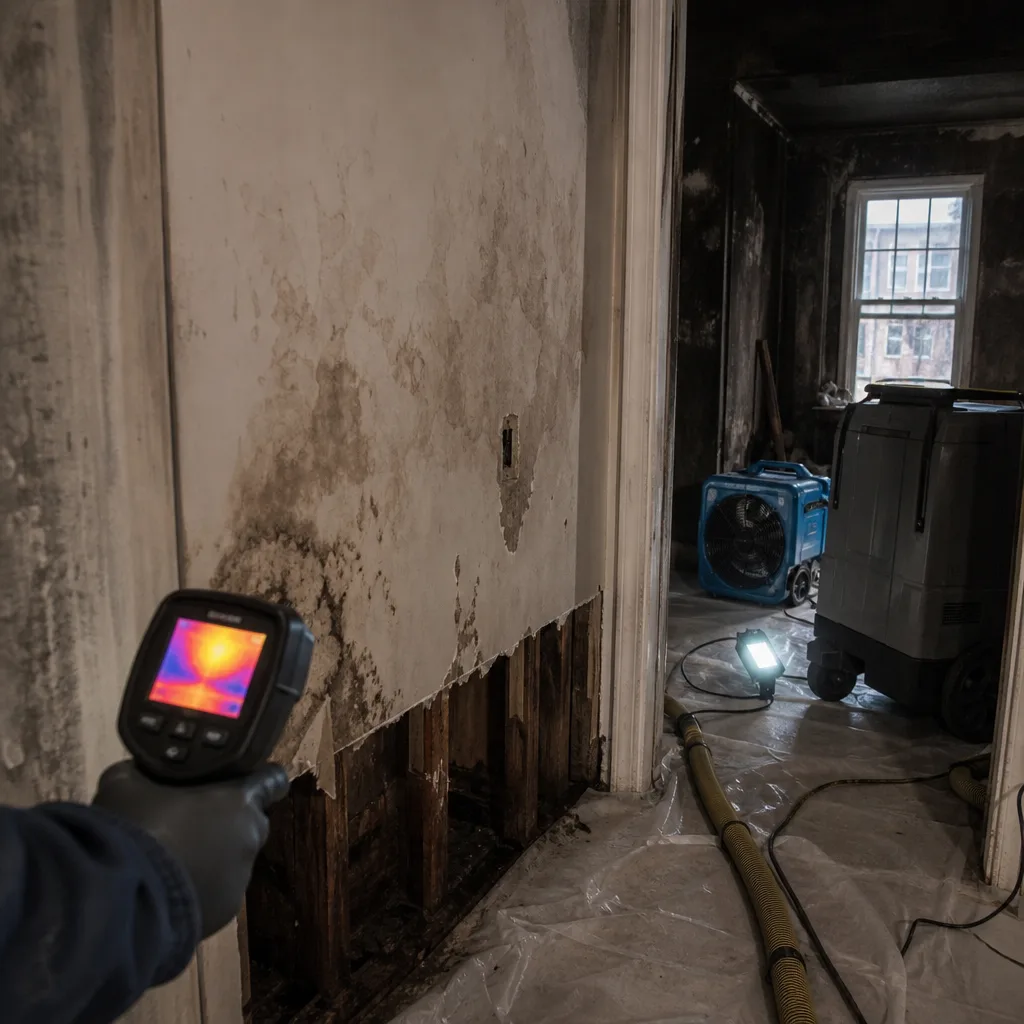 Before
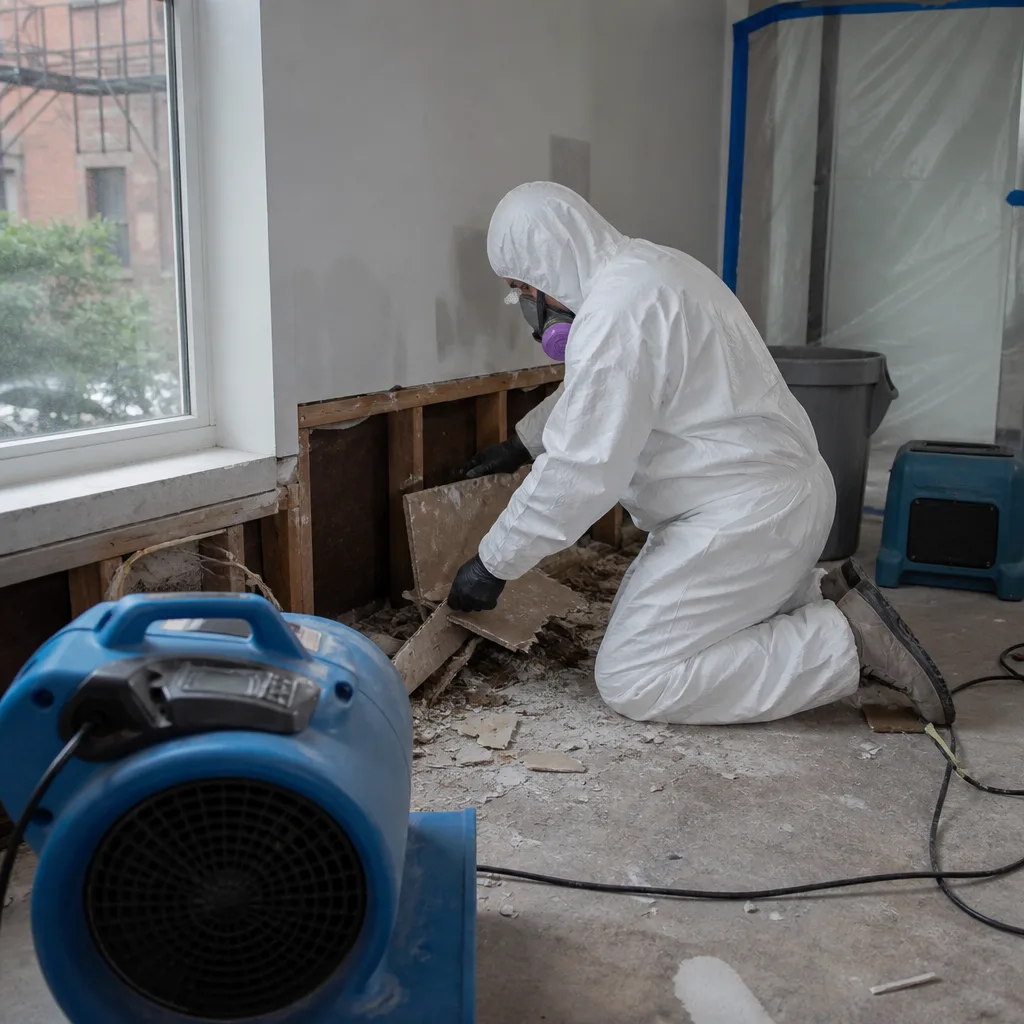 After
After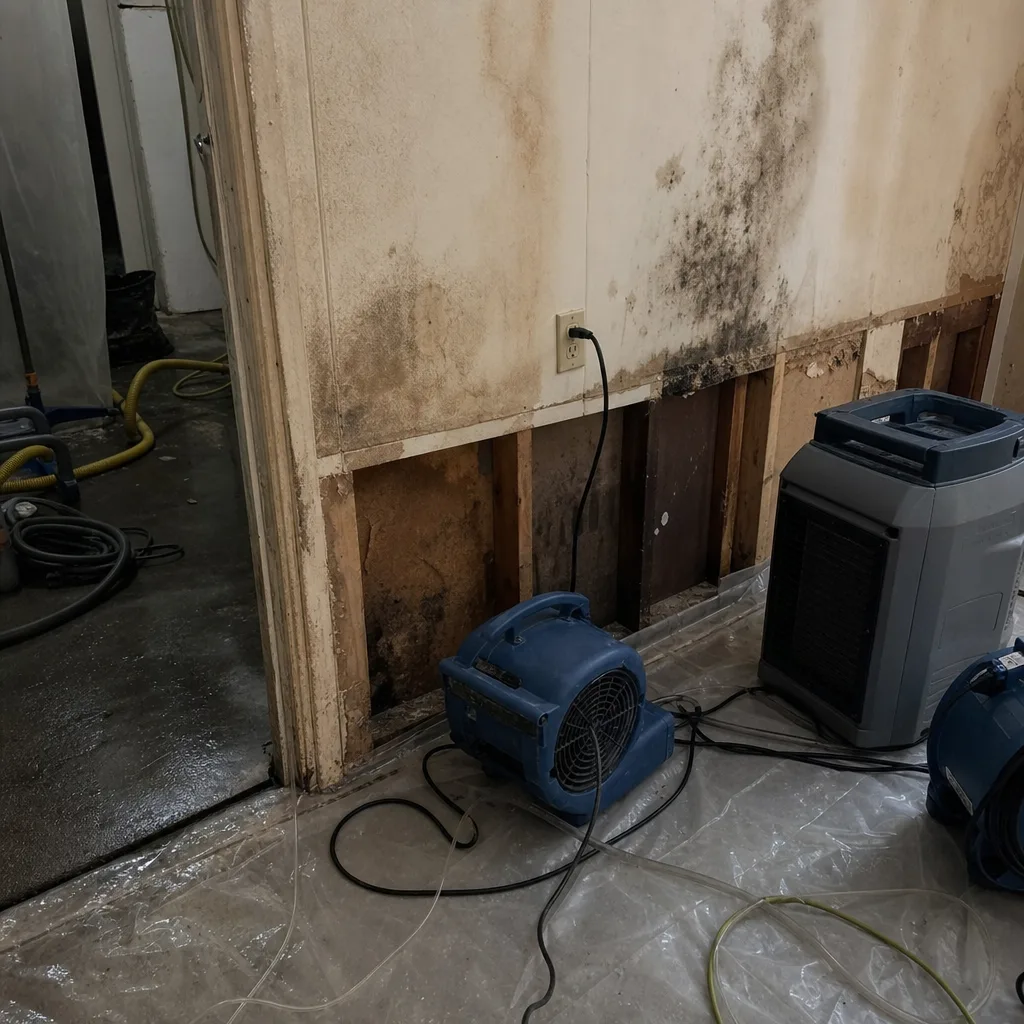 Before
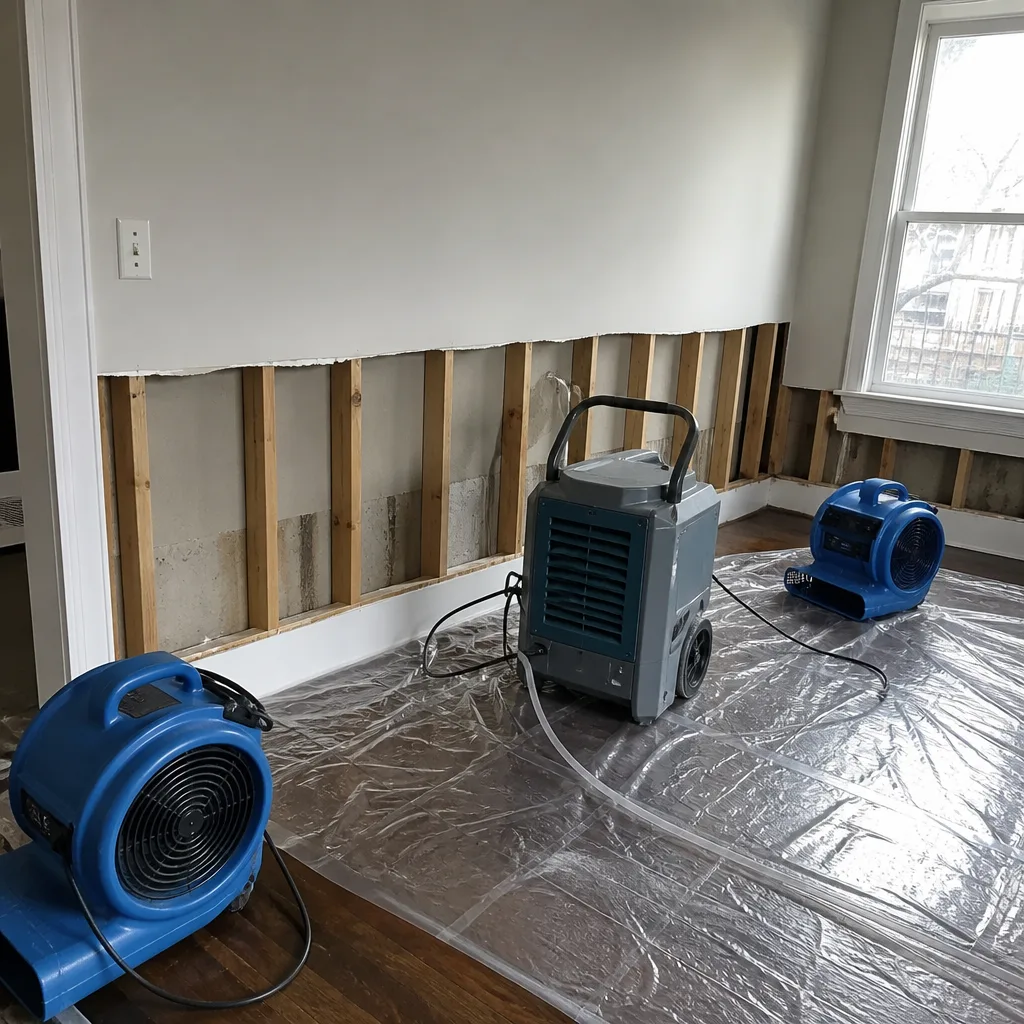 After
After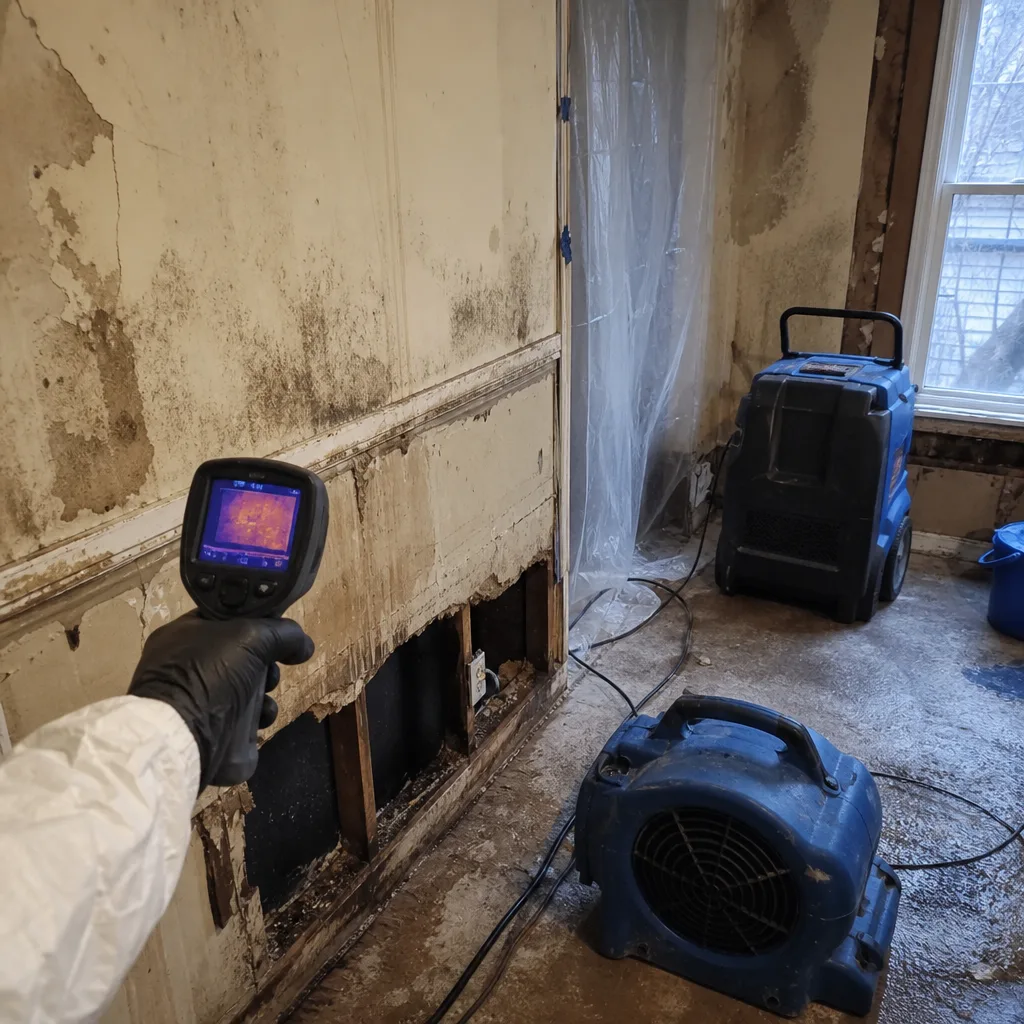 Before
 After
AfterFast, Reliable Mold Remediation Across West New York
Mold remediation in West New York typically costs $1,800-$6,500 depending on whether you’re facing a single-unit containment or a multi-floor building event, and our crews are usually on-site within 60-90 minutes of your call. We know the town’s housing stock - the 1940s-1970s brick mid-rises off Bergenline Avenue, the early rowhouses on the side streets, the basement-level units at the bottom of the Palisades grade - and we scope every job for what these buildings actually require, not what a suburban single-family template suggests.
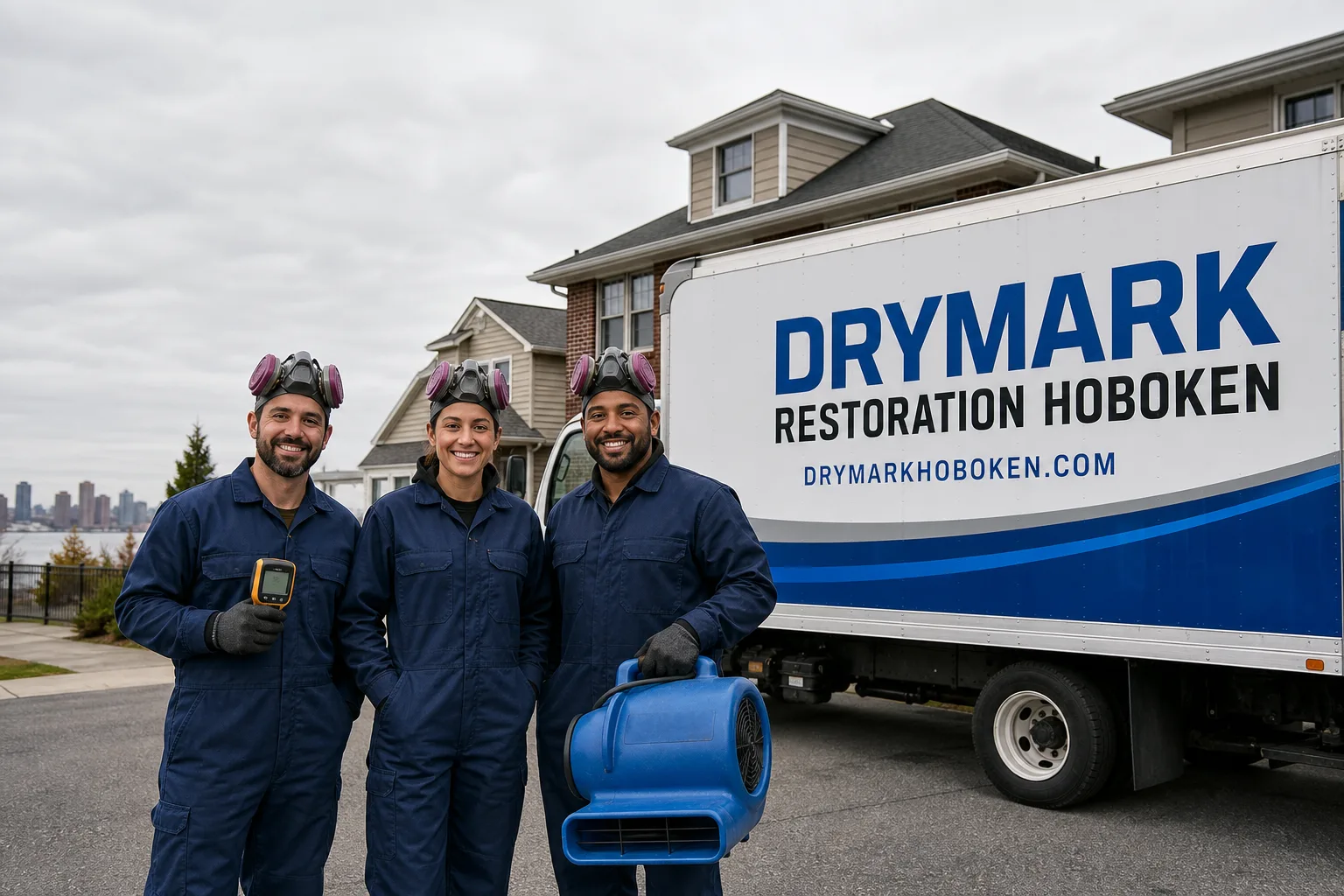
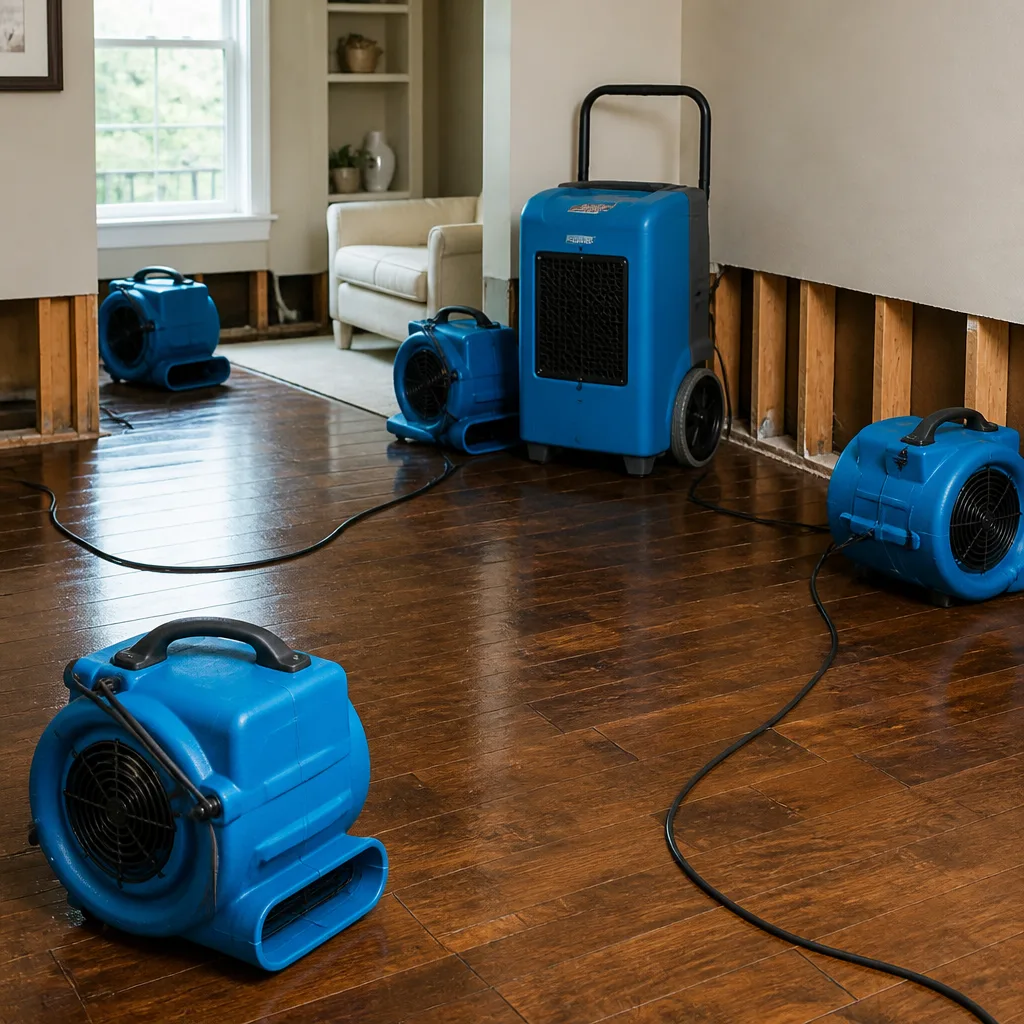
Our Mold Remediation team dispatches from our New York City office and carries equipment from XPOWER, B-Air, and Injectidry, documented to IICRC standards. Every job gets a written price before work starts - Haven Standard, Clause 1 - plus a photo record on every visit and a 365-Day Done Right Promise backed by The Haven Standard. Call (551) 212-1580; a live person answers, 24 hours a day, 7 days a week.
Why DryMark Restoration Hoboken Is West New York’s Preferred Mold Remediation Company
We’ve restored more than 12,000 homes since 2011, and a significant share of those have been in Hudson County’s densest municipalities. In West New York specifically, our reputation rests on documentation that holds up when multiple tenants, building managers, and insurance adjusters are all reviewing the same file.
Our response time to West New York averages under 90 minutes during business hours and under two hours overnight. That’s not marketing copy - it’s the practical reality of dispatching from a metro office positioned for the riverfront corridor.
We know the local failure patterns. Original galvanized supply lines and cast iron drain stacks in these mid-century buildings corrode on predictable timelines. When a stack weeps inside a wall cavity, moisture doesn’t respect unit boundaries. Our thermal imaging and moisture mapping protocols are built to catch vertical plumes that simpler inspections miss.
Reviews from West New York customers consistently cite two things: our written scopes that prevent surprise additions mid-job, and our drying logs that their adjusters accepted without dispute. That documentation-first approach is the core of what we do.
Our Mold Remediation Services in West New York
Mold Inspection & Testing
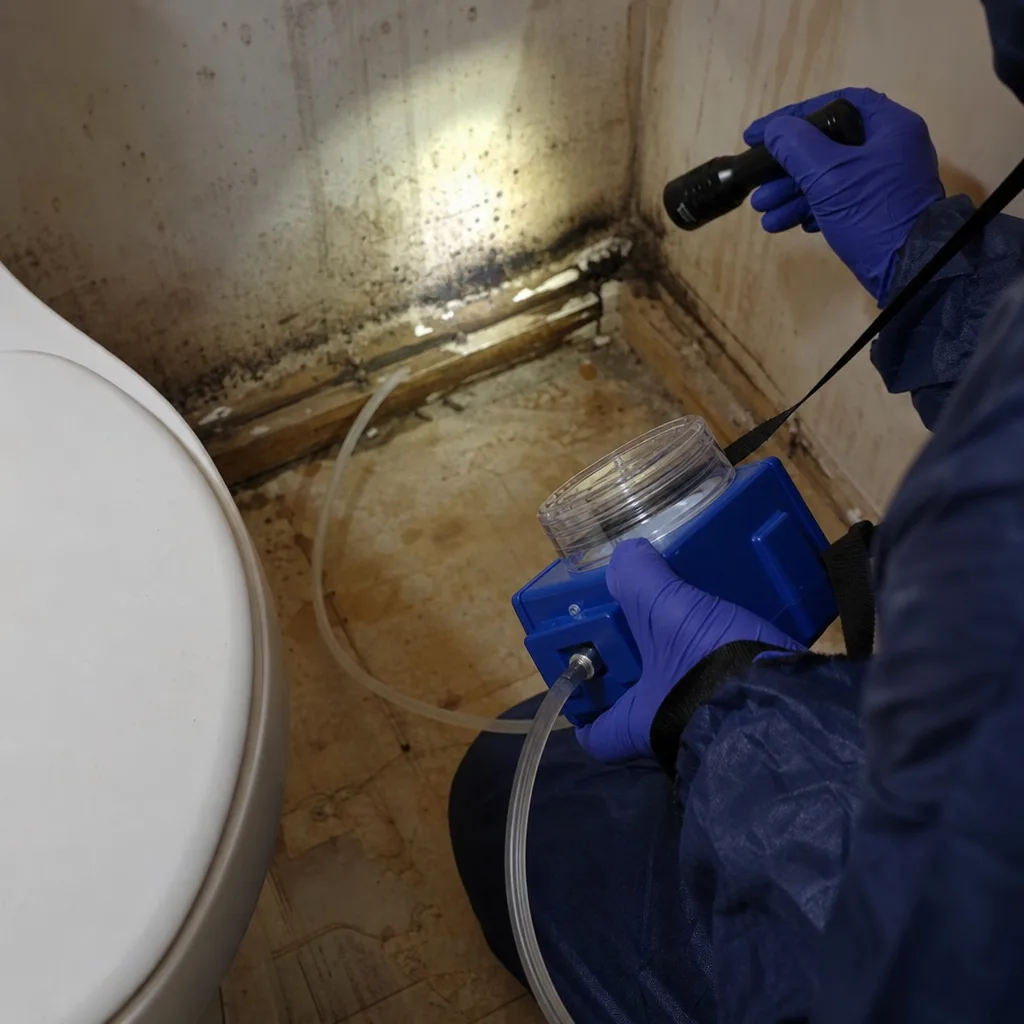
In West New York’s attached brick buildings, visible staining on a ceiling almost never tells the full story. We start with thermal imaging to trace moisture plumes through wall cavities, then sample strategically to identify species and concentration. A typical mold inspection in West New York runs $350-$650 for a single unit, or $800-$1,400 for a multi-floor building assessment with full cavity mapping. We document every reading, every photo, every sample location - the file your adjuster and building manager both need.
Mold Removal
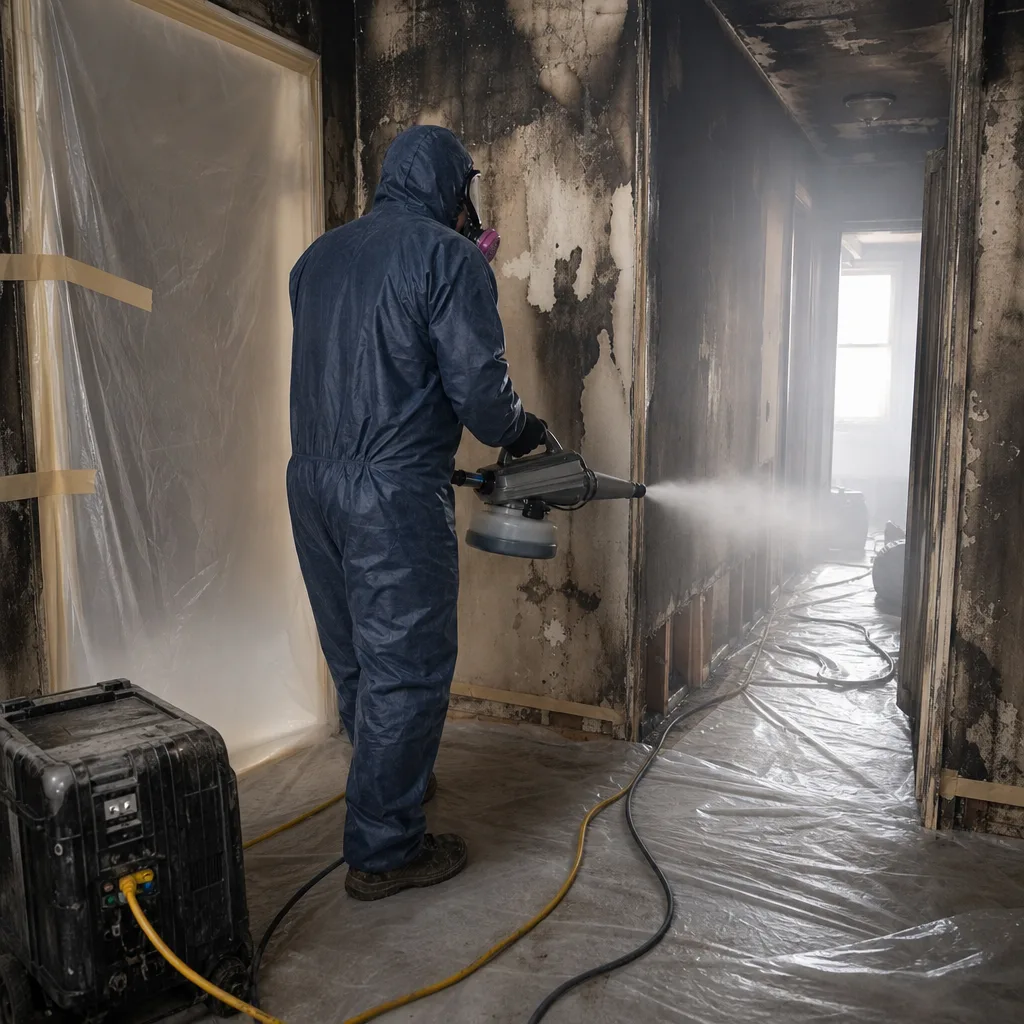
Removal in these older buildings means working around legacy materials: plaster and lath instead of drywall, cast iron stacks instead of PVC, masonry walls that don’t breathe the way modern construction does. Our containment protocols account for shared HVAC and stack vents that can carry spores between units. Single-unit removal in West New York typically ranges $1,800-$3,200; building-wide events with multiple affected floors run $4,500-$8,500 depending on square footage and access constraints.
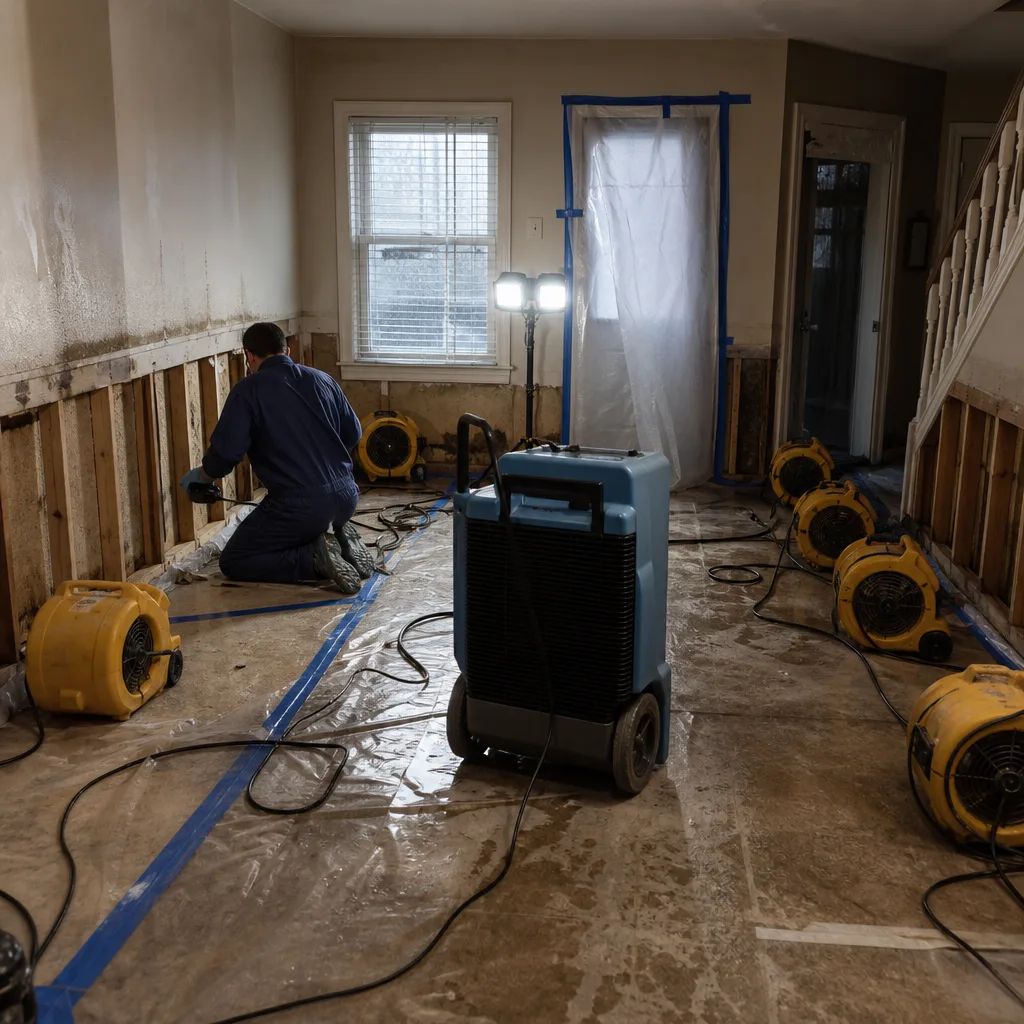
Black Mold Remediation
Stachybotrys and other toxigenic species require stricter containment and longer air scrubbing cycles. In West New York’s dense housing, that also means coordinating with building management on shared ventilation systems and common-area access. We use HEPA-negative air machines at 6-12 air changes per hour, run continuous during work and for a documented clearance period after. Black mold remediation here typically runs $2,800-$6,500 for affected areas under 500 square feet.
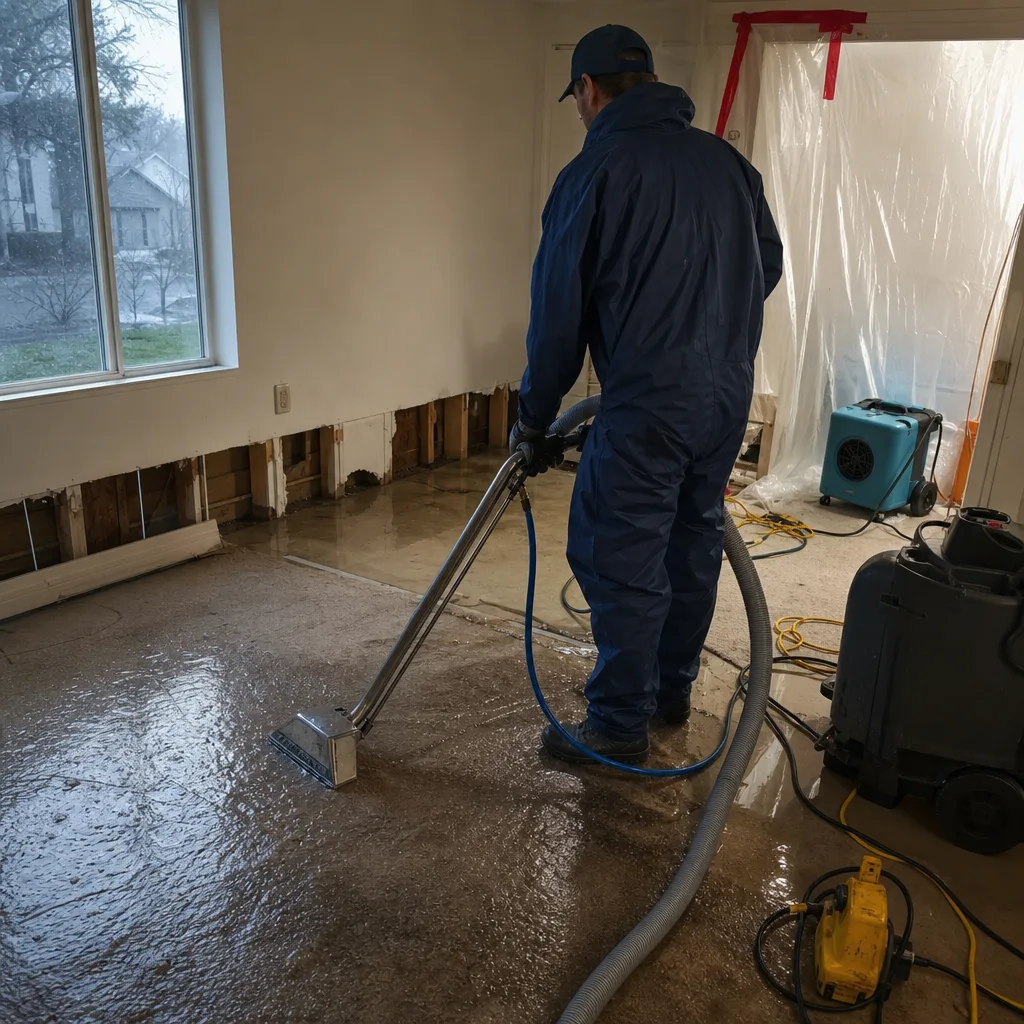
Air Quality Restoration
Post-remediation air quality isn’t a guess - it’s measured. We run spore trap samples and compare indoor counts to outdoor baselines, documented to IICRC S520 standards. In West New York’s multi-unit buildings, we also check adjacent units and common hallways to confirm containment integrity. Air quality testing and clearance documentation runs $450-$900 as a standalone service, or included in full remediation packages.
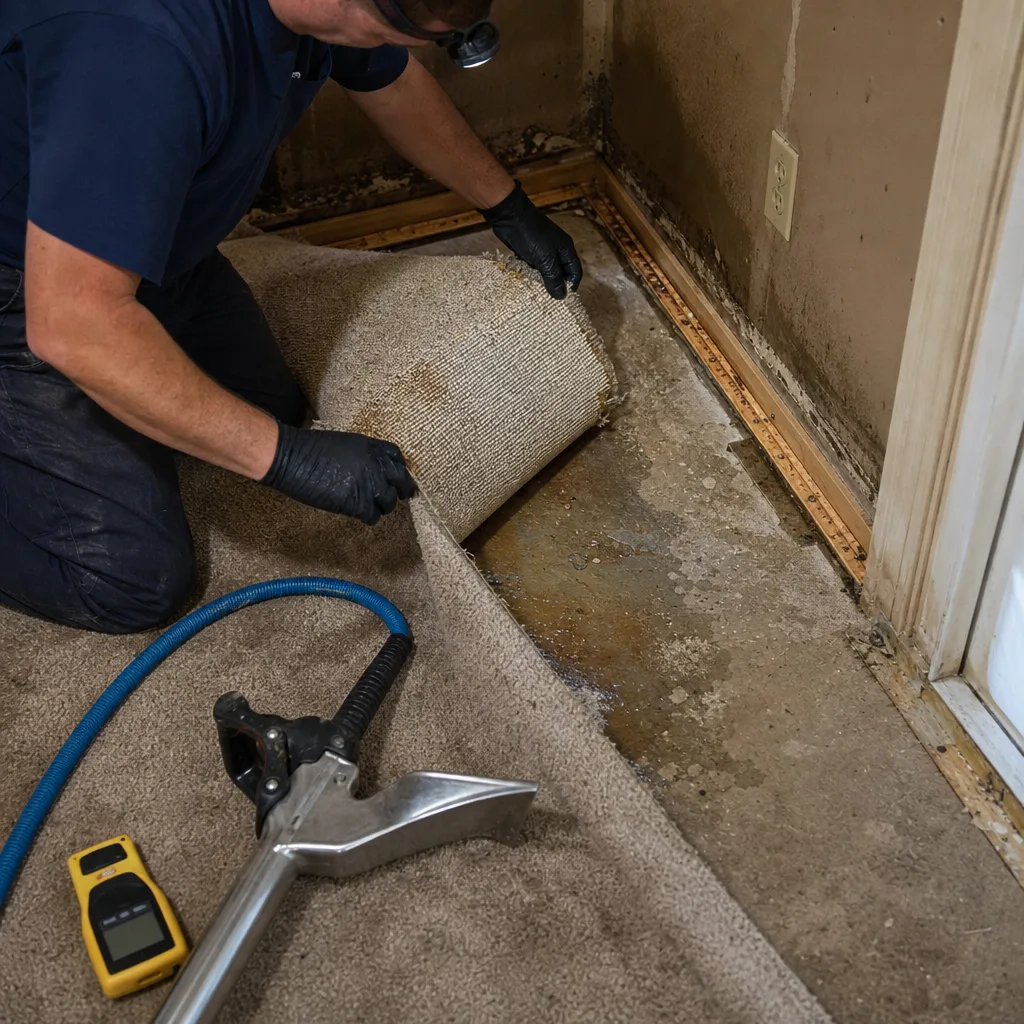
Moisture & Humidity Control
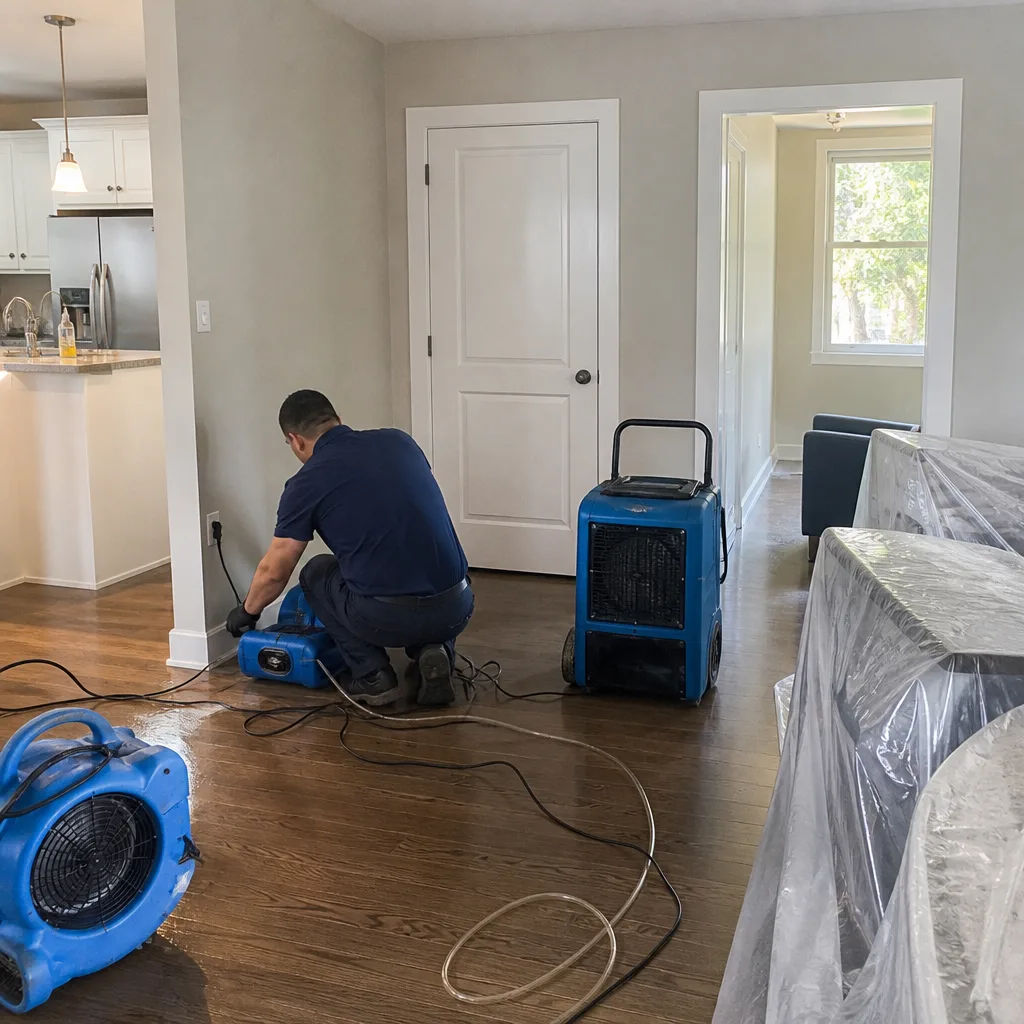
The Hudson River Palisades create a microclimate here: summer humidity spikes, winter stack effect pulling moist air through legacy construction, and the steep grade funneling runoff toward foundation-level units. We install and monitor commercial dehumidification systems sized to the building’s actual air volume, not rule-of-thumb estimates. Ongoing humidity control system installation in West New York runs $1,200-$2,800 depending on basement or crawl space configuration.
What happens when you call
- 1
A real person answersNo phone trees - you reach a local pro.
- 2
You get an upfront price rangeHonest numbers before anyone is dispatched.
- 3
A background-checked tech heads outLicensed & insured, dispatched right away.
- 4
You approve before work beginsNothing starts until you say go.
BeforeAfterCommon Mold Remediation Problems We See in West New York Homes
- Vertical moisture plumes in cast iron stack cavities. A drain stack weeps inside the wall for months before staining appears on the ceiling below. By then, three floors of plaster and framing are affected. Testing only the visible stain misses the full extent - and mold returns within weeks.
- Building management restricting unit-to-unit access. A contractor treats the apartment that called it in, never inspecting the stacked units above or the shared framing. Untreated mold continues growing, and the building faces a larger claim six months later.
- Air movers and dehumidifiers used on saturated plaster and lath. Legacy plaster holds moisture far longer than modern drywall. Without removing the saturated material or using targeted drying systems like Injectidry panel systems, the assembly stays above mold-growth thresholds for weeks.
- Lower waterfront blocks with post-Sandy flood history. The basement and first-floor units near the Hudson still show elevated foundation moisture years after Superstorm Sandy. Standard remediation without addressing ongoing vapor drive through the foundation fails repeatedly.
Pricing for Mold Remediation in West New York, NJ
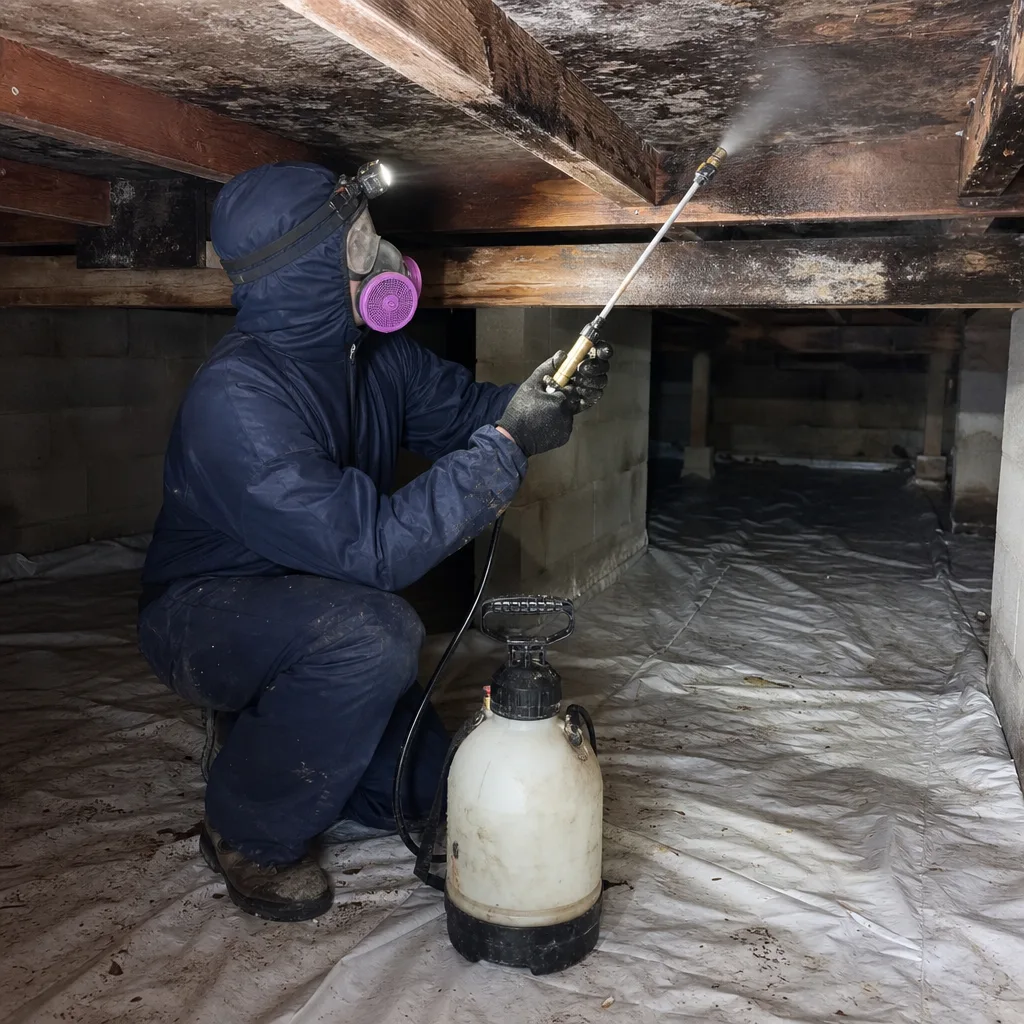
Here’s what mold remediation actually costs in this market:
| Service | Typical Range in West New York |
|---|---|
| Mold Inspection & Testing (single unit) | $350 - $650 |
| Mold Inspection & Testing (multi-floor building) | $800 - $1,400 |
| Mold Removal (single unit, contained) | $1,800 - $3,200 |
| Mold Removal (multi-unit building event) | $4,500 - $8,500 |
| Black Mold Remediation | $2,800 - $6,500 |
| Air Quality Testing & Clearance | $450 - $900 |
| Moisture & Humidity Control System | $1,200 - $2,800 |
What moves the number: square footage of affected material, whether we’re working with plaster/lath or modern drywall, access to shared wall cavities (building manager cooperation), number of units involved, and whether the moisture source is still active. Every job gets a written price before work starts - Haven Standard, Clause 1 - with no scope additions once the crew is inside. We also offer a Free Second Opinion on any competitor’s written estimate.
Call (551) 212-1580 for an exact quote on your specific situation. Estimates are free.
We Also Serve Cities Near West New York
Our crews work throughout Hudson County and beyond, including West New York neighbors: Hoboken, Union City, Jersey City, and Secaucus. Each city’s housing stock and failure patterns are different, and we scope accordingly.
Serving West New York, NJ - Our Local Coverage Area
We’re based in the West New York area and know this community well. Use the map below to see our service coverage - if you’re nearby, we can almost certainly help.
FAQs - Mold Remediation in West New York
Mold can establish visible growth in plaster and lath within 48-72 hours of sustained moisture, but in West New York’s older buildings the real problem is hidden colonization inside wall cavities. Cast iron drain stacks and galvanized supply lines often leak slowly for weeks before anyone sees staining, by which time the mold has spread through multiple floors of framing. We use thermal imaging on every inspection here to find those hidden plumes. Call (551) 212-1580 and we’ll map the full extent before quoting remediation.
Yes. Those materials fail on different timelines than modern PVC and PEX, and their failure mode - slow seepage inside masonry cavities rather than sudden rupture - means mold spreads vertically through multiple units before detection. Our scopes for West New York mid-rises always include moisture mapping of the full stack run, not just the visibly stained area, and we coordinate with building management on access to stacked apartments. The written price covers this full assessment; Haven Standard, Clause 1 applies.
It depends on the source and the building’s insurance structure. If the mold originated from a common element like a cast iron drain stack or galvanized riser, the building’s master policy often covers remediation in affected units. If the source was within a single unit’s fixtures or appliances, that tenant’s or owner’s policy may apply. Our documentation - photo records, moisture logs, and written scopes - is built specifically to help adjusters and building managers sort this out without dispute. We do not determine coverage; we produce the evidence that lets others do so accurately.
Sometimes. We use Injectidry panel systems and targeted air delivery to dry plaster assemblies without full tear-out when the plaster is intact and the lath hasn’t begun delaminating. The key is reaching dry standard - typically below 16% moisture content for wood framing, documented with calibrated pin meters - before closing cavities. In West New York’s oldest rowhouses, plaster that’s already suffered multiple wet-dry cycles often requires removal. We assess and document both options in the written scope, with prices for each, before you decide.
It does. Foundation-level units in the blocks nearest the Hudson still show elevated vapor drive through basement walls, especially after heavy rains or nor’easter storm surge. Standard mold remediation without addressing this ongoing moisture source fails - we’ve seen it. Our scopes for these properties include foundation moisture assessment and, where indicated, vapor barrier or dehumidification system recommendations. The 2012 flood history is part of the building’s condition; we account for it in our drying plans.
Ready to stop mold from spreading through your building? Call (551) 212-1580 now. A live person will answer, 24 hours a day, 7 days a week. We’ll schedule a free inspection, deliver a written price before any work starts, and document every step for your insurance file.
Written by Alicia Brennan, Owner at Back to Dry Restoration, serving West New York and Hudson County since 2011.
Mold Remediation in Nearby Areas