
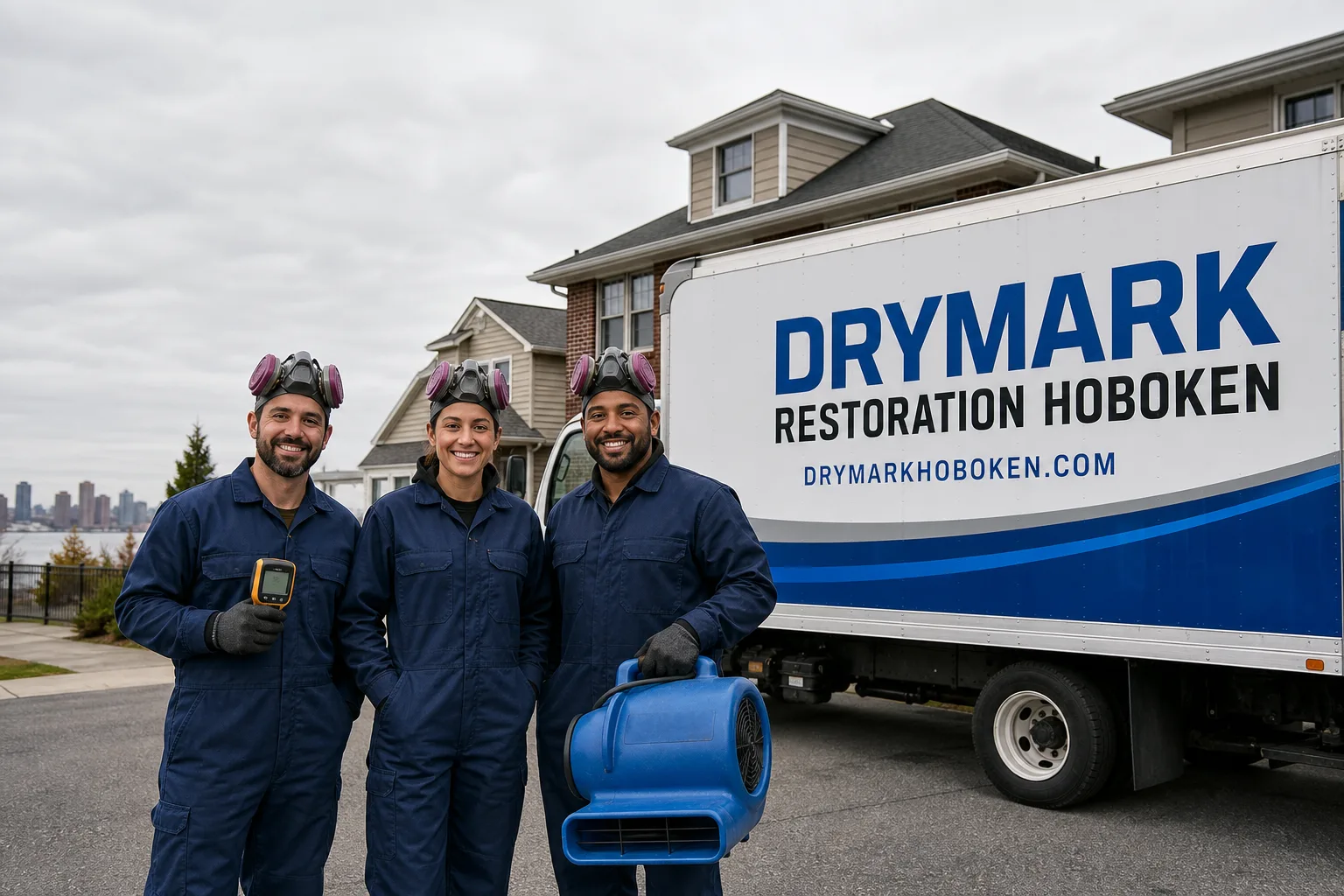
Free visual inspection and a written scope of work before any mitigation begins - photos, moisture readings, and drying logs go in your claim file
The scope we write is the scope we bill. Anything new gets shown to you, in writing, before we touch it.
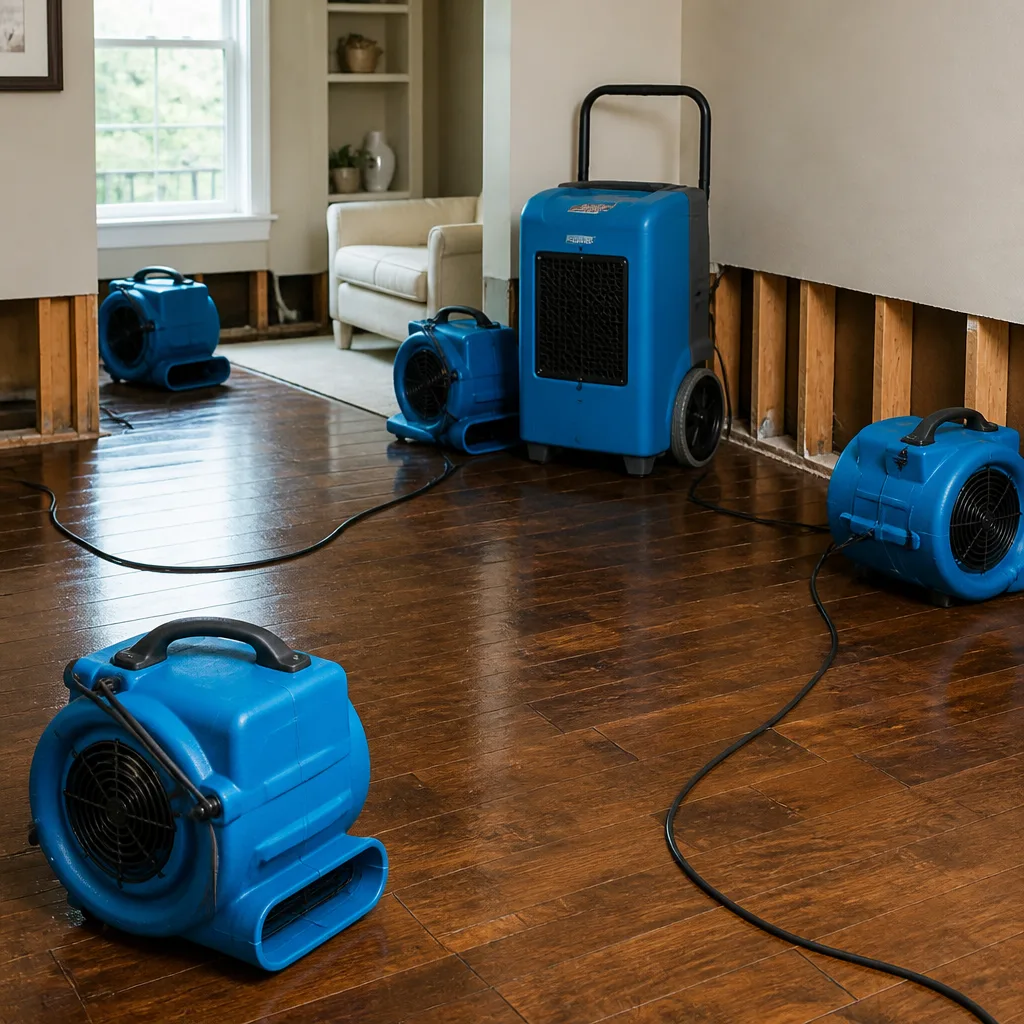
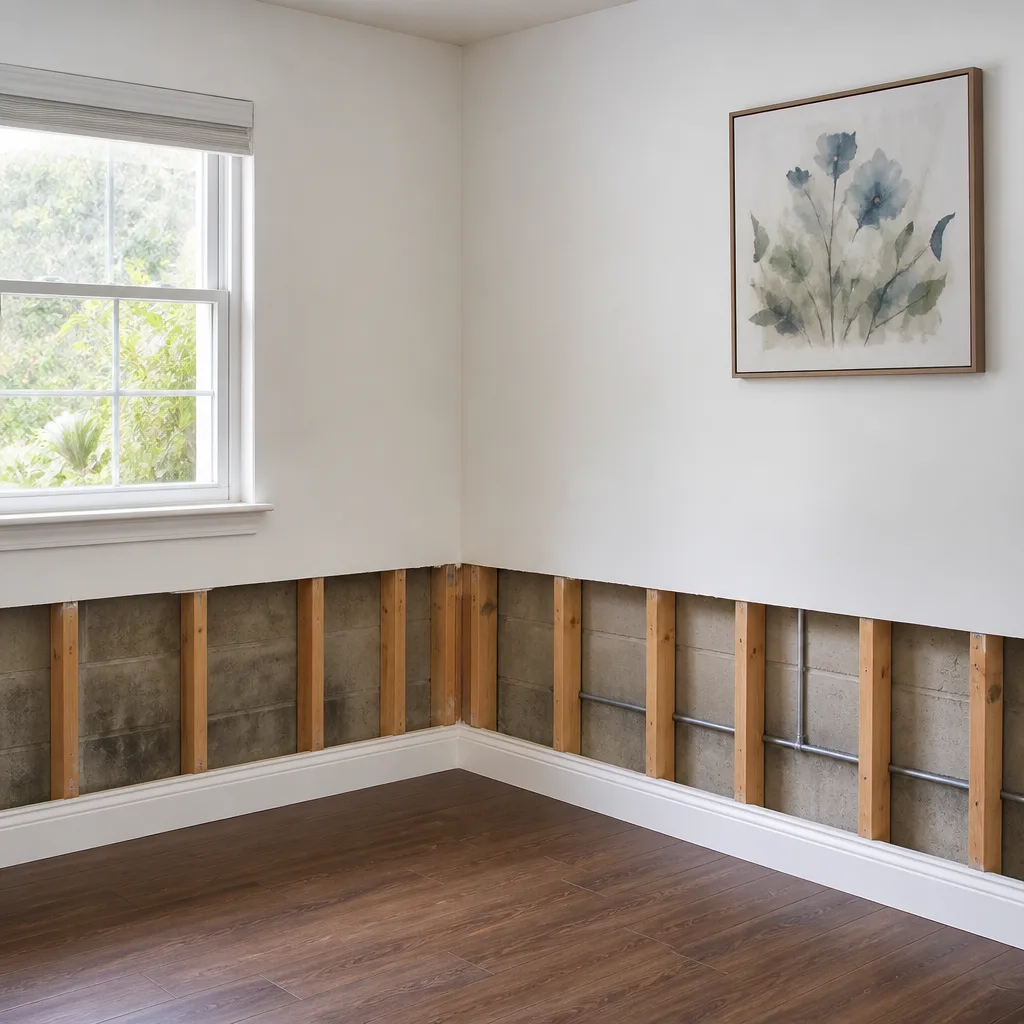
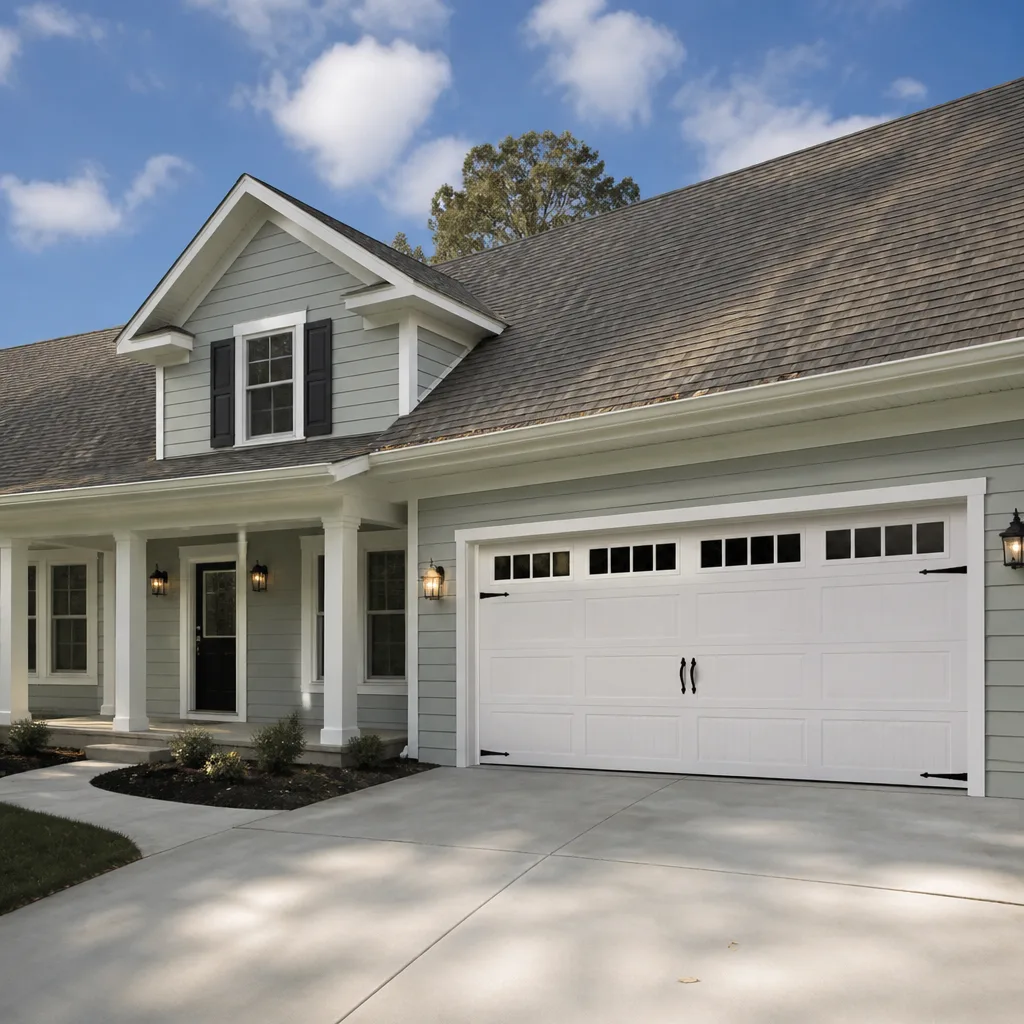
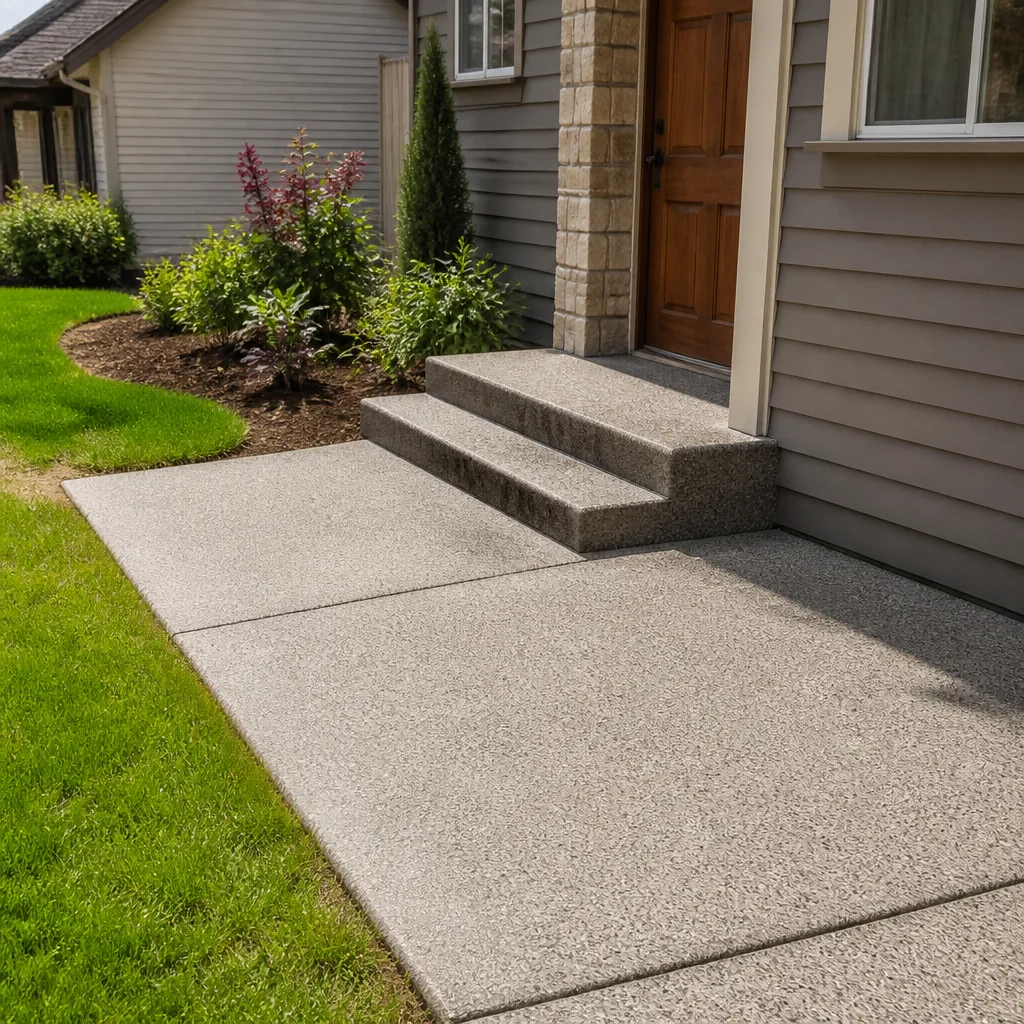
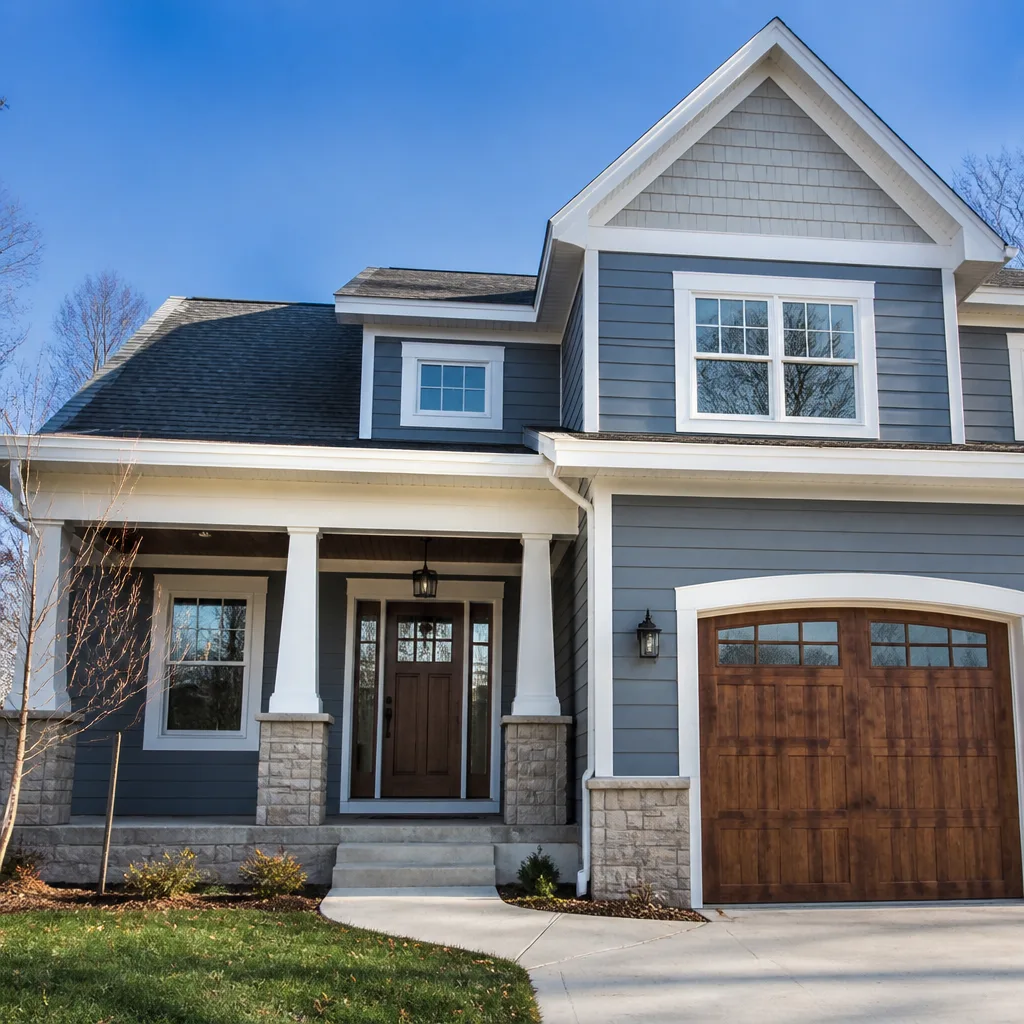
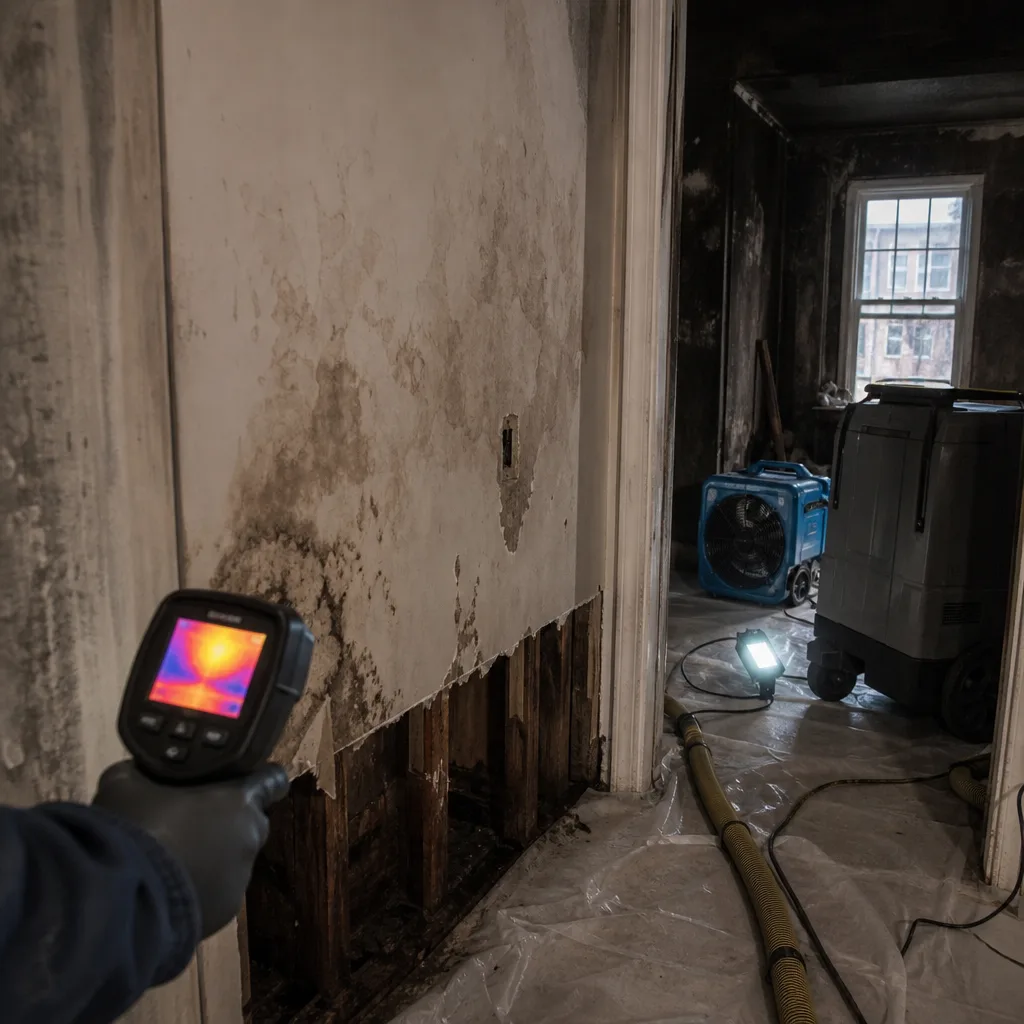 Before
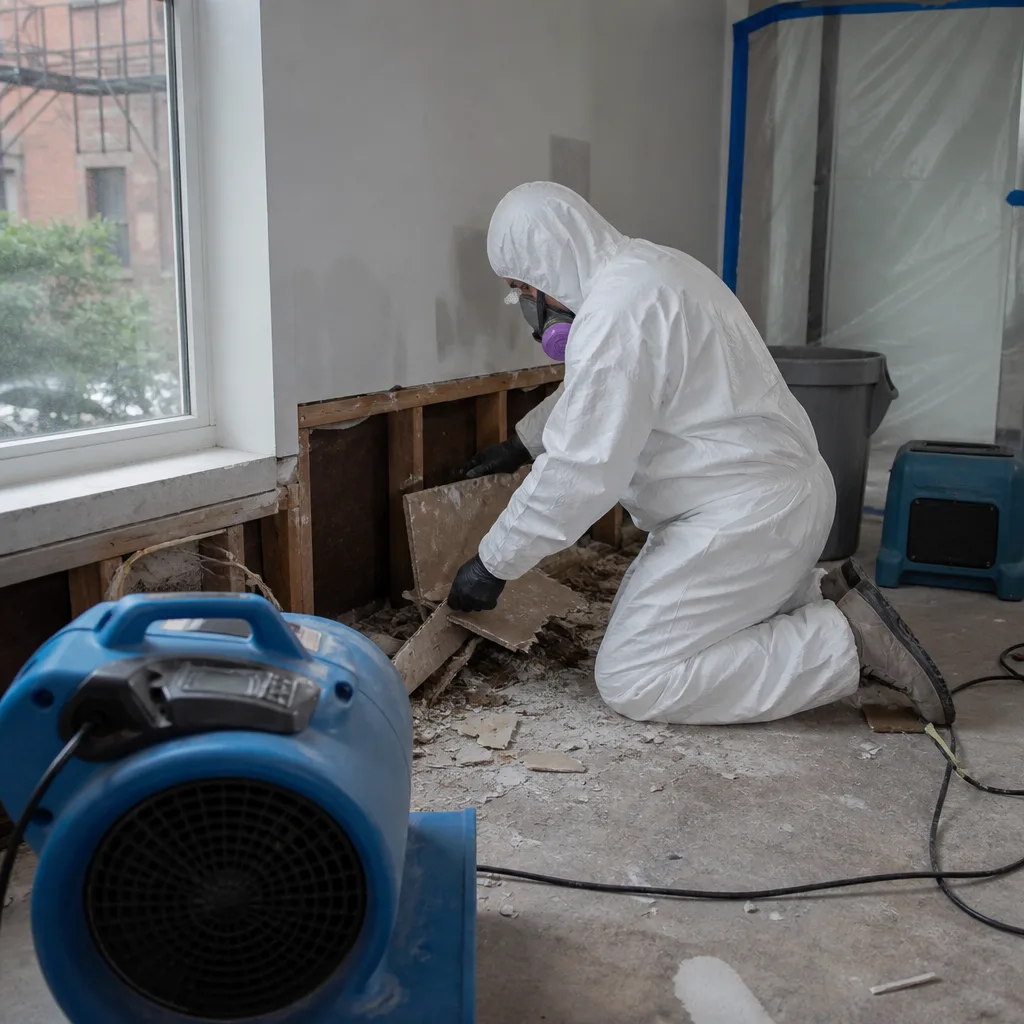 After
After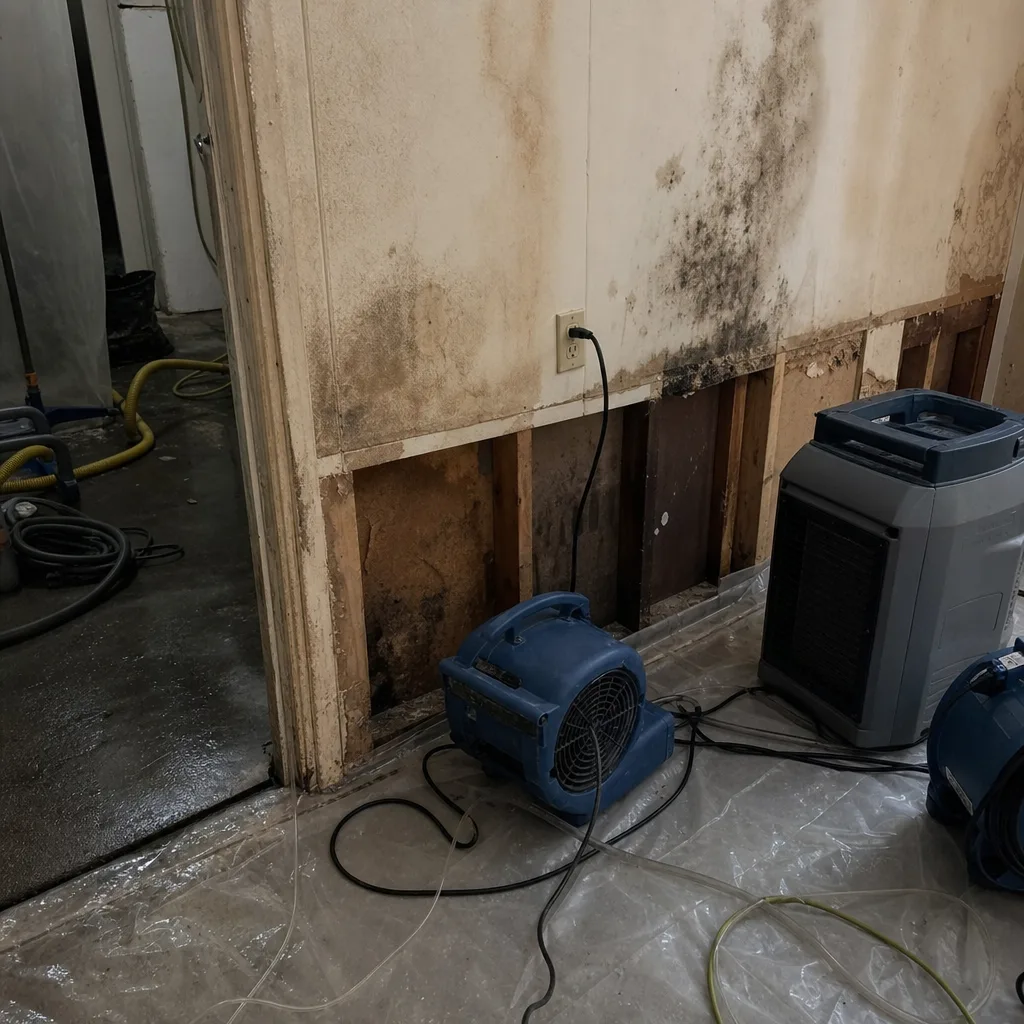 Before
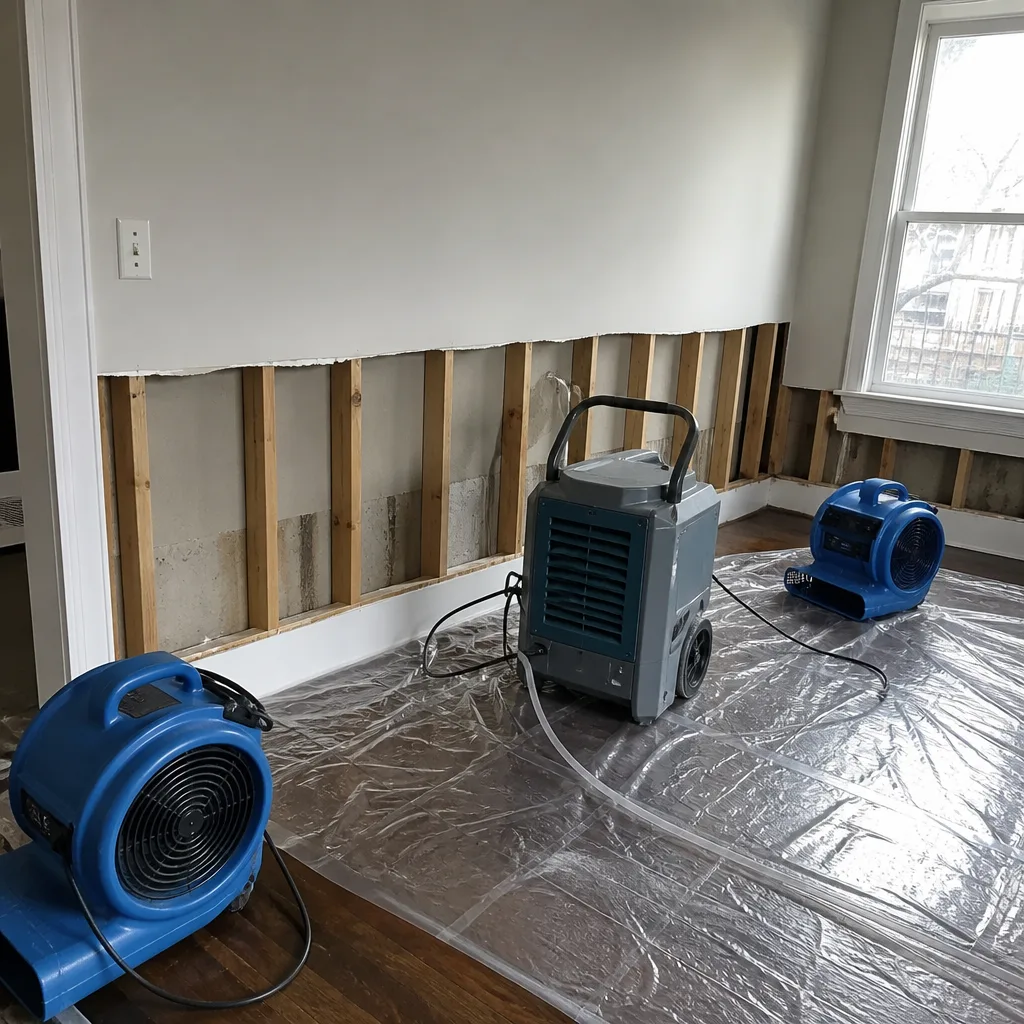 After
After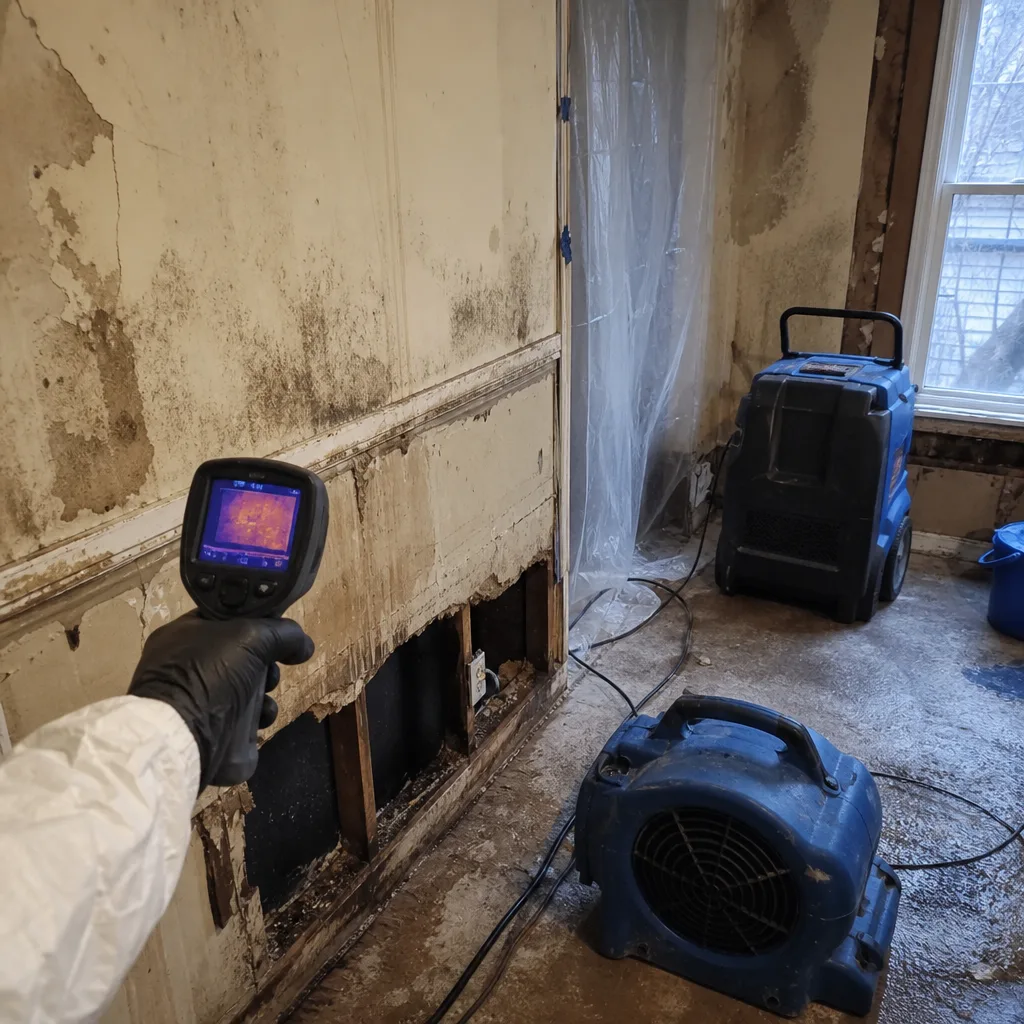 Before
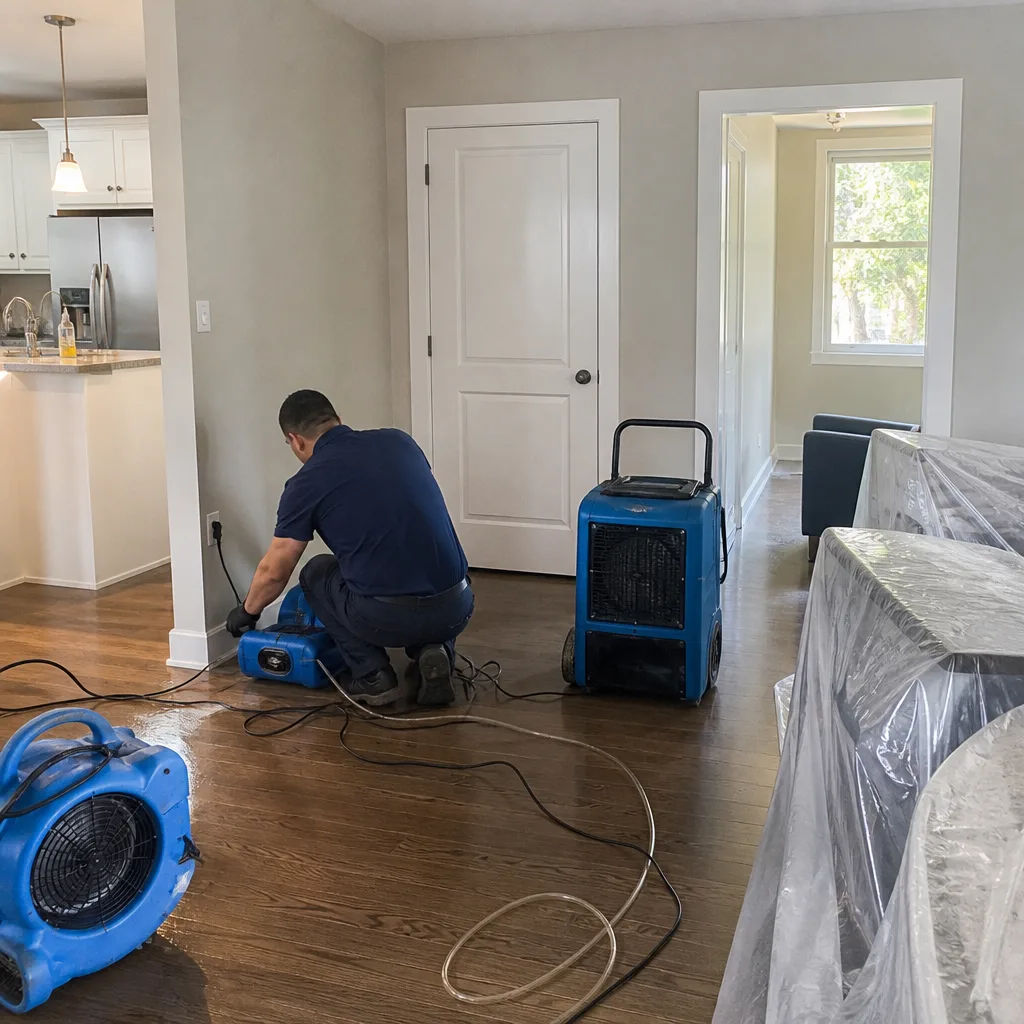 After
AfterFast, Reliable Fire & Smoke Damage Restoration Across Long Island City
Fire damage restoration in Long Island City typically runs $4,200-$18,500 depending on whether you’re in a converted industrial loft or a glass-curtain high-rise, and our crews are on-site to Hunters Point, Dutch Kills, and the Queensboro Plaza corridor within 90 minutes of your call. We’re the Fire & Smoke Damage Restoration team that Long Island City property managers and homeowners have learned to call first, because we’ve documented enough jobs in this neighborhood to know where the hidden damage lives. Call (551) 212-1580 - a live person answers, 24 hours a day, 7 days a week.
Why DryMark Restoration Hoboken Is Long Island City’s Preferred Fire & Smoke Damage Restoration Company
We’ve restored fire-damaged properties across Long Island City since 2011, from the converted warehouse lofts near the Pulaski Bridge to the luxury towers along Center Boulevard. Our crew knows the difference between a 1920s cast-iron stack in Dutch Kills and a modern high-rise fire suppression system in a 2019 building - and we document both accordingly.
Homeowners here leave reviews that mention the same thing: we found what their first estimate missed. That reputation comes from moisture mapping, written scopes delivered before work starts, and photo records that adjusters actually pay without dispute.
Response time to Long Island City averages under 90 minutes for emergency board-up and tarping. Dispatch is coordinated from our New York City office, but crews are already working in Queens on most days.
Our familiarity with Long Island City’s specific building types - unbarriered concrete slabs, shared HVAC stacks, FEMA AE flood zones - means we don’t waste your first visit figuring out what kind of property you own. We already know.
Our Fire & Smoke Damage Restoration Services in Long Island City
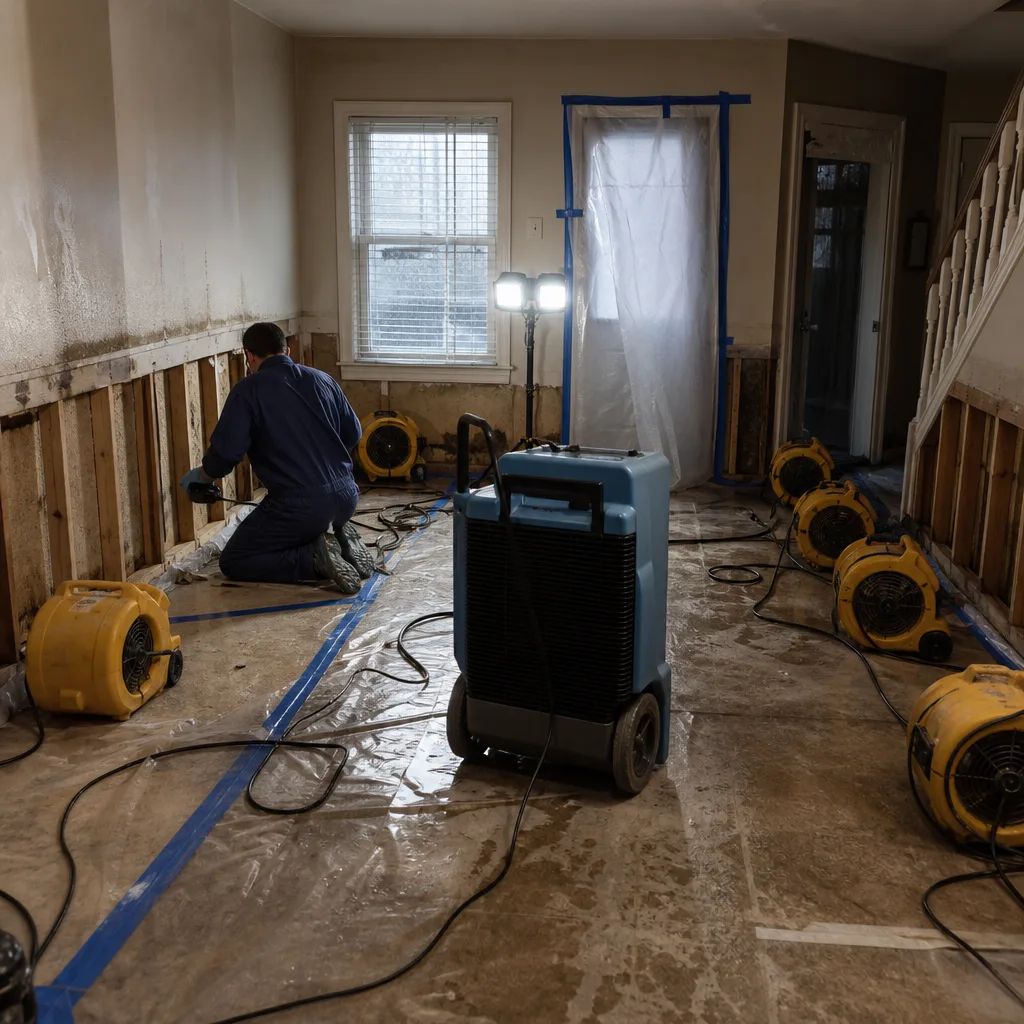
Fire Damage Cleanup
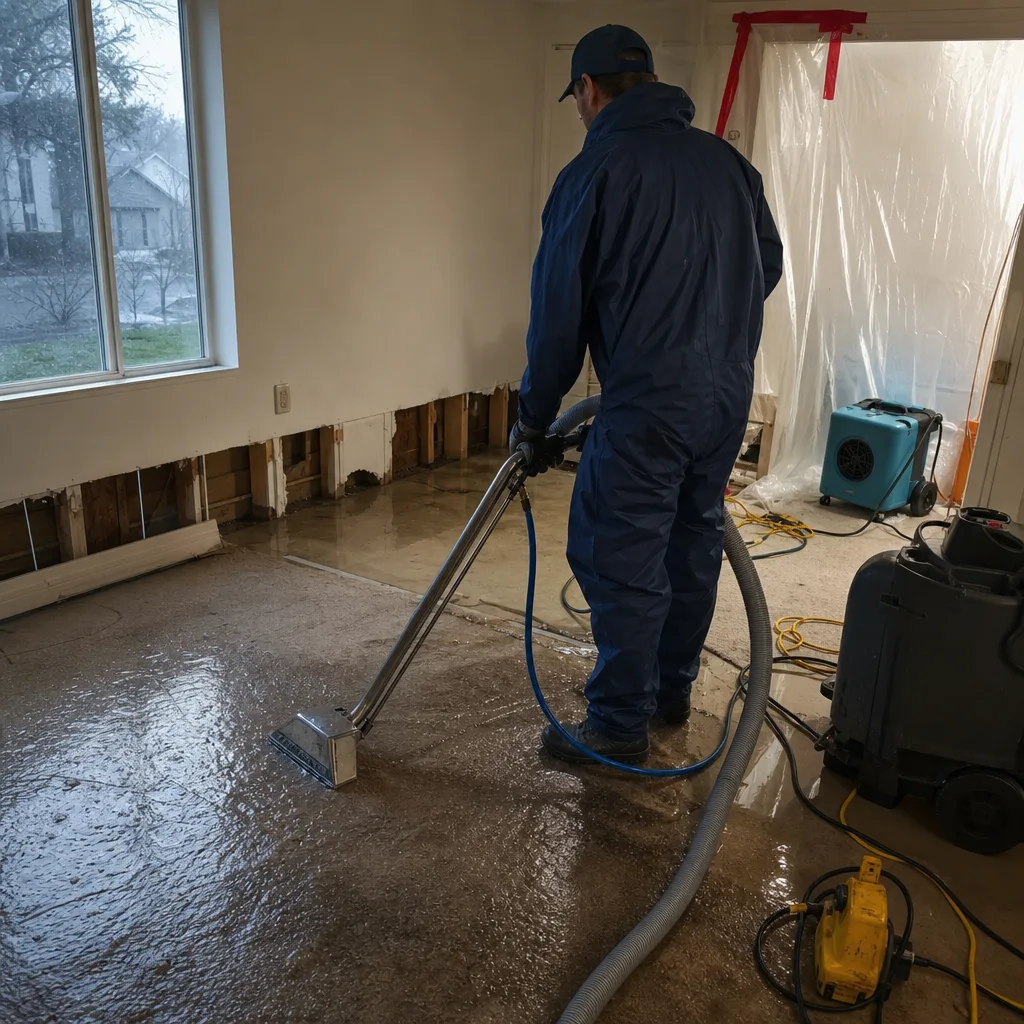
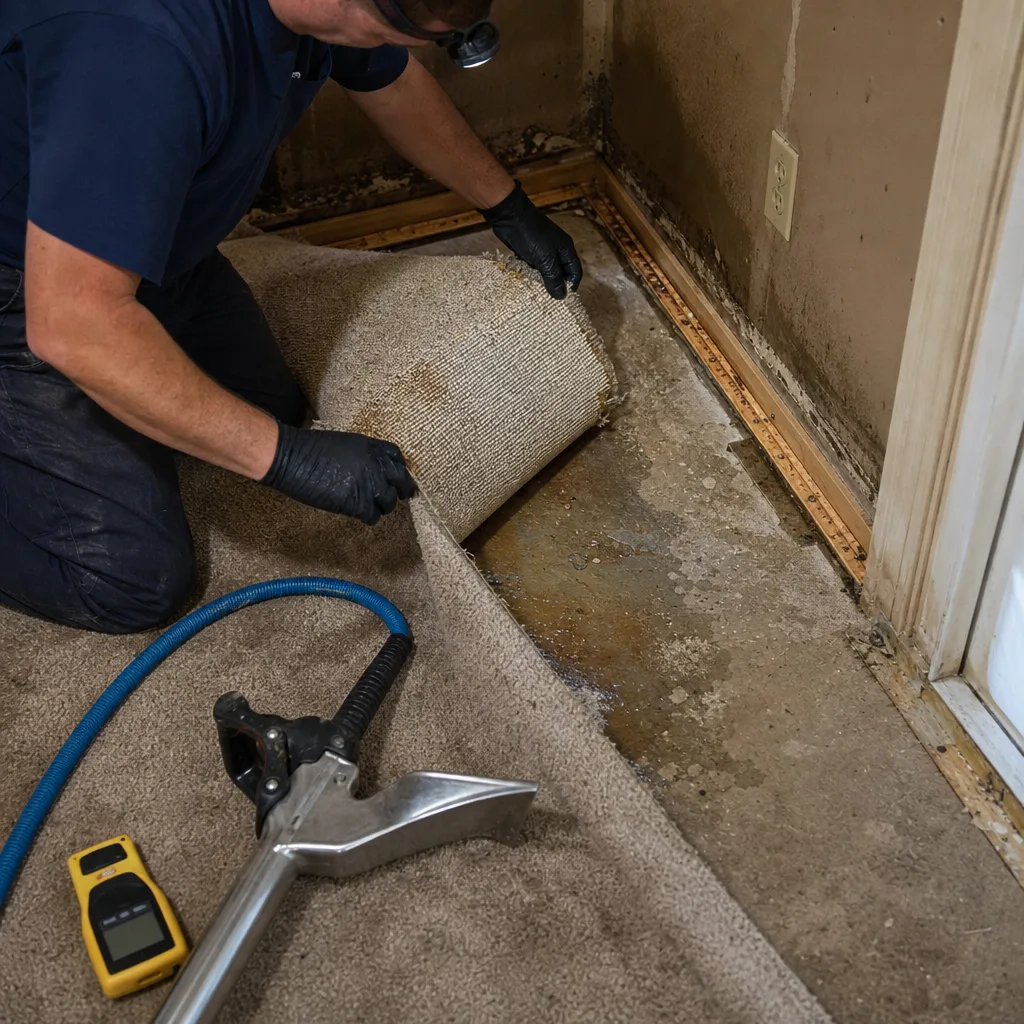
Fire damage cleanup in Long Island City starts with understanding what burned and what got wet putting it out. In the converted industrial lofts of Hunters Point and Dutch Kills, that means mapping moisture through original poured-concrete slabs that were never built with residential vapor barriers. We’ve seen suppression water wick 15 feet laterally from a kitchen fire’s origin point, turning a localized cleanup into a slab-drying and antimicrobial job that adjusters initially resist. Our fire damage cleanup includes debris removal, structural assessment, moisture mapping with documented readings, and a written scope before any demolition begins - Haven Standard, Clause 1.
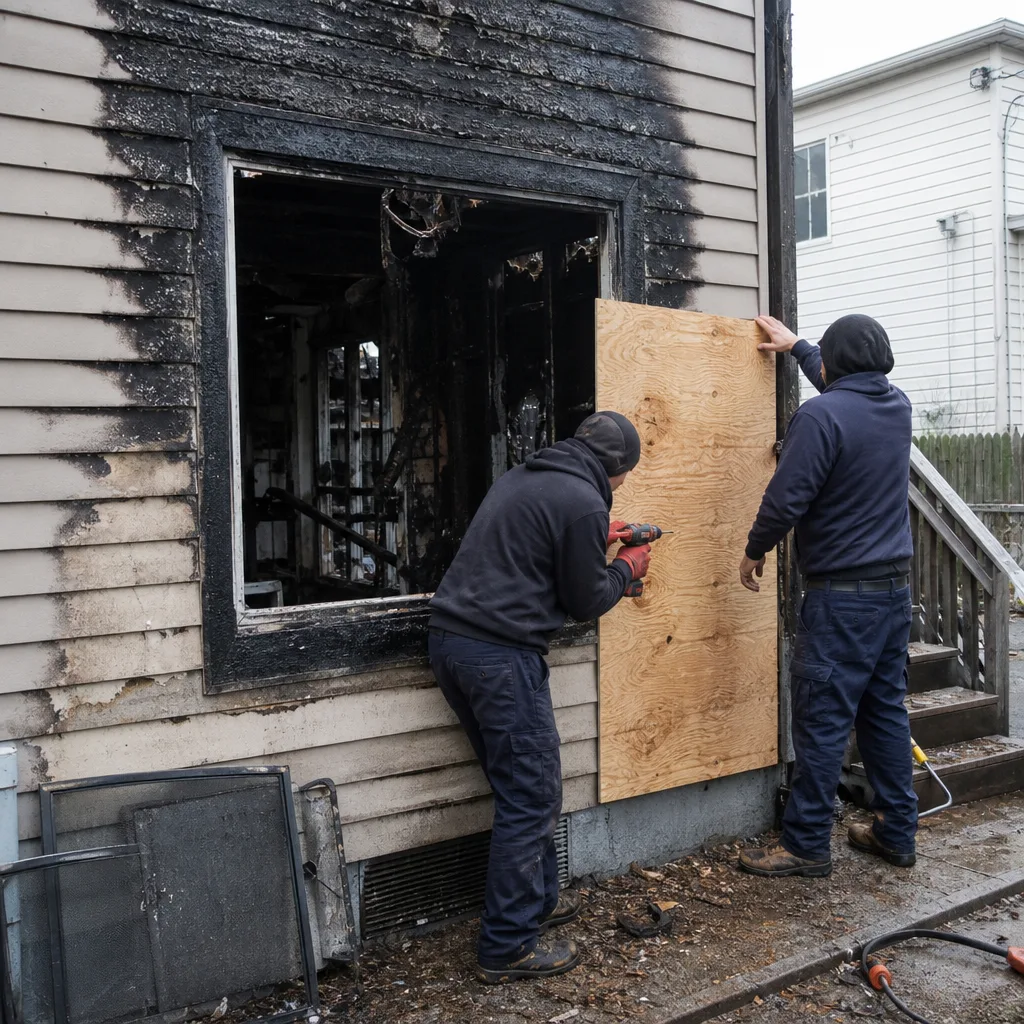
Smoke & Soot Removal
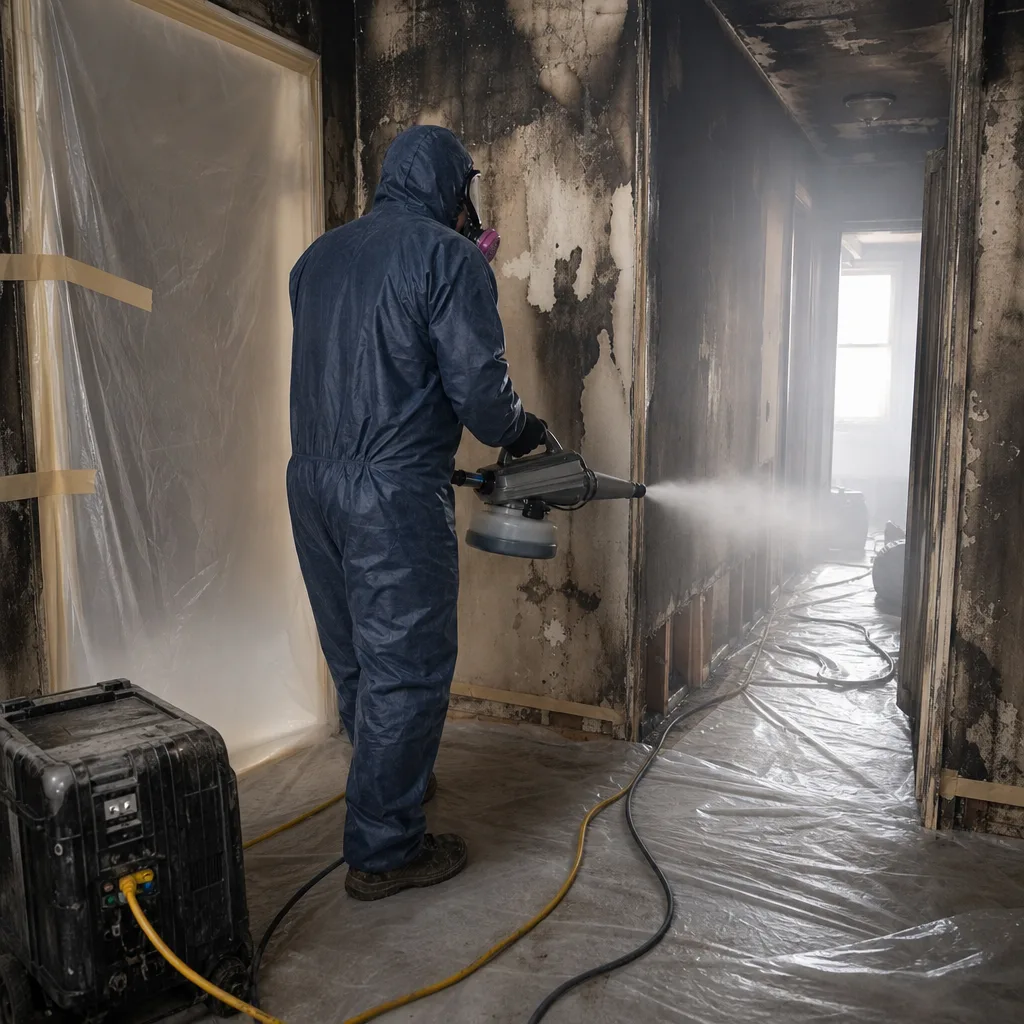
Smoke and soot behave differently in Long Island City’s two dominant housing types. In converted lofts with original brick walls and exposed cast-iron columns, porous masonry absorbs odor compounds that standard surface cleaning won’t touch. In glass-curtain high-rises, smoke travels through shared HVAC risers and stairwell pressurization systems, contaminating units far from the fire’s origin. Our smoke and soot removal uses HEPA vacuuming, dry-ice blasting on sensitive historic surfaces, and thermal fogging or ozone treatment sized to the actual cubic volume affected - not just the unit where the fire started. We document every treated surface with pre- and post-cleaning photos.
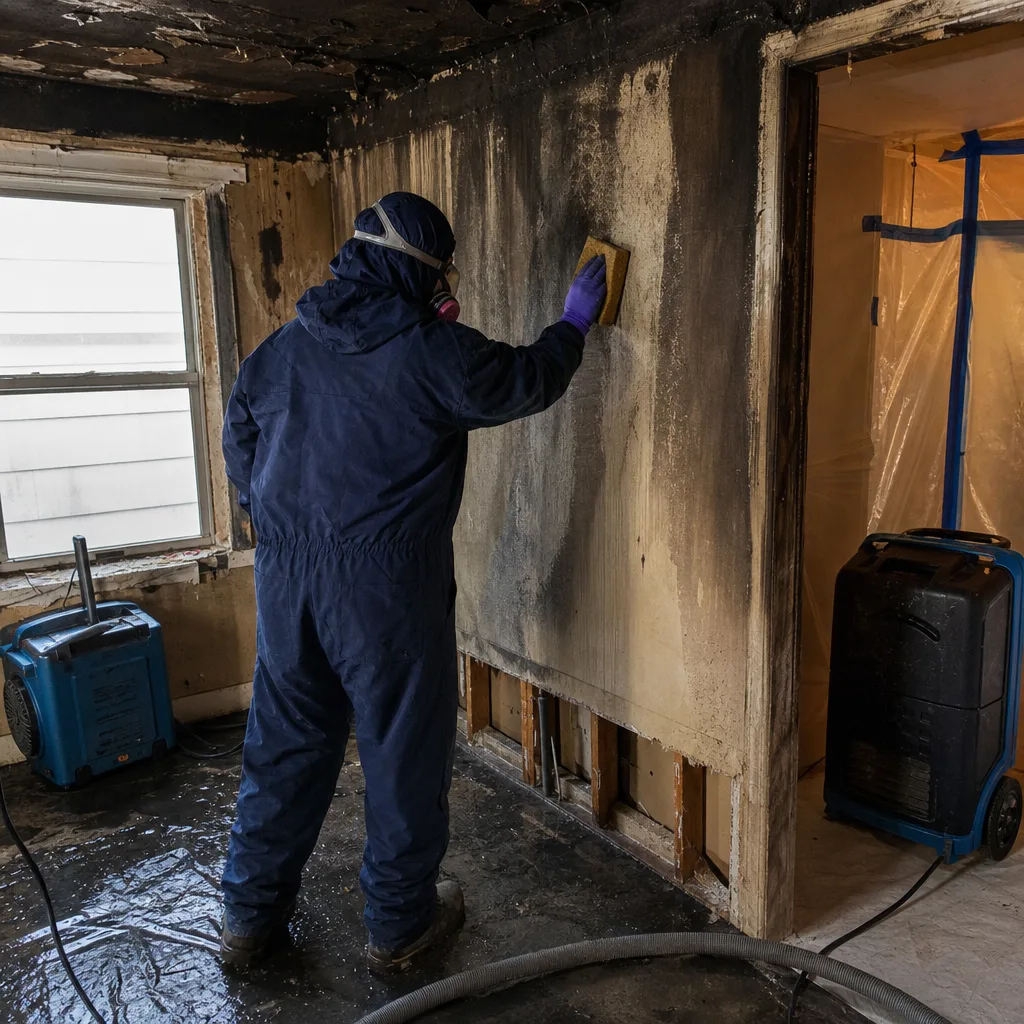
Odor Removal & Deodorization
Odor removal in Long Island City lofts presents a specific challenge: original brick and cast-iron architectural details are often the reason people bought the unit, but they’re also odor sinks. Standard masking agents fail within days. Our deodorization protocol for LIC’s historic industrial buildings combines vapor-phase oxidation, sealed-surface encapsulation on irreplaceable ironwork, and controlled thermal processing that reaches into mortar joints without damaging the finish. For high-rise stack deodorization, we map airflow patterns through the building’s mechanical systems and treat each affected zone with documentation that satisfies both the property manager and the insurance carrier.
Contents Cleaning & Pack-Out
Contents pack-out in Long Island City often involves high-value items in relatively compact spaces - the loft aesthetic tends toward fewer, better pieces. We inventory, photograph, and clean on-site when possible, or transport to our facility for ultrasonic, ozone, or specialized textile cleaning. Every item is barcoded and tracked. The photo record is included as standard, never an upsell.
Emergency Board-Up & Tarping
Emergency board-up and tarping is our fastest-response service in Long Island City, typically arriving within 90 minutes. In FEMA AE waterfront zones, we also assess whether firefighting water has mixed with residual flood or salt intrusion from previous storm events - this changes the contamination category and the required documentation. Our board-up includes temporary weatherproofing, security measures, and a written condition report with photos for your adjuster.
Structural Fire Repair
Structural repair in Long Island City requires matching two very different aesthetics: the raw industrial character of converted lofts and the refined finishes of luxury high-rises. We rebuild to documented specifications, with written material approvals before procurement. The 365-Day Done Right Promise applies to all structural work - if it’s not right, we make it right, in writing under The Haven Standard.
What happens when you call
- 1
A real person answersNo phone trees - you reach a local pro.
- 2
You get an upfront price rangeHonest numbers before anyone is dispatched.
- 3
A background-checked tech heads outLicensed & insured, dispatched right away.
- 4
You approve before work beginsNothing starts until you say go.
BeforeAfterTrusted Brands We Service in Long Island City
Our equipment fleet includes Phoenix desiccant dehumidifiers, XPOWER air scrubbers, and Injectidry cavity drying systems - the same units we deployed on the Hunters Point loft job where suppression water had migrated through an unbarriered slab. We stock HEPA filtration media, antimicrobial formulations rated for Category 3 water, and odor-neutralizing compounds specific to protein fires and synthetic combustion byproducts. For Long Island City customers, this means no waiting on specialty parts while your claim clock runs.
Common Fire & Smoke Damage Restoration Problems We See in Long Island City Homes
- Unbarriered slab wicking in Hunters Point and Dutch Kills lofts. Original poured-concrete floors lack vapor barriers, so moisture from suppression water moves laterally beneath finished surfaces. Crews who scope only the visible char miss active mold growth that blooms within 48 hours, creating liability and billing disputes months later.
- High-rise smoke stack contamination. A single-unit fire in a glass-curtain tower sends smoke through shared HVAC returns and stairwell pressurization systems. Deodorizing only the unit of origin leaves corridor and stack odor that residents notice immediately and adjusters dispute later.
- Category misclassification in FEMA AE waterfront zones. Firefighting water that mixes with pre-existing flood or salt intrusion from storm surge is Category 3, not Category 1. Adjusters who miss this under-price containment, disposal, and antimicrobial treatment - and we document why the higher classification is justified.
- Historic material sensitivity in converted industrial buildings. Original brick, cast-iron columns, and heart-pine beams require cleaning methods that don’t etch, discolor, or compromise patina. Standard abrasive or alkaline cleaning destroys the architectural character that defines these spaces.
Pricing for Fire & Smoke Damage Restoration in Long Island City, NY
| Service | Typical Range in Long Island City |
|---|---|
| Emergency board-up & tarping | $850-$2,400 |
| Smoke & soot removal (single loft unit) | $3,200-$7,800 |
| Odor removal & deodorization (high-rise stack) | $4,500-$12,000 |
| Contents cleaning & pack-out | $2,800-$8,500 |
| Structural fire repair (per affected room) | $8,500-$24,000 |
| Full-scope restoration (loft with slab drying) | $18,500-$65,000 |
What moves a Long Island City job toward the higher end: unbarriered slab moisture requiring Injectidry cavity drying, high-rise stack deodorization across multiple units, Category 3 water classification from flood mixing, and historic material preservation requiring specialized cleaning. What keeps costs controlled: early moisture mapping that prevents scope expansion, accurate contamination classification from day one, and a written price before work starts - Haven Standard, Clause 1, every time. Call (551) 212-1580 for a free written estimate; we also provide free second opinions on any competitor’s written quote.
We Also Serve Cities Near Long Island City
Our crews work daily across western Queens and into Manhattan, including Fire & Smoke Damage Restoration in Long Island City and surrounding areas. If you’re in Astoria or Manhattan and need documentation-first fire restoration, the same crew, same equipment, and same written-price guarantee applies.
Serving Long Island City, NY - Our Local Coverage Area
We’re based in the Long Island City area and know this community well. Use the map below to see our service coverage - if you’re nearby, we can almost certainly help.
FAQs - Fire & Smoke Damage Restoration in Long Island City
Because the original poured-concrete slab in your loft has no vapor barrier, suppression water wicks laterally beneath finished floors and drives hidden mold growth that won’t be visible for weeks. We documented this exact scenario on a Vernon Boulevard waterfront job, where moisture mapping read wet 15 feet beyond the burn boundary and daily drying logs proved the true scope to the carrier. Call (551) 212-1580 - estimates are free, and we provide free second opinions on any written estimate.
Yes, if smoke entered the shared HVAC returns or stairwell pressurization system, odor compounds have circulated through multiple units and common areas. Deodorizing only the unit of origin leaves residual contamination that residents detect and adjusters later dispute. We map airflow patterns, test affected spaces, and document the full stack scope in writing before work begins. Call (551) 212-1580 for a written assessment.
We use vapor-phase oxidation and controlled thermal processing that penetrates porous masonry and reaches into mortar joints without etching or discoloring irreplaceable ironwork. Surface masking fails within days; our protocol treats the actual odor sinks and documents pre- and post-cleaning conditions with photos. Call (551) 212-1580 to schedule an evaluation.
It changes the water classification from Category 1 to Category 3, which requires full containment, protective equipment, antimicrobial treatment, and stricter disposal protocols. Long Island City’s waterfront position means this mixing is common after any significant suppression effort, and we document the contamination evidence so adjusters price the job correctly from the start. Call (551) 212-1580 - we’ll assess and document the classification on our first visit.
It’s a room-by-room written document with line-item pricing, material specifications, and a photo record of pre-existing conditions - delivered before any work starts, per Haven Standard, Clause 1. For lofts, it includes slab moisture mapping and drying log protocols. For high-rises, it specifies stack airflow testing and unit-by-unit deodorization. Both include the 365-Day Done Right Promise in writing under The Haven Standard. Call (551) 212-1580 to receive your scope.
Written by Alicia Brennan, Owner at Back to Dry Restoration, serving Long Island City since 2011.