
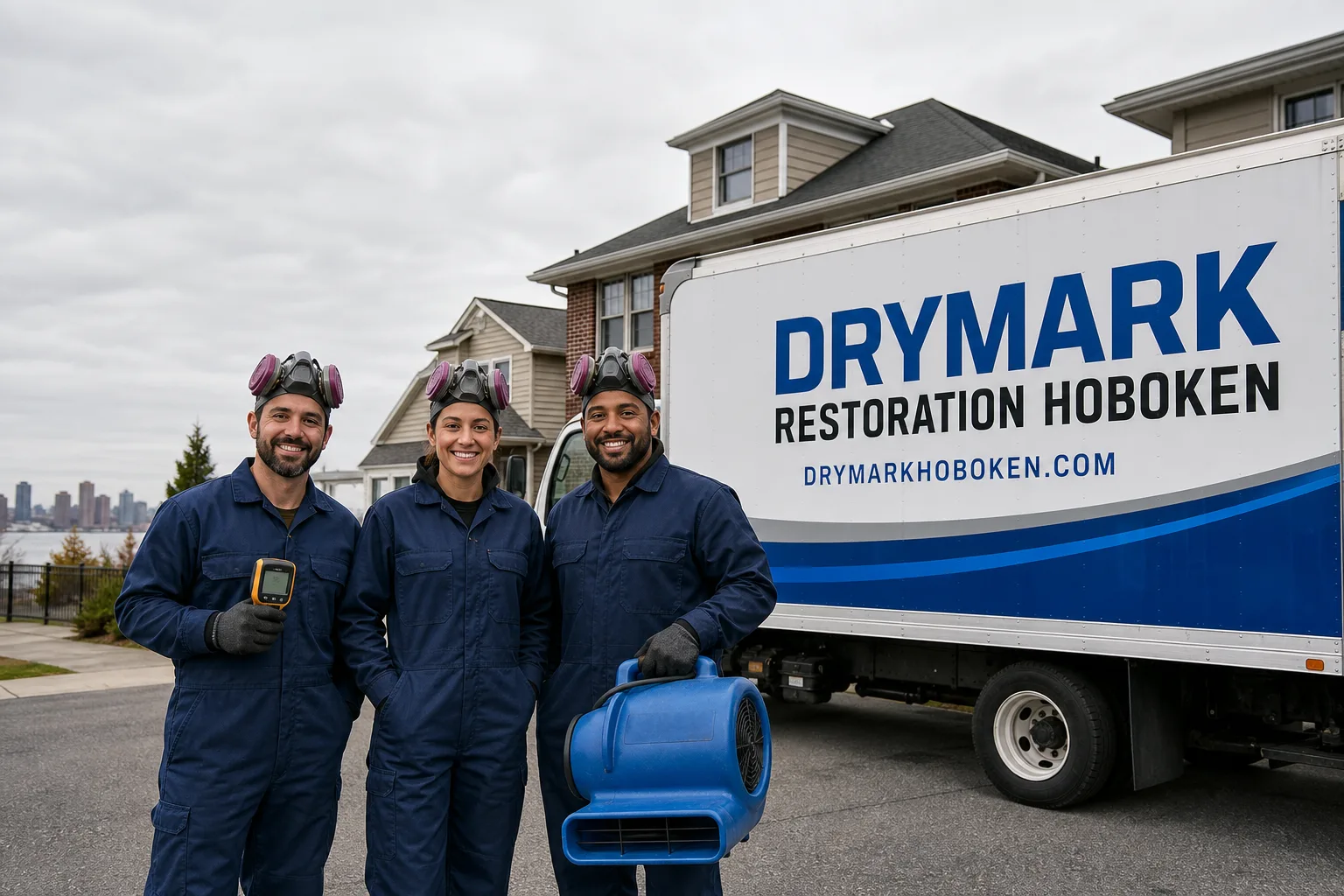
Free visual inspection and a written scope of work before any mitigation begins - photos, moisture readings, and drying logs go in your claim file
The scope we write is the scope we bill. Anything new gets shown to you, in writing, before we touch it.
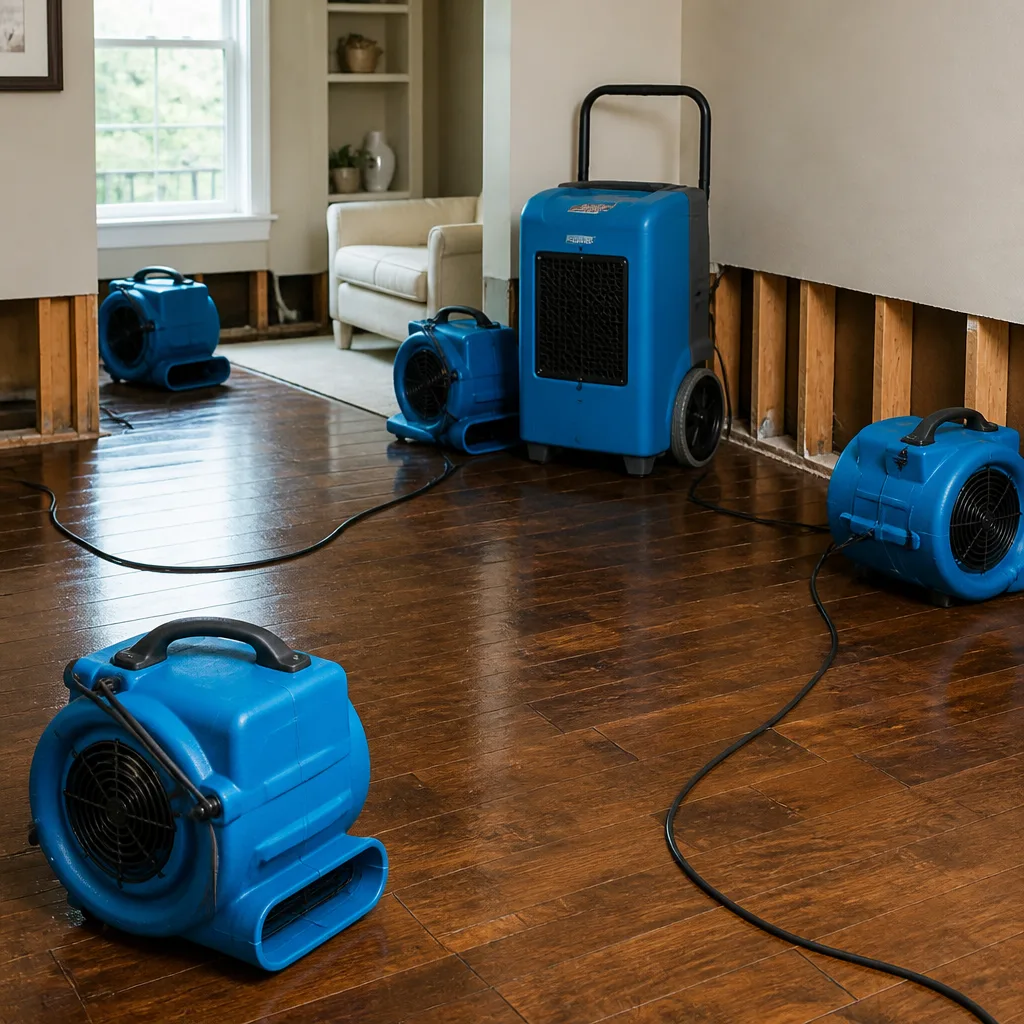
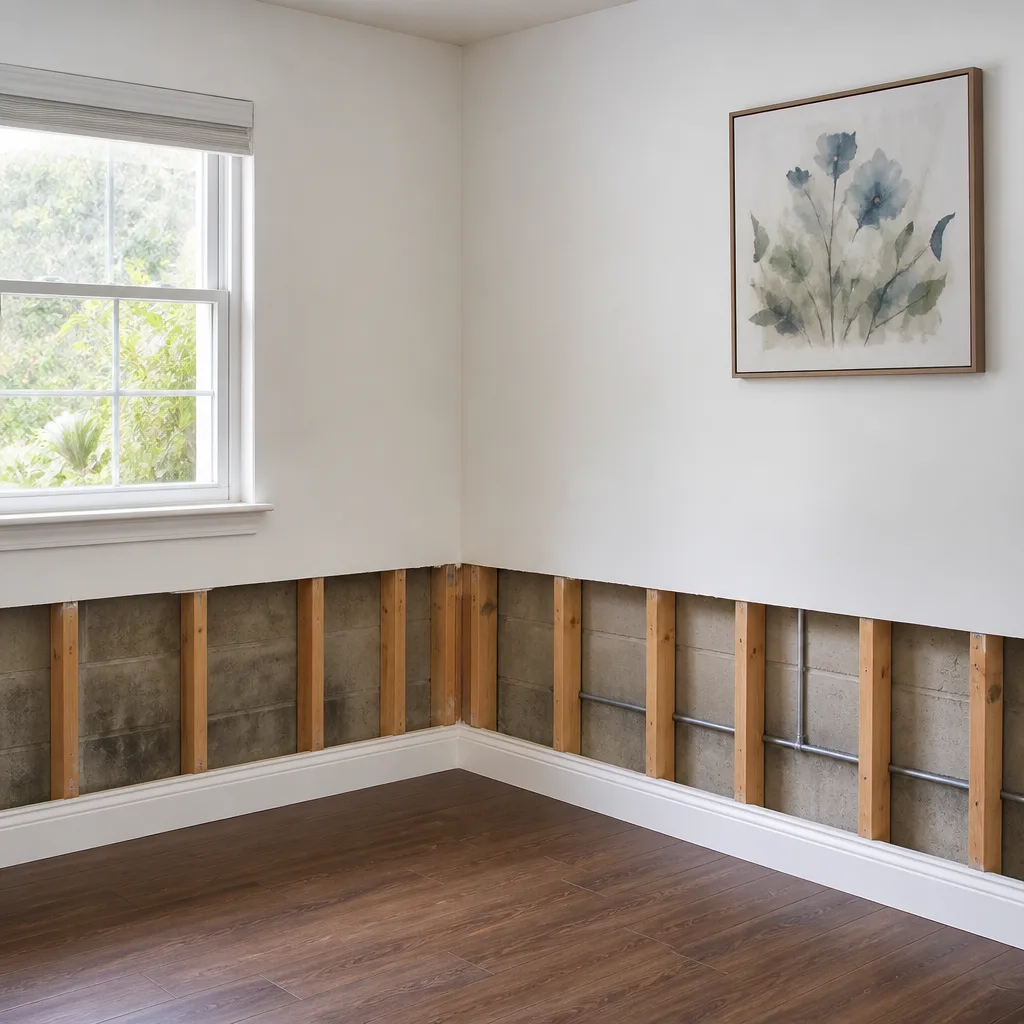
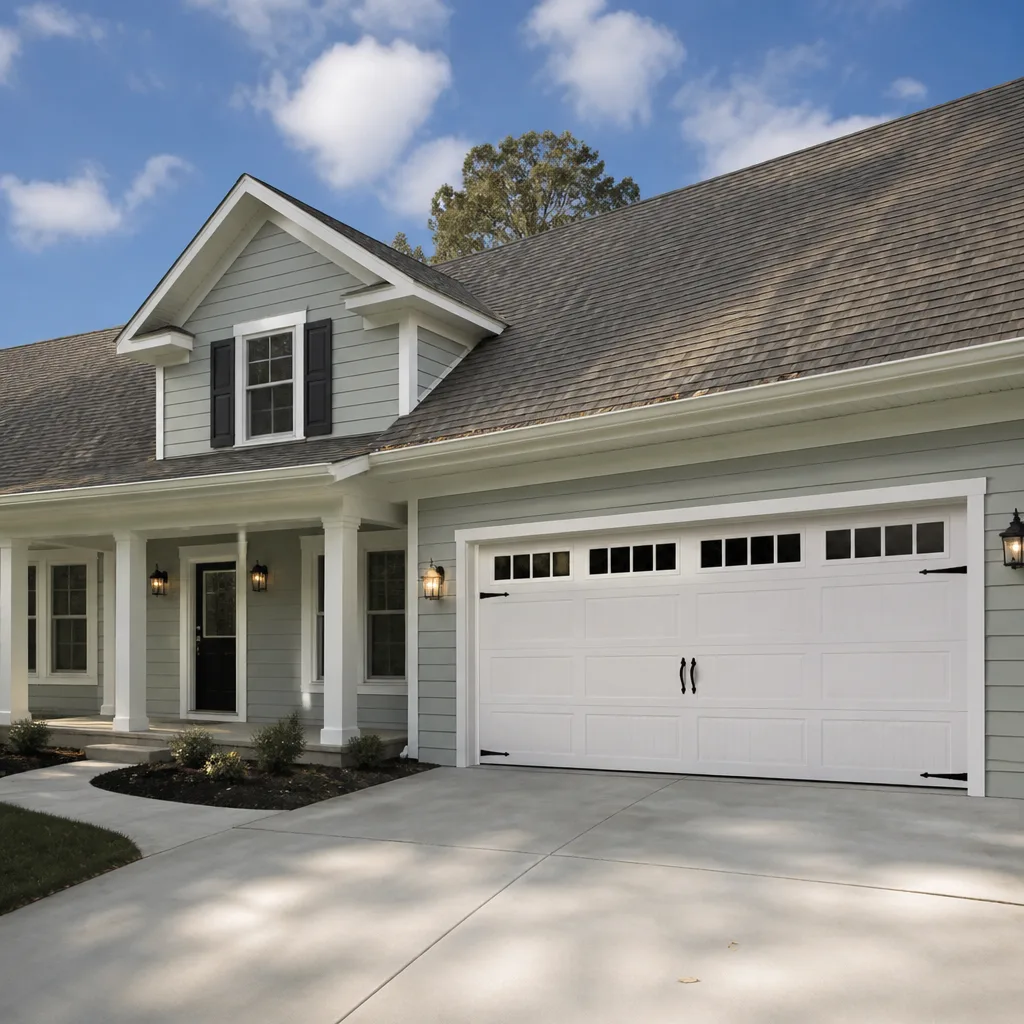
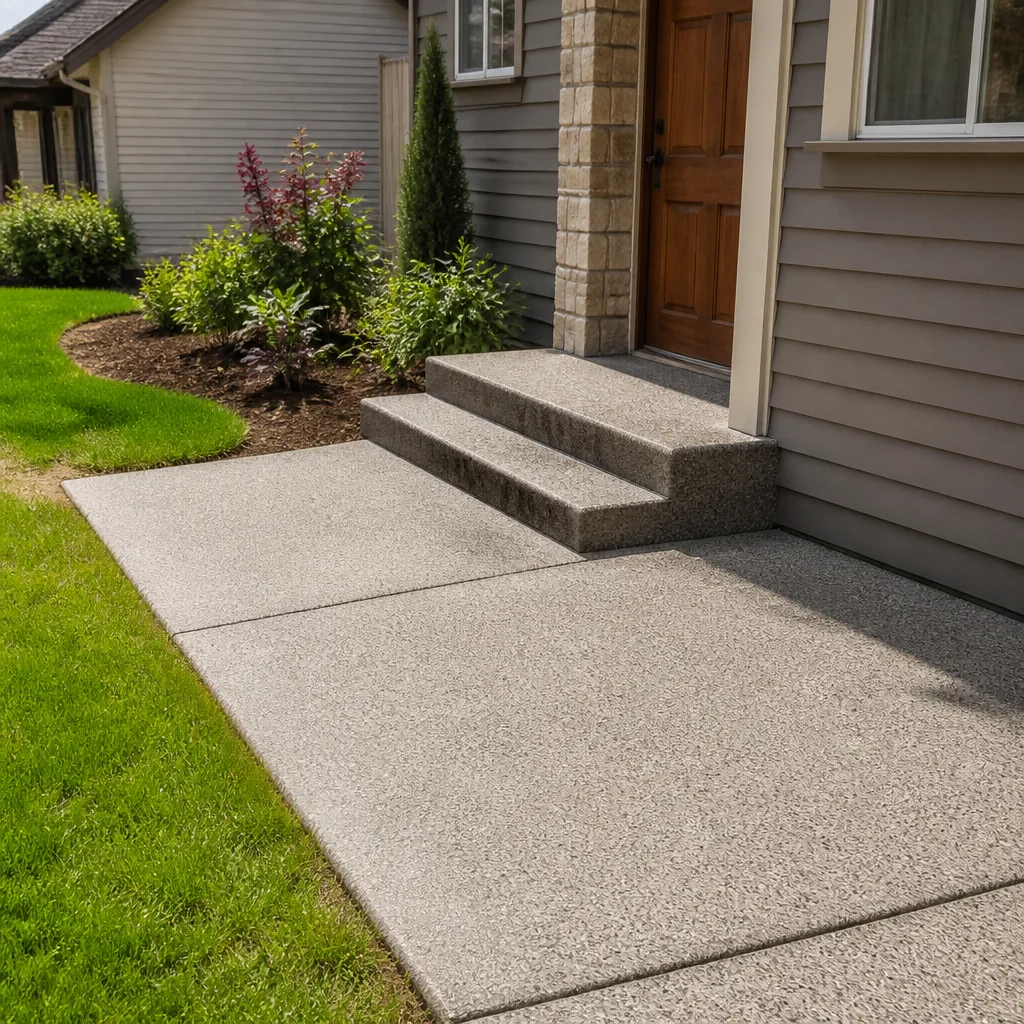
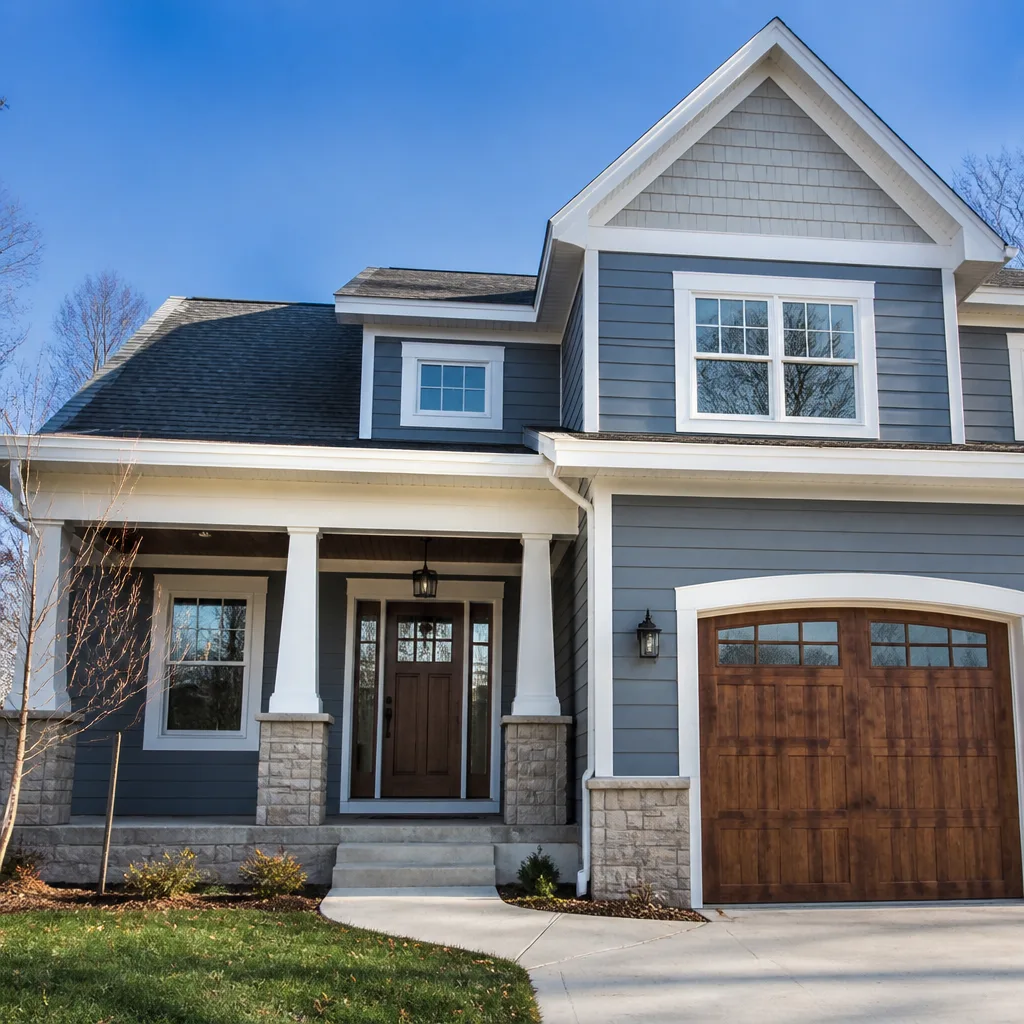
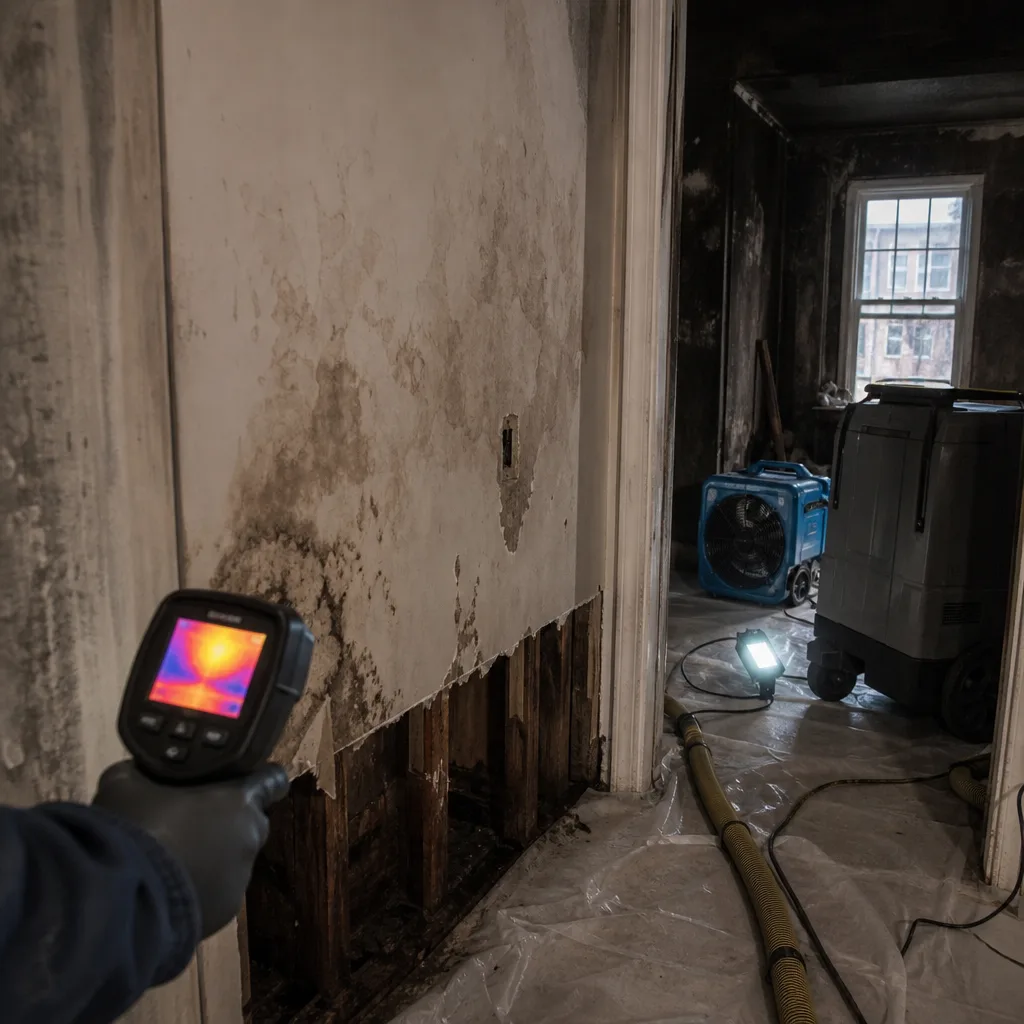 Before
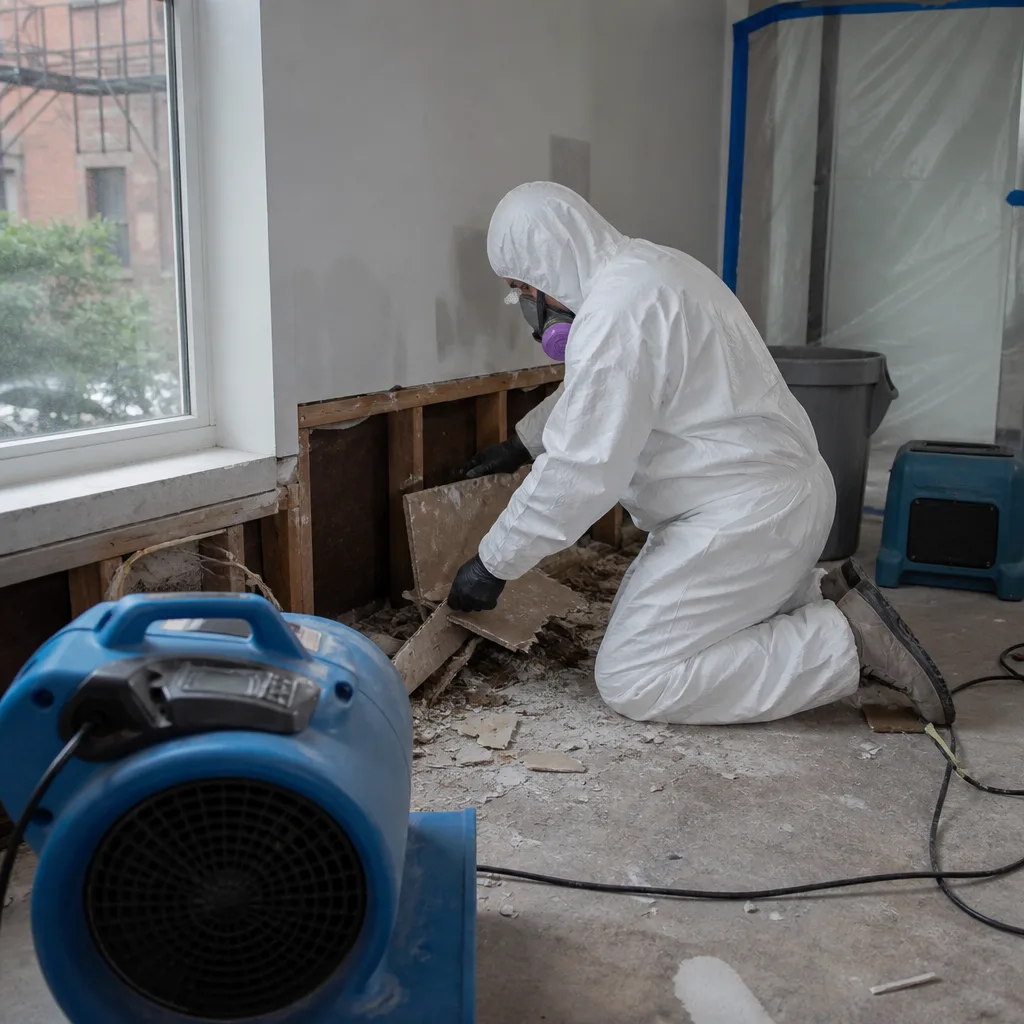 After
After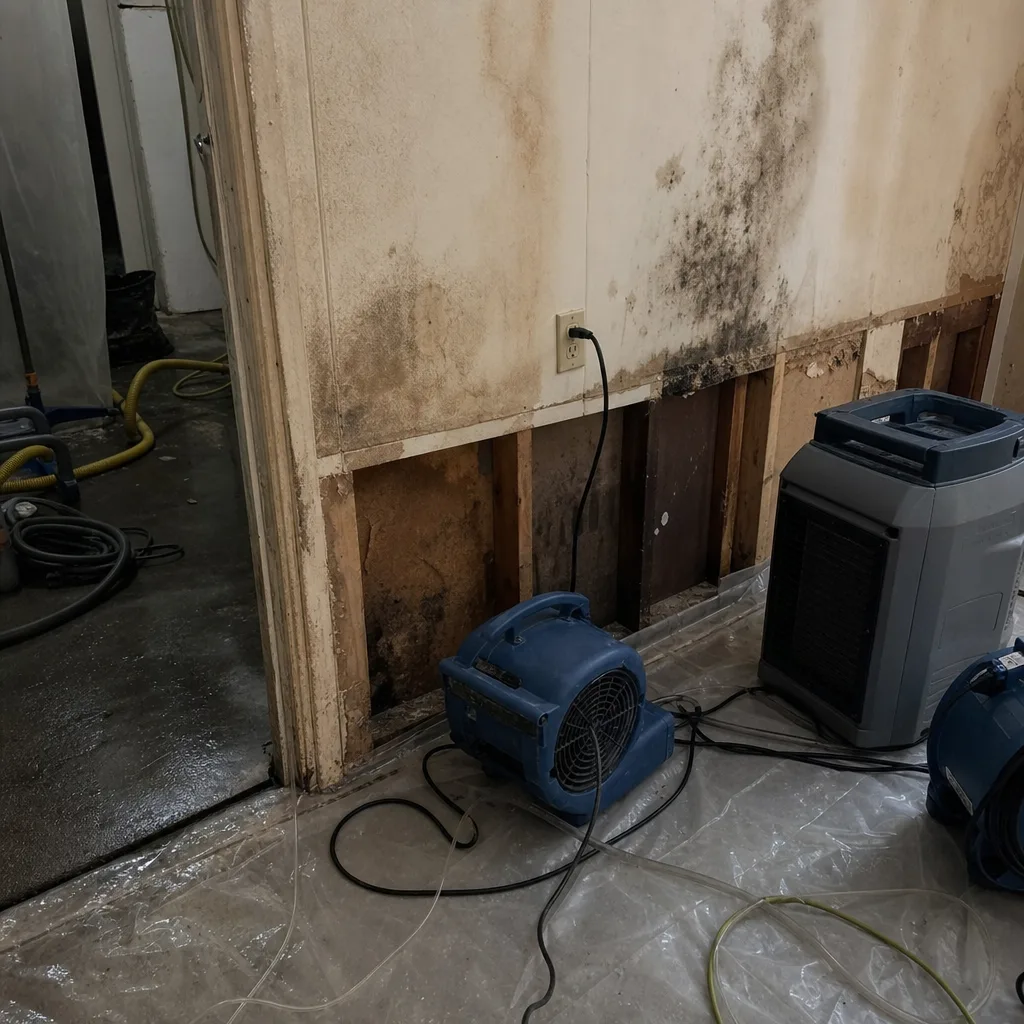 Before
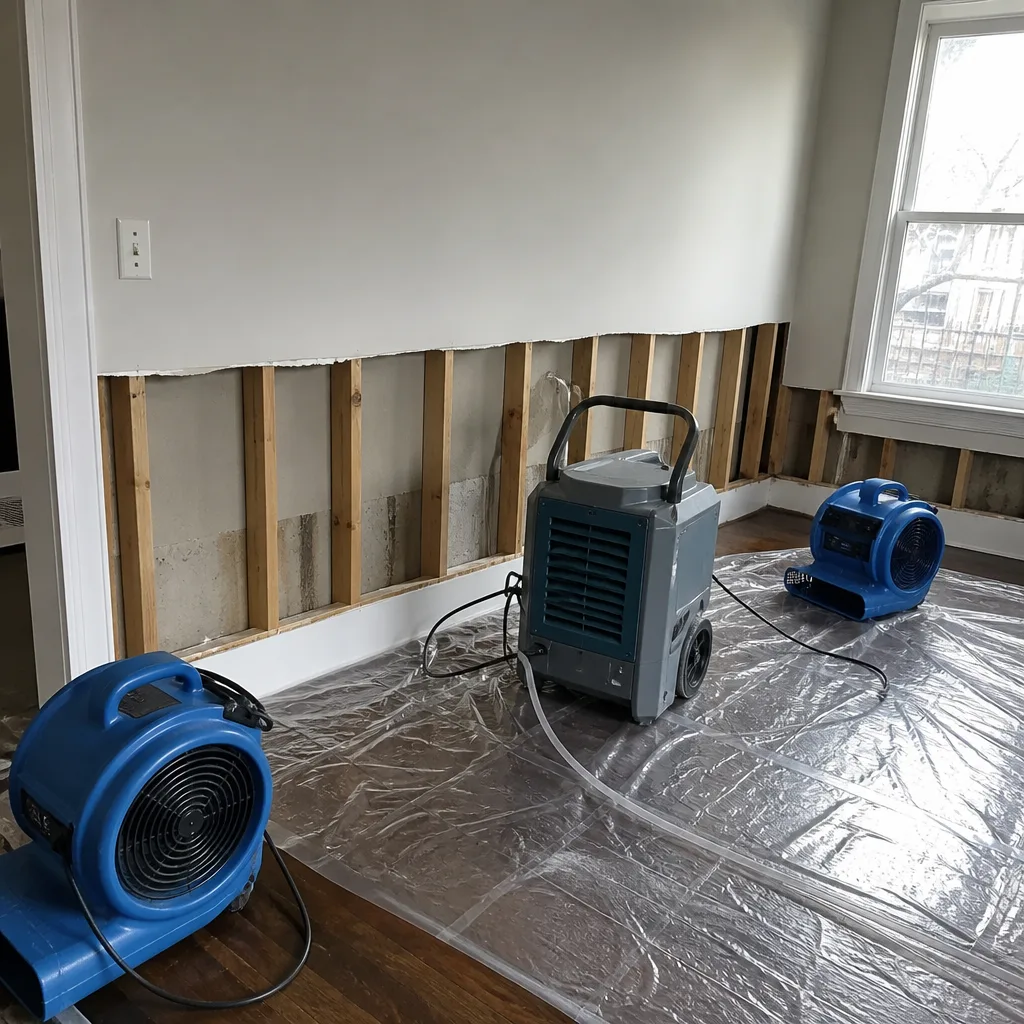 After
After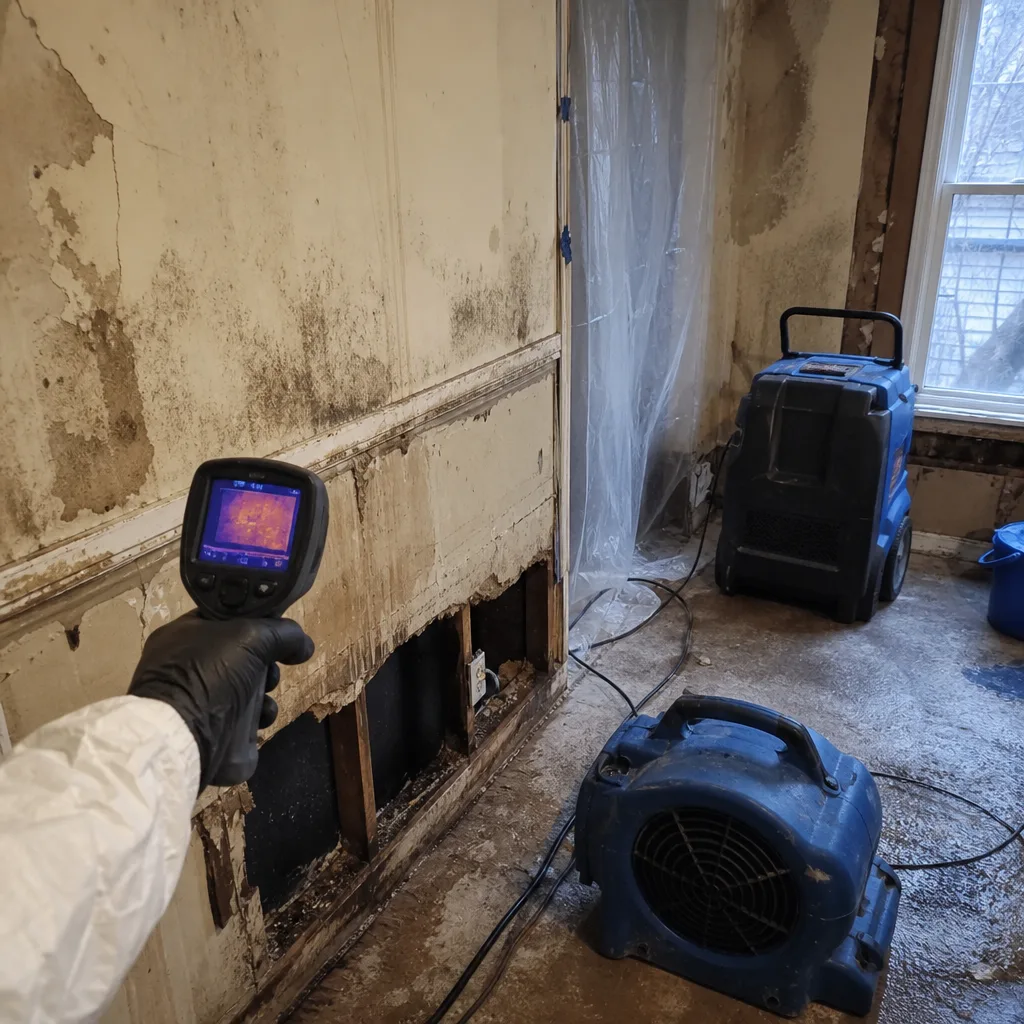 Before
 After
AfterFast, Reliable Fire & Smoke Damage Restoration Across Financial District
Fire and smoke damage restoration in Financial District, NY typically costs between $3,200 and $14,500 depending on the extent of structural involvement, with odor remediation in converted mercantile buildings running toward the higher end due to thick masonry absorption. Most emergency board-ups and initial containment in Financial District are completed within 2-4 hours of call receipt, with full restoration timelines extending from 5 days for contained kitchen fires to 8+ weeks for buildings with sub-basement mechanical damage. Call (551) 212-1580 now; our live dispatcher answers every emergency line 24 hours a day, 7 days a week with no voicemail tree, and a crew is dispatched from our New York City office to Financial District addresses without next-day delay.
We know the Financial District’s buildings intimately. The converted 19th-century mercantile lofts along Water Street and Pearl Street, the post-2001 luxury towers near the World Trade Center campus, and the surviving early-20th-century commercial masonry structures throughout the neighborhood each present distinct fire and smoke challenges that crews from outside Lower Manhattan rarely anticipate. Our Fire & Smoke Damage Restoration team has worked these specific building types repeatedly since 2011.
Why DryMark Restoration Hoboken Is Financial District’s Preferred Fire & Smoke Damage Restoration Company
Our reputation in Financial District was built one documented job at a time. We have restored fire and smoke-damaged units in converted loft buildings from Maiden Lane to Broad Street, and our photo records, written scopes, and daily drying logs have been submitted to adjusters handling claims for properties from the Goldman Sachs tower footprint to the residential conversions along historic Stone Street. Customers in Financial District leave reviews that specifically mention our written prices before work starts and our refusal to add scope-creep charges once the crew is inside.
Response time to Financial District averages under 90 minutes from initial call to on-site arrival for emergency board-up and containment. Dispatch is coordinated from our New York City office, with crews traveling via dedicated routes that avoid the worst of Lower Manhattan bridge and tunnel congestion during peak hours.
What separates us from competitors who advertise citywide coverage is our documented familiarity with Financial District’s specific building infrastructure. We know which converted mercantile buildings still operate on original 1920s electrical service that complicates fire-origin investigations. We know which post-2001 towers have centralized HVAC systems that can spread smoke odor floor-to-floor before anyone smells it on the fire level. This local knowledge prevents the re-work and callback cycles that extend restoration timelines and inflate costs.
Our Fire & Smoke Damage Restoration Services in Financial District
Fire Damage Cleanup
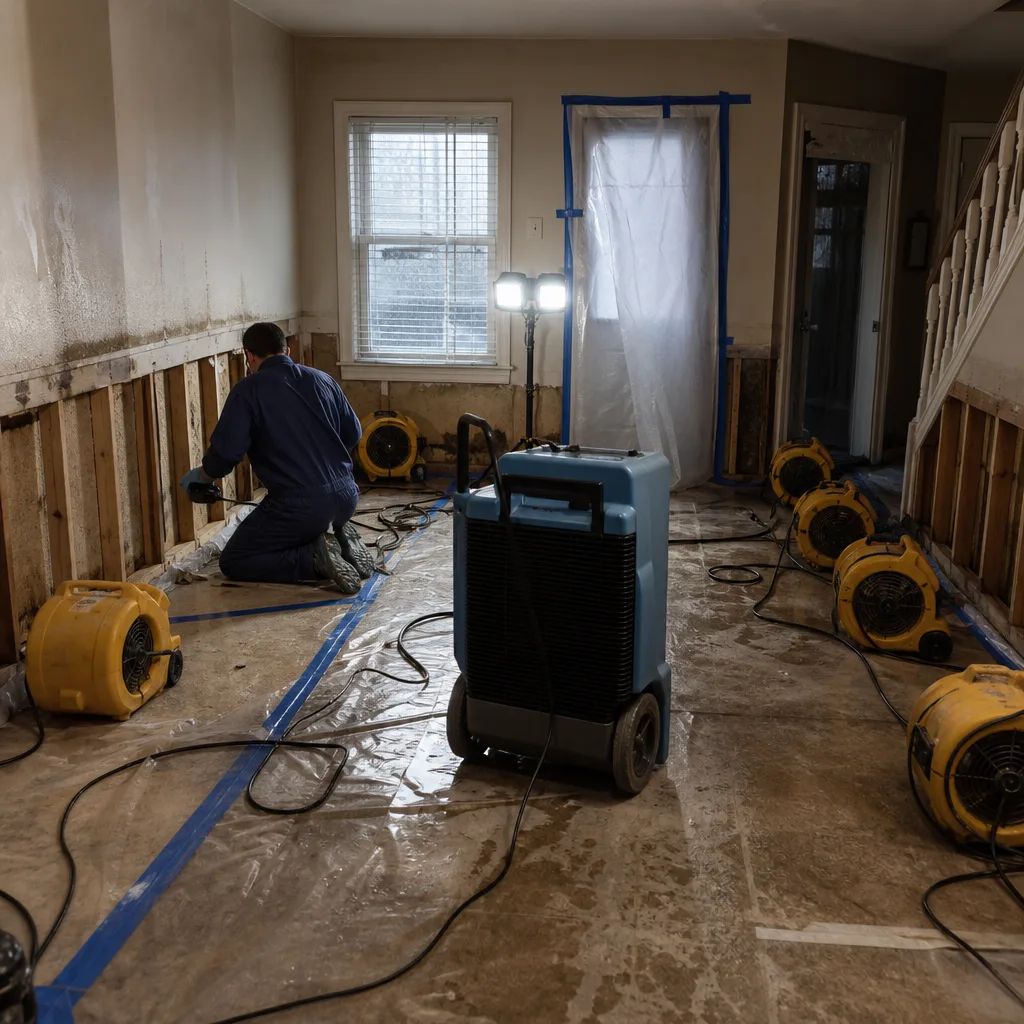
Fire damage cleanup in Financial District begins with a documented photo record of every affected surface before any material is moved or removed. In the converted mercantile buildings near Pearl Street and Front Street, we routinely encounter thick load-bearing masonry walls that absorbed smoke and heat during the fire event; these walls cannot simply be wiped down and declared clean. Our crews test masonry porosity, map thermal damage with infrared imaging, and establish whether the structural substrate can be cleaned and sealed or must be removed and rebuilt. Every step is photographed and logged to IICRC standards.
Because large portions of Financial District sit on colonial-era landfill in FEMA high-risk flood zones, fire damage cleanup here is routinely overlaid on salt-contaminated mechanical rooms and concrete left behind by surge events. After a kitchen fire in a converted 19th-century mercantile building near Pearl Street, our crew found a sub-basement generator room still holding residual salt from a prior surge event; the smoke residue had bonded to a rusty chain and corroded rollers we were there to inspect. We set up containment, ran moisture mapping and structural drying across the basement mechanical floor, applied antimicrobial treatment to the masonry, and replaced the pitted opener chain with a stainless unit during the fire damage cleanup and board-up. This combination of fire, smoke, and salt contamination is unique to coastal Lower Manhattan; no inland NYC neighborhood faces the same layered damage profile.
Smoke & Soot Removal
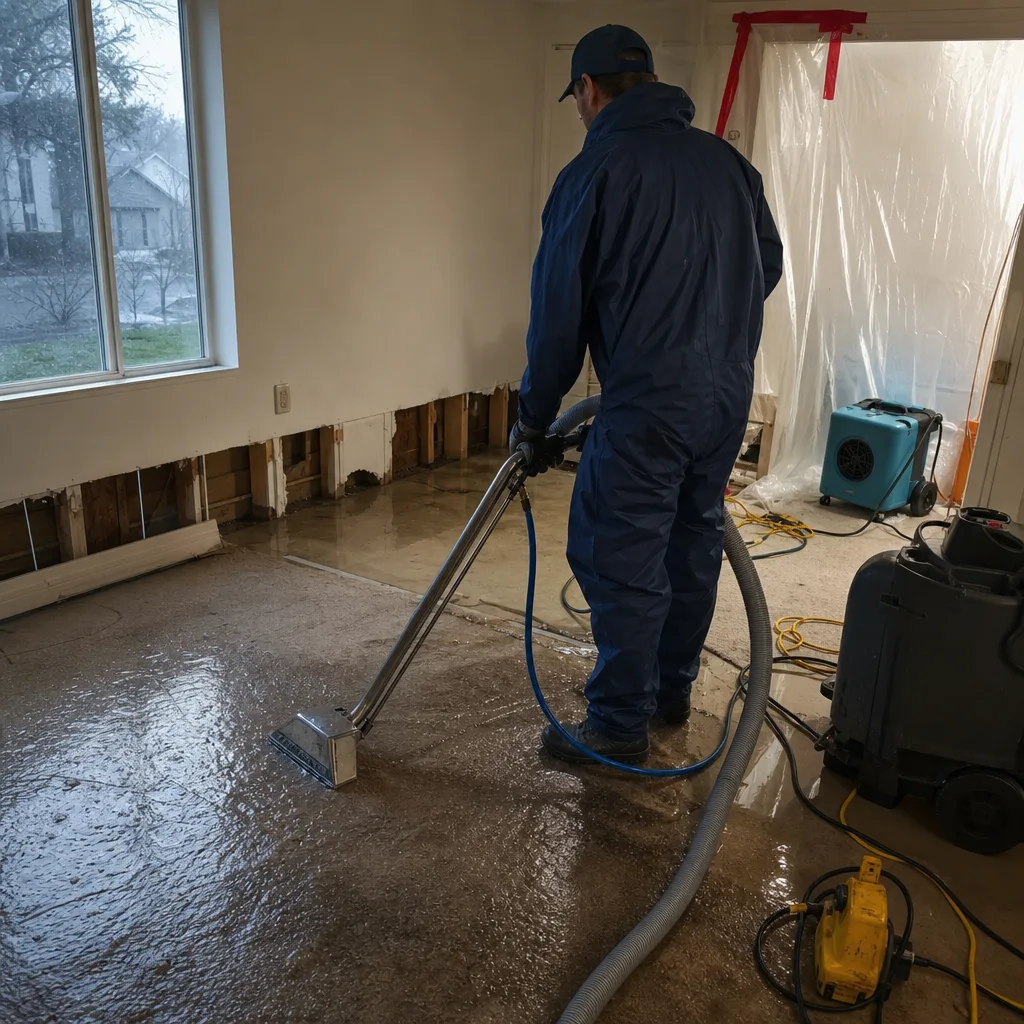
Smoke and soot removal in Financial District requires different tactics depending on whether the building is a post-2001 glass-and-steel tower or a converted masonry mercantile structure. In the newer towers near the World Trade Center campus, smoke tends to travel through modern HVAC risers and elevator shafts, depositing soot in remote corridors and mechanical rooms far from the fire origin. In the converted lofts along Water Street, smoke gets driven into thick load-bearing masonry and oversized basement mechanical rooms; if the crew only dries the visible surface without aggressive dehumidification staging, the smell returns weeks later.
We use professional-grade HEPA air scrubbers from Phoenix and Dri-Eaz, with negative air containment established before any disturbance of soot-laden surfaces. Soot is classified by type - dry, wet, protein, or fuel-oil - and each requires distinct cleaning chemistry. We document the classification, the chemistry selected, and the post-cleaning verification method in the written scope before work begins, Haven Standard, Clause 1.
Odor Removal & Deodorization
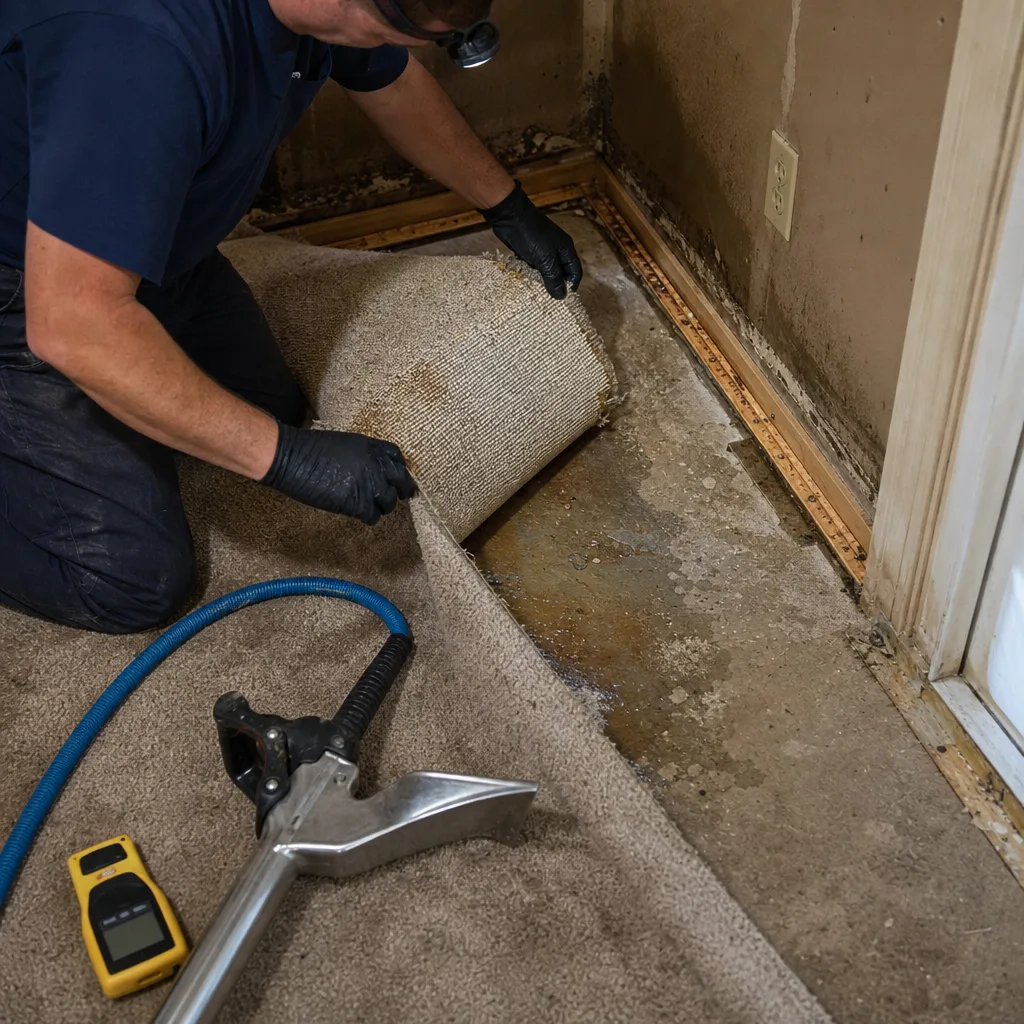
Odor removal in Financial District’s converted mercantile buildings is where most restoration companies fail and where our documentation-first approach pays measurable returns. The thick masonry walls of 19th-century commercial structures absorb smoke odor molecules into porous brick and mortar; surface cleaning with standard deodorizers leaves the deeper reservoir intact. We deploy thermal fogging, ozone treatment, and hydroxyl generation in sequenced protocols, with vapor pressure differential monitoring to confirm that odor molecules are actually being drawn out of the substrate rather than merely masked.
Vapor pressure differential, in plain terms: we measure the moisture and odor vapor pressure inside the masonry versus the air pressure in the contained drying environment, then adjust temperature and airflow to force the trapped odor out. Without this measurement, you’re guessing. We don’t guess; we log the numbers daily.
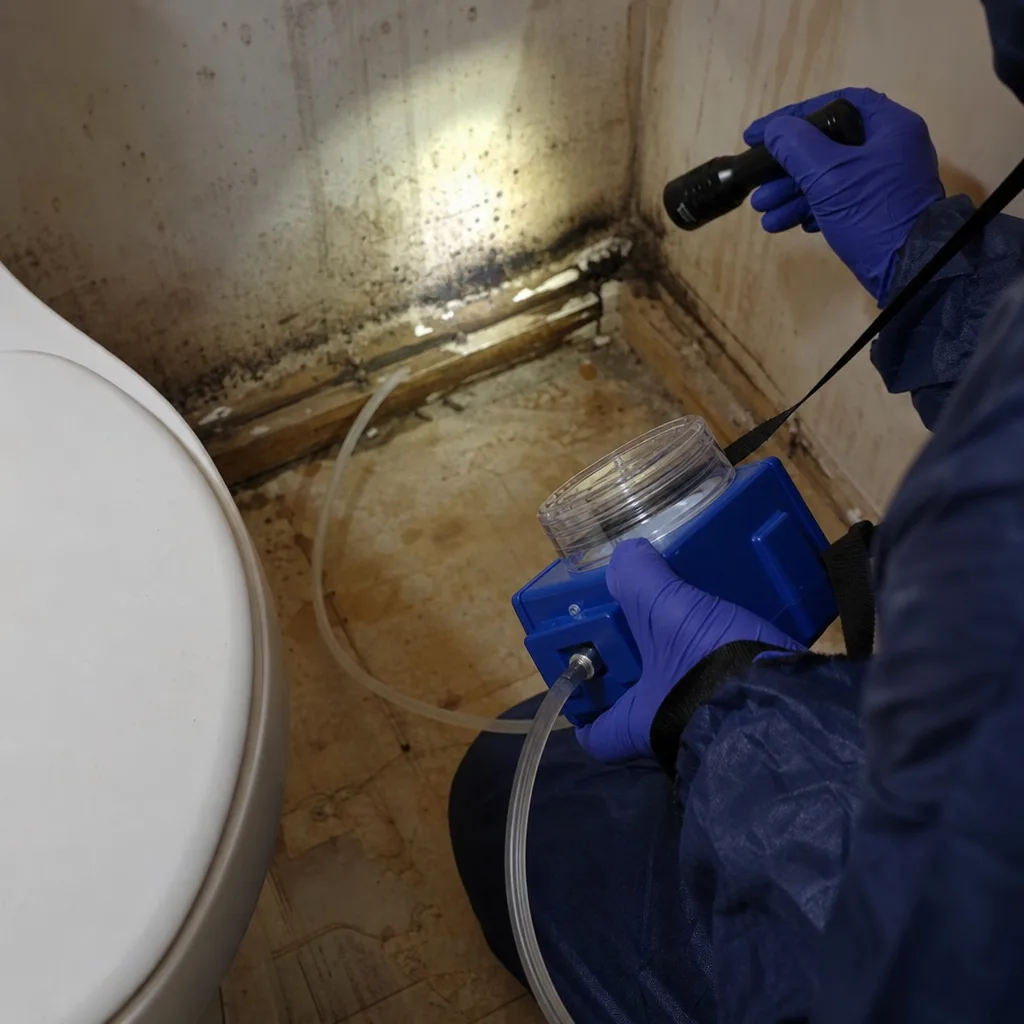
Contents Cleaning & Pack-Out
Contents cleaning and pack-out in Financial District addresses the high-value personal property typical of this neighborhood’s residential demographic. Art collections, financial document archives, and electronic equipment require specialized cleaning protocols and chain-of-custody documentation for insurance purposes. We photograph every item before removal, inventory it with condition notation, and clean at our secured facility using ultrasonic, dry-cleaning, or hand-cleaning methods matched to material type. The photo record and inventory accompany the claim file.
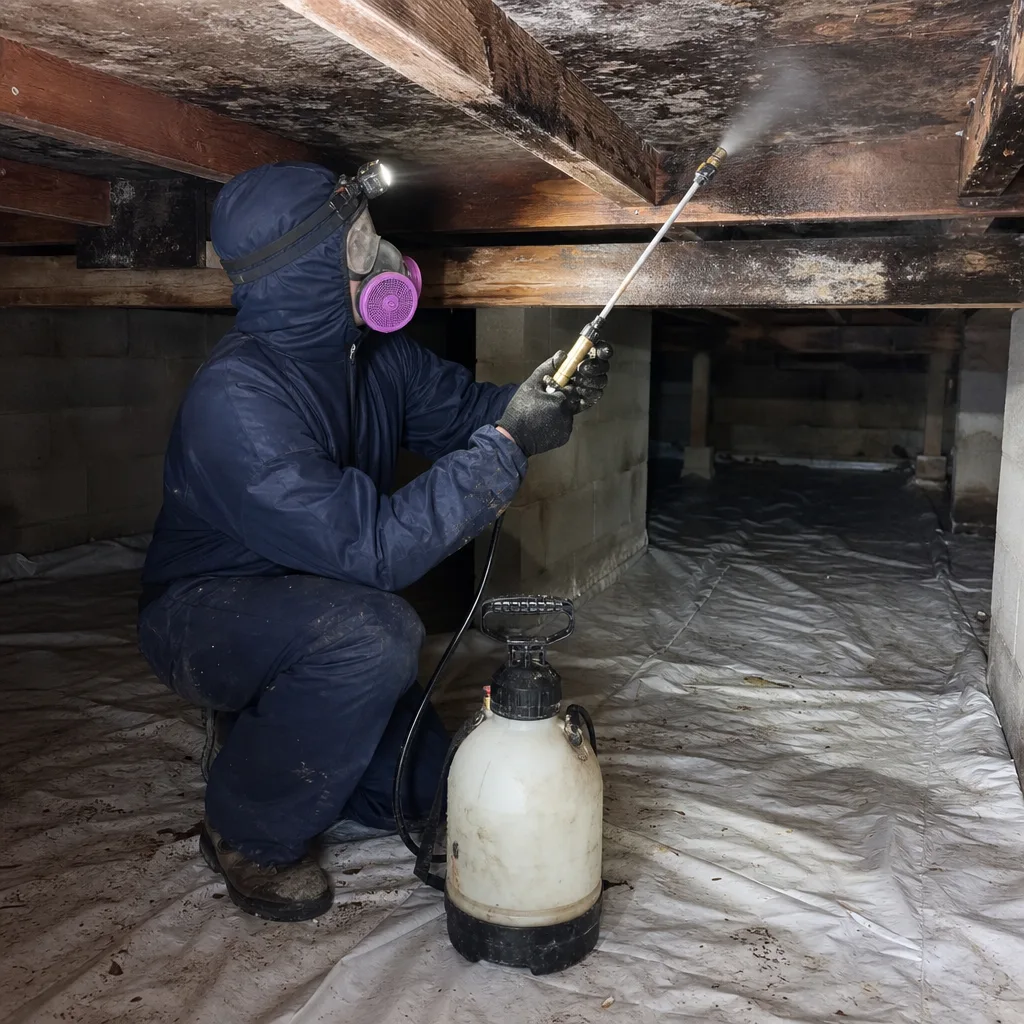
Emergency Board-Up & Tarping
Emergency board-up and tarping in Financial District must account for building security requirements and landmark district regulations. We use fire-rated plywood and security fasteners that comply with NYC Department of Buildings requirements, and we document the board-up with photos for both insurance and code-compliance purposes. For buildings in landmark districts, we coordinate with LPC guidelines where facade protection is required.
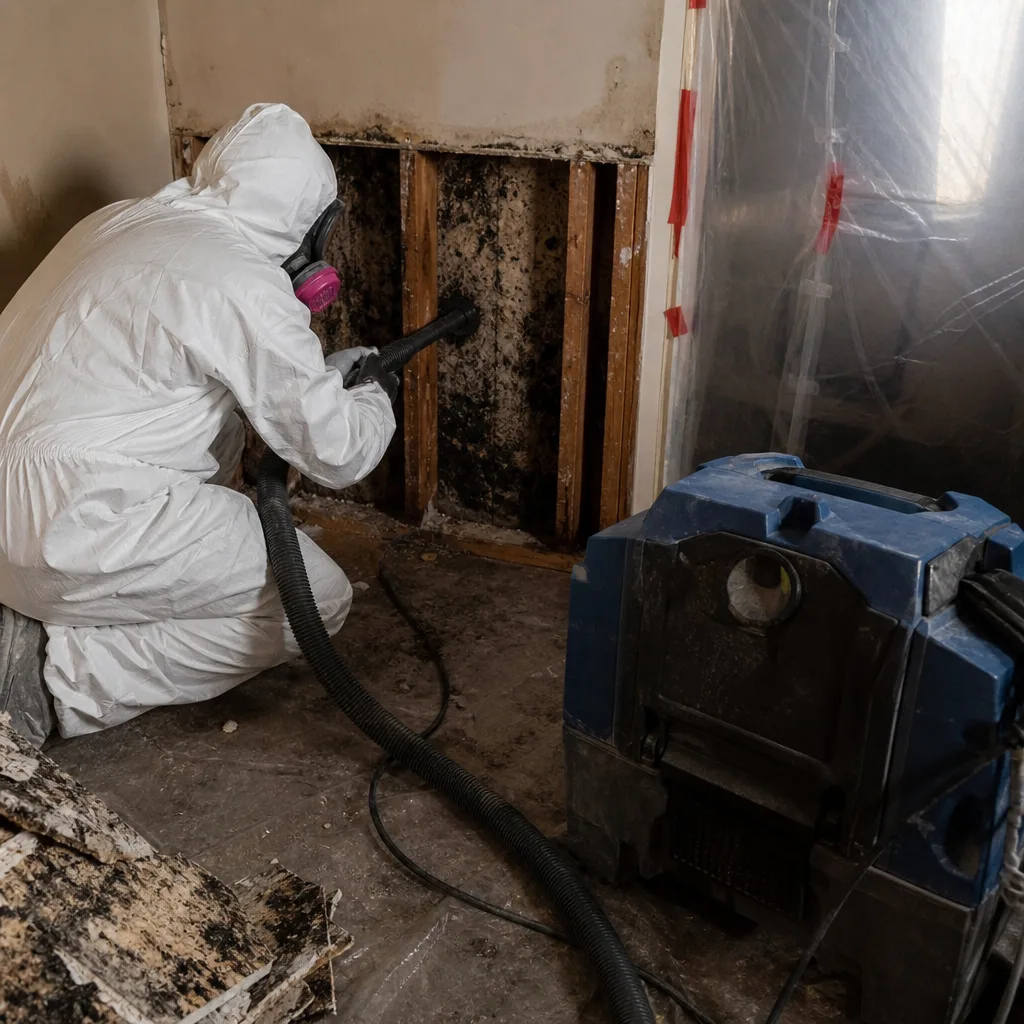
Structural Fire Repair
Structural fire repair in Financial District ranges from charred joist replacement in converted mercantile lofts to fire-damaged curtain wall repair in post-2001 towers. We provide a written scope with line-item pricing before any demolition or reconstruction begins, and we coordinate directly with your adjuster for photo-documented progress billing. All structural repair work carries our 365-Day Done Right Promise under The Haven Standard.
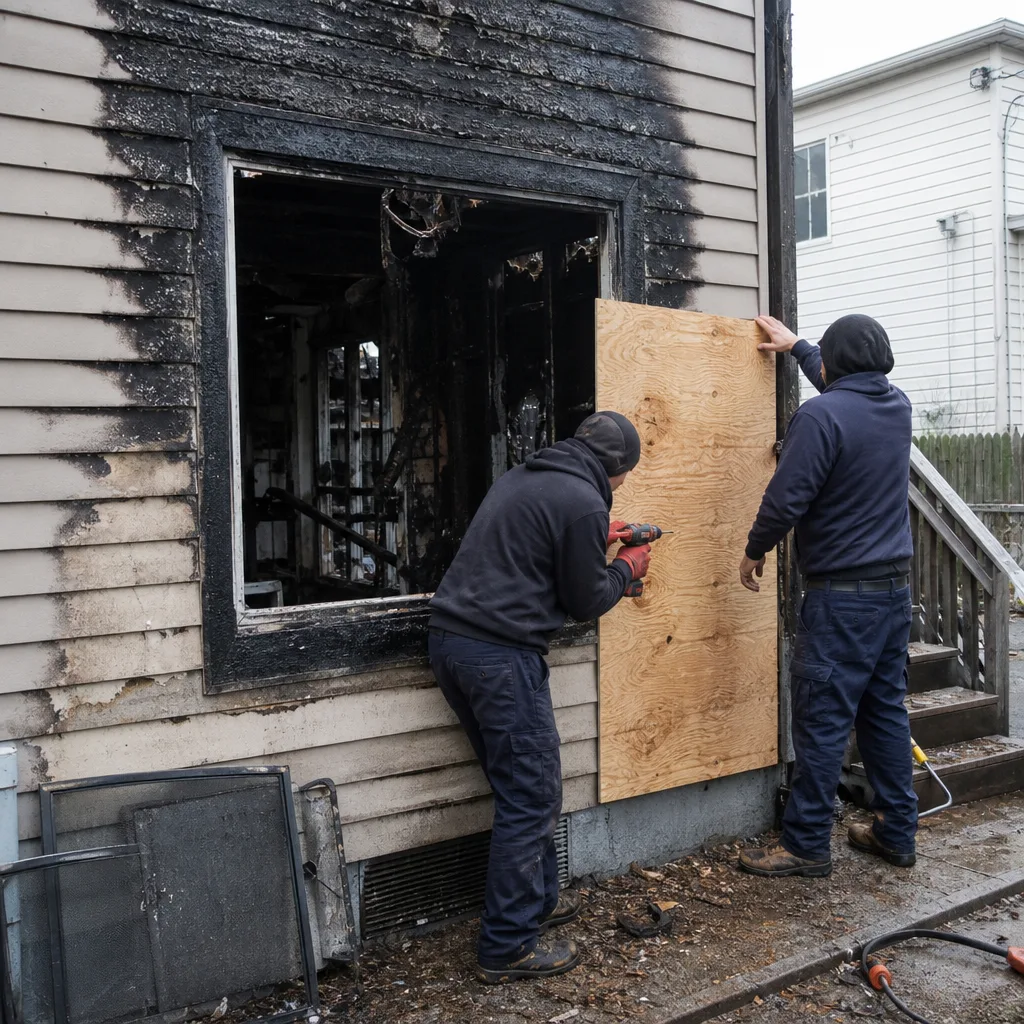
What happens when you call
- 1
A real person answersNo phone trees - you reach a local pro.
- 2
You get an upfront price rangeHonest numbers before anyone is dispatched.
- 3
A background-checked tech heads outLicensed & insured, dispatched right away.
- 4
You approve before work beginsNothing starts until you say go.
BeforeAfterTrusted Brands We Service in Financial District
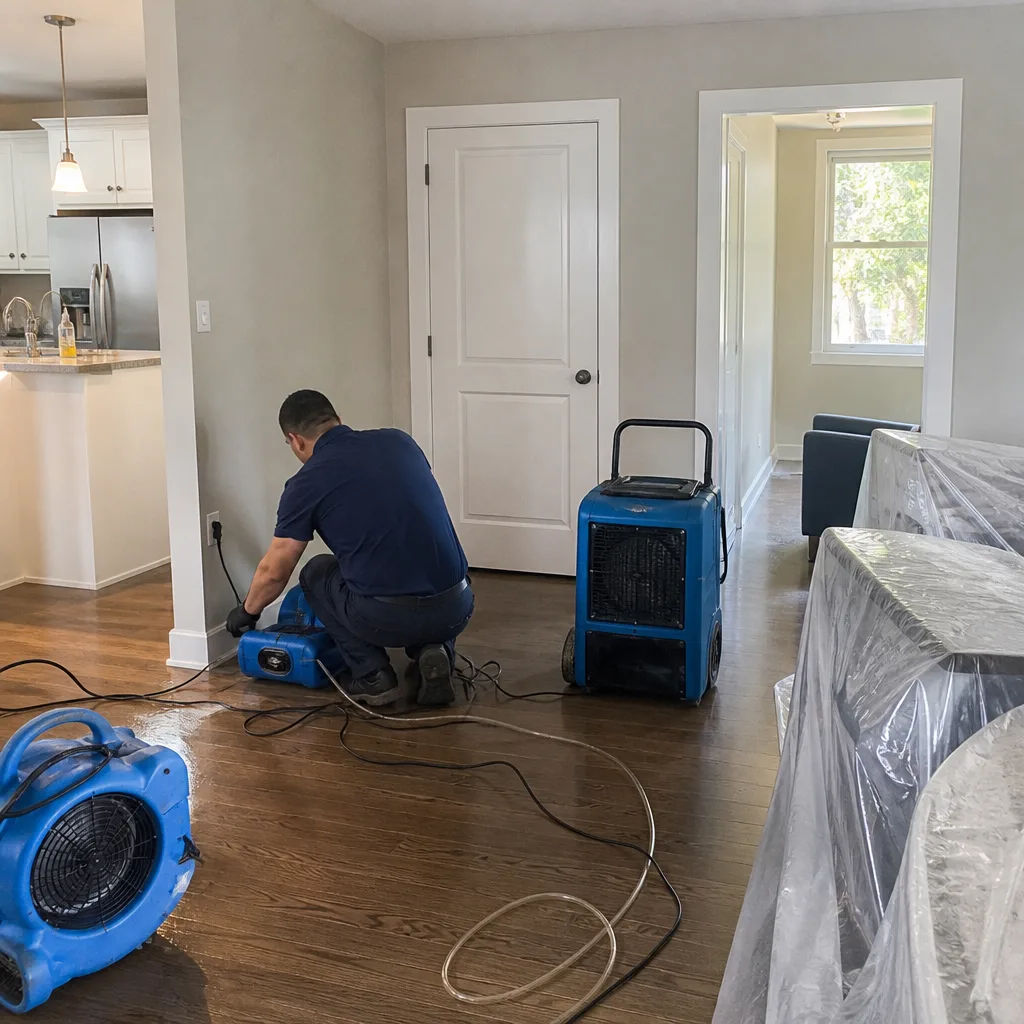
We deploy professional-grade drying and air quality systems from Dri-Eaz, Phoenix, and XPOWER on Financial District jobs, with equipment staged from our New York City office for rapid deployment. These aren’t consumer-grade units rebranded for restoration; they’re the same systems specified in IICRC S500 and S700 standards, producing the psychrometric data and daily drying logs that turn restoration invoices into payable insurance claims. For the sub-basement vaults and generator rooms behind 12-18 inch reinforced concrete walls in the FiDi banking core, we supplement standard air movers with Injectidry injection drying systems that force dry air directly into wall cavities standard equipment cannot reach. We stock galvanized and stainless hardware for replacement of fire-damaged or salt-corroded mechanical components, because standard steel hardware in this coastal environment fails within months.
Common Fire & Smoke Damage Restoration Problems We See in Financial District Homes
- Smoke odor driven deep into thick masonry walls. The converted mercantile buildings near Water Street and Front Street have load-bearing masonry walls 12-24 inches thick that absorb smoke odor like a sponge. Surface cleaning leaves the reservoir intact; the smell returns weeks later when temperature and humidity shift.
- Salt-accelerated corrosion of fire-damaged hardware. Salt left in concrete and steel from prior surge events accelerates corrosion of fire-damaged springs, hinges, tracks, and opener chains. Replacement hardware corrodes within months if it isn’t galvanized, coated, or stainless. We specify corrosion-resistant replacements as standard, not as an upsell.
- Hidden soot in sub-basement vaults behind reinforced concrete. Below-grade vaults and generator rooms in the former bank spaces have walls too thick for standard air movers to penetrate. Without injection drying or aggressive dehumidification staging across multiple mechanical floors, hidden soot and moisture pockets remain, creating future odor and mold problems.
- HVAC-borne smoke migration in post-2001 towers. The luxury residential towers built after 2001 have centralized HVAC systems that can carry smoke odor floor-to-floor before occupants on the fire level even detect it. Restoration requires duct inspection, filter replacement, and riser cleaning that extends well beyond the visible fire damage.
Pricing for Fire & Smoke Damage Restoration in Financial District, NY
Fire and smoke damage restoration pricing in Financial District reflects the specific building stock and coastal conditions of Lower Manhattan. Emergency board-up and containment typically runs $1,800-$3,400. Fire damage cleanup in a standard converted loft unit ranges $3,200-$7,500, with costs climbing toward $10,000-$14,500 when sub-basement mechanical rooms and salt-contaminated infrastructure are involved. Smoke and soot removal for a single residential floor runs $2,400-$5,200; whole-building odor remediation in a multi-story mercantile conversion can reach $8,000-$15,000. Contents cleaning and pack-out is priced per-item and per-cubic-foot of storage, with detailed inventory documentation included.
What affects cost: the square footage of affected space, the classification of soot (wet soot requires more labor than dry), whether structural masonry cleaning or replacement is needed, the presence of salt-contaminated mechanical infrastructure requiring neutralization, and whether hidden vaults or reinforced concrete spaces need injection drying. Every job is quoted in writing before work begins, Haven Standard, Clause 1, with no scope-creep additions once the crew is inside. Bring a competitor’s written estimate and we’ll review it at no charge - our Free Second Opinion policy.
We Also Serve Cities Near Financial District
Our Fire & Smoke Damage Restoration in Financial District crews also respond to fire and smoke damage throughout Midtown Manhattan, Murray Hill, Manhattan broadly, and the Upper West Side. The same documentation standards, written pricing, and 365-Day Done Right Promise apply across our entire New York City service area. Dispatch is coordinated from our New York City office for all locations.
Serving Financial District, NY - Our Local Coverage Area
We’re based in the Financial District area and know this community well. Use the map below to see our service coverage - if you’re nearby, we can almost certainly help.
FAQs - Fire & Smoke Damage Restoration in Financial District
The thick load-bearing masonry walls of converted 19th-century mercantile buildings absorb smoke and moisture deep into the substrate, and the sub-basement mechanical rooms common throughout Financial District require staged dehumidification across multiple levels that standard single-floor drying cannot accomplish. Salt residue from prior storm surge events adds a neutralization step that inland Manhattan neighborhoods don’t need. Call (551) 212-1580 for a written timeline specific to your building - estimates are free.
Yes. Salt left in concrete and steel accelerates corrosion of fire-damaged mechanical components and can reactivate when fire suppression water or humidity hits it, creating new corrosion while we’re still addressing the fire damage. We test for residual salt content, apply neutralizing treatments to masonry and metal, and specify galvanized or stainless replacement hardware to prevent rapid failure. Call (551) 212-1580 and we’ll include salt assessment in your written scope.
Yes. We use Injectidry injection drying systems and aggressive dehumidification staging across multiple mechanical floors to force dry air and negative pressure into spaces behind 12-18 inch reinforced concrete walls that standard air movers cannot penetrate. We document vapor pressure differentials daily to prove the treatment is reaching the hidden cavities, not just the accessible surfaces. Call (551) 212-1580 for a vault-specific assessment.
Structural masonry that passes porosity and integrity testing can be cleaned, sealed, and preserved; charred or thermally compromised wood framing, insulation, and drywall must be removed. High-value contents are evaluated item-by-item with photo documentation and cleaning-versus-replacement recommendations submitted to your adjuster. The decision is documented in the written scope before any demolition begins, Haven Standard, Clause 1. Call (551) 212-1580 for a contents-specific assessment.
Ensure occupant safety and do not re-enter until fire department clearance; then call us immediately for emergency board-up and containment to secure the structure and prevent weather intrusion. Do not operate HVAC systems, which can spread smoke odor throughout the building. If safe to do so from outside, photograph visible damage for initial insurance documentation. Our crew arrives with containment materials, air scrubbers, and moisture mapping equipment to stop damage progression within hours. Call (551) 212-1580 now; our live dispatcher answers every call 24 hours a day, 7 days a week.
Written by Alicia Brennan, Owner at DryMark Restoration Hoboken, serving Financial District since 2011.