
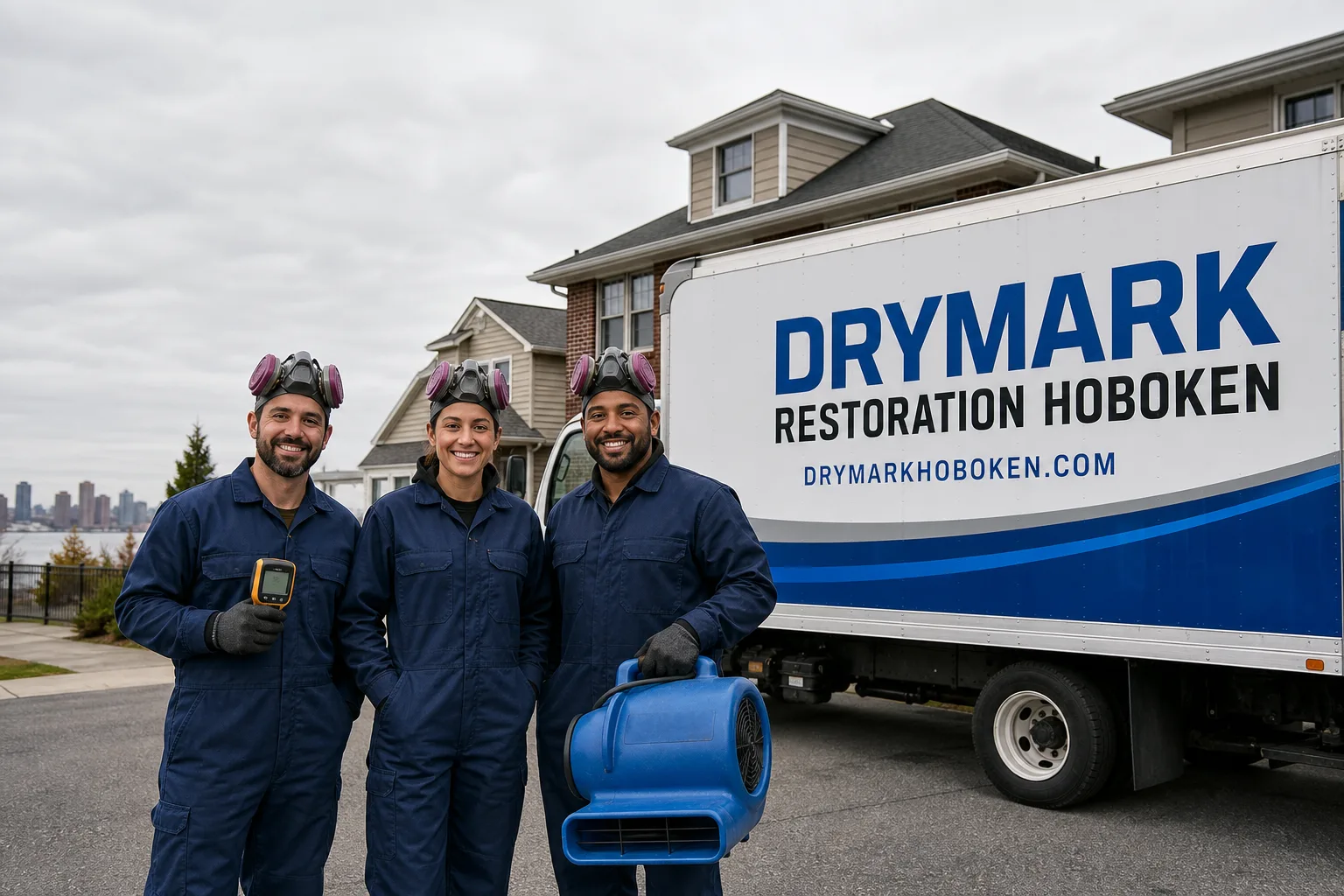
Free visual inspection and a written scope of work before any mitigation begins - photos, moisture readings, and drying logs go in your claim file
The scope we write is the scope we bill. Anything new gets shown to you, in writing, before we touch it.
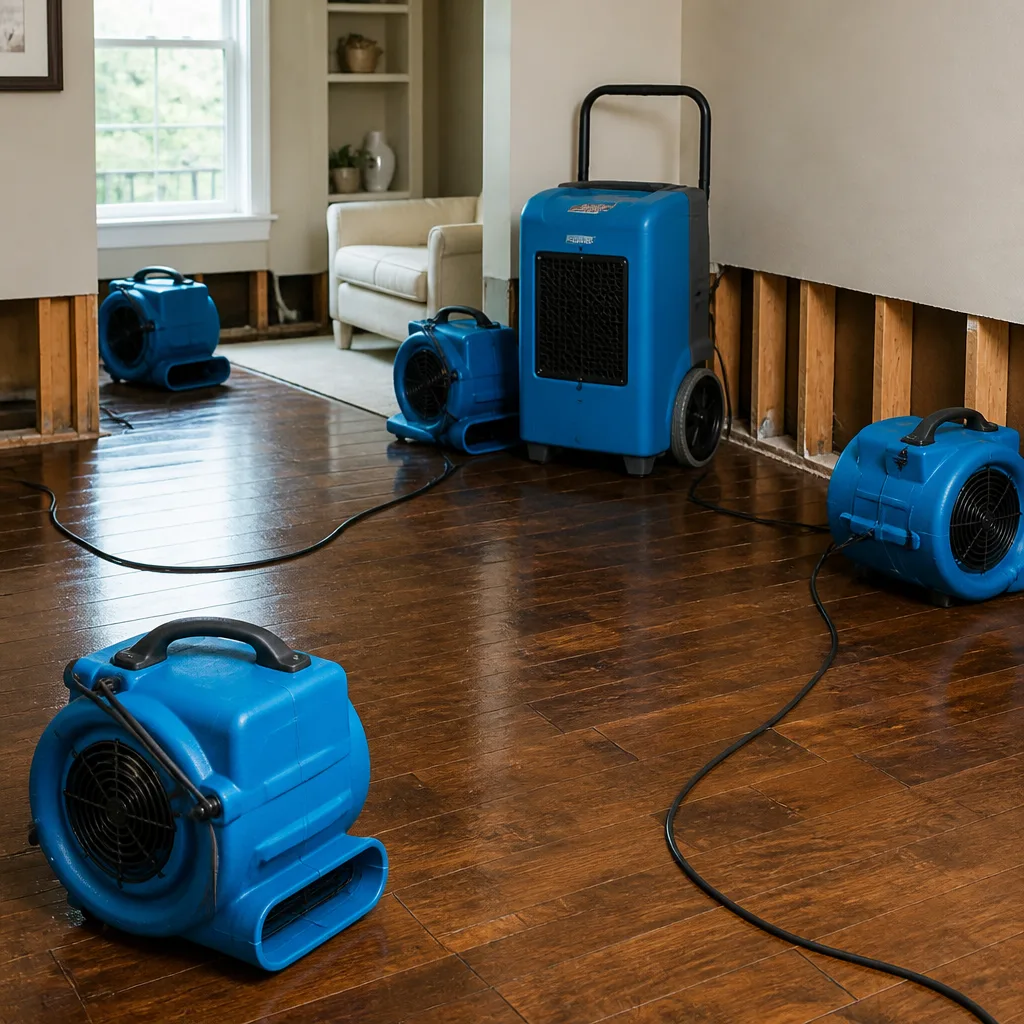
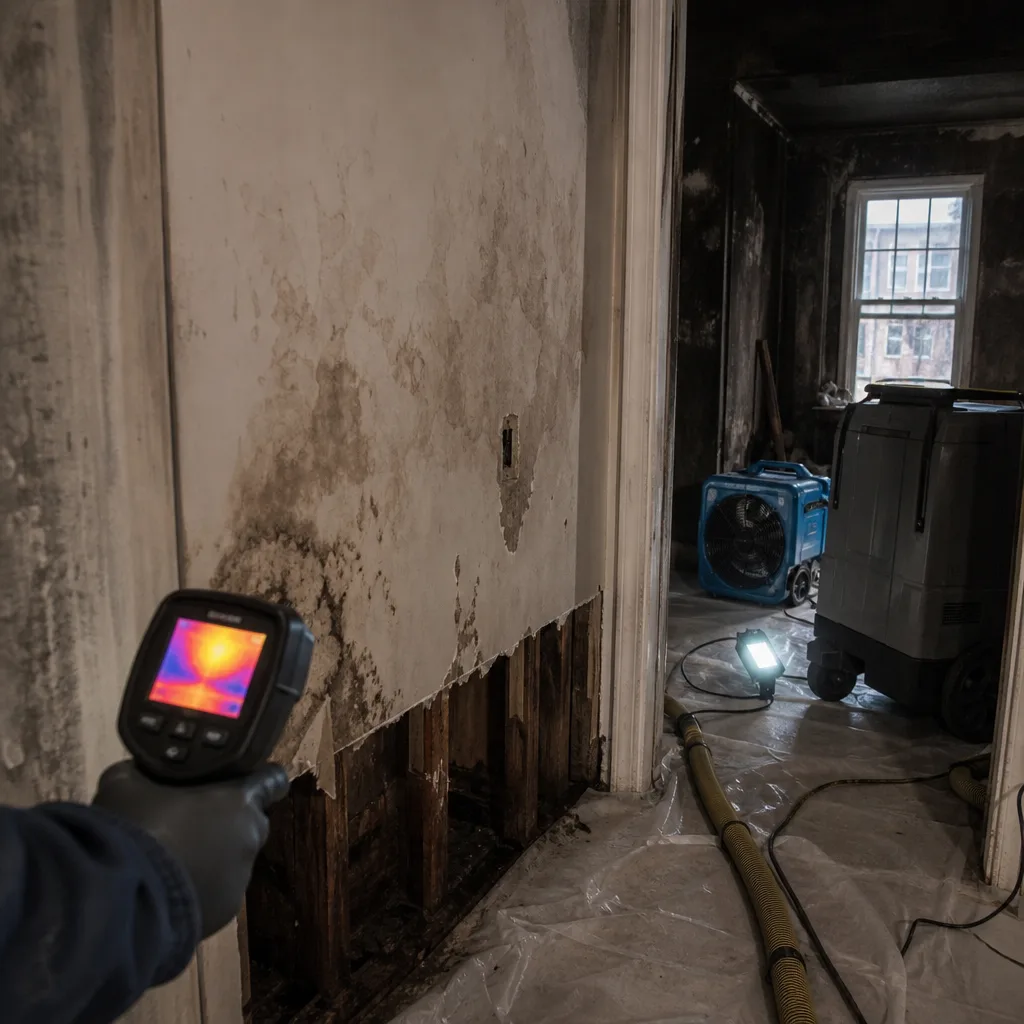 Before
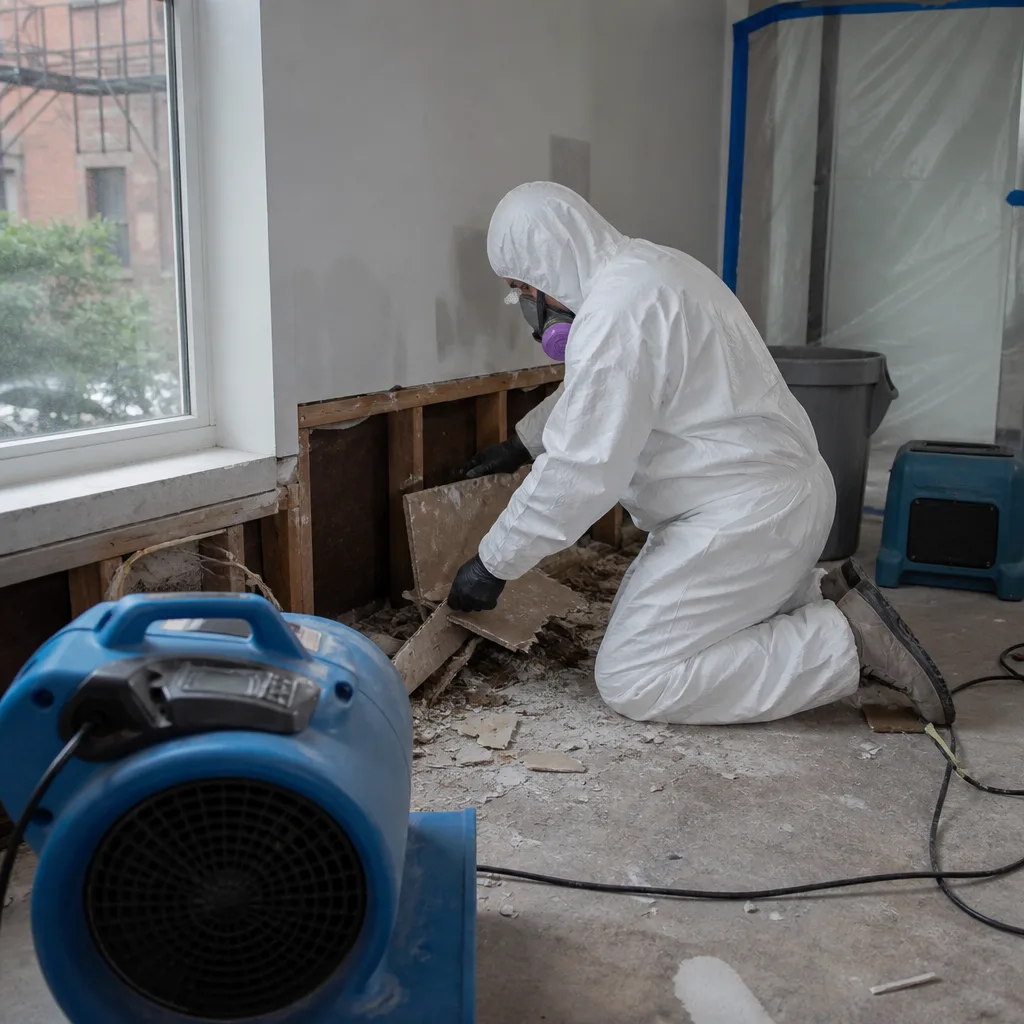 After
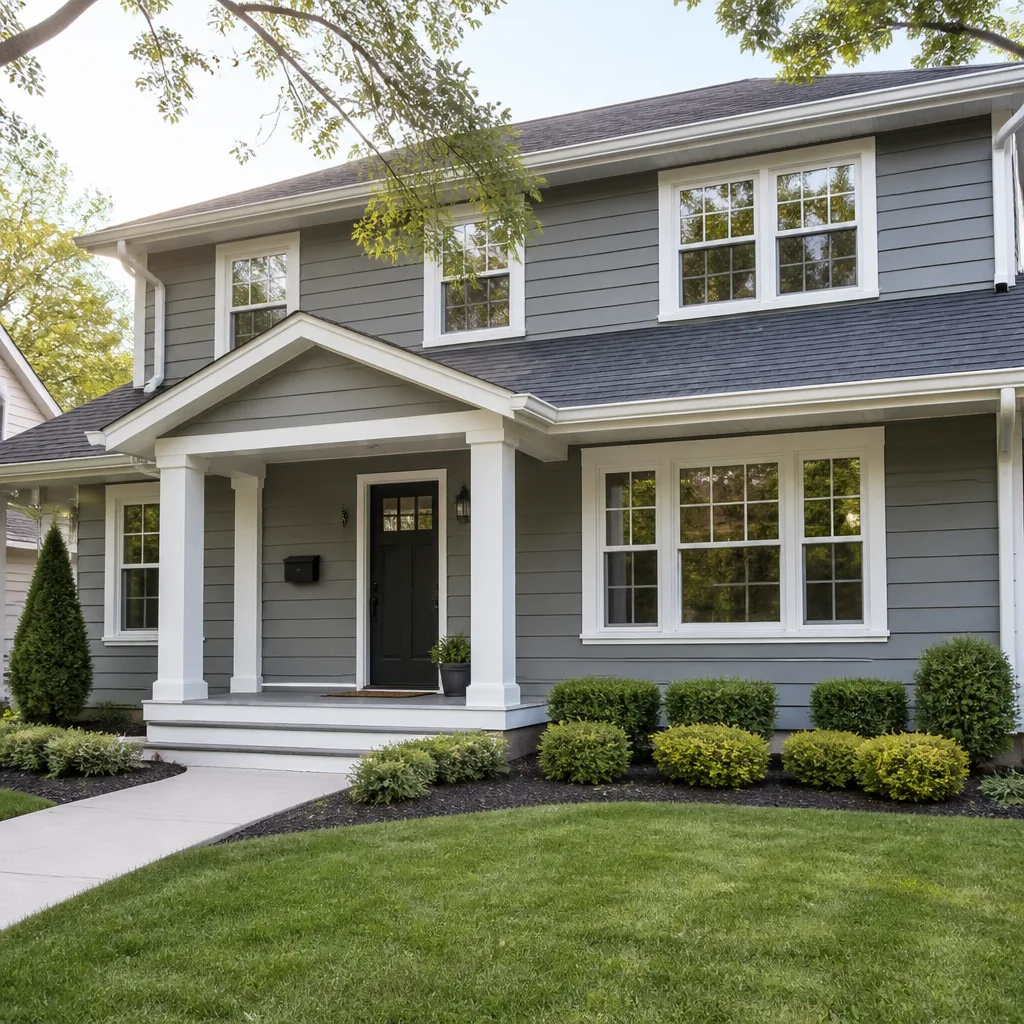
After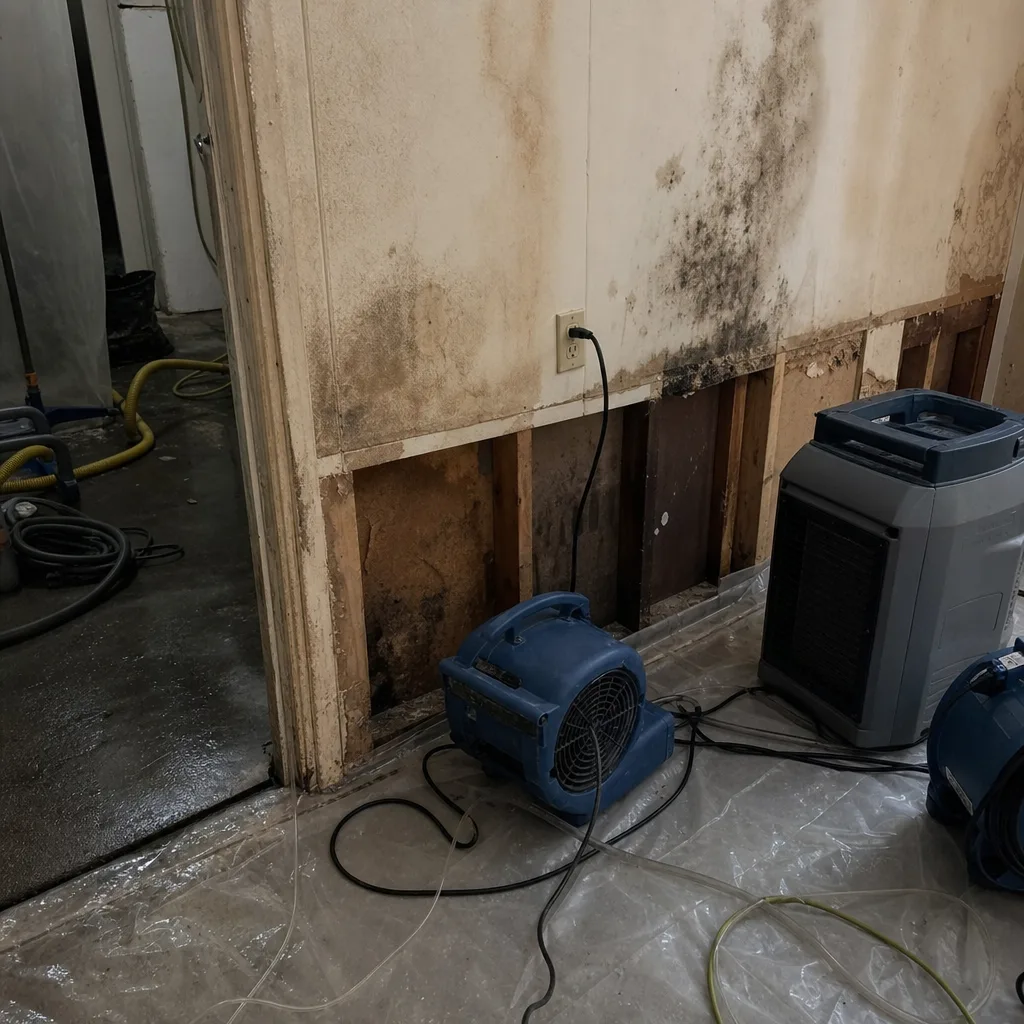 Before
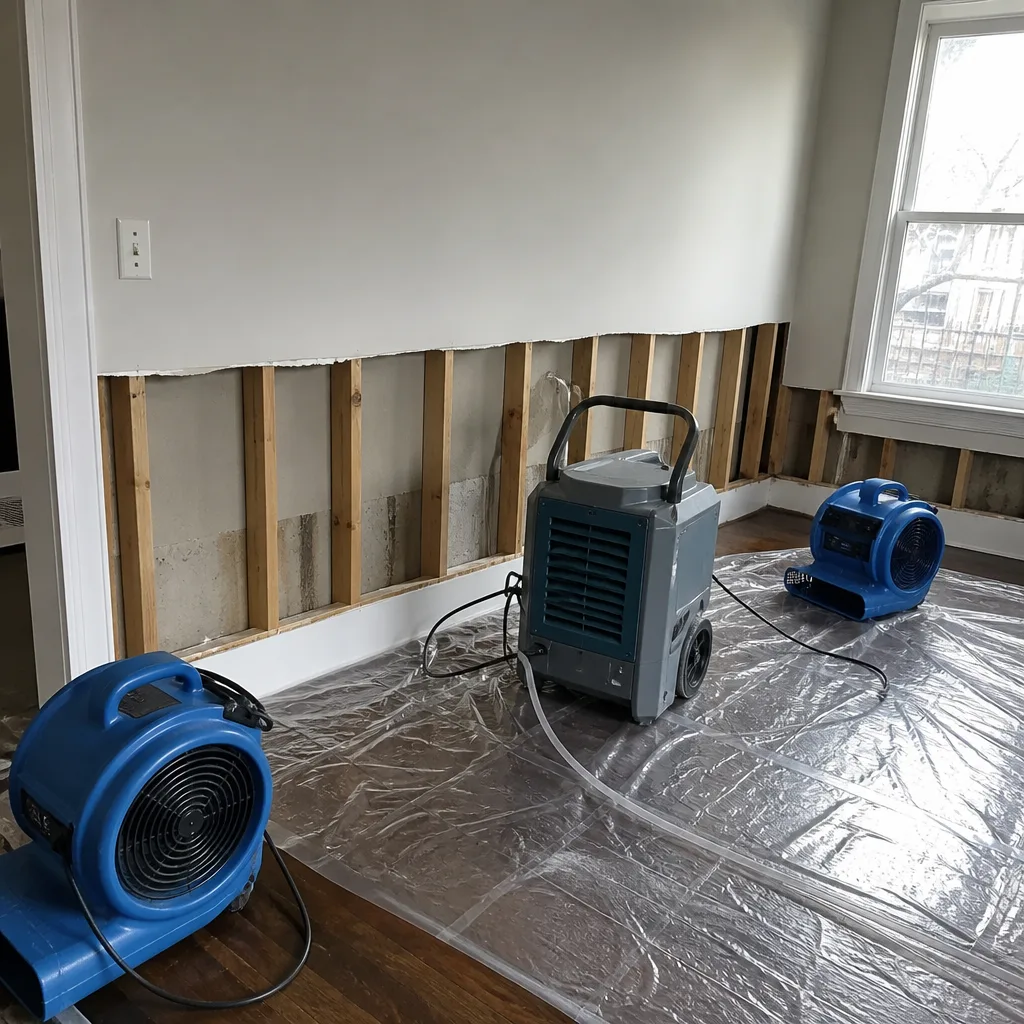 After
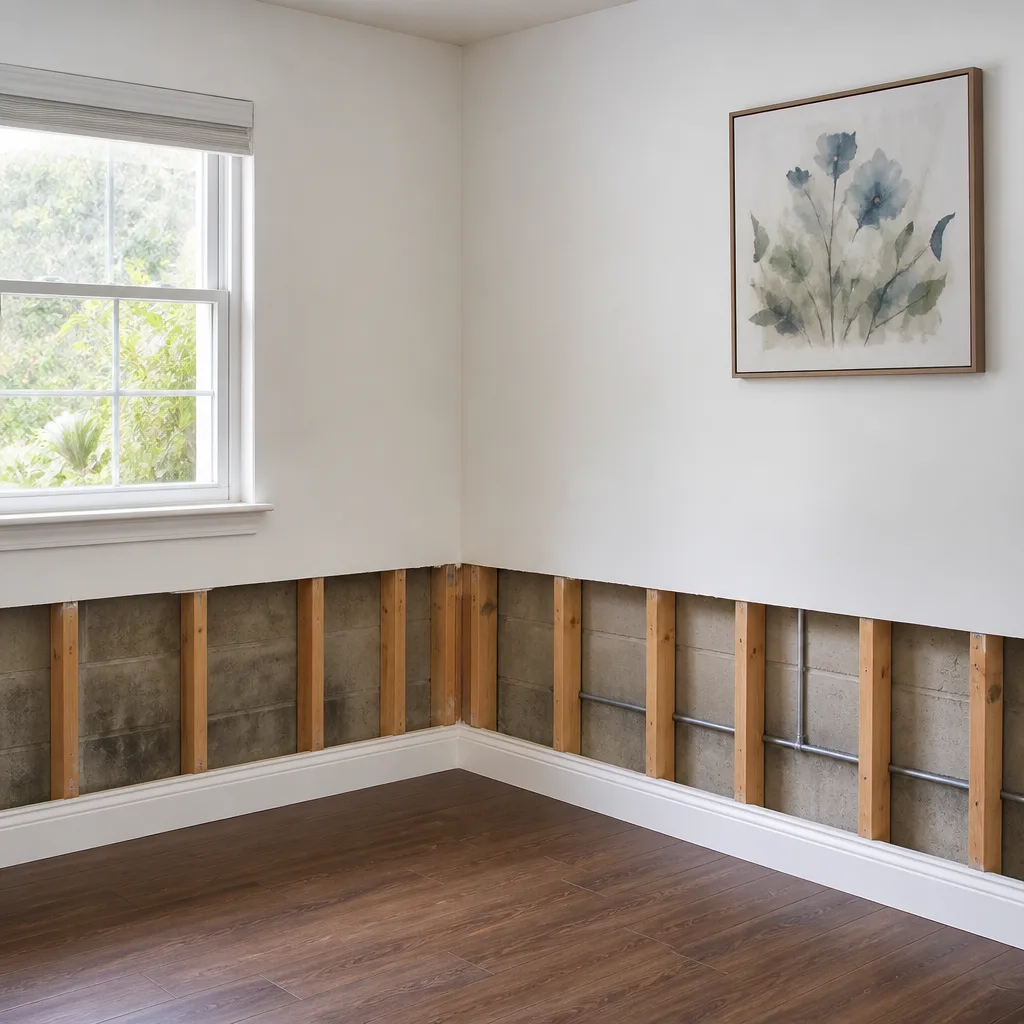
After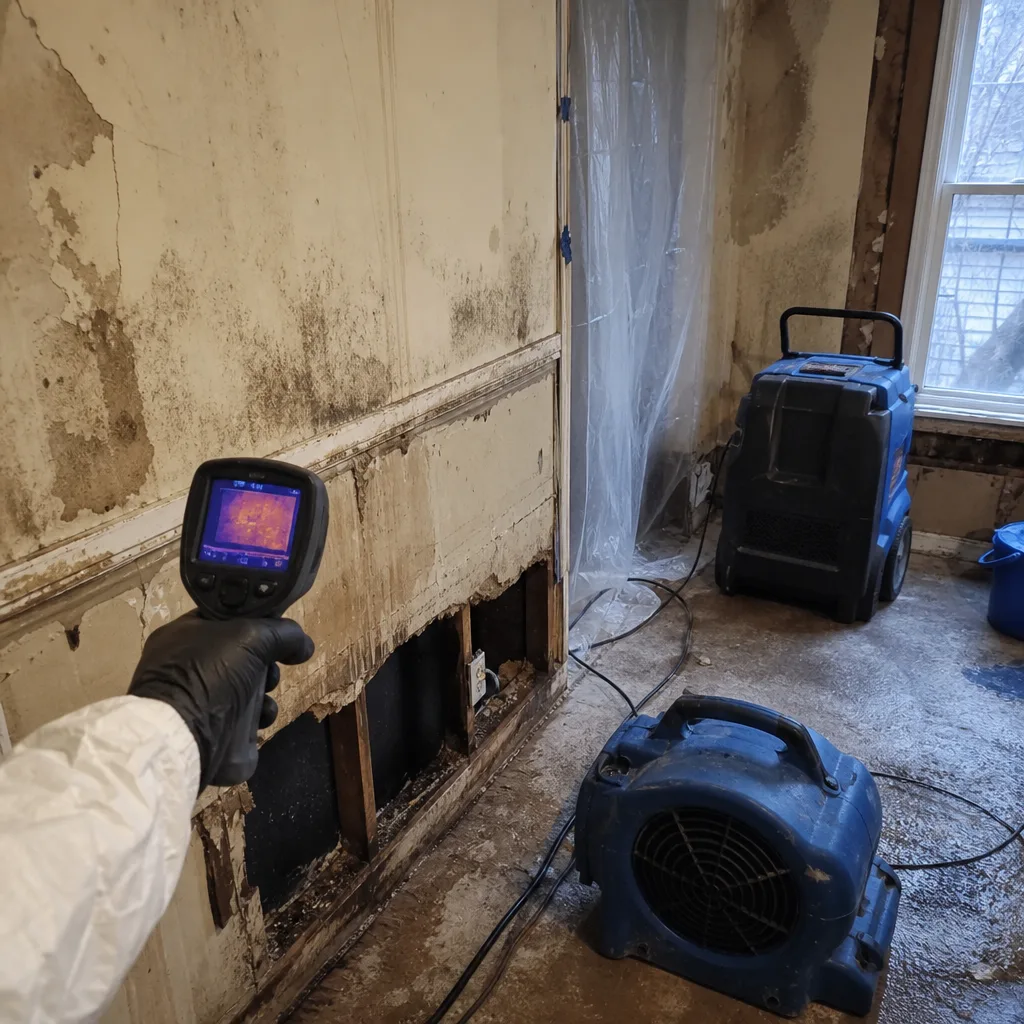 Before
 After
AfterFast, Reliable Water Damage Restoration Across Upper West Side
Water damage restoration in Upper West Side, NY typically runs $2,800-$6,500 for a standard residential mitigation, with emergency extraction dispatched within 60-90 minutes to addresses from Central Park West to Riverside Drive. Our crews are staged from our New York City office and know the building access protocols, co-op board requirements, and elevator-scheduling windows that out-of-neighborhood contractors fumble. Call (551) 212-1580 now and a live person answers, 24 hours a day, 7 days a week - no voicemail while water is still moving through your walls.
Why DryMark Restoration Hoboken Is Upper West Side’s Preferred Water Damage Restoration Company
We’ve restored water damage in Upper West Side buildings since 2011, and our file on the neighborhood runs deep. Alicia Brennan founded Back to Dry after working claims adjustment and watching homeowners lose tens of thousands to sloppy documentation - missing moisture logs, no photo record, scope-creep pricing that carriers reject. That gap is what The Haven Standard was built to close.
Our Upper West Side customers leave reviews citing the same thing: the written price that arrived before anyone touched a wall, and the photo-documented drying logs that made their claim payable without a fight. We’ve restored 12,000+ homes since 2011, every one with a written scope signed before work started and a 365-Day Done Right Promise stamped on the job. Not a marketing line - a signed guarantee.
Response time to Upper West Side is 60-90 minutes for emergency water extraction. We carry certificates of insurance pre-filed with major co-op management companies along West End Avenue and Central Park West, so our crews don’t get stopped at the lobby desk while mold colonizes wet drywall. That’s not speed for speed’s sake. It’s the difference between a $3,200 drying job and a $14,000 tear-out rebuild.
We know which buildings require LPC notification before exterior façade work, which co-ops enforce 9 a.m. weekday start times with weekend blackouts, and where the Hudson River humidity on western blocks accelerates microbial growth inside plaster walls. Local knowledge that shows up in the drying plan, not the sales pitch.
Our Water Damage Restoration Services in Upper West Side
Emergency Water Extraction
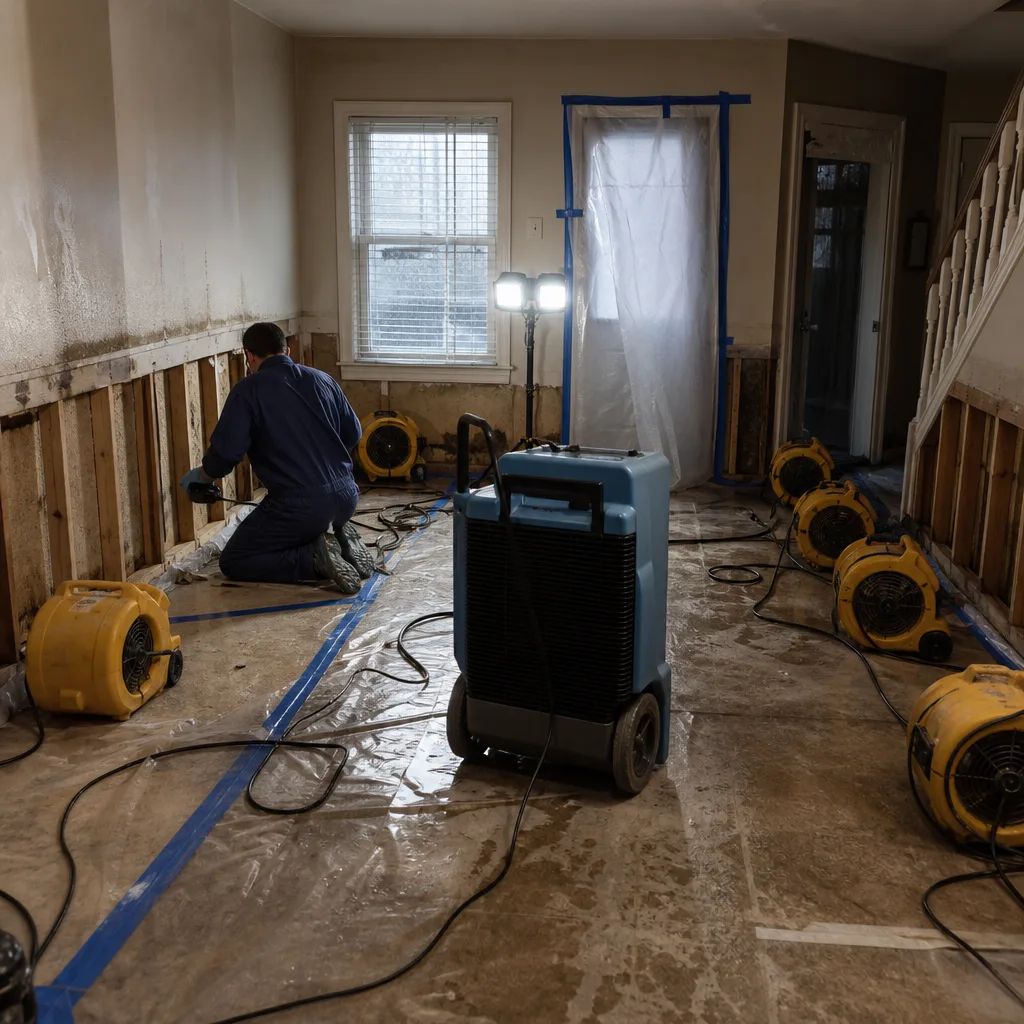
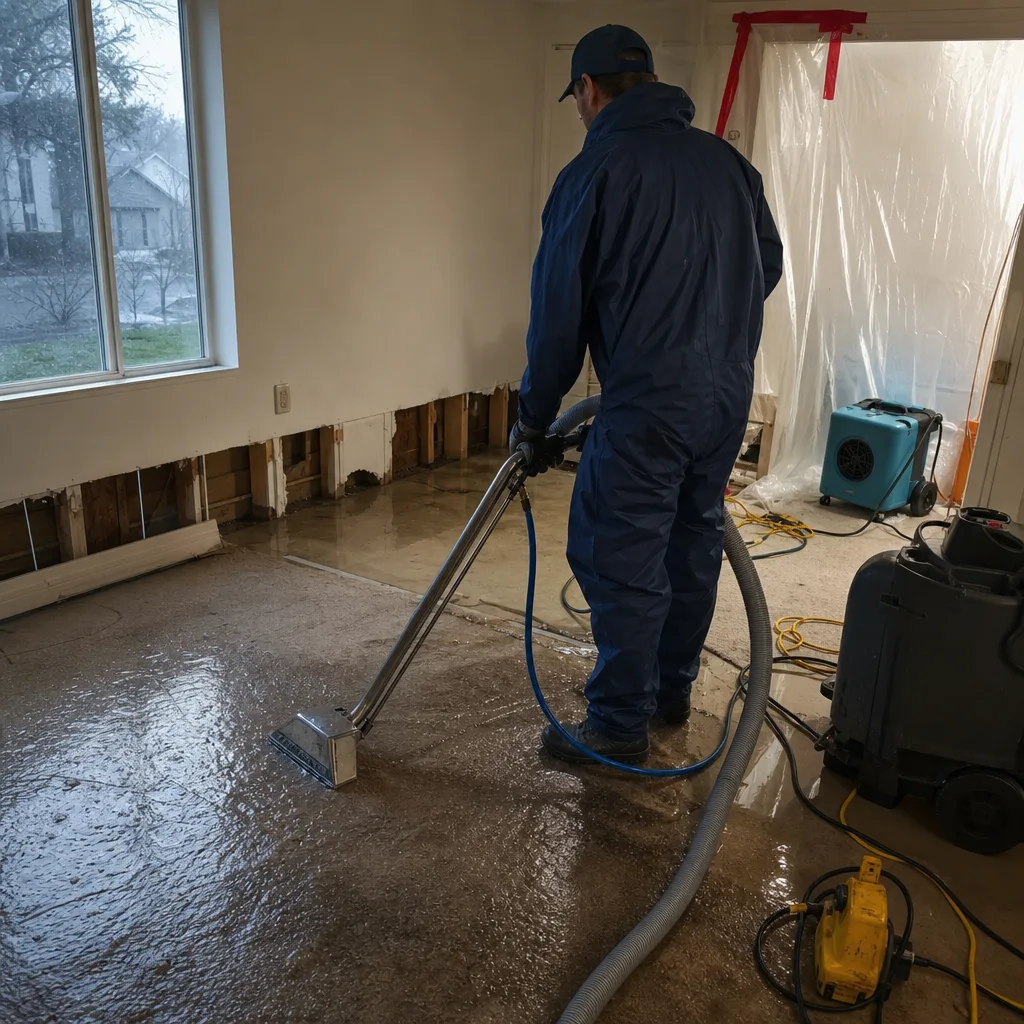
When a burst pipe or failed roof drain hits your Upper West Side apartment, standing water doesn’t wait for business hours. Our emergency water extraction teams deploy truck-mounted extraction systems and portable flood pumps sized for pre-war layouts - narrow service corridors, original herringbone floors that can’t take prolonged saturation, and shareholder units where every minute of delay means water migrating to the apartment below. We extract to the subfloor, then set psychrometric targets based on your building’s specific construction: horsehair plaster retains moisture differently than modern drywall, and our drying plan accounts for that from hour one. Haven Standard, Clause 1: written price before any work starts, even at 2 a.m.
Structural Drying & Dehumidification
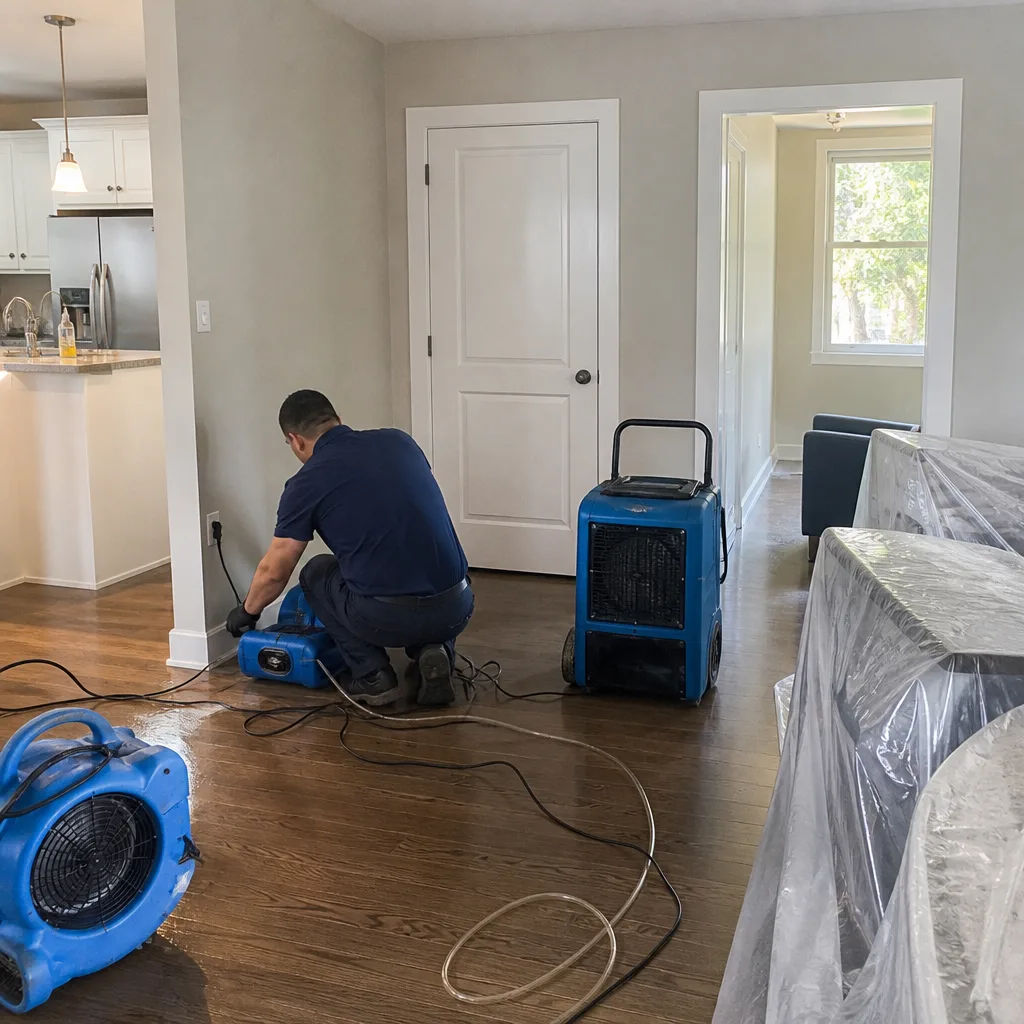
Upper West Side’s pre-war buildings demand structural drying that respects original materials while hitting the moisture readings carriers require for claim closure. We deploy Phoenix LGR dehumidifiers and XPOWER axial air movers in calculated arrays based on cubic footage, vapor pressure differential, and the permeability of your specific wall assembly. Psychrometric data - temperature, relative humidity, and dew point - is logged every 24 hours and delivered as a standard document, never an upsell. For co-op buildings with strict noise and scheduling rules, we sequence equipment runs to hit drying targets within board-mandated windows. Tertiary drying, the final phase where hidden moisture equalizes across dense plaster, is where out-of-neighborhood crews typically declare the job “dry” and leave. We don’t. The moisture meter decides when we’re done, not the calendar.
Flood Cleanup
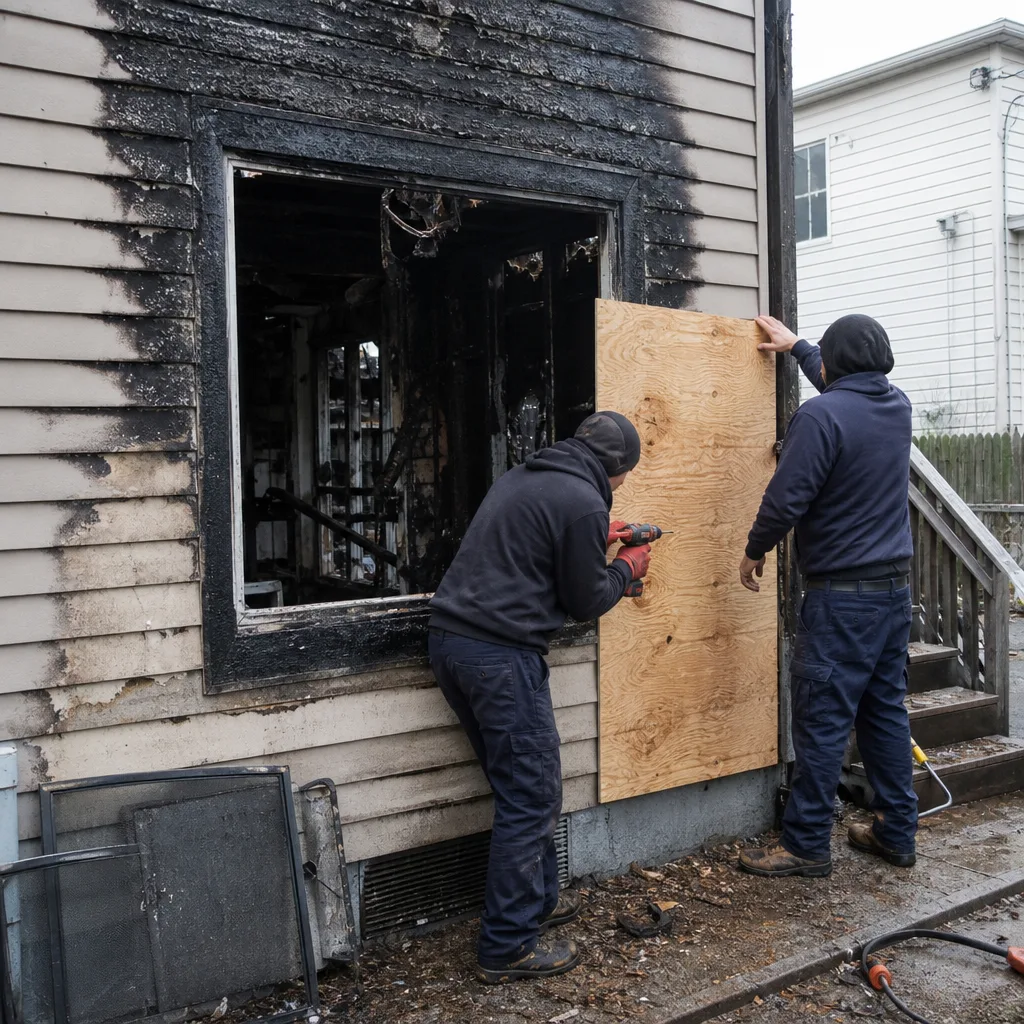
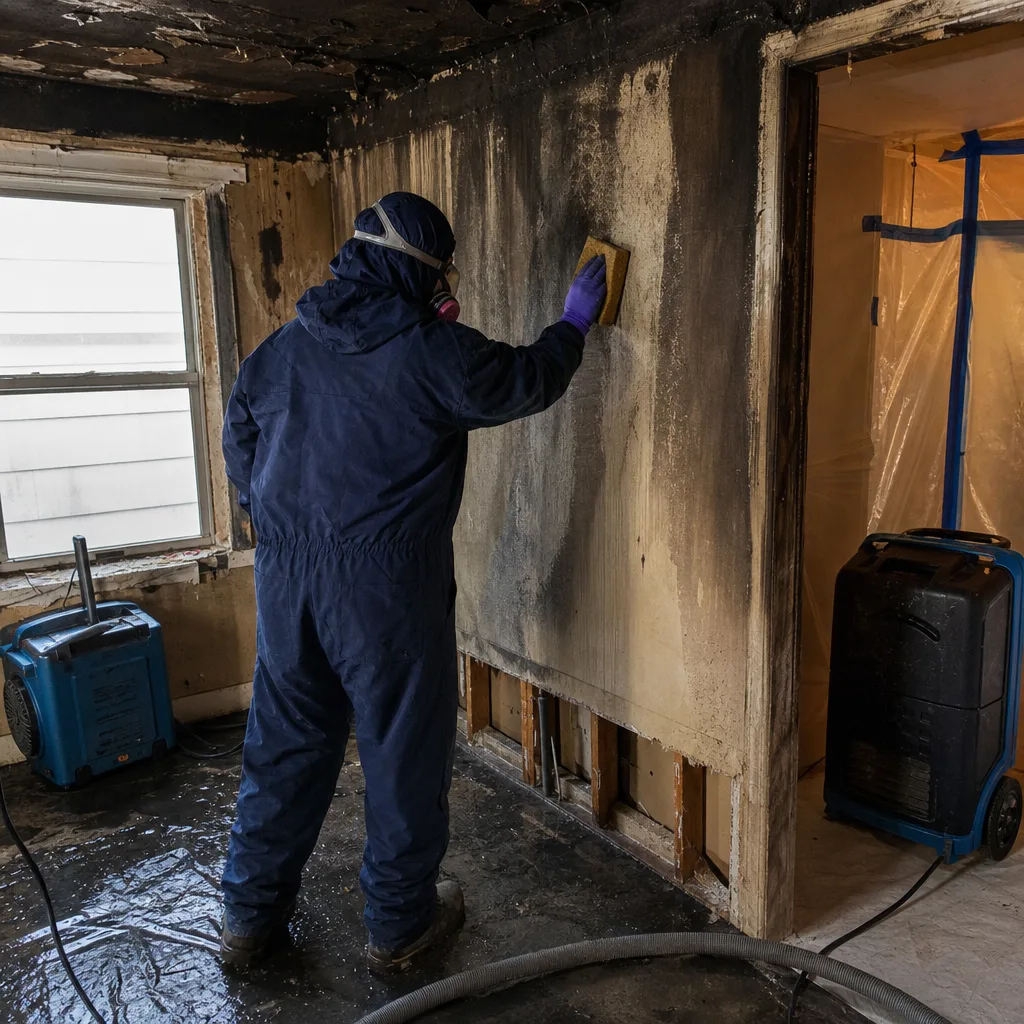
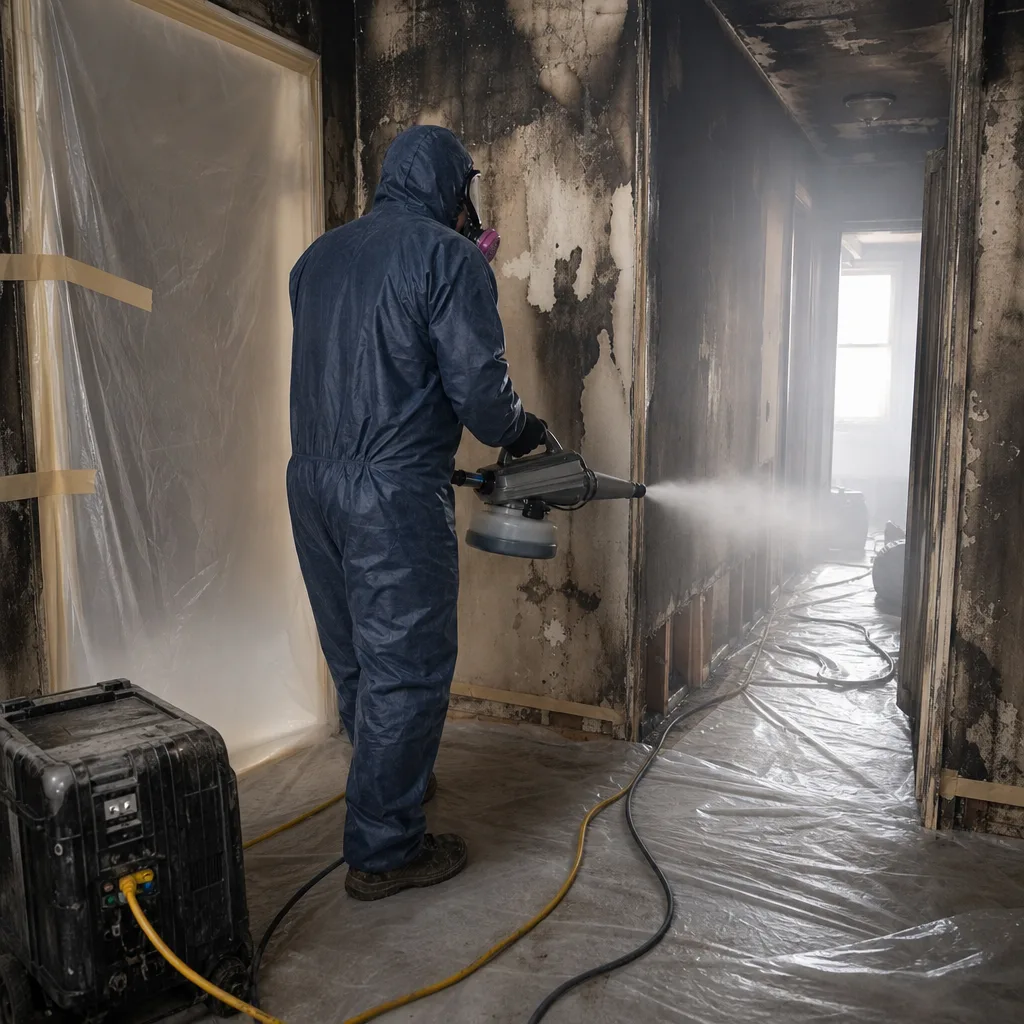
Flash flooding from failed roof drains or ice-dam overflow is a recurring winter event on Upper West Side pre-war buildings, where rooftop mechanical rooms take the full force of Manhattan’s freeze-thaw cycles. Flood cleanup here means Category 2 or 3 water assessment, contaminated material classification, and documentation that satisfies both your walls-in carrier and the co-op’s master policy adjuster. We photograph every affected surface before anything moves, test and log moisture content in adjacent units even if they look dry, and deliver a written scope that separates your coverage from the building’s. One file, multiple policyholders, zero confusion. That’s the documentation gap Alicia Brennan built this company to solve.
Burst Pipe Restoration
Burst pipe restoration in Upper West Side co-ops is rarely a single-loss event. Shared cast-iron risers and stacks run vertically through a dozen or more shareholder units, and when a joint fails - typically at a hub connection stressed by decades of thermal cycling - water tracks through multiple floors simultaneously. Each apartment carries its own walls-in policy with its own deductible. Our burst pipe protocol runs parallel documentation from the first moisture reading: separate photo records, separate drying logs, separate written scopes for each affected unit, submitted to each carrier with clear attribution of which damage originated from the common stack versus unit-specific conditions. We’ve managed four simultaneous claims from a single West End Avenue stack failure. The alternative - one contractor treating it as one job - leaves shareholders fighting their own building’s insurance for months.
Ceiling & Roof Leak Water Damage
Roof leak water damage in Upper West Side demands a contractor who understands pre-war plaster ceiling systems and the LPC constraints that govern their repair. Original horsehair-and-plaster ceilings, often with ornate crown moldings or decorative medallions, can’t be “drywalled over” in landmarked buildings without commission approval. Our ceiling & roof leak protocol starts with Injectidry panel drying - injecting dehumidified air through small access points to dry plaster in place rather than demolishing it. When tear-out is unavoidable, we document original molding profiles for replication, flag LPC notification requirements in the written scope, and price the full restoration timeline including approval waits. Out-of-neighborhood crews who demo first and ask questions later leave you with a $400 drying job that becomes a $9,000 landmark-compliant rebuild.
Basement Water Removal
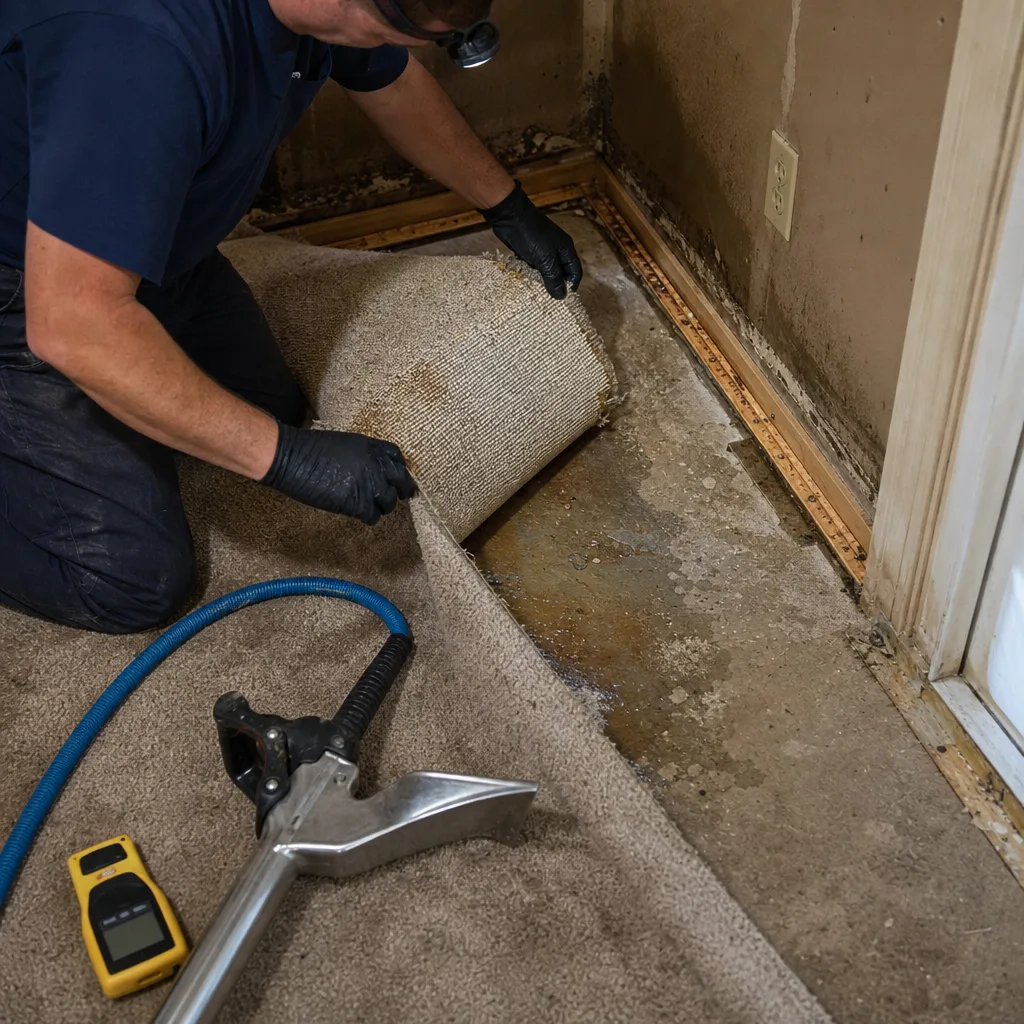
Brownstone basement water removal on Upper West Side side streets faces balloon-framing that lets water travel silently across floor lines, plus original stone foundations that weep humidity year-round. We map moisture migration with thermal imaging before declaring extraction complete, then deploy B-Air low-grain dehumidifiers sized for below-grade vapor load. The written scope includes foundation sealing recommendations and humidity monitoring protocols - not because we’re selling extra work, but because a basement that reads “dry” in March reads saturated by August without proper vapor management.
What happens when you call
- 1
A real person answersNo phone trees - you reach a local pro.
- 2
You get an upfront price rangeHonest numbers before anyone is dispatched.
- 3
A background-checked tech heads outLicensed & insured, dispatched right away.
- 4
You approve before work beginsNothing starts until you say go.
BeforeAfterTrusted Brands We Service in Upper West Side
Our equipment fleet for Upper West Side jobs includes professional-grade drying systems from Phoenix, XPOWER, and B-Air - brands specified in IICRC S500 guidelines and recognized by major carriers for claim documentation. We stock Injectidry panel-drying components locally for same-day deployment on plaster ceiling jobs, and our Phoenix dehumidifiers are calibrated quarterly to maintain the psychrometric accuracy that carriers audit. Equipment documentation - serial numbers, calibration dates, airflow ratings - is included in every job file as standard. Not because it’s impressive. Because it’s evidence.
Common Water Damage Restoration Problems We See in Upper West Side Homes
- Cast-iron stack failures in pre-war co-ops. Aging hub connections on shared waste lines let go without warning, sending Category 2 or 3 water through multiple shareholder units. The damage pattern is vertical and predictable, but documentation must separate common-area origin from unit-specific conditions for parallel claims processing.
- Ice-dam roof drain flooding on western blocks. Manhattan’s freeze-thaw cycles crack exposed rooftop drains and mechanical room seals, dumping meltwater into top-floor apartments. Proximity to the Hudson River keeps ambient humidity elevated, so secondary mold growth starts inside plaster walls within 48-72 hours if drying targets aren’t met.
- Pinhole leaks in original steam-pipe heating systems. Pre-war buildings along Central Park West and West End Avenue still run original steam risers with threaded joints that corrode from the inside. Slow leaks saturate horsehair plaster for weeks before visible staining appears, meaning “sudden” discovery often masks months of hidden moisture accumulation.
- Out-of-neighborhood crews stopped at co-op lobby desks. Contractors without certificates of insurance on file, unfamiliar with board-mandated elevator scheduling, or unaware of weekend work prohibitions lose 24-48 hours of critical drying time. By then, drywall is hosting mold and plaster is beyond in-place salvage.
Pricing for Water Damage Restoration in Upper West Side, NY
Water damage restoration pricing in Upper West Side reflects Manhattan labor rates, co-op building access complexities, and the documentation intensity that parallel claims demand. Emergency water extraction typically runs $1,200-$2,400 for the first two hours of truck-mounted extraction and initial moisture mapping. Structural drying and dehumidification runs $85-$140 per day per dehumidifier, with most pre-war apartments requiring 3-5 units for 4-7 days to hit IICRC dry standards in dense plaster. Flood cleanup with Category 2 or 3 contamination adds $2.50-$4.80 per square foot for antimicrobial application and contaminated material handling. Burst pipe restoration with multi-unit documentation runs $3,200-$6,800 for mitigation, plus $1,800-$4,500 per additional affected apartment for parallel claim files. Ceiling and roof leak drying with Injectidry panel systems runs $2,800-$5,200, versus $6,500-$11,000 if tear-out and LPC-compliant rebuild is required.
Every price is delivered in writing before work begins, every time, with no scope-creep additions once the crew is inside. Haven Standard, Clause 1. Free Second Opinion on any competitor’s written estimate - bring their quote and we’ll review it at no charge. Call (551) 212-1580 for exact pricing on your specific loss.
We Also Serve Cities Near Upper West Side
Our Water Damage Restoration team responds throughout Manhattan, including Upper West Side, Midtown Manhattan, Financial District, Murray Hill, and surrounding neighborhoods. Dispatch and scheduling are coordinated from our New York City office; crews serve Upper West Side locally with the building-specific knowledge that out-of-borough contractors lack.
Serving Upper West Side, NY - Our Local Coverage Area
We’re based in the Upper West Side area and know this community well. Use the map below to see our service coverage - if you’re nearby, we can almost certainly help.
FAQs - Water Damage Restoration in Upper West Side
The common-area stack is typically covered by the co-op’s master policy, while interior damage to finishes, fixtures, and personal property falls to each unit’s walls-in policy. We document which damage originated from the common element versus unit-specific conditions, then submit separate drying logs and written scopes to each carrier with clear attribution. Your deductible applies only to your walls-in claim; the master policy handles common-area repair subject to the building’s deductible. Call (551) 212-1580 and we’ll review the coverage structure on your specific building before work starts.
Yes - Injectidry panel drying is our first-line approach for landmark-quality plaster ceilings in Upper West Side buildings. We inject dehumidified air through small access points, monitor moisture content daily with calibrated pin meters, and document readings to IICRC standards. Tear-out is reserved for plaster that has delaminated from lath or developed structural cracks. The written scope specifies which approach applies to each ceiling area, with pricing for both paths, before any work begins. Haven Standard, Clause 1.
Most Upper West Side co-ops require certificates of insurance on file with management, worker identification logged with the doorman, and work scheduled within specific elevator windows - typically 9 a.m. to 4 p.m. weekdays, no weekend work without board approval. Noise curfews often prohibit air movers before 9 a.m. We confirm these constraints during our initial call, pre-file documentation with your building, and sequence drying equipment to hit psychrometric targets within permitted hours. Out-of-neighborhood crews who violate these rules get shut down mid-job, leaving moisture readings incomplete and claims unpaid.
Cast-iron stack water is typically Category 2 - significantly contaminated, requiring antimicrobial treatment and controlled demolition of porous materials - though it escalates to Category 3 if the line carries sewage or if standing time exceeds 48 hours. We test and classify on arrival, document the category determination with photos and moisture readings, and build the written scope around the correct material handling protocol. Your carrier’s coverage for Category 2 versus 3 may differ; we note the classification in the initial file so there’s no dispute at invoice. Call (551) 212-1580 for same-day assessment.
On Upper West Side’s western blocks, Hudson River humidity keeps ambient moisture elevated year-round, so mold colonization begins inside plaster walls within 48-72 hours of any water event - faster than inland benchmarks suggest. We measure this with thermal imaging and moisture meters, not guesswork. A wall reading above 16% wood moisture equivalent in horsehair plaster triggers antimicrobial application and enhanced dehumidification in our protocol. The daily drying log shows exactly when readings dropped below threshold, with photos, so your carrier sees the prevention work that avoided a separate mold claim. Call (551) 212-1580 for moisture mapping - estimates are free.
Written by Alicia Brennan, Owner at Back to Dry Restoration, serving Upper West Side since 2011.