
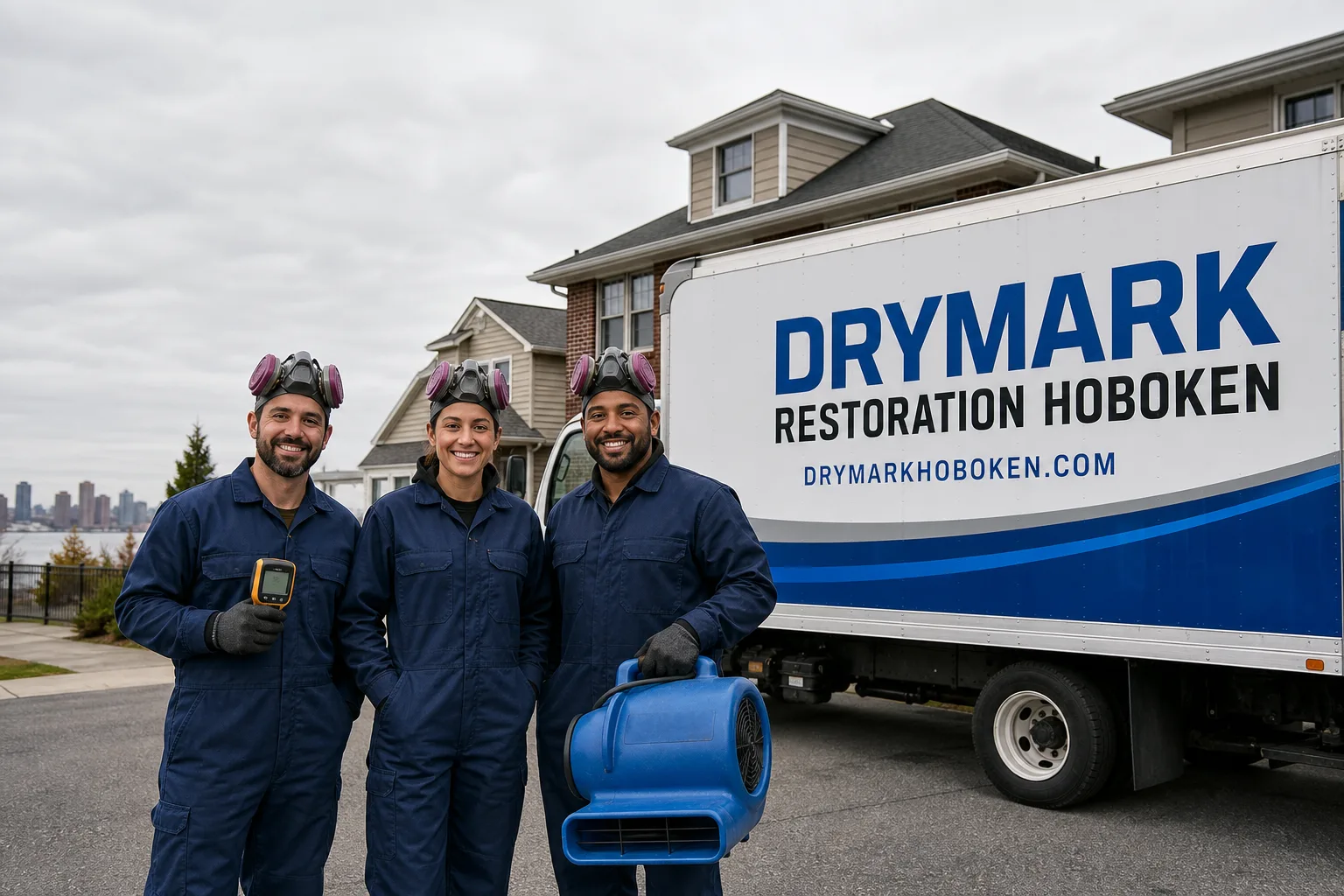
Free visual inspection and a written scope of work before any mitigation begins - photos, moisture readings, and drying logs go in your claim file
The scope we write is the scope we bill. Anything new gets shown to you, in writing, before we touch it.
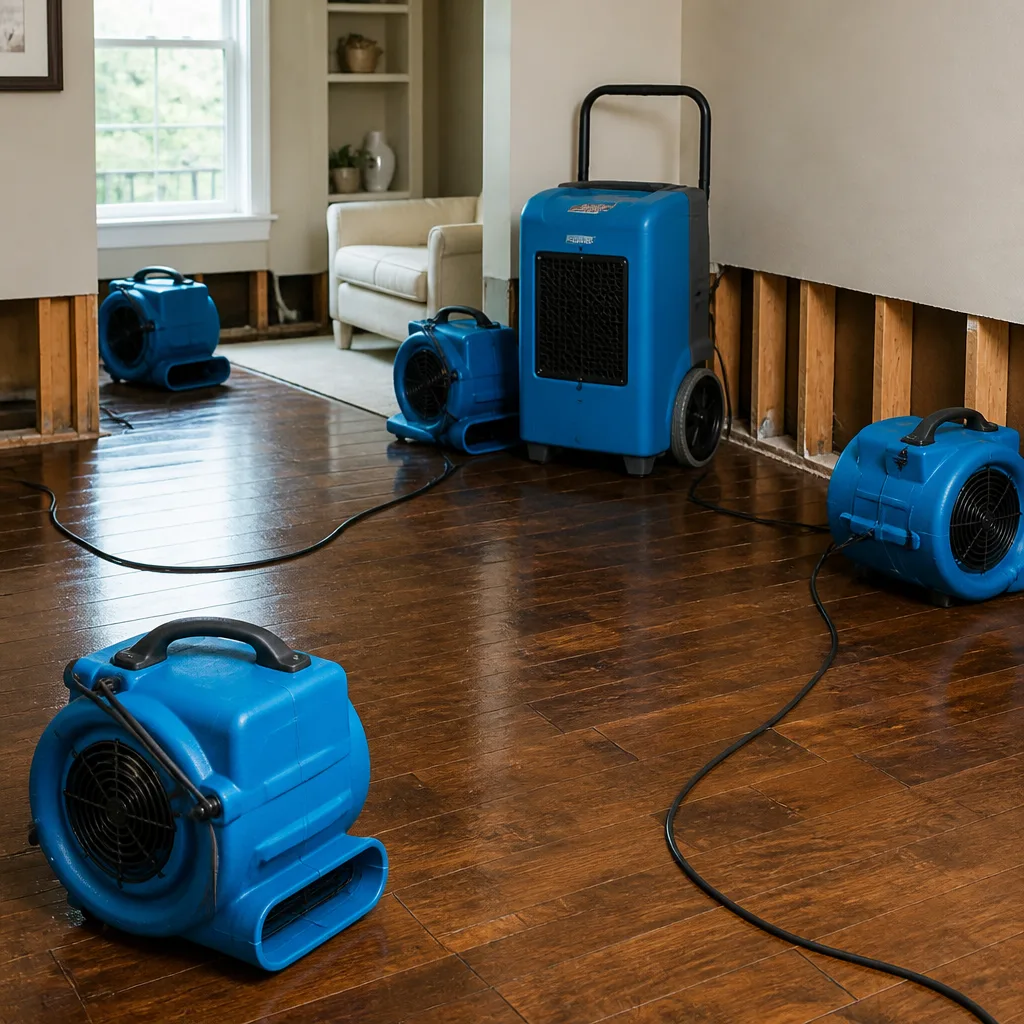
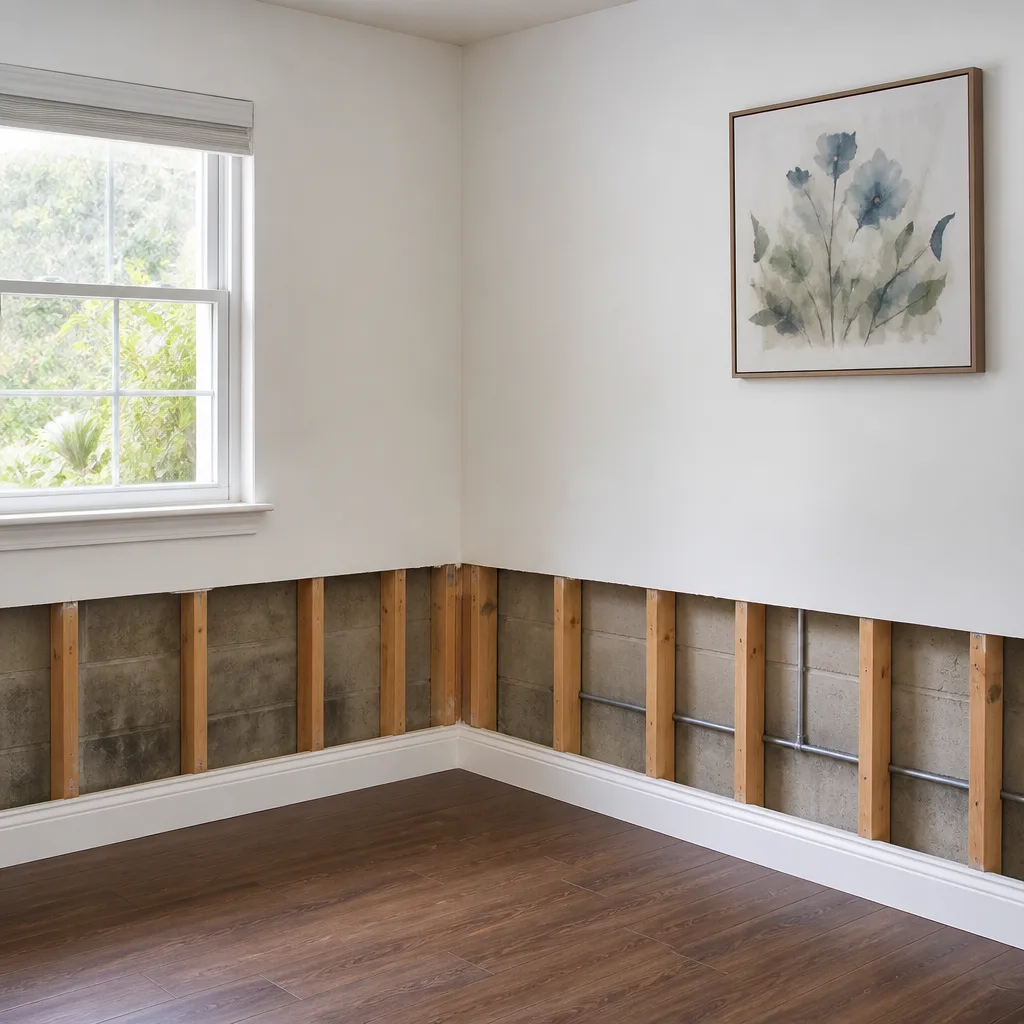
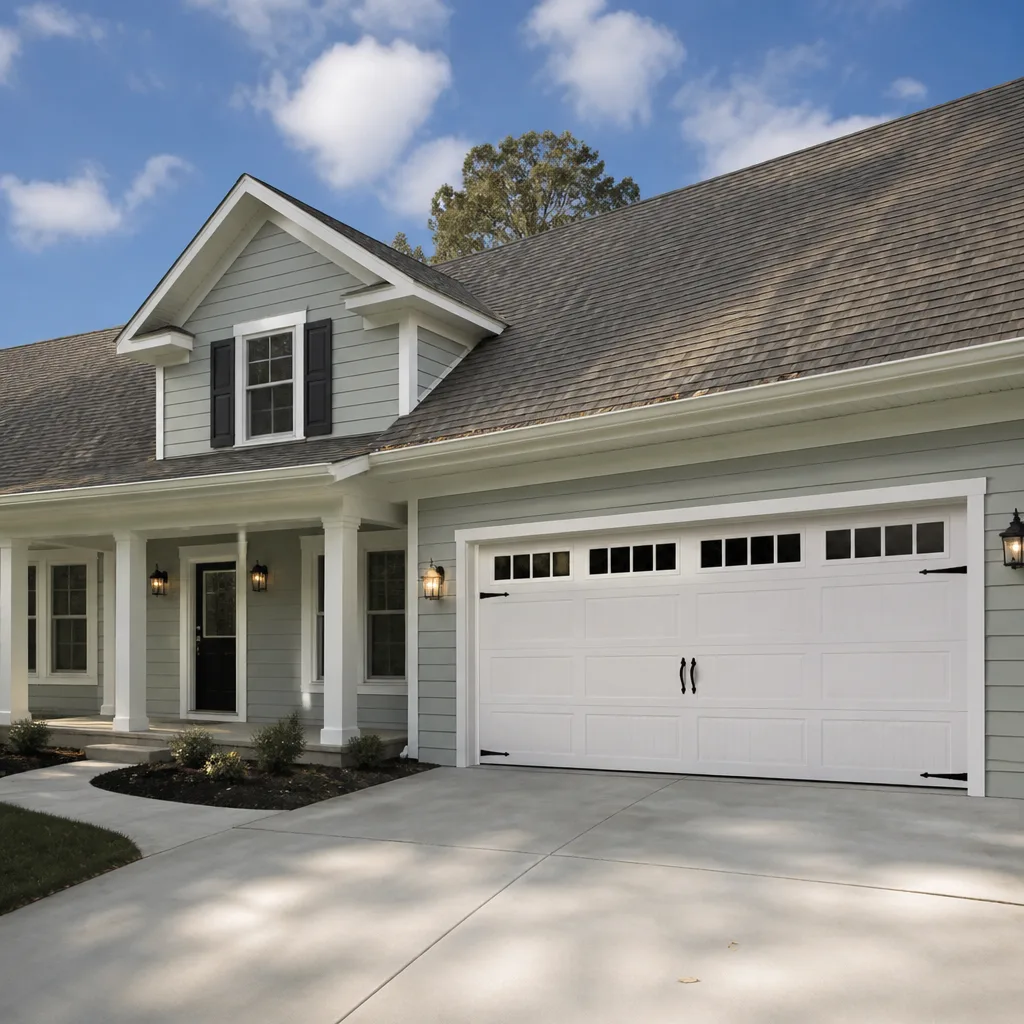
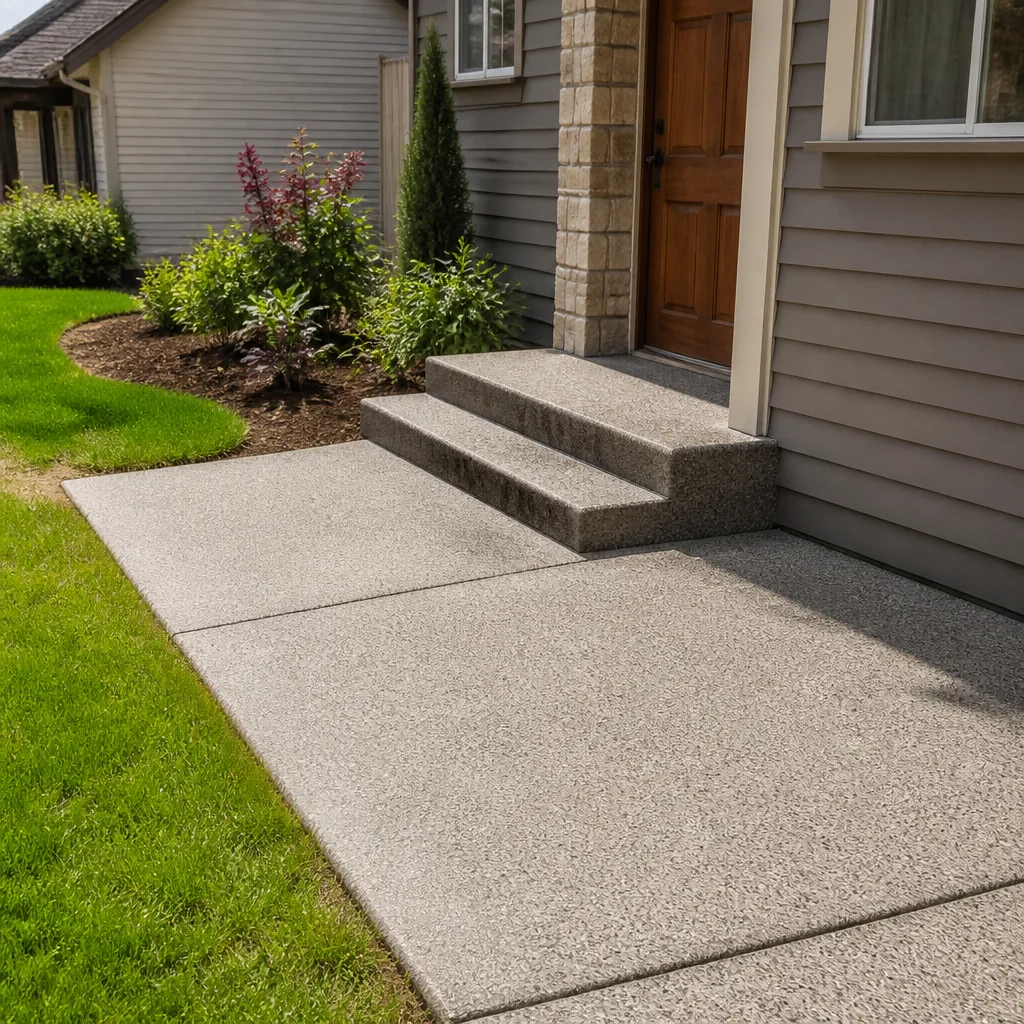
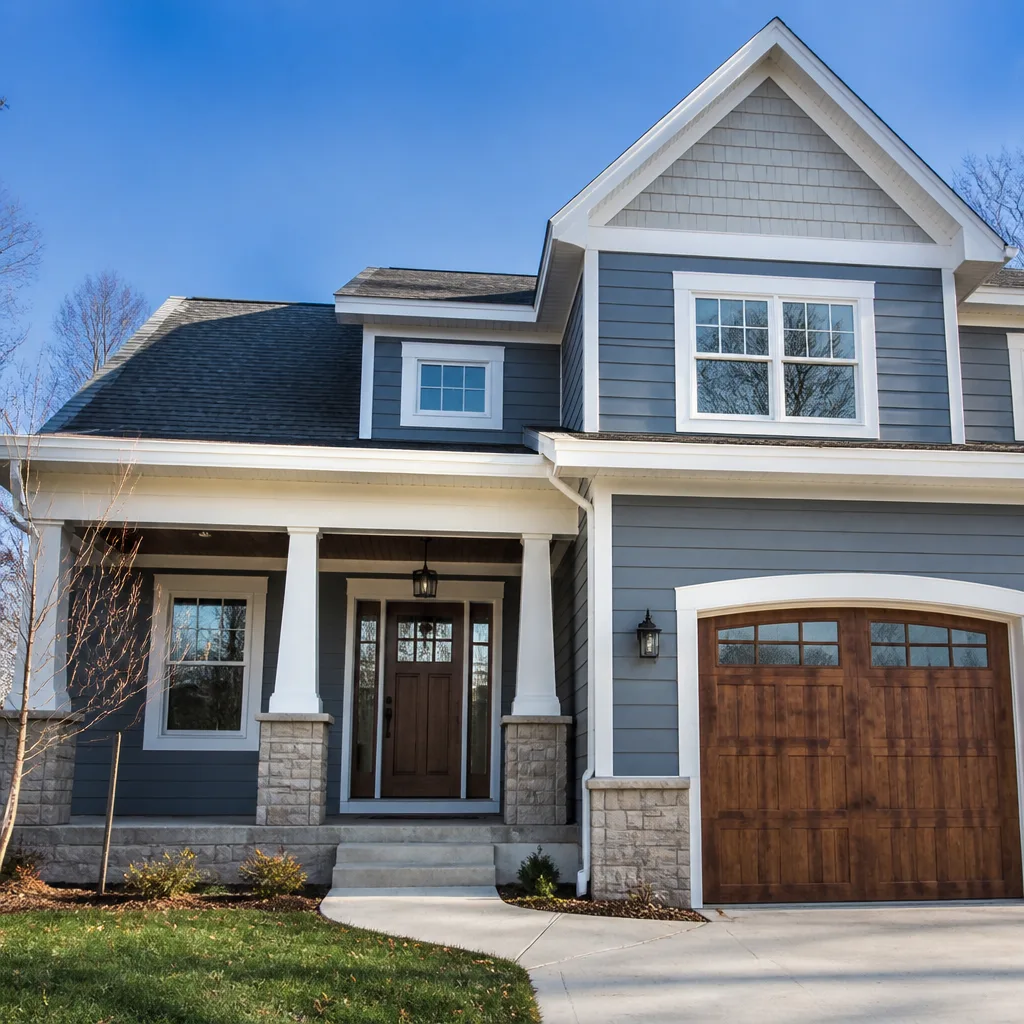
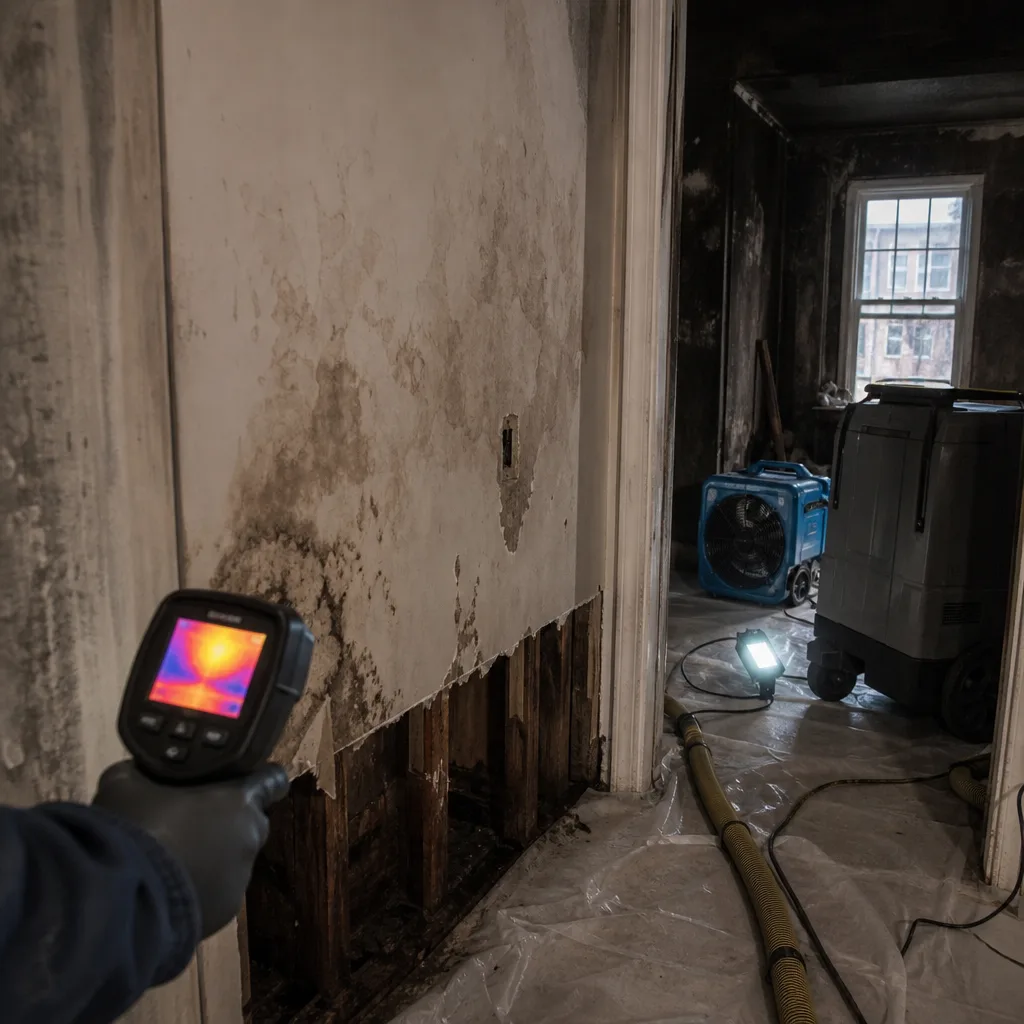 Before
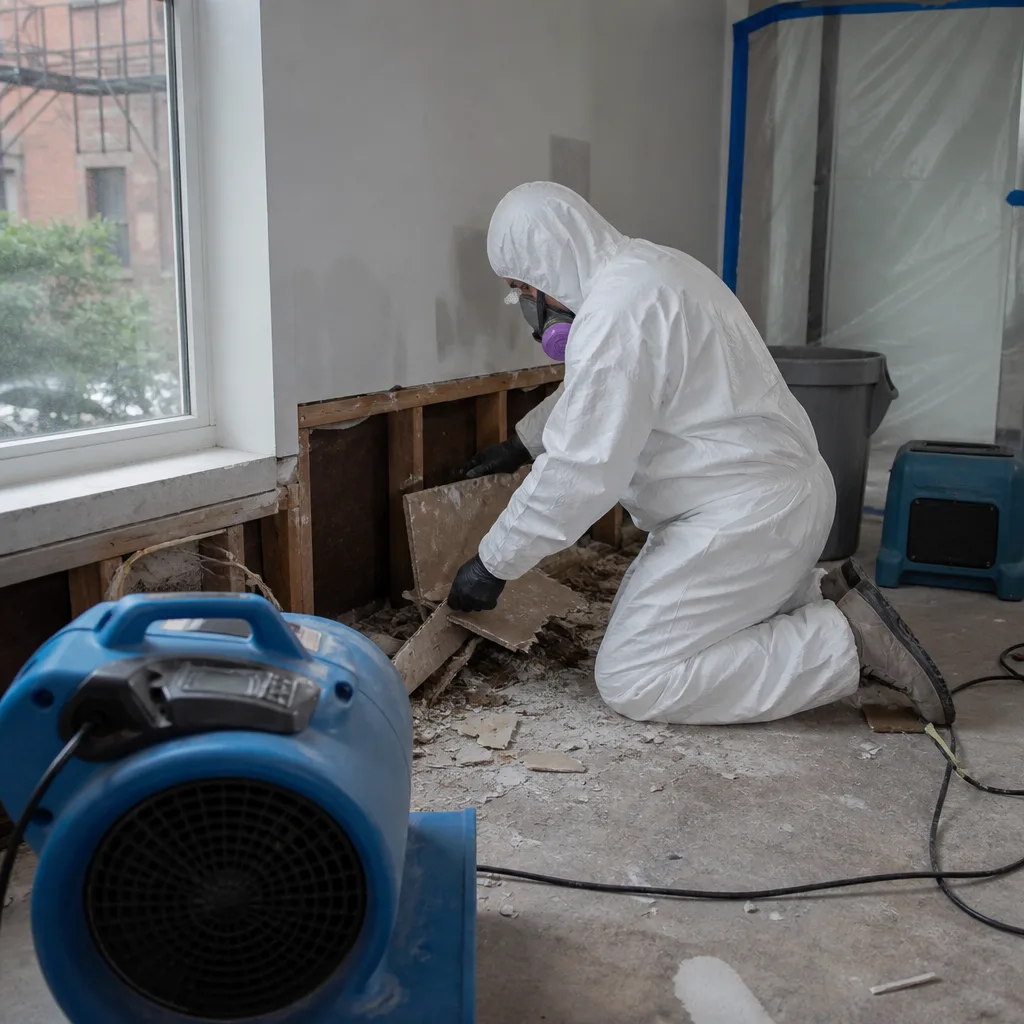 After
After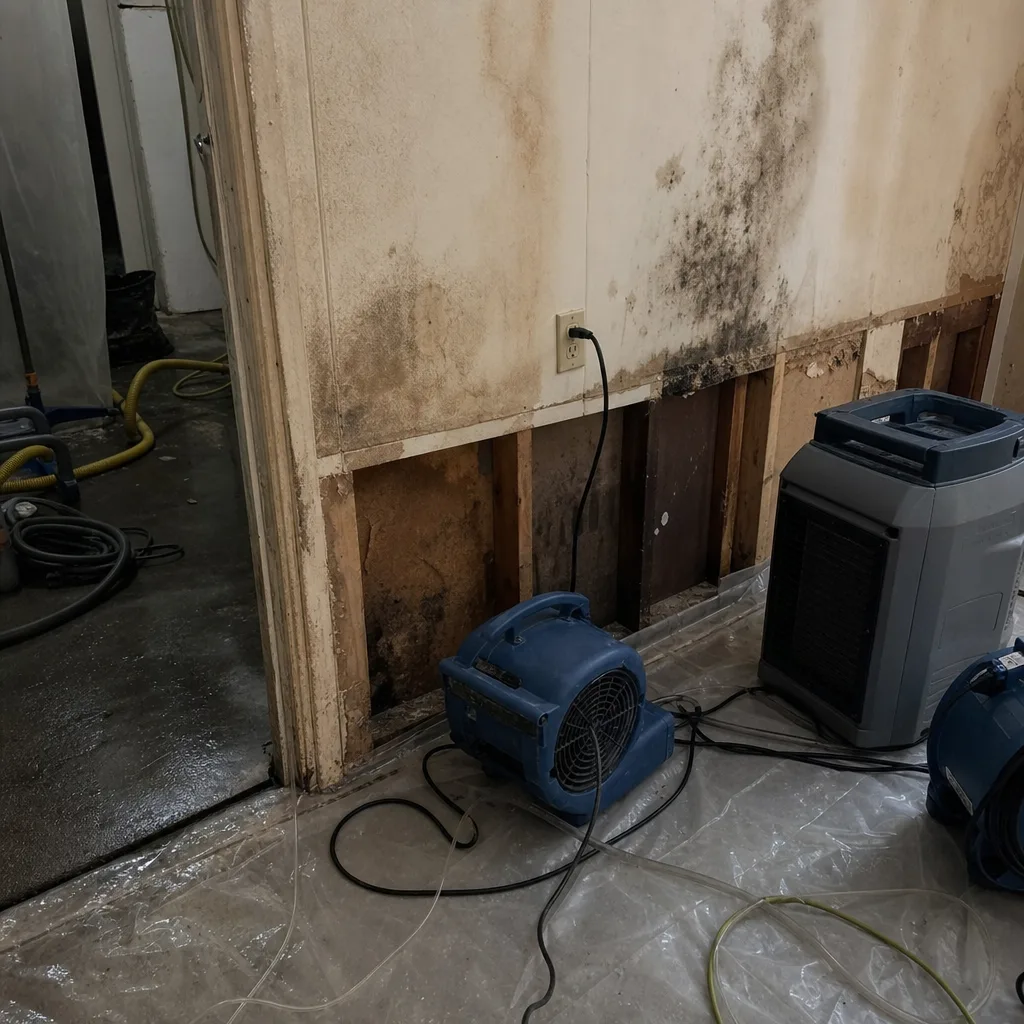 Before
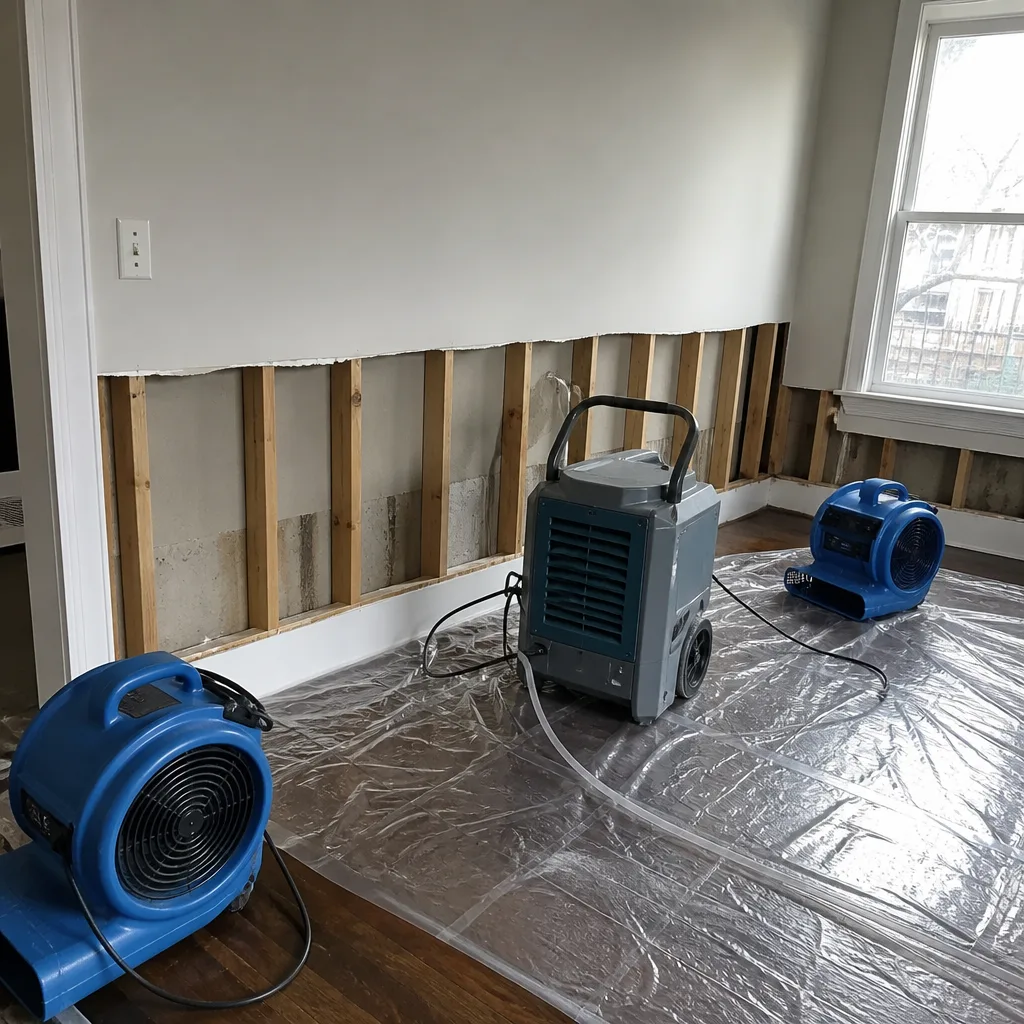 After
After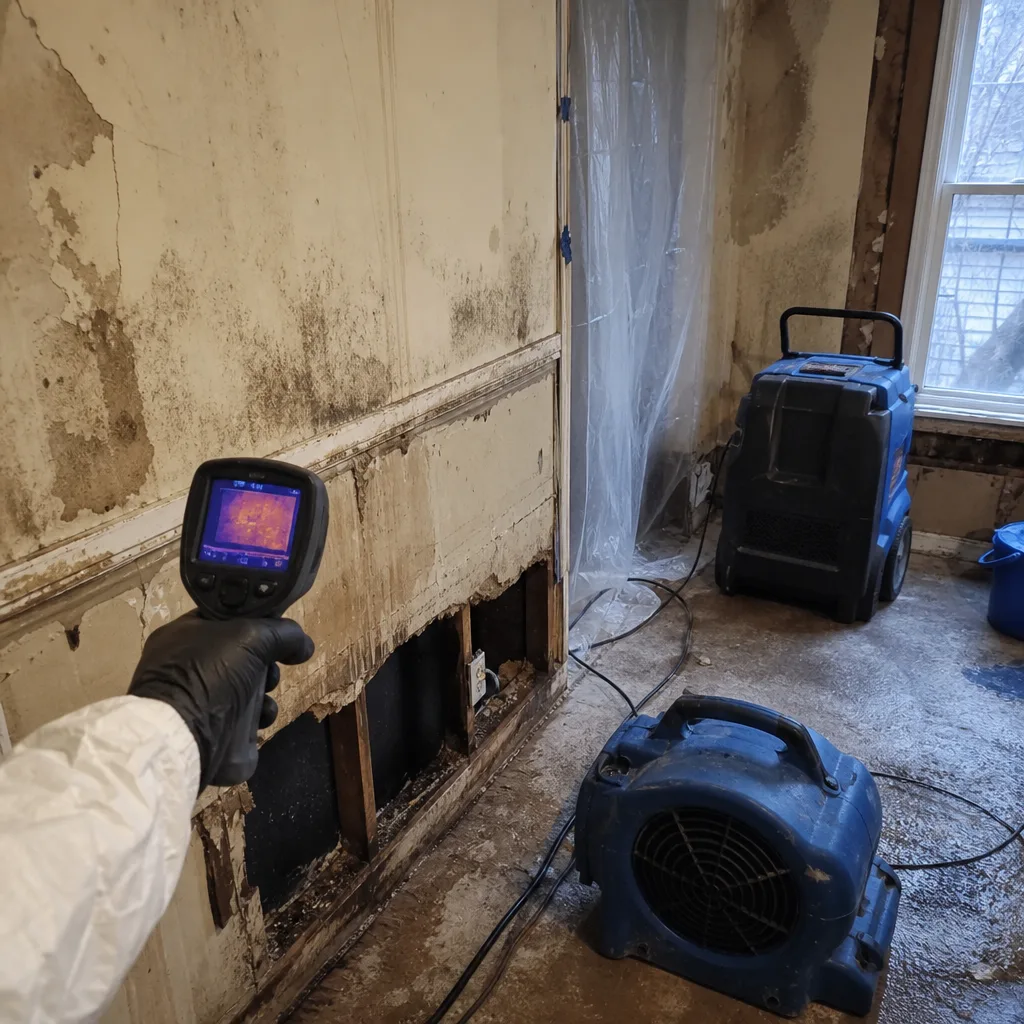 Before
 After
AfterFast, Reliable Water Damage Restoration Across Morningside Heights
Water damage restoration in Morningside Heights typically costs between $2,800 and $7,500 for a standard multi-unit extraction and drying scope, with emergency response available within 60-90 minutes to addresses throughout the 10025 and 10027 ZIP codes. Crews are dispatched from our New York City office and arrive equipped for the neighborhood’s distinctive building stock: pre-war brick elevator buildings with original plaster, cast iron plumbing, and rooftop wooden water tanks that fail without warning. Call (551) 212-1580 and a live person answers, 24 hours a day, 7 days a week - no voicemail while water is still moving through your building.
We’ve restored water damage in Morningside Heights since 2011, and the pattern is consistent. A single pipe failure or tank rupture in one of these 10-to-20-story buildings doesn’t stay in one unit. It travels vertically through plumbing chases, steam risers, and original plaster ceilings, often affecting a dozen or more apartments before the first tenant calls. Our Water Damage Restoration team documents every floor, every moisture reading, and every photo to the standard that institutional carriers and Columbia University’s facilities department expect.
Why DryMark Restoration Hoboken Is Morningside Heights’s Preferred Water Damage Restoration Company
Morningside Heights residents know our trucks. We’ve dried out buildings along Broadway, Amsterdam Avenue, and Morningside Drive where the pre-war stock is densest, and our written scopes have been approved by carriers who insure Columbia University housing, Barnard College residence halls, and private co-op boards alike. The reviews we receive from Morningside Heights customers consistently cite two things: our technician arrives with a written price before anyone touches equipment, and our daily drying logs make the insurance conversation straightforward.
Response time to Morningside Heights runs 60-90 minutes from dispatch, faster for Category 3 sewage or active tank leaks where water is still flowing. Our technicians are background-checked, uniformed, and licensed - their credentials verified before they arrive at your building’s service entrance. We know the neighborhood’s supers by name, understand the protocols for buildings with doormen and freight elevators, and carry the insurance documentation that Morningside Heights co-op boards require for vendor approval.
What separates us in this market is documentation discipline. Every visit produces a photo record, every 24 hours produces a moisture log, and every job ends with a signed 365-Day Done Right Promise under The Haven Standard. In a neighborhood where restoration invoices are scrutinized by institutional adjusters, that paper trail is the difference between a paid claim and a denied one.
Our Water Damage Restoration Services in Morningside Heights
Emergency Water Extraction
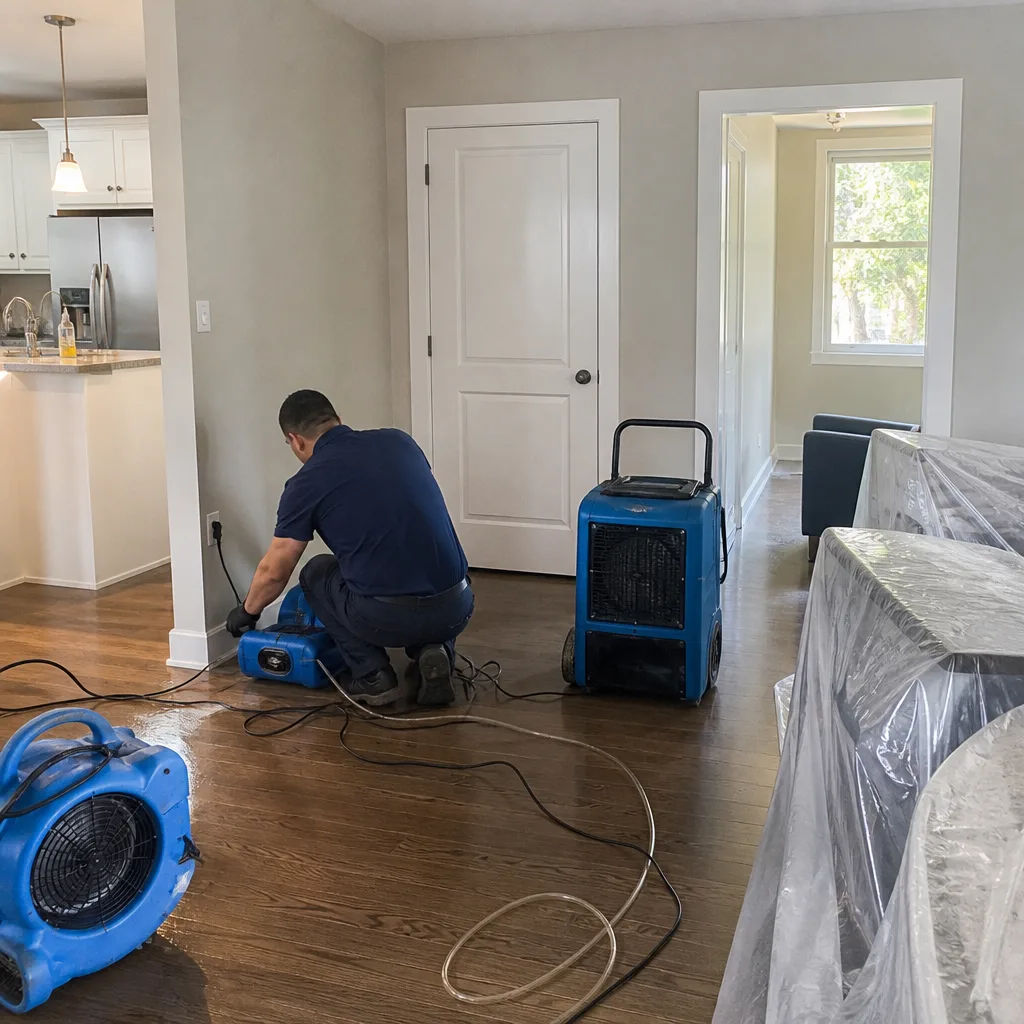
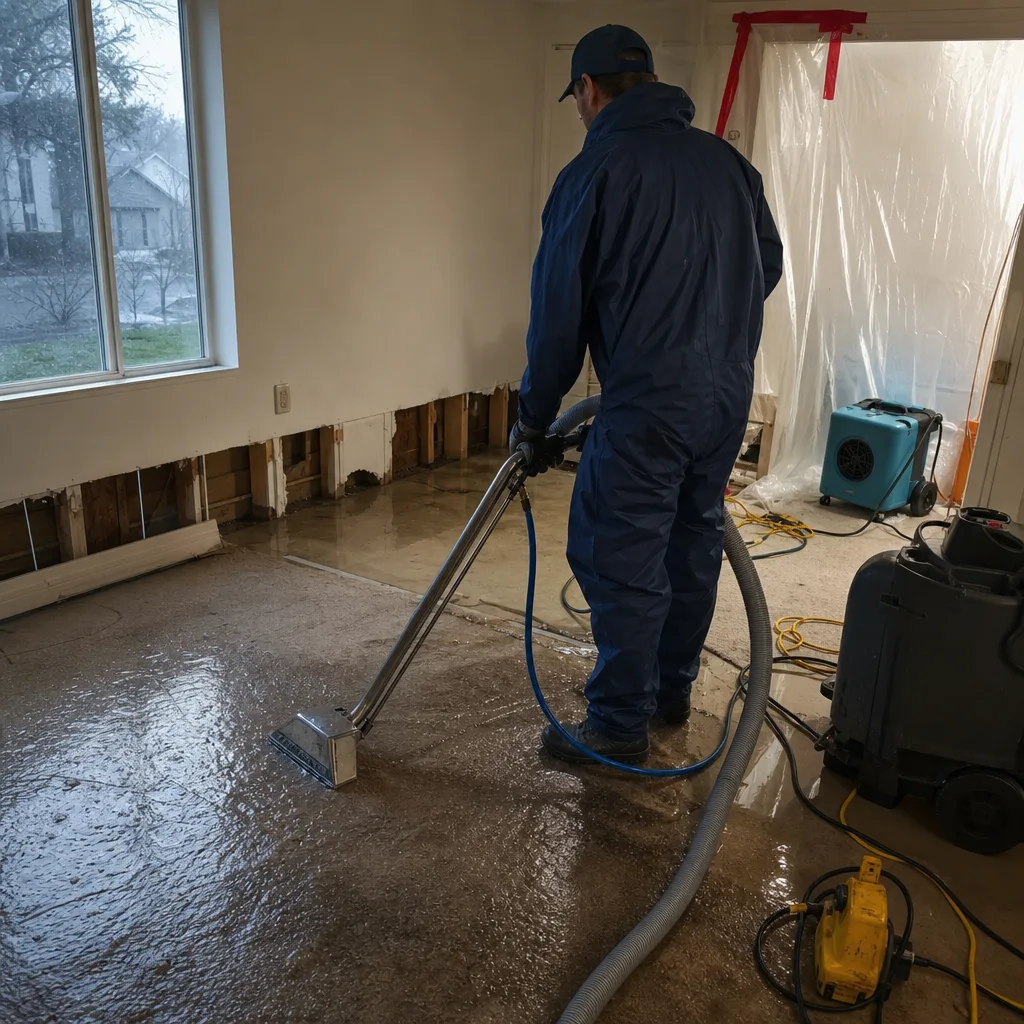
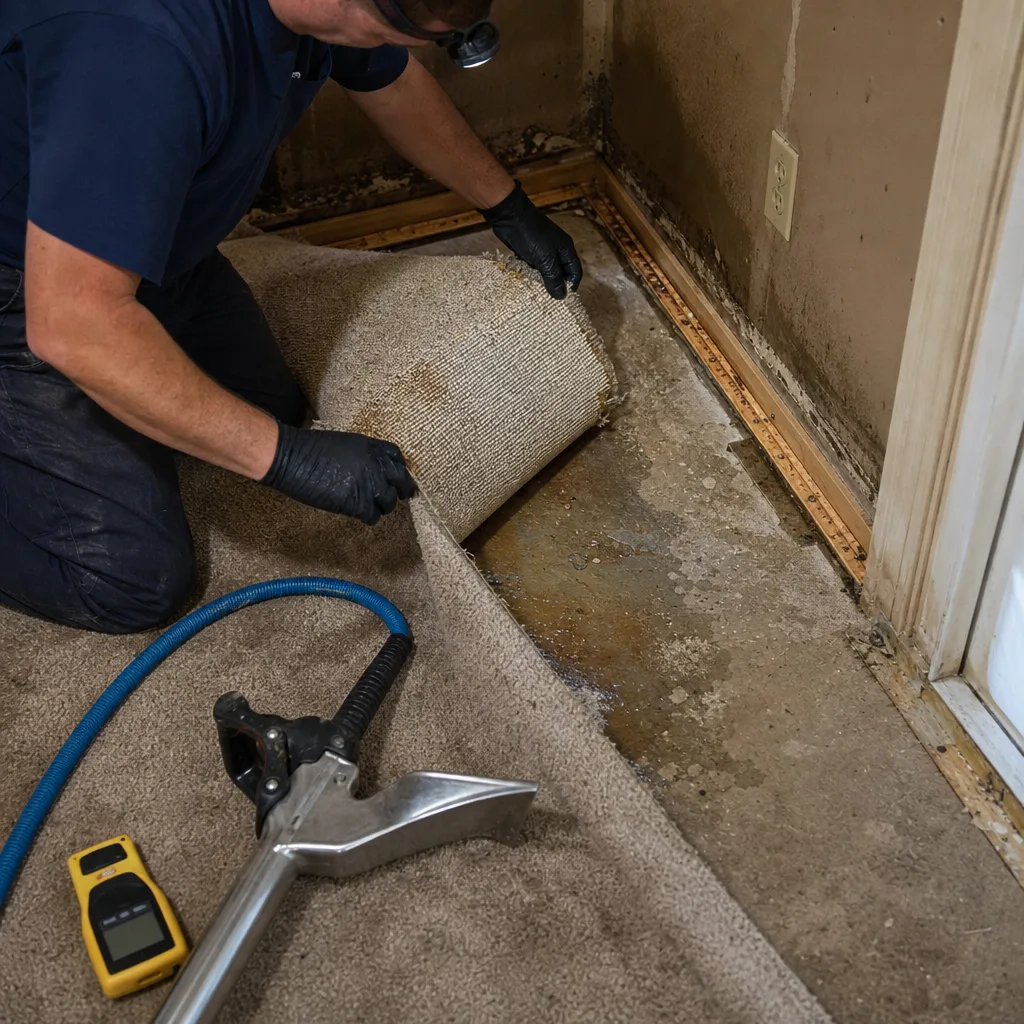
When a rooftop wooden water tank on a 1926 building near Morningside Drive splits after a freeze-thaw cycle, thousands of gallons don’t wait for business hours. Our emergency water extraction crews in Morningside Heights arrive with truck-mounted extraction units and portable flood pumper systems sized for multi-floor commercial losses. We extract standing water from hardwood, original parquet, and the concrete subfloors common in these pre-war buildings, then deploy weighted extraction tools to pull residual moisture from carpet and pad where present. The goal in Morningside Heights is speed with documentation: every gallon extracted is logged, every affected unit is photographed, and the scope is written before dehumidifiers start running.
Structural Drying & Dehumidification
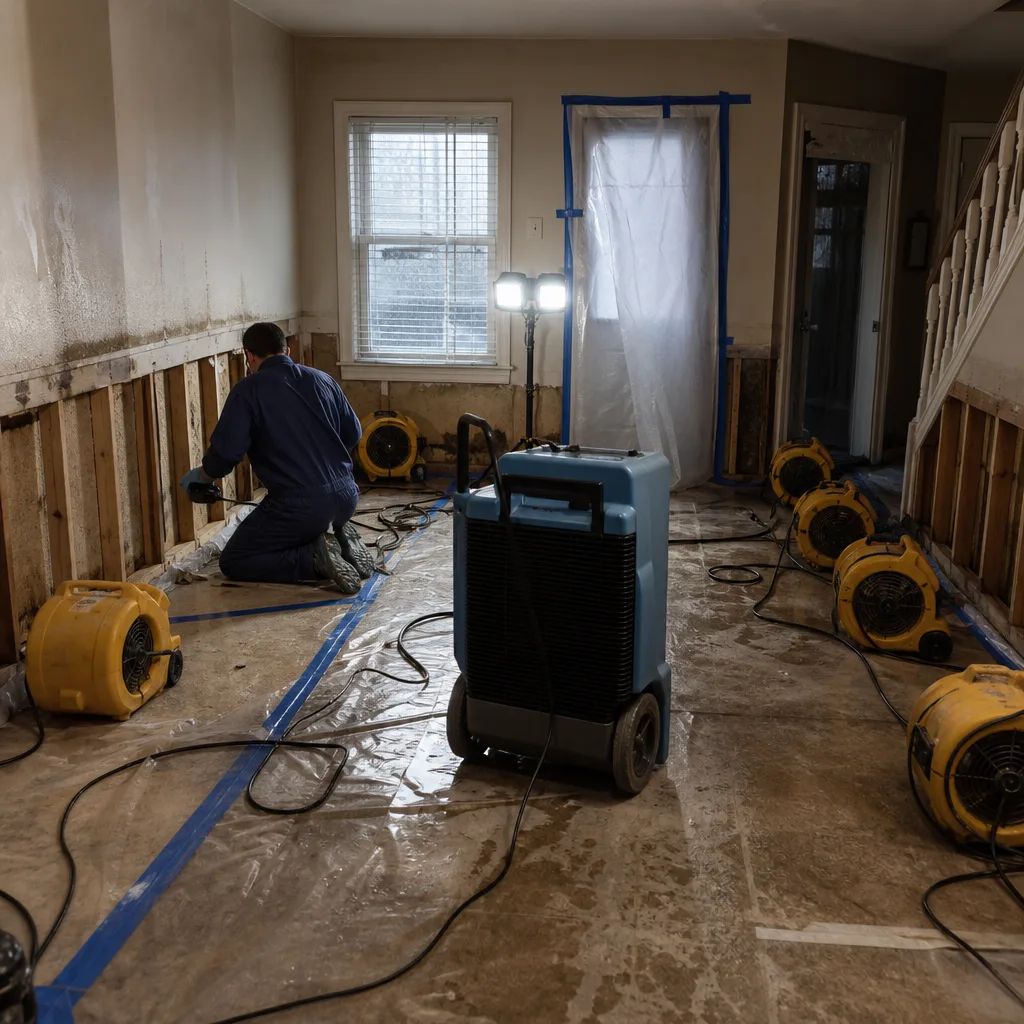
Structural drying in Morningside Heights pre-war buildings presents a specific challenge. The original plaster and lath construction, often 1.5 to 2 inches thick, holds moisture differently than modern drywall, and the steam-heating infrastructure creates thermal variation that complicates psychrometric calculations. Our crews deploy Dri-Eaz and Phoenix LGR dehumidifiers with calculated air changes per hour, position axial air movers to establish vapor pressure differential across wet assemblies, and monitor with penetrating moisture meters at 24-hour intervals. The drying log we produce - temperature, relative humidity, specific humidity, and moisture content readings by room - becomes the documentation your carrier requires to approve the invoice. Tertiary drying, the final phase where hidden moisture in dense materials equalizes with ambient conditions, often runs longer in Morningside Heights plaster than in modern construction, and we scope that honestly from day one.
Flood Cleanup
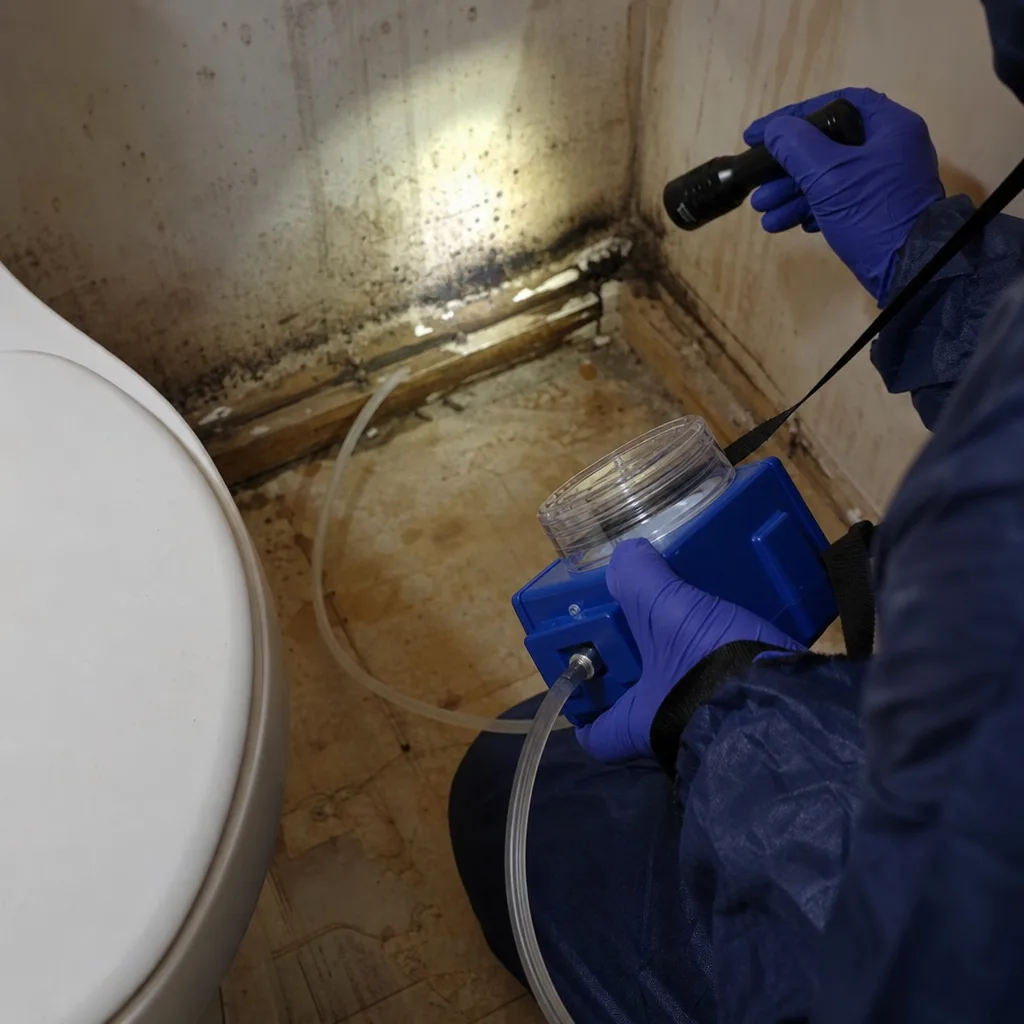
While Morningside Heights sits on the elevated Manhattan schist escarpment above Morningside Park and is largely shielded from street-level flooding, the floods we see here are internal and vertical: tank releases, riser breaks, and domestic hot water line failures that cascade through multiple floors. Our flood cleanup protocol includes contamination assessment (Category 1, 2, or 3 classification), content pack-out for affected tenants, and antimicrobial application where Category 2 or 3 conditions exist. In institutional buildings, we coordinate with facilities managers to sequence work around tenant occupancy, and we document salvage decisions with photo evidence for the property’s insurance file.
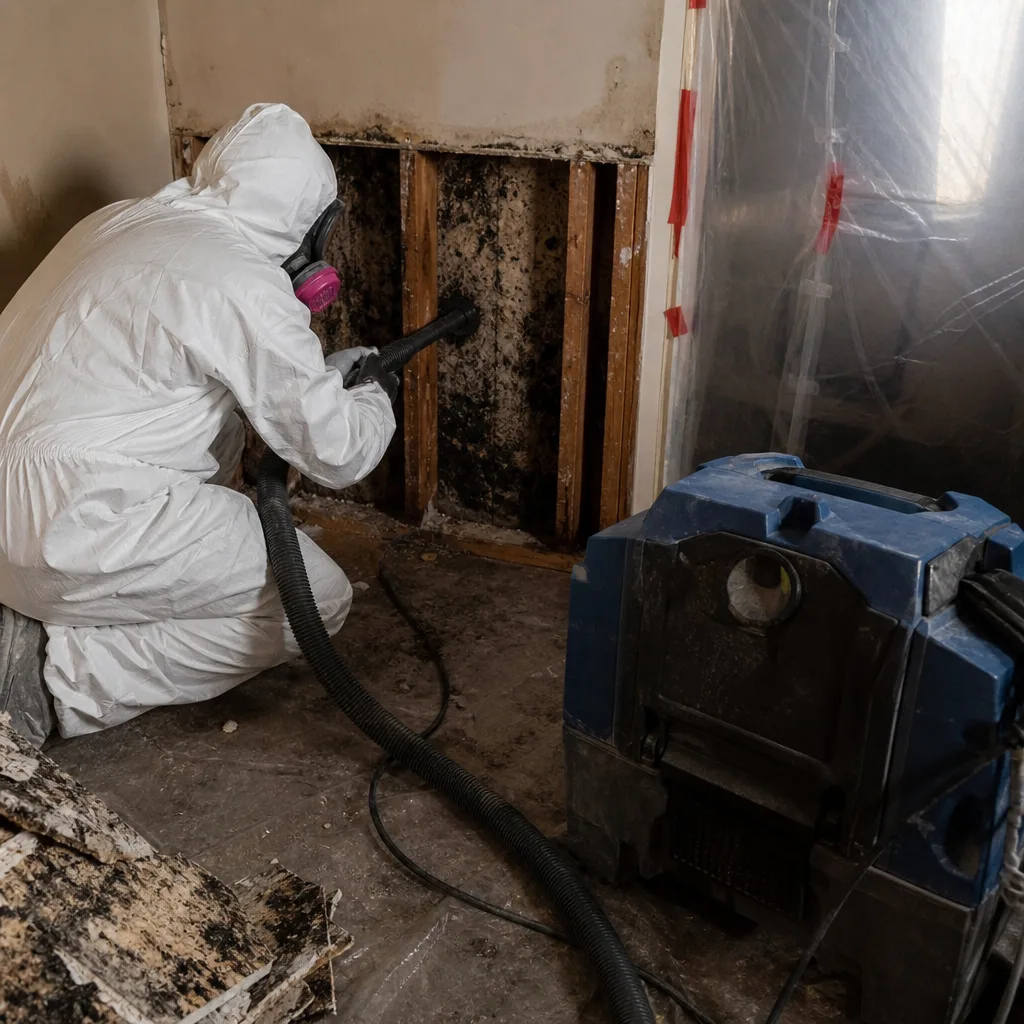
Burst Pipe Restoration
The cast iron and galvanized supply lines in Morningside Heights’s 1900-1940 building stock corrode from the interior, thinning unpredictably until they fail under pressure. When we arrive at a burst pipe call, our first step is emergency water shut-off coordination with the building super, followed by extraction and a moisture mapping survey that extends beyond the visible leak path. Cast iron lines complicate moisture readings - the metal itself registers on non-penetrating meters - so our techs use penetrating probes and thermal imaging to distinguish pipe condensation from ambient moisture in surrounding plaster. The restoration scope often includes material-matching for period-appropriate repairs, and we note that requirement in our written estimate before any demolition begins.
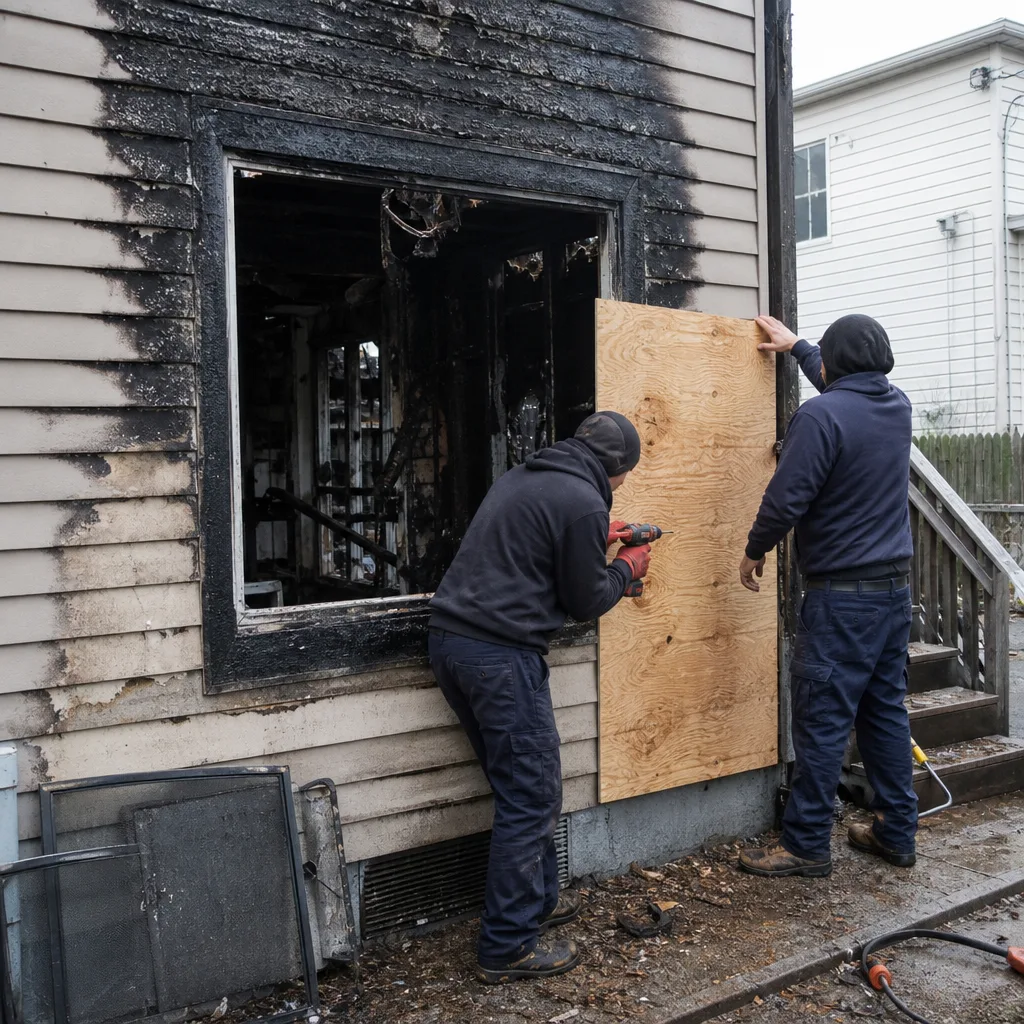
Ceiling & Roof Leak Water Damage
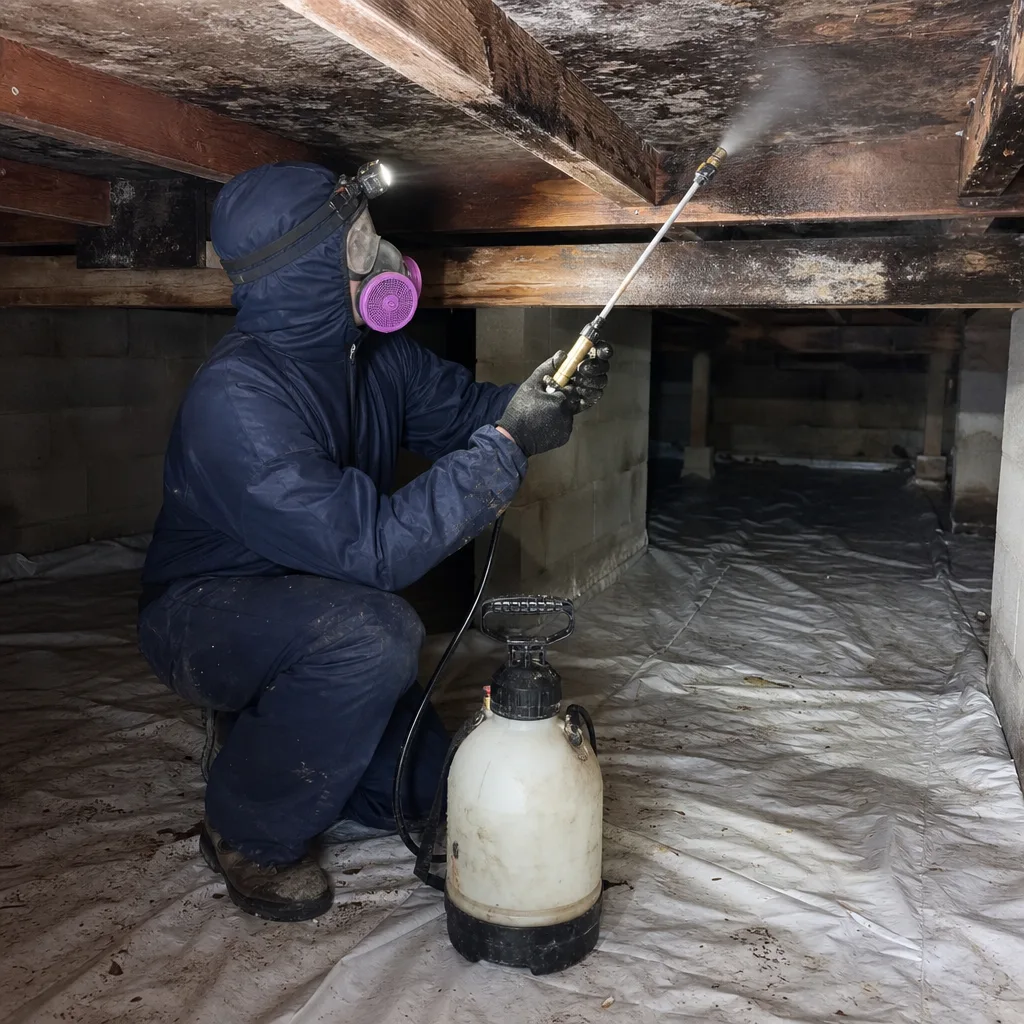
Ceiling damage in Morningside Heights follows a predictable arc: the rooftop wooden water tank, a near-universal feature of these tall buildings, develops a seam split or overflow malfunction after temperature fluctuation. Water travels through the roof assembly, pools at structural low points, and enters the top-floor unit first - then continues downward through plumbing chases and electrical penetrations. Our ceiling and roof leak protocol includes controlled demolition of unsalvageable plaster, drying of the remaining lath substrate, and air-quality testing where mold is suspected. We document the roof condition with photos for the building’s maintenance file, and our scope separates restoration work from roofing repairs so there’s no confusion about which trade handles which phase.
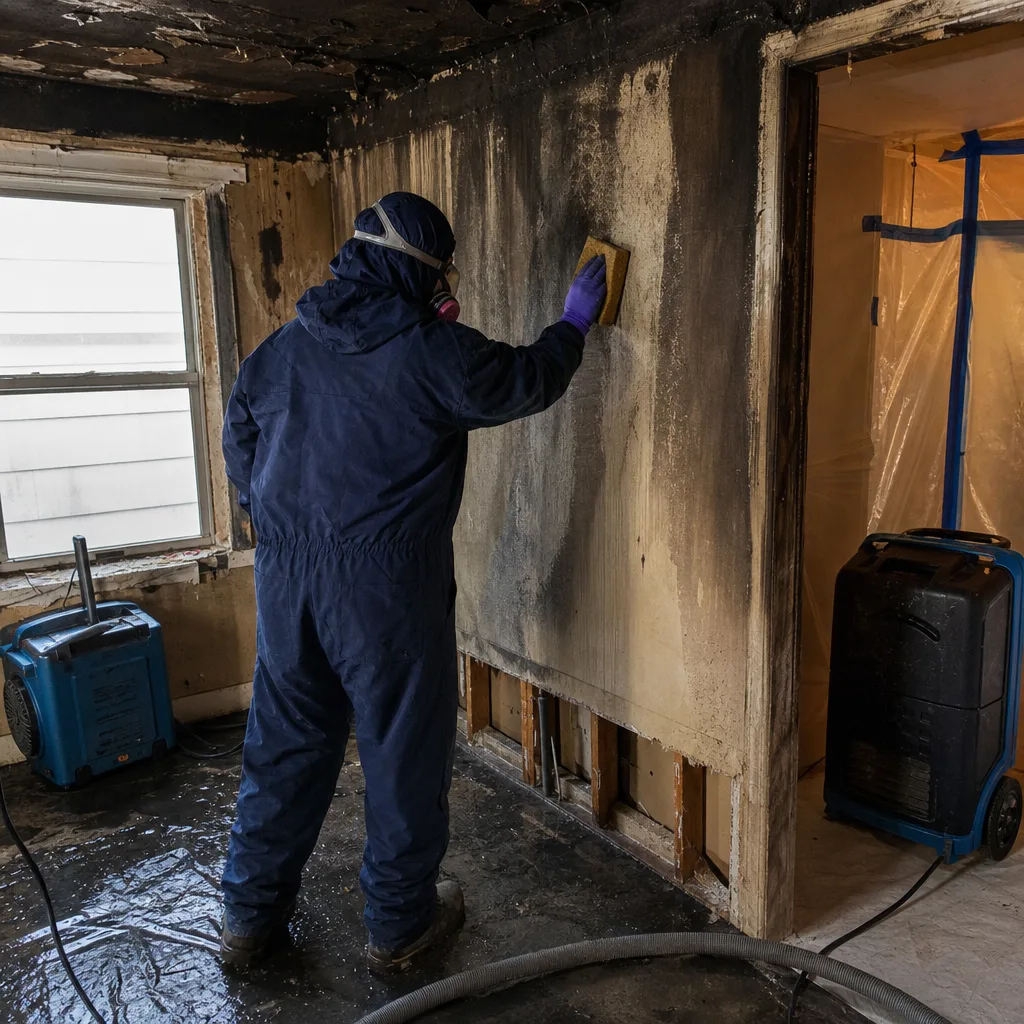
Basement Water Removal
Basement water removal in Morningside Heights is less common than mid-building flooding, but where sub-basements and utility vaults exist - particularly in the larger institutional buildings - sump pump failures and foundation seepage do occur. Our crews extract, dry, and apply antimicrobial treatments to concrete and masonry substrates, with moisture monitoring that accounts for the slower evaporation rates of below-grade construction.
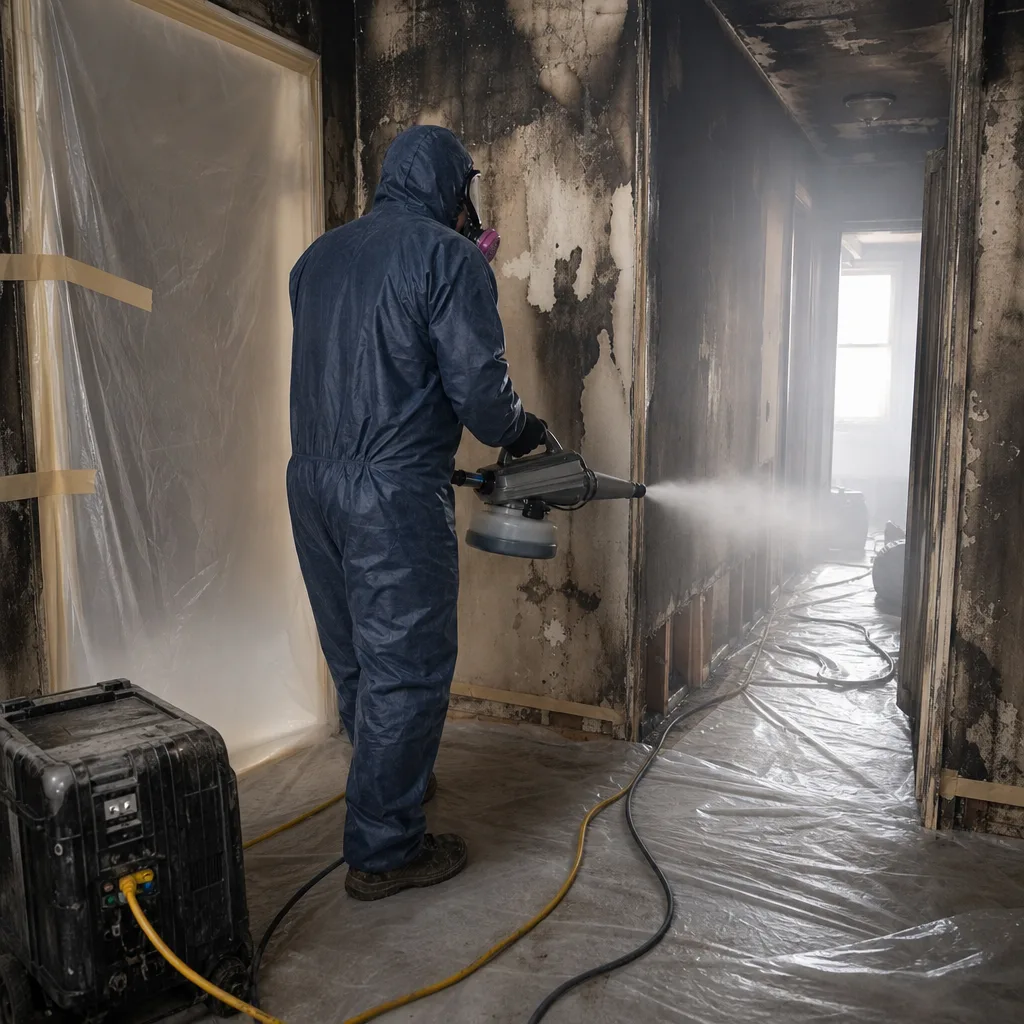
What happens when you call
- 1
A real person answersNo phone trees - you reach a local pro.
- 2
You get an upfront price rangeHonest numbers before anyone is dispatched.
- 3
A background-checked tech heads outLicensed & insured, dispatched right away.
- 4
You approve before work beginsNothing starts until you say go.
BeforeAfterTrusted Equipment and Documentation Standards
Our Morningside Heights crews deploy professional-grade drying systems from Dri-Eaz, Phoenix, and XPOWER - equipment selected for the airflow and dehumidification capacity these dense pre-war buildings require. Every machine is logged to the unit and floor where it operates, and runtime is documented to IICRC, RIA, and IFA standards. The daily moisture logs we produce aren’t internal notes; they’re deliverables formatted for adjuster review, with each reading tied to a photo and a location in the building. That documentation-first approach is why institutional carriers who insure Columbia and Barnard properties approve our scopes without the back-and-forth that delays other contractors’ payments.
Common Water Damage Restoration Problems We See in Morningside Heights Homes
- Rooftop wooden water tank failures after freeze-thaw cycles. These tanks, required by NYC building code on structures over six stories, are constructed of vertical cedar staves bound by steel bands. After decades of wet-dry cycling, the wood shrinks in cold weather, bands loosen, and seams open - often during late-winter temperature swings that Morningside Heights experiences in February and March. A full tank holds 5,000 to 10,000 gallons, and a catastrophic failure sends that volume through multiple floors before anyone is alerted.
- Steam-riser condensation and the “third-floor curse.” Building supers in Morningside Heights routinely flag this pattern: condensation from steam risers in original plumbing chases pools at mid-building junctions, typically around the third floor, silently saturating plaster and lath for weeks before the ceiling collapse that triggers the restoration call. By the time we’re contacted, mold colonization is established behind intact surfaces, meaning the remediation scope consistently runs larger than the visible damage suggests.
- Cast iron and galvanized line corrosion with unpredictable failure points. These legacy supply lines thin from the interior, so external appearance is no indicator of remaining wall thickness. When they fail, the spray pattern drives water into wall cavities and between floors, and the metal itself complicates moisture meter readings. Crews who don’t account for this often under-scope the job, leaving saturated plaster that fails weeks later.
- Multi-unit, multi-floor coordination in institutional buildings. Columbia University and Barnard College own a substantial share of Morningside Heights residential stock, meaning restoration contractors answer to facilities departments with specific vendor requirements, insurance carriers with dedicated adjusters, and tenant-relocation protocols. Documentation that satisfies one stakeholder often doesn’t satisfy another, and our scopes are written to address all three from day one.
Pricing for Water Damage Restoration in Morningside Heights, NY
Water damage restoration pricing in Morningside Heights reflects the building stock and the complexity of multi-unit coordination. A typical emergency water extraction for a single affected unit runs $1,200-$2,400. Structural drying and dehumidification for a standard one-bedroom with plaster construction adds $1,800-$3,600 depending on the affected square footage and the number of drying days required. Multi-unit losses in pre-war elevator buildings - the most common serious call we receive in this neighborhood - typically range from $4,500 for a three-unit extraction and drying scope to $12,000+ where pack-out, controlled demolition, and material-matching repairs are required.
Category 2 or 3 contamination, where antimicrobial treatment and specialized disposal are necessary, adds 15-30% to the base scope. The “third-floor curse” scenarios, where hidden mold requires expanded demolition, are scoped after moisture mapping and air-quality sampling - but the investigation itself is itemized in our written estimate before work begins, per Haven Standard, Clause 1.
We deliver a written price before any work starts, every time, with no scope-creep additions once the crew is inside. Bring a competitor’s written estimate and we’ll review it at no charge - our Free Second Opinion policy.
| Service Component | Typical Range in Morningside Heights |
|---|---|
| Emergency water extraction (single unit) | $1,200 - $2,400 |
| Structural drying & dehumidification | $1,800 - $3,600 |
| Multi-unit extraction and drying (3+ units) | $4,500 - $8,500 |
| Full scope with pack-out, demolition, repairs | $7,500 - $12,000+ |
| Category 2/3 contamination premium | +15% - 30% |
| Moisture mapping and mold investigation | $450 - $850 |
We Also Serve Cities Near Morningside Heights
Our Water Damage Restoration in Morningside Heights crews also respond to water damage emergencies in Midtown Manhattan, the Financial District, Murray Hill, and throughout Manhattan. Documentation standards and response protocols are consistent across our entire New York City service area, with the same written-price guarantee and photo-documented record on every visit.
Serving Morningside Heights, NY - Our Local Coverage Area
We’re based in the Morningside Heights area and know this community well. Use the map below to see our service coverage - if you’re nearby, we can almost certainly help.
FAQs - Water Damage Restoration in Morningside Heights
Yes. The pre-war elevator buildings that dominate Morningside Heights - 6 to 20 stories, original plaster and lath, steam heat, cast iron plumbing - require restoration scopes that account for vertical water migration through plumbing chases, slower drying times for dense plaster, and material-matching requirements that modern drywall jobs don’t face. A single source can affect 10-30 units, so our scopes include floor-by-floor moisture mapping and coordination with building management that standard residential calls don’t require. Call (551) 212-1580 for a written estimate scoped to your specific building.
The “third-floor curse” is what Morningside Heights building supers call the pattern where steam-riser condensation pools at mid-building junctions, typically around the third floor, silently saturating plaster and lath for weeks before any visible damage appears. By the time a ceiling collapses or a tenant smells mustiness, mold colonization is established behind intact surfaces. That means mold remediation scopes here almost always run larger than the visible damage suggests, and our investigations include moisture mapping and air sampling to define the full extent before demolition begins. Call (551) 212-1580 if you suspect hidden moisture in a pre-war building.
We sequence the work by containment zone, typically floor by floor, with portable extraction and drying equipment moved via service elevators to minimize tenant disruption. Each unit receives individual moisture mapping, and drying logs are maintained separately per unit for insurance documentation. In co-ops with institutional lenders or Columbia University affiliation, we coordinate our scope submission with the building’s facilities manager and the carrier’s adjuster before demolition begins. Call (551) 212-1580 to discuss multi-unit protocol for your specific building.
Yes, the restoration and plumbing repairs are separate trades with separate scopes. We extract water, dry affected assemblies, and document moisture readings to clearance; a licensed plumber handles pipe replacement. Our written scope specifies which walls require plumber access and which we can dry in place, so there’s no redundant demolition. In Morningside Heights, where cast iron lines often run through plaster chases, this coordination saves significant repair cost. Call (551) 212-1580 for a scope that separates restoration from plumbing cleanly.
Yes. Tank failures typically release Category 2 water - not sewage, but not clean either, given the sediment and biological growth common in aging wooden tanks. We classify the water, apply appropriate antimicrobial treatment, and document the tank condition with photos for the building’s maintenance file. The vertical migration pattern in these tall buildings also means we inspect and moisture-map multiple floors below the source, not just the unit with visible damage. Call (551) 212-1580 for emergency response to an active tank leak.
Call DryMark Restoration Hoboken for Water Damage Restoration in Morningside Heights
Water damage in a Morningside Heights pre-war building doesn’t resolve itself, and the documentation gap that costs homeowners their claims is real. We close that gap with a written price before work begins, a photo record on every visit, and daily drying logs formatted for adjuster review. Our live dispatch answers at (551) 212-1580, 24 hours a day, 7 days a week. Estimates are free. The Haven Standard, Clause 1, applies to every call.
Written by Alicia Brennan, Owner at Back to Dry Restoration, serving Morningside Heights since 2011.
Water Damage Restoration in Nearby Areas