
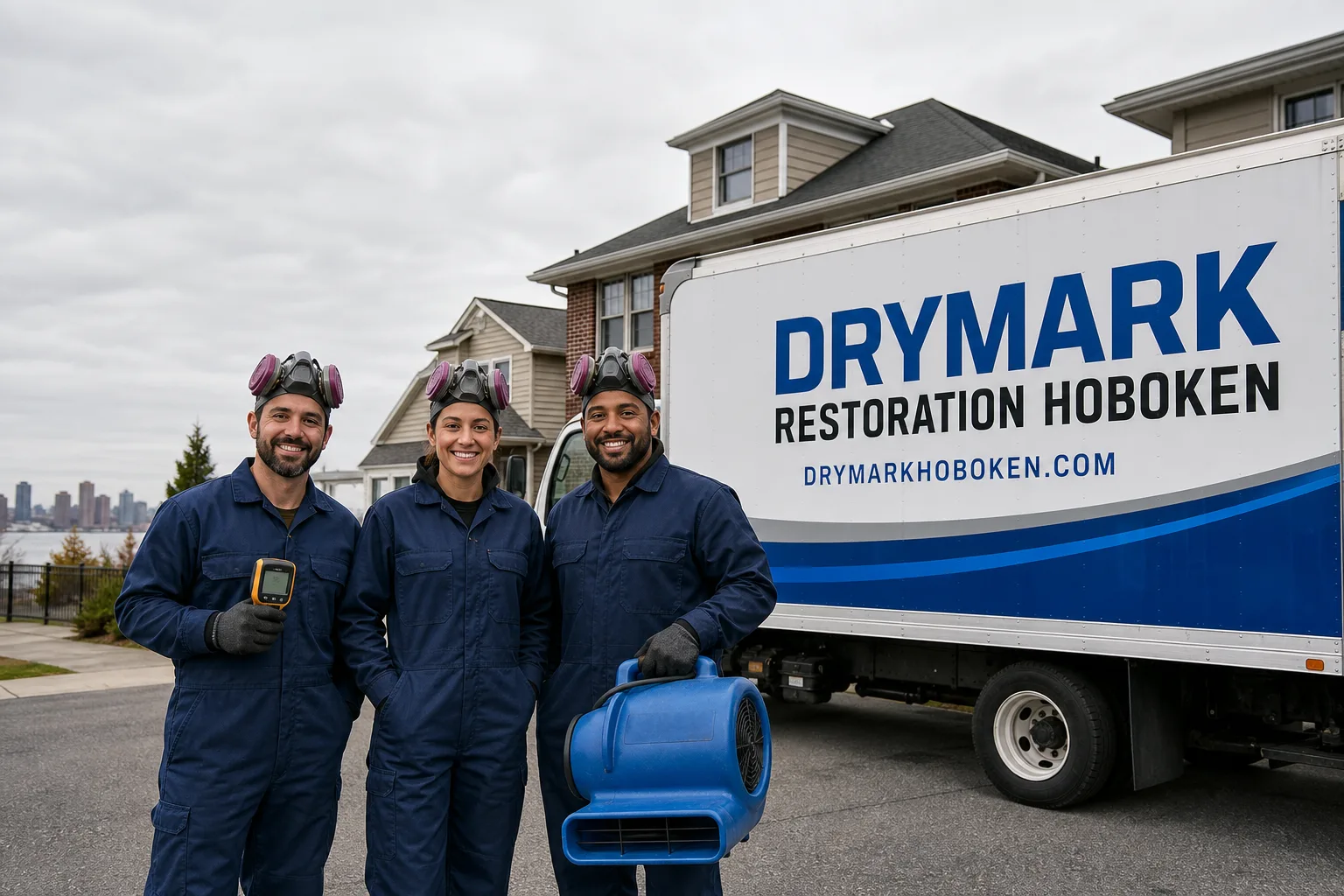
Free visual inspection and a written scope of work before any mitigation begins - photos, moisture readings, and drying logs go in your claim file
The scope we write is the scope we bill. Anything new gets shown to you, in writing, before we touch it.
 Before
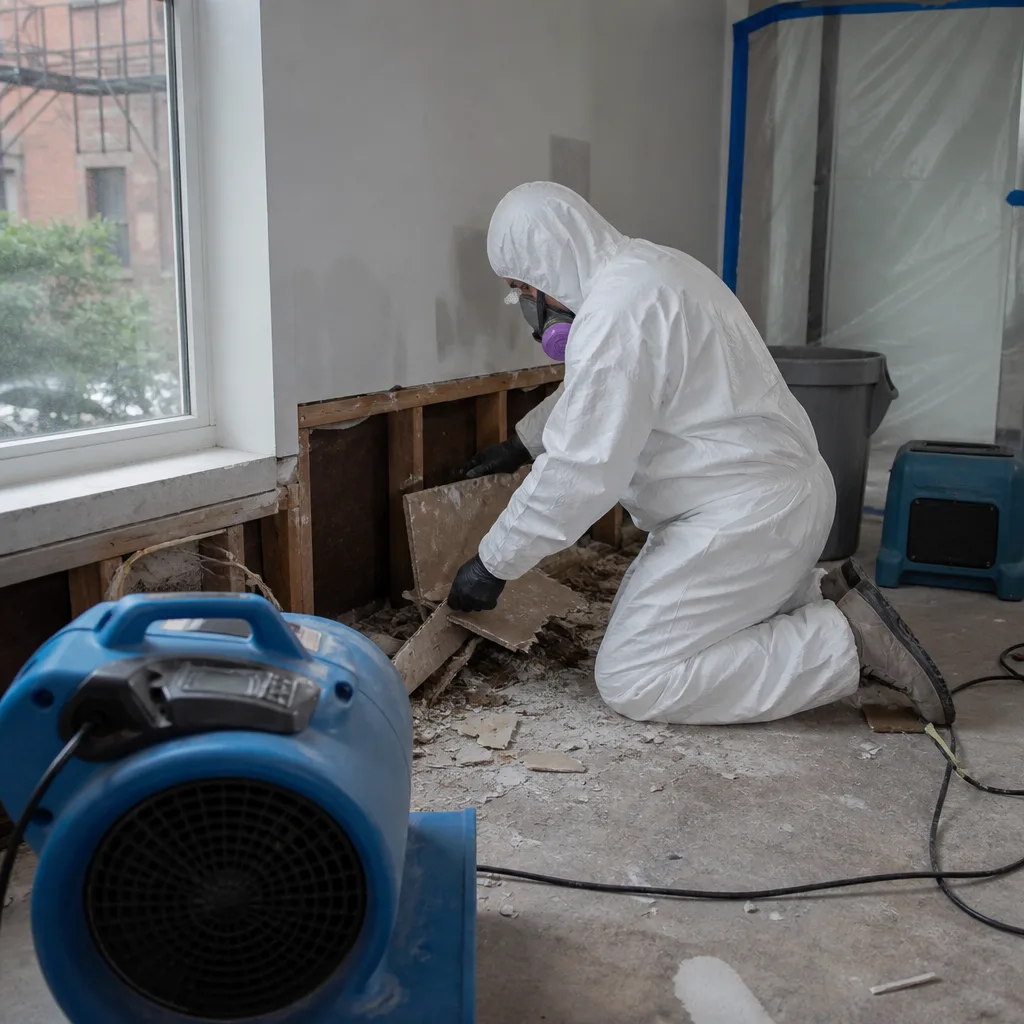 After
After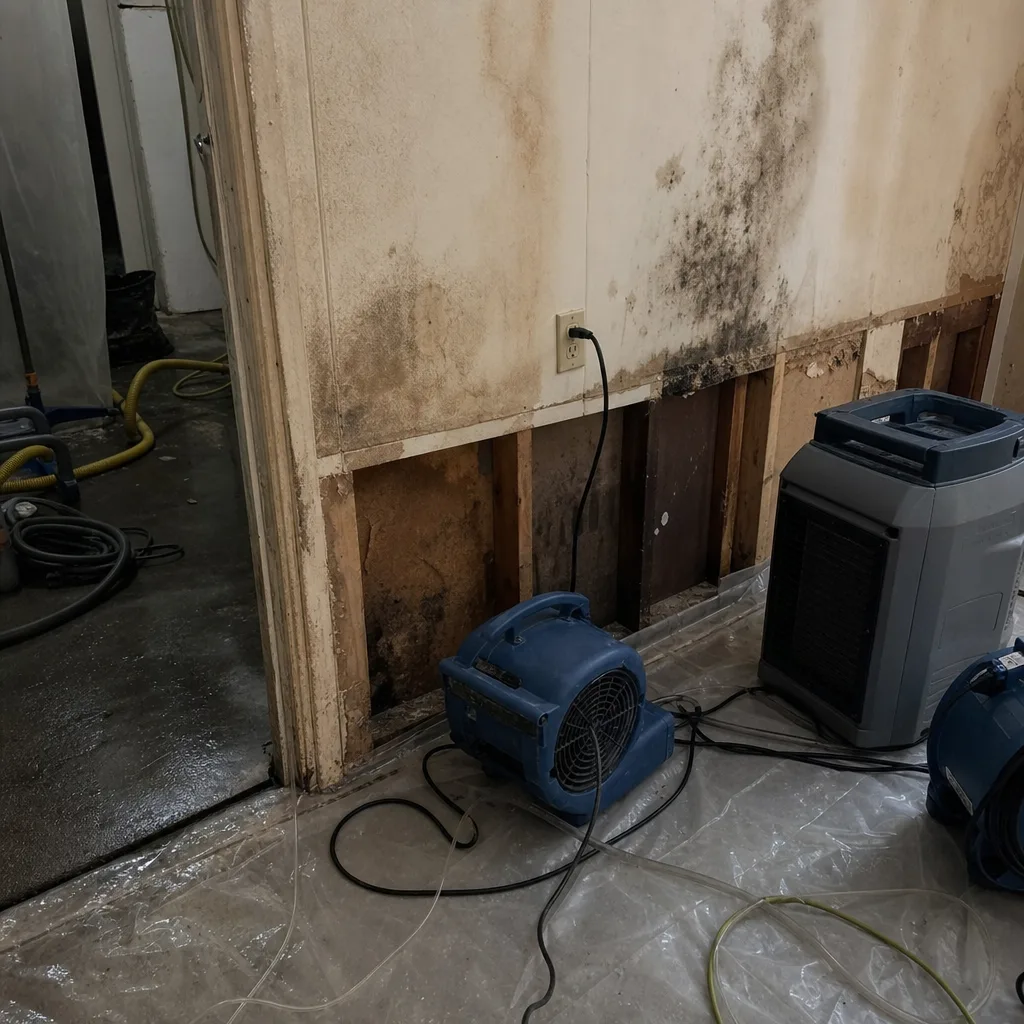 Before
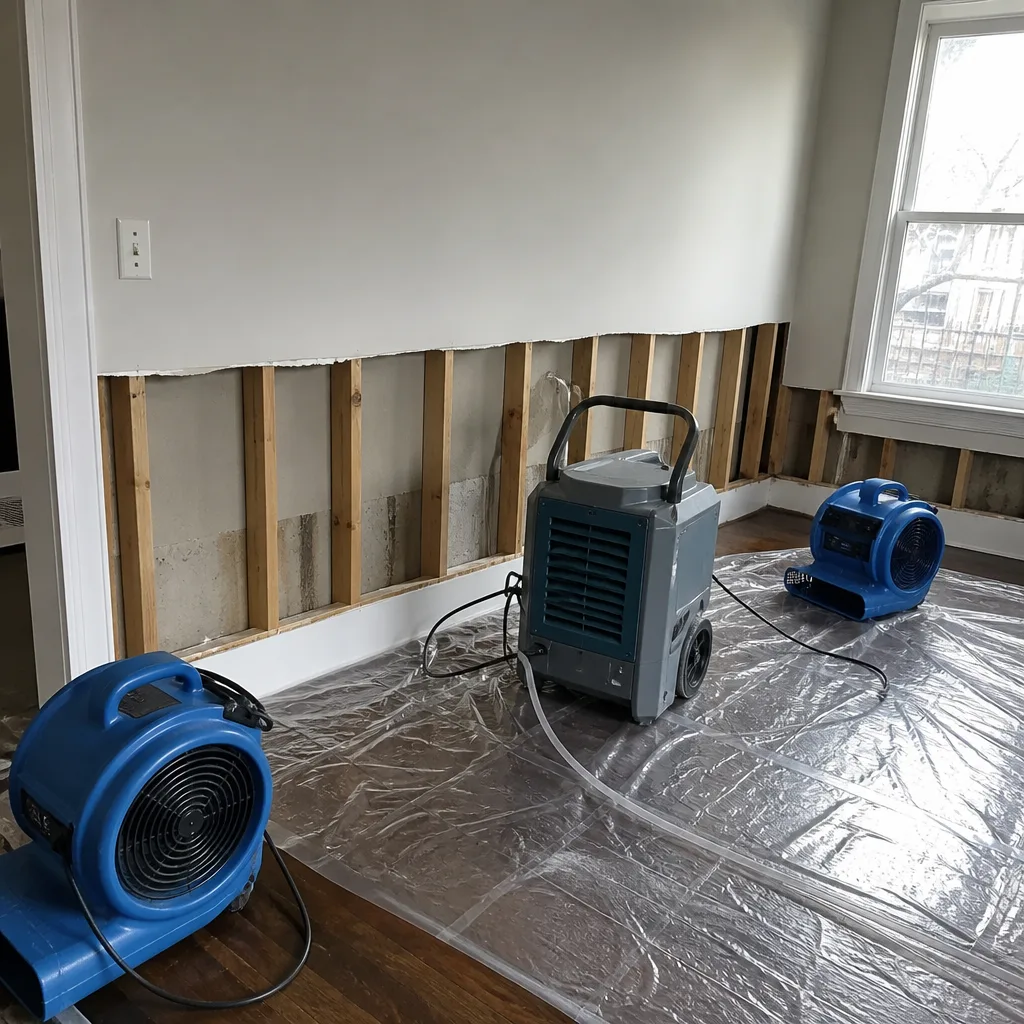 After
After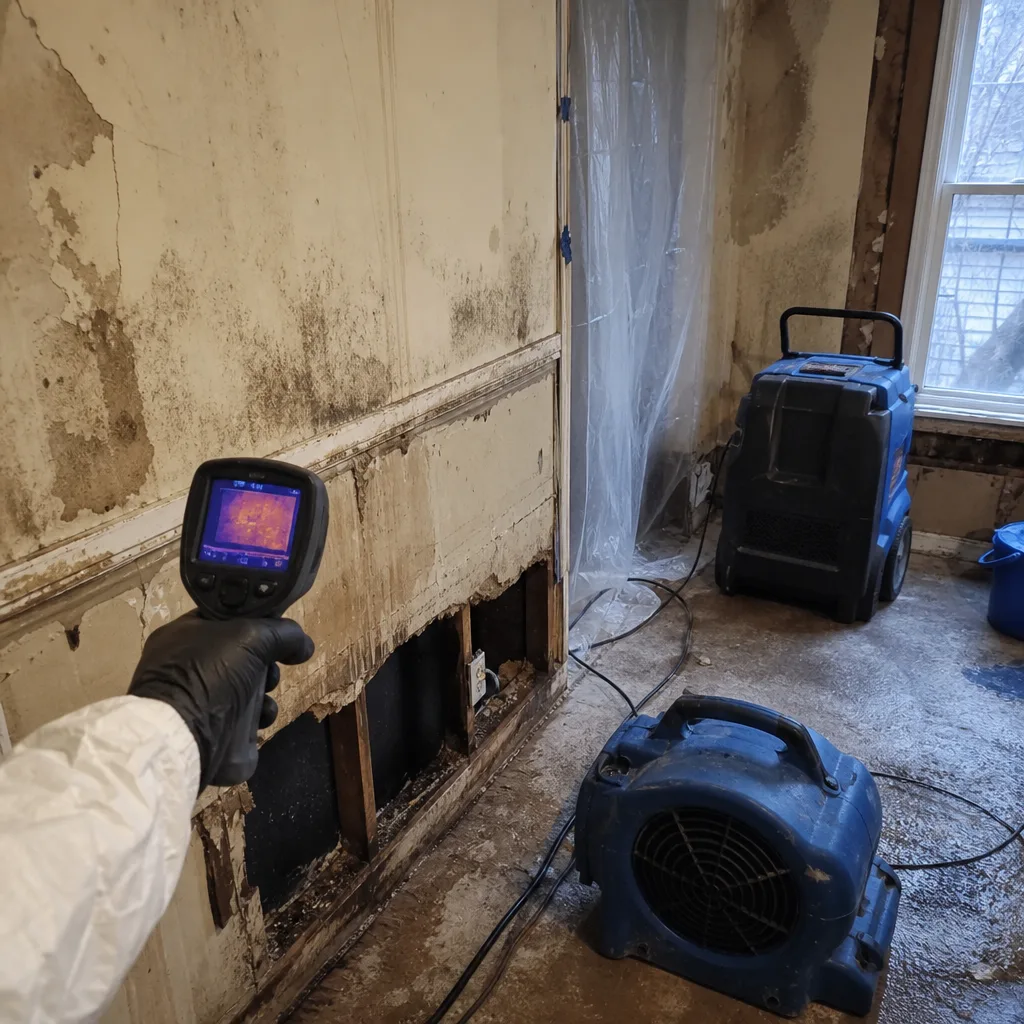 Before
 After
AfterFast, Reliable Water Damage Restoration Across Financial District
Water damage restoration in Financial District, NY typically runs $2,800-$7,500 for residential flooding, with emergency extraction starting at $1,200 and full structural drying with dehumidification adding $1,600-$4,800 depending on affected square footage and construction type. Our crews are dispatched from our New York City office and can be on-site anywhere in the Financial District within 45-60 minutes. Call (551) 212-1580 now for a written price before any work begins.
We’ve restored water damage in Financial District buildings since 2011, and the neighborhood’s specific conditions - colonial-era landfill, 19th-century mercantile masonry converted to residential lofts, and direct exposure to harbor storm surge - demand a different drying protocol than standard Manhattan water jobs. The thick load-bearing walls in converted commercial buildings along Water Street, Front Street, and Pearl Street don’t release moisture on normal timelines. Our Water Damage Restoration team documents every job to IICRC, RIA, and IFA standards with daily moisture logs, photo records on every visit, and a written scope signed before equipment ever gets plugged in.
Why DryMark Restoration Hoboken Is Financial District’s Preferred Water Damage Restoration Company
Financial District residents know the difference between a crew that reads surface moisture and one that maps it through 14-inch reinforced concrete. We’ve completed over 12,000 restorations since 2011, every one with a written price before work started and a documented record when we left. Our 365-Day Done Right Promise, backed by The Haven Standard, means if it’s not done right, we make it right - a signed guarantee, not a verbal assurance.
Our response time to the Financial District averages under an hour because we coordinate dispatch from our New York City office with crews staged for Lower Manhattan harbor-zone jobs. We understand the local building stock: post-9/11 loft conversions of 19th-century mercantile buildings with original freight elevators, sub-basement vaults, and mechanical rooms that were built for banks and brokerages, not residential drying.
Every technician is background-checked, uniformed, licensed, and insured - with license numbers documented on every job file. A live person answers every call, 24 hours a day, 7 days a week. No voicemail trees while water is still moving through your building. And we provide a Free Second Opinion on any competitor’s written estimate; bring us their scope and we’ll review it at no charge.
Our reputation in Financial District is built on documentation that survives adjuster scrutiny. Where competitors deliver reassurance, we deliver evidence: daily drying logs with psychrometric data (temperature, relative humidity, and vapor pressure differential - the measurable forces that actually drive evaporation), room-by-room moisture readings, and photo records that turn restoration invoices into payable claims.
Our Water Damage Restoration Services in Financial District
Emergency Water Extraction
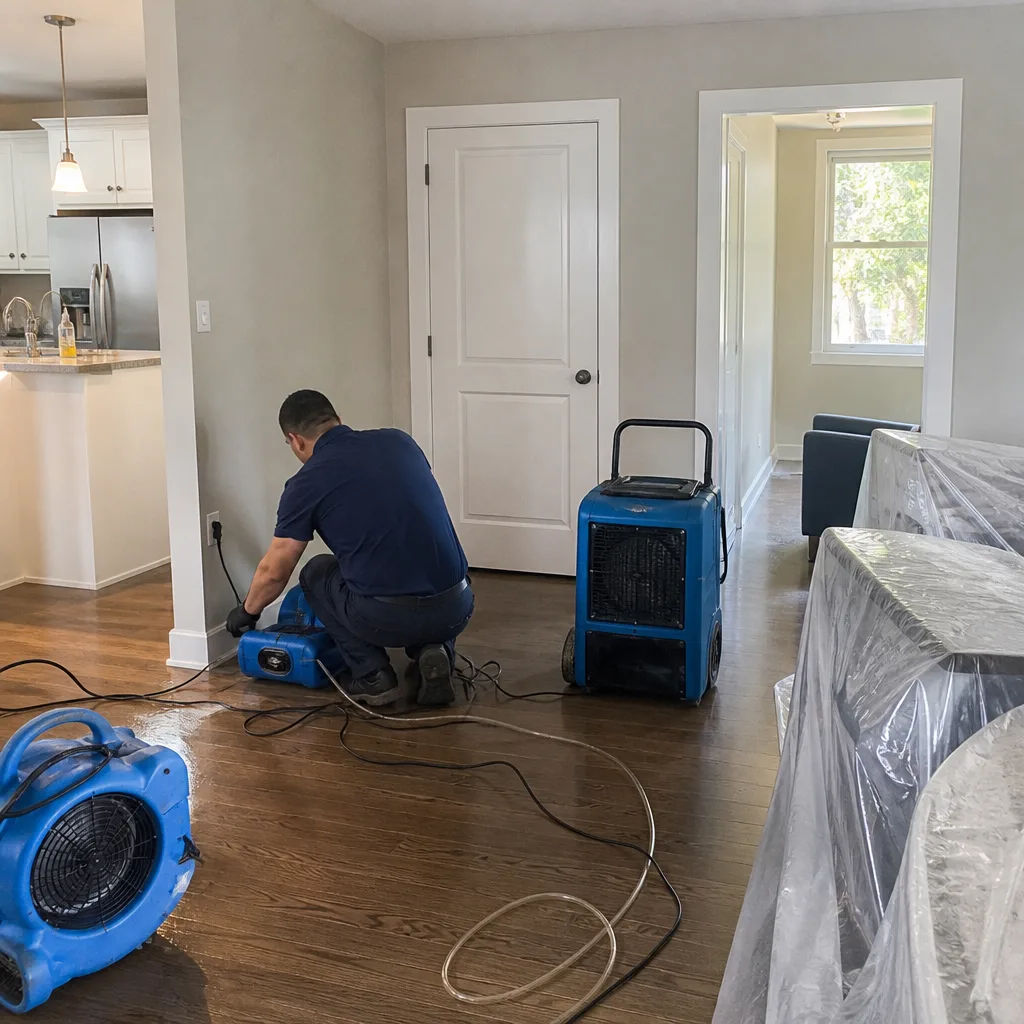
When harbor backpressure from a nor’easter pushes surge through basement drains on Pearl Street or Water Street, speed matters. Our emergency extraction teams arrive with truck-mounted systems and portable submersibles rated for category 3 saltwater - the classification that applies to virtually all Financial District below-grade flooding. We extract standing water, document the water line with photos, and deliver your written scope before any drying equipment is deployed. Haven Standard, Clause 1: written price before work begins, every time, no exceptions.
Structural Drying & Dehumidification
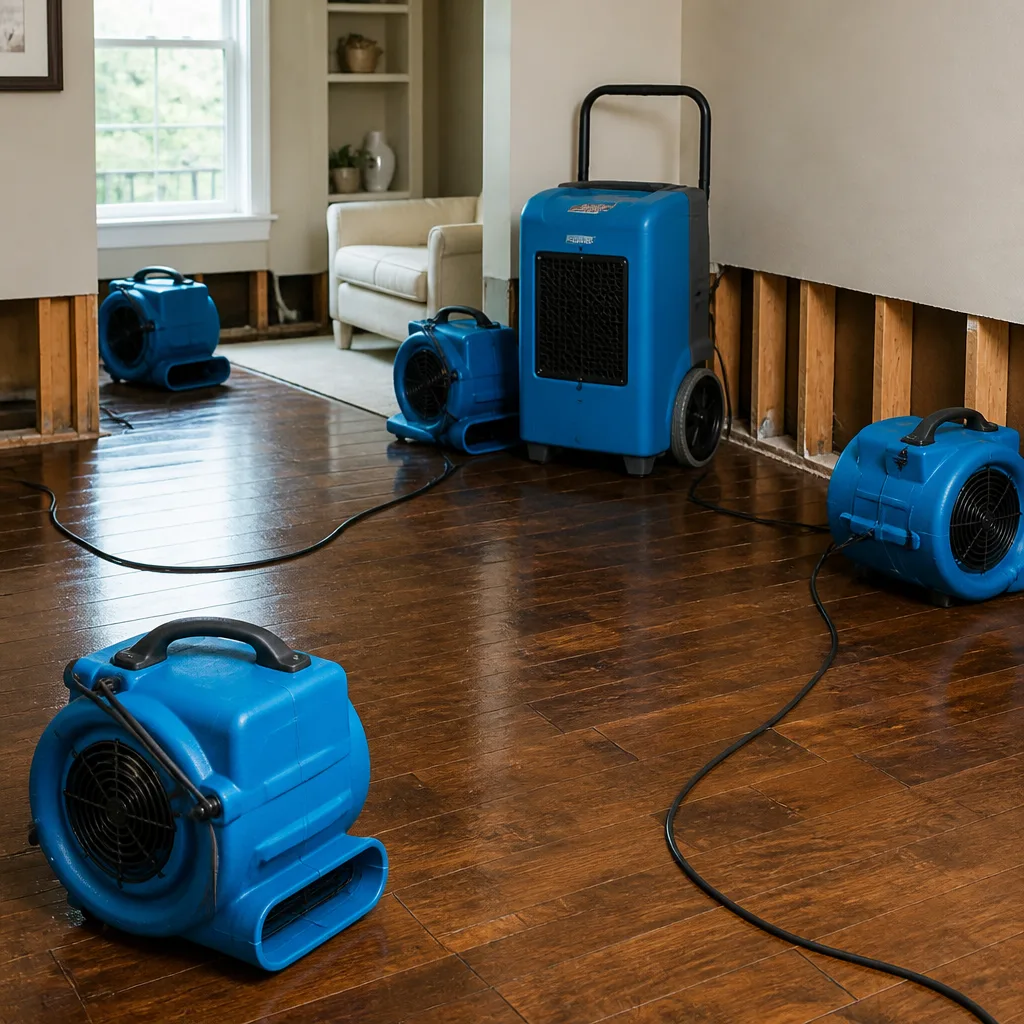
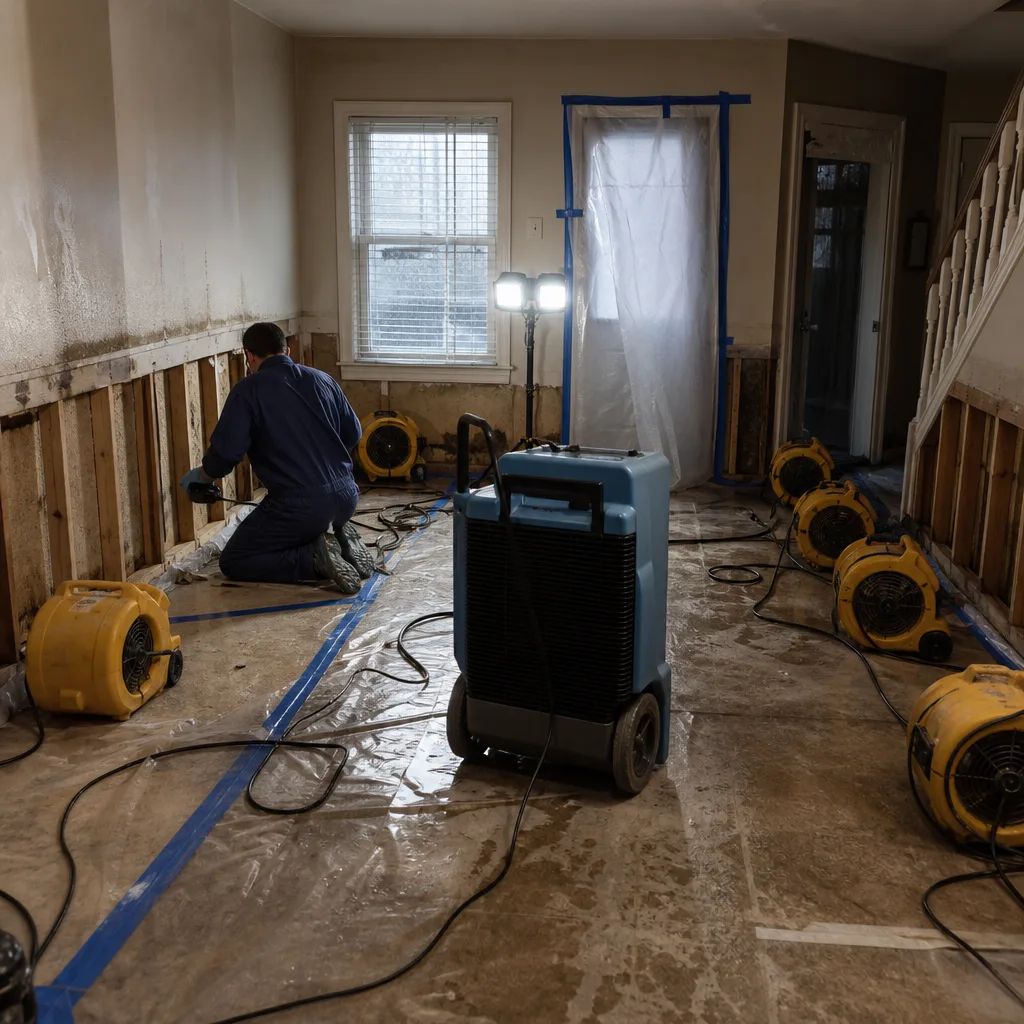
Structural drying in Financial District is not standard residential work. The converted mercantile buildings here have load-bearing masonry walls 12-18 inches thick that absorb harbor surge like a sponge and release it over weeks, not days. Standard air movers bounce off that mass. We deploy Injectidry injection drying systems to force dry air through the masonry cavity, staged Phoenix dehumidification across multiple mechanical floors, and Dri-Eaz air movers positioned for vapor pressure differential - the measurable gap between wet material and dry air that actually pulls moisture out. Daily moisture logs track progress until readings verify pre-loss condition, not just surface dryness.
Flood Cleanup
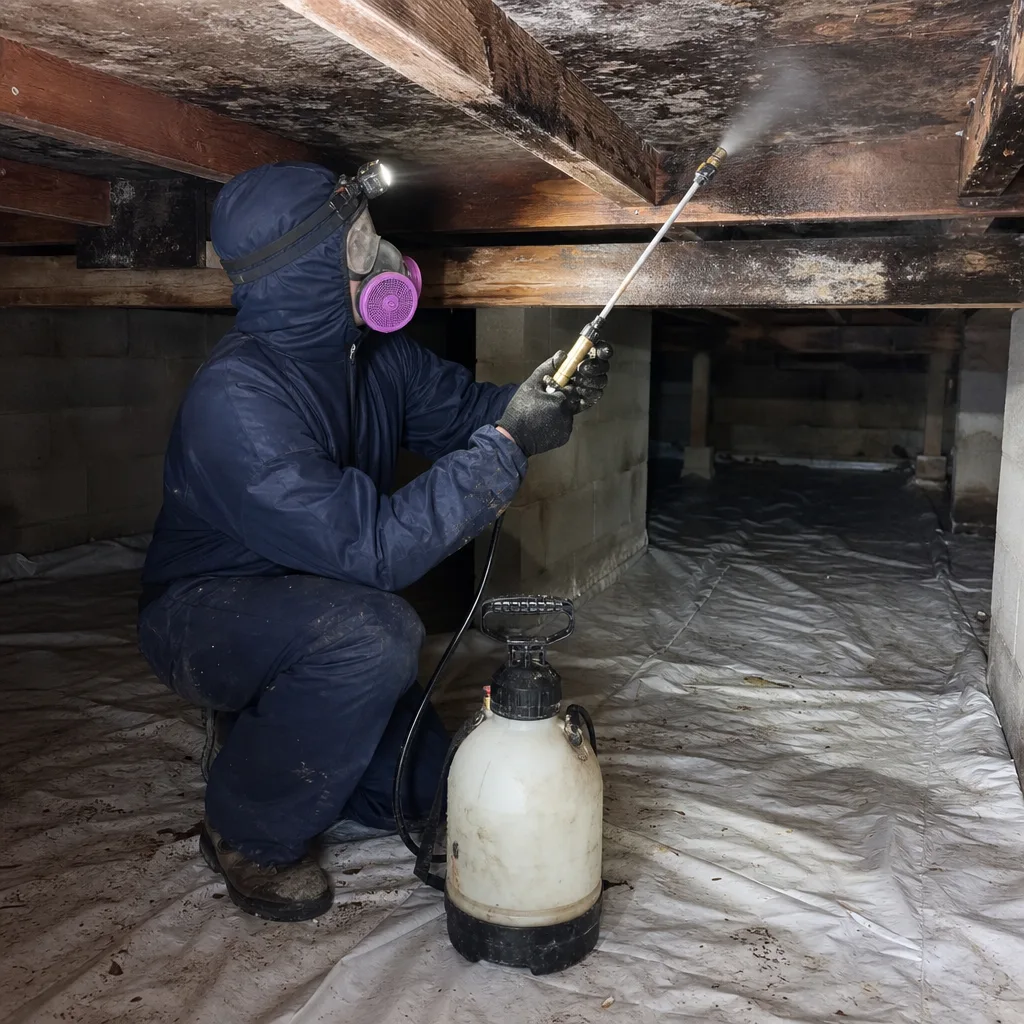
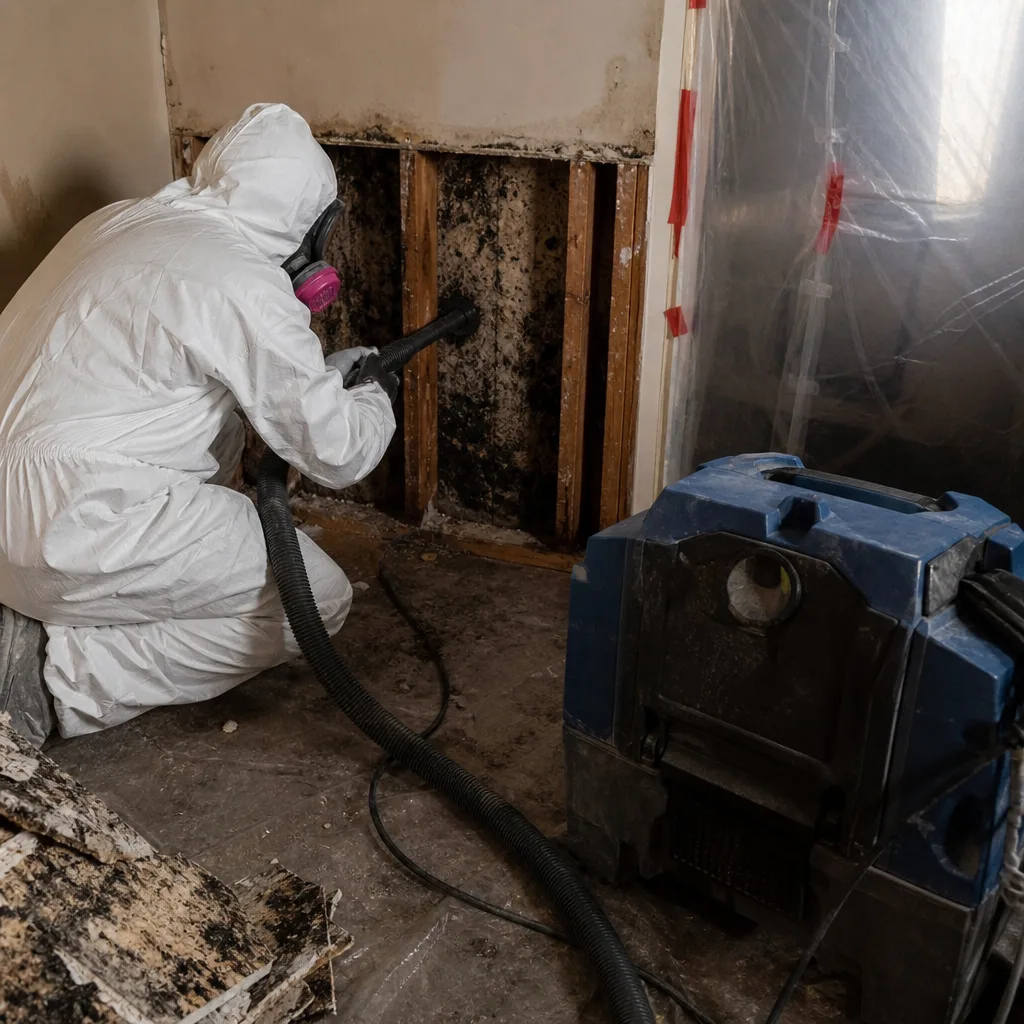
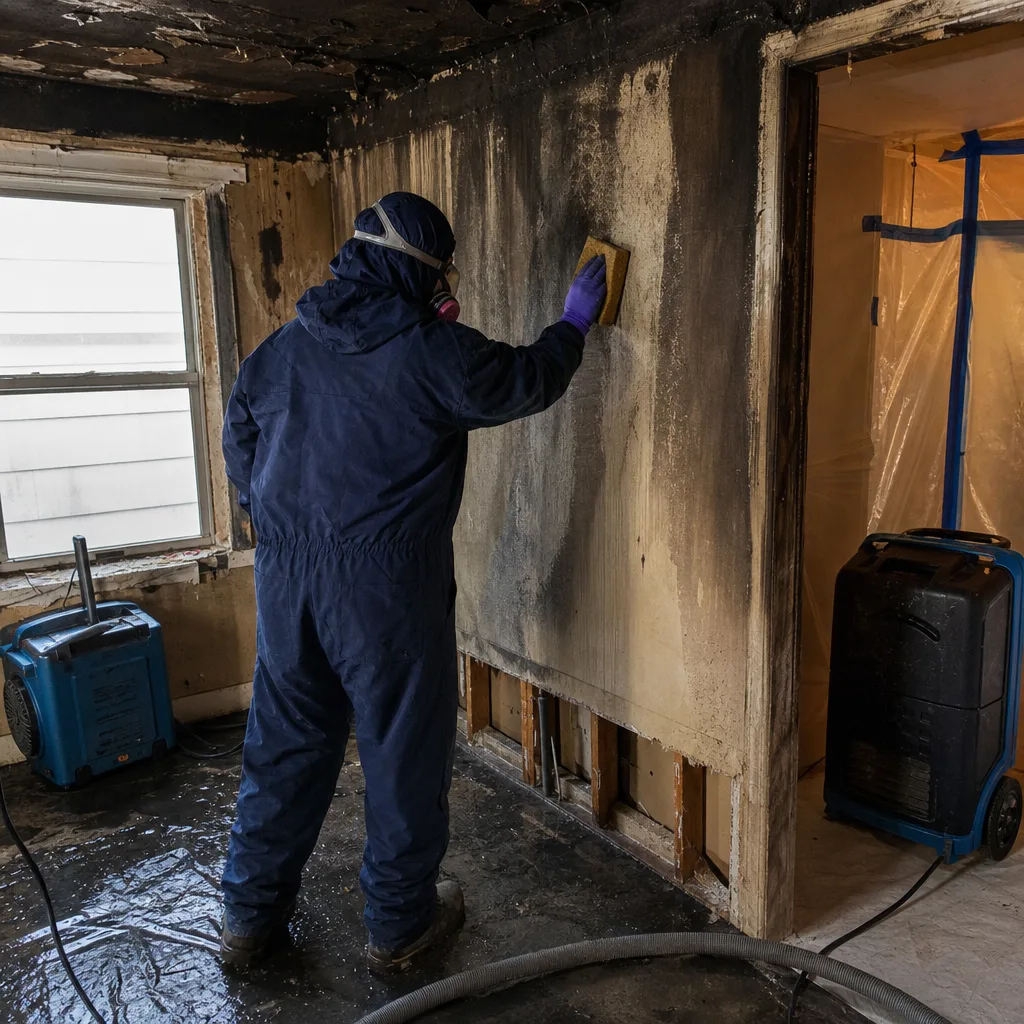
Flood cleanup in the Financial District means saltwater remediation. Hurricane Sandy’s 2012 surge established the pattern: storm water from the harbor carries chloride that embeds in concrete and steel. Skip the neutralization step and corrosion accelerates for months after the structure reads dry. Our flood cleanup protocol includes chloride testing, neutralizing treatment for affected masonry and mechanical systems, and documentation that the job meets IICRC S500 standards for category 3 water damage. We handle the adjuster coordination directly, with photo documentation and written scopes that keep your claim moving.
Burst Pipe Restoration
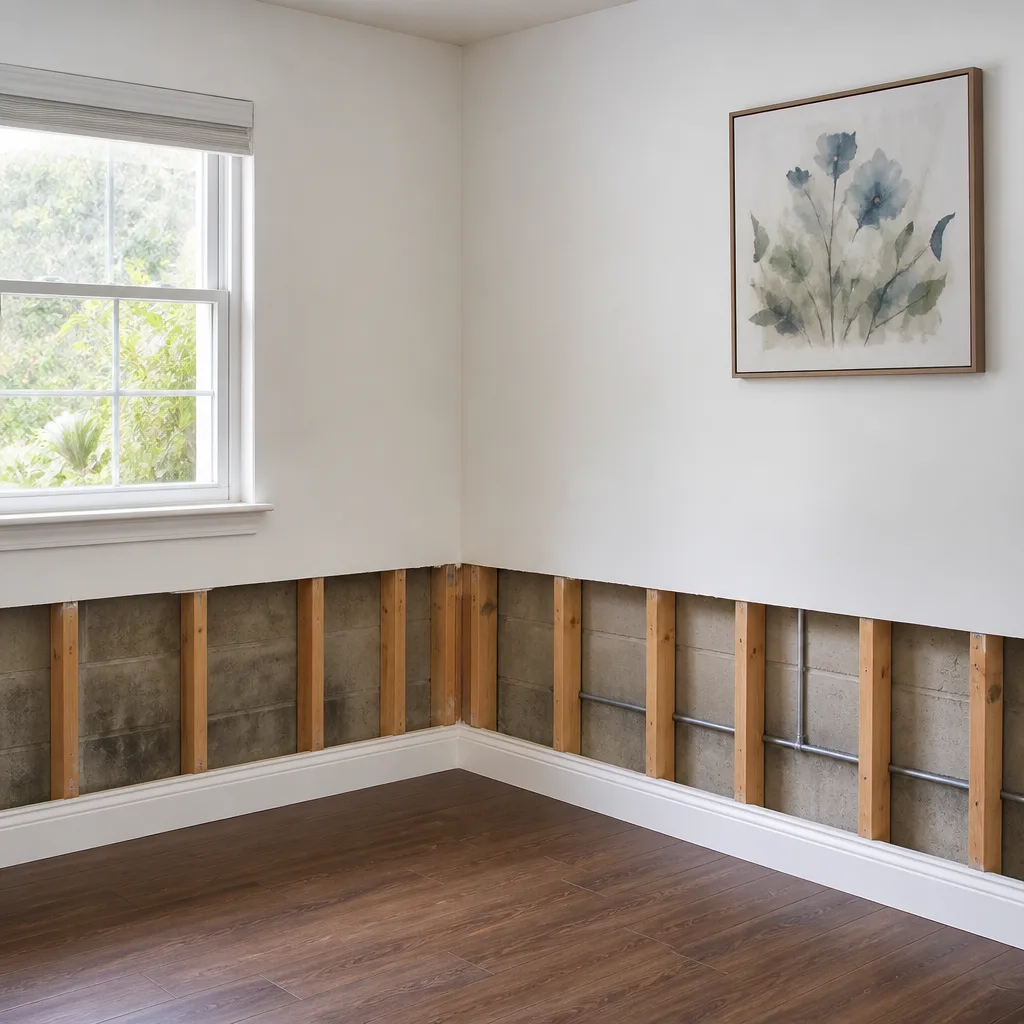
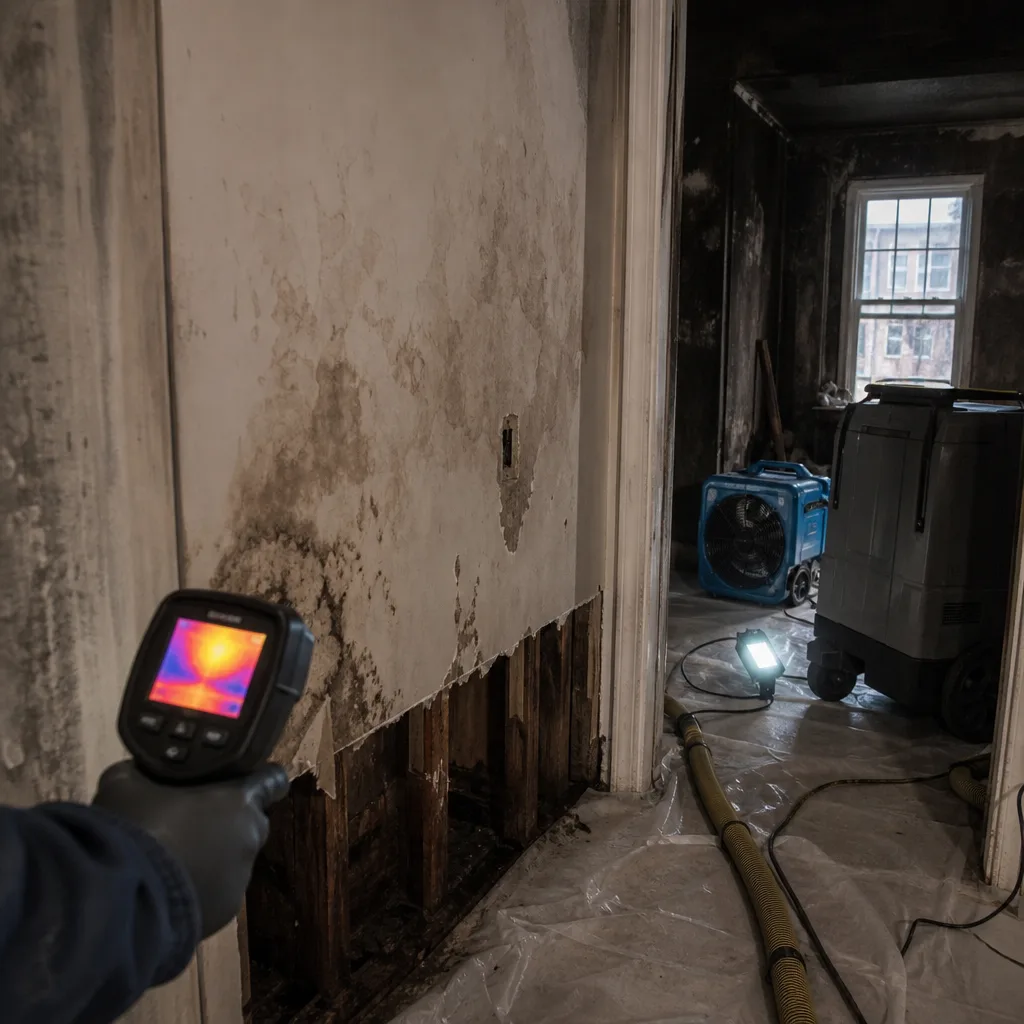
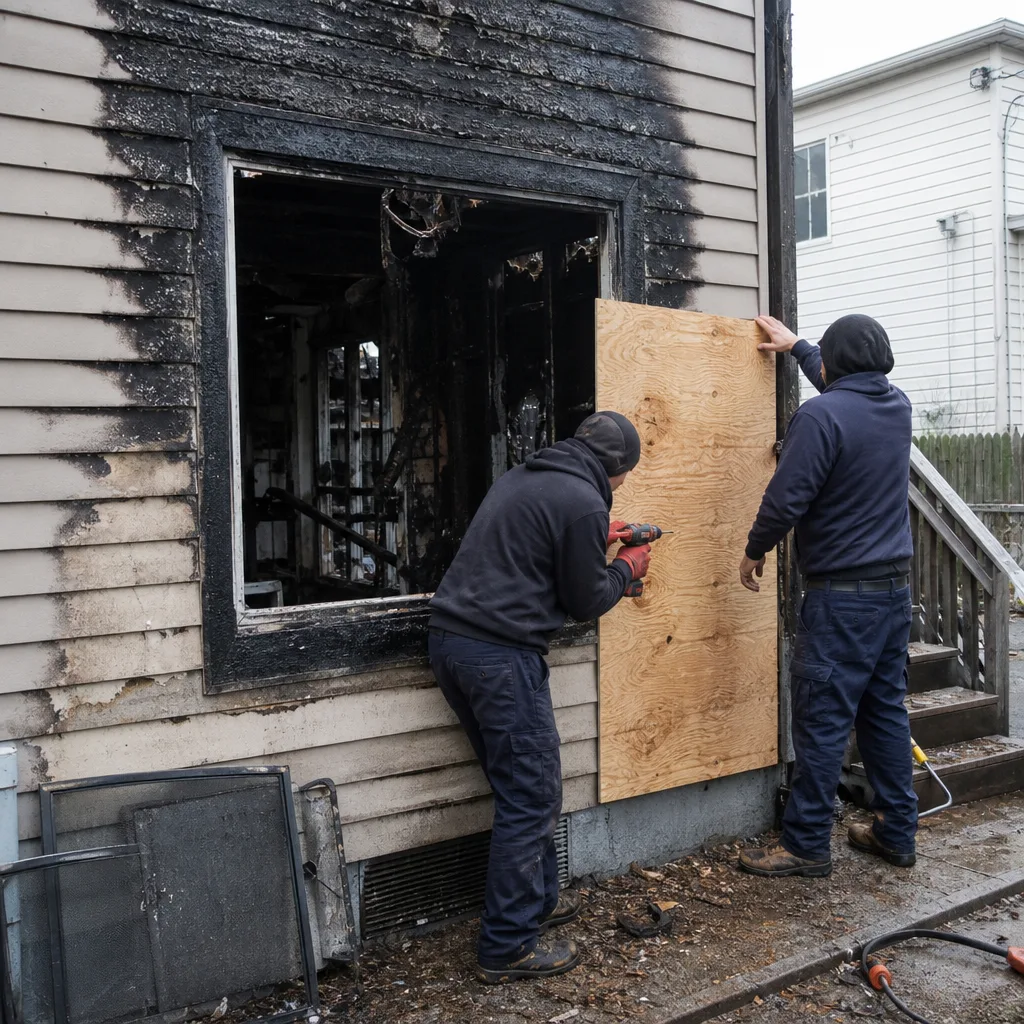
Even freshwater pipe bursts in Financial District buildings present unique challenges. The same thick masonry that complicates flood drying also insulates pipe chases and wall cavities, creating hidden moisture pockets that standard detection misses. We use thermal imaging and penetrating moisture meters to map the full extent, then deploy targeted drying with B-Air and XPOWER equipment sized to the space. Every burst pipe job includes a written scope, photo record, and the 365-Day Done Right Promise under The Haven Standard.
What happens when you call
- 1
A real person answersNo phone trees - you reach a local pro.
- 2
You get an upfront price rangeHonest numbers before anyone is dispatched.
- 3
A background-checked tech heads outLicensed & insured, dispatched right away.
- 4
You approve before work beginsNothing starts until you say go.
BeforeAfterTrusted Brands We Service in Financial District
We stock and deploy professional-grade drying systems from Dri-Eaz, Phoenix, and XPOWER - equipment specified for the commercial-grade spaces common in Financial District buildings. Phoenix dehumidifiers handle the high-capacity loads of multi-floor mechanical rooms; Dri-Eaz air movers generate the focused airflow needed for vapor pressure differential in thick masonry cavities; and XPOWER units provide the compact, high-velocity output for tight sub-basement vaults and converted loft spaces. For Financial District customers, this means no waiting on equipment orders while moisture continues to migrate. Our inventory is maintained for harbor-zone jobs, with backup units staged for surge events.
Common Water Damage Restoration Problems We See in Financial District Homes
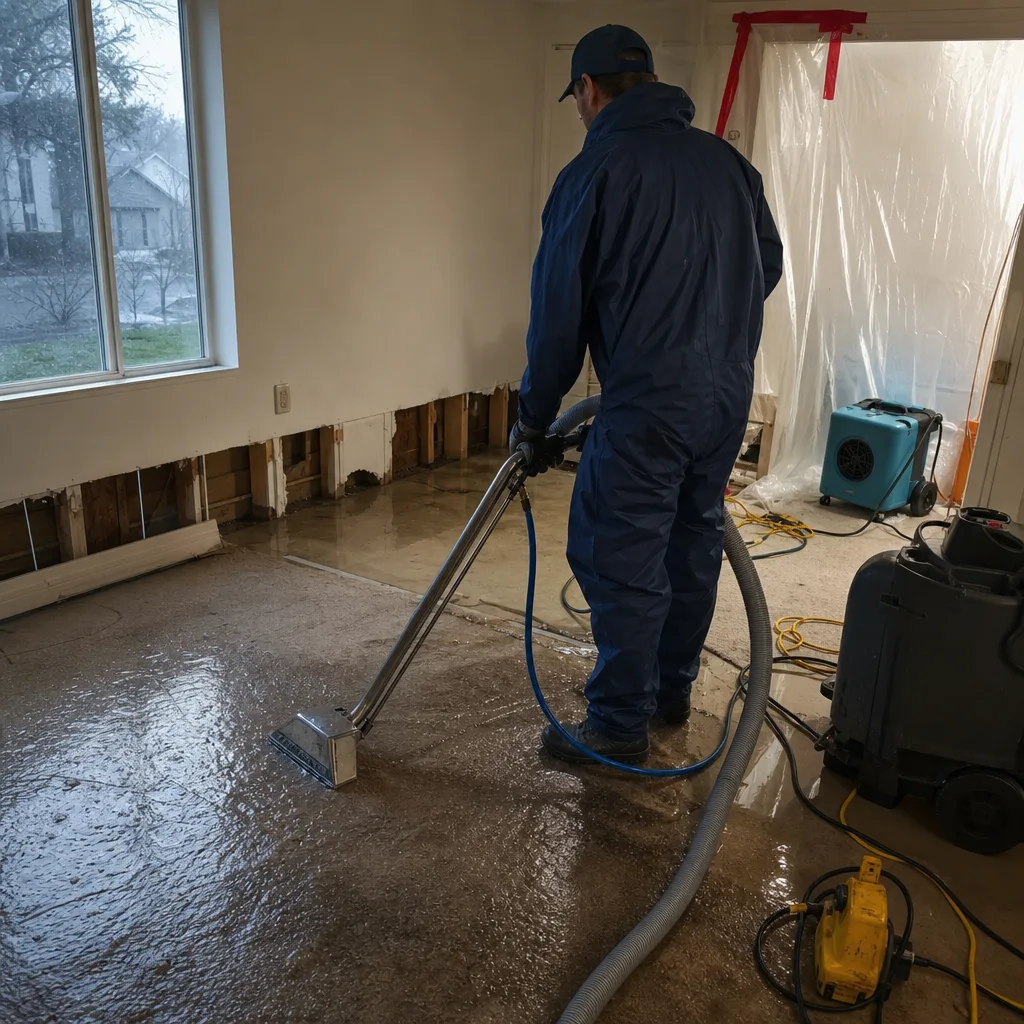
- Saltwater surge misclassified as freshwater damage. Harbor flooding in the Financial District is category 3 water by definition - yet we regularly see competitors treat it as clean water, skipping antimicrobial treatment and chloride neutralization. The residual salt corrodes embedded rebar and mechanical systems long after the walls read dry on the surface.
- Standard air movers deployed against 12-18 inch reinforced concrete. Sub-basement vaults and generator rooms in former bank buildings on Front Street don’t respond to surface drying. Without Injectidry injection drying and staged dehumidification across multiple floors, moisture remains trapped for weeks.
- Surface-dry calls on thick masonry conversions. A converted Water Street mercantile loft may read dry at the drywall while the original load-bearing masonry behind it holds enough moisture to sustain hidden mold growth for months. We don’t call a job complete until penetrating meters confirm it.
- Delayed response during harbor backpressure events. When storm surge overwhelms the Financial District’s drainage system, standing water sits in below-grade spaces past the 24-48 hour mold germination window while incomplete documentation drags out the insurance claim. Our crews arrive with equipment and a written scope ready to execute.
Pricing for Water Damage Restoration in Financial District, NY
| Service | Typical Range in Financial District |
|---|---|
| Emergency water extraction (up to 1,000 sq ft) | $1,200 - $2,400 |
| Structural drying & dehumidification (residential loft) | $1,600 - $4,800 |
| Flood cleanup with saltwater remediation | $2,800 - $7,500 |
| Burst pipe restoration with wall cavity drying | $1,800 - $4,200 |
| Basement water removal (sub-basement vault) | $2,200 - $5,600 |
| Ceiling & roof leak damage (typical loft unit) | $1,400 - $3,800 |
Financial District pricing reflects the specialized equipment and extended timelines that thick masonry and saltwater remediation demand. A standard Midtown sheetrock job might dry in 72 hours; a Water Street loft with original 19th-century masonry can require 10-14 days of monitored drying with injection systems. Our written scope breaks down every line item - extraction, equipment rental by day, antimicrobial treatment, chloride neutralization, and daily monitoring - before you authorize any work. Haven Standard, Clause 1. Bring us a competitor’s written estimate and we’ll provide a Free Second Opinion at no charge. Call (551) 212-1580 for your written price.
We Also Serve Cities Near Financial District
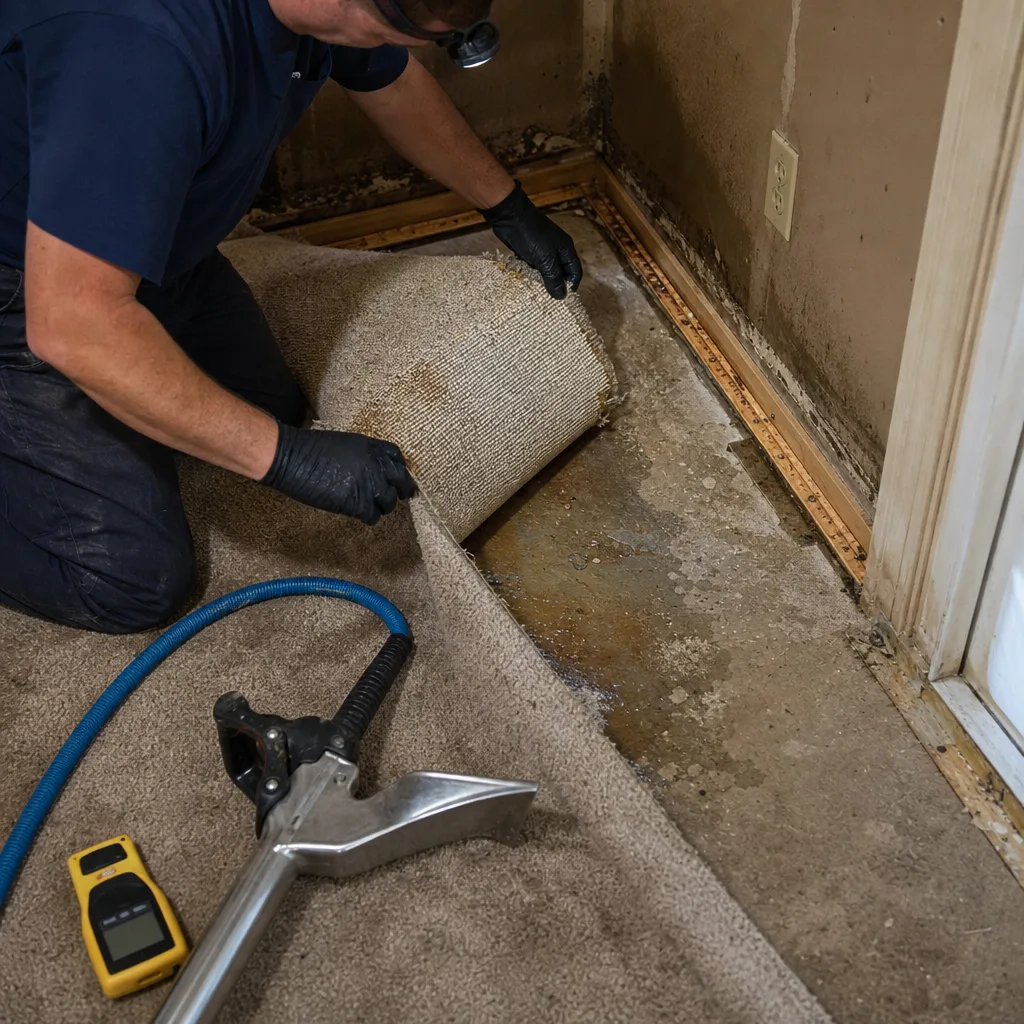
Our crews respond throughout Lower Manhattan and beyond. We regularly restore water damage in Financial District neighbors including Midtown Manhattan, Murray Hill, Manhattan broadly, and the Upper West Side. Dispatch and scheduling are coordinated from our New York City office with crews positioned for rapid response across all harbor-adjacent zones.
Serving Financial District, NY - Our Local Coverage Area
We’re based in the Financial District area and know this community well. Use the map below to see our service coverage - if you’re nearby, we can almost certainly help.
FAQs - Water Damage Restoration in Financial District
Financial District restoration differs because the neighborhood sits on colonial-era landfill in FEMA high-risk flood zones, with buildings constructed of 12-18 inch reinforced concrete and thick load-bearing masonry that hold moisture for weeks. Saltwater harbor surge - recurring with every major storm since Sandy - introduces chloride corrosion that standard freshwater protocols don’t address. We use injection drying, chloride neutralization, and multi-floor dehumidification staging that inland Manhattan jobs rarely require. Call (551) 212-1580 for a written scope specific to your building.
Structural drying in a converted Financial District mercantile loft typically takes 7-14 days, compared to 3-5 days for standard frame construction. The original 19th-century masonry walls absorb harbor surge deeply and release it slowly; surface dryness at the drywall layer means nothing if the masonry behind it still registers elevated moisture. Our daily drying logs with penetrating meter readings document actual progress, not estimates. Call (551) 212-1580 and we’ll map your specific timeline in writing before work starts.
Yes, chloride neutralization is standard on every Financial District saltwater job. Harbor surge deposits sodium chloride in concrete pores and on embedded steel; without neutralization, corrosion accelerates rebar degradation and mechanical system failure for months after the structure appears dry. We test chloride levels, apply neutralizing agents per IICRC S500, and document pre- and post-treatment readings in your job file. This step is non-negotiable for warranty coverage under our 365-Day Done Right Promise. Call (551) 212-1580 to discuss your specific situation.
We can often dry generator rooms and data-center spaces with contained, in-place drying systems that avoid full pack-out. Injectidry injection drying forces dry air through 14-inch reinforced concrete walls without demolition; staged dehumidification creates negative pressure containment to protect active equipment; and desiccant dehumidifiers handle the low-relative-humidity targets that sensitive mechanical systems require. Every approach is documented in a written scope with photo record before we begin. Call (551) 212-1580 for an assessment of your specific sub-basement configuration.
Mold germination begins in 24-48 hours after water intrusion, but in Financial District buildings with thick masonry, the clock runs differently - the walls hold moisture long enough that mold risk extends well past initial extraction. We aim to begin emergency extraction within 60 minutes of your call, deploy drying equipment same-day, and start daily moisture logging immediately. The real protection is completing the full drying protocol, not just hitting the 24-hour mark. Call (551) 212-1580 now; our live dispatch answers 24/7 with no voicemail.
On a Water Street loft conversion with original 19th-century masonry, our crew mapped moisture across three below-grade floors after a nor’easter pushed harbor surge through a freight-vault drain - category 3 saltwater standing against 14-inch reinforced concrete. We ran Injectidry injection drying through the masonry, staged Phoenix dehumidification with Dri-Eaz air movers on the upper mechanical floor, applied antimicrobial treatment to the affected cavity, and logged moisture readings daily until the drying logs verified pre-loss condition.
Written by Alicia Brennan, Owner at DryMark Restoration Hoboken, serving Financial District since 2011.