
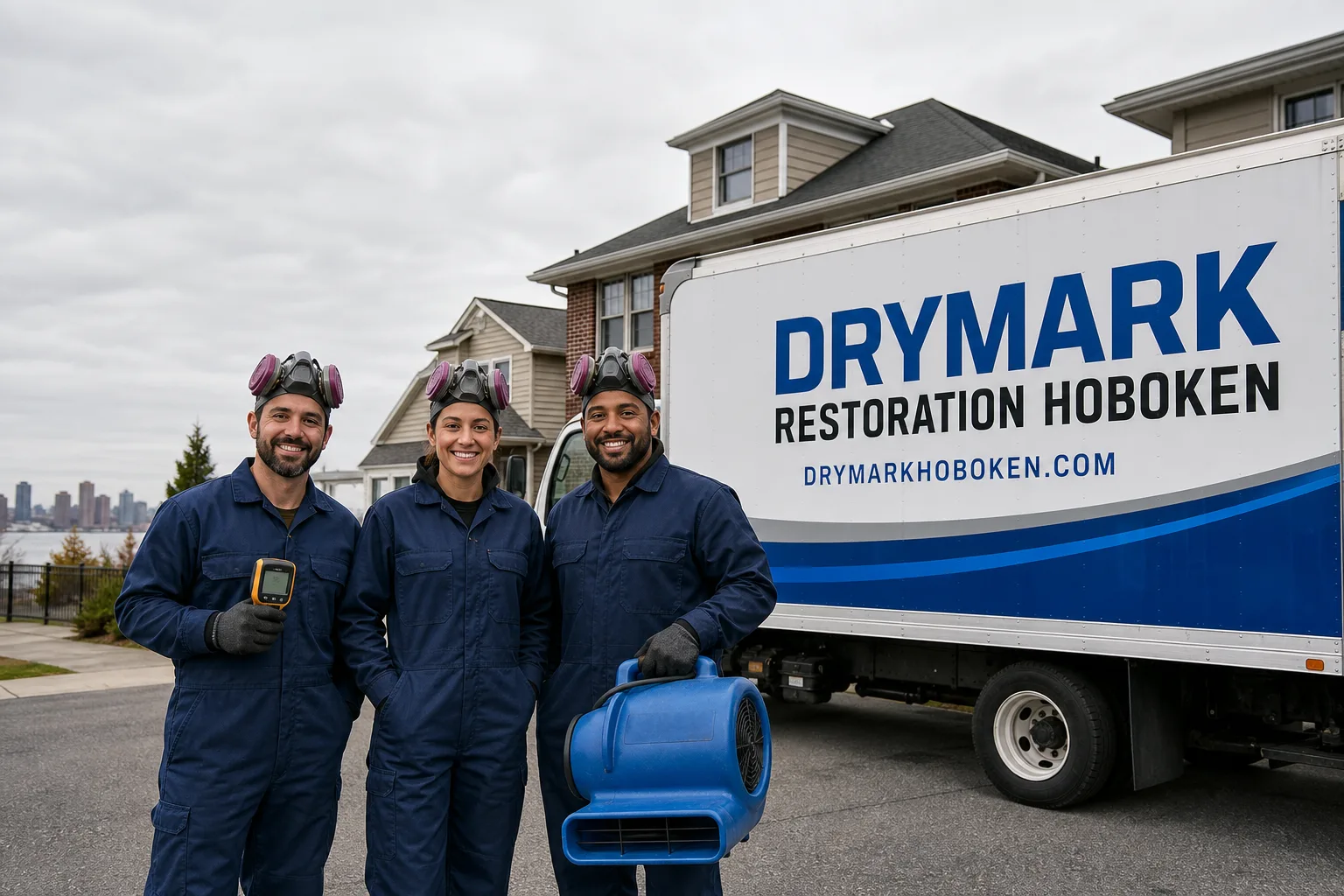
Free visual inspection and a written scope of work before any mitigation begins - photos, moisture readings, and drying logs go in your claim file
The scope we write is the scope we bill. Anything new gets shown to you, in writing, before we touch it.
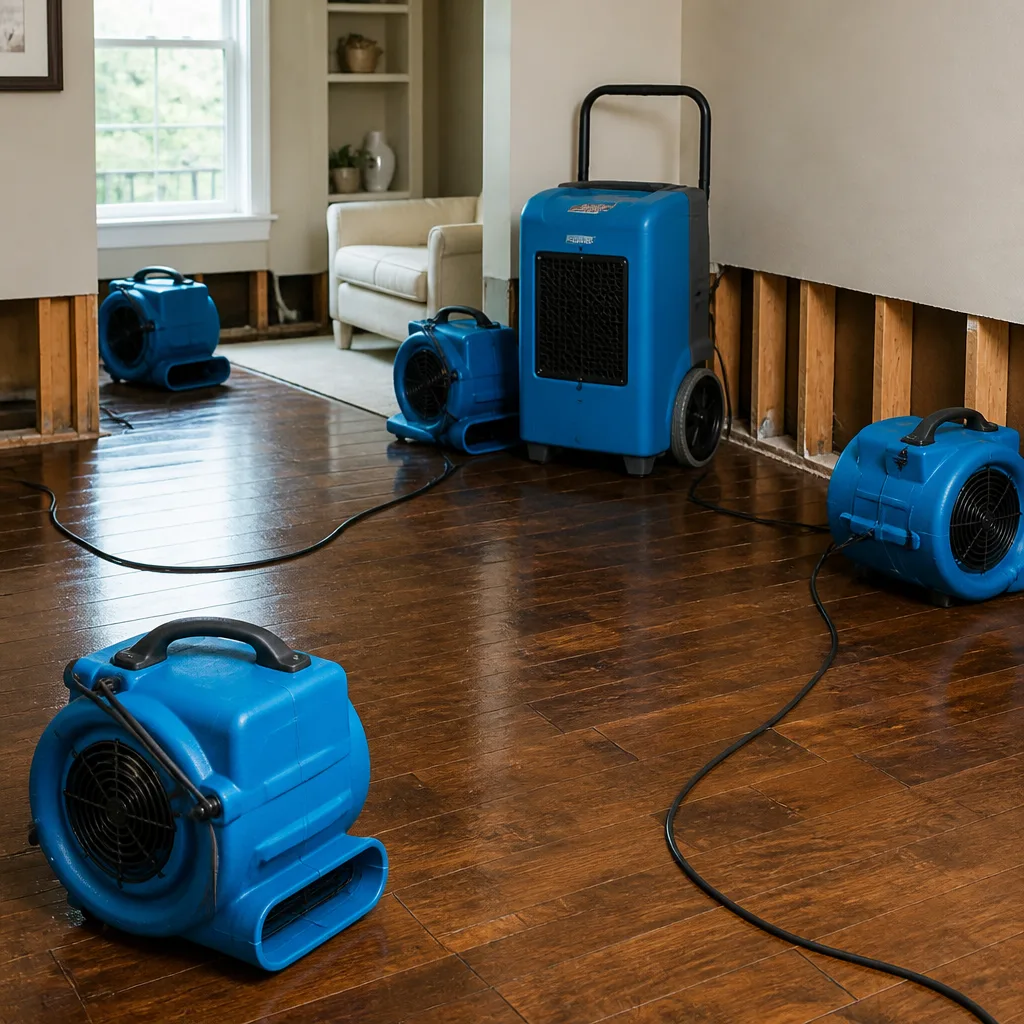
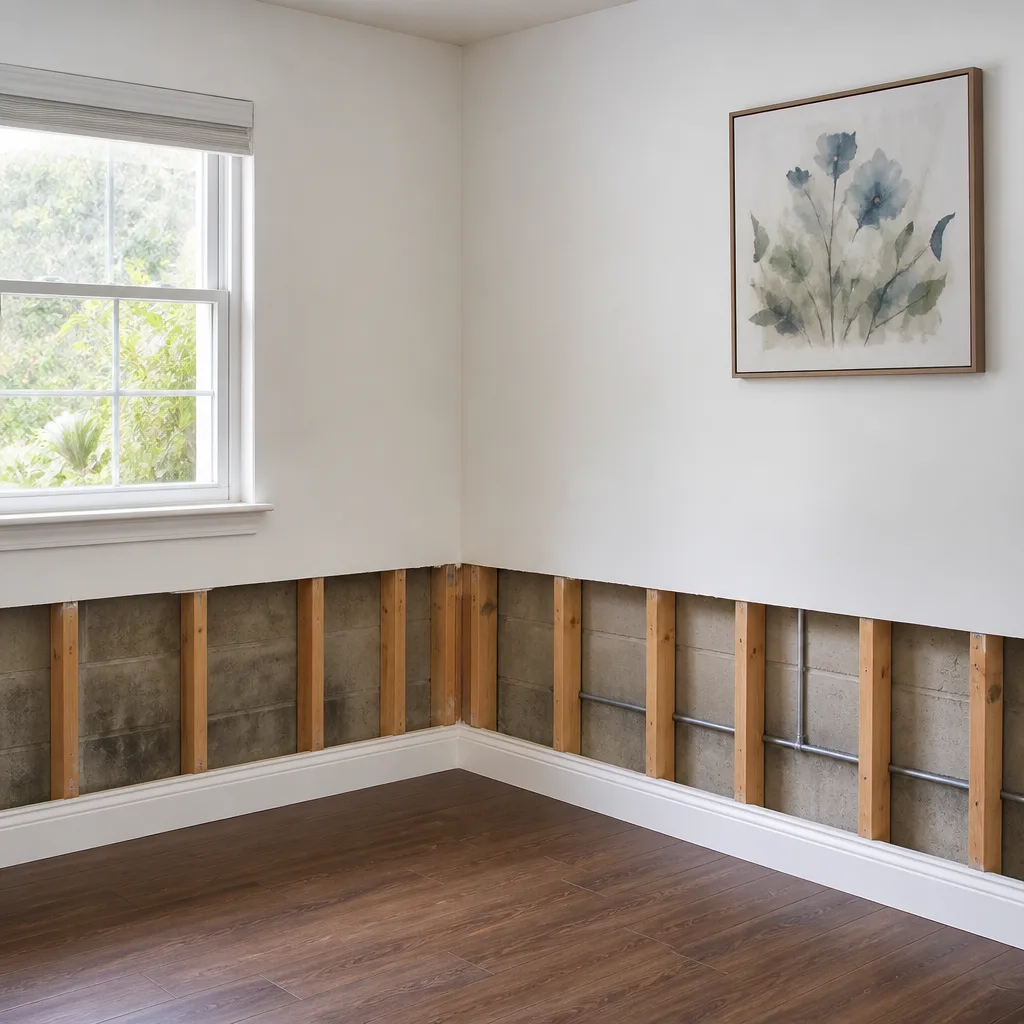
 Before
 After
After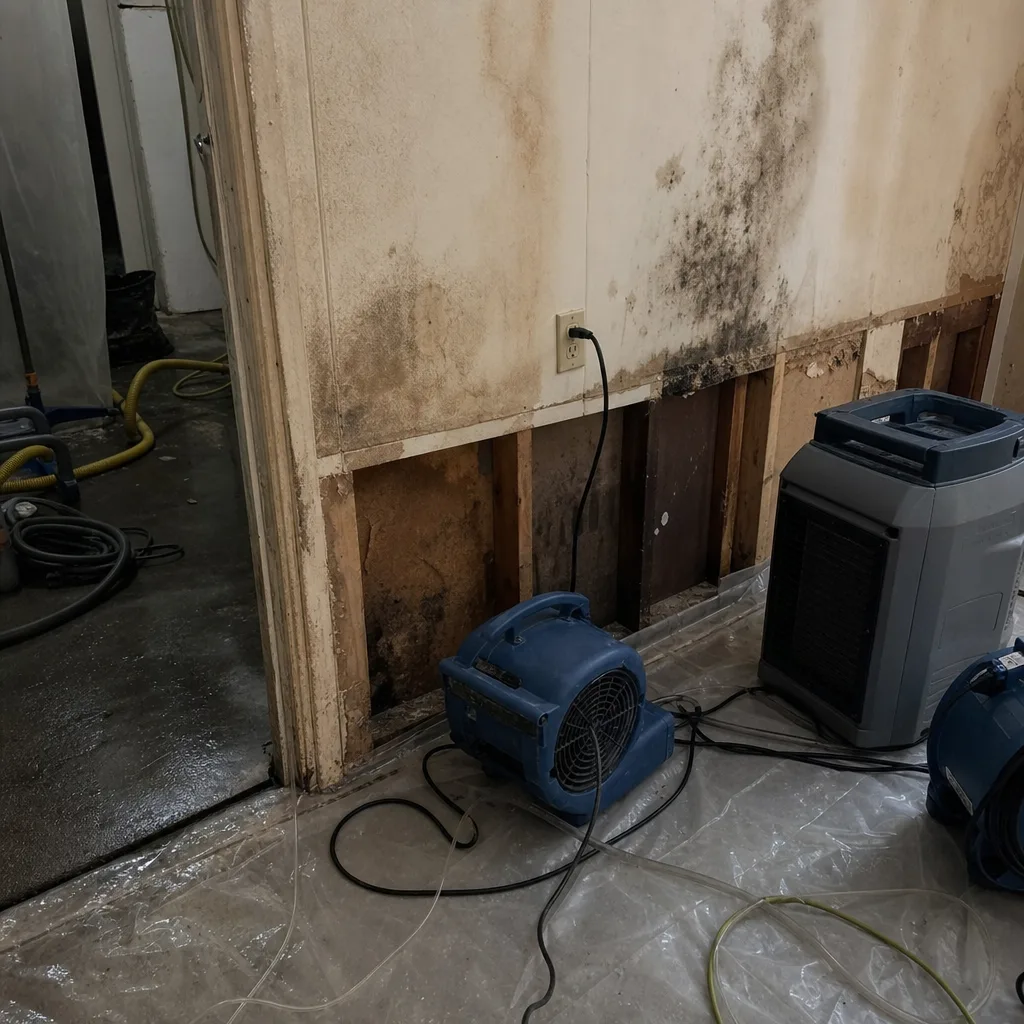 Before
 After
After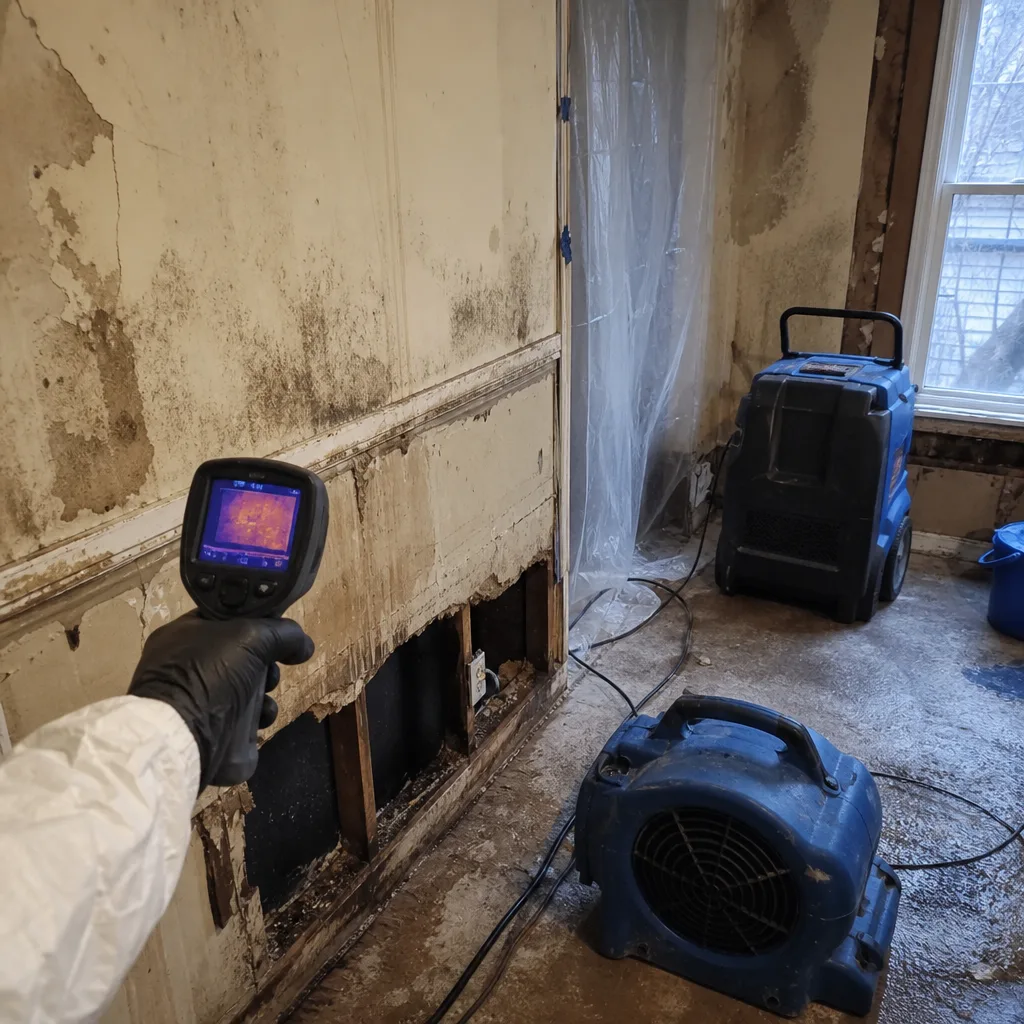 Before
 After
AfterFast, Reliable Mold Remediation Across Manhattan
Mold remediation in Manhattan typically costs $2,800-$7,500 for residential units, with co-op and condo projects often running higher due to board-mandated containment and scheduling constraints. Most Manhattan properties require 3-10 business days of active remediation, though pre-war buildings with plaster-over-lath walls and restricted work windows can extend timelines significantly. Call (551) 212-1580 for a written estimate before any work begins.
We serve Manhattan from our New York City office, with crews experienced in the vertical logistics of high-rise remediation. From Battery Park City to the Upper East Side, we’ve documented mold behind pre-war plaster, inside cast-iron riser chases, and throughout steam-heated wall cavities that newer construction simply doesn’t have. Manhattan’s housing stock demands a different protocol than suburban drywall jobs, and our Mold Remediation team builds every scope around what your specific building requires.
Why DryMark Restoration Hoboken Is Manhattan’s Preferred Mold Remediation Company
Our reputation in Manhattan rests on documentation that survives adjuster review. We’ve restored properties from the Financial District to Harlem, and our photo records, moisture logs, and written scopes are produced to IICRC, RIA, and IFA standards. Homeowners in Manhattan read our three-star reviews carefully, and they find the same pattern: we name the moisture reading, show the photo, and deliver the written price before anyone opens a wall.
Response time to Manhattan averages 90-120 minutes from initial call, with live phone coverage 24 hours a day, 7 days a week. No voicemail trees, no next-business-day callbacks while spore counts climb.
We know the local terrain. Our crews carry board-vetted contractor paperwork for major Manhattan co-ops, understand the elevator reservation systems in buildings from the 1920s, and have worked inside the plaster-over-lath assemblies that define Manhattan’s pre-war housing stock. That local knowledge prevents the scheduling stalls and containment failures that turn a three-day job into a two-week ordeal.
Our Mold Remediation Services in Manhattan
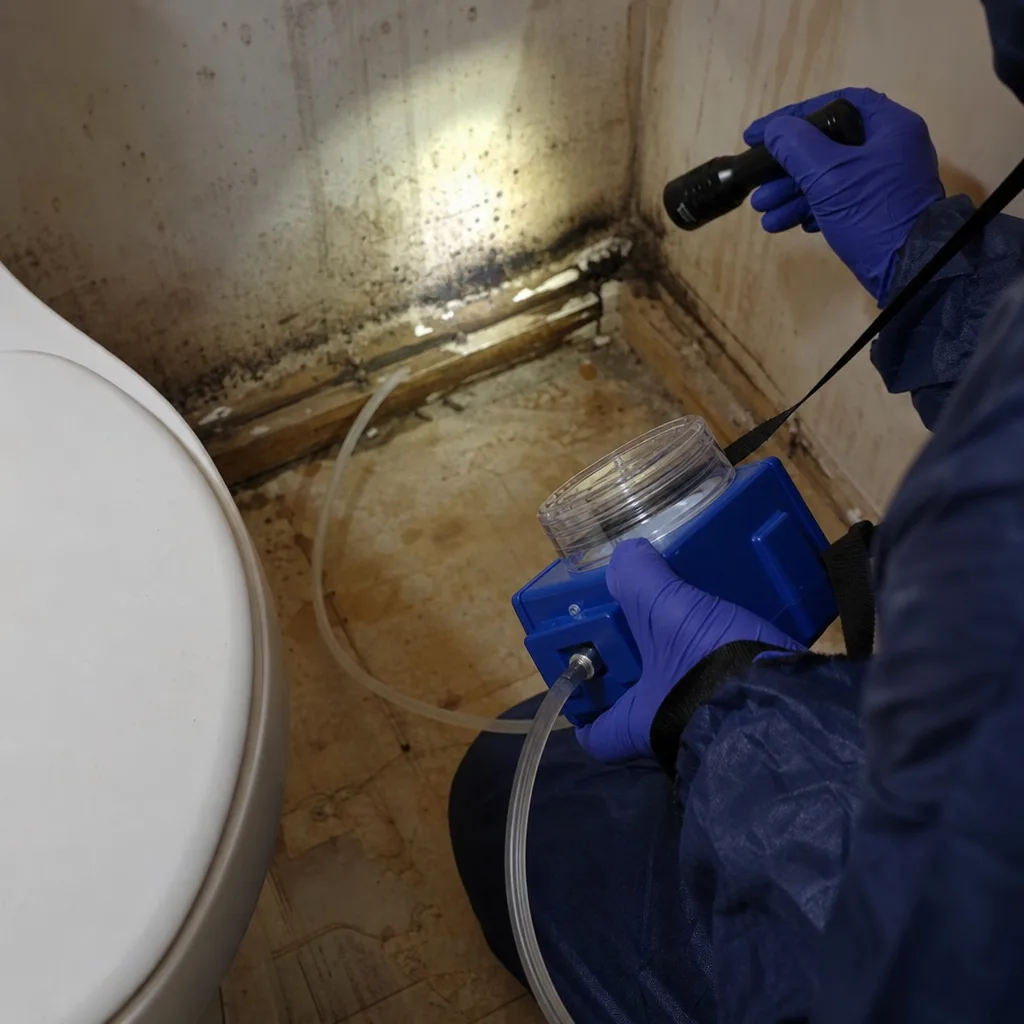
Mold Inspection & Testing
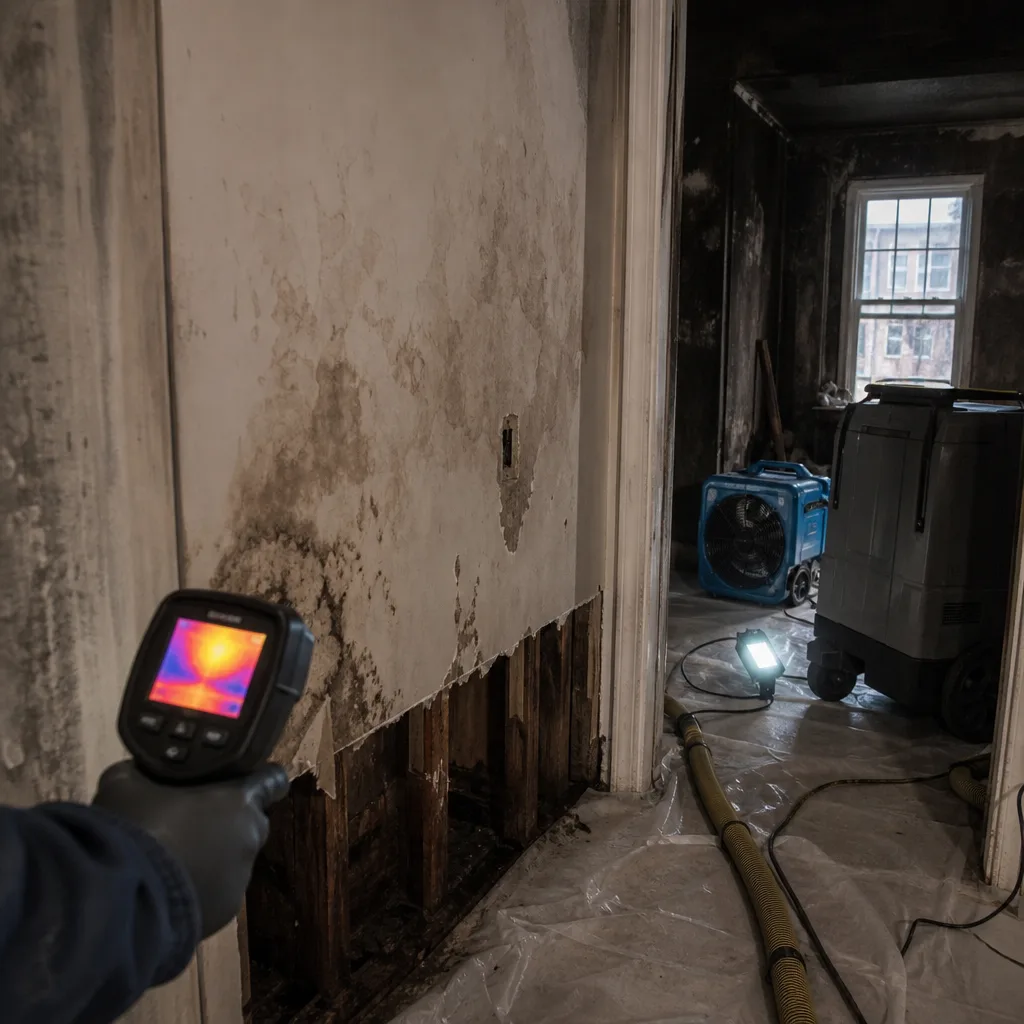
Manhattan mold inspections start with moisture mapping, not guesswork. We use thermal imaging and psychrometric data - measurements of temperature, humidity, and vapor pressure - to locate hidden saturation inside plaster-over-lath walls, cast-iron riser chases, and two-pipe steam heating cavities. In a typical pre-war co-op on the Upper West Side, a visual inspection misses 60-70% of the affected area because moisture wicks laterally through plaster and vertically through riser sleeves. Our inspection protocol includes air sampling and surface testing, with results interpreted against NYC Department of Health guidelines and delivered with a written scope and price before remediation begins. Haven Standard, Clause 1.
Mold Removal
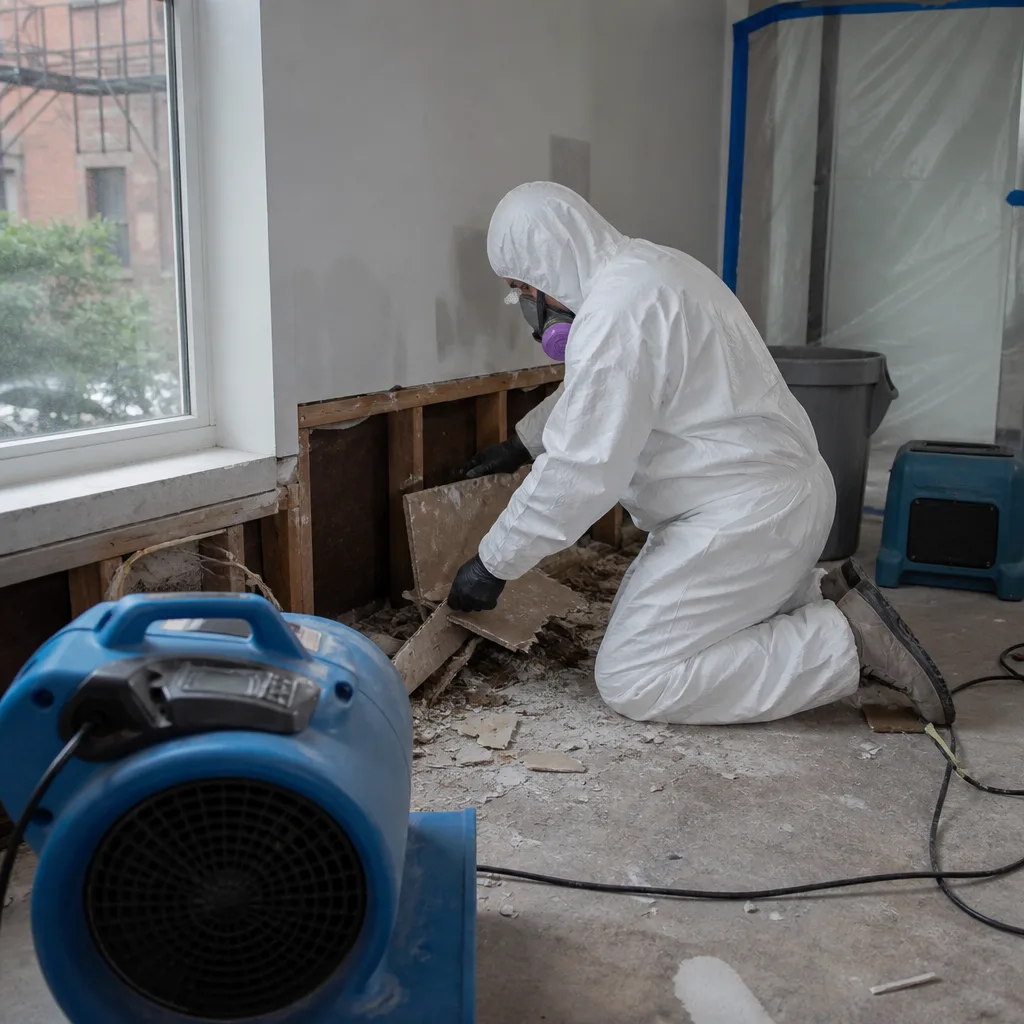
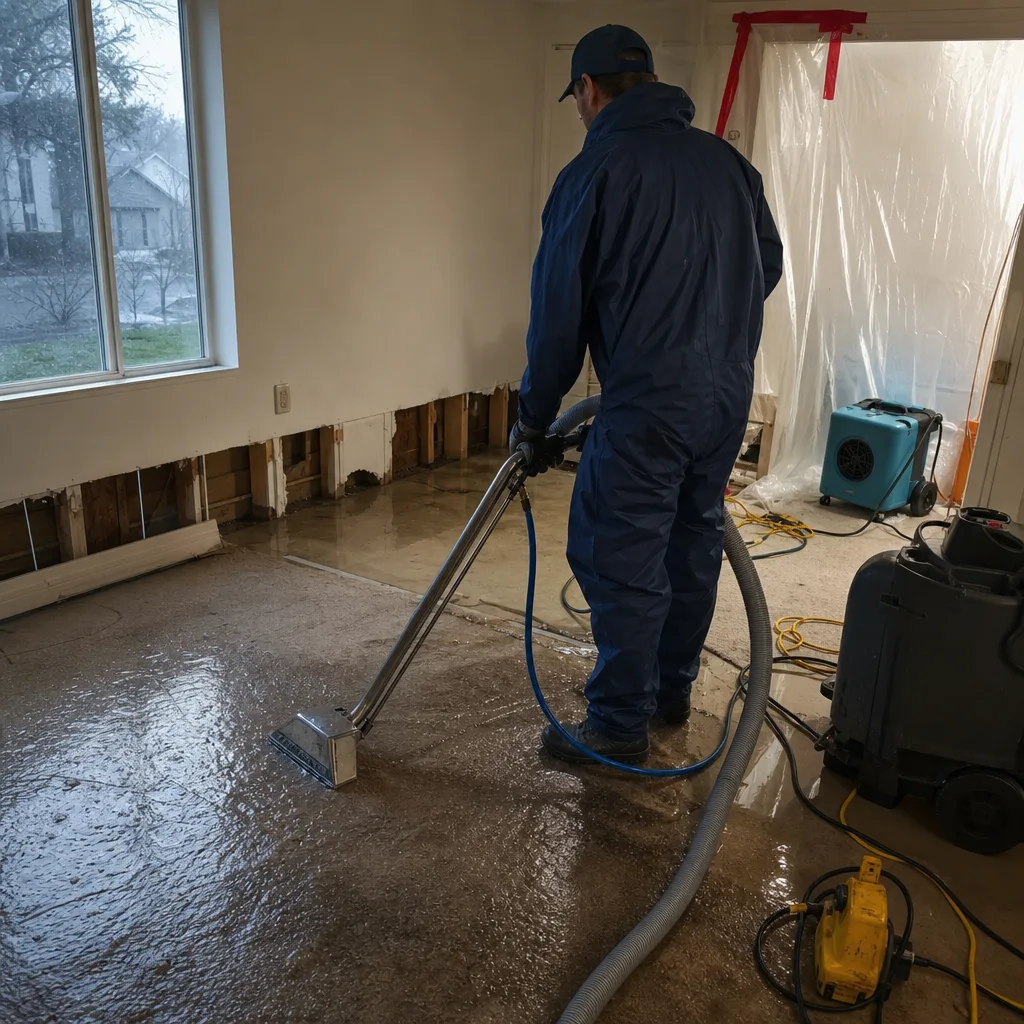
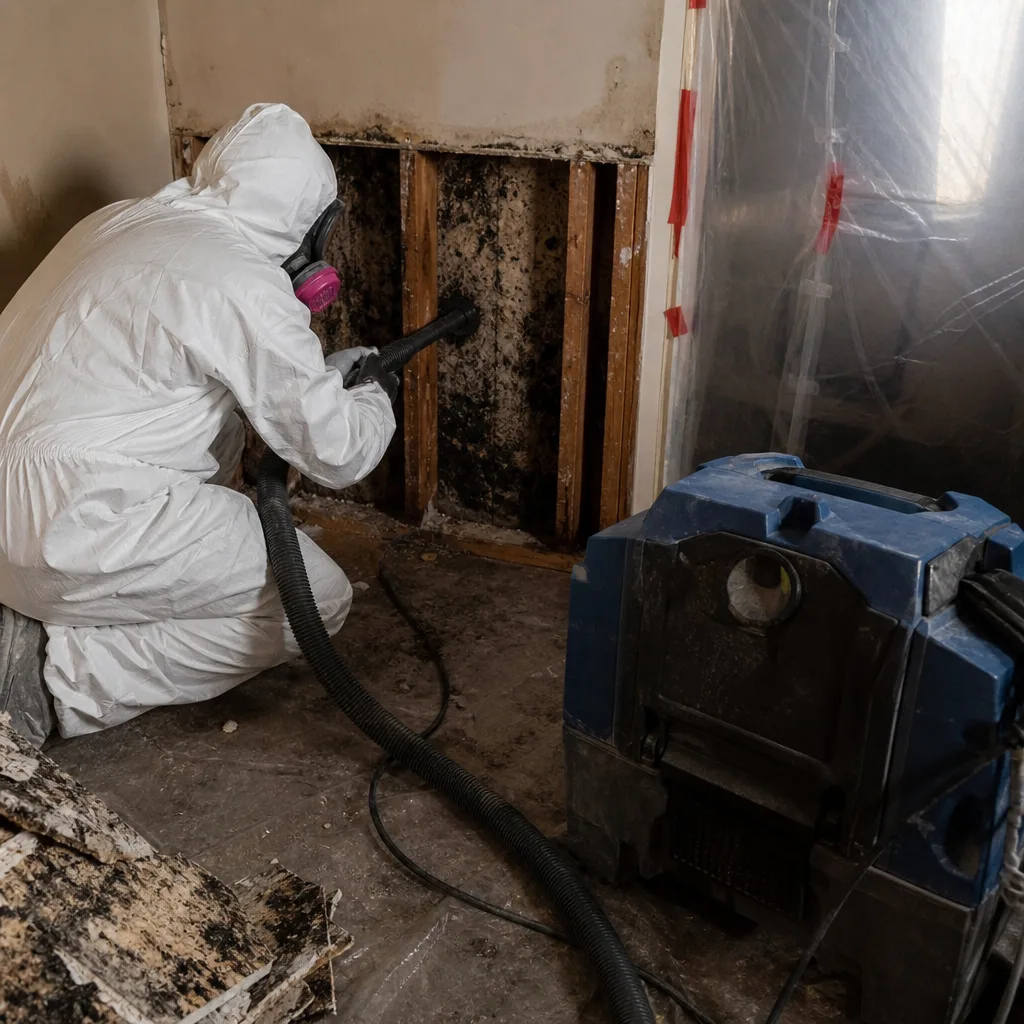
Removal in Manhattan follows containment protocols scaled to your building’s occupancy and ventilation. High-rise structures share HVAC risers and elevator shafts that can transport spores floor-to-floor, so we establish negative air pressure with HEPA-filtered air scrubbers before disturbing any material. In buildings near the East River or Hudson, we also account for the elevated ambient humidity that tidal proximity creates - Manhattan’s island geography means baseline moisture loads run higher than inland markets, extending drying timelines if not factored into the initial scope. Our crews remove affected plaster, lath, and insulation in sealed containment, with photo documentation at every stage.
Black Mold Remediation
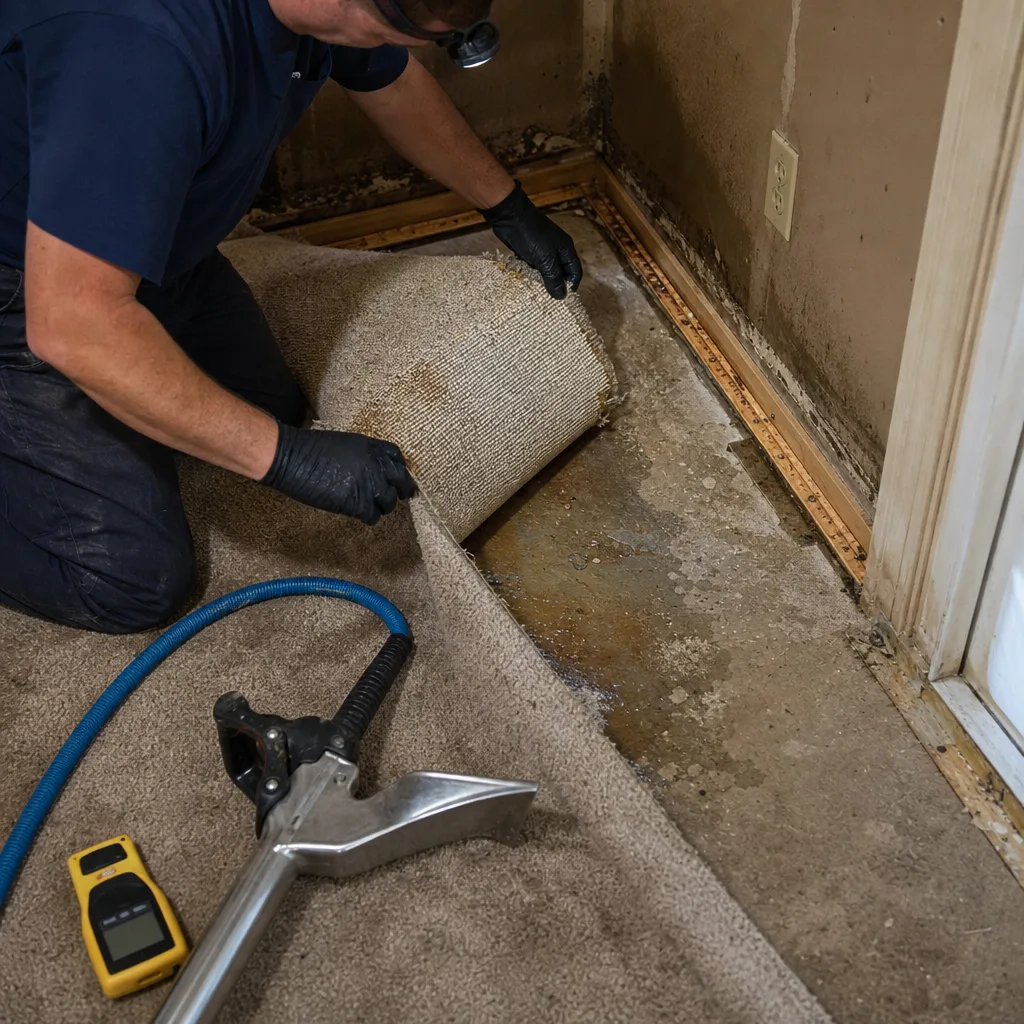
Stachybotrys chartarum and other toxigenic species in Manhattan are almost always associated with chronic moisture, not sudden floods. We find black mold most often in pre-war buildings with failed steam traps, slow riser leaks, or combined-sewer backups that saturated basement-level units during nor’easters. Category 3 black water events - sewage intrusion - require removal of porous materials, not surface treatment; any contractor proposing to “clean” sewage-soaked plaster in a Manhattan basement is guaranteeing future mold growth. Our black mold protocol includes antimicrobial treatment of non-porous surfaces, controlled demolition of affected plaster and lath, and air quality verification before containment comes down. Every step is photo-documented for insurance submission.
Air Quality Restoration
Manhattan’s high-rise density makes air quality restoration a building-systems problem, not just a unit problem. We deploy HEPA air scrubbers with carbon filtration, balanced to your unit’s cubic footage and the shared ventilation pathways of your floor plate. In co-ops with central HVAC, we coordinate with building engineers to isolate riser dampers during remediation. Post-remediation clearance testing measures spore counts against outdoor baseline and delivers a documented pass/fail report that satisfies most Manhattan co-op board requirements without re-inspection delays.
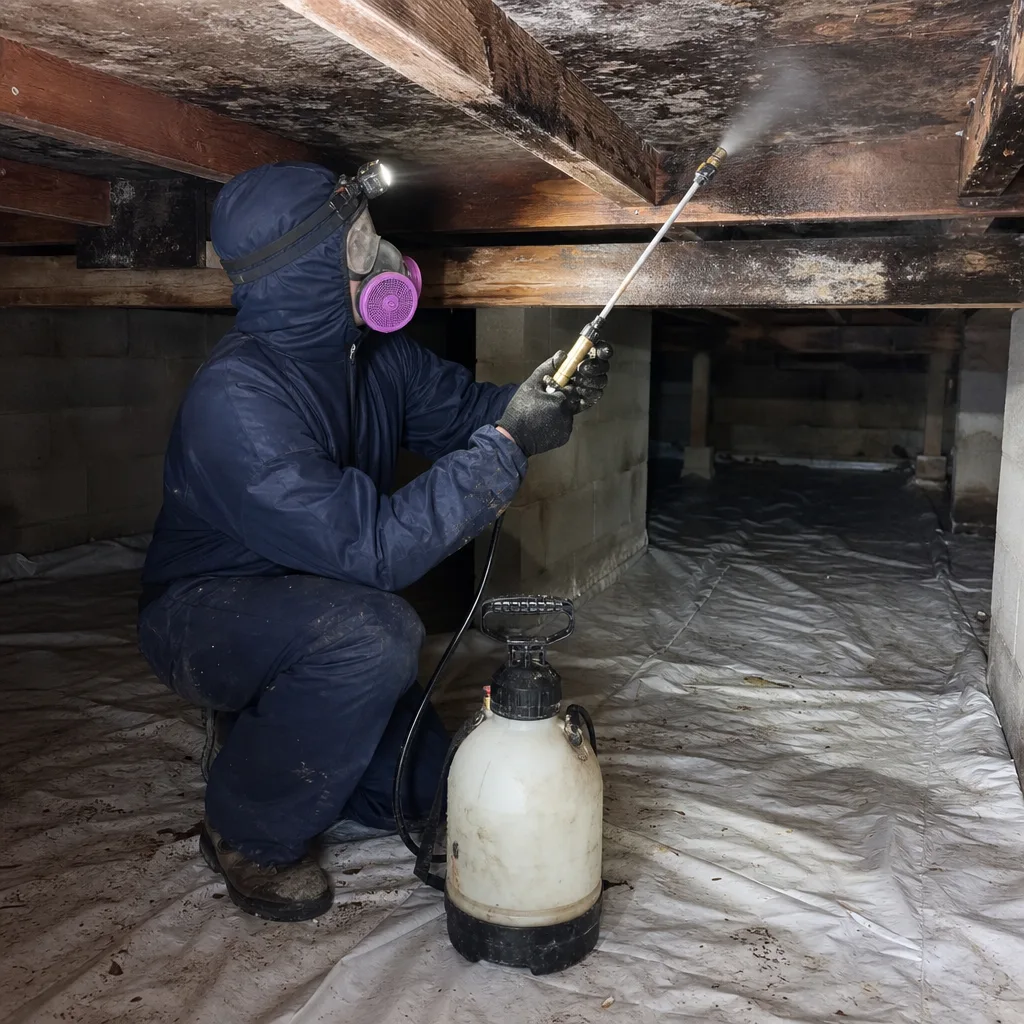
Crawl Space Treatment & Moisture Control
While true crawl spaces are rare in Manhattan high-rises, sub-basement mechanical rooms, elevator pits, and ground-floor utility chases function similarly as moisture reservoirs. In FiDi and Battery Park City buildings within FEMA flood zones, these spaces carry elevated mold risk from tidal surge and sewer backup. Our moisture control protocols include vapor barrier installation, dehumidification sizing with Phoenix and Dri-Eaz equipment, and ongoing monitoring until psychrometric targets hold steady.
What happens when you call
- 1
A real person answersNo phone trees - you reach a local pro.
- 2
You get an upfront price rangeHonest numbers before anyone is dispatched.
- 3
A background-checked tech heads outLicensed & insured, dispatched right away.
- 4
You approve before work beginsNothing starts until you say go.
BeforeAfterTrusted Equipment We Deploy in Manhattan
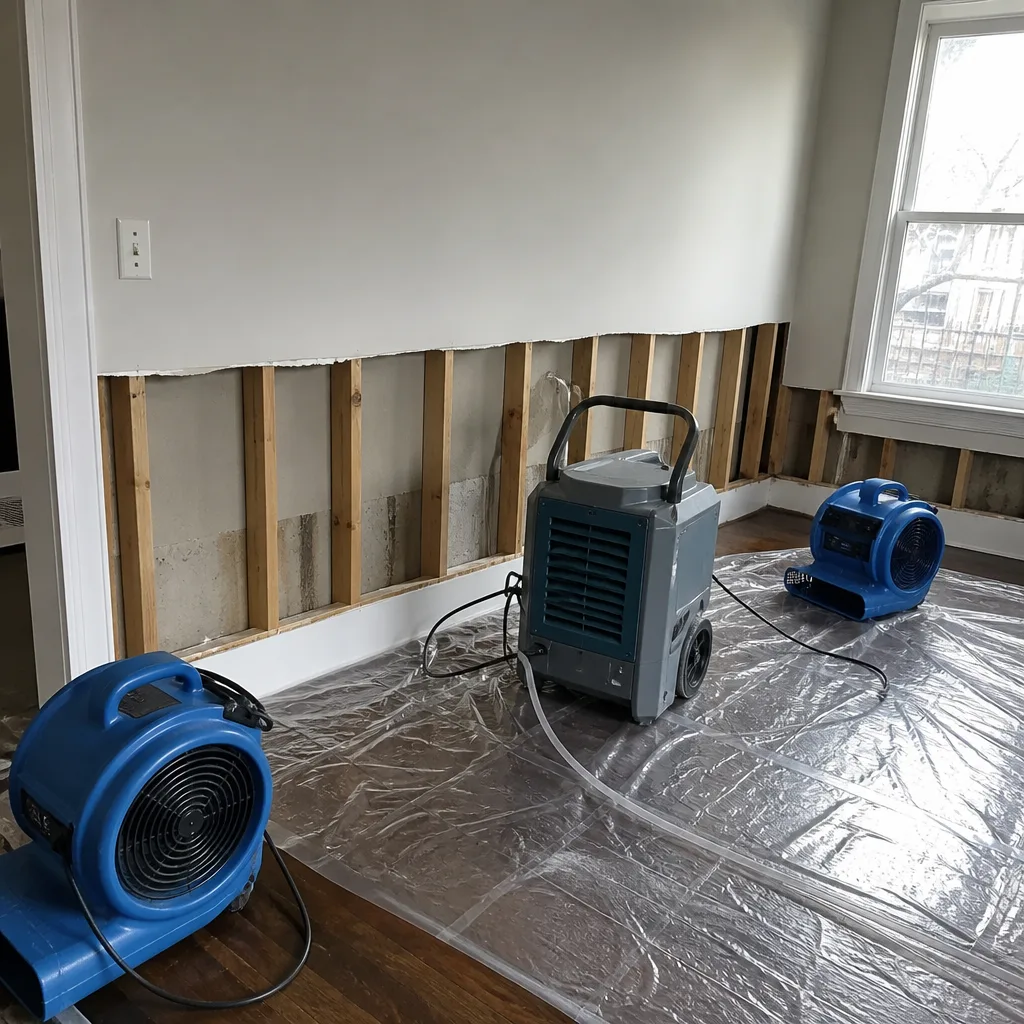
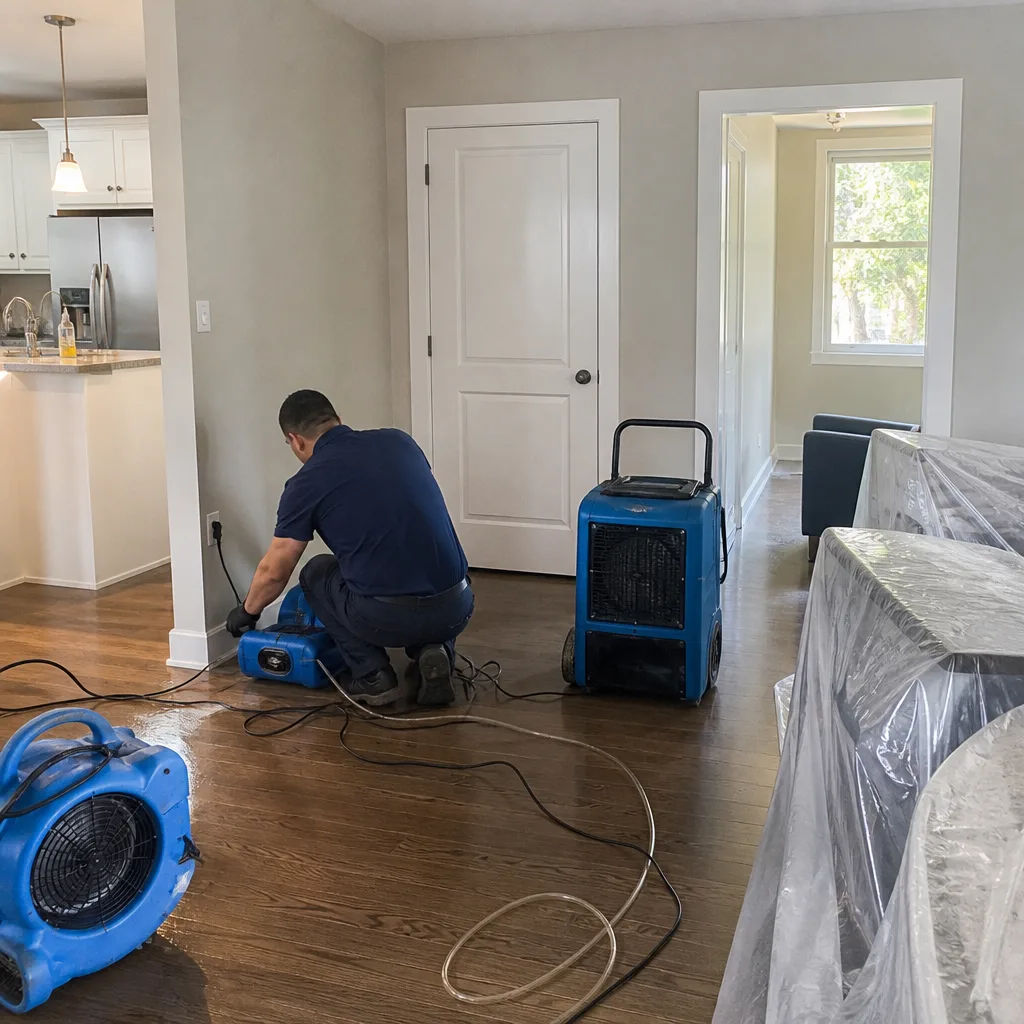
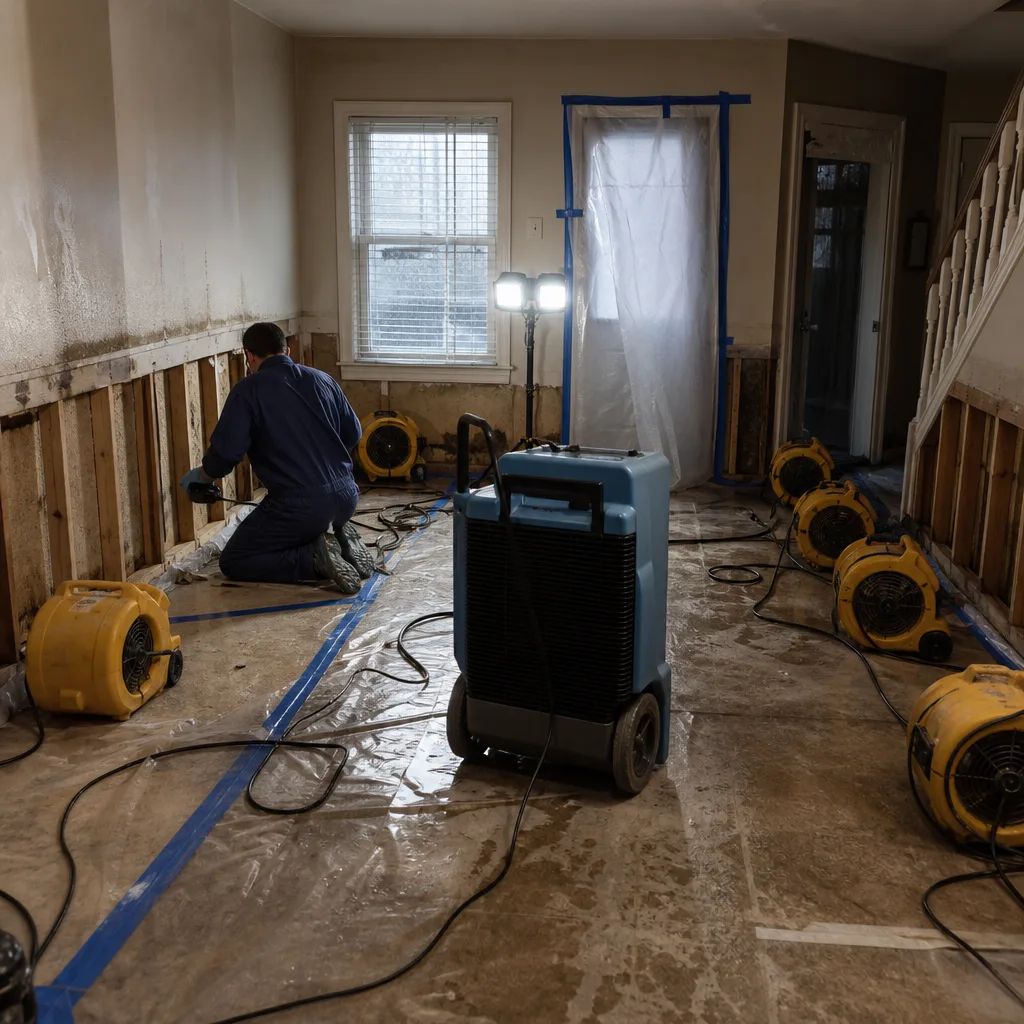
We stock and deploy professional-grade drying and remediation systems from Dri-Eaz, Phoenix, and XPOWER - equipment sized for the cubic volumes and restricted access of Manhattan apartments, not suburban basements. Injectidry panel drying systems allow us to dry plaster-over-lath cavities without full demolition when moisture mapping supports it, preserving original finishes that co-op boards often require. All equipment deployment is logged with start/stop times and daily moisture readings, producing the drying documentation that turns restoration invoices into payable claims.
Common Mold Remediation Problems We See in Manhattan Homes
- Vertical migration concealment in pre-war walls. Moisture from a failed cast-iron riser or steam trap wicks through plaster-over-lath and hides behind intact wall finishes. An incomplete moisture map misses lower floors, and mold returns after the next heating cycle when the source was never addressed.
- Board-governed work windows stalling containment. Crews that arrive off-hours or without board-vetted approval get stopped at the lobby. Contaminated containment stands open. Drying equipment can’t run continuously. Mold proliferates in the stall.
- Category 3 misclassification after sewage backups. Nor’easter-driven combined-sewer overflows in basement and ground-floor units push black water into wall cavities. Treating those materials with Category 2 dry-out protocols instead of removal guarantees mold regrowth within days.
- Steam trap failures misattributed to roof leaks. In buildings with two-pipe steam heat, failed traps condense water into risers that soak interior walls floor by floor. Supers call roofers; roofers find nothing; mold spreads while the actual source cycles on every winter morning.
Pricing for Mold Remediation in Manhattan, NY
Mold inspection and testing in Manhattan runs $450-$850 for a typical one-to-two-bedroom unit, including thermal imaging, moisture mapping, and laboratory analysis of air and surface samples. Mold removal and remediation for contained residential projects ranges $2,800-$5,200. Black mold remediation involving Category 3 water damage, full containment, and air quality restoration typically falls between $4,500-$7,500. Co-op and condo projects with board-mandated after-hours security, elevator escorts, or specialized containment add 15-30% to base pricing.
What drives cost: square footage of affected area, material classification (Category 2 vs. Category 3), accessibility constraints, and whether plaster-over-lath removal is required versus panel-drying preservation. Every project receives a written price before work begins, with no scope-creep additions once the crew is inside. Haven Standard, Clause 1. Bring a competitor’s written estimate and we’ll review it at no charge.
Call (551) 212-1580 for a written estimate - estimates are free, and we deliver the price before anyone opens a wall.
We Also Serve Cities Near Manhattan
Our crews regularly cross the East River for Mold Remediation in Manhattan adjacent properties in Long Island City and Astoria, where building stock and moisture patterns share similarities with Manhattan’s pre-war inventory. Dispatch and scheduling are coordinated from our New York City office.
Serving Manhattan, NY - Our Local Coverage Area
We’re based in the Manhattan area and know this community well. Use the map below to see our service coverage - if you’re nearby, we can almost certainly help.
FAQs - Mold Remediation in Manhattan
Yes, almost always. Most Manhattan co-ops maintain approved contractor lists and require board or property manager sign-off before disruptive work begins. We carry board-vetted documentation for numerous Manhattan buildings and submit scope, insurance, and scheduling requests as a standard part of our intake process. Call (551) 212-1580 and we’ll coordinate directly with your building management.
Co-op board scheduling restricts disruptive work to weekday business hours, typically 9 AM-4 PM, eliminating overnight drying windows and compressing active work into shorter daily segments. A project that vertical crews complete in three days elsewhere can stretch to two weeks in Manhattan. Plaster-over-lath walls also retain moisture longer than drywall, extending drying timelines even when equipment runs continuously during permitted hours.
Steam trap condensate produces moisture patterns that track vertically with riser locations and intensify during heating cycles, while roof leaks typically correlate with rainfall and show at ceiling perimeters or around penetrations. Thermal imaging reveals the temperature differential of active steam condensation versus ambient water intrusion. We can map the source before mold establishes, but the window is narrow - call (551) 212-1580 for same-week inspection.
Yes, combined-sewer backups are Category 3 black water under IICRC standards, requiring removal of porous materials and antimicrobial treatment of non-porous surfaces. Remediation can begin immediately after extraction and contamination assessment, but only with proper PPE, containment, and disposal protocols. Starting with Category 2 dry-out methods guarantees mold regrowth. We document the classification and protocol for insurance submission from day one.
We establish floor-by-floor negative air pressure with HEPA-filtered air scrubbers, seal shared HVAC dampers at the riser, and coordinate with building engineers to prevent cross-contamination through elevator shafts and common corridors. Post-remediation clearance testing verifies spore counts against outdoor baseline before containment removal. The documentation package includes daily air quality logs that satisfy most Manhattan co-op board requirements without re-inspection delay.
Every job we take in Manhattan is covered by our 365-Day Done Right Promise under The Haven Standard: if it’s not done right, we make it right. That guarantee is written, signed, and attached to your file - not a verbal assurance that evaporates after the crew leaves. Since 2011, we’ve restored over 12,000 homes with a written price before work started and a documented record when we left.
Written by Alicia Brennan, Owner at DryMark Restoration Hoboken, serving Manhattan since 2011.