
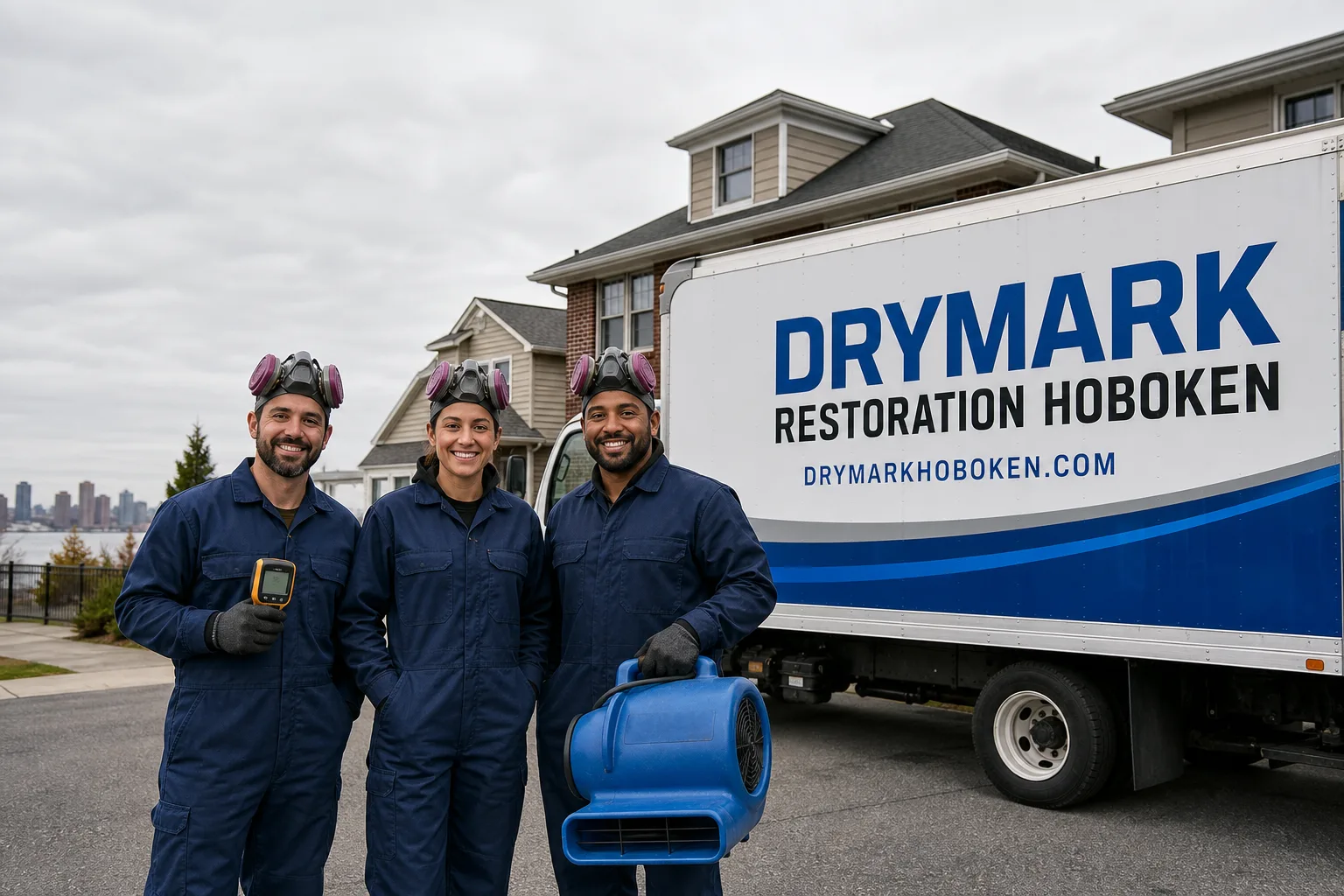
Free visual inspection and a written scope of work before any mitigation begins - photos, moisture readings, and drying logs go in your claim file
The scope we write is the scope we bill. Anything new gets shown to you, in writing, before we touch it.
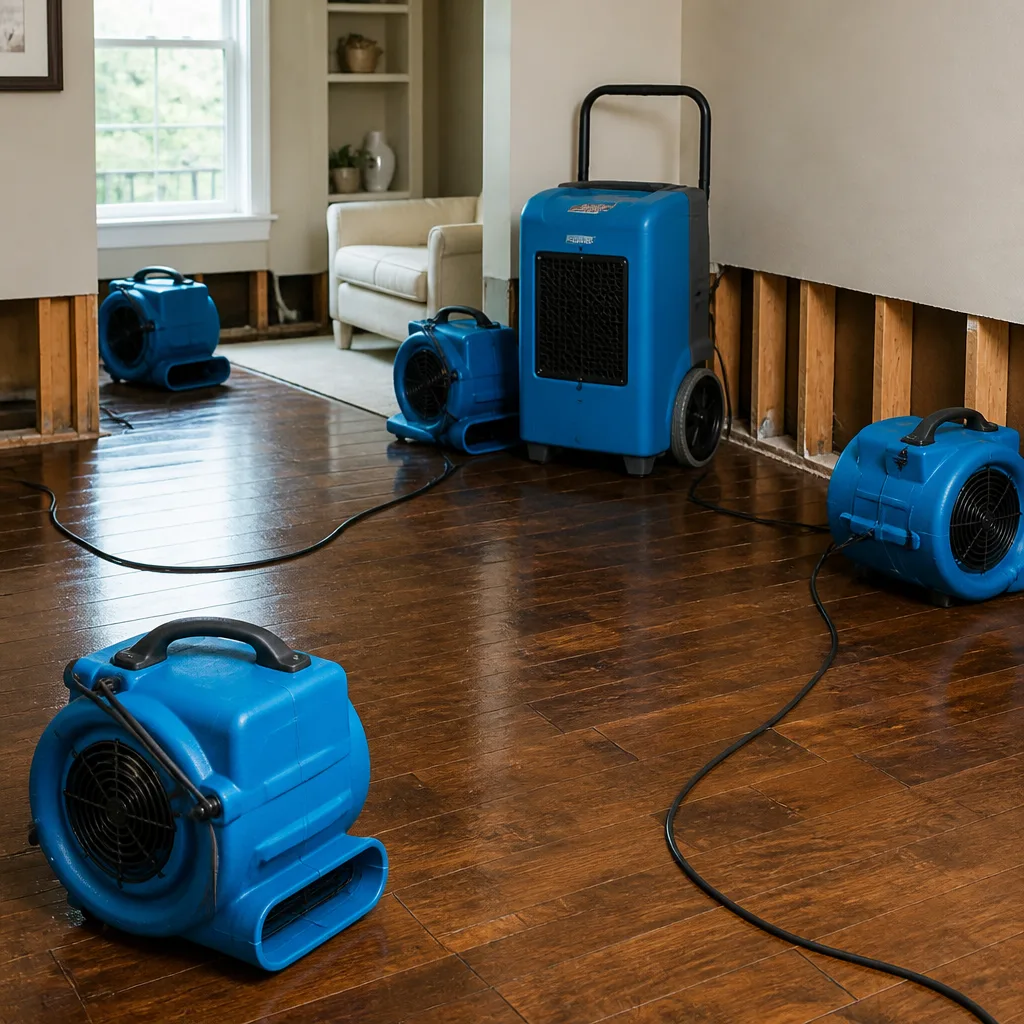
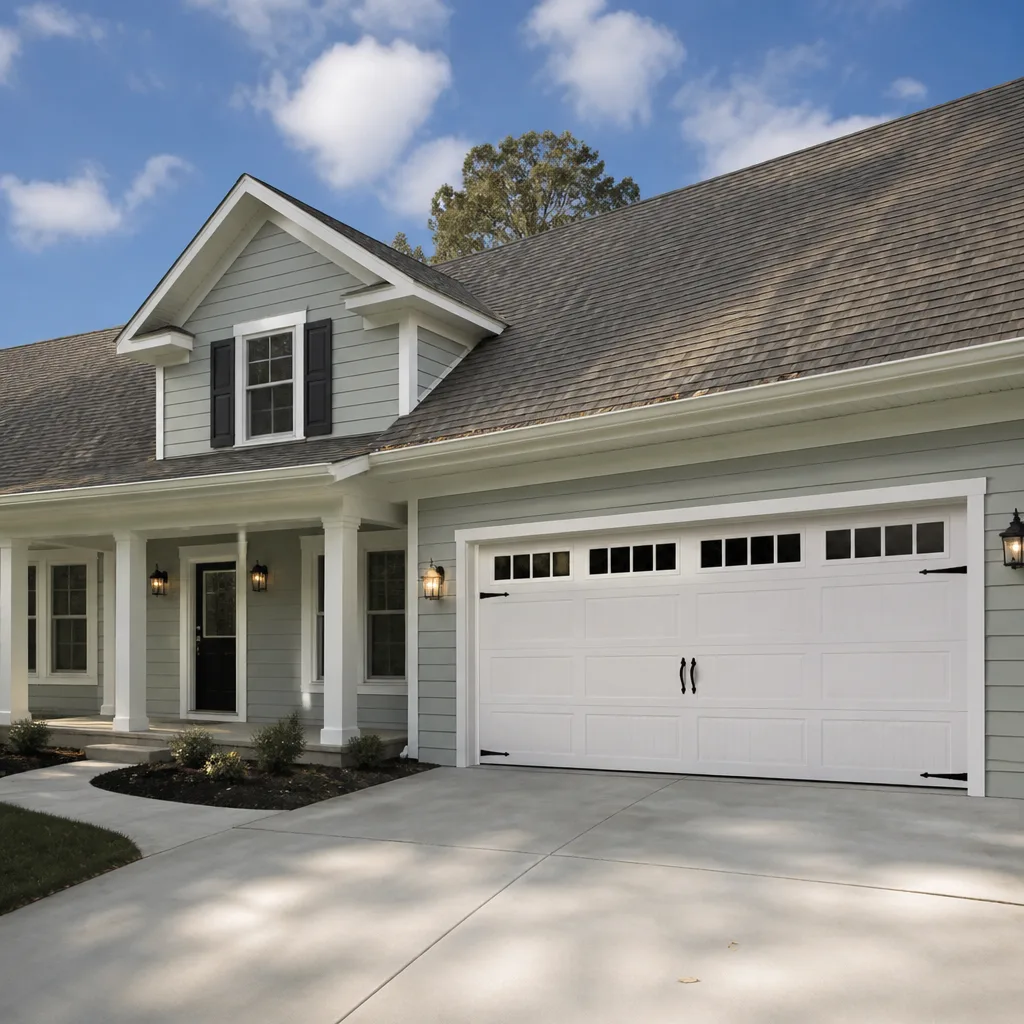
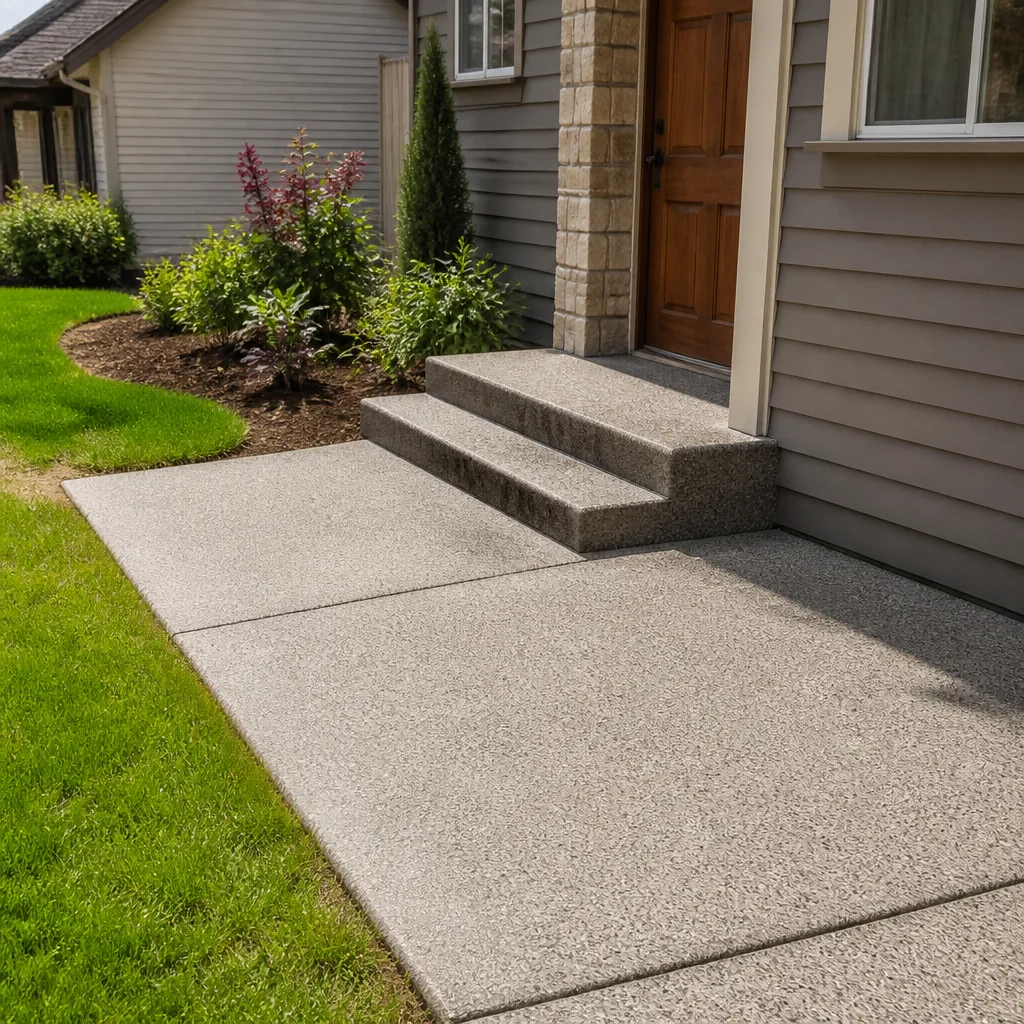
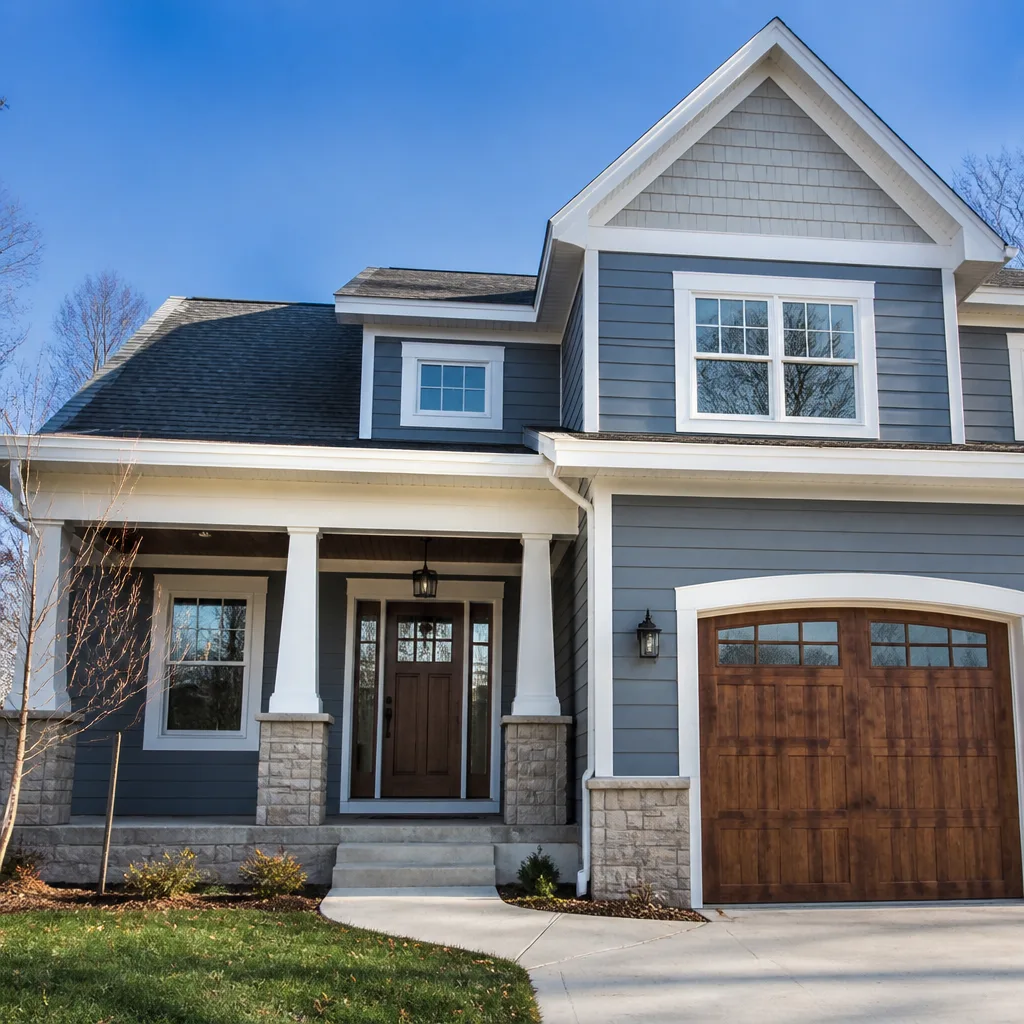
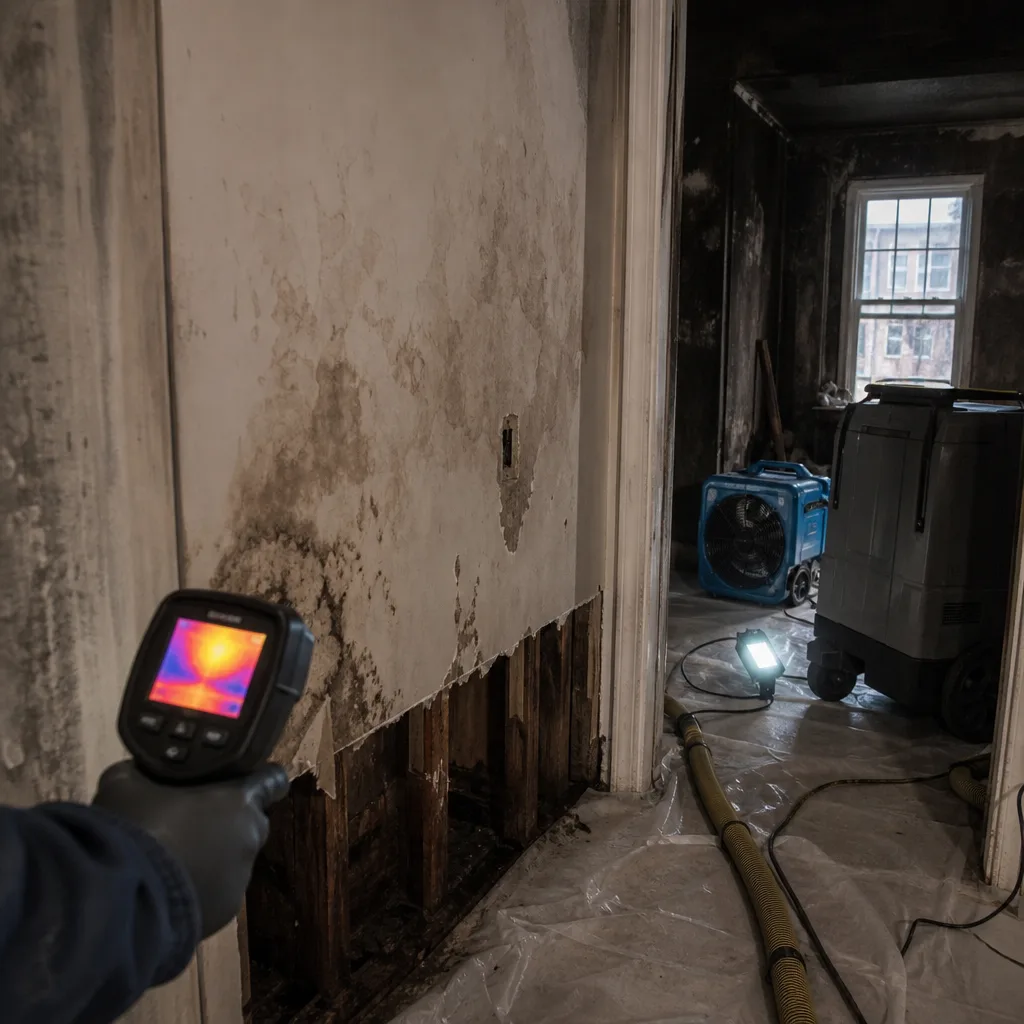 Before
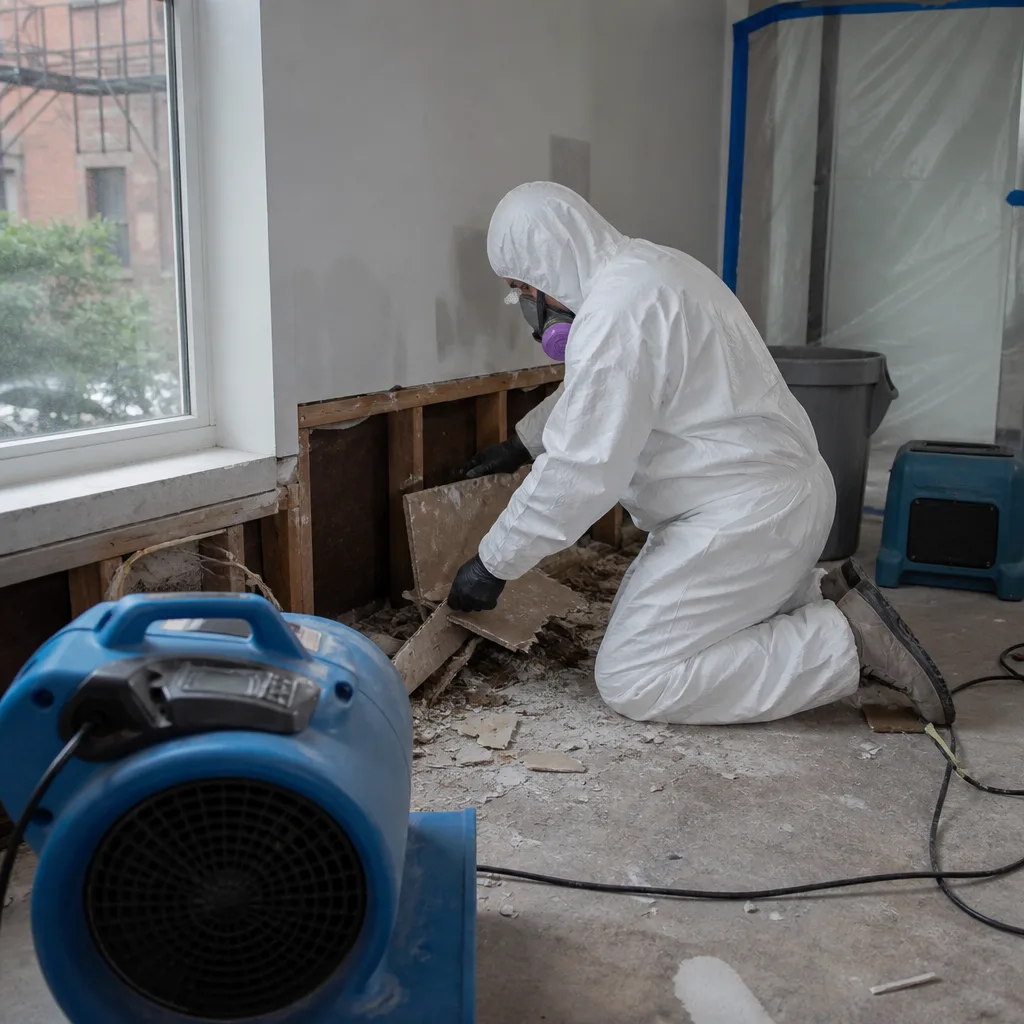 After
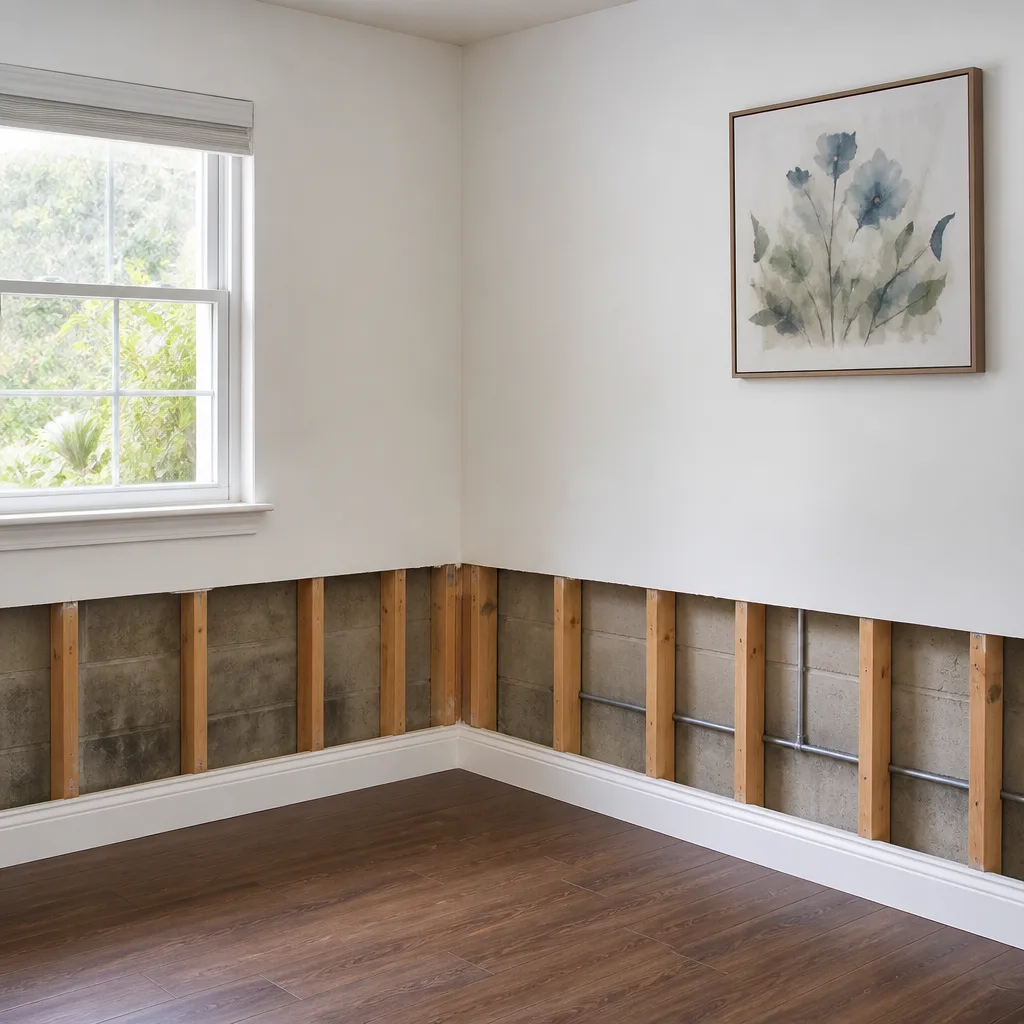
After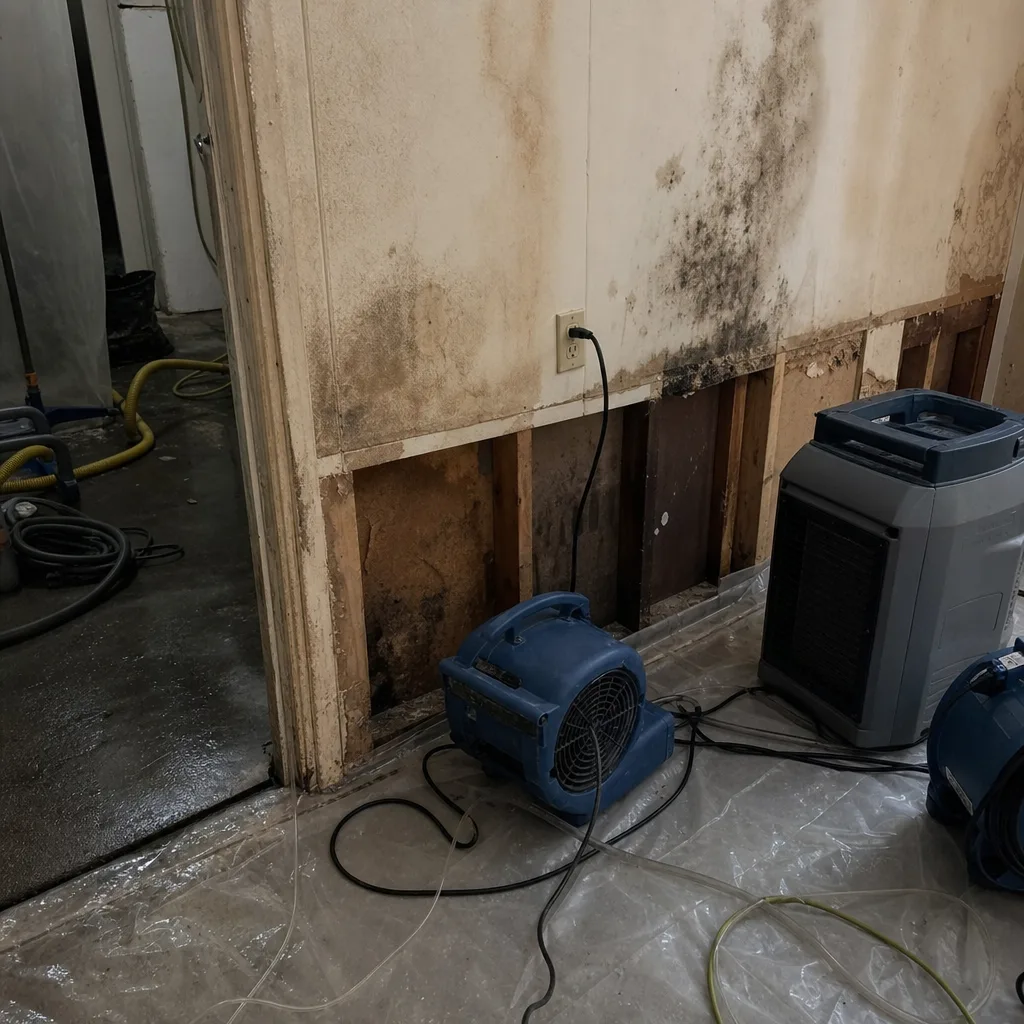 Before
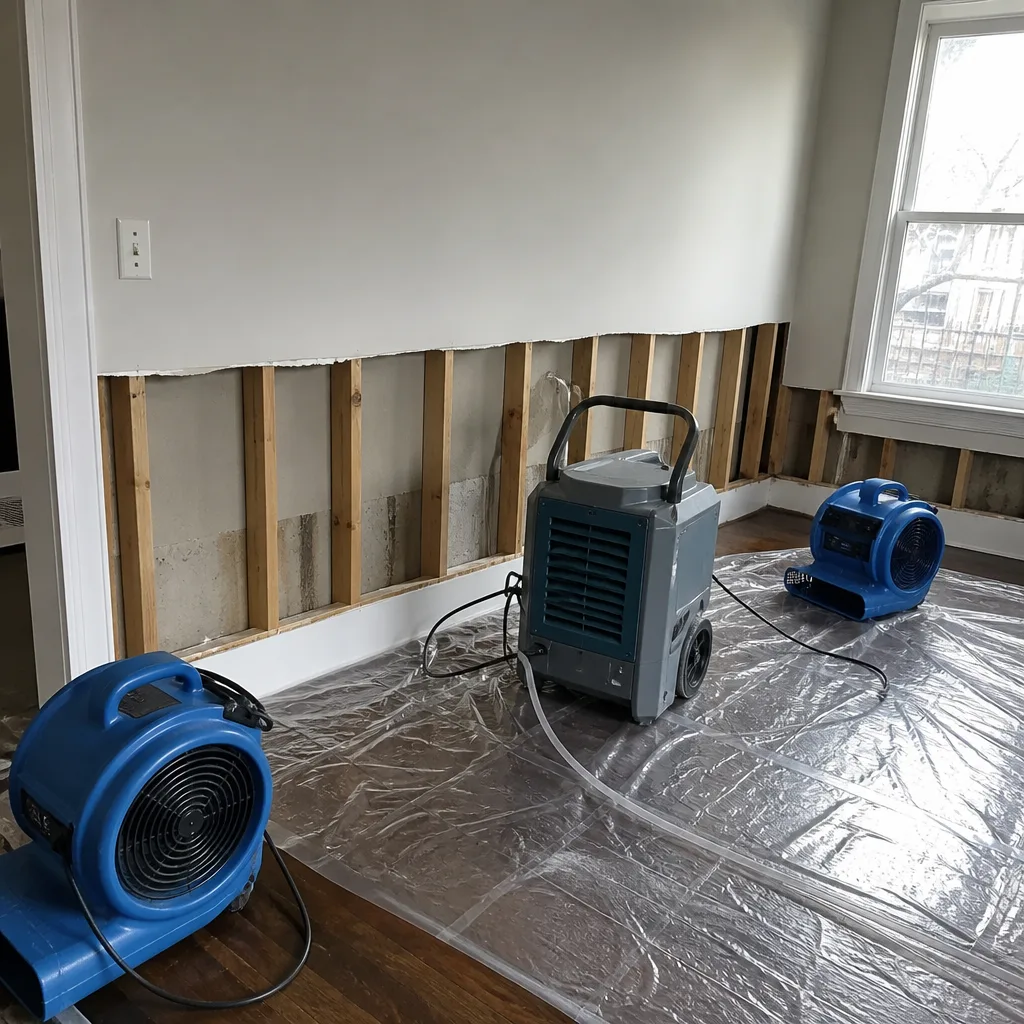 After
After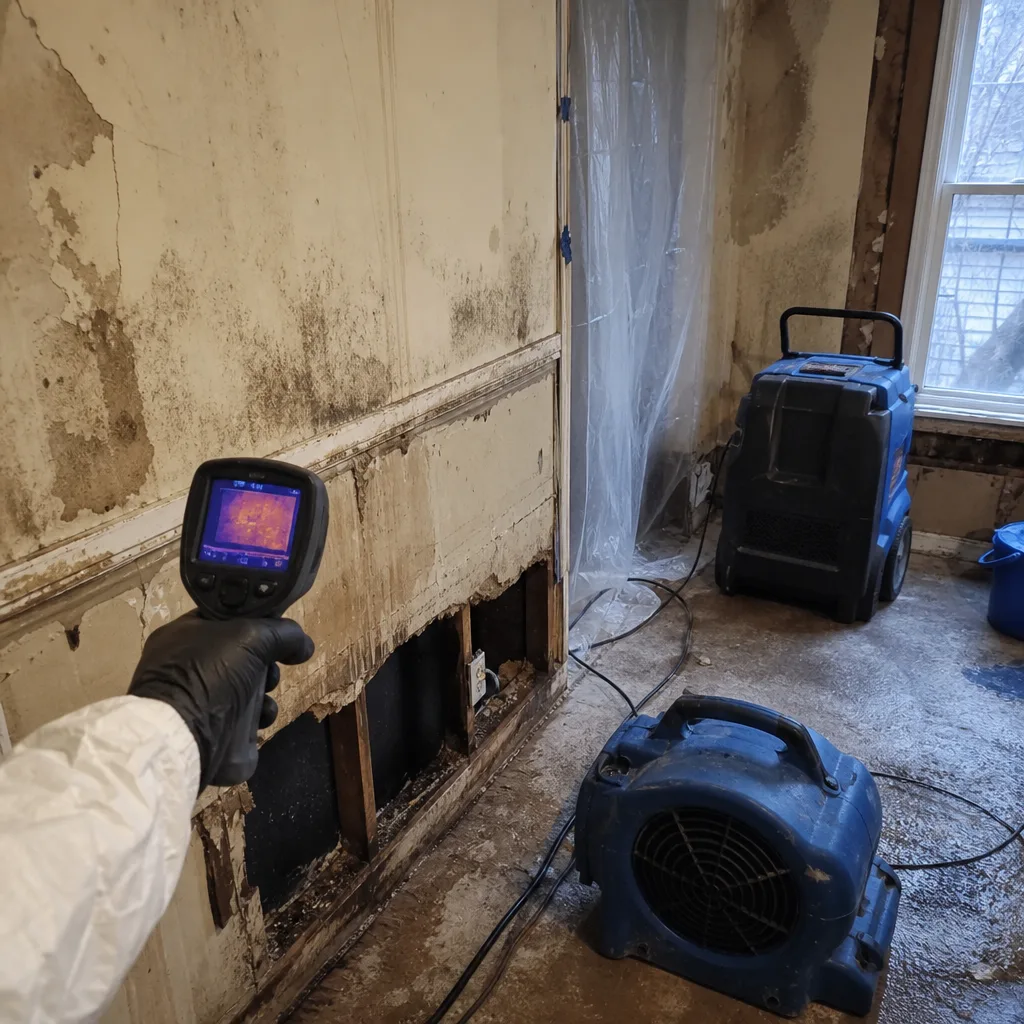 Before
 After
AfterFast, Reliable Fire & Smoke Damage Restoration Across Manhattan
Fire and smoke damage restoration in Manhattan typically costs between $4,200 and $18,500 depending on square footage affected, with emergency board-up and tarping starting at $850 and full structural fire repair with odor remediation running toward the higher end. Most Manhattan co-op and condo buildings require board-approved contractors, which is why our crews carry the documentation and insurance certificates that Upper West Side, Midtown, and FiDi building managers expect to see before issuing elevator access. We’re on the phone live 24 hours a day, 7 days a week at (551) 212-1580, and we dispatch from our New York City office with crews who understand that a fire in a pre-war high-rise on Central Park West follows different rules than a single-family loss.
Why DryMark Restoration Hoboken Is Manhattan’s Preferred Fire & Smoke Damage Restoration Company
We’ve restored fire and smoke damage in Manhattan since 2011, and our file on pre-war building systems runs deep. Alicia Brennan founded this company after years as a claims adjuster watching homeowners lose coverage because crews couldn’t document what they found or explain why they found it. That origin still drives how we work: every Manhattan job starts with a written price before anyone touches your property, and every visit produces a photo record that your adjuster can read without calling us for clarification.
Our Manhattan customers leave reviews that mention specific things - the moisture log that proved hidden damage to a co-op board, the written scope that stopped an adjuster from denying a secondary smoke odor claim, the technician who showed up named and uniformed at 11 p.m. on a Saturday because the building allowed no Sunday work. We don’t chase stars; we chase documentation that holds up.
Response time to Manhattan runs 60 to 90 minutes from initial call during peak hours, faster for emergency board-up when weather or security exposure is active. We know which buildings on Riverside Drive require certificate-of-insurance riders, which Midtown condos restrict after-hours loading dock access, and how to navigate the weekend work bans that most Manhattan co-op boards enforce. That local knowledge saves days on jobs where smoke odor is still migrating through shared ventilation.
Our Fire & Smoke Damage Restoration Services in Manhattan
Fire Damage Cleanup
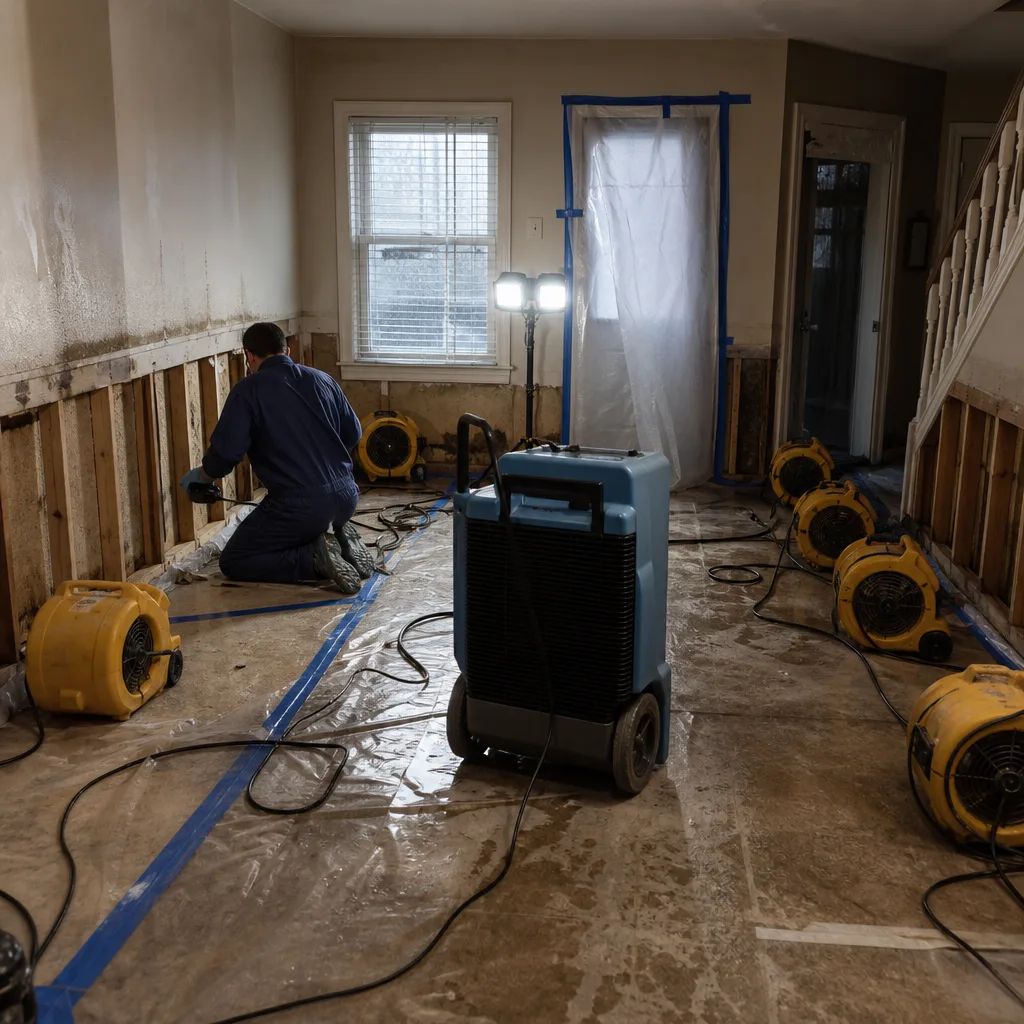
Manhattan’s pre-war housing stock - roughly 60% of the borough’s residential buildings - presents a fire cleanup problem that newer construction doesn’t. Plaster-over-lath walls cook differently than drywall when exposed to superheated smoke, and the lime in old plaster can hold soot particles that standard surface cleaning won’t release. Our crews start with material classification: we identify whether your walls are plaster, rock lath, or modern gypsum, then select cleaning agents matched to the substrate. In buildings near the East River waterfront in Battery Park City or the FiDi corridor, we also test firefighting runoff for Category 3 contamination from the combined sewer system, because what looks like clean water from a suppression system may carry pathogens from a basement backup.
Smoke & Soot Removal
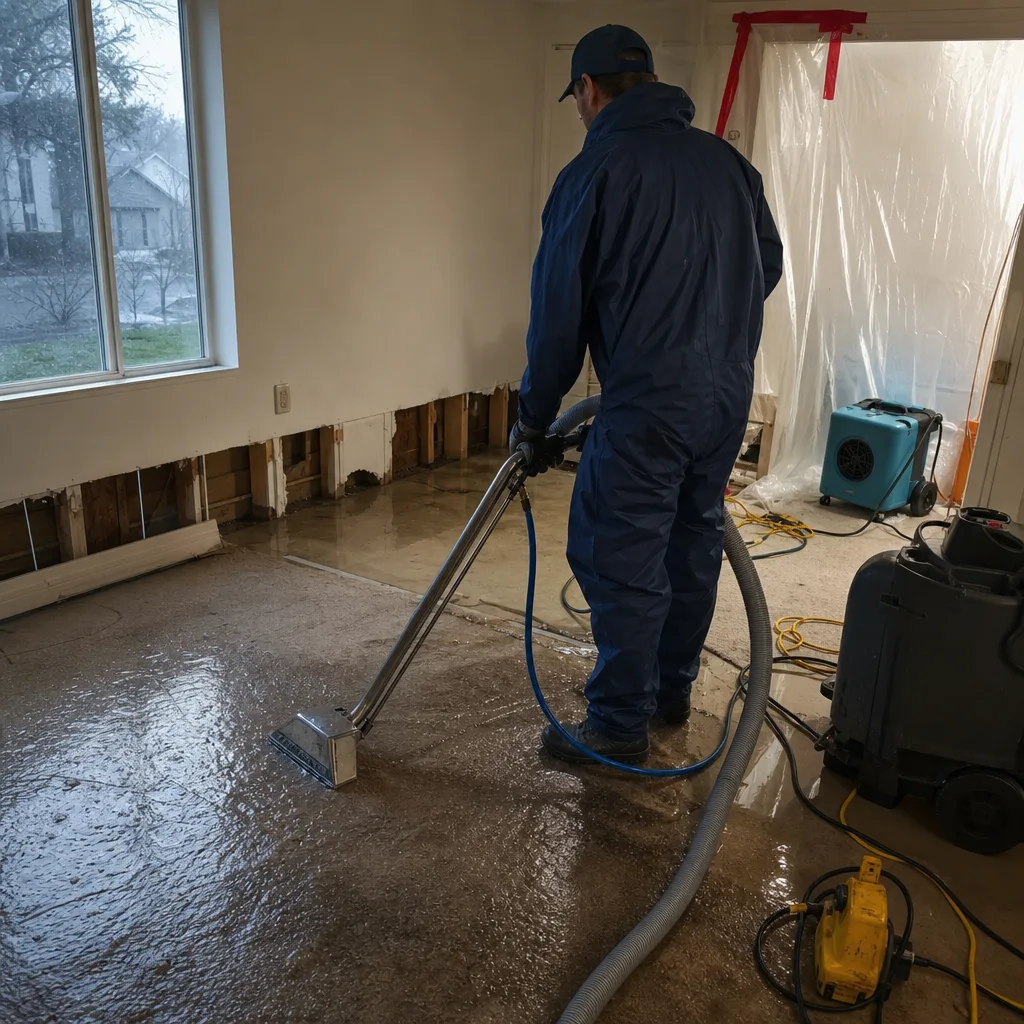
This is where Manhattan’s two-pipe steam heating systems create damage patterns that generic crews miss. Superheated smoke rises through steam riser openings, penetrates plaster at pinhole gaps around escutcheons, and deposits acidic soot on the backside of lath where you can’t see it. We use moisture mapping and borescope inspection to locate these hidden reservoirs, then deploy Injectidry panel systems to create negative pressure inside wall cavities and draw soot out rather than driving it deeper. A standard surface wipe-down in a pre-war Upper West Side co-op will leave smoke odor returning every heating season; our method addresses the source.
Odor Removal & Deodorization
Smoke odor in Manhattan buildings doesn’t behave like odor in suburban homes. Shared HVAC risers, mail chutes, dumbwaiter shafts, and the gaps around cast-iron soil stacks all provide migration paths between floors and units. We seal the source area with polyethylene containment, establish negative air pressure with HEPA-scrubbed exhaust, then treat with thermal fogging or ozone depending on material sensitivity and building occupancy rules. Many Manhattan co-ops require 48-hour notice for ozone treatment; we build that into the written scope so your board approval doesn’t delay the work. Our XPOWER and Phoenix hydroxyl generators run continuously during occupied treatment when ozone is restricted.
Contents Cleaning & Pack-Out
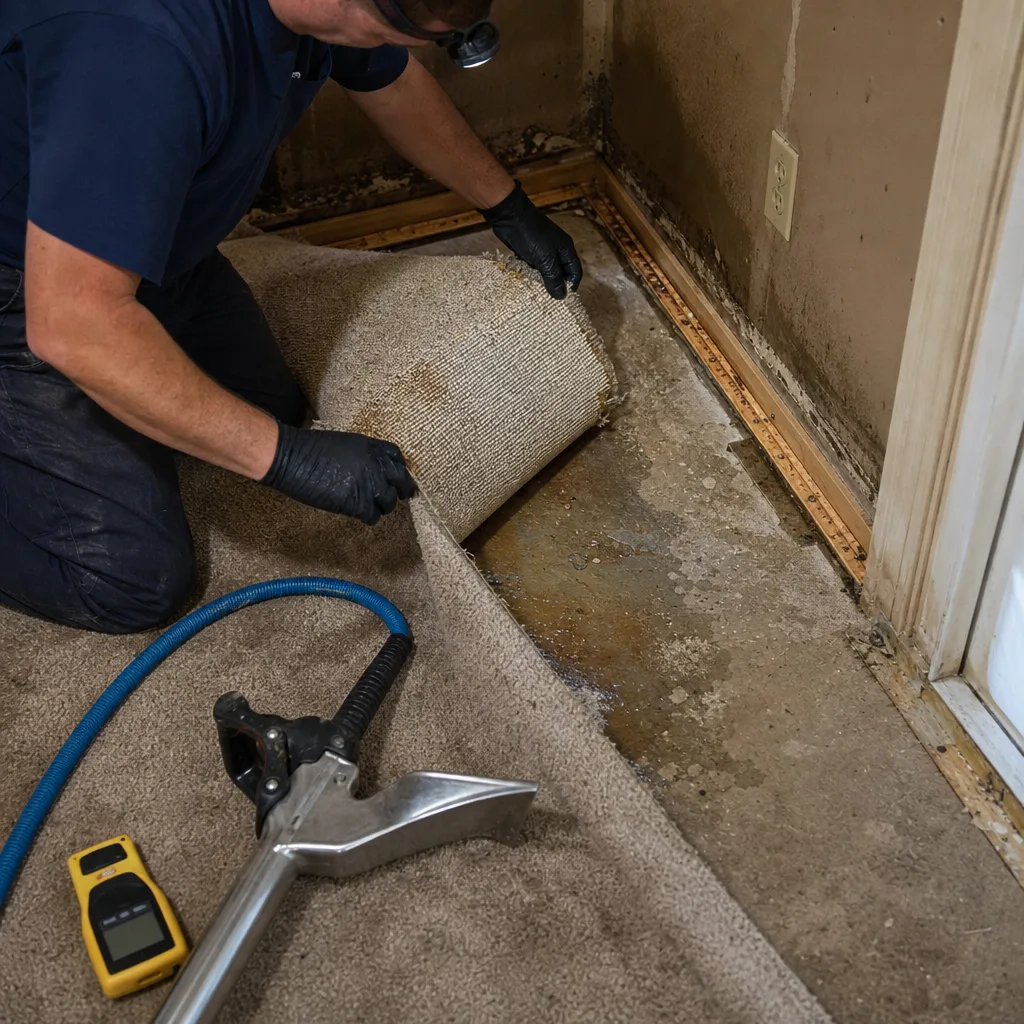
When fire damage forces a pack-out in Manhattan, you’re not just moving belongings - you’re navigating co-op board move-in/move-out restrictions, certificate-of-insurance requirements for building freight elevators, and limited loading dock windows. We document every item with photo inventory before it leaves your unit, transport to our Hoboken facility for ultrasonic and dry-cleaning restoration, and store in climate-controlled vaults with barcode tracking. Your adjuster receives the same photo record you do, line-itemed and dated. For high-value items in Midtown and Upper East Side units, we coordinate with specialized textile and art conservators and include their assessments in the file.
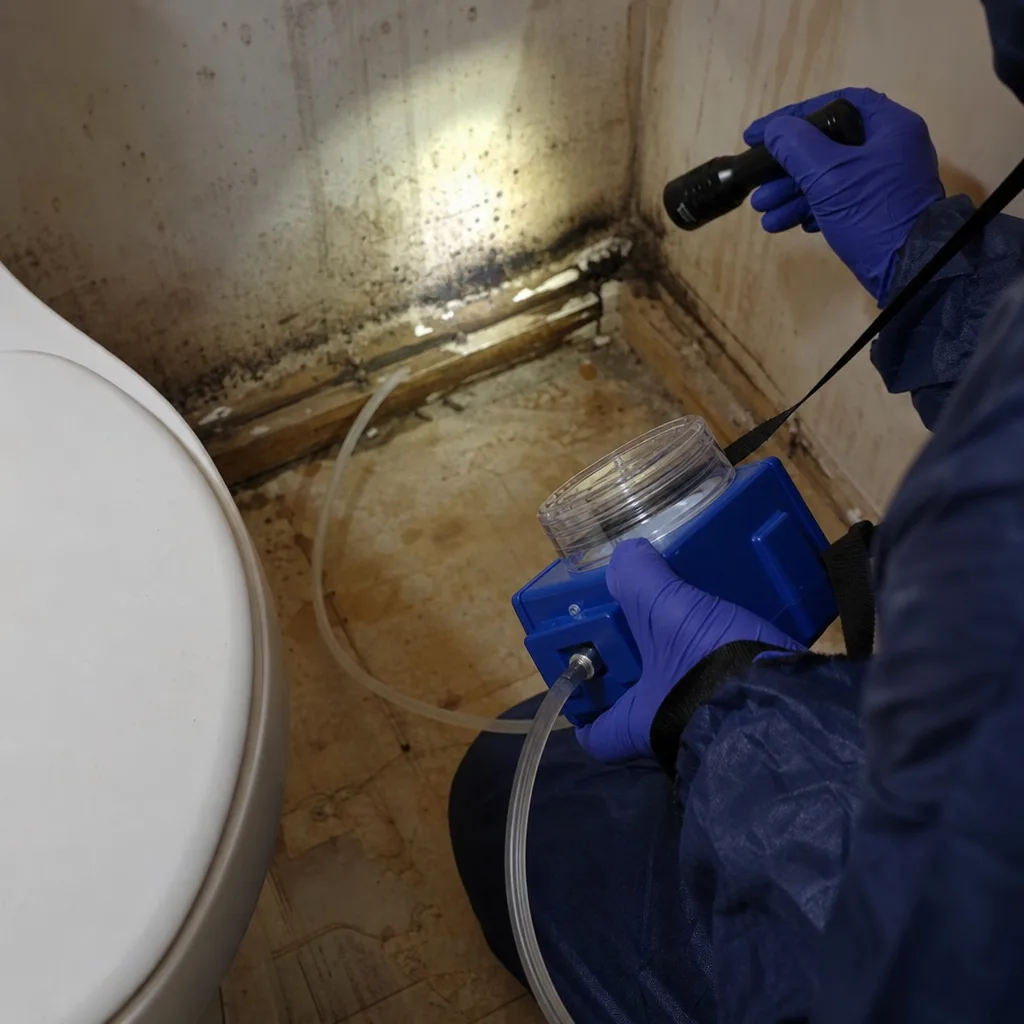
Emergency Board-Up & Tarping
After a fire department ventilates your roof or breaches a wall, Manhattan buildings require immediate weather and security protection - especially in winter when a compromised envelope risks freeze damage to adjacent units. Our board-up crews carry the plywood, tarps, and temporary lighting that FDNY incident commanders expect to see before they release the scene. We photograph every opening before and after securing it, and we issue a written condition report that same night for your insurance file.
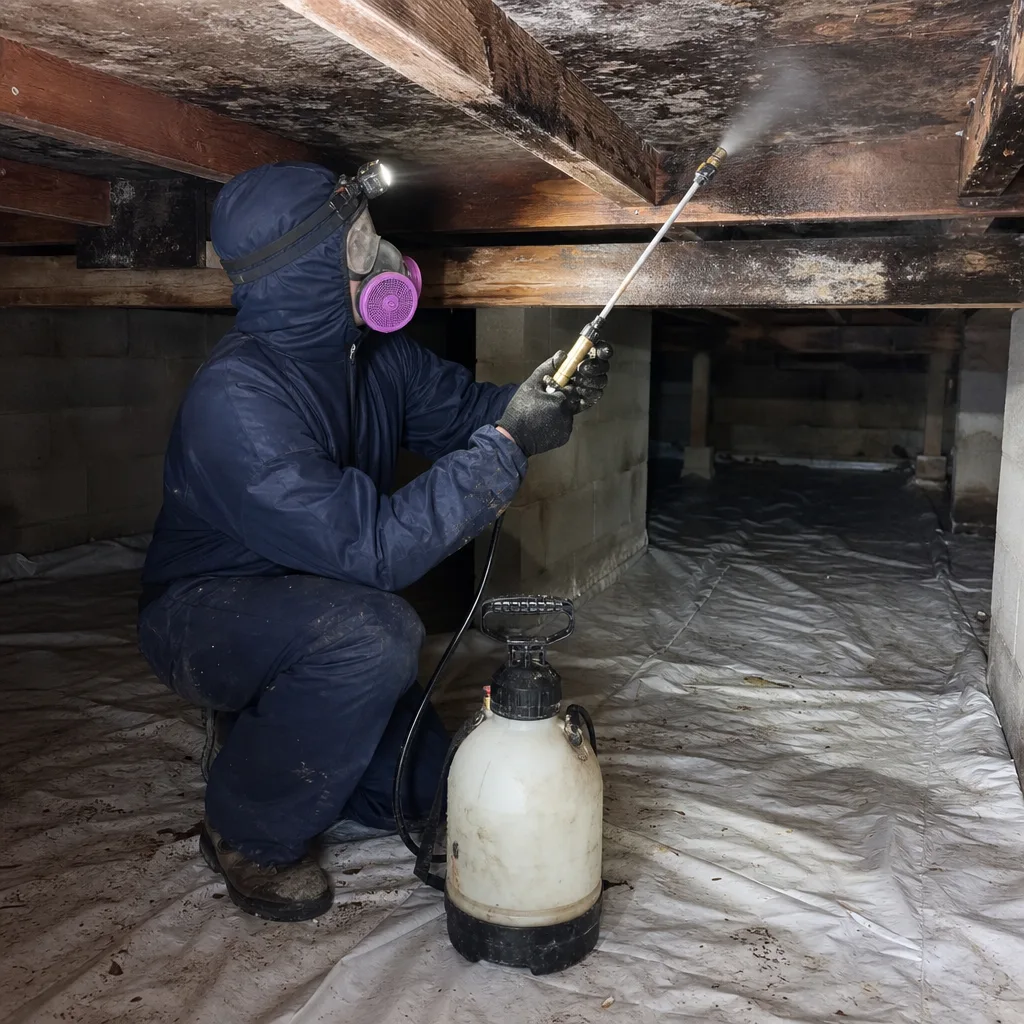
Structural Fire Repair
Structural repair in Manhattan means working within co-op and condo alteration agreements, DOB filing requirements for Type 1 buildings, and the reality that century-old timber framing doesn’t match modern dimensional lumber. Our reconstruction team produces engineered repair drawings when load-bearing members are compromised, and we coordinate with board-vetted structural engineers for buildings that require their approval. The written price before work begins applies here too - Haven Standard, Clause 1 - with line-item breakdowns for framing, plaster restoration, finish carpentry, and paint.
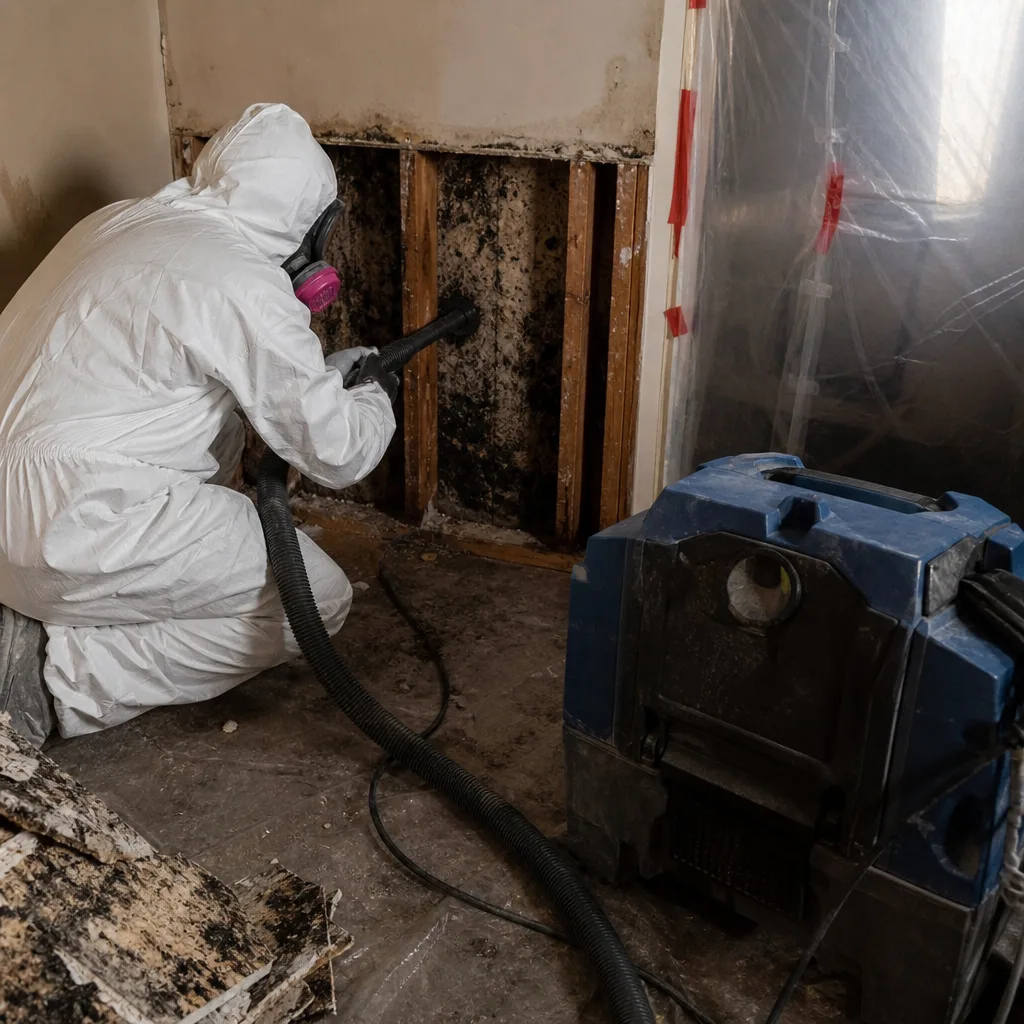
What happens when you call
- 1
A real person answersNo phone trees - you reach a local pro.
- 2
You get an upfront price rangeHonest numbers before anyone is dispatched.
- 3
A background-checked tech heads outLicensed & insured, dispatched right away.
- 4
You approve before work beginsNothing starts until you say go.
BeforeAfterTrusted Brands We Service in Manhattan
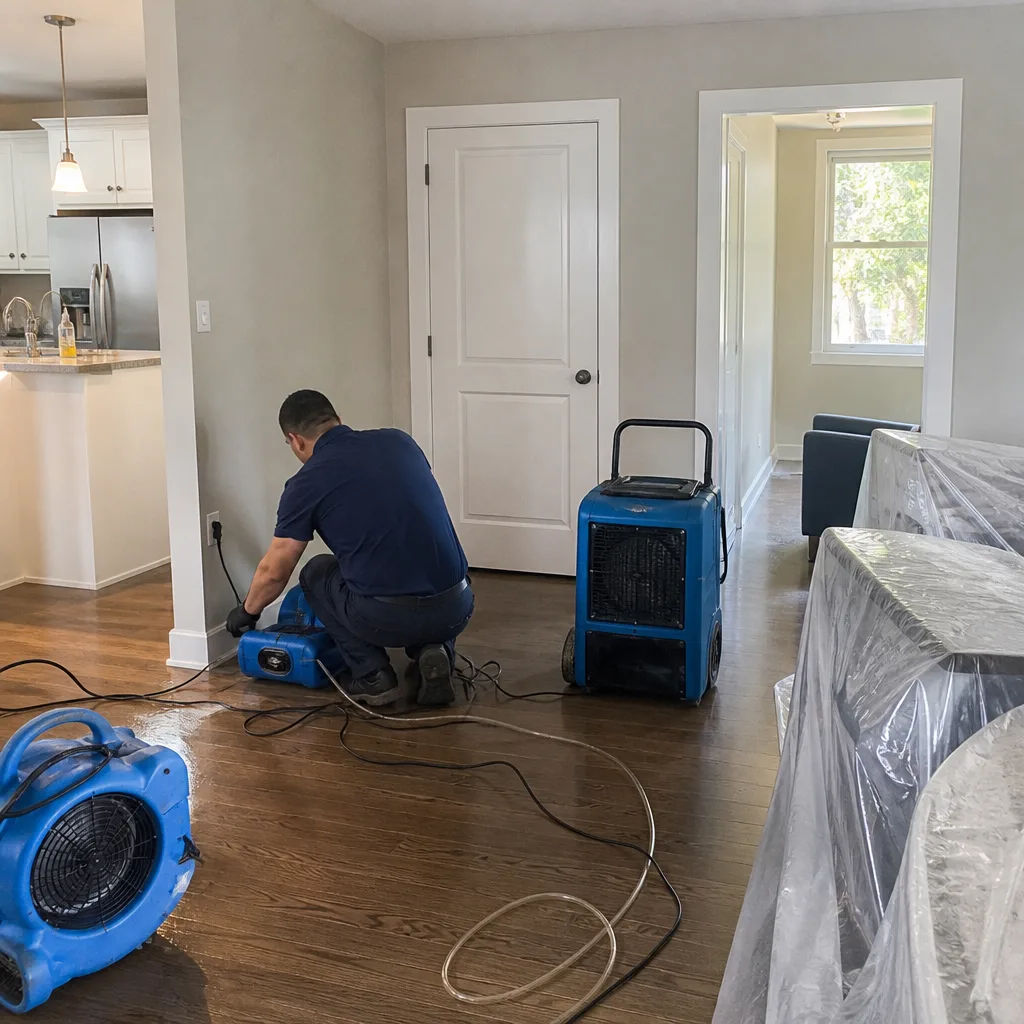
Our Manhattan crews deploy professional-grade drying and air quality systems from Phoenix, XPOWER, and Injectidry - equipment selected specifically for high-rise constraints where space is limited and noise restrictions apply. The Injectidry panel system is particularly critical for Manhattan’s pre-war buildings: it allows us to dry inside plaster-over-lath cavities without removing finished surfaces, preserving historic molding and decorative plasterwork that co-op boards often require intact. We stock HEPA filtration media, antimicrobial treatments, and soot-specific cleaning chemistry locally so we’re not waiting on supply chain delays while smoke residue continues to etch metal fixtures and discolor painted surfaces.
Common Fire & Smoke Damage Restoration Problems We See in Manhattan Homes
- Steam risers hiding smoke and moisture paths. In pre-war buildings with two-pipe steam heating, firefighting water applied during a heating cycle pools inside risers and soaks adjacent floors through pinhole gaps around pipe escutcheons. Crews who don’t moisture-map these cavities return the building to service with hidden wet plaster that grows mold within 48 hours.
- Over-wetting during suppression and cleanup. FDNY suppression efforts and subsequent pressure-washing by restoration crews can drive soot-laden water deep into plaster-over-lath walls. Without controlled drying using Injectidry panels and documented psychrometric data, this hidden moisture triggers secondary damage that insurers often dispute as unrelated to the original fire.
- Co-op board delays extending smoke odor penetration. Weekend work bans, limited elevator reservations, and board-mandated contractor vetting can add days to a mitigation timeline. Every day of delay allows smoke particles to adsorb deeper into porous materials, increasing the scope and cost of odor remediation.
- Category 3 water misclassification. Firefighting runoff in older Manhattan buildings, particularly in flood-prone corridors like lower Manhattan and Battery Park City, often mixes with sewage from the aging combined sewer system. Crews who treat all post-fire water as Category 1 risk cross-contaminating clean areas and drying materials that should be removed per IICRC standards.
Pricing for Fire & Smoke Damage Restoration in Manhattan, NY
Emergency board-up and tarping in Manhattan typically runs $850-$2,400 depending on access complexity and the number of openings secured. Smoke and soot removal for a one-bedroom pre-war co-op with plaster walls starts around $3,800 and can reach $8,500 when Injectidry cavity drying and full contents pack-out are required. Structural fire repair with odor remediation for a multi-room affected area in a high-rise generally falls between $12,000 and $18,500, with reconstruction costs added separately after we issue a written scope.
What moves the price: square footage affected, material type (plaster-over-lath requires more specialized cleaning than drywall), whether the co-op board mandates weekend work restrictions that extend the timeline, and whether Category 3 water contamination is present from combined sewer backup. Every estimate we provide is written and itemized before work begins - Haven Standard, Clause 1 - with no additions once our crew is inside your building. Bring us a competitor’s written estimate and we’ll review it at no charge. Call (551) 212-1580.
We Also Serve Cities Near Manhattan
Our Fire & Smoke Damage Restoration in Manhattan crews also respond to fire damage in Long Island City and Astoria, where many of the same pre-war building systems and co-op governance structures apply. Dispatch and scheduling are coordinated from our New York City office, with crews positioned for rapid response across the metro area.
Serving Manhattan, NY - Our Local Coverage Area
We’re based in the Manhattan area and know this community well. Use the map below to see our service coverage - if you’re nearby, we can almost certainly help.
FAQs - Fire & Smoke Damage Restoration in Manhattan
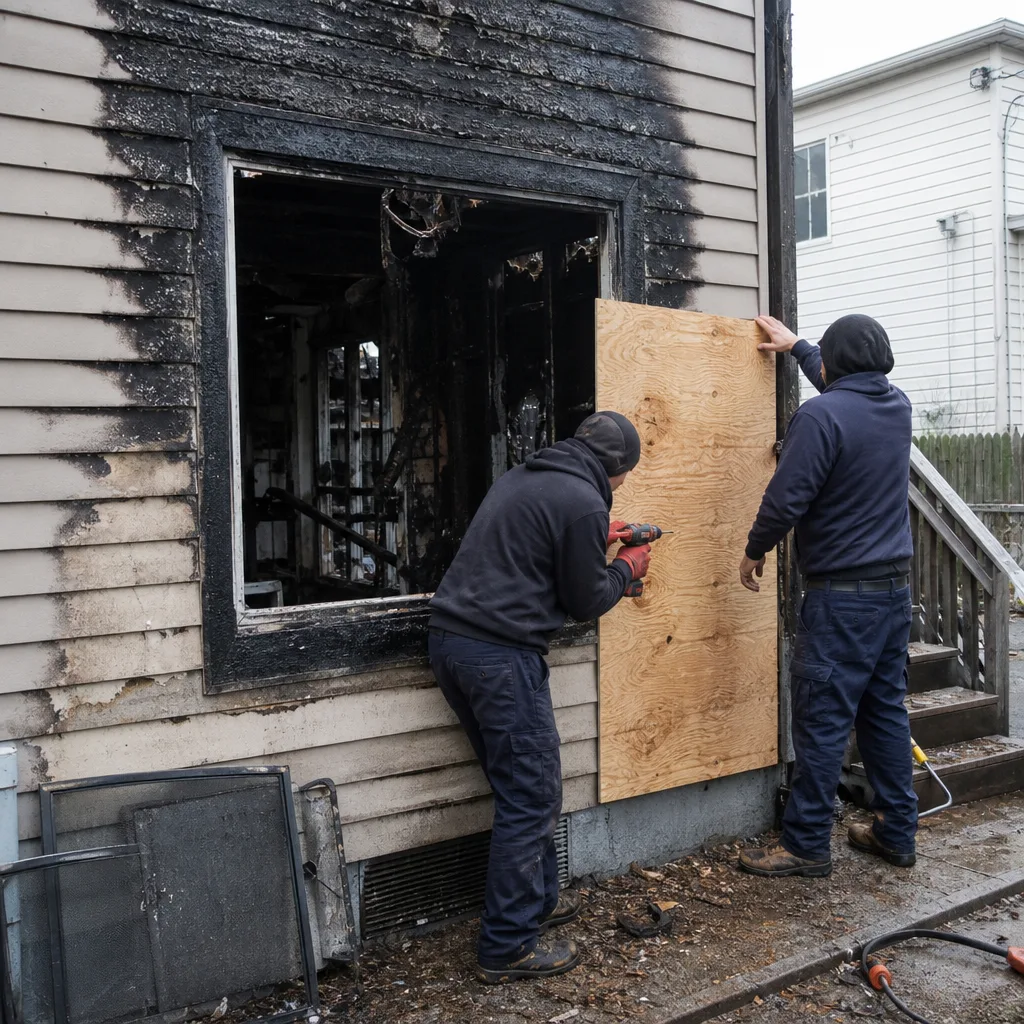
Mold can begin growing on wet plaster within 24 to 48 hours, and sometimes faster in winter when steam heating systems maintain temperatures in the mold growth range. The lime content in old plaster doesn’t prevent mold - it can actually support certain species when soot provides organic nutrients. We moisture-map every affected wall within hours of arrival and begin controlled drying with documented daily logs. Call (551) 212-1580 for emergency response.
Co-op boards control contractor approval lists, elevator scheduling, work hours, and certificate-of-insurance requirements, any of which can delay mitigation and allow smoke odor to migrate further. We carry the insurance riders and documentation that Manhattan boards require, and we build board-notification timelines into our written scope so work isn’t held up by administrative gaps. Our field supervisors have direct experience with Upper West Side, Midtown, and FiDi building management protocols.
Yes. Two-pipe steam risers in pre-war Manhattan buildings provide continuous vertical channels between floors, and the pressure differential created by fire heat can drive smoke through pinhole gaps around pipe escutcheons, into wall cavities, and out through electrical outlets and baseboard gaps on floors above and below the fire origin. Our crews use borescope inspection and moisture mapping to trace these hidden paths, then establish containment and negative pressure before cleaning begins.
Category 1 is clean water from a broken supply line; Category 2 is gray water with chemical or biological contamination, such as firefighting runoff mixed with fire suppression chemicals; Category 3 is black water containing pathogens, which in Manhattan often means sewage from the combined sewer system backing up into basement-level units during suppression efforts or subsequent rain events. The category determines what materials can be dried in place and what must be removed. We test and document water classification on every Manhattan fire job before selecting a drying protocol.
We deploy Injectidry panel systems for cavity drying inside plaster walls without demolition, Phoenix and XPOWER HEPA air scrubbers for smoke particle removal in occupied buildings, and hydroxyl generators for odor treatment where ozone is restricted by co-op board rules. All equipment is selected for the space constraints and noise restrictions common in Manhattan high-rise residential buildings, and all drying is documented to IICRC standards with daily moisture logs. Call (551) 212-1580 to discuss your building’s specific requirements.
When a kitchen fire in a pre-war Broadway co-op near 72nd Street sent smoke through the steam risers, our techs set up containment and used moisture mapping to locate hidden soot residue behind plaster, then ran Injectidry panels and air movers with dehumidification for structural drying. We coordinated with the co-op board for a weekday mitigation window, logged every moisture reading, and completed antimicrobial treatment before a pack-out of smoke-damaged contents to our Hoboken facility.
In Manhattan’s surviving pre-war co-op buildings, fire and smoke restoration is complicated by two-pipe steam heating: superheated smoke can cook the plaster-over-lath walls, and any water used in firefighting during a heating cycle can pool inside steam risers and soak adjacent floors, a hidden moisture path that many crews miss because they only dry visible surfaces. This is not a theoretical problem - we’ve traced moisture migration four floors above a fire origin because a super didn’t isolate the steam system before calling us. The documentation we produce, the moisture maps and the daily drying logs, exists precisely so your adjuster can see what we found and why we treated it.
Our Fire & Smoke Damage Restoration team serves Manhattan under The Haven Standard, with every job covered by our 365-Day Done Right Promise. If it’s not done right, we make it right - a signed guarantee, not a verbal assurance.
Call (551) 212-1580 now for a written estimate on fire and smoke damage restoration in Manhattan. Estimates are free, and we answer live 24 hours a day, 7 days a week.
Written by Alicia Brennan, Owner at DryMark Restoration Hoboken, serving Manhattan since 2011.