
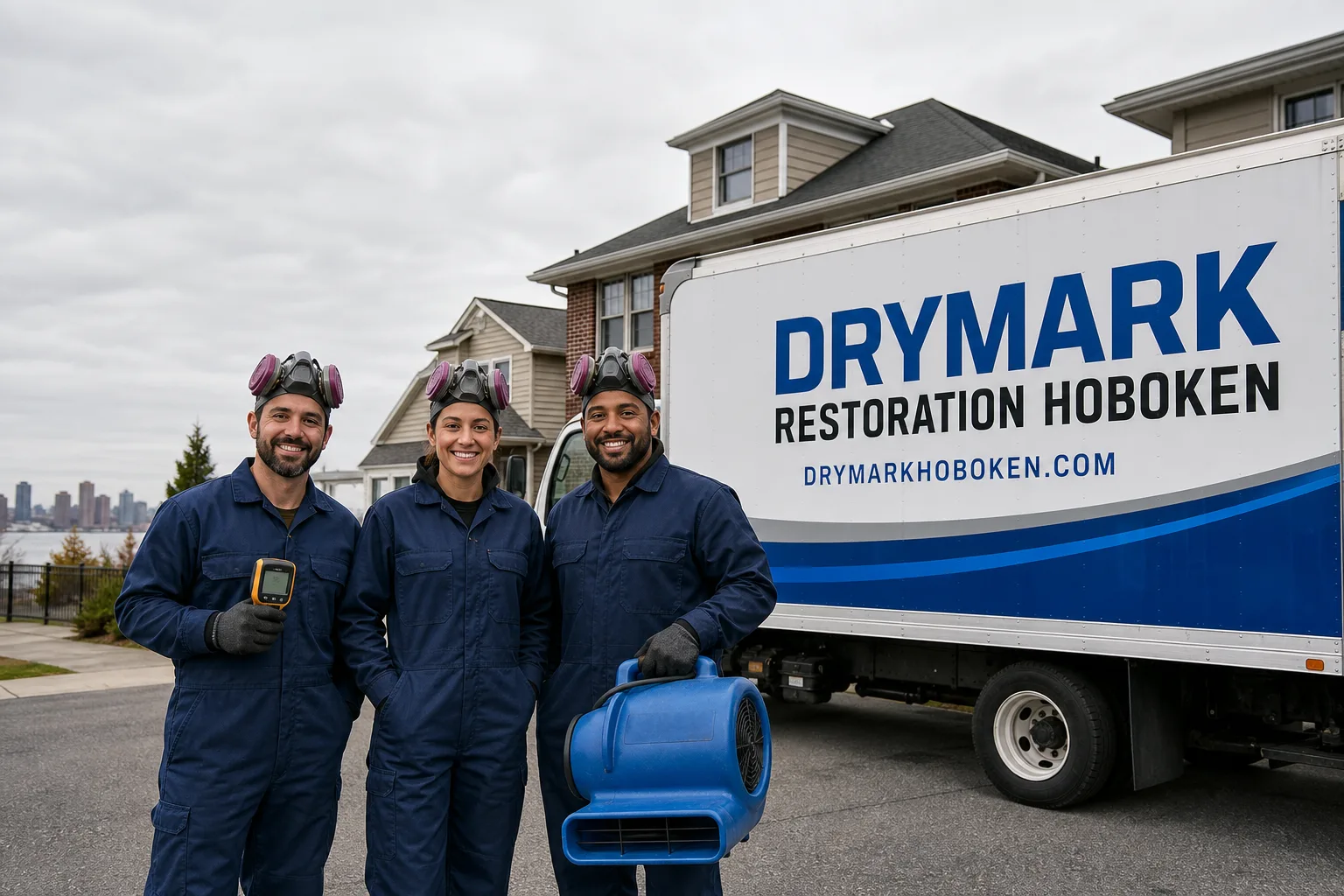
Free visual inspection and a written scope of work before any mitigation begins - photos, moisture readings, and drying logs go in your claim file
The scope we write is the scope we bill. Anything new gets shown to you, in writing, before we touch it.
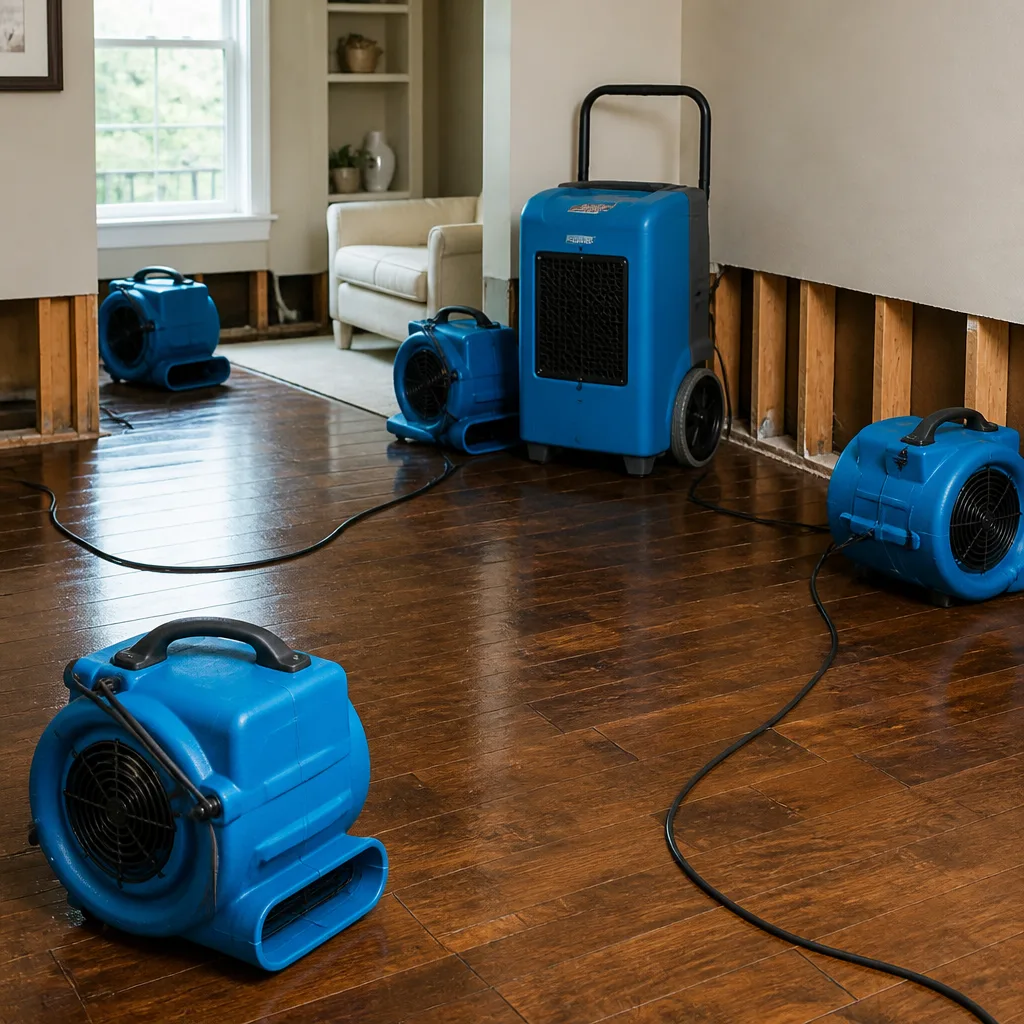

 Before
 After
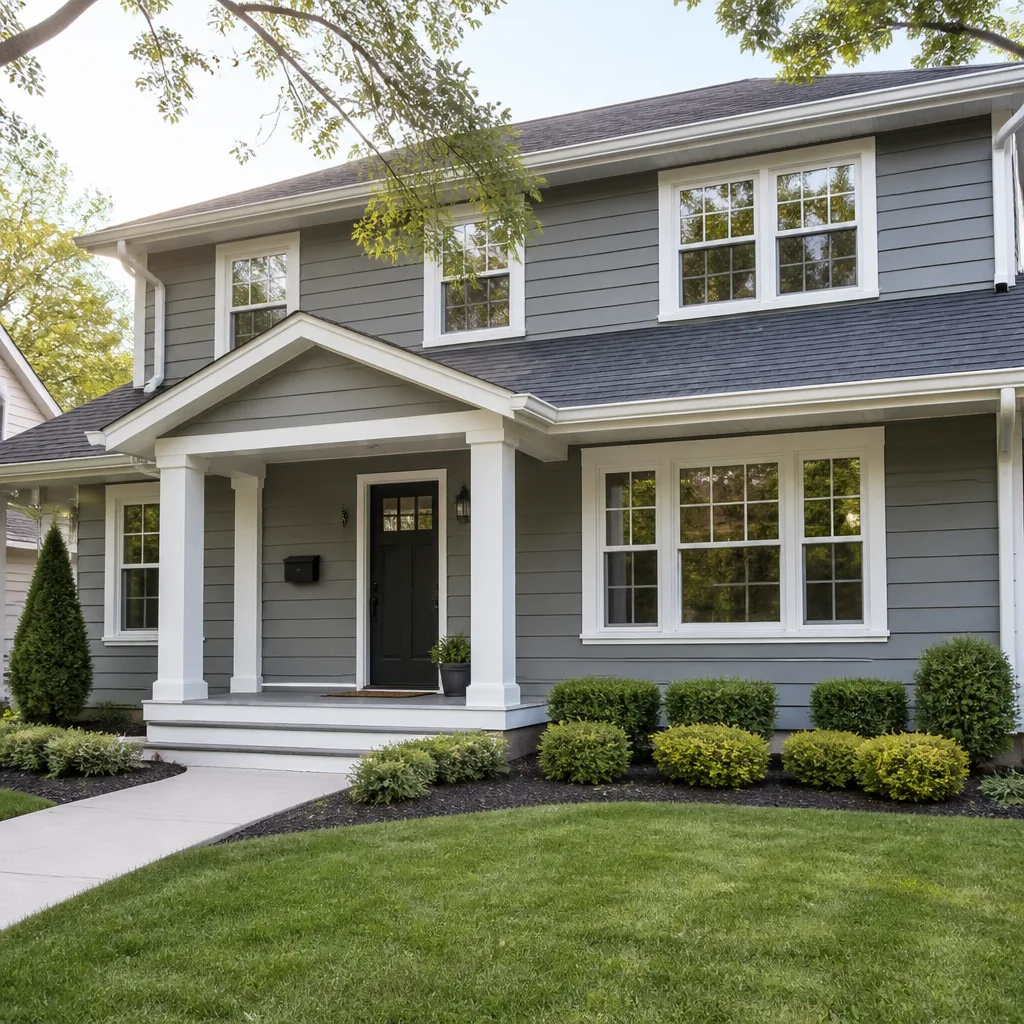
After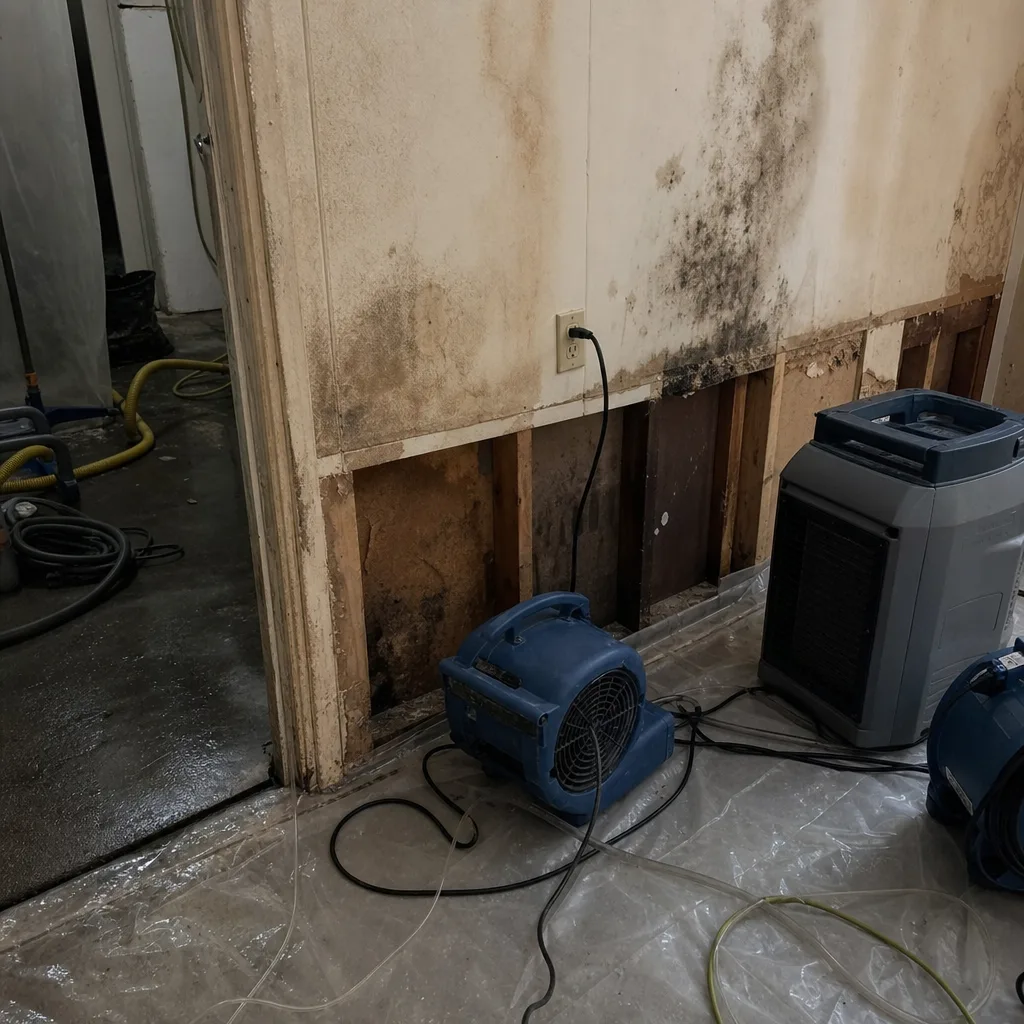 Before
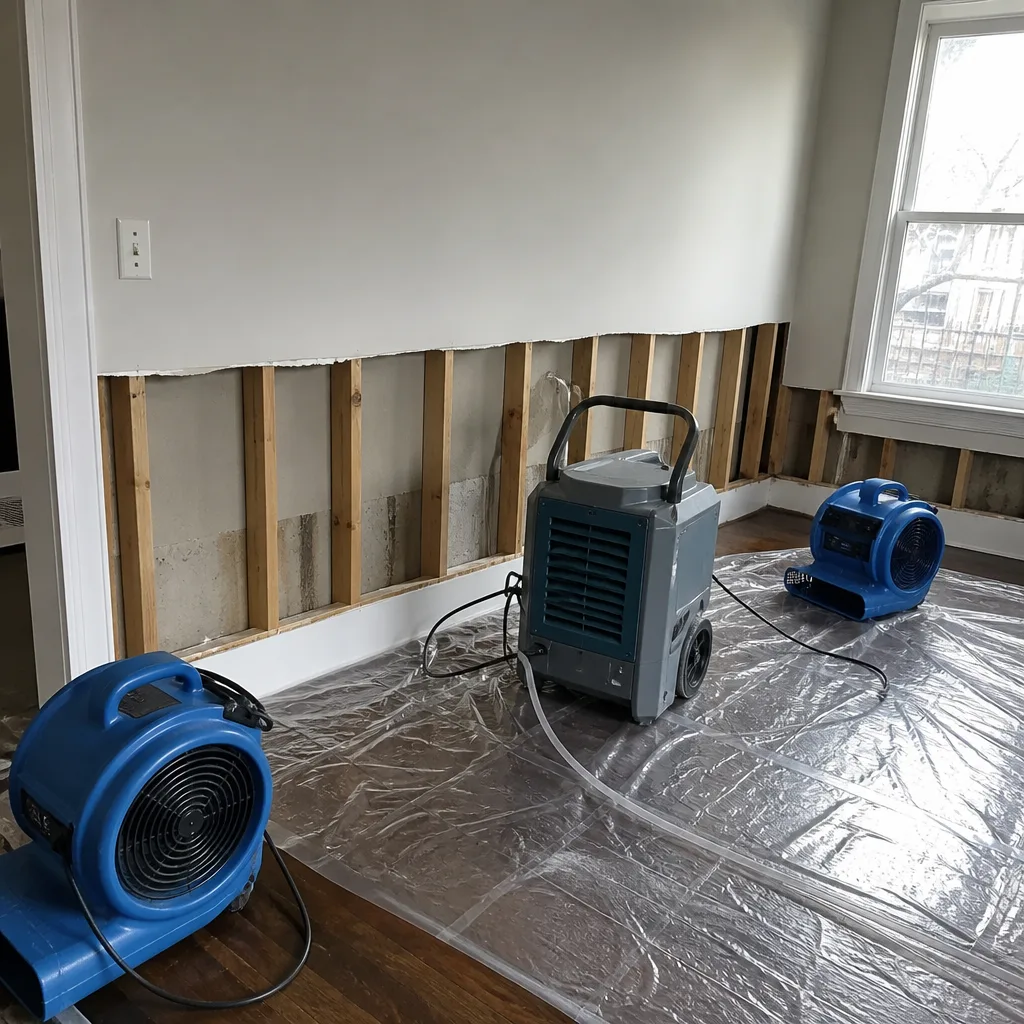 After
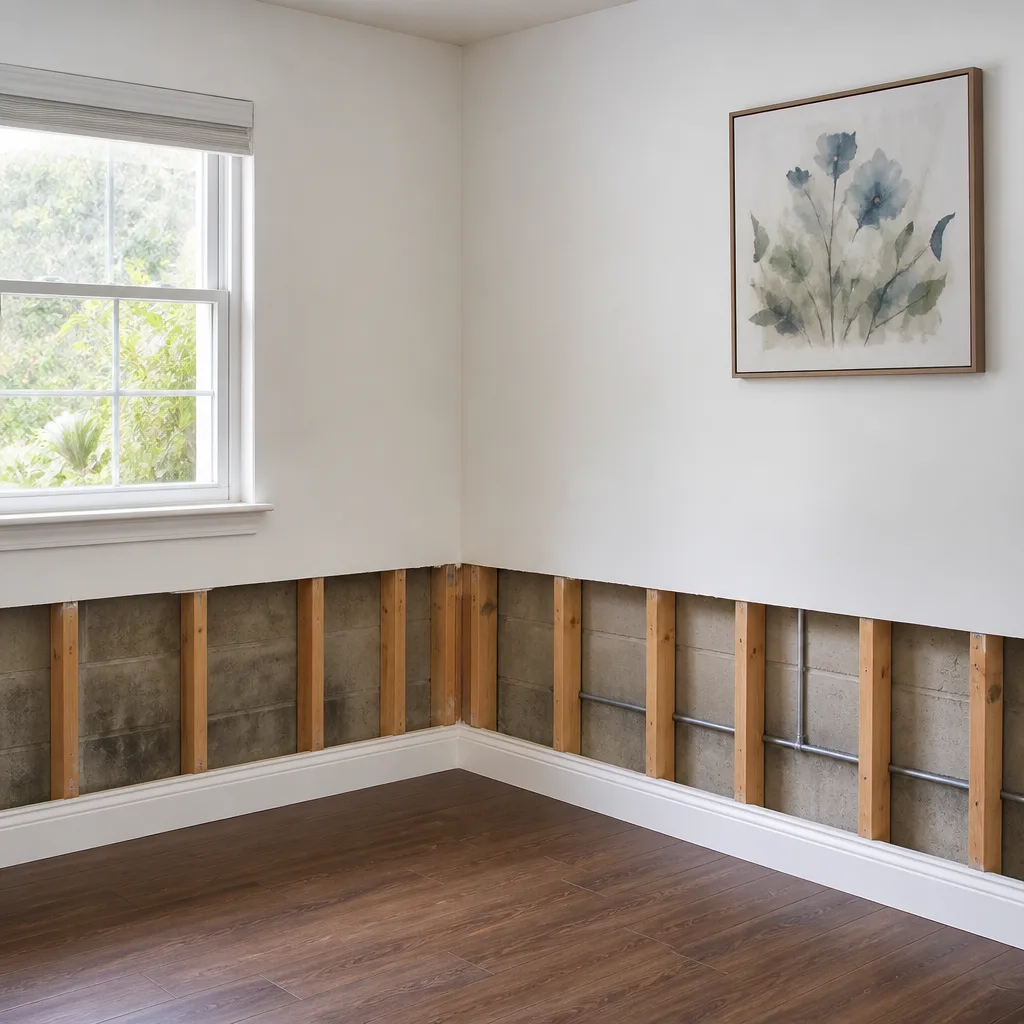
After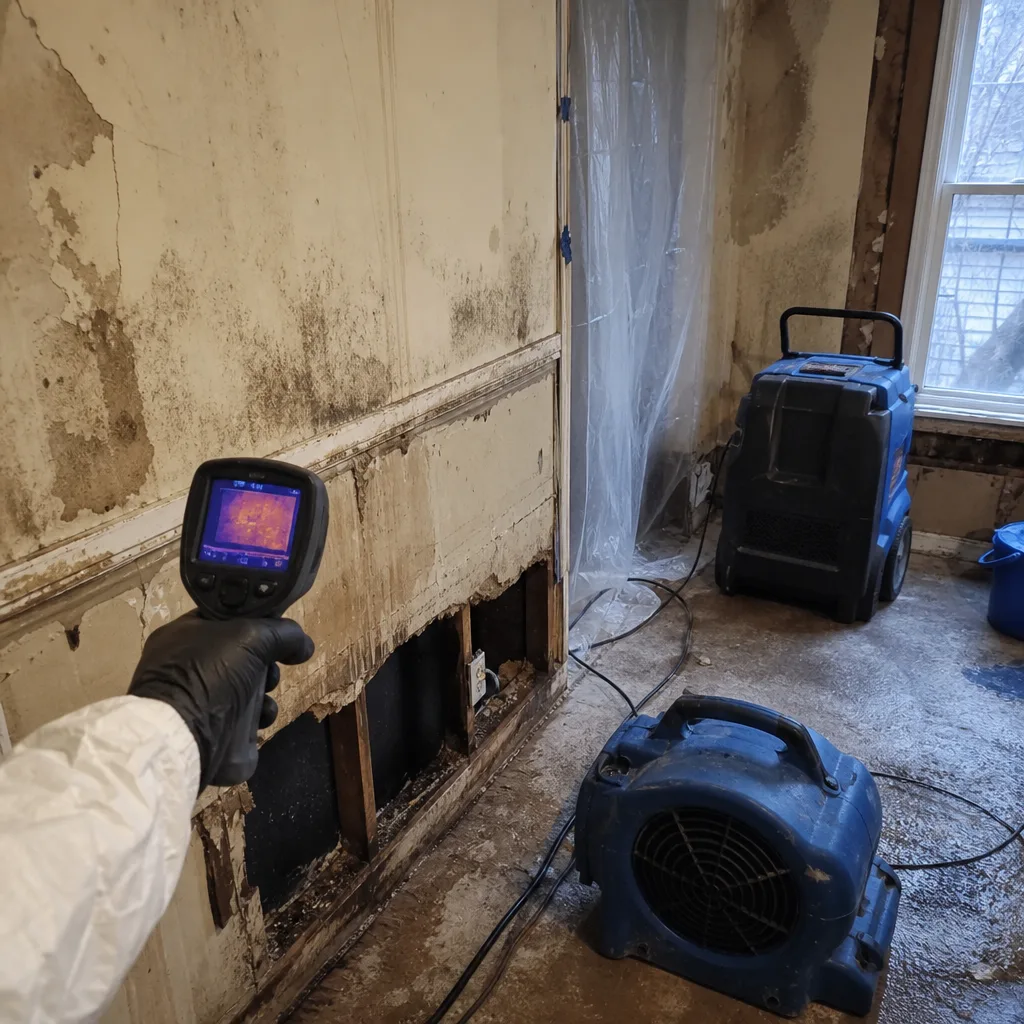 Before
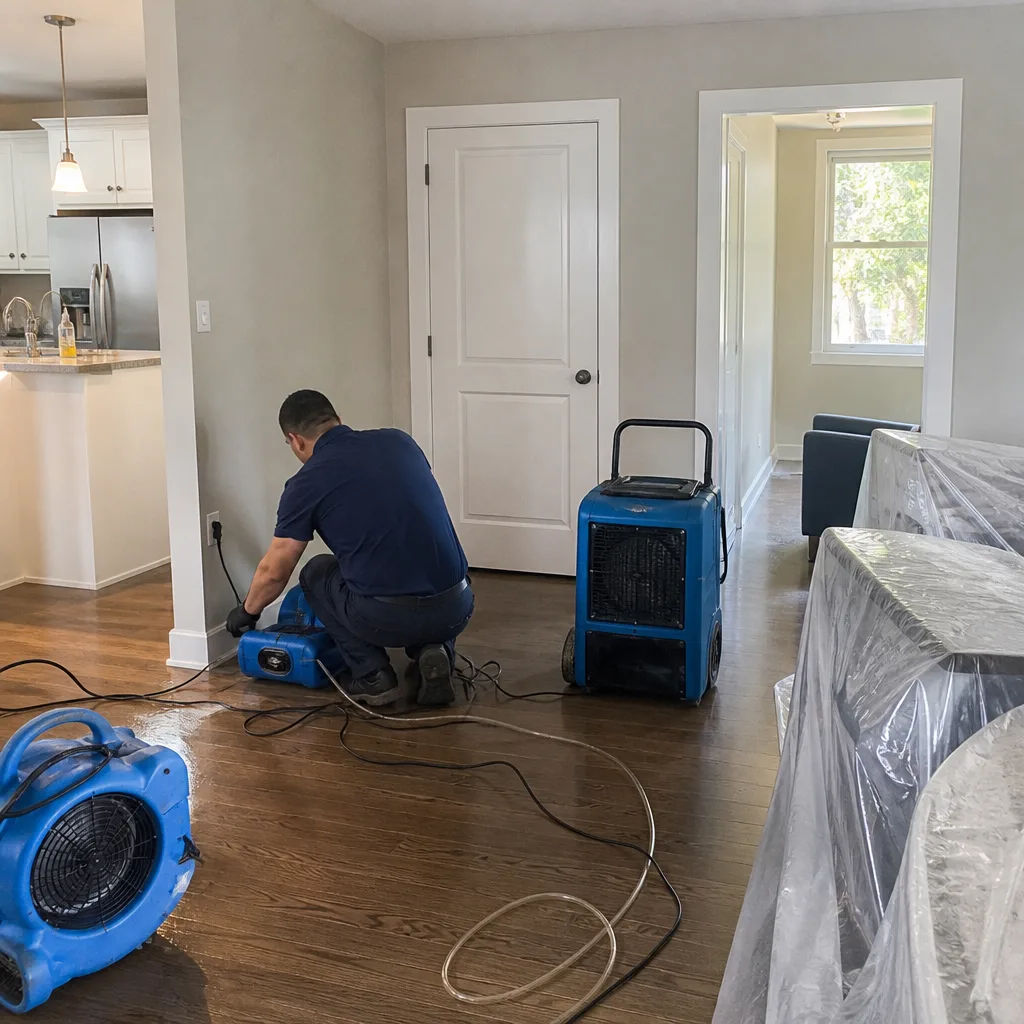 After
AfterFast, Reliable Fire & Smoke Damage Restoration Across Jersey City
A kitchen fire in a Jersey City row house can send smoke through horsehair plaster and shared party walls before the fire department clears the scene. We’re on the road to Jersey City within the hour, with crews who know the alley-load access points behind Bergen-Lafayette brownstones and the parking constraints around Exchange Place high-rises. Call (551) 212-1580 - a live person answers, 24 hours a day, 7 days a week, no voicemail tree.
Our Fire & Smoke Damage Restoration team handles everything from emergency board-up and tarping to full structural repair, with a written price before any work starts, every time, under Haven Standard, Clause 1.
Why DryMark Restoration Hoboken Is Jersey City’s Preferred Fire & Smoke Damage Restoration Company
We’ve restored fire and smoke damage in Jersey City since 2011, building our protocols around the documentation gap that costs homeowners their insurance claims. Alicia Brennan founded Back to Dry after working as a claims adjuster and watching too many restoration invoices get denied for lack of written scopes, photo records, and moisture logs. That origin still drives how we work: every Jersey City job gets a written price before the crew starts, a photo record on every visit, and daily drying logs documented to IICRC standards.
Our crews know Jersey City’s building stock - the mid-to-late 19th-century brick row houses in the Heights, the early 20th-century tenements in Greenville, the warehouse conversions near the waterfront. They know that horsehair plaster absorbs smoke differently than drywall, that shared-wall construction means soot migrates vertically through multiple units, and that a box truck from the suburbs often can’t clear the narrow alley doors on York Street or the tight blocks behind Bergen-Lafayette. We dispatch the right equipment for the access constraints, not the equipment we wish we had.
Live phone coverage runs 24/7 on emergency lines. A person answers. No callback tomorrow while your roof is open to the weather.
Our Fire & Smoke Damage Restoration Services in Jersey City
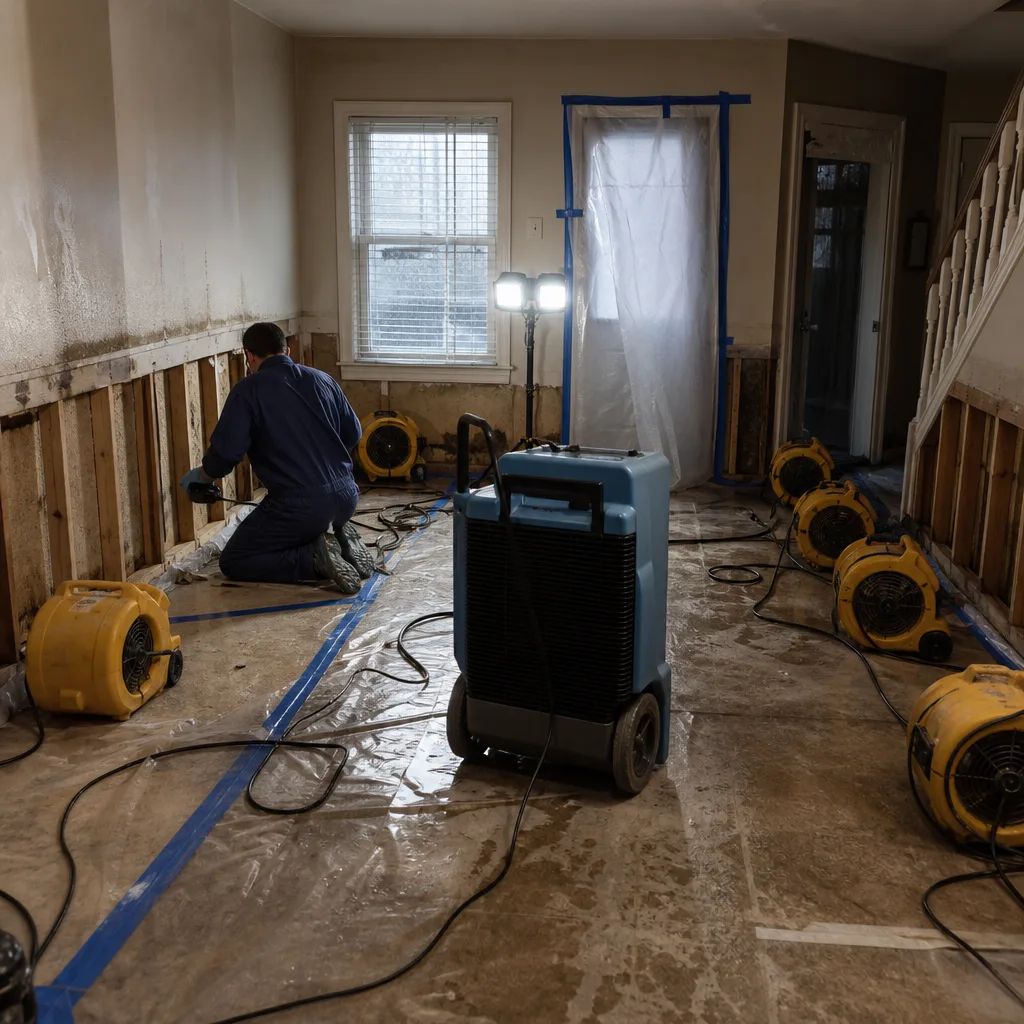
Fire Damage Cleanup
Fire damage cleanup in Jersey City starts with knowing what you’re actually cleaning. In the Heights, a kitchen fire in a brick row house often means soot embedded in horsehair plaster, not the drywall you’d find in a suburban split-level. We test surfaces before we clean them, document the material classification in the written scope, and match the cleaning agent to the substrate. If the fire occurred during a nor’easter - increasingly common as tidal creep shortens the interval between flood events - we also test basement surfaces for Category 3 black-water contamination from combined sewer backflow before we begin soot removal. Cleaning soot over raw sewage exposure doesn’t work, and we won’t do it.
Smoke & Soot Removal
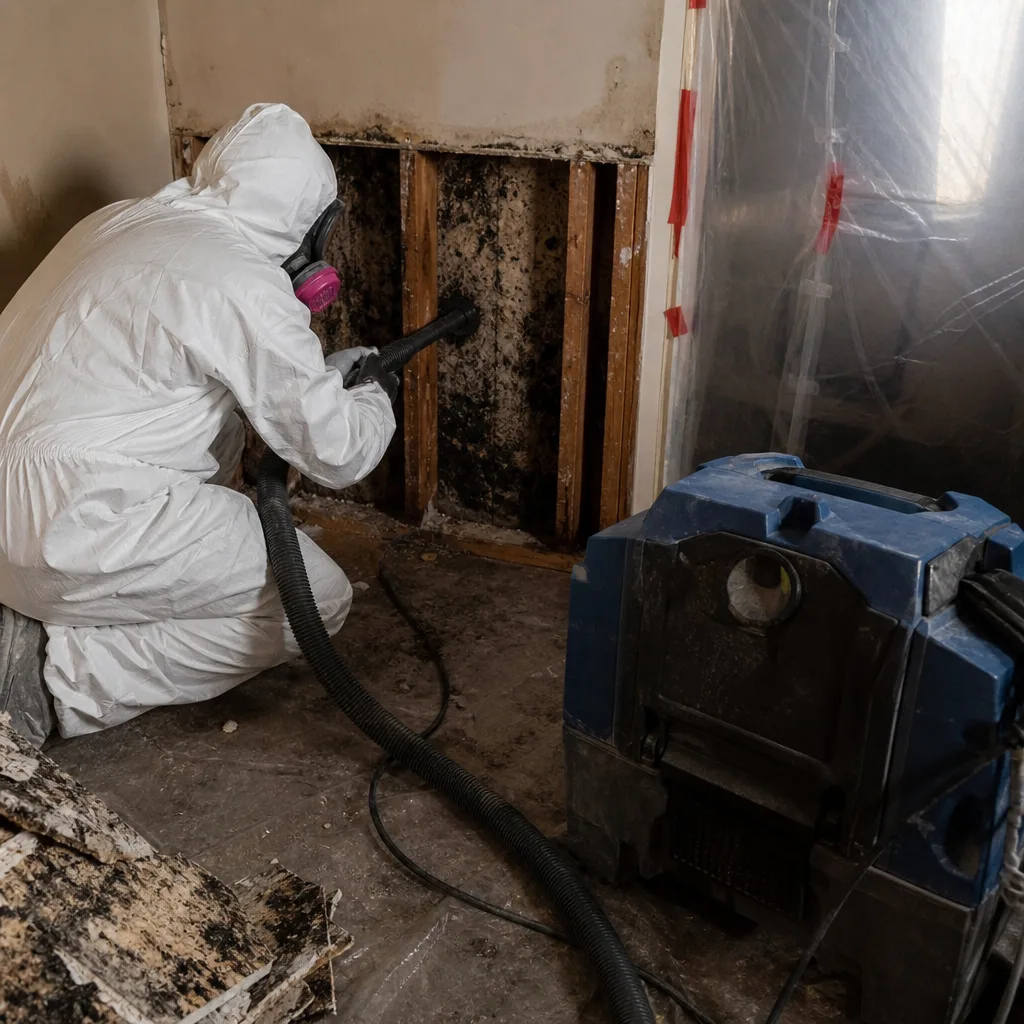
Smoke and soot travel farther than the fire itself, especially in Jersey City’s dense housing. In a townhome on York Street, we’ve seen kitchen smoke migrate through party-wall cavities into three adjoining units, leaving a thin film of acidic soot on every surface. Our techs map the smoke pattern with UV light, document the affected square footage, and establish containment before cleaning begins. We use HEPA vacuums and chemical sponges on unfinished surfaces, and wet-cleaning with pH-neutral agents on painted drywall. For unfinished wood and framing, we apply soda blasting or dry-ice blasting where appropriate, with the method named in the written scope and the result photo-documented.
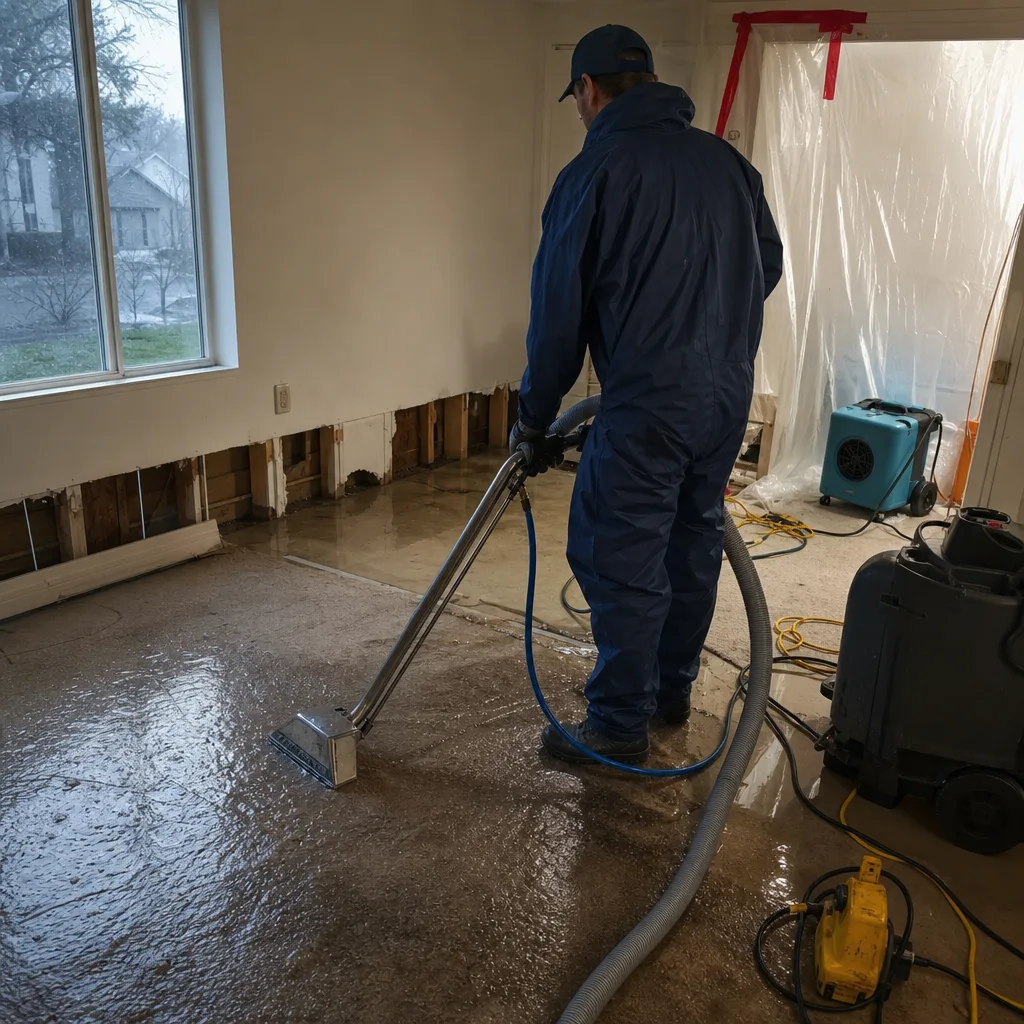
Odor Removal & Deodorization
Smoke odor in Jersey City row houses doesn’t respond to surface cleaning alone. The odor molecules embed in porous materials - horsehair plaster, unfinished wood, insulation in shared-wall cavities - and reactivate with humidity changes. Jersey City’s position on the Hudson River tidal estuary means humidity swings are constant, especially in basement-level units. We deploy thermal fogging, ozone treatment, or hydroxyl generators depending on the material and occupancy status, with the equipment choice and run-time documented in the daily log. For severe cases, we may need to remove and replace affected insulation or plaster, with that scope change written and signed before work proceeds.
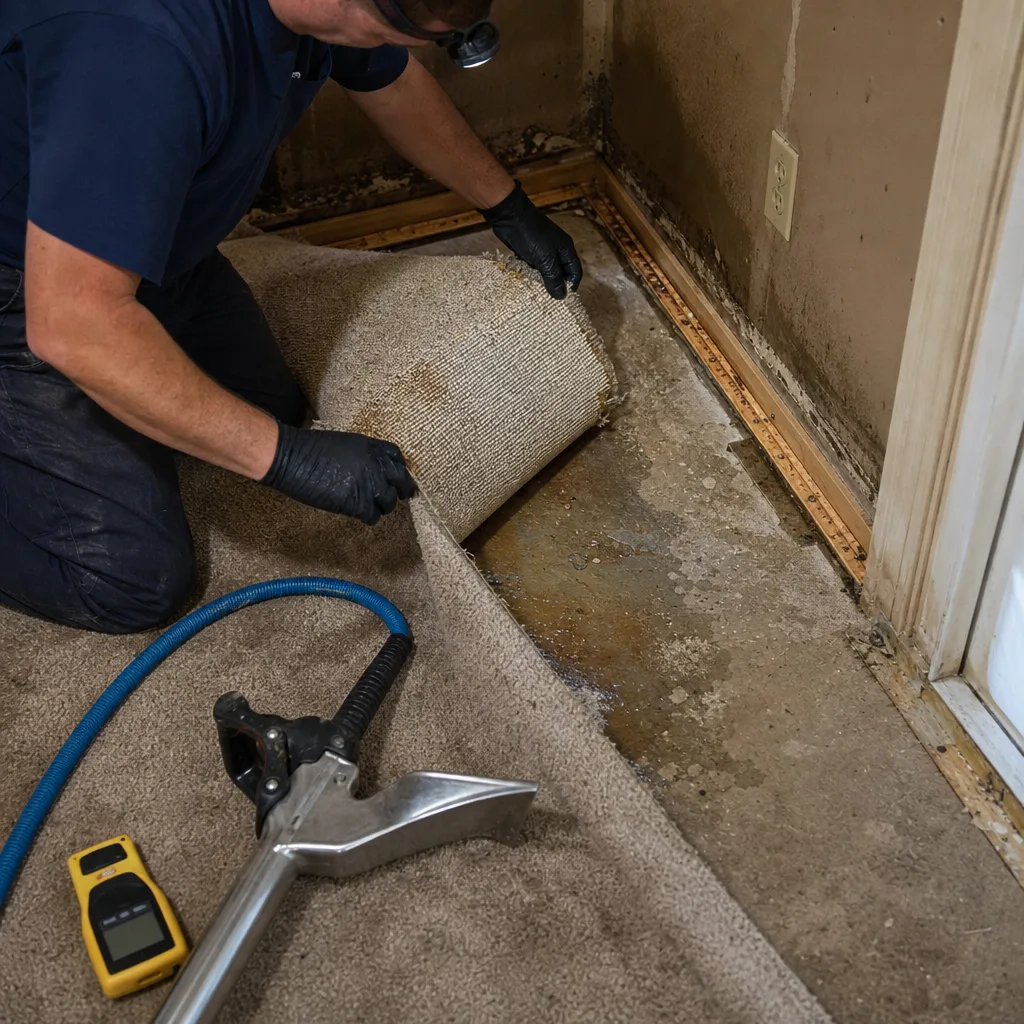
Contents Cleaning & Pack-Out
After a fire in a Jersey City multi-family building, contents often need to move before structural work can begin. We inventory every item with photo documentation, pack it in numbered containers, and transport it to our cleaning facility or clean on-site depending on space constraints and the adjuster’s preference. Electronics, artwork, and textiles get separate handling protocols, each noted in the inventory. For high-value items common in waterfront conversions near Exchange Place, we coordinate with specialized conservators and document that referral in the job file. Nothing gets discarded without written authorization and photo evidence.
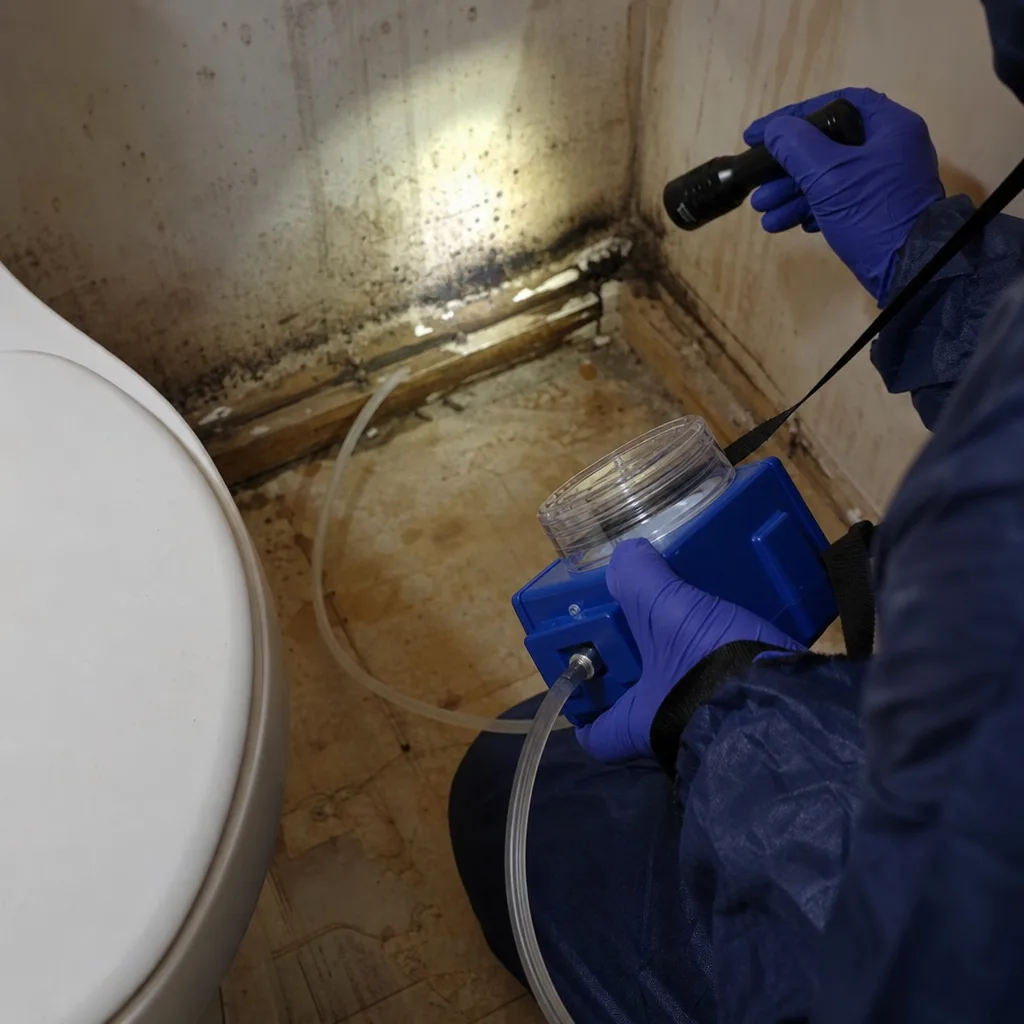
Emergency Board-Up & Tarping
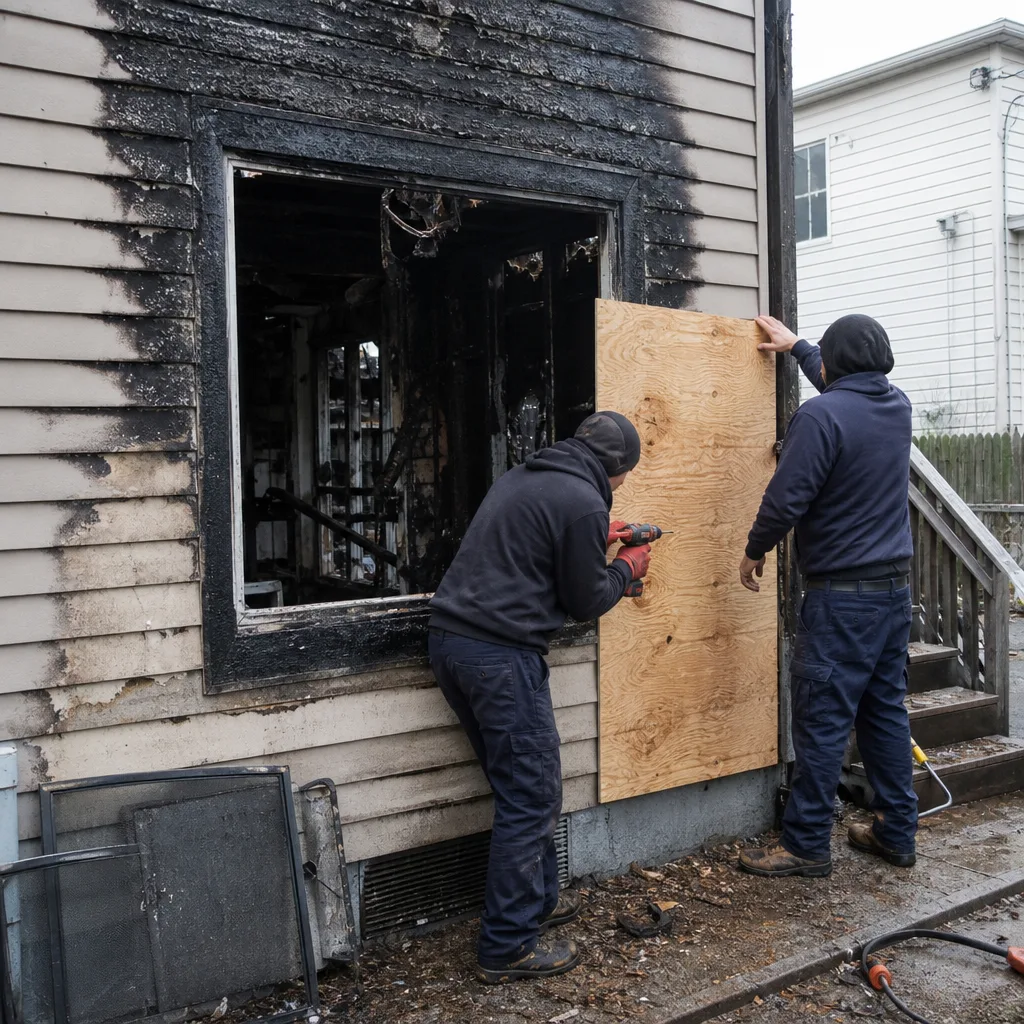
Board-up and tarping in Jersey City means working around alley-load access, narrow doorways, and active street traffic. We secure the structure with plywood and weatherproof tarps the same day, documenting the condition of the opening before and after with dated photos. For roof damage in the Heights or Bergen-Lafayette, where row-house rooflines are often shared and access requires navigating adjacent properties, we coordinate with neighbors and document that coordination in writing. The goal is to stop further damage and secure the property for the adjuster’s inspection, not to create more problems with sloppy access work.
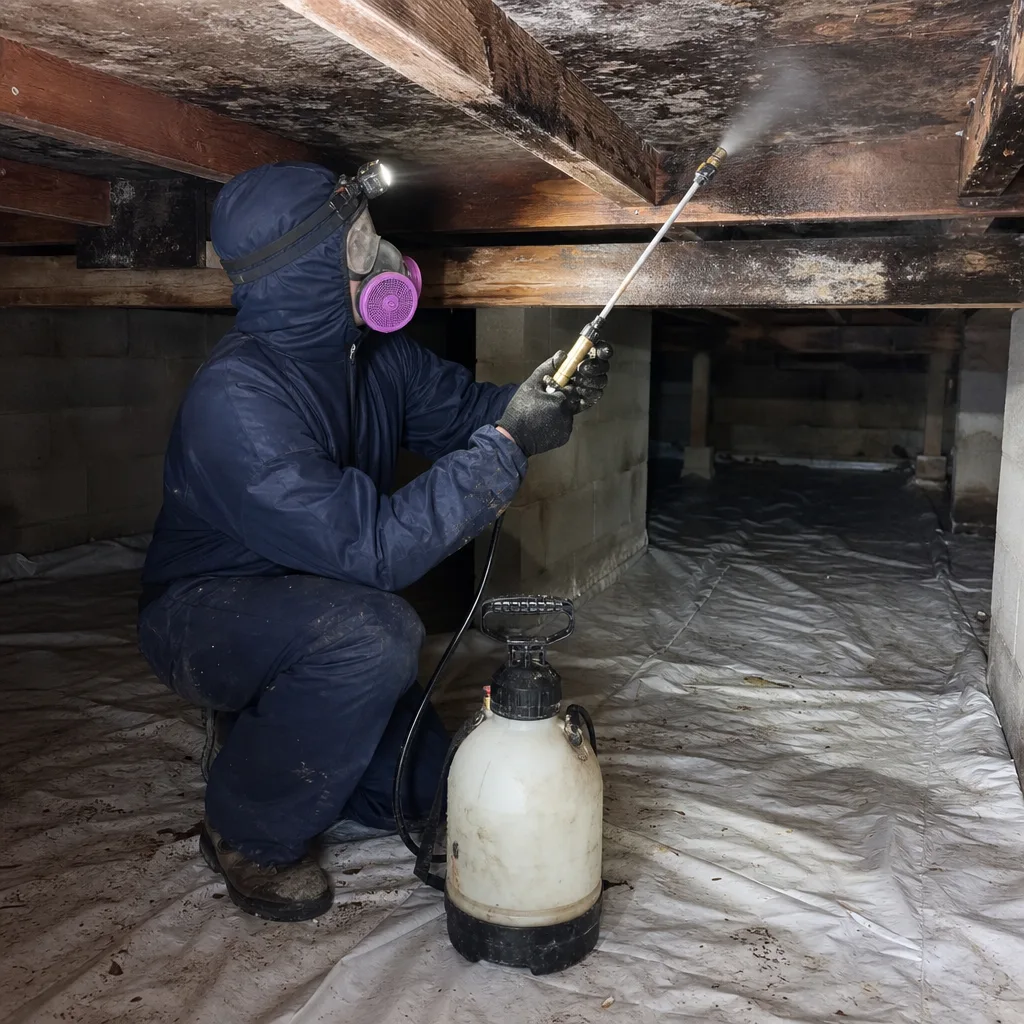
Structural Fire Repair
Structural repair after fire damage in Jersey City requires understanding the original construction. Unreinforced masonry and horsehair plaster don’t behave like modern framing and drywall. We assess load-bearing walls, floor joists, and roof structures with a structural engineer when needed, with that assessment written into the scope. All repair work is priced in writing before it begins, with no additions once the crew is inside, per Haven Standard, Clause 1.
What happens when you call
- 1
A real person answersNo phone trees - you reach a local pro.
- 2
You get an upfront price rangeHonest numbers before anyone is dispatched.
- 3
A background-checked tech heads outLicensed & insured, dispatched right away.
- 4
You approve before work beginsNothing starts until you say go.
BeforeAfterTrusted Brands We Service in Jersey City
Our equipment inventory includes professional-grade drying and air-scrubbing systems from Dri-Eaz, Phoenix, and XPOWER, with Injectidry specialty drying systems for cavity and hardwood applications. We stock HEPA filtration units, negative-air machines, and thermal fogging equipment sized for Jersey City’s tight clearances - units that fit through 30-inch alley doors and still move the air volume needed for effective deodorization. Every piece of equipment is logged to the job, with run-time and placement noted in the daily documentation that supports your insurance claim.
Common Fire & Smoke Damage Restoration Problems We See in Jersey City Homes
- Combined-sewer backflow compounding fire losses. In Greenville and behind the Exchange Place waterfront, a kitchen fire during a nor’easter often means the basement has also taken Category 3 black water from the city’s combined sewer system. Treating that basement as a simple soot job - drying surfaces that were exposed to raw sewage - is a health hazard and a claim denial waiting to happen. We test every basement before we clean it.
- Smoke migration through shared-wall cavities. Jersey City’s row houses and tenements were built with continuous wall cavities that carry smoke and soot between units. A fire in one unit can leave acidic soot deposits in three adjoining homes, with damage that isn’t visible until days later. We map smoke travel with UV inspection and establish containment before cleaning begins.
- Alley-access failures from out-of-town crews. Box trucks and standard equipment lifts often can’t clear the narrow alley doors or tight clearances behind Bergen-Lafayette and Greenville row houses. We size our response vehicles and equipment to the access constraints, and we know which blocks require hand-carry or specialized rigging.
- Horsehair plaster trapping soot and moisture. Unlike modern drywall, the horsehair plaster common in Jersey City’s 19th-century housing absorbs soot particles deep into the matrix and releases them with humidity changes. Surface cleaning isn’t enough. We evaluate plaster condition, document moisture readings, and specify replacement or specialized treatment in the written scope.
Pricing for Fire & Smoke Damage Restoration in Jersey City, NJ
Emergency board-up and tarping in Jersey City typically runs $800-$1,800 depending on the number of openings and roof area. Smoke and soot removal for a single residential unit ranges $2,500-$6,500 based on square footage, material types, and whether Category 3 water contamination is present. Odor removal and deodorization with thermal fogging or ozone treatment adds $1,200-$3,000. Contents pack-out, inventory, and cleaning starts around $1,500 for a standard unit, with per-item rates for electronics, artwork, and textiles. Structural fire repair is scoped and priced in writing after engineering assessment, with no work beginning until the signed scope is in hand - Haven Standard, Clause 1.
Combined-sewer contamination changes every number. When Category 3 black-water protocols apply, antimicrobial treatment, PPE, and specialized disposal add $1,500-$4,000 to the base scope. We identify that condition in the first hour and price it before work proceeds, not as a surprise addition later.
We provide a Free Second Opinion on any competitor’s written estimate - bring their scope and we’ll review it at no charge. Call (551) 212-1580 for a written estimate; estimates are free.
We Also Serve Cities Near Jersey City
Our crews respond throughout Hudson County, including Jersey City, Hoboken, Union City, and Secaucus. Dispatch and scheduling are coordinated from our New York City metro office, with local crews serving each community. The same documentation standards, written pricing, and 365-Day Done Right Promise apply in every city we serve.
Serving Jersey City, NJ - Our Local Coverage Area
We’re based in the Jersey City area and know this community well. Use the map below to see our service coverage - if you’re nearby, we can almost certainly help.
FAQs - Fire & Smoke Damage Restoration in Jersey City
Because Jersey City’s combined sewer system routinely backs raw sewage into basements during nor’easters and heavy rain events, a kitchen fire that occurs during or just after a storm often means the basement has also taken Category 3 black water. We test every basement with a moisture meter and visual inspection for sewage indicators before beginning any soot removal. If Category 3 contamination is present, full PPE, containment, and EPA-registered antimicrobial treatment are required on every affected surface before cleaning can proceed - a condition we identify and price in writing before work begins. Call (551) 212-1580 if you’re unsure what category your loss involves; we’ll assess it at no charge.
Yes. The shared-wall construction and continuous cavities in Jersey City’s 19th- and early 20th-century housing allow smoke and soot to migrate vertically and horizontally into adjoining units. In a brick row house on York Street in the Heights, we documented smoke damage in three adjoining units from a single kitchen fire, with soot deposits visible in wall cavities two units away. We map smoke travel with UV light inspection, establish containment with negative-air pressure, and document the affected area before cleaning to prevent liability disputes between separate owners. Call (551) 212-1580 for smoke mapping and containment.
Within 24 to 48 hours. Jersey City’s humidity, driven by its position on the Hudson River tidal estuary, accelerates microbial growth on soot-contaminated surfaces that have also been wetted by fire suppression. Horsehair plaster and unreinforced masonry - common in the Heights and Bergen-Lafayette - hold moisture longer than modern materials, extending the window of risk but also requiring longer drying protocols. We begin moisture mapping and deploy Dri-Eaz and Phoenix drying systems as soon as the structure is safe to enter, with daily moisture logs documenting progress. Call (551) 212-1580 for immediate response; live dispatch is available 24/7.
Board-up and tarping for Jersey City alley-load properties requires equipment sized to narrow clearances - typically 30-inch doors or less - and coordination with adjacent owners when roof access crosses property lines. We secure all openings with plywood and weatherproof tarps, document the pre-existing condition with dated photos, and note any access constraints or neighbor coordination in the job file. For row houses with shared rooflines in the Heights or Bergen-Lafayette, we may need to tarp multiple sections to prevent water intrusion into adjoining units. The scope and price are written before work begins, per Haven Standard, Clause 1. Call (551) 212-1580 for emergency board-up.
We do both, depending on space constraints, the adjuster’s preference, and the condition of the structure. In Jersey City’s tight multi-family units, on-site cleaning is often impractical, so we inventory, photograph, and pack out contents to our facility for specialized cleaning. Electronics, artwork, and textiles receive separate handling with documented chain of custody. For larger waterfront conversions with space for staging, we may clean on-site with portable equipment. The method is specified in the written scope, with no change without signed authorization. Call (551) 212-1580 to discuss which approach fits your situation.
Written by Alicia Brennan, Owner at Back to Dry Restoration, serving Jersey City since 2011 under The Haven Standard.