
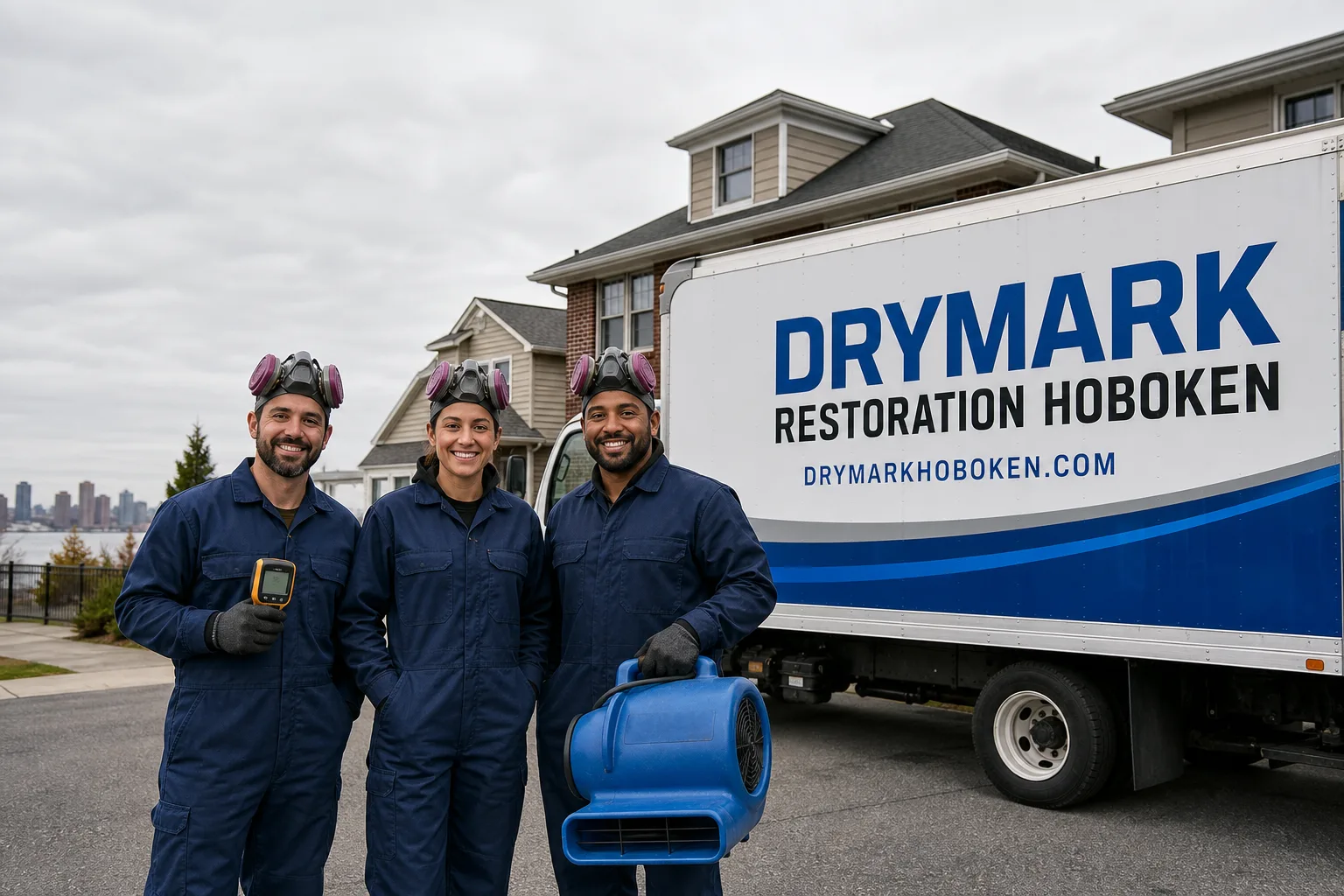
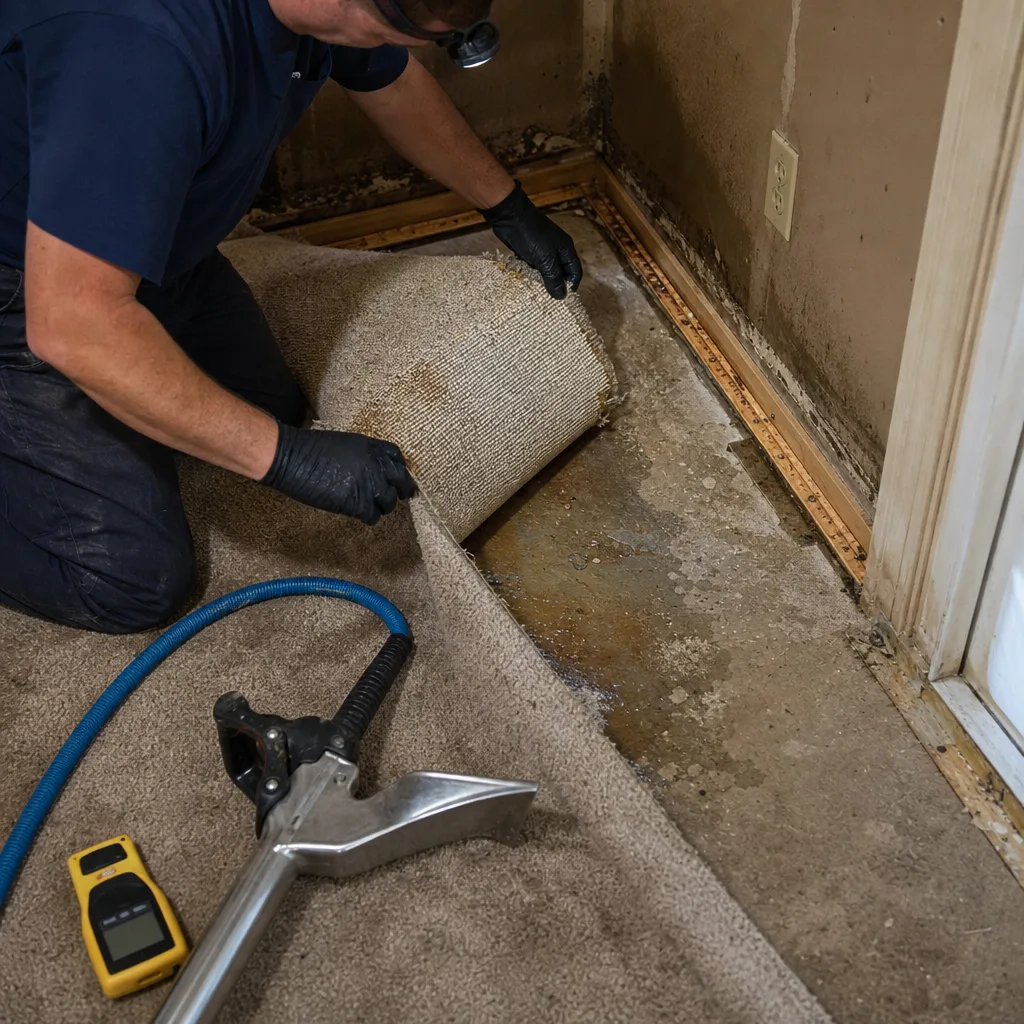
Free visual inspection and a written scope of work before any mitigation begins - photos, moisture readings, and drying logs go in your claim file
The scope we write is the scope we bill. Anything new gets shown to you, in writing, before we touch it.
 Before
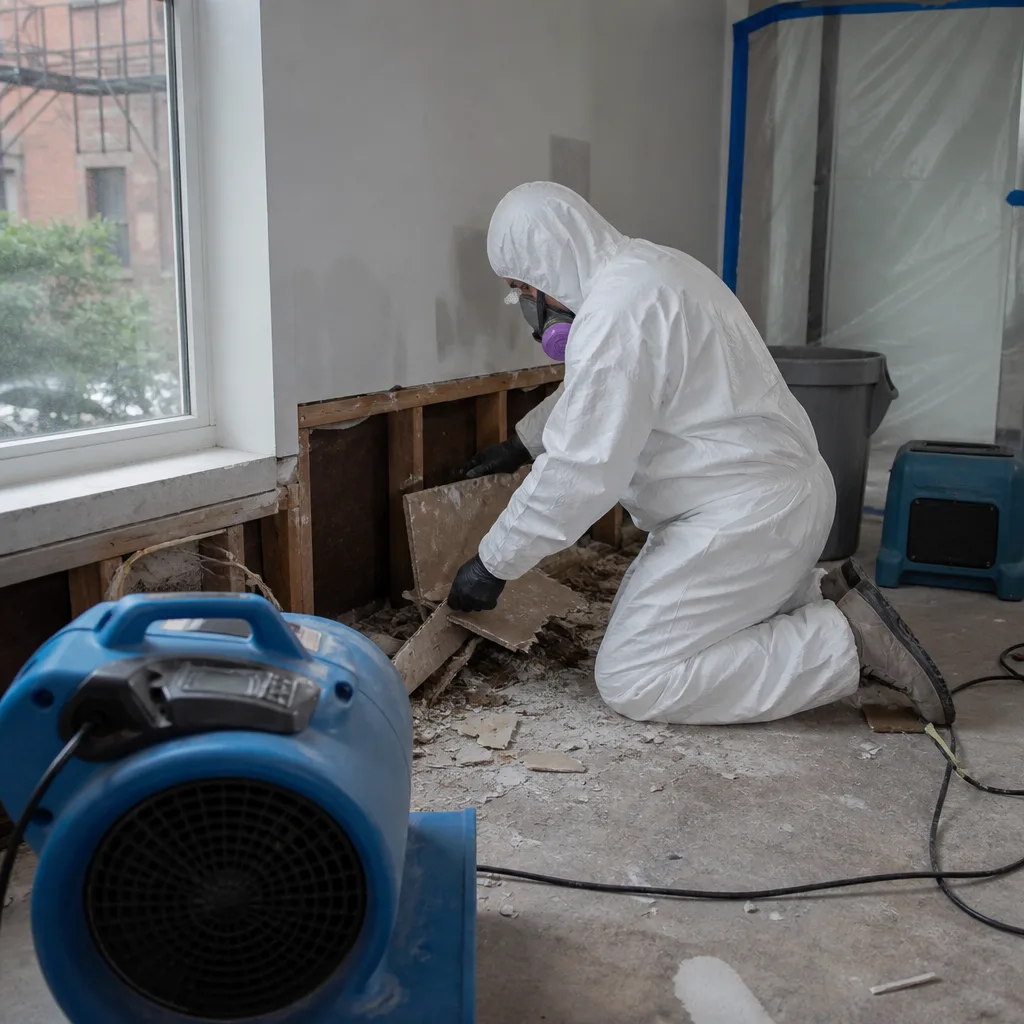 After
After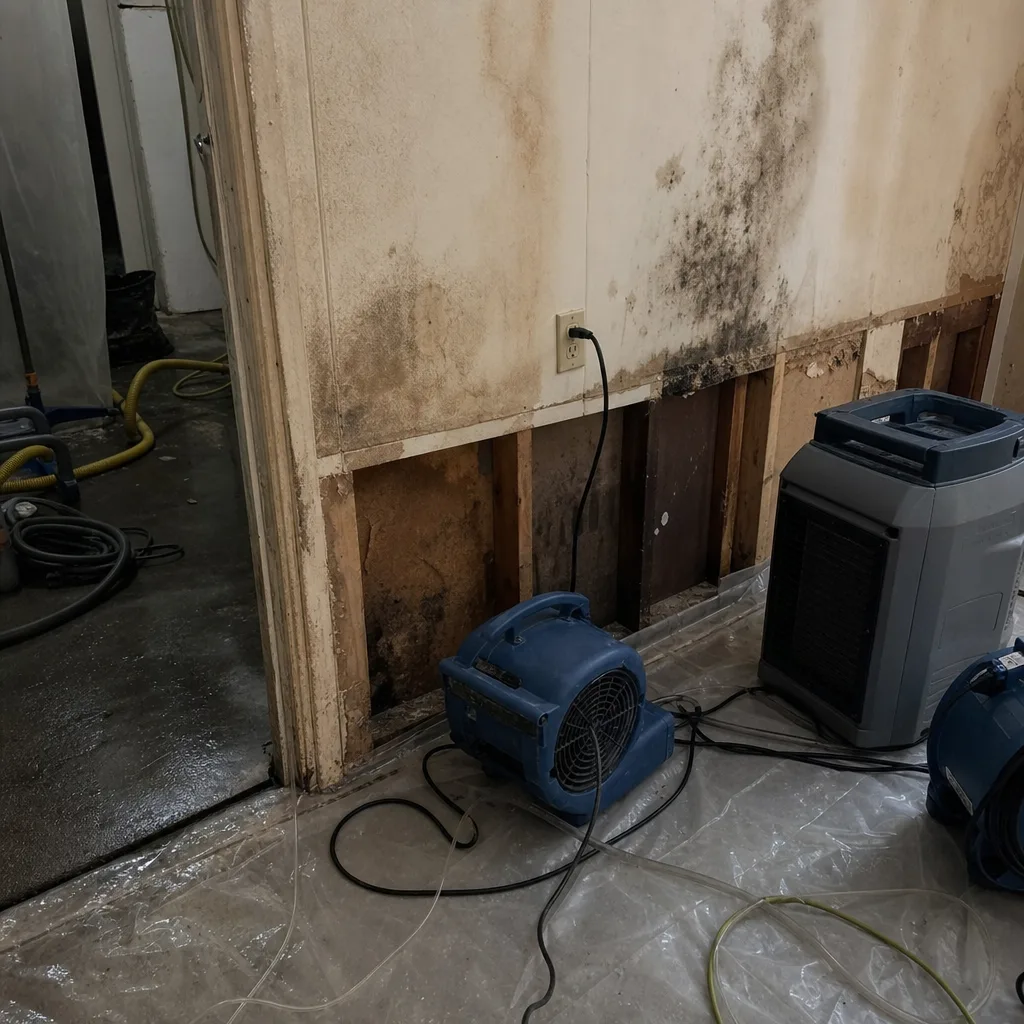 Before
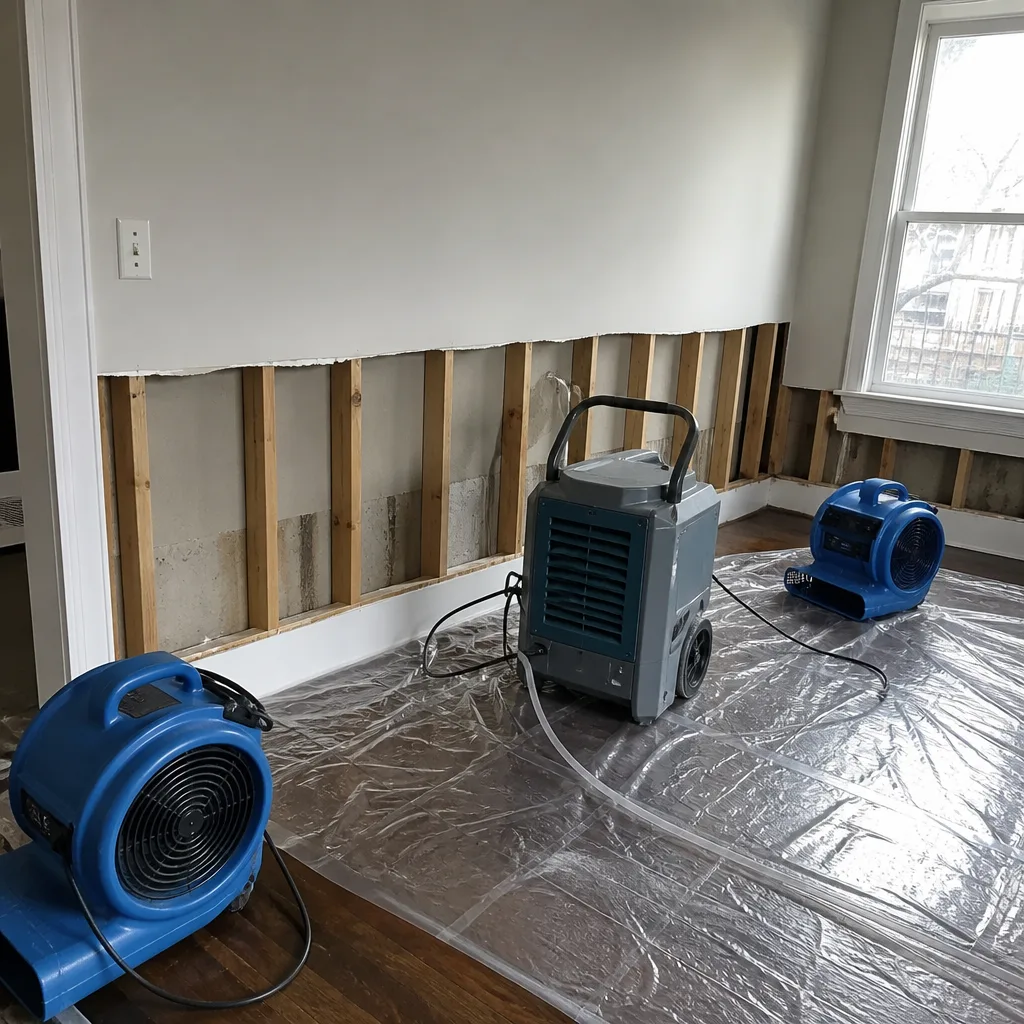 After
After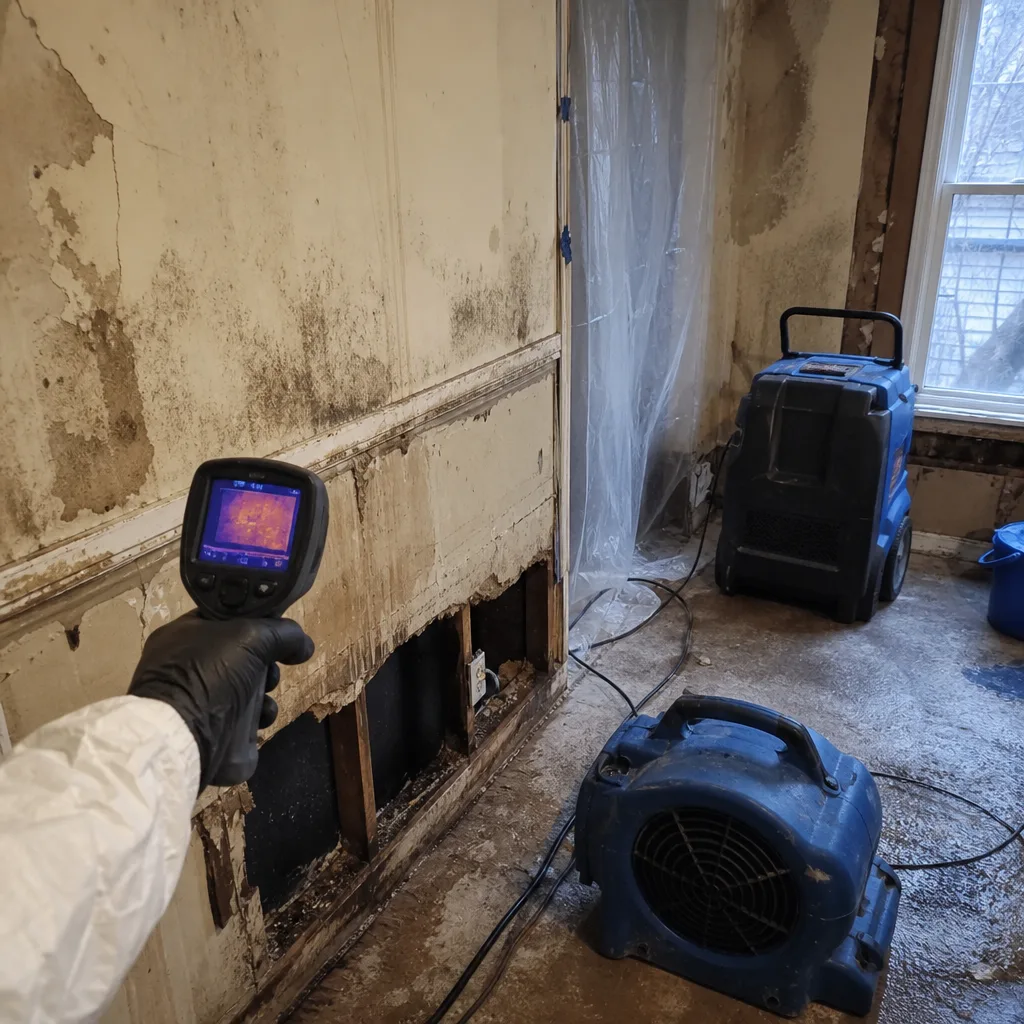 Before
 After
AfterFast, Reliable Fire & Smoke Damage Restoration Across Hoboken
Fire and smoke damage restoration in Hoboken typically costs $2,800-$8,500 for a standard row-house unit, with emergency board-up and tarping starting at $450-$900 and full structural fire repair running $15,000-$45,000 depending on the extent of charring and water damage from suppression efforts. Our crews are dispatched from our New York City office and can reach any Hoboken address within 30-45 minutes, including the Fourth Ward, Maxwell Place, and the Castle Point Terrace corridor. Call (551) 212-1580 now - a live person answers every call, 24 hours a day, 7 days a week, and we deliver a written price before any work begins, every time, under Haven Standard, Clause 1.
Hoboken’s 1-square-mile grid of 1880s-1920s brick row houses creates fire and smoke restoration challenges that out-of-market crews simply do not encounter elsewhere. These shared-wall structures use unlined rubble or brick foundations with no original waterproofing membrane, and doors function as load-bearing lateral connectors in the shared-wall cavity. When a wind-rated door fails during a nor’easter, it does not merely admit rain - it opens a pressure pathway that pulls smoke and soot from a neighbor’s fire into your unit through the same porous masonry that lets floodwater wick through walls. This is why Fire & Smoke Damage Restoration in Hoboken demands contractors who understand the intersection of wind-load vulnerability, shared-wall dynamics, and the city’s chronic water intrusion risk.
Why DryMark Restoration Hoboken Is Hoboken’s Preferred Fire & Smoke Damage Restoration Company
We have restored fire and smoke damage in Hoboken’s dense row-house grid since 2011, completing more than 12,000 jobs across our service area with a written price before work started and a documented photo record when the crew left. Our reputation here is built on what we can show homeowners and their adjusters: daily drying logs with psychrometric data (temperature, relative humidity, and vapor pressure differential - the measurable force that drives moisture through materials), room-by-room moisture readings, and a 365-Day Done Right Promise backed by The Haven Standard, not a verbal assurance.
Hoboken customers specifically mention our response speed in reviews. We average 30-45 minutes to any Hoboken neighborhood because our crews stage from the New York City office with direct PATH and tunnel access. We know that a fire on Washington Street at rush hour requires different routing than a call from the Hudson Tea Buildings, and our dispatchers account for this without asking the homeowner to explain Hoboken geography.
Our documentation-first approach matters especially here. Hoboken’s combined sewer infrastructure means that fire suppression water in a basement often mixes with sewage backup, elevating a fire loss to Category 3 black-water remediation. We photograph pre-loss condition, document material classifications by trade name, and produce the written scope that turns a restoration invoice into a claim an insurer pays without a fight. Alicia Brennan, our founder and a former claims adjuster, built Back to Dry around exactly this documentation gap.
Our Fire & Smoke Damage Restoration Services in Hoboken
Emergency Board-Up & Tarping
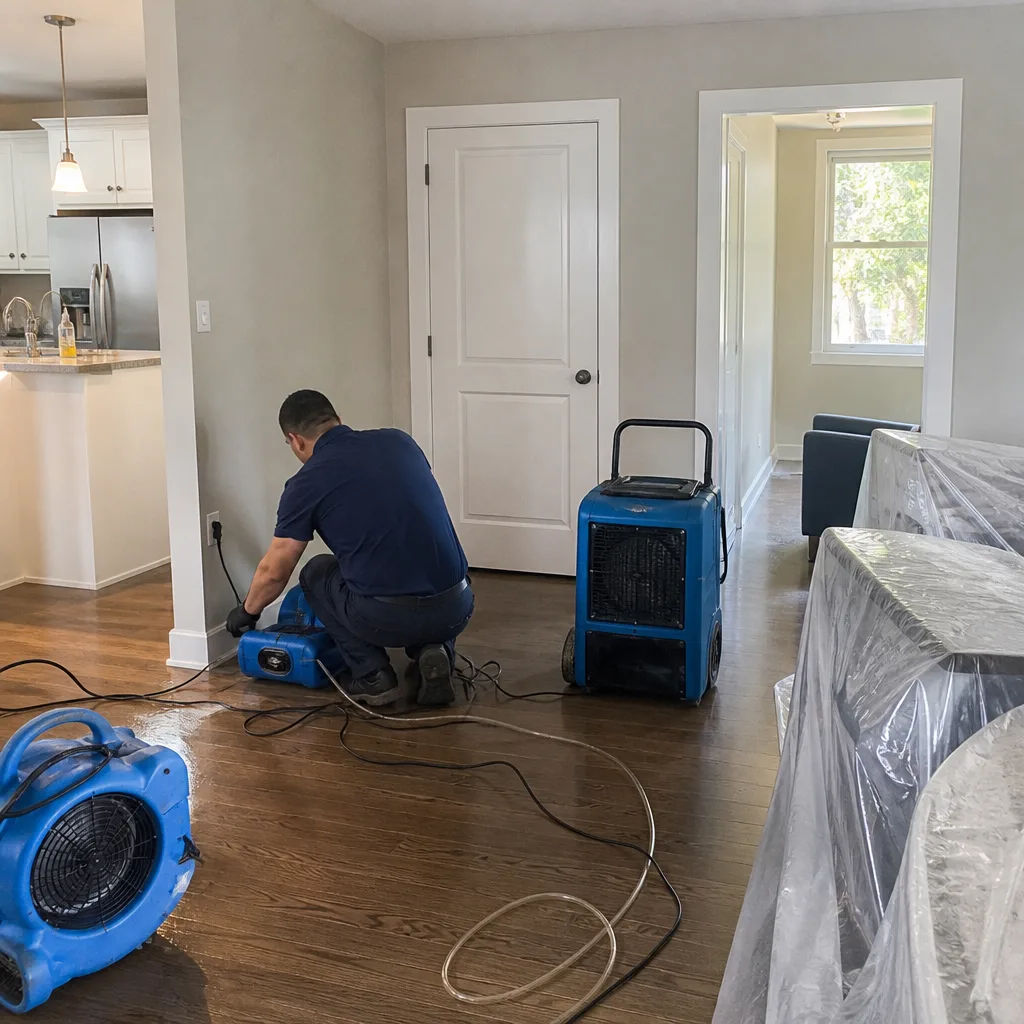
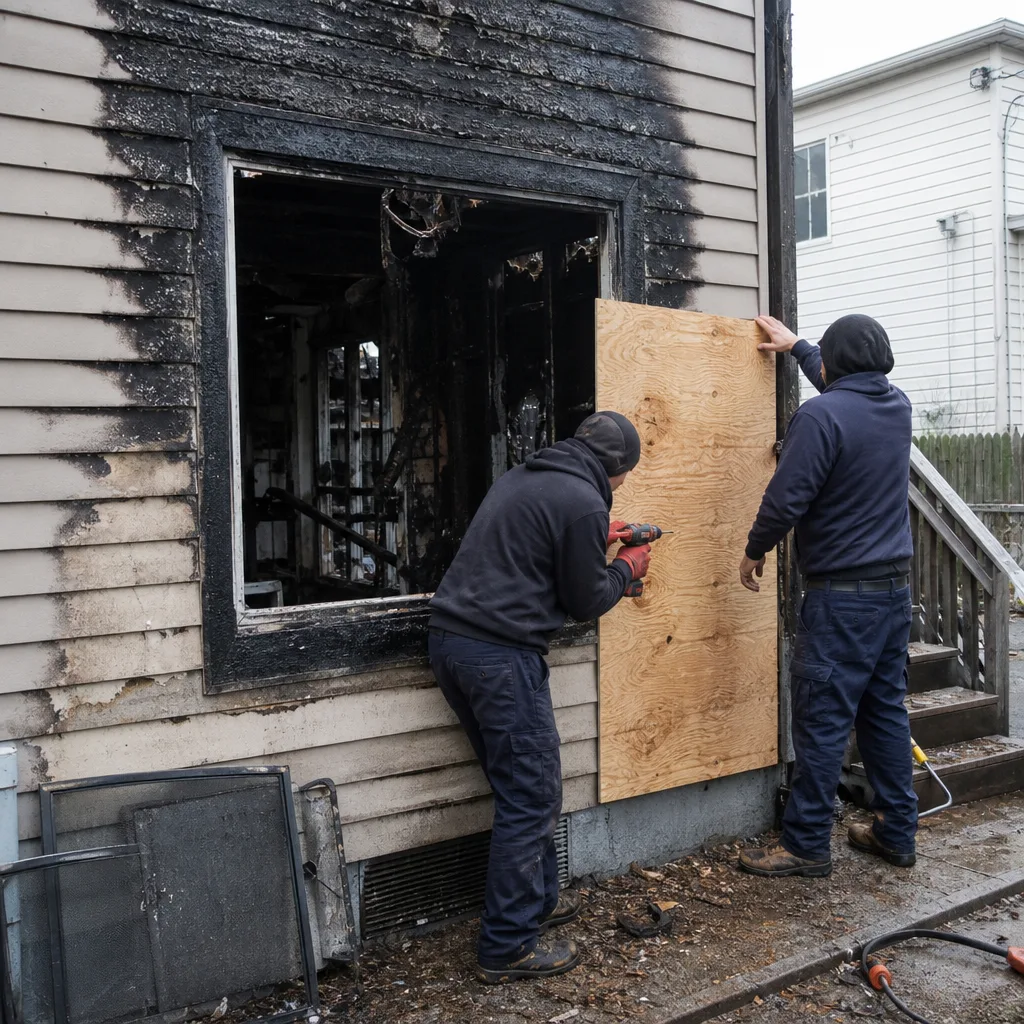
After a fire in Hoboken’s row houses, board-up is never just about security. A compromised door or window frame in a shared-wall structure creates the pressure differential that draws smoke and soot from adjacent units through wall cavities. We use 3/4-inch plywood and structural screws, not the 1/2-inch sheeting that warps in Hudson River humidity, and we seal with 6-mil poly containment before setting negative air machines. Typical board-up and weatherproofing in Hoboken runs $450-$1,200 for a standard row-house entry; multi-point containment for smoke migration prevention adds $800-$1,500. Every board-up includes photo documentation of pre-loss condition and a written scope for your adjuster.
Smoke & Soot Removal
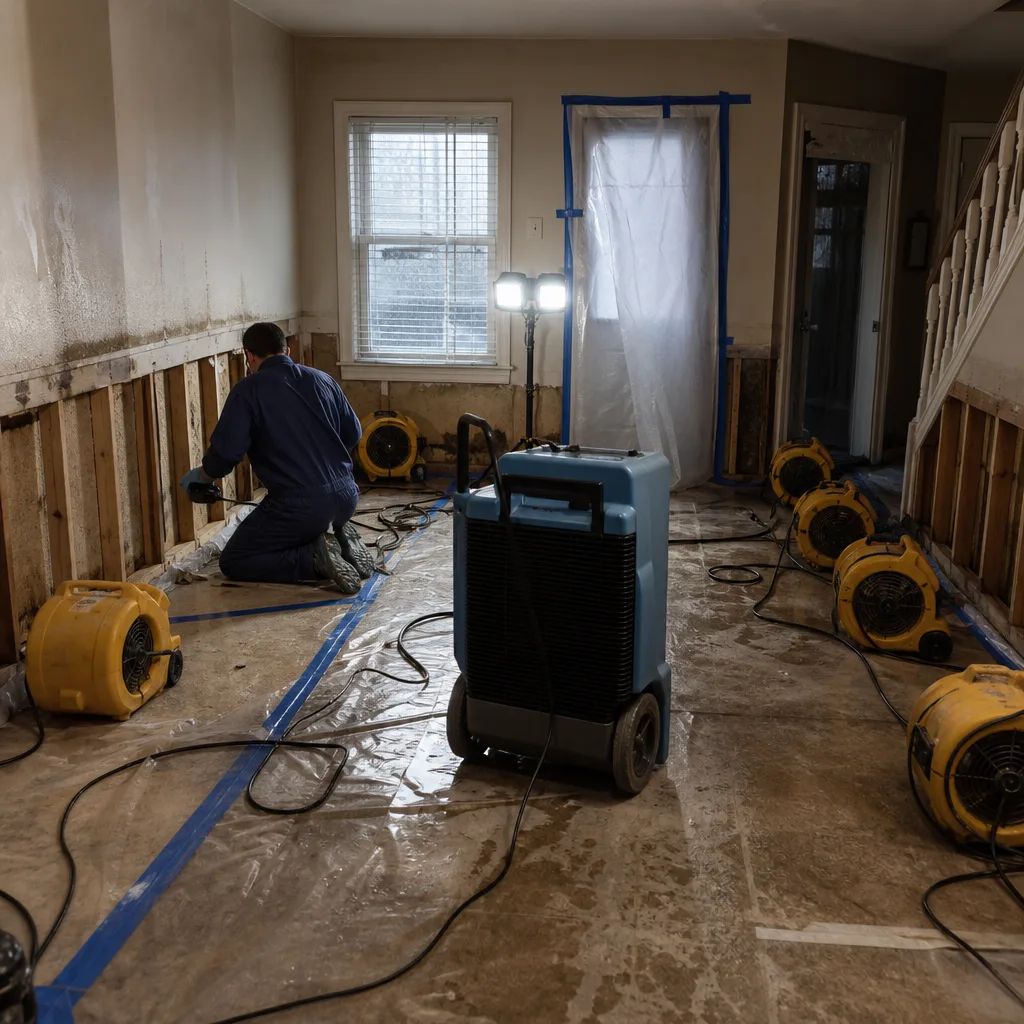
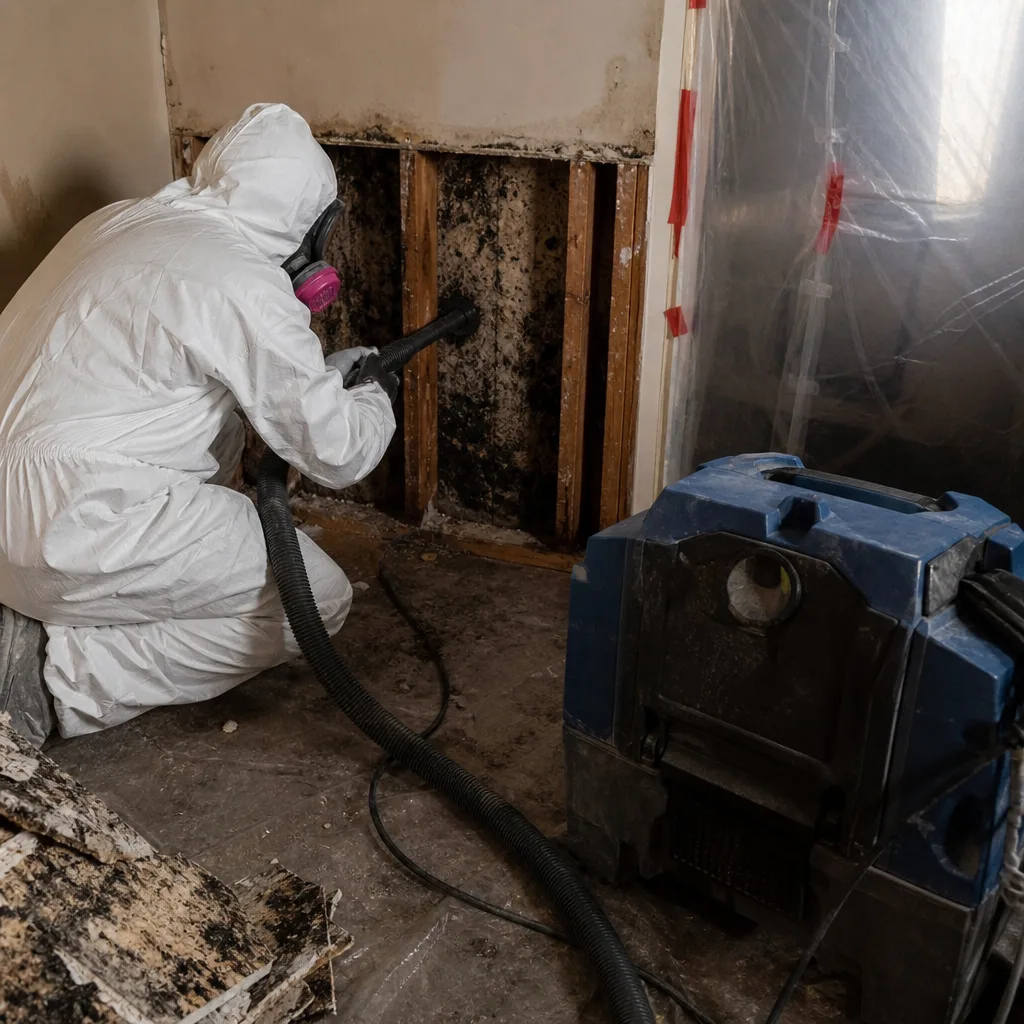
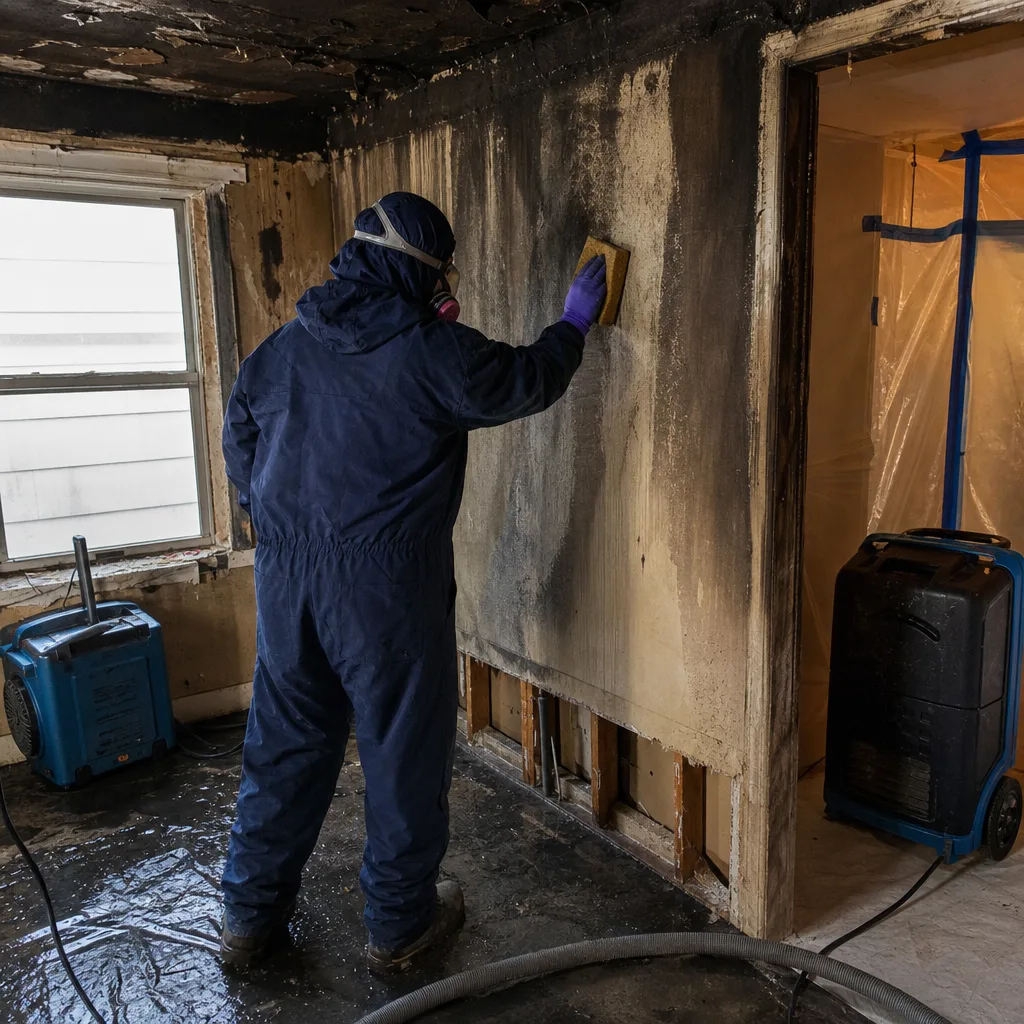
Soot particles in Hoboken’s aging brick and plaster structures embed deeper than in modern drywall construction. The unlined rubble foundations and lime-based mortars common in Fourth Ward and Old Hoboken tenements create irregular surfaces that trap acidic soot residues. We use HEPA vacuuming followed by chem sponge cleaning on finished surfaces, then thermal fogging or ozone treatment for odor neutralization at the molecular level. Smoke and soot remediation for a typical Hoboken row-house unit runs $1,800-$4,500; heavy contamination in railroad-style tenements with multiple connected rooms reaches $5,500-$9,000. We document every step with photos and moisture readings because soot-laden materials often require secondary drying after suppression water removal.
Odor Removal & Deodorization
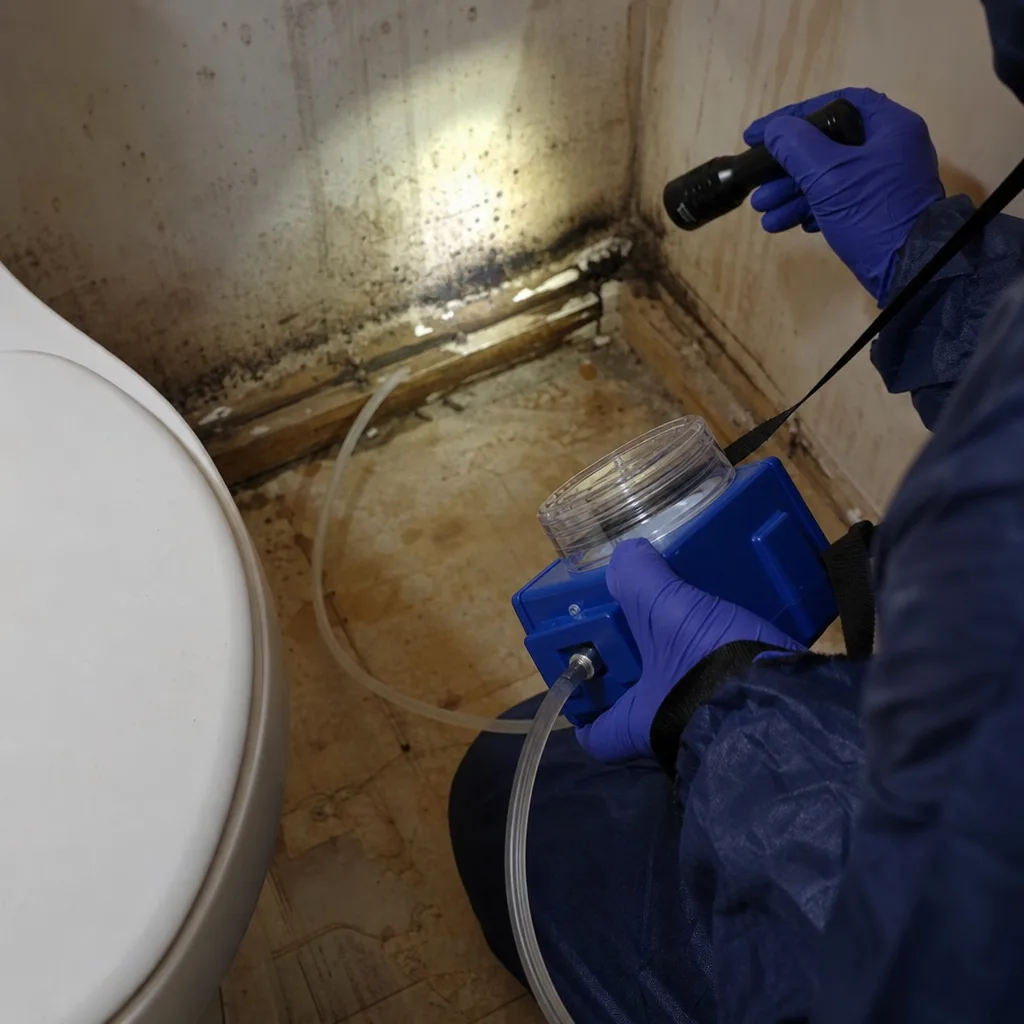
Smoke odor in Hoboken’s shared-wall buildings migrates through paths that do not exist in detached suburban homes. The same unlined rubble foundations that wick floodwater also transmit odor molecules between units. Surface cleaning without containment and negative air pressure simply pushes odor into adjacent spaces. Our odor removal protocol includes source removal, thermal fogging with odor-counteractant formulations, and hydroxyl generation for occupied structures. A standard Hoboken row-house deodorization runs $900-$2,400; complex multi-unit migration cases requiring coordinated scoping with neighbors’ insurers reach $3,500-$6,500. We guarantee our odor work under the 365-Day Done Right Promise - if odor returns, we return.
Contents Cleaning & Pack-Out
Hoboken’s railroad-style tenements limit on-site cleaning space, making pack-out to our controlled facility the practical choice for most fire-damaged contents. We inventory every item with photo documentation, clean textiles with ultrasonic and ozone methods, and restore electronics with specialized corrosion removal. A typical pack-out for a Hoboken two-bedroom unit runs $1,200-$3,000 for inventory and transport, with per-item cleaning priced separately. We store contents in climate-controlled conditions and return them only when structural repairs are complete and moisture readings confirm the space is dry. Haven Standard, Clause 1 applies: written price before any work begins, including pack-out.
Structural Fire Repair
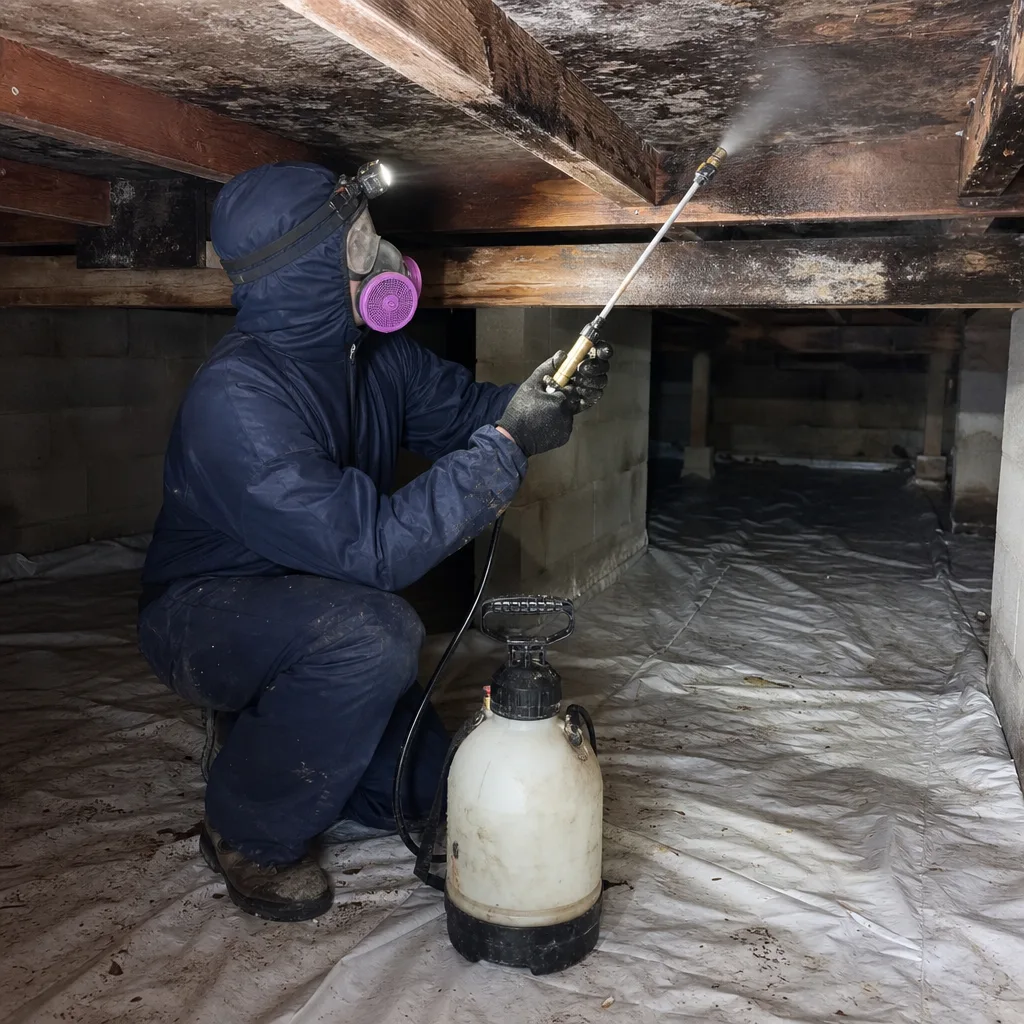
Fire-damaged framing in Hoboken’s row houses requires assessment of char depth, structural load paths, and wind-rated replacement specifications. The city’s building department enforces current wind-load standards on any door or window replacement in a structural opening, meaning post-fire repairs must meet ratings that the original 1920s construction never contemplated. We scope charred joists and studs, replace with pressure-treated lumber where required, and install wind-rated door and frame assemblies tested to withstand the pressure differentials that drive smoke migration. Structural fire repair in Hoboken typically ranges $15,000-$45,000 for a standard unit, with full-floor reconstruction in heavily damaged railroad tenements reaching $60,000-$95,000. Every structural scope is written, priced, and signed before demolition begins.
What happens when you call
- 1
A real person answersNo phone trees - you reach a local pro.
- 2
You get an upfront price rangeHonest numbers before anyone is dispatched.
- 3
A background-checked tech heads outLicensed & insured, dispatched right away.
- 4
You approve before work beginsNothing starts until you say go.
BeforeAfterTrusted Equipment and Standards We Deploy in Hoboken
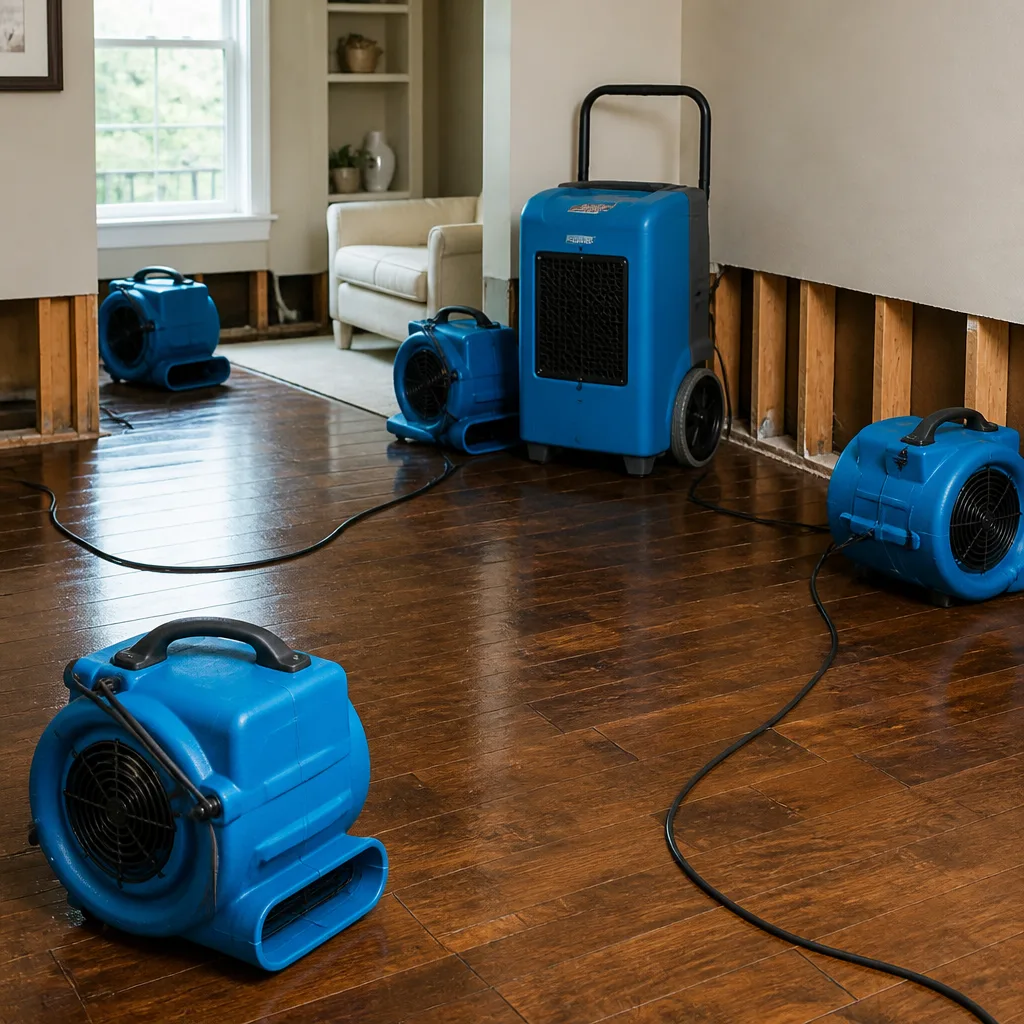
Our Hoboken crews carry professional-grade drying and air quality systems from Dri-Eaz, Phoenix, XPOWER, B-Air, and Injectidry - equipment we select for the specific demands of dense urban restoration. Injectidry panel drying is essential in Hoboken’s plaster-and-lath walls, where standard cavity drying cannot reach the void spaces behind horsehair plaster. We document all work to IICRC S500 and S700 standards, producing the daily moisture logs and psychrometric data that insurers require for claim payment. Our technicians are background-checked, uniformed, and licensed, with license numbers available on request. We do not subcontract emergency response; our employees arrive in marked vehicles with documented credentials.
Common Fire & Smoke Damage Restoration Problems We See in Hoboken Homes
- Smoke migration through shared-wall cavities after door failure. In Hoboken’s row houses, a wind-damaged or improperly boarded door creates negative pressure that pulls smoke and soot from a neighbor’s fire through wall cavities. We see this annually after nor’easters, when door failures coincide with heating-season fires. Proper containment and negative air pressure are the only effective response.
- Category 3 water contamination from combined sewer backup during fire suppression. Hoboken’s aging combined sewer system backs up into basement floor drains during significant rain events. Fire suppression water that enters a basement often mixes with sewage, requiring full PPE, antimicrobial treatment, and disposal protocols that standard fire restoration crews may not carry.
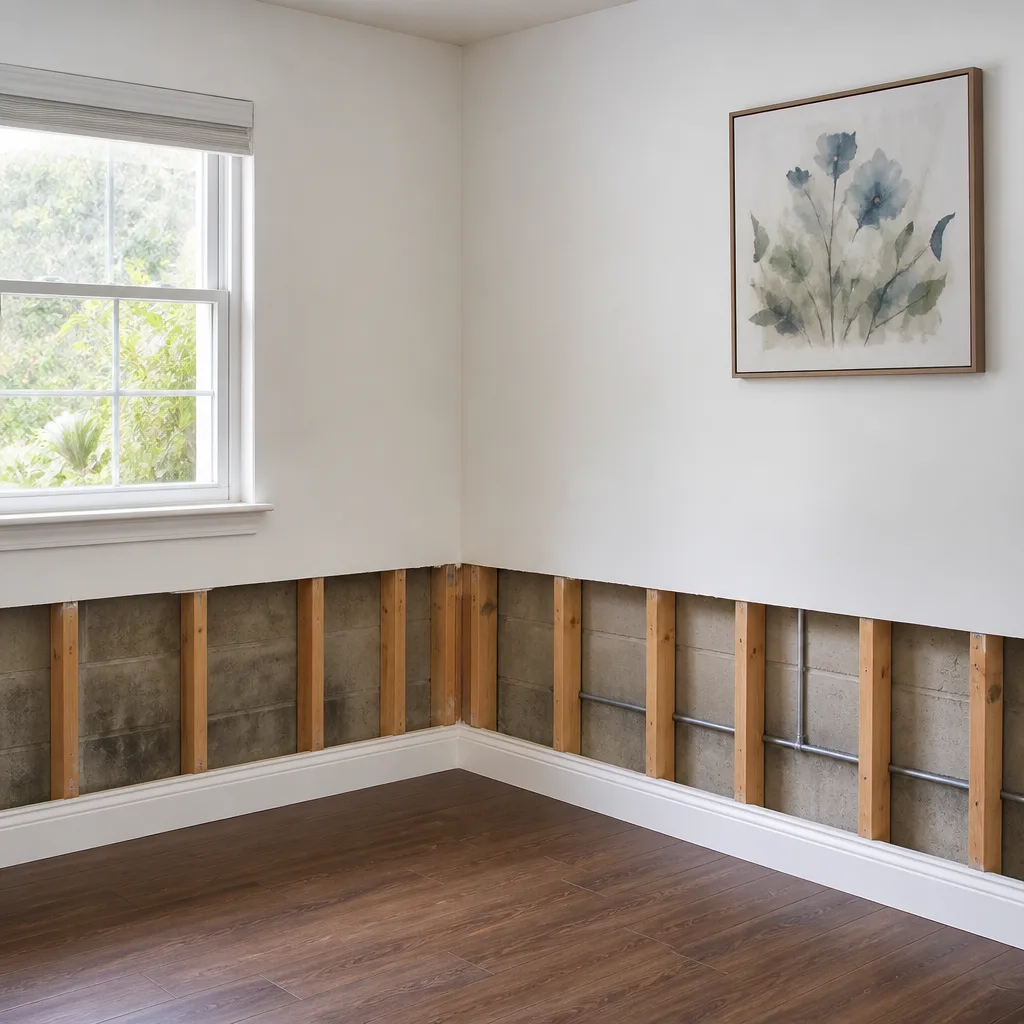
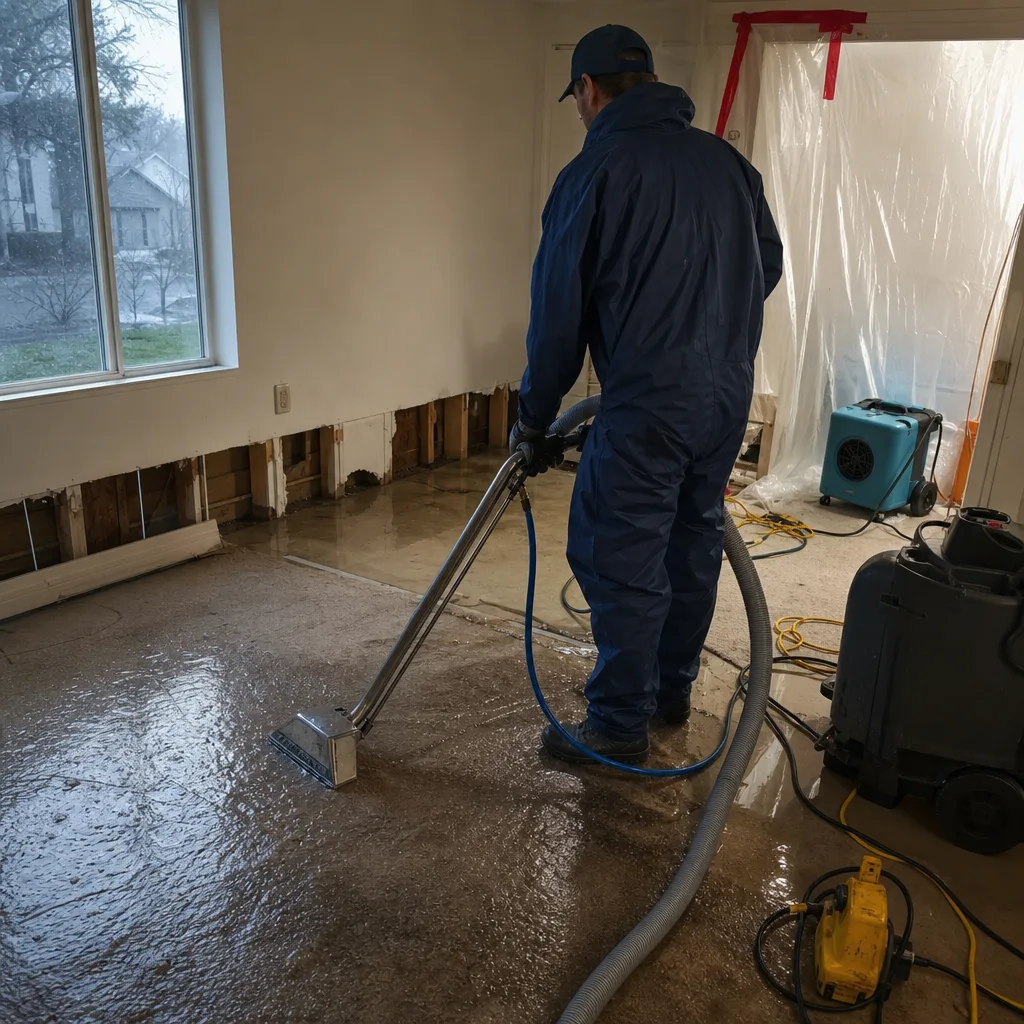
- Hidden moisture in unlined rubble foundations after suppression. The same porous masonry that wicks floodwater also absorbs firefighting runoff. Moisture readings in these foundations often show saturation 48 hours after the visible water is gone, and mold colonization begins within 72 hours without proper drying. We run Injectidry panel drying and document vapor pressure differential until readings confirm stability.
- Wind-rated replacement requirements for fire-damaged doors and frames. Hoboken’s building code now requires wind-rated assemblies in any structural opening replacement. Post-fire door replacement that ignores this specification fails inspection and leaves the unit vulnerable to the next storm-driven smoke migration event. We engineer every replacement to current code and document the rating for permit closure.
Pricing for Fire & Smoke Damage Restoration in Hoboken, NJ
| Service | Typical Range in Hoboken |
|---|---|
| Emergency board-up and tarping | $450-$1,200 |
| Smoke and soot removal (standard unit) | $1,800-$4,500 |
| Odor removal and deodorization | $900-$2,400 |
| Contents pack-out and cleaning | $1,200-$3,000 plus per-item |
| Structural fire repair (standard unit) | $15,000-$45,000 |
| Full reconstruction (heavy damage) | $60,000-$95,000 |
What drives cost in Hoboken specifically: the shared-wall construction requires coordinated multi-unit scoping that single-family restoration never involves; the unlined rubble foundations demand extended drying with specialized equipment; and the combined sewer risk means water damage components often escalate to Category 3 remediation with full disposal protocols. We deliver a written price before any work begins, every time, with no scope-creep additions once the crew is inside - Haven Standard, Clause 1. Bring any competitor’s written estimate and we will review it at no charge.
We Also Serve Cities Near Hoboken
Our crews respond throughout Hudson County, including Hoboken, Union City, Jersey City, and Secaucus. Each city presents distinct restoration challenges - Jersey City’s high-rise density, Union City’s hillside drainage patterns, Secaucus’s marsh-adjacent floodplains - and we scope accordingly. Dispatch and scheduling are coordinated from our New York City office with direct access to all four municipalities.
Serving Hoboken, NJ - Our Local Coverage Area
We’re based in the Hoboken area and know this community well. Use the map below to see our service coverage - if you’re nearby, we can almost certainly help.
FAQs - Fire & Smoke Damage Restoration in Hoboken
Yes, often it does. Hoboken’s shared-wall brick construction and unlined rubble foundations create continuous air pathways between units, and smoke particles migrate through these cavities even when visual damage appears limited to the fire unit. After a kitchen fire on Monroe Street in the Fourth Ward, our crew boarded up the wind-damaged rear door with 3/4-inch plywood and structural screws, then set up containment with 6-mil poly and negative air machines while we ran moisture mapping on the shared brick wall because the neighbor’s unit showed smoke odor migration through the party wall. We used Dri-Eaz and Phoenix air movers plus Injectidry panel drying on the soot-stained joists, documented pre-loss condition with photos and drying logs, and applied antimicrobial treatment to the charred framing before rebuilding the door frame to wind-rated specs. Call (551) 212-1580 for a free assessment of your unit - estimates are free.
Hoboken’s combined sewer system backs up into basement floor drains during any significant rain event, so fire suppression water that enters a basement often mixes with sewage contamination. What begins as clean water from a sprinkler or hose becomes Category 3 black water requiring full PPE, antimicrobial treatment, and regulated disposal. This surprise upgrade in scope and cost catches out-of-market crews off guard every time. We test water classification on every Hoboken fire job before determining remediation protocol. Call (551) 212-1580 for exact scoping - estimates are free.
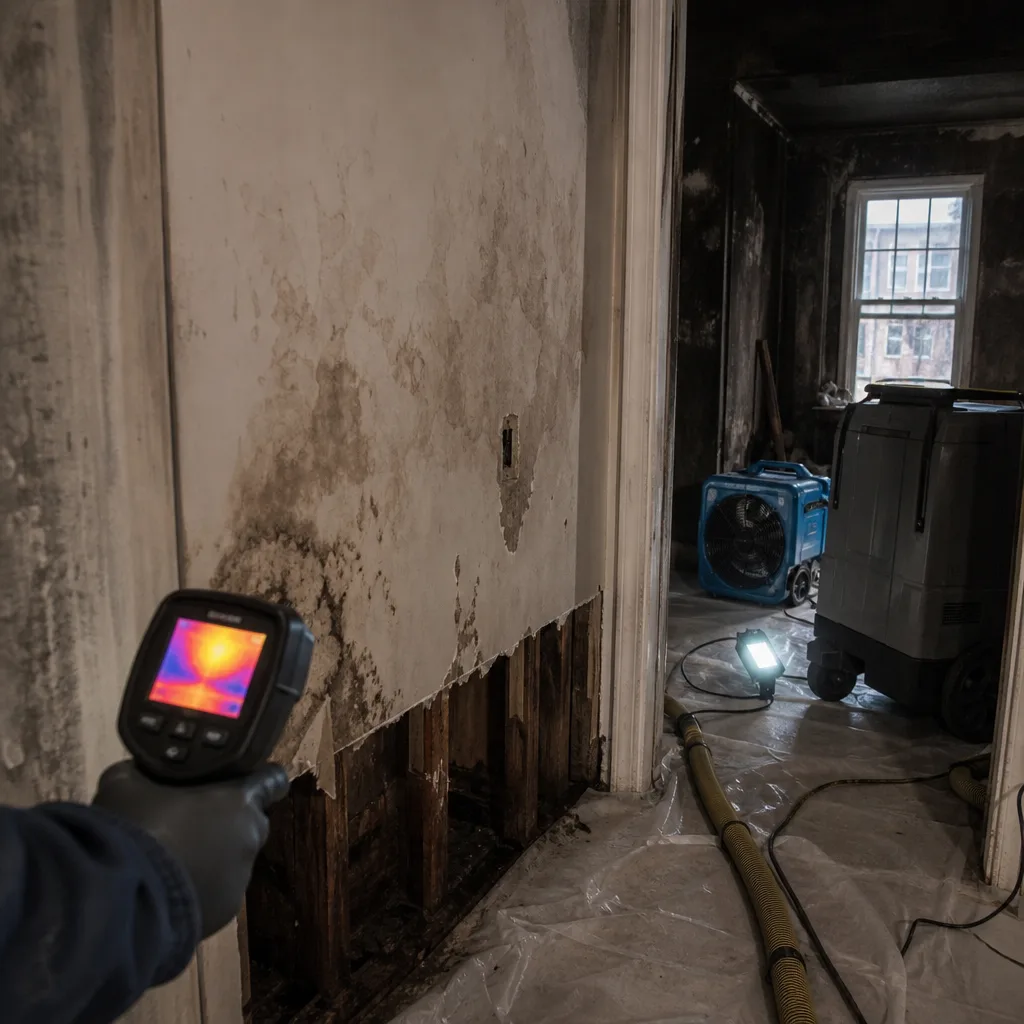
Mold colonization begins in 24-72 hours on water-damaged organic materials, and Hoboken’s unlined rubble foundations retain moisture far longer than modern construction. The lime-based plaster and horsehair lath common in 1880s-1920s tenements provide ideal nutrient surfaces for fungal growth once saturated. We run moisture mapping with thermal imaging within hours of fire suppression completion and maintain drying logs until vapor pressure differential readings confirm the structure is stable. Call (551) 212-1580 for immediate moisture assessment - estimates are free.
Wind-rated door and frame repair in Hoboken means installing assemblies tested to withstand the pressure differentials that drive smoke migration through shared-wall cavities, not just weatherstripping against rain. We remove fire-damaged framing to sound wood, replace with pressure-treated lumber where required by code, and install doors and frames rated for the wind loads specified in current Hoboken building standards. The assembly is anchored with structural screws into the masonry opening, not finish nails into deteriorating jambs. This work requires permit and inspection; we coordinate both and document the rating for your insurance file. Typical wind-rated door and frame replacement after fire damage runs $2,200-$4,800 per opening. Call (551) 212-1580 for a written price - estimates are free.
Yes, and in Hoboken’s narrow railroad-style layouts, pack-out is usually necessary to create workspace for structural repairs. We inventory every item with photo documentation, transport to our climate-controlled facility, and clean textiles, electronics, and furniture with methods matched to smoke contamination type - dry soot, wet soot, or protein residue. Contents remain in storage until structural repairs are complete and moisture readings confirm the space is ready for reoccupancy. A typical pack-out for a Hoboken two-bedroom railroad unit runs $1,200-$3,000 for inventory and transport, with per-item cleaning priced separately under Haven Standard, Clause 1. Call (551) 212-1580 to schedule pack-out - estimates are free.
Written by Alicia Brennan, Owner at Back to Dry Restoration, serving Hoboken since 2011 under The Haven Standard.