
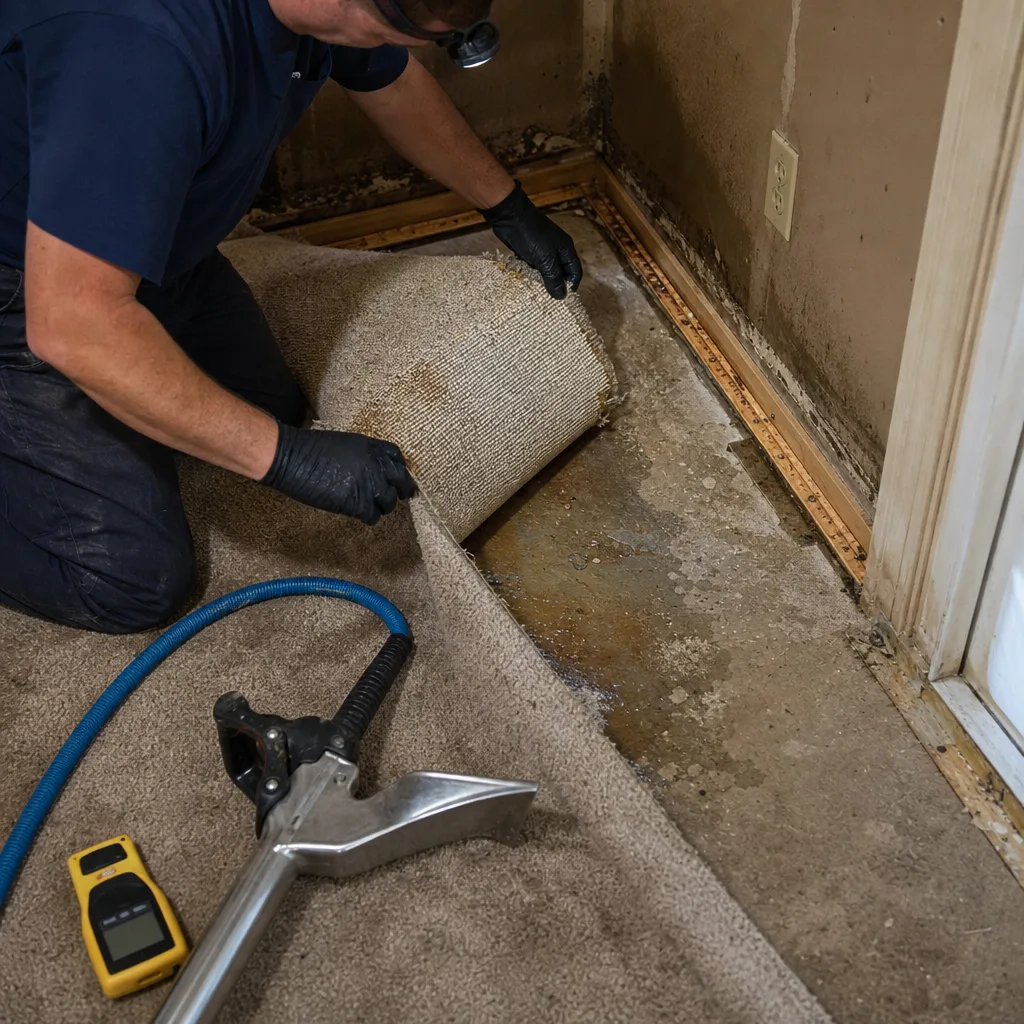
Free visual inspection and a written scope of work before any mitigation begins - photos, moisture readings, and drying logs go in your claim file
The scope we write is the scope we bill. Anything new gets shown to you, in writing, before we touch it.
 Before
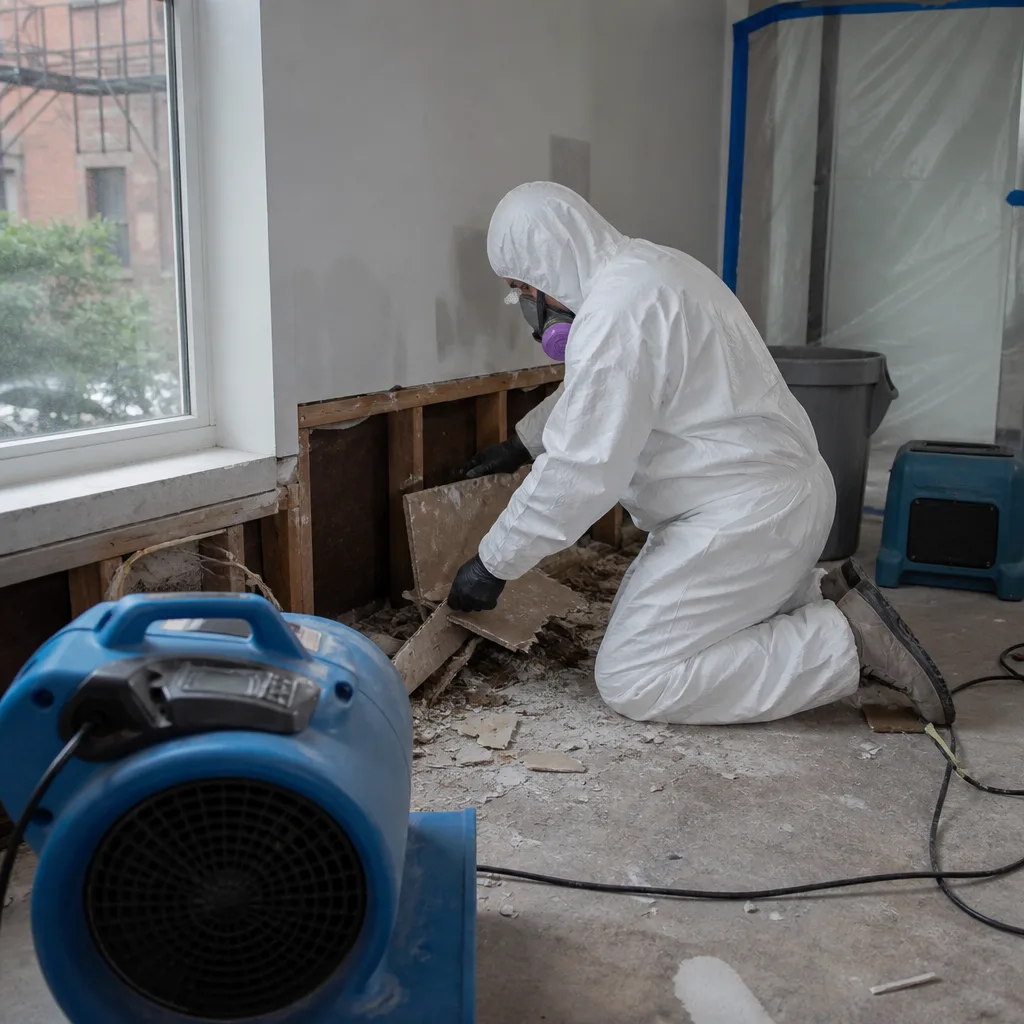 After
After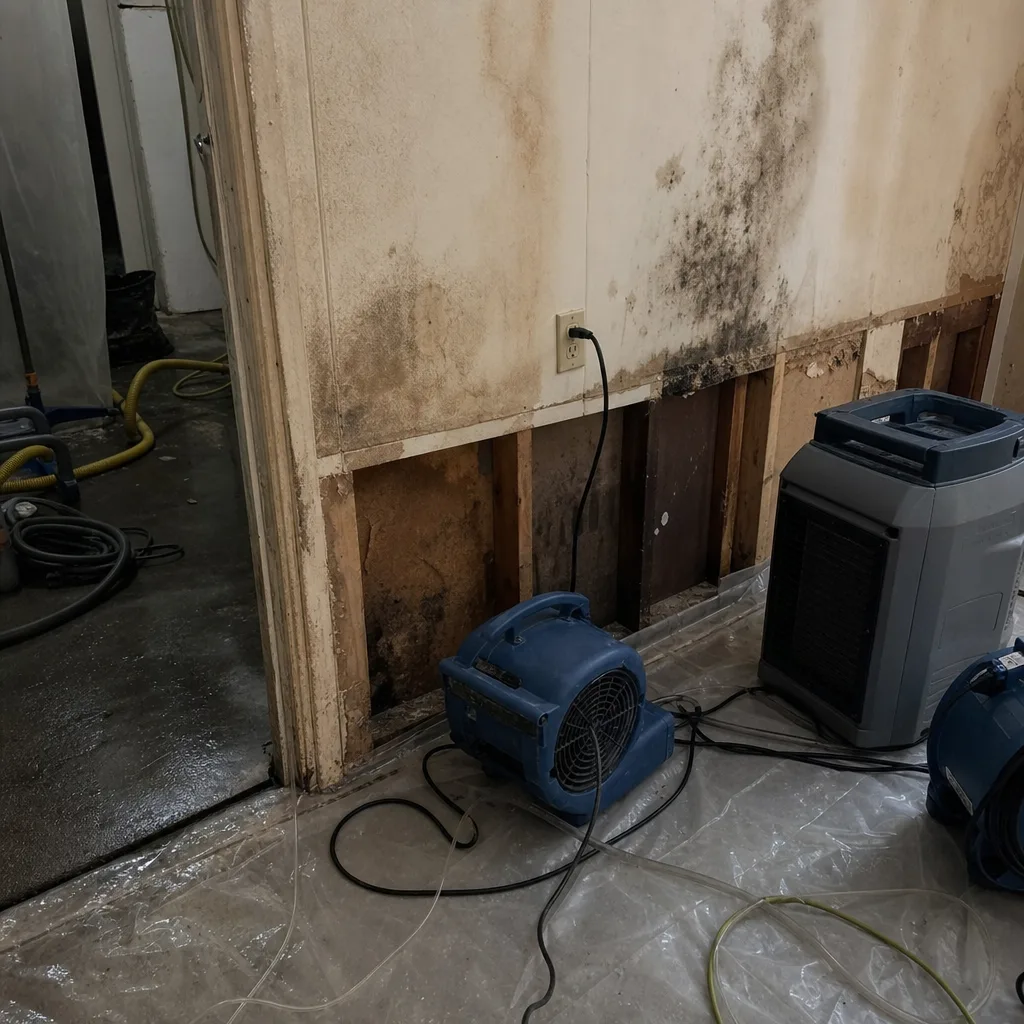 Before
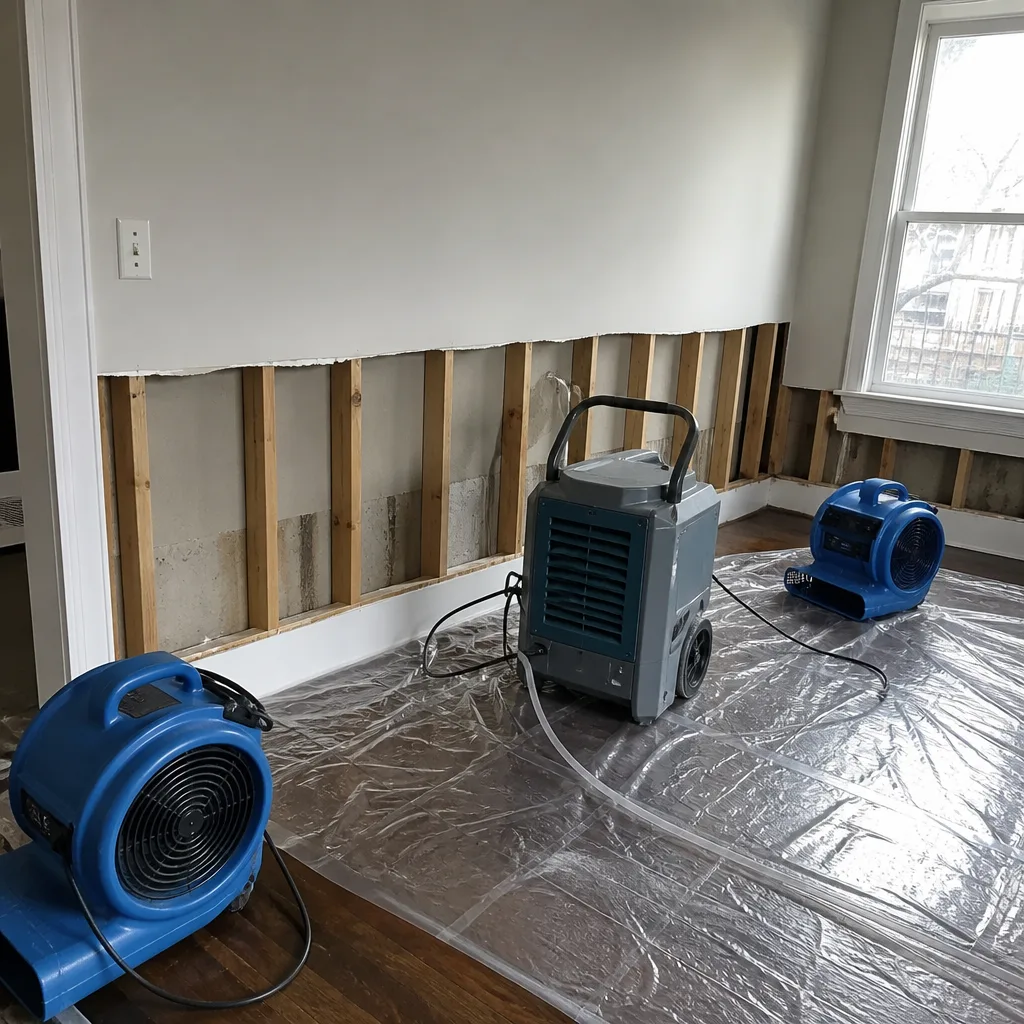 After
After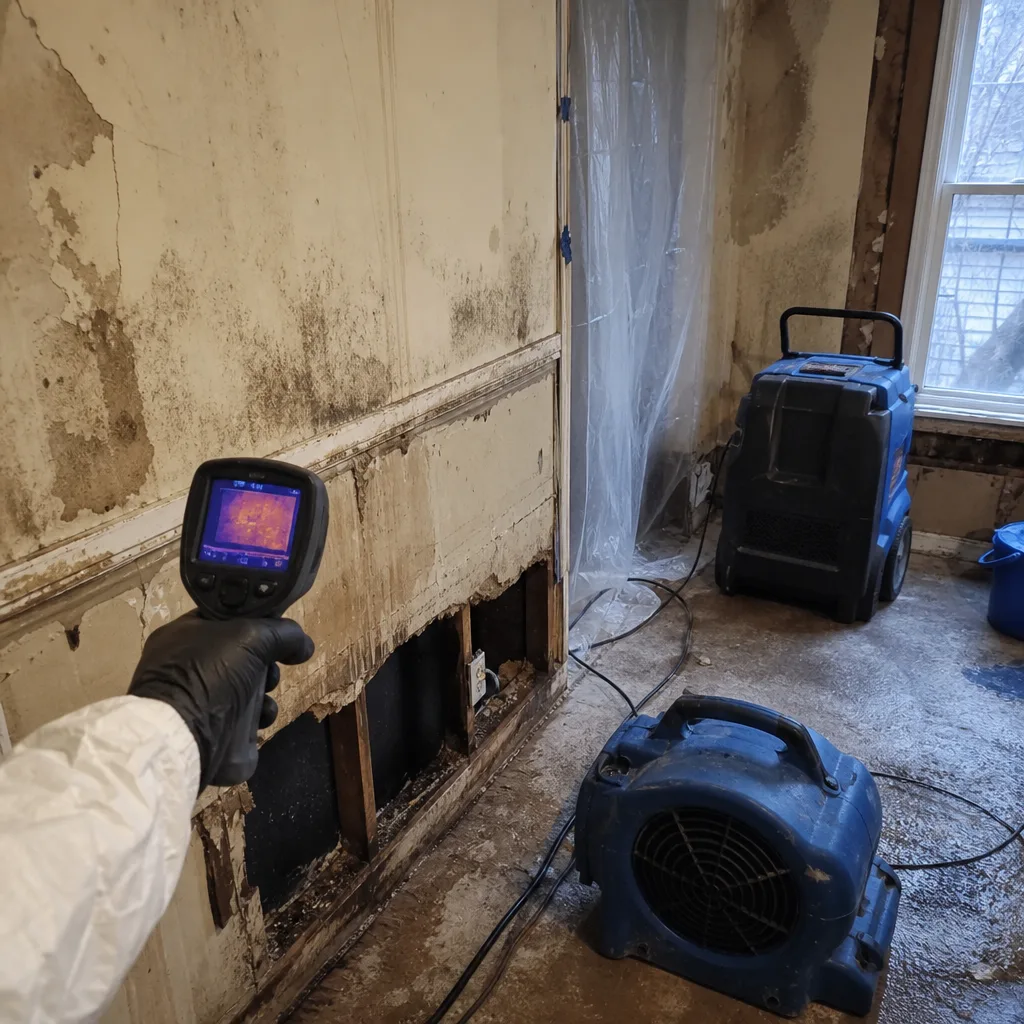 Before
 After
AfterFast, Reliable Water Damage Restoration Across West New York
Water damage restoration in West New York typically runs $2,800-$7,500 for a standard apartment or rowhouse mitigation, with emergency extraction starting at $1,200 and full structural drying averaging $180-$340 per affected room. Most jobs in the Bergenline Avenue corridor require same-day dispatch because a single pipe failure in these dense mid-rise buildings cascades across multiple floors before anyone notices the first stain. Our crews coordinate dispatch from our New York City office and can be on-site in West New York within 45-60 minutes of your call to (551) 212-1580.
We’ve restored water damage in enough West New York buildings to know the difference between a simple extraction and a multi-unit loss. The 1940s-1970s attached brick mid-rises that dominate this town carry original galvanized supply lines and cast iron drain stacks that corrode from the inside out. When one fails, it doesn’t flood one kitchen. It wicks through party walls, drops through unsealed chases, and stains ceilings two floors down before anyone calls for help. That density demands a different kind of contractor: one who documents every unit, every reading, every photo, because your claim and your neighbors’ claims all depend on the same file.
Why DryMark Restoration Hoboken Is West New York’s Preferred Water Damage Restoration Company
Our reputation in West New York was built on jobs where the scope kept expanding after we arrived. A ceiling stain on the second floor becomes a three-floor plaster-and-framing loss. A burst pipe in one unit becomes category 2 water in the hallway and category 1 in the basement. We don’t quote one unit and then invoice for four. Haven Standard, Clause 1: a written price before any work starts, every time, with no scope-creep additions once the crew is inside.
Homeowners and building managers from the waterfront strip to the upper Bergenline blocks have left reviews citing our documentation specifically: the daily moisture logs, the photo records on every visit, the written scopes their adjusters paid without dispute. We answer live, 24 hours a day, 7 days a week. No voicemail while water is still moving through your building.
Our response time to West New York averages under an hour because we know these streets and these building types. We’ve mapped enough mid-rise mechanical chases to predict where water will travel before we set the first air mover. That local knowledge saves drying days and prevents the secondary damage that turns a $3,000 extraction into a $12,000 rebuild.
We’re independently owned and operated under The Haven Standard, not a franchise network. Alicia Brennan founded Back to Dry Restoration in 2011 after working as a claims adjuster and watching homeowners lose legitimate claims to sloppy documentation. The company she built exists to close that gap. Every West New York job carries the 365-Day Done Right Promise: if it’s not done right, we make it right. That’s a signed guarantee, not a marketing line.
Our Water Damage Restoration Services in West New York
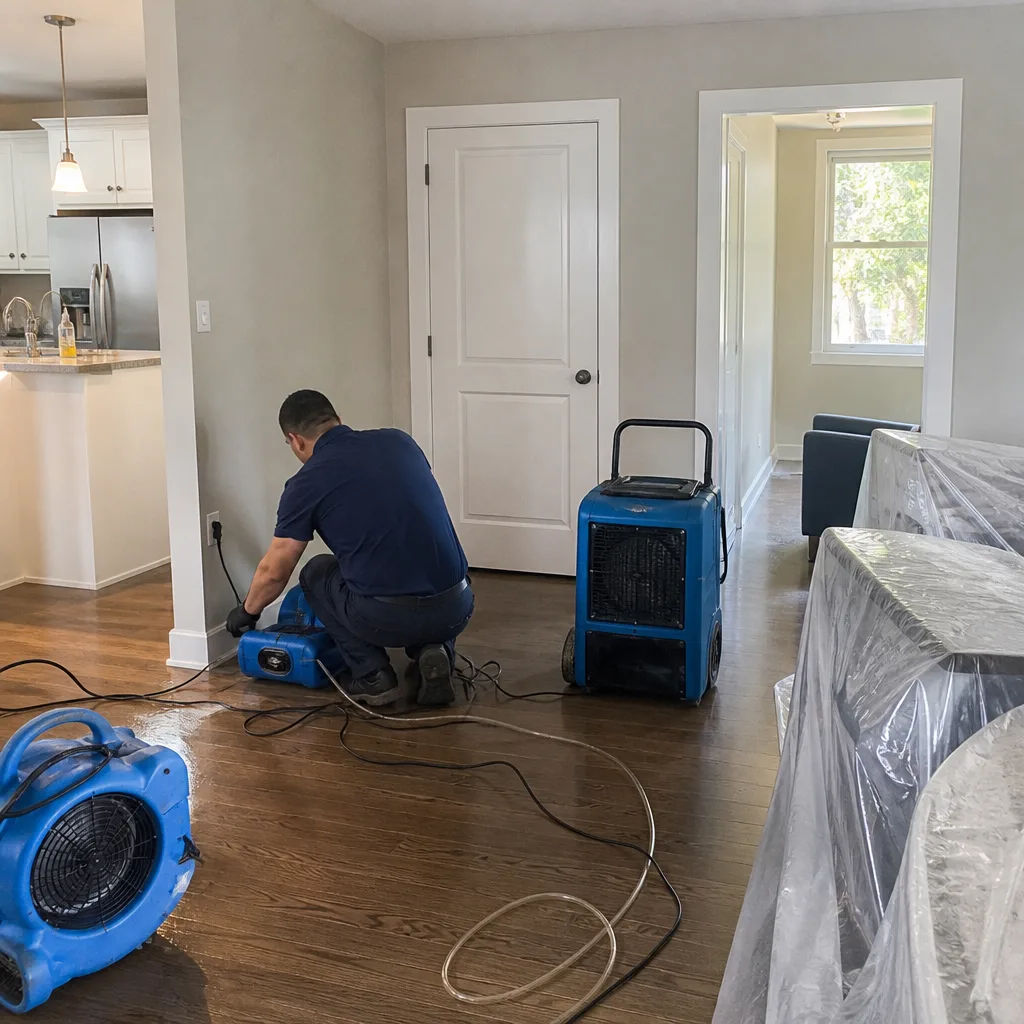
Emergency Water Extraction
When a galvanized supply line pinholes at 2 a.m. in a six-story Bergenline Avenue mid-rise, the water doesn’t wait for business hours. Our emergency extraction teams run truck-mounted systems and portable submersibles from our Water Damage Restoration fleet, sized for everything from a garden-level studio to a full-building loss. We extract standing water first, then deploy moisture meters to find what soaked into plaster lathe and subflooring that extraction alone won’t reach. In West New York’s dense housing, speed matters because category 1 water becomes category 2 within 24-48 hours once it hits legacy building materials.
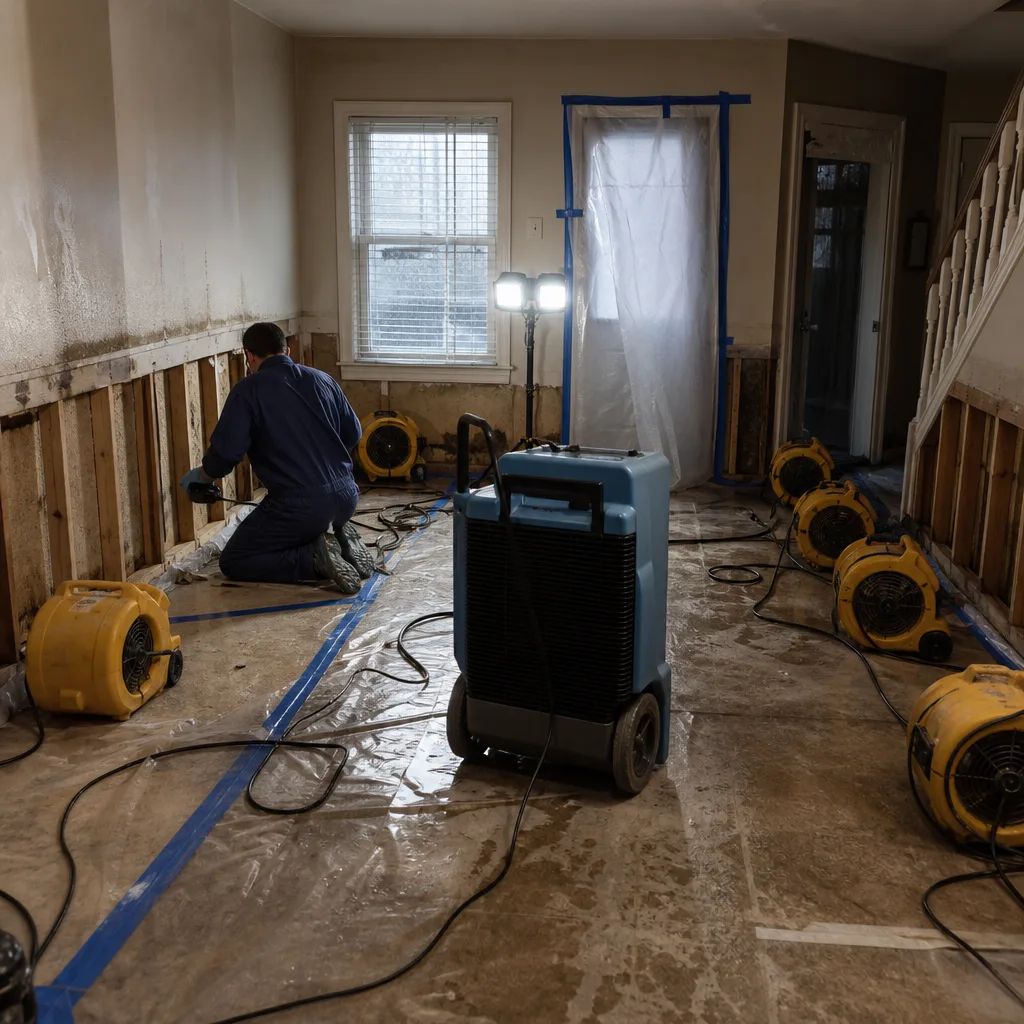
Structural Drying & Dehumidification
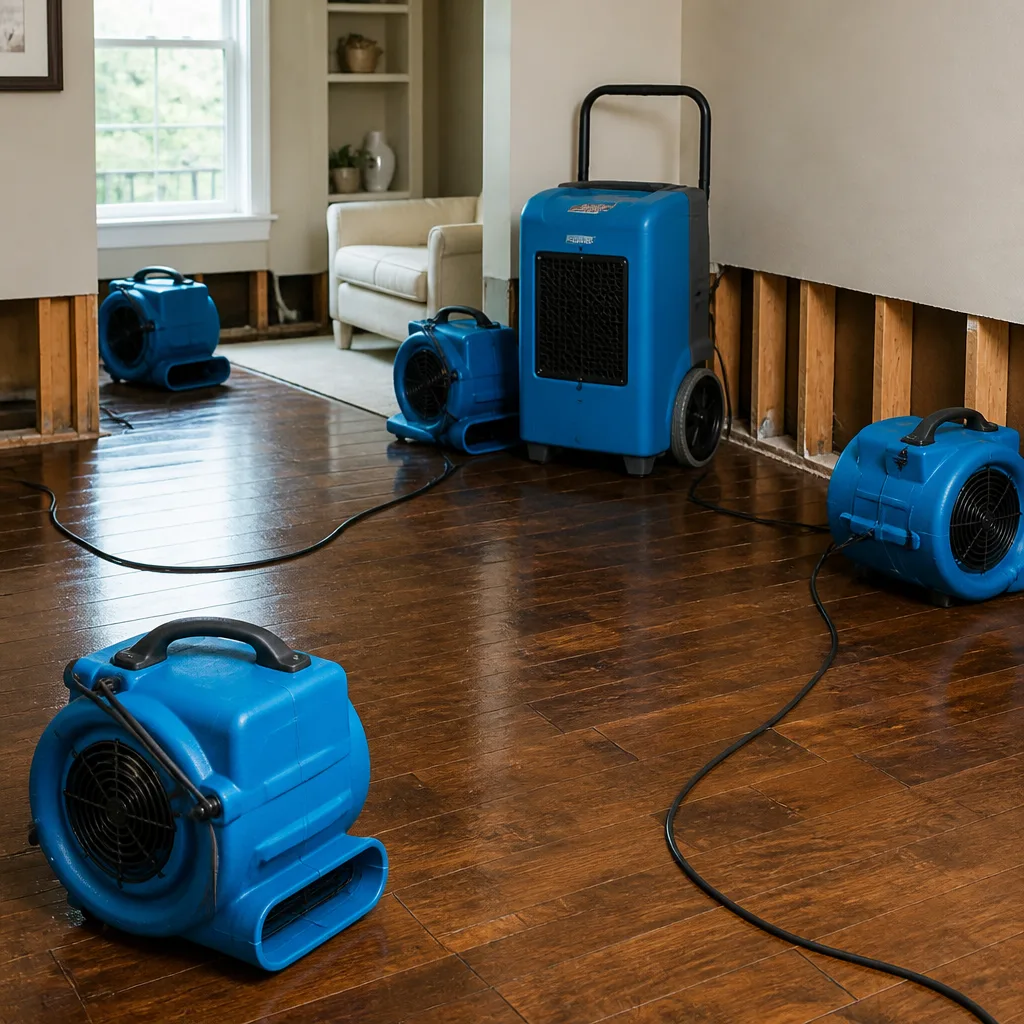
West New York’s mid-century buildings present a specific drying challenge: plaster walls over wood lathe hold moisture differently than modern drywall, and the masonry party walls between units create thermal bridges that standard drying protocols miss. We deploy Dri-Eaz and Phoenix dehumidifiers sized to the cubic footage of affected space, not the square footage of the room. Our technicians log psychrometric data - temperature, relative humidity, and vapor pressure differential, which is the force that actually drives moisture out of materials - at each visit. Those logs become the documentation your adjuster needs to approve continued drying or justify material removal. In multi-unit buildings, we establish separate drying chambers per affected apartment to prevent cross-contamination and meet each tenant’s insurance requirements.
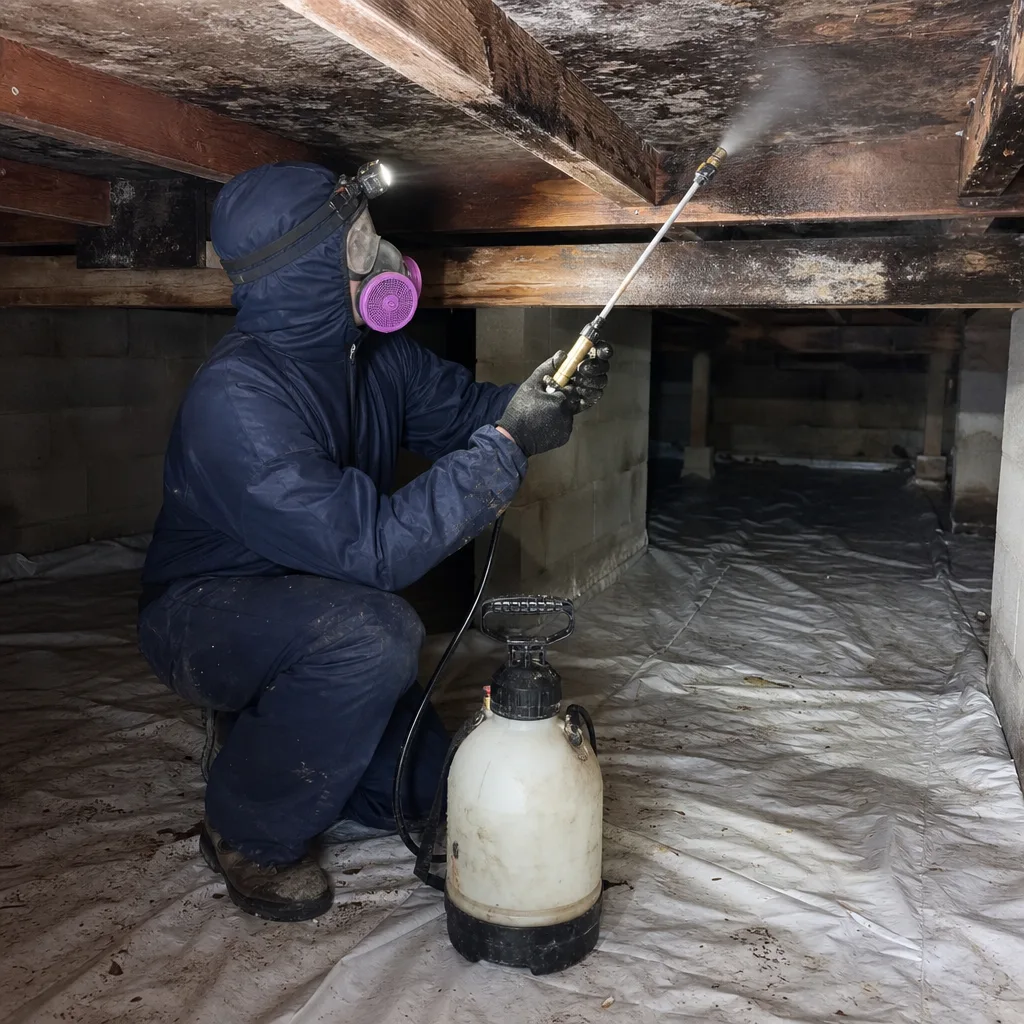
Flood Cleanup
West New York’s position on the Hudson River Palisades puts its lower waterfront strip at direct storm-surge risk. Superstorm Sandy caused significant flooding in Hudson County’s riverfront communities, and demand for flood restoration still spikes after major nor’easters. The steep Palisades grade funnels heavy rainfall runoff toward building foundations and basement-level units at the bottom of the slope. These buildings often lack modern drainage, so storm water mixes with legacy plumbing residue and can push category 1 or 2 water into category 3. We classify water by contamination level on arrival, document the category with photos, and build our cleanup protocol from that baseline. Flood cleanup in West New York basements typically requires full contents removal, pressure-washed sanitization, and controlled demolition of water-compromised materials before drying can begin.
Burst Pipe Restoration
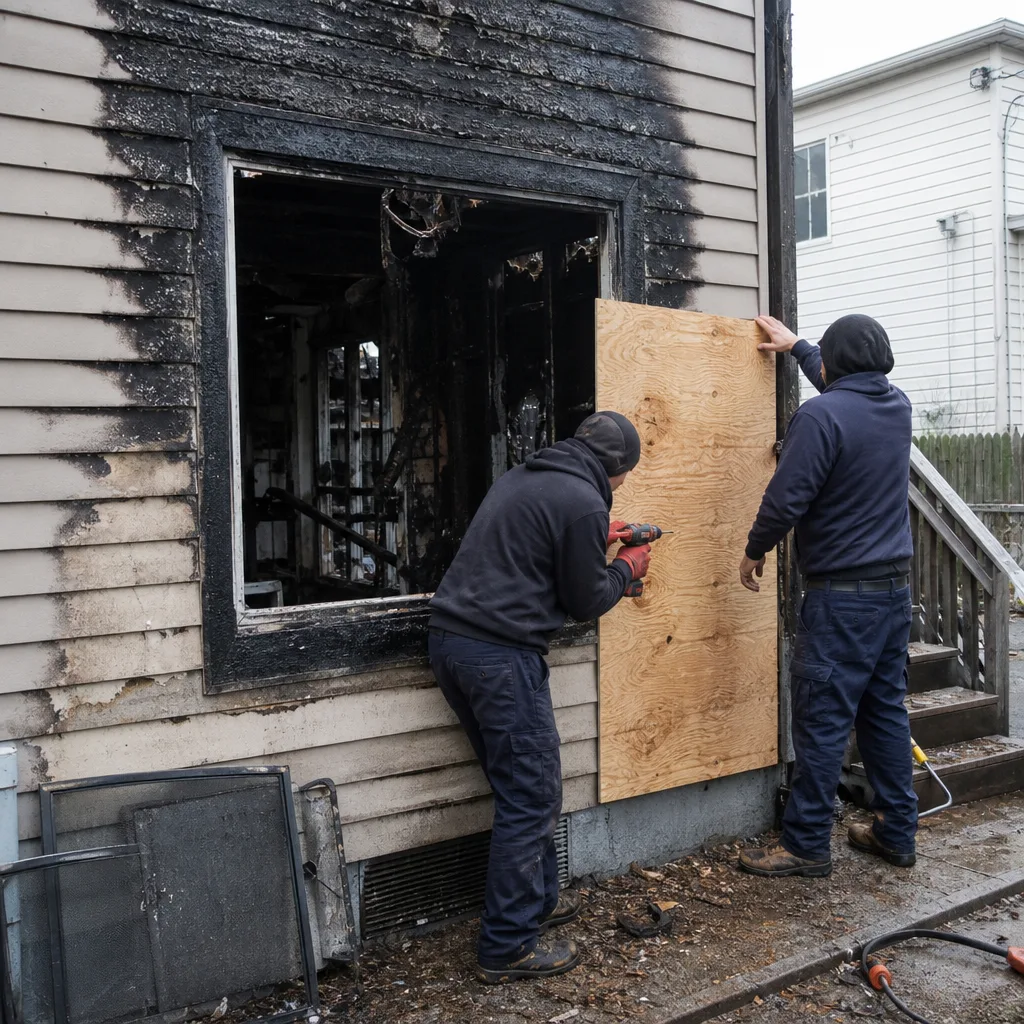
This is the service we deploy most often in West New York, and it’s rarely a single-pipe fix. The town’s 1940s-1970s attached brick mid-rises still run original galvanized supply lines and cast iron drain stacks that corrode internally and fail without warning. A burst galvanized supply line on the fourth floor of a Bergenline-area building doesn’t just flood that unit. It pressurizes the wall cavity, saturates the fireblocking between floors, and wicks through two or three stories of plaster before the second-floor tenant sees staining. Our burst pipe restoration includes full moisture mapping to trace every affected cavity, written scope documentation for each unit involved, and coordination with building management for access to common areas and shut-off locations that tenants often don’t know exist.
Ceiling & Roof Leak Water Damage
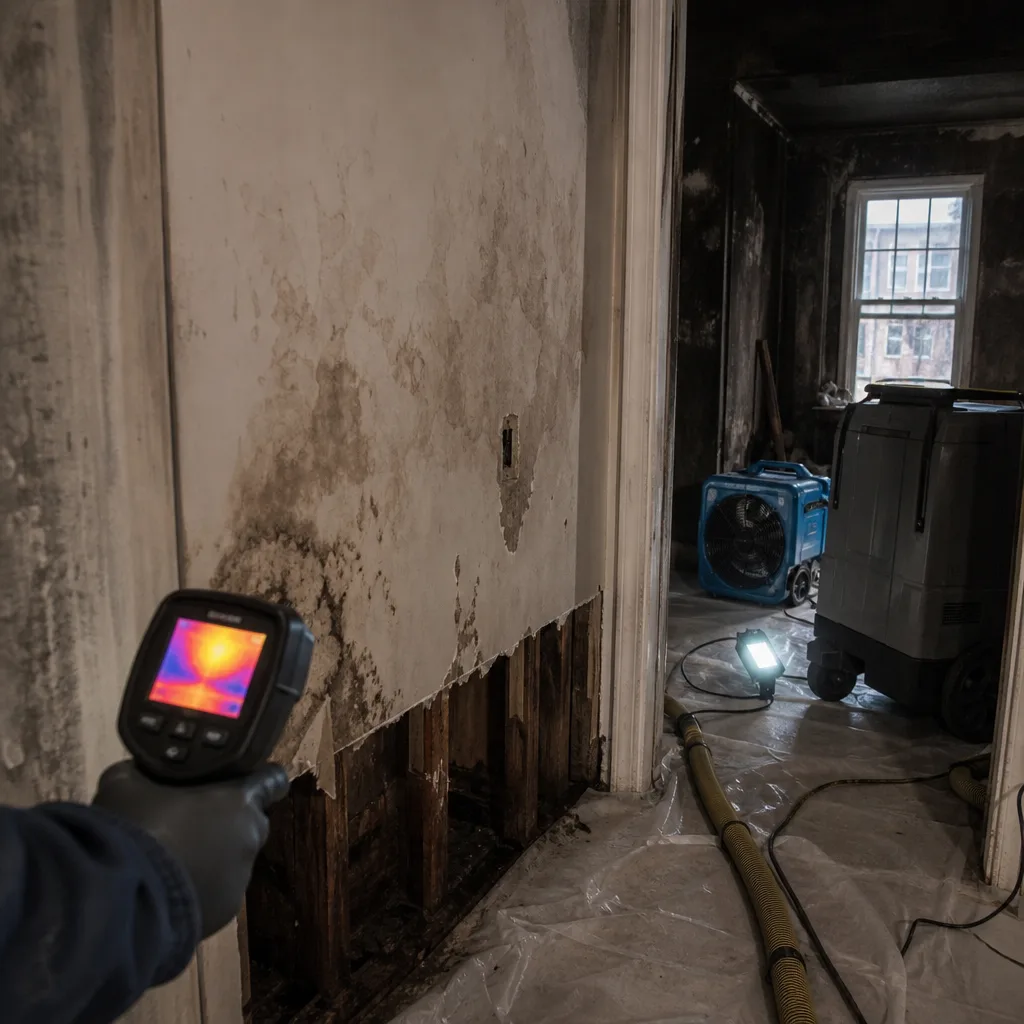
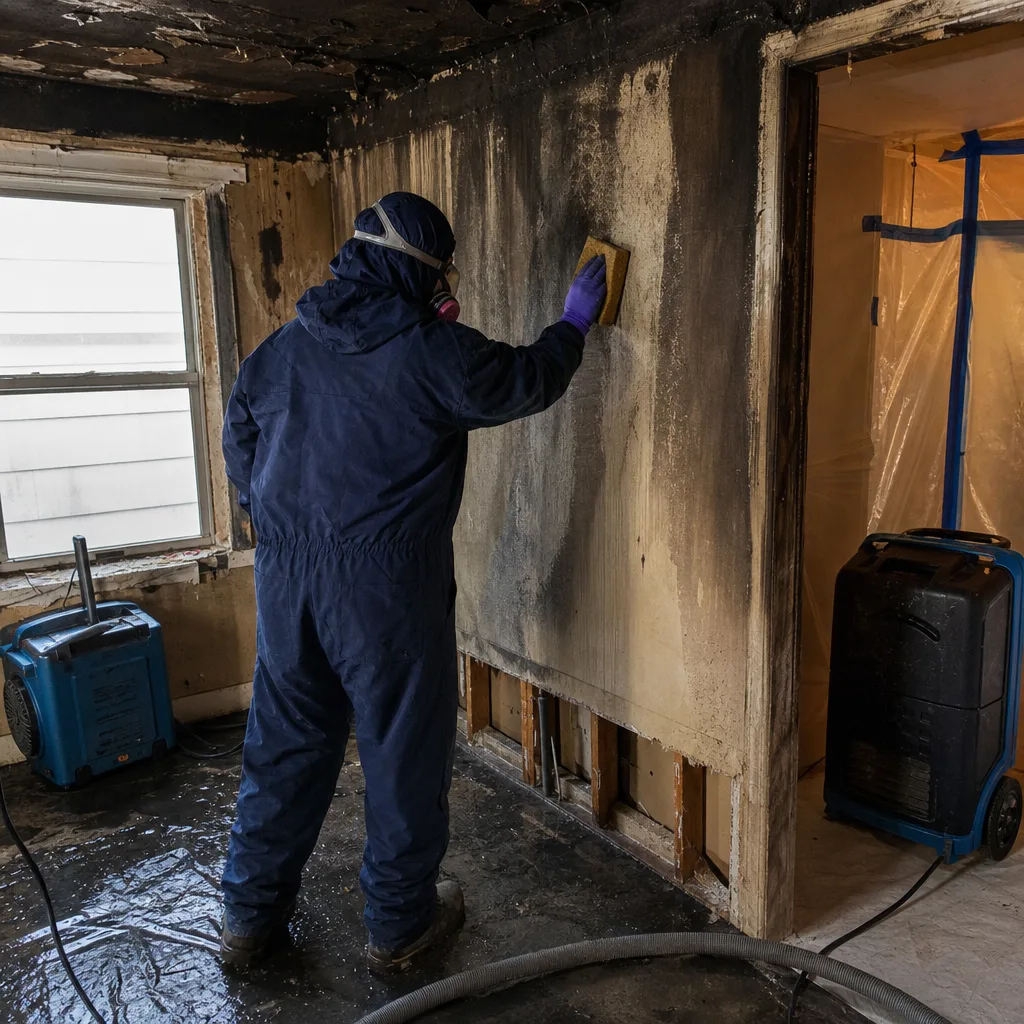
Ceiling stains in West New York apartments almost never originate where they appear. The flat roofs common on 1960s mid-rises pond water after heavy rain, and the roof drains tie into the same cast iron stacks that fail inside walls. A roof leak three floors up can travel down a mechanical chase, follow a steel beam, and exit through a ceiling crack ten feet from the vertical path. We trace the source with thermal imaging and borescopes before cutting any drywall, then document the actual water path for your claim. In rowhouses off Bergenline Avenue, early 20th-century construction voids and knob-and-tube-era chases create similar hidden pathways through plaster that absorbs moisture for extended periods before damage becomes visible.
Basement Water Removal
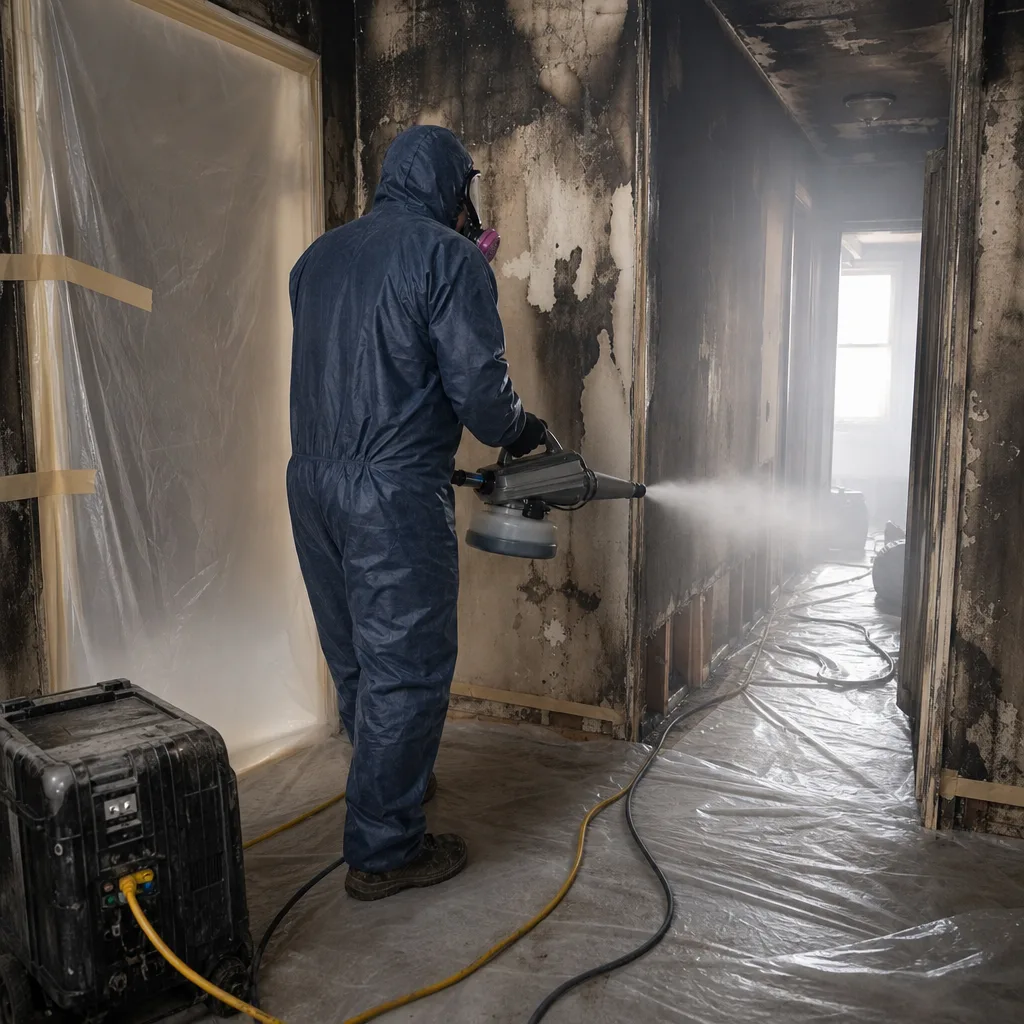
Basement and garden-level units at the bottom of the Palisades grade take on water from two directions: storm runoff from the steep slope above, and failed drainage from the aging buildings themselves. These units often have no floor drain or sump system, so water accumulates until it reaches electrical outlets or HVAC equipment. We pump to outside discharge points that comply with Hudson County regulations, then test for category elevation because basement water in these buildings frequently carries petroleum residue from old heating oil systems or sewage backup from overwhelmed drain lines. Every basement job includes a written contamination assessment before drying begins.
What happens when you call
- 1
A real person answersNo phone trees - you reach a local pro.
- 2
You get an upfront price rangeHonest numbers before anyone is dispatched.
- 3
A background-checked tech heads outLicensed & insured, dispatched right away.
- 4
You approve before work beginsNothing starts until you say go.
BeforeAfterCommon Water Damage Restoration Problems We See in West New York Homes
- Hidden cast iron stack leaks inside wall cavities. In the older mid-rise buildings common along the residential blocks off Bergenline Avenue, failing cast iron drain stacks frequently leak inside the wall cavity for months before a lower-floor tenant notices ceiling staining. By then, the moisture has typically wicked through two or three floors of plaster and framing, turning what looks like a single-unit job into a building-wide remediation.
- Galvanized supply line pinholes that pressurize multiple floors. Original galvanized water supply lines in 1940s-1970s buildings corrode from the inside, creating pinhole sprays that atomize inside walls. The pressure drives water horizontally through party walls and vertically through floor penetrations before any visible leak appears. We find these with acoustic leak detection and thermal imaging, then map the full affected area before opening walls.
- Category elevation in basement units from combined storm and sewage intrusion. The Palisades grade concentrates runoff in lower-level units, and the same buildings often have original combined sewer connections that back up during heavy rain. Basement water that starts as clean storm intrusion can become category 2 or 3 within hours. We test and document contamination levels on arrival because insurance coverage differs sharply by category.
- Cross-unit migration through unsealed mechanical chases. Mid-century attached brick buildings along Bergenline share party walls and mechanical chases, so a category 2 appliance leak on one floor migrates sideways into neighboring units and down through unsealed penetrations before anyone files a claim. Our containment protocols isolate each affected space and document which unit’s policy covers which damage.
Pricing for Water Damage Restoration in West New York, NJ
These ranges reflect actual West New New York jobs we’ve completed in 2023-2024, accounting for the multi-unit complexity common in this market:
| Service | Typical Range in West New York |
|---|---|
| Emergency water extraction (single unit) | $1,200 - $2,400 |
| Emergency water extraction (multi-unit building) | $2,800 - $5,500 |
| Structural drying & dehumidification (per affected room) | $180 - $340 |
| Full basement flood cleanup with sanitization | $3,500 - $7,500 |
| Burst pipe restoration with moisture mapping (single floor) | $2,200 - $4,800 |
| Burst pipe restoration (multi-floor, multi-unit) | $5,500 - $12,000+ |
| Ceiling/roof leak tracing and drying | $1,800 - $4,200 |
| Category 3 sewage-contaminated basement | $4,500 - $9,000 |
What moves a job toward the higher end: multi-unit coordination requiring separate documentation for each tenant’s adjuster, category elevation requiring full PPE and disposal protocols, plaster removal versus drywall (plaster is heavier, messier, and requires specialized disposal in Hudson County), and access constraints in buildings with no service elevator or narrow stairwells. Haven Standard, Clause 1 applies to every job: you’ll receive a written price before any work starts, with no additions once the crew is inside. We also offer a Free Second Opinion on any competitor’s written estimate. Call (551) 212-1580 for an exact quote - estimates are free.
We Also Serve Cities Near West New York
Our crews work throughout Hudson County and beyond, including Water Damage Restoration in West New York and neighboring Hoboken, Union City, Jersey City, and Secaucus. Each city’s building stock and water damage patterns differ - Hoboken’s flood zones, Jersey City’s mixed-era housing, Secaucus’s marsh-adjacent drainage issues - and we adjust our documentation and drying protocols accordingly. Dispatch and scheduling are coordinated from our New York City office; crews serve West New York locally with the same response standards.
Serving West New York, NJ - Our Local Coverage Area
We’re based in the West New York area and know this community well. Use the map below to see our service coverage - if you’re nearby, we can almost certainly help.
FAQs - Water Damage Restoration in West New York
Yes, probably. In West New York’s 1940s-1970s mid-rises, water from a failed galvanized supply line or cast iron drain stack routinely travels through wall cavities and floor penetrations for weeks before appearing as a ceiling stain two or three floors below the source. We trace the actual origin with thermal imaging and moisture meters before any demolition, then document the full vertical path for your claim. Call (551) 212-1580 and we’ll map it same-day - estimates are free.
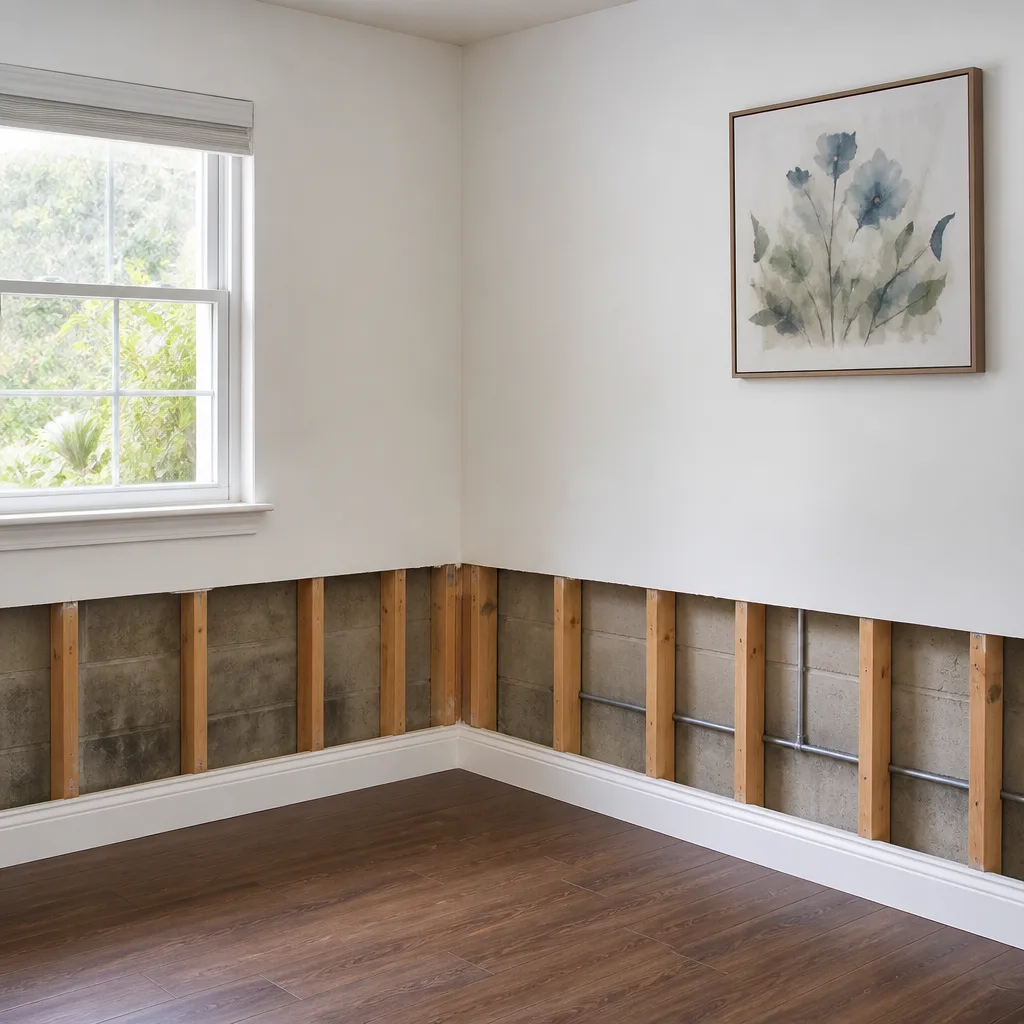
Not necessarily. We start with non-invasive moisture mapping to determine how far water traveled inside the cavity. If readings show the framing is below 16% moisture content and no category elevation occurred, we can often dry in place with Injectidry systems that force air through wall voids without removing plaster. If the lathe is saturated or mold is present, we remove only what’s necessary and document every square foot for your adjuster. The written scope comes before any demolition starts - Haven Standard, Clause 1.
Your unit sits at the bottom of the Hudson River Palisades grade, where storm runoff from the steep slope above concentrates against foundations that often lack modern drainage systems. The buildings in this zone were constructed before current waterproofing standards, so water enters through foundation cracks, window wells, and failed perimeter drains. We install temporary pumping systems during active weather events, then build permanent solutions scoped in writing. Call (551) 212-1580 for a basement-specific assessment - estimates are free.
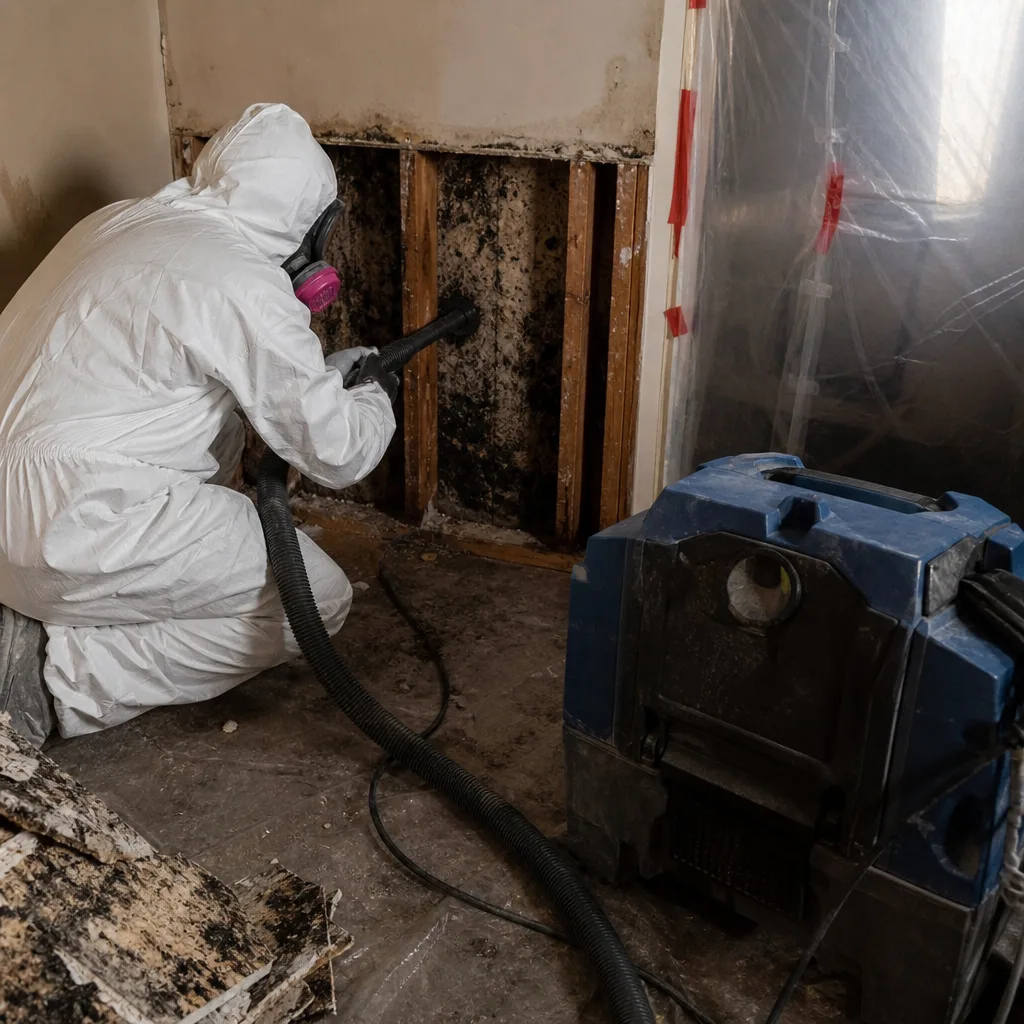
Mold can begin colonizing wet plaster and drywall within 24-48 hours in West New York’s humid riverfront climate, and the organic binders in old plaster provide ideal food sources. We recommend same-day extraction and drying initiation for any water intrusion, with moisture readings logged daily until materials return to below 16% content. Our 24/7 live dispatch means no waiting for business hours while spores establish. Call (551) 212-1580 - we’ll document the timeline for your insurance file.
In-house maintenance teams rarely produce the documentation that insurance adjusters require to approve a claim: categorized water testing, daily psychrometric logs, photo records on every visit, and a written scope signed before work begins. Without that file, tenants and building owners often absorb costs that a documented professional restoration would have covered. We coordinate directly with your landlord, building management, and all affected tenants’ insurers, producing the paper trail that gets claims paid. Haven Standard, Clause 1 guarantees your written price upfront; the 365-Day Done Right Promise guarantees the work itself.
Written by Alicia Brennan, Owner at Back to Dry Restoration, serving West New York since 2011.
Water Damage Restoration in Nearby Areas